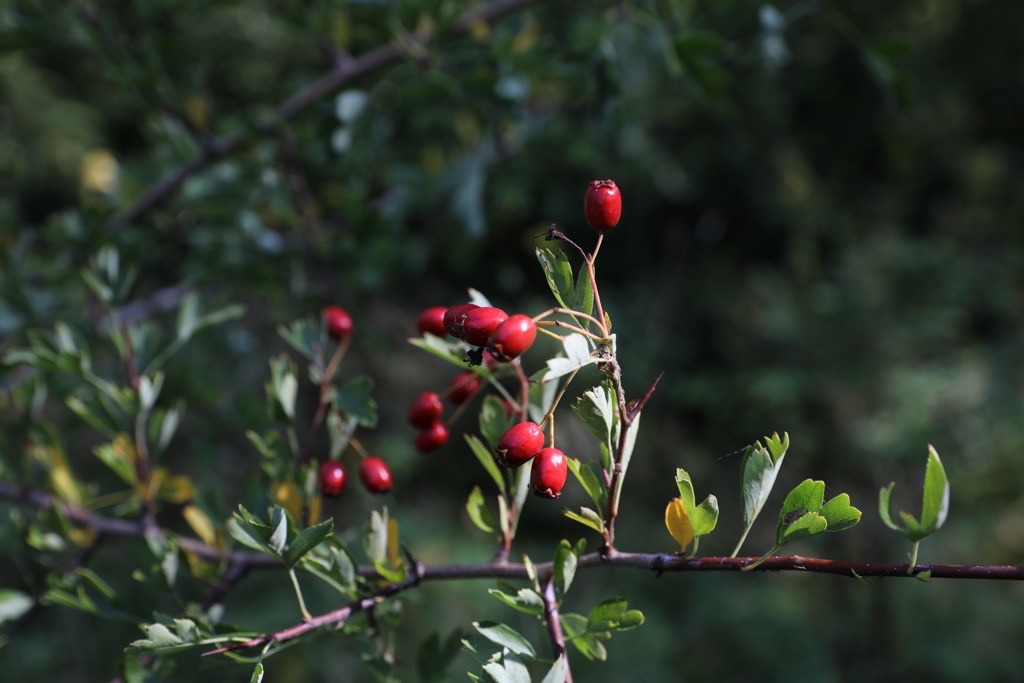
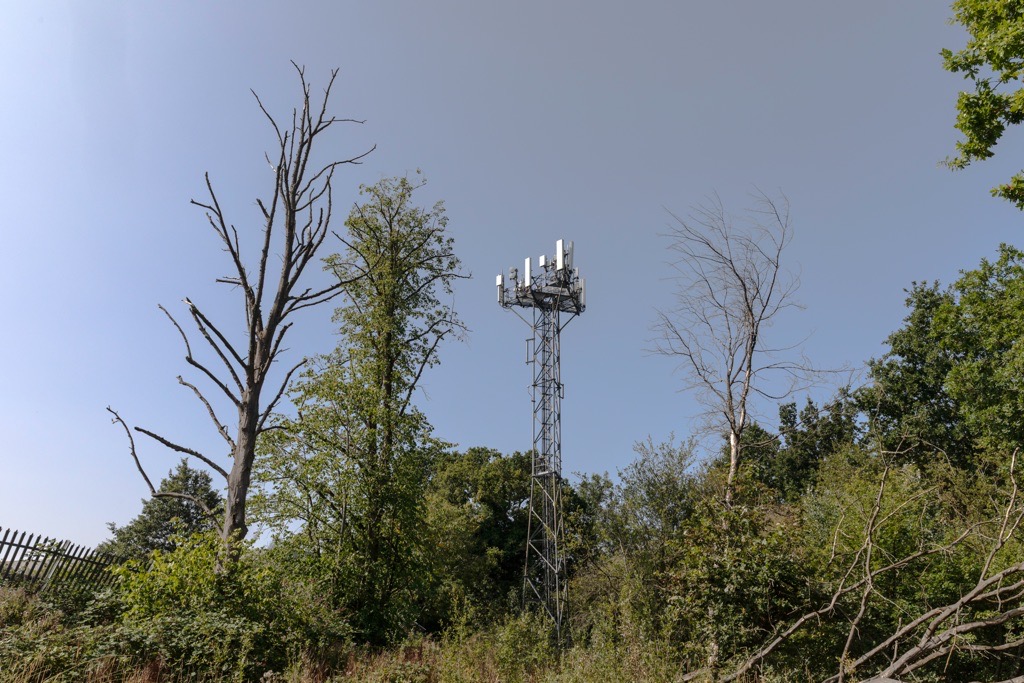
Photography inspiration can be hard to find, especially when it feels like you have already photographed everything around you. Many photographers reach a point where creativity feels stalled, making it difficult to see familiar places with fresh eyes.
Wondering what to photograph? Stuck with subject matter? Feel like you’ve photographed everything before and need some new inspiration? We’ve all been there, and trying to lift the gloom on our creative inspiration is never easy.
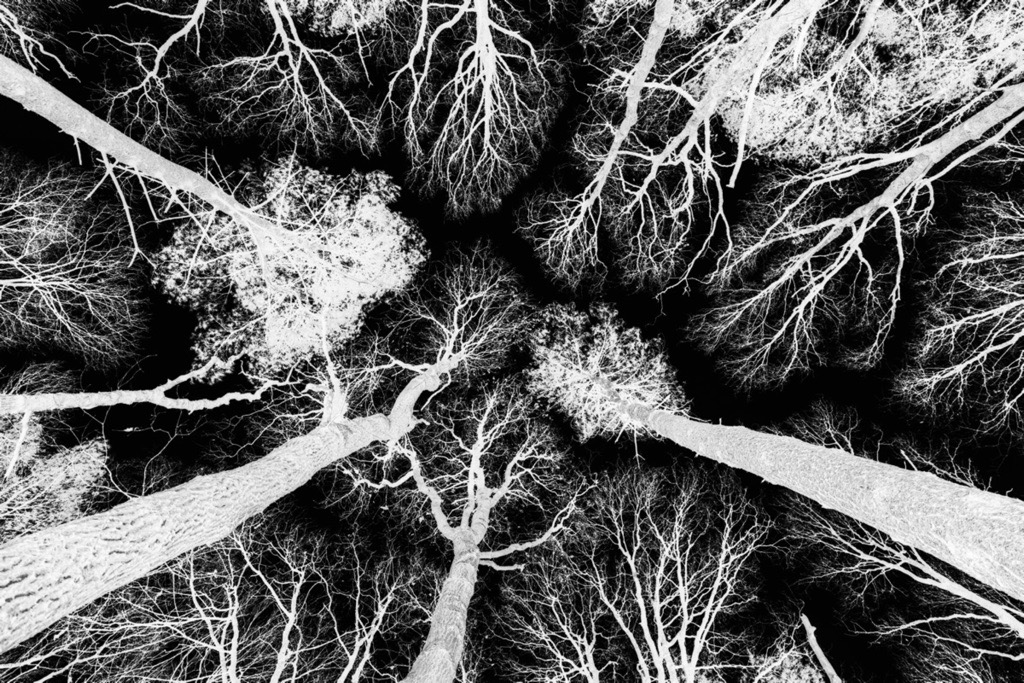
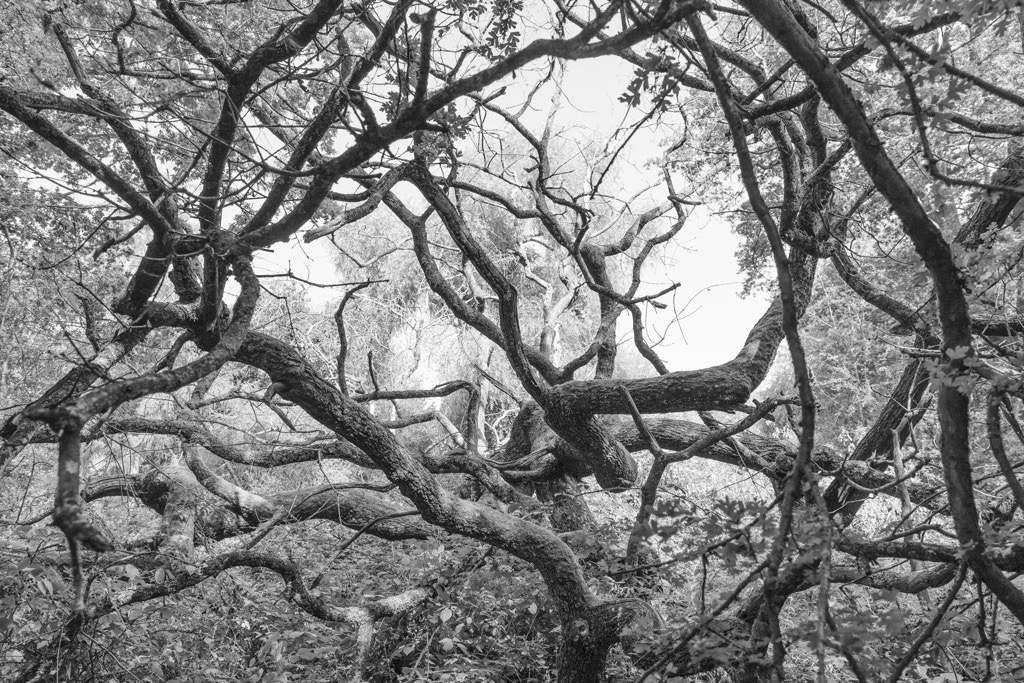
This looking up picture deep in the wood has been converted to black and white and then inverted.
Revisiting Familiar Places
My own personal solution is to revisit one of my favourite places and try to do something a little different, even if that means standing in the same spots or walking along familiar paths.
I have taken photographs before in this spot mainly in colour. A change to black and white is something different for me.
A Walk Through Hay Wood
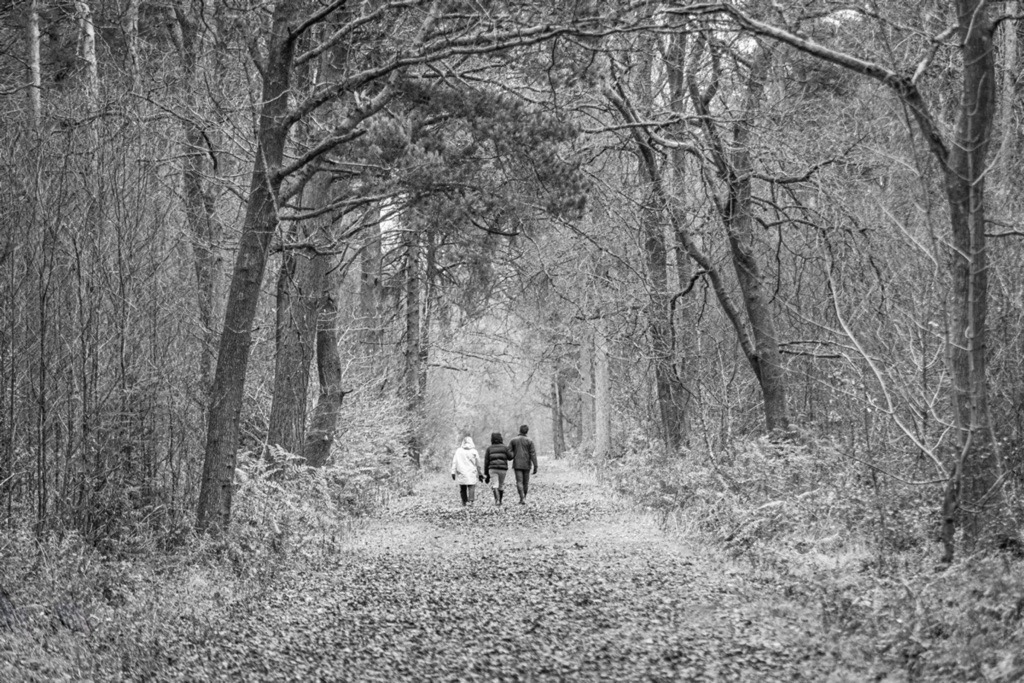
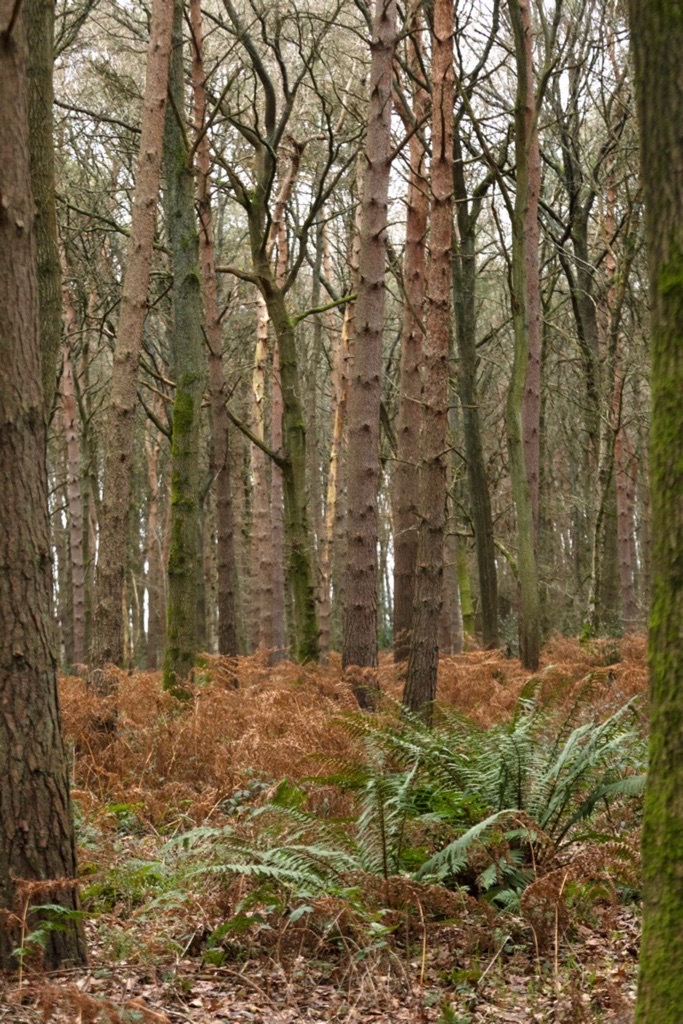
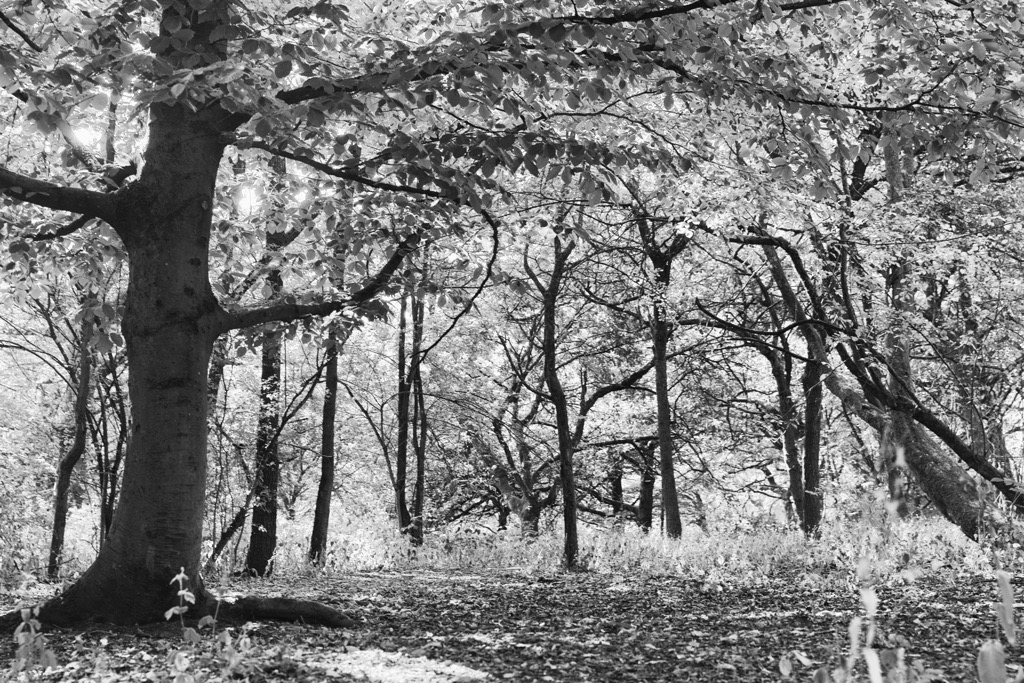
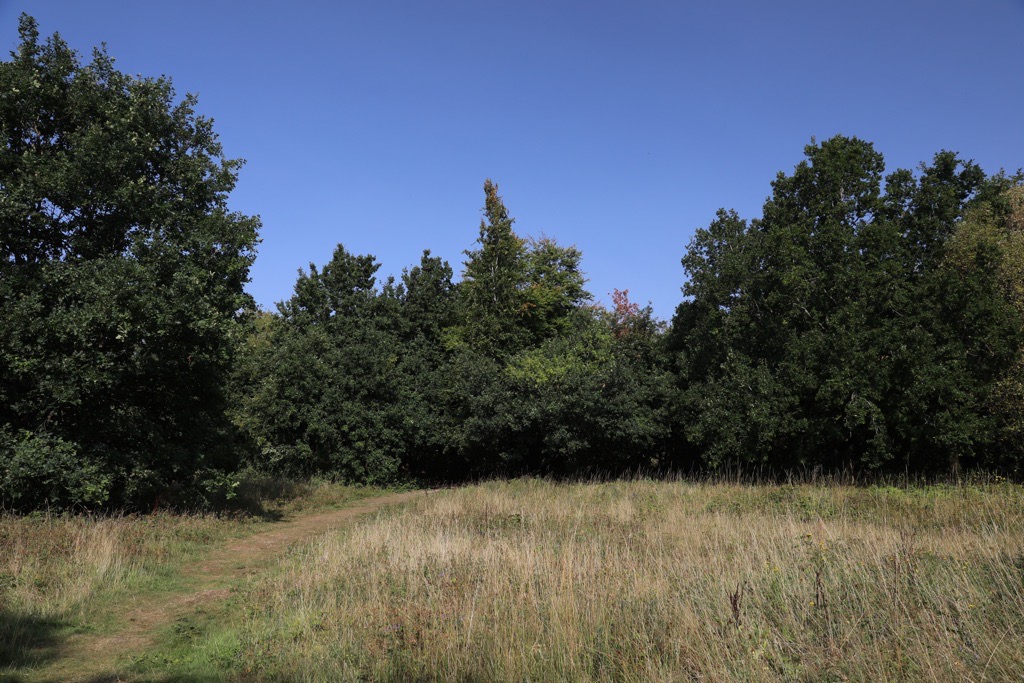
This time, my choice was to visit a woodland, as the natural chaos of tree shapes always brings fresh insights and new perspectives. My go-to place is Hay Wood, near Solihull. Managed by Forestry England UK, Hay Wood is large enough to make you feel removed from civilisation, yet not so isolated that traces of human presence disappear entirely.
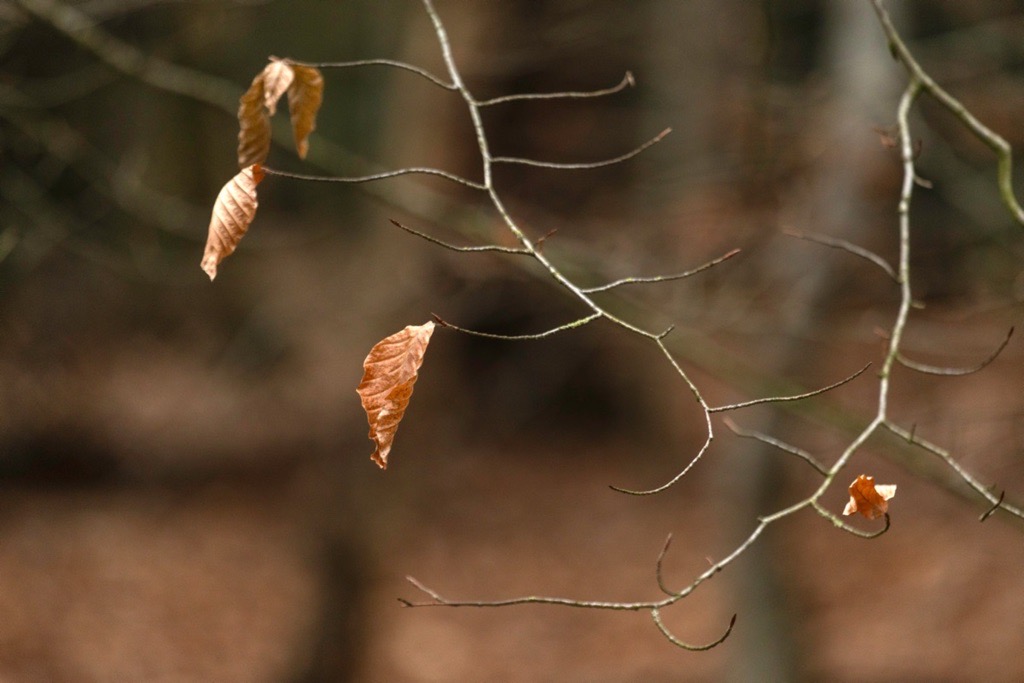
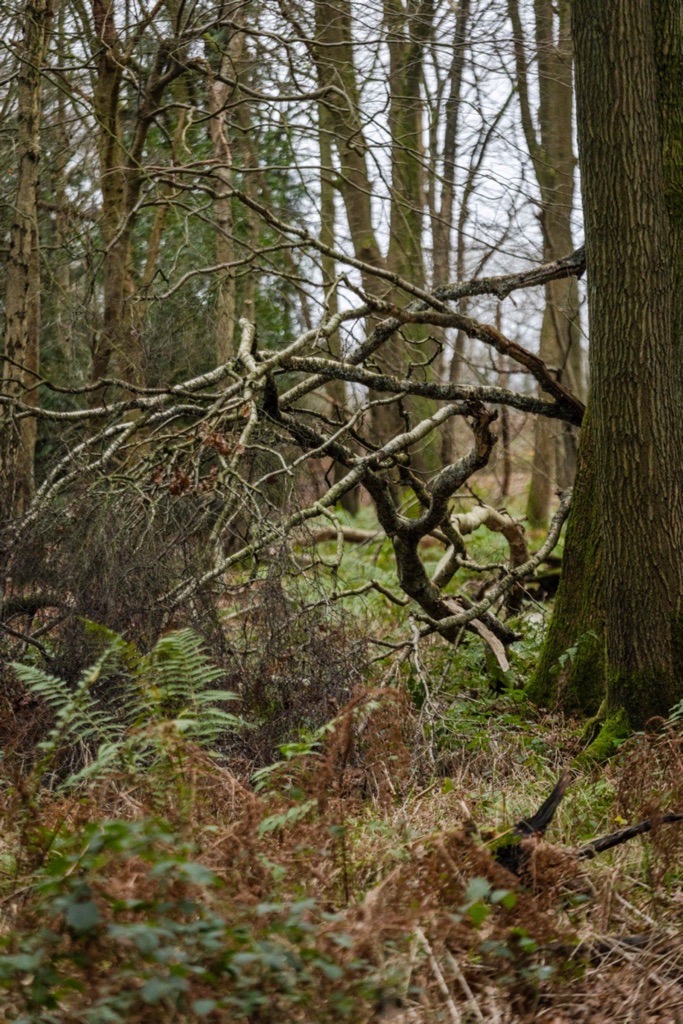
A close up view of the leaves on a beech tree.The fallen tree branches add an interesting disruption to the woodland scene.The different layers of the wood from the floor to the trees.
Woodland Photography as a Creative Tool
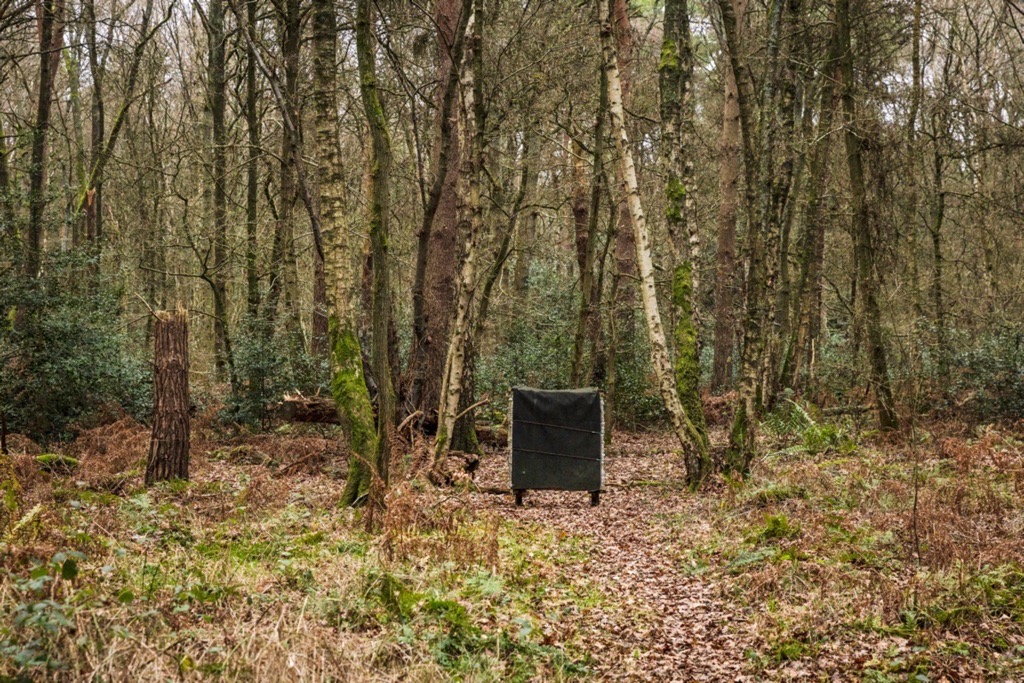
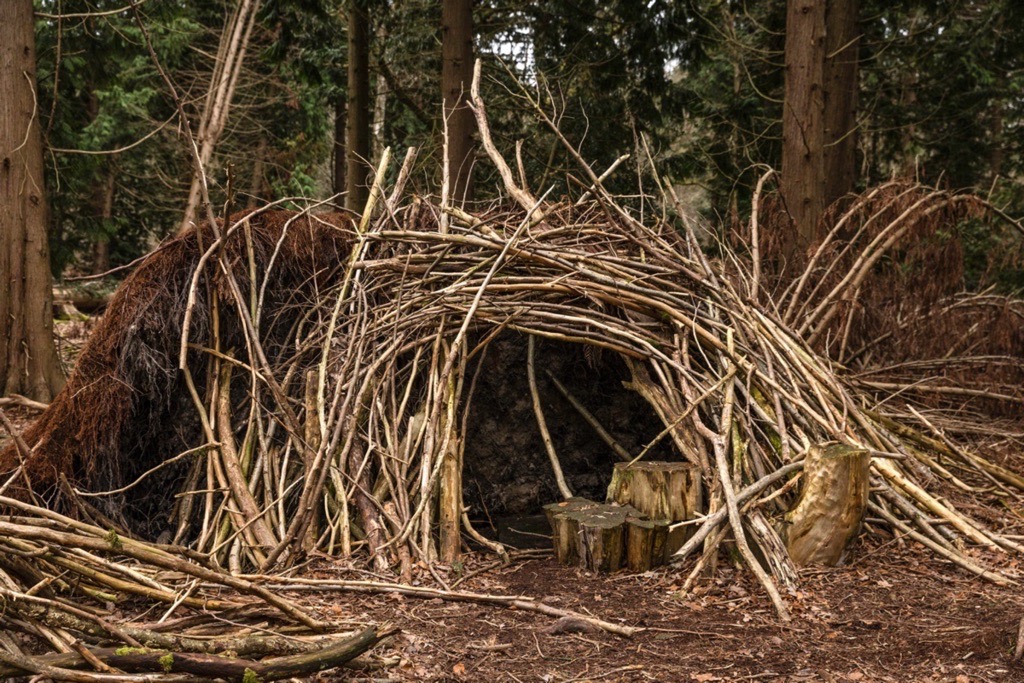
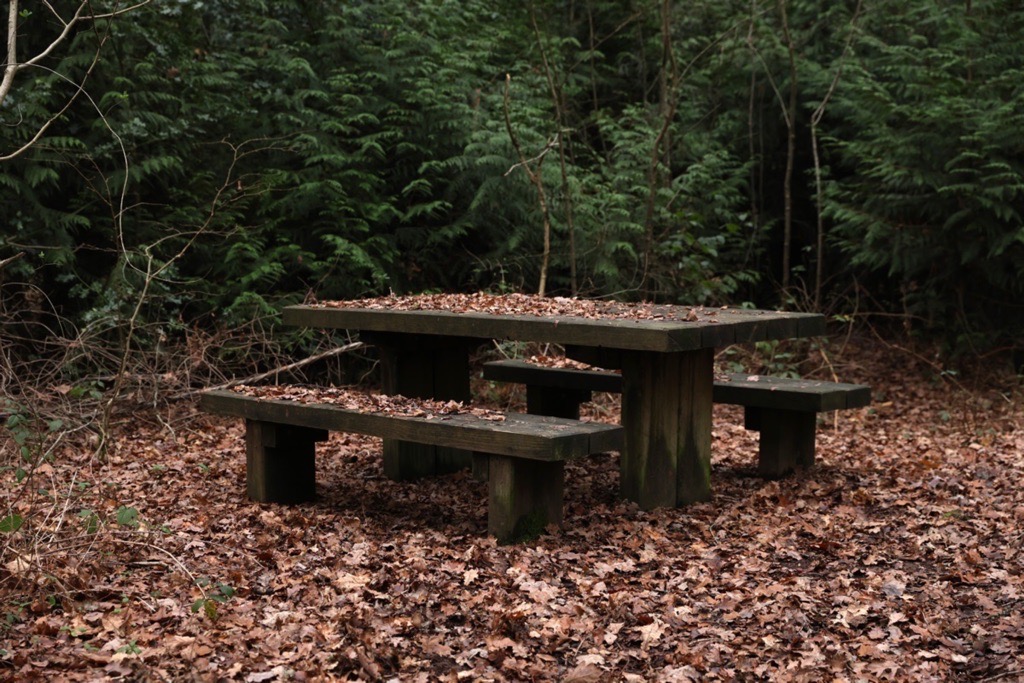
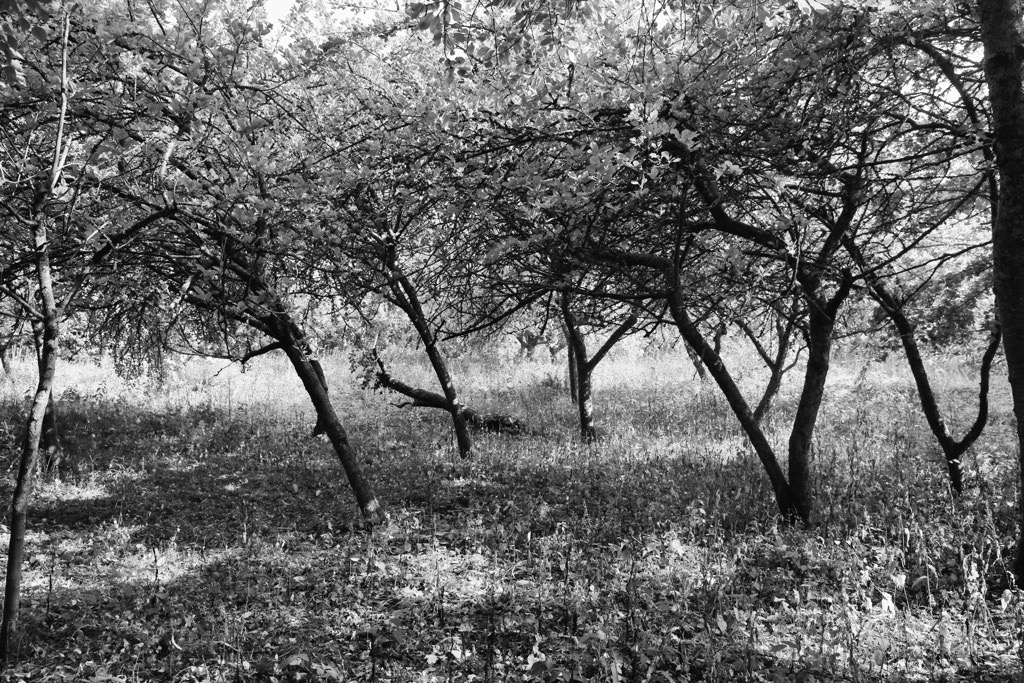
Here is a photo essay from my recent walk through the woods. In the captions, I include details of what I was trying to achieve or what caught my eye. Some images focus on the shapes of trees, while others highlight moments where human influence intrudes upon the natural beauty of the wood.
An environmental station stands out amongst the surrounding natural elementsA fallen tree makes an interesting ‘woodland den’ created by humans.Whilst an interesting human interaction, this wooden picnic table looks underused.Too much human intervention detracts and interferes with nature.
Feeling inspired after seeing this photographic essay? My advice is to go out and revisit your favourite photographic haunts and try something different as I have attempted to do here.
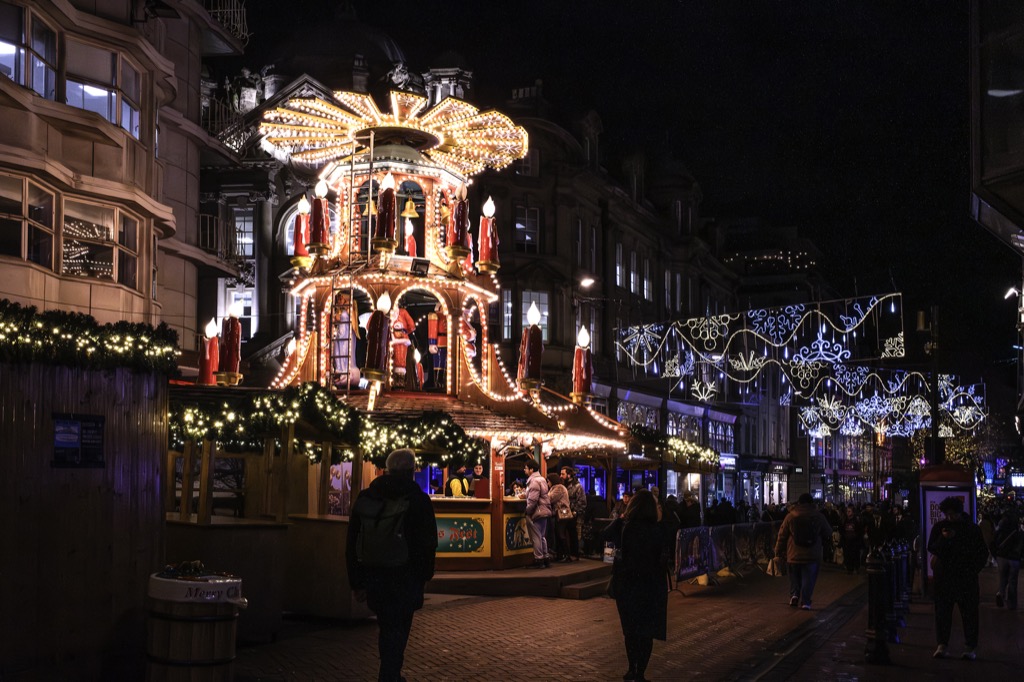
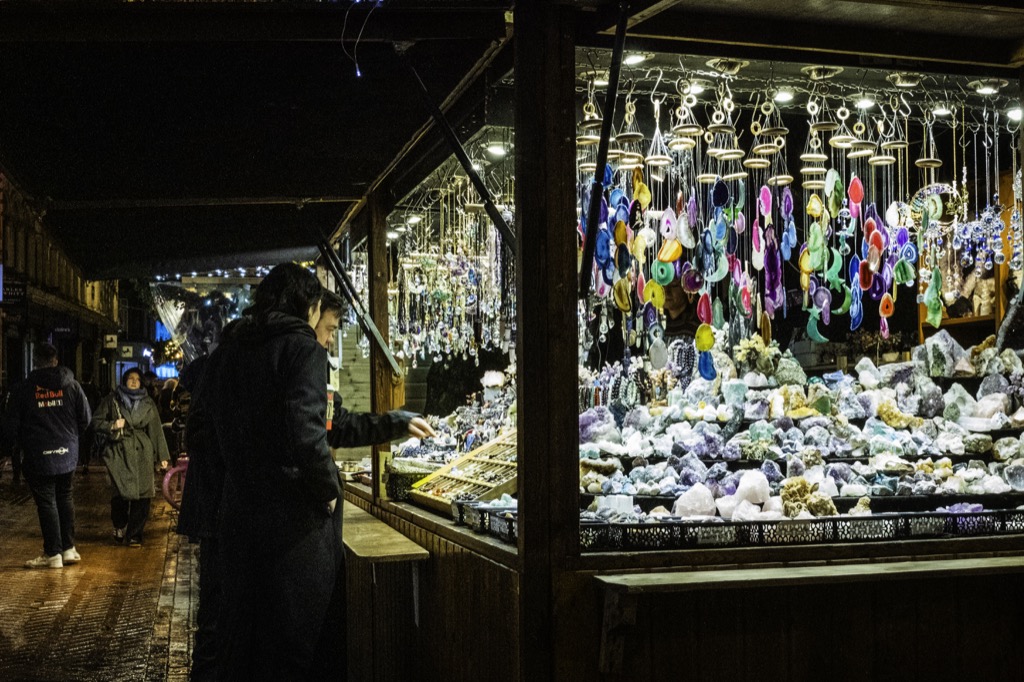
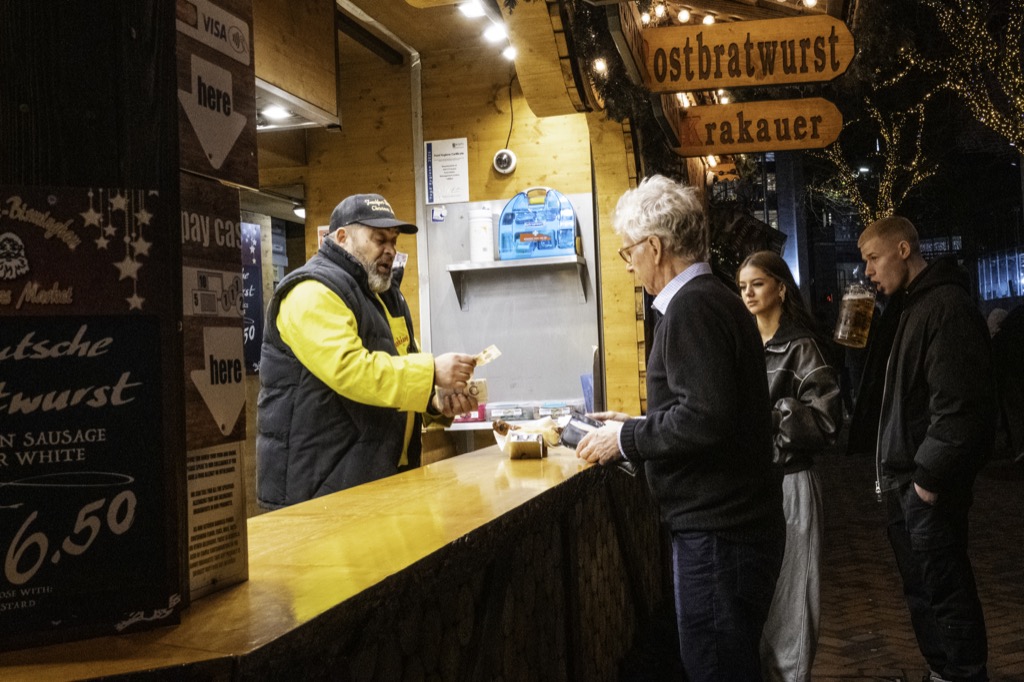
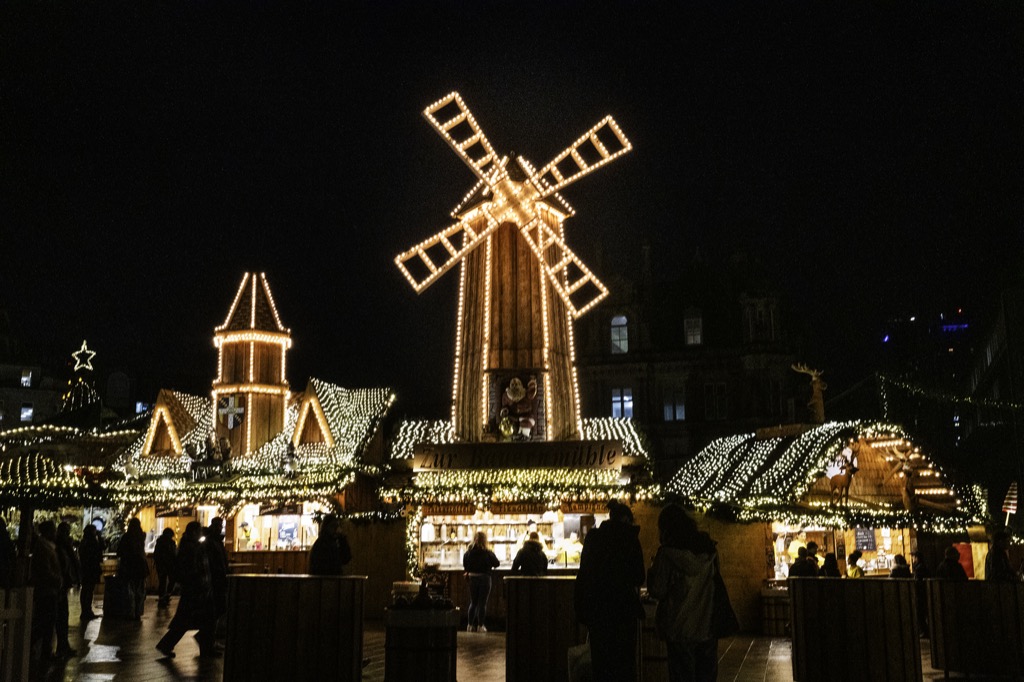
Every year, the Birmingham Christmas markets take over the city centre. Visitors come to enjoy festive food, warming drinks, and the lively atmosphere created by the stalls. While prices can be high, knowing what to expect makes the experience enjoyable, although deep pockets do help.
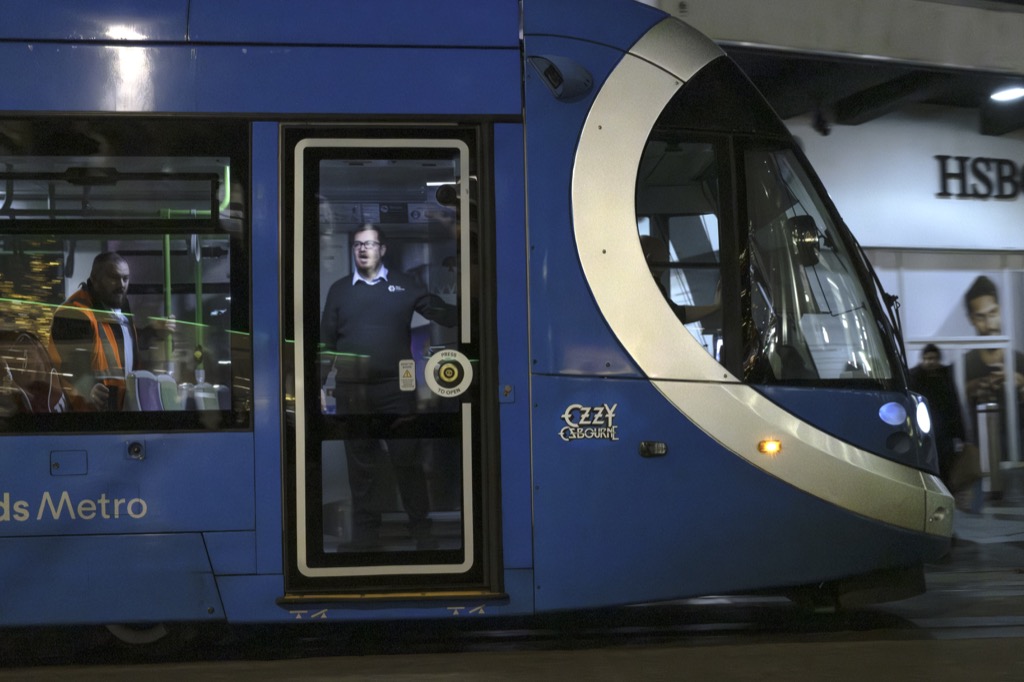
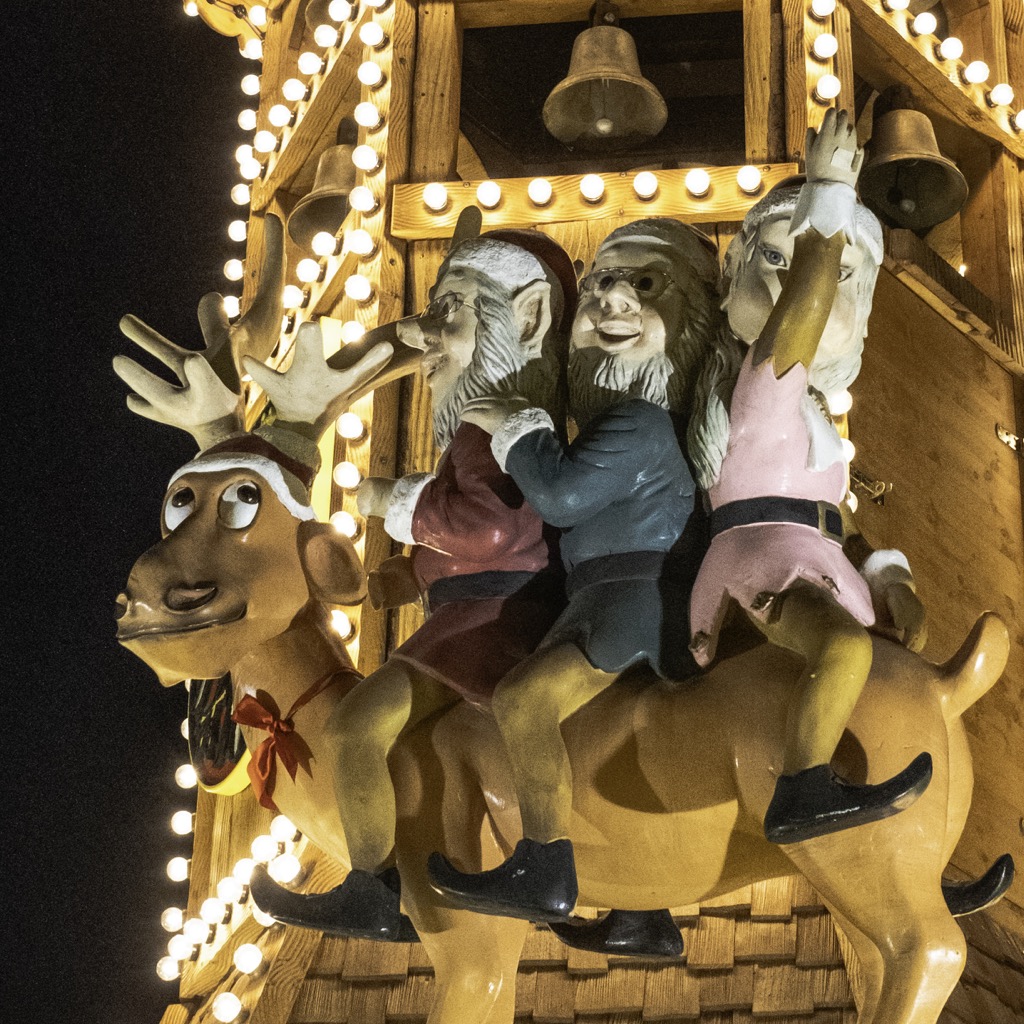
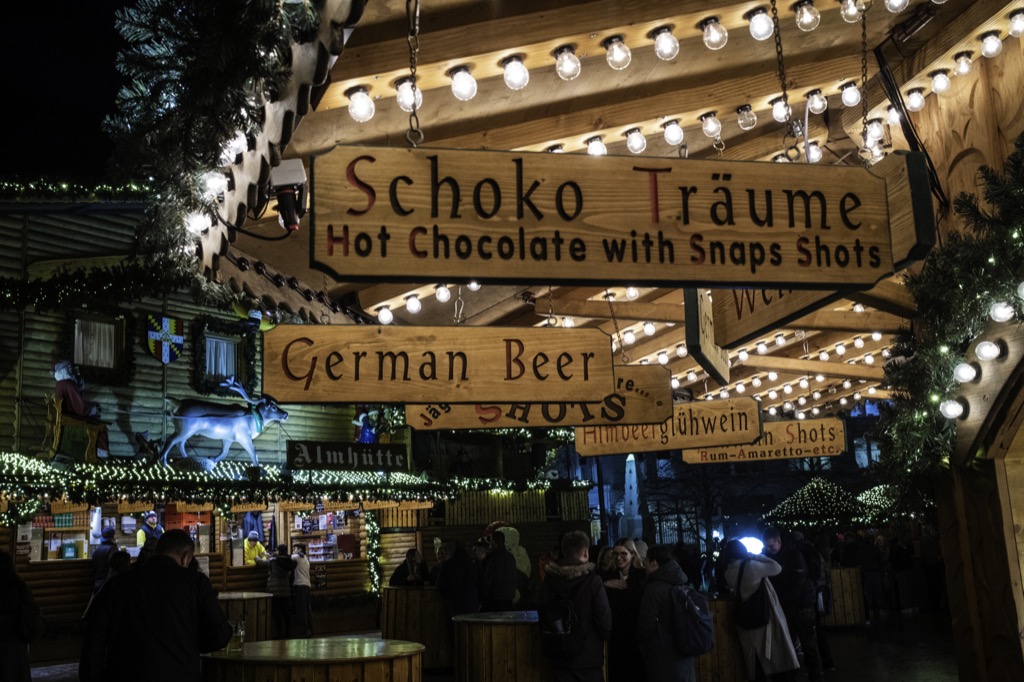
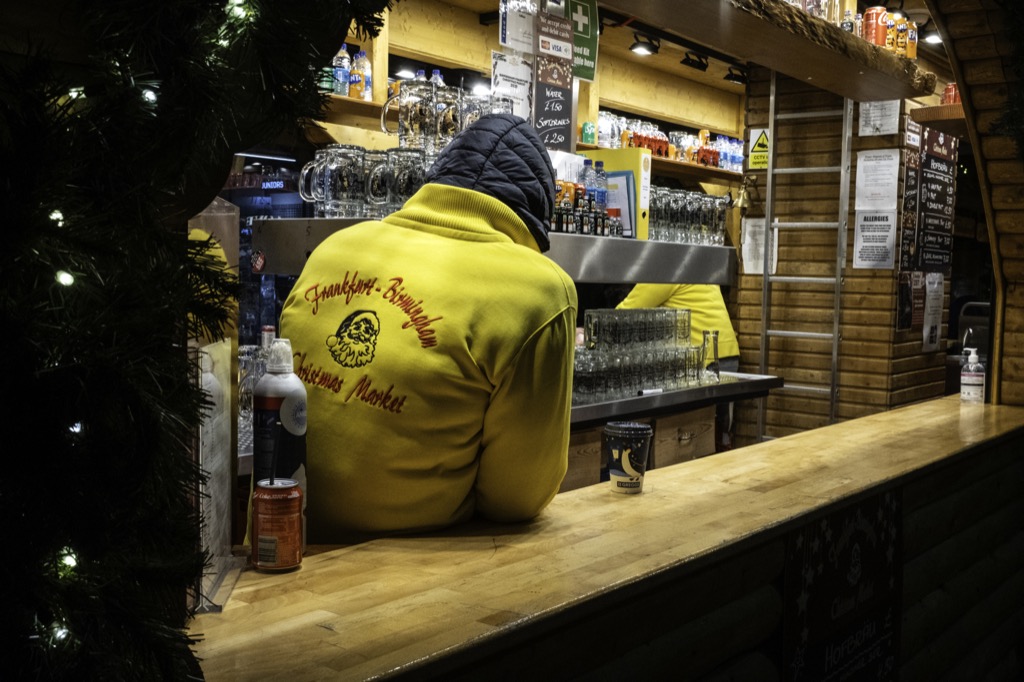
The classic decorations along Birmingham New Street.there are many stalls selling Christmas gifts.Buying that expensive food and drink. Prices on display.Walking along New Street.I captured the conductor on the tram. who seems to be singing a Black Sabbath song for Christmas.
Cathedral Square and Colmore Row
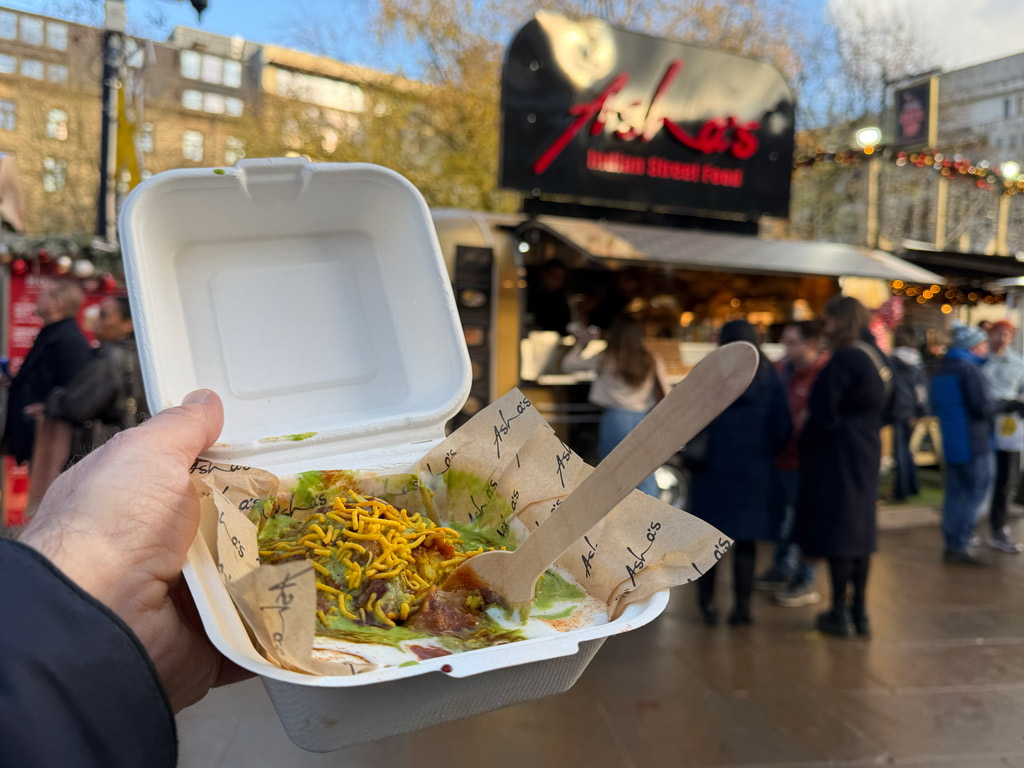
The Cathedral Market is my preferred part of the Birmingham Christmas markets. It is better organised than along New Street and uses the footpaths around St Philip’s Cathedral, which makes it easier to walk around. The food stalls here are linked to the Colmore Row business district, giving this area a calmer and more relaxed feel. This year, Asha’s has a stall in the square, and the food is excellent. Another popular stop is the pop-up pub Pigeon in the Park, which is always busy and adds to the festive spirit.
I visited Cathedral Square during the day and sampled some fine street food.
Lights, Rides, and Winter Attractions
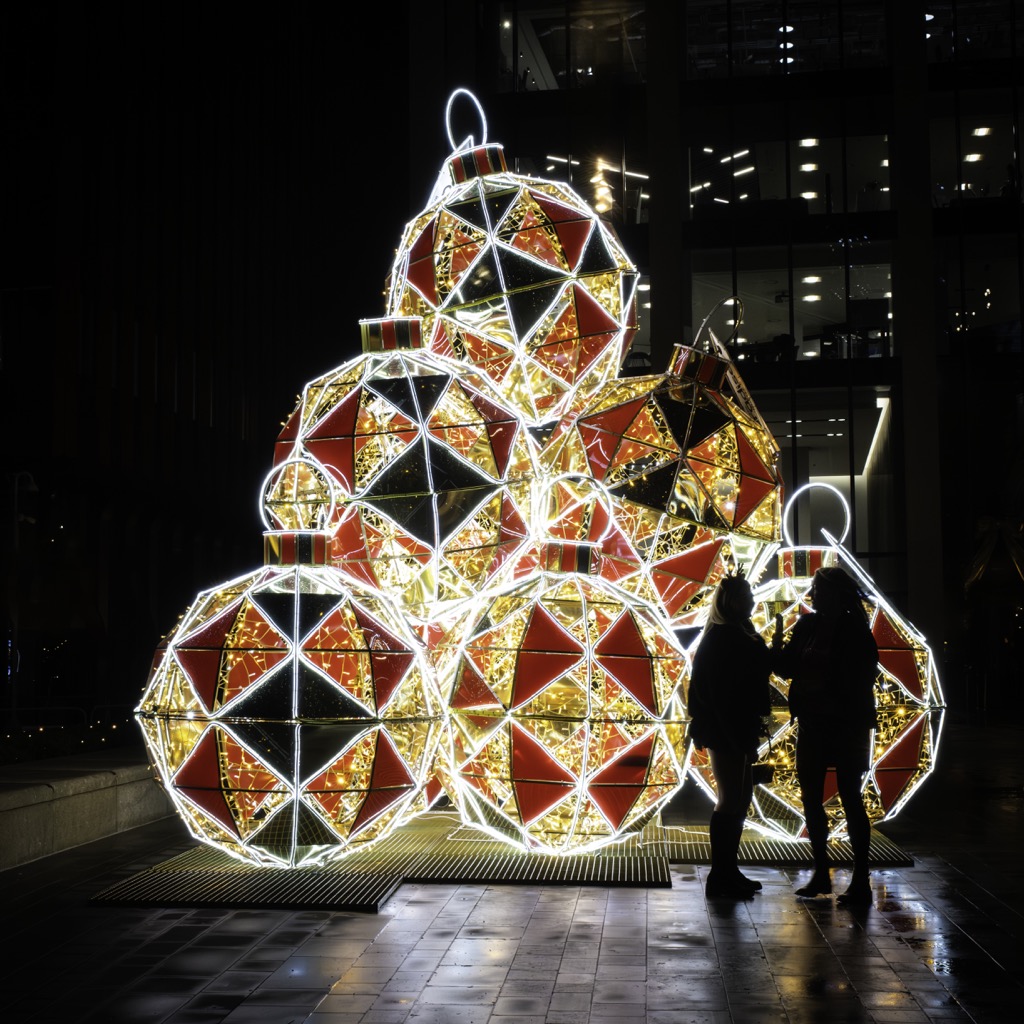
As the nights grow darker, the Christmas lights across the city shine even brighter. They look especially impressive around Victoria Square and Chamberlain Square, where the decorations draw large crowds.
Victoria Square looking festive.Ho, Ho, Ho!Lots of Choice to be had.
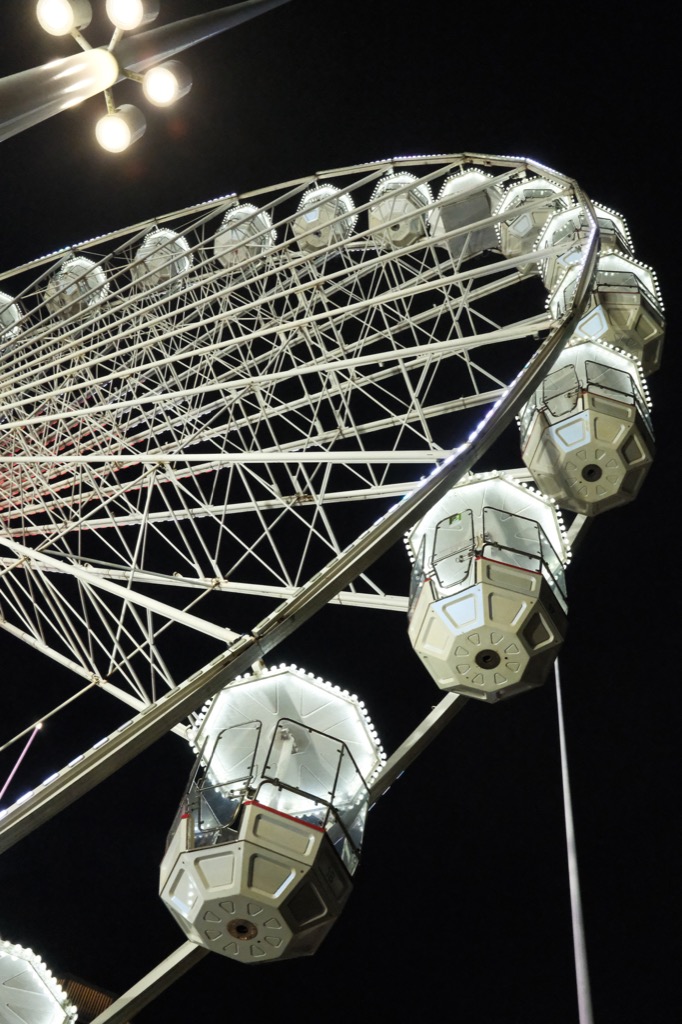
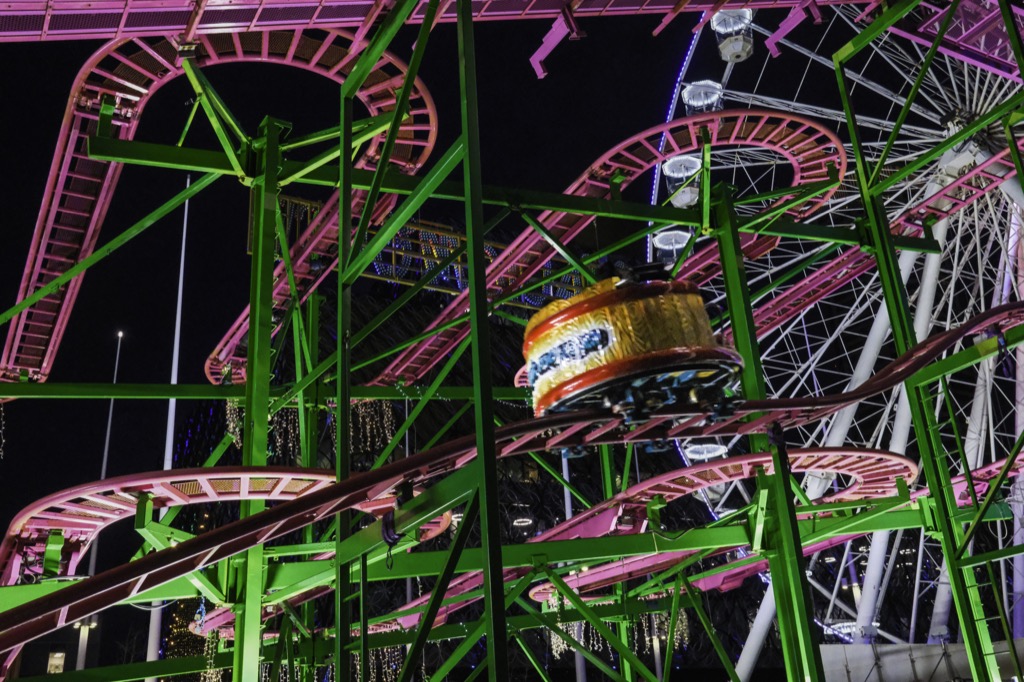
Over in Centenary Square, the big wheel dominates the skyline. Nearby, the Magic Mouse rollercoaster is entertaining to watch, although riding it may not be for everyone. The illuminate ride makes a great subject for photographs. The ice-skating rink is also packed most evenings, proving how popular these winter attractions are.
The big wheel.Mesmorising colours on the Wild Mouse rollercoaster.
Why the Birmingham Christmas Markets Still Work
Every year, I take time to wander around the Birmingham Christmas markets and the city itself, and I never tire of it. Although I often hear critical comments about Christmas in Birmingham, the crowds tell a different story. People clearly enjoy the atmosphere and the chance to celebrate the season together.
Below are a few photos of the markets and decorations. They are very different from the lights of London and show that Birmingham does Christmas in its own distinctive way.
Waiting for the punters.
Links
More Christmas links with London. There is also a blog describing the Birmingham market in 2023.
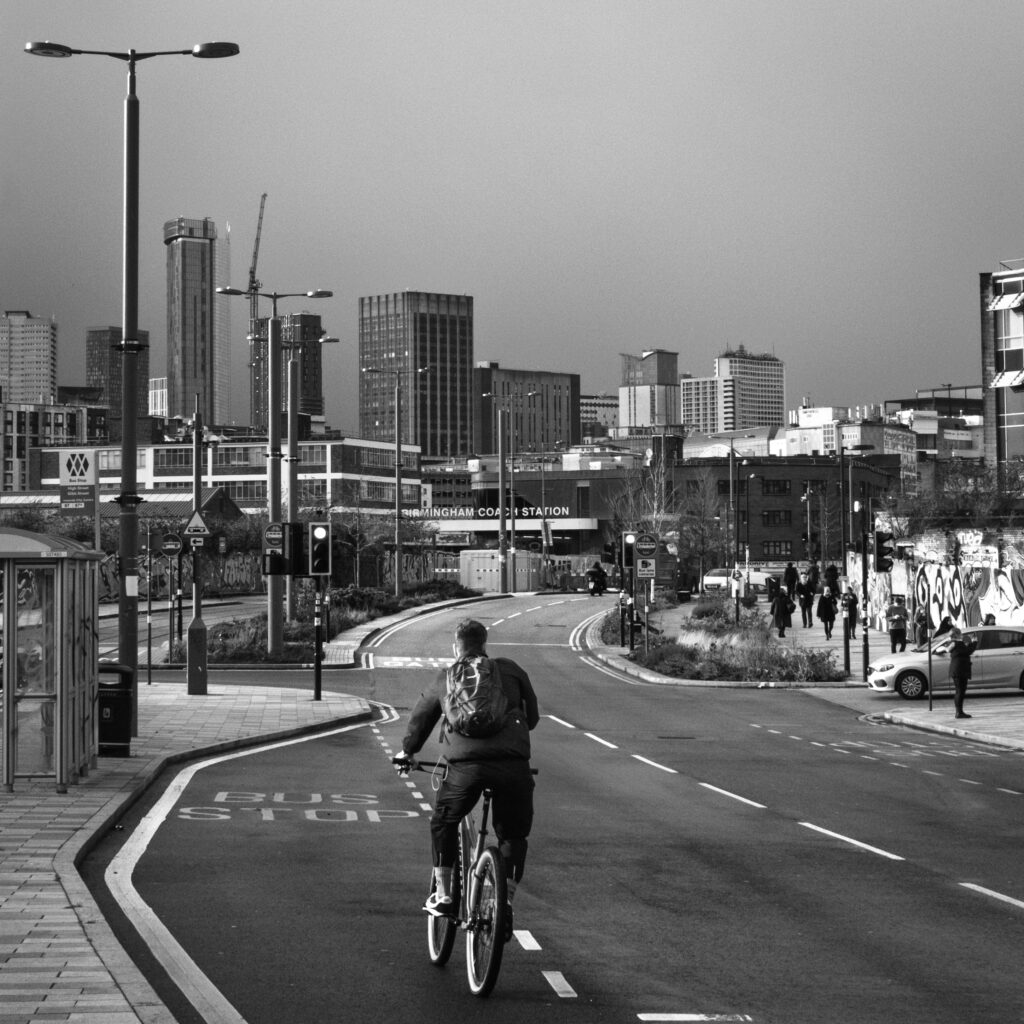
There is one certainty in Birmingham: Digbeth always changes. For anyone interested in Digbeth photography, this makes the area endlessly fascinating. New buildings appear, artwork evolves, and the streets never look the same from one visit to the next.
New Buildings Transforming Digbeth
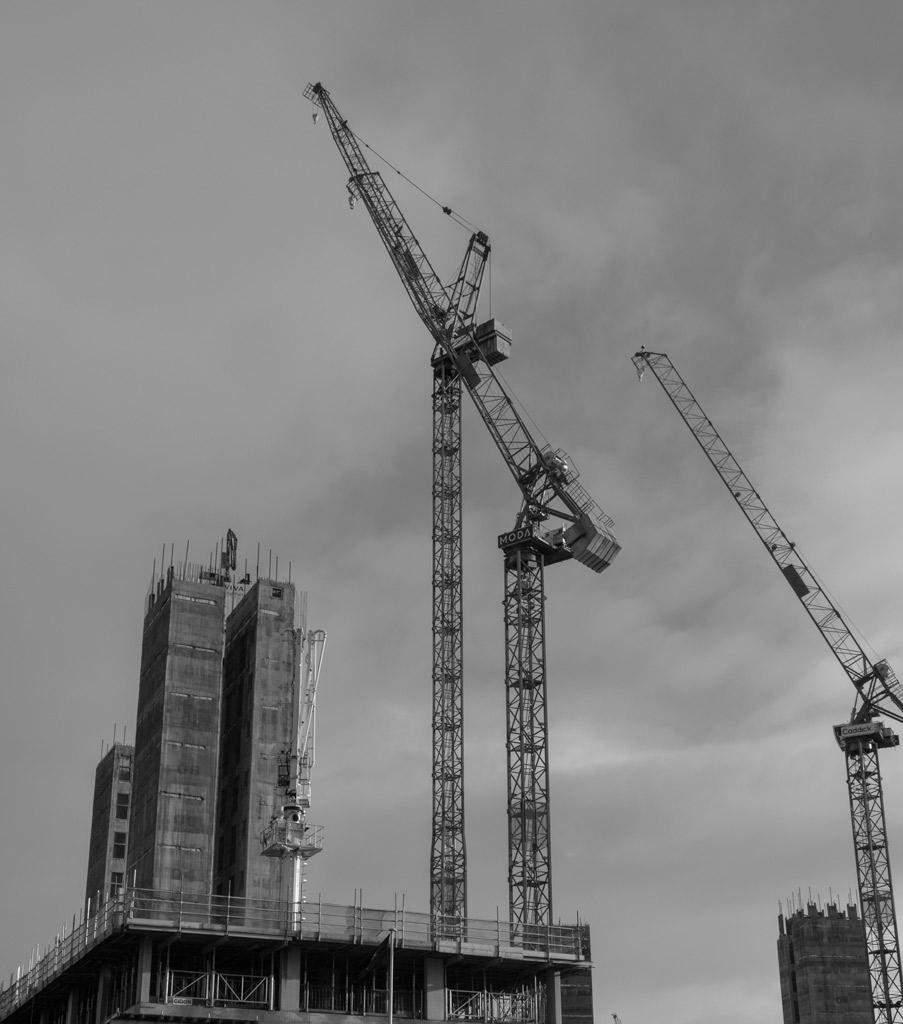
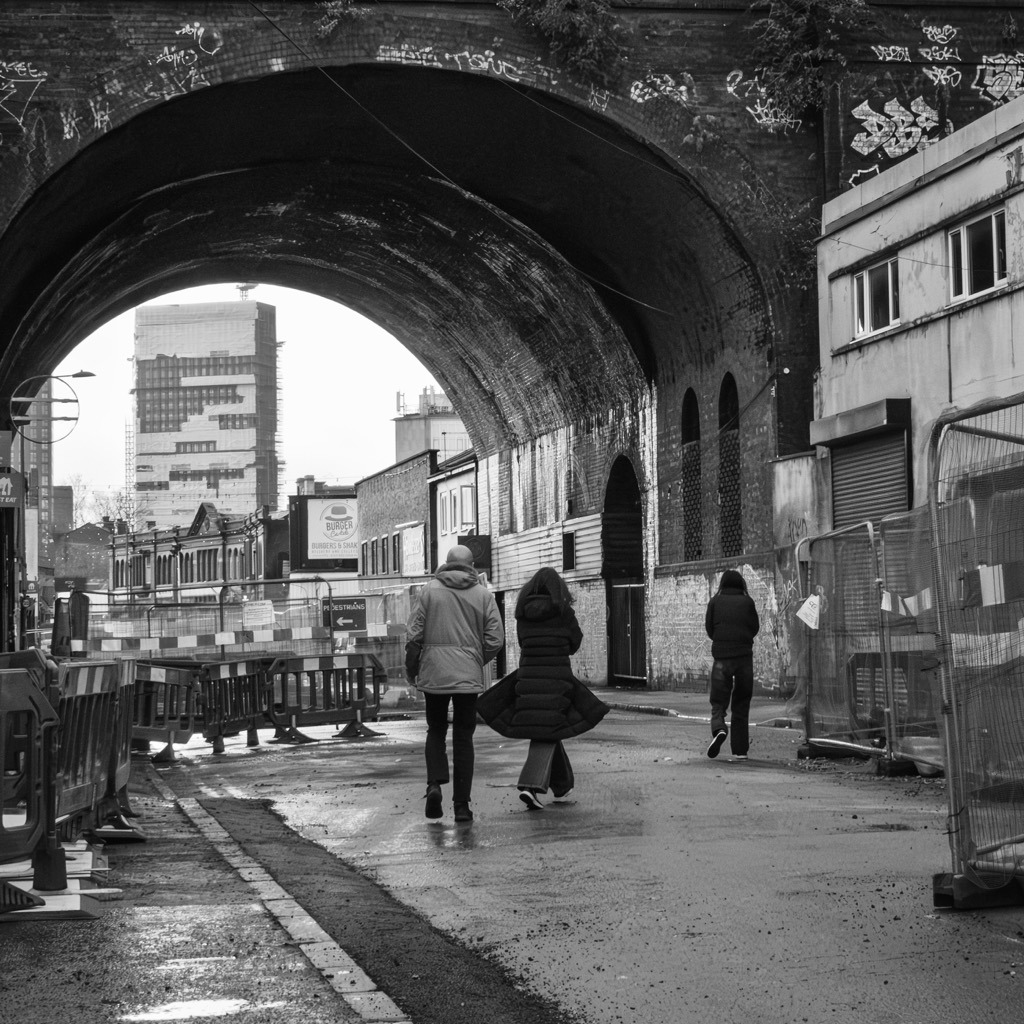
One of the most noticeable recent developments is the new block of flats being built opposite the Custard Factory. The building stands on the former site of the old Peugeot Garage and Irish Centre. From a photography point of view, this construction is already changing sightlines and creating new contrasts between old and new Digbeth. We wait and see if these contrasts are really beneficial to the area.
Cranes overlook Digbeth
As more people live closer to the city centre, Digbeth continues to evolve into a place where work, culture, and residential life sit side by side.
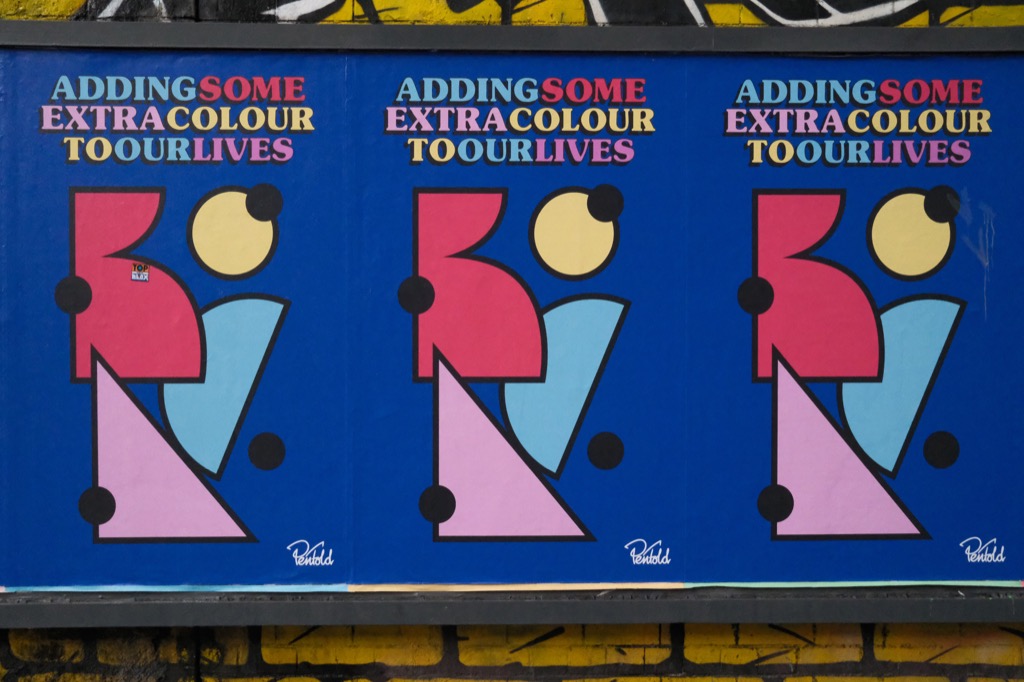
Digbeth adds extra colour to where we live. @MrPenfold
Street Art Through a Photographer’s Lens
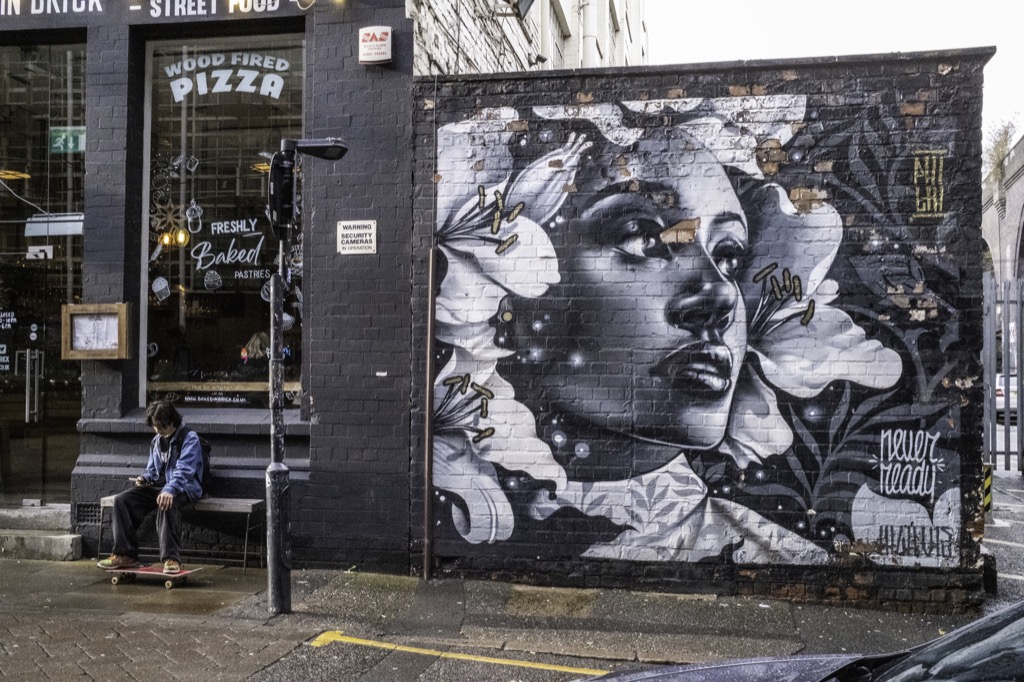
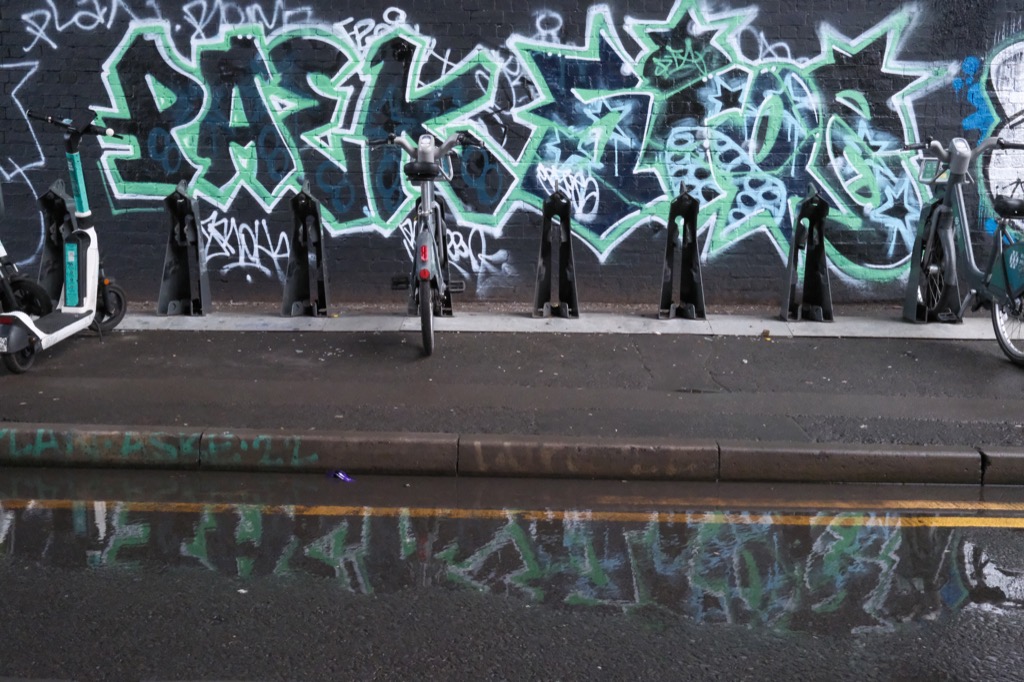
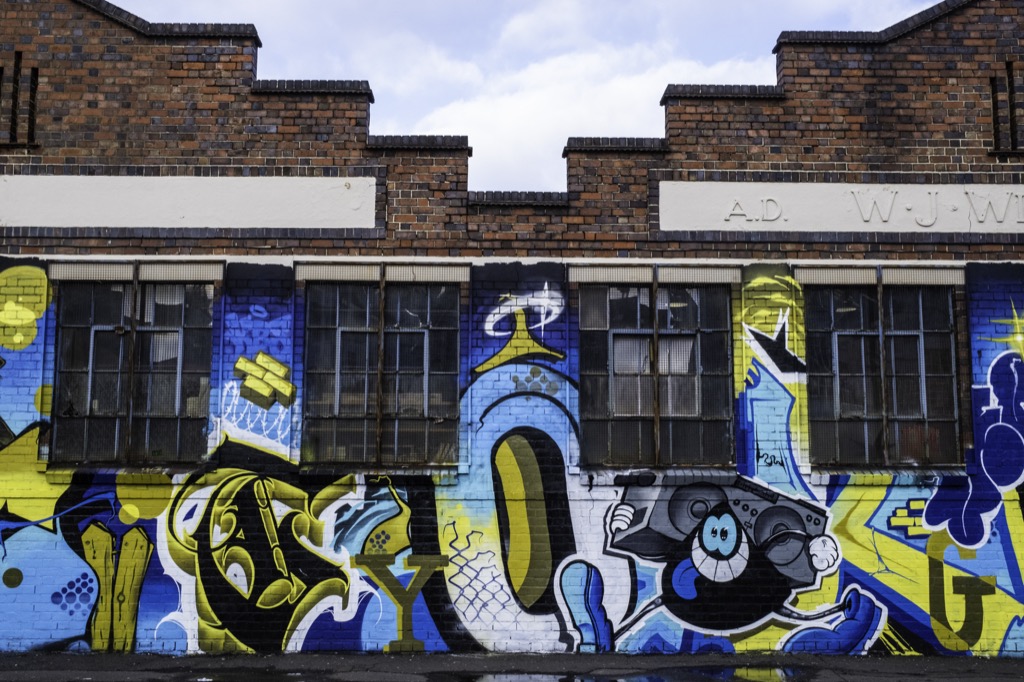
For Digbeth photography, the street art is a major draw. New shops and restaurants continue to open, while the artwork on the walls constantly changes. Because there are only a limited number of spaces, older murals are often painted over to make way for new designs. Some murals stay the same.
Fresh graffiti now sits alongside long-standing pieces. In some areas, heavy tagging covers earlier murals in a more random style. Even so, bold colours and striking shapes continue to dominate, making Digbeth a living canvas for urban photography.
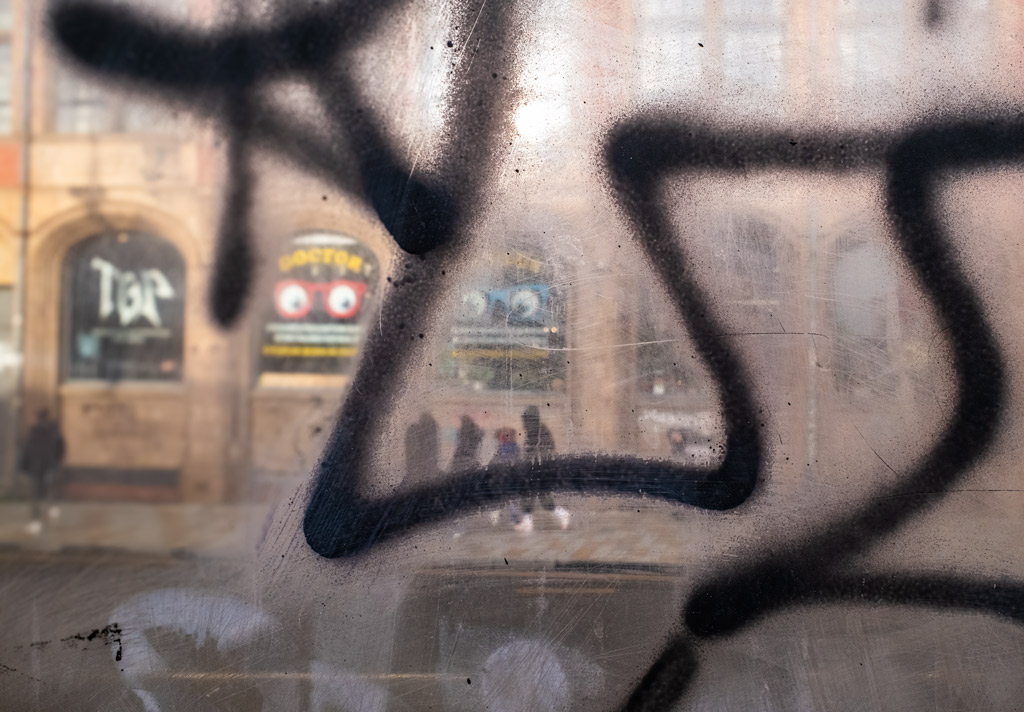
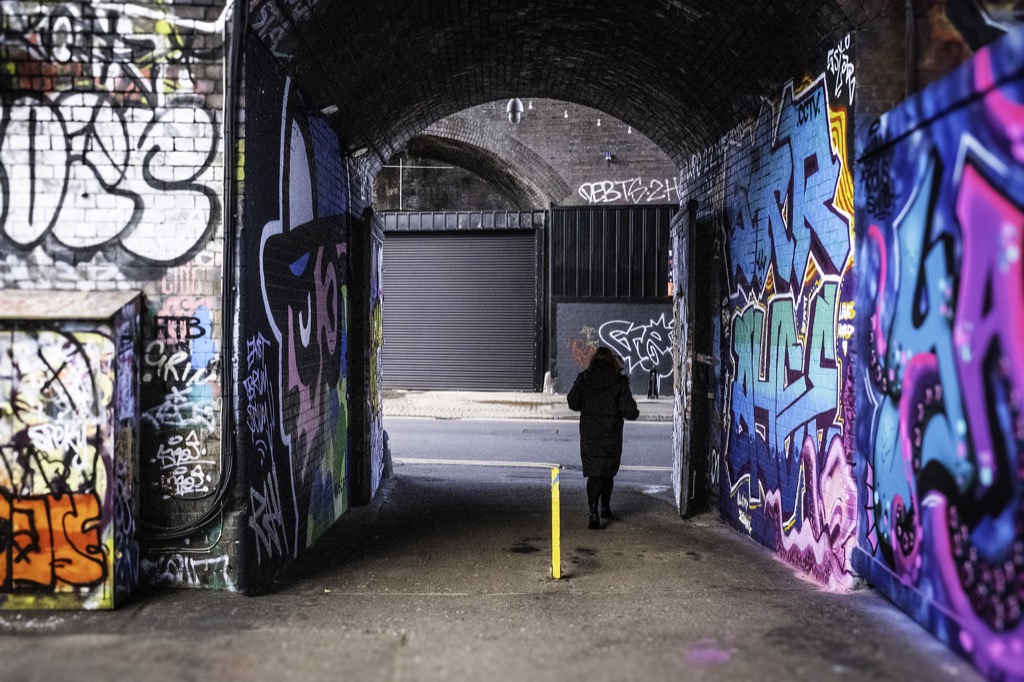
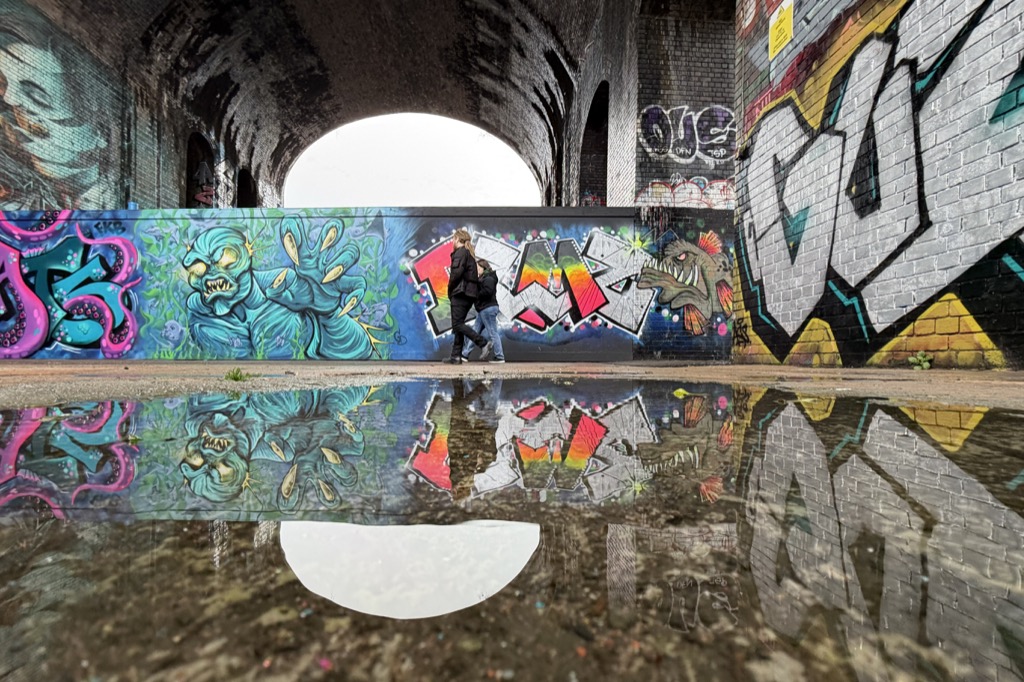
Love this artwork from @miscfitFigure in the Archway.Arch reflections (artists unknown)
Photographing a Changing District
This post is a roundup of some of the new scenes and artwork I’ve photographed recently. Wherever possible, I’ve credited the artists. If any credits are missing, please leave a comment and I’ll update the post.
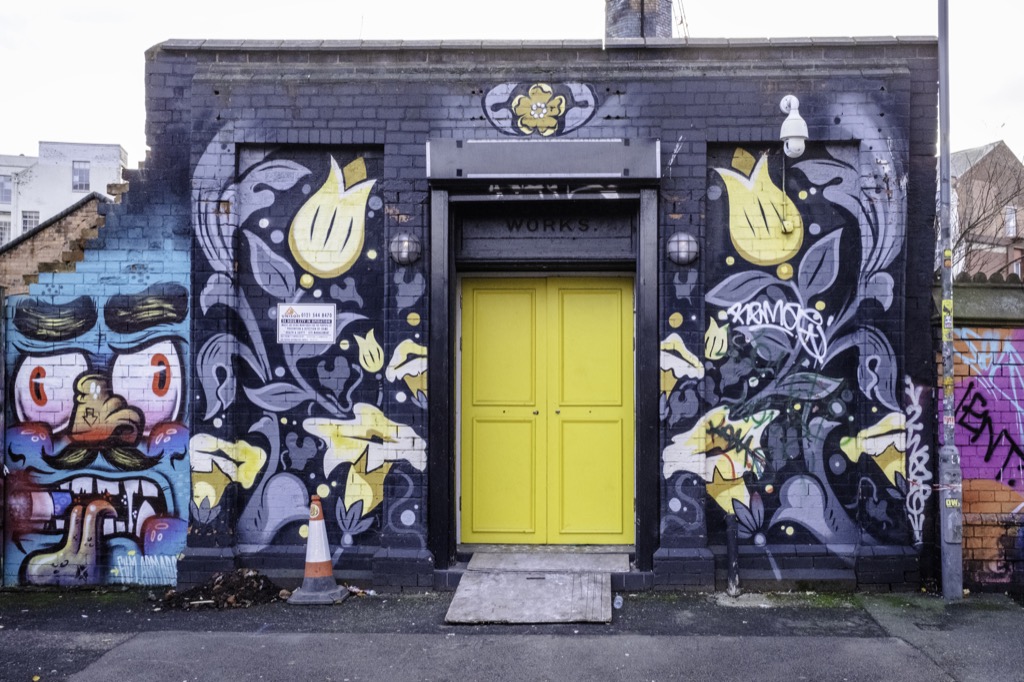
The yellow door (artwork @phithblake and @Fum.ArmadaBike lineup (artist unknown)Blue mural on the walls of the Red Brick Market (artist unknown)
I’ll be back in the new year to focus once again on Digbeth photography during the blue hour, which is one of my favourite times to capture the light and shadows in this changing part of Birmingham. One thing remains true — Digbeth always changes.
I entered the first ever Eden Project Wildflower Photographer of the Year competition, run in partnership with Canary Wharf Group, to celebrate the 25th anniversary of the National Wildflower Centre (NWC). Imagine my delight when my image won first place in the Amateur Photographer category — plus a generous prize that allowed me to upgrade my Canon camera!
The photo was taken in Kinver in the summer of 2024. It had already done well in the International Garden Photographer of the Year competition, where it was placed second. So I was thrilled to be able to submit the same image to the Eden Project competition.
My one concern is that the version shared on social media had the wrong colour balance — it looked dull and lifeless. I hope this will be corrected, as it has taken a little of the shine off the achievement.
Everywhere I look, there are signs. There are warning signs, diversion signs, public right of way signs. They puncture the landscape, each one a reminder that HS2 is reshaping the countryside in ways both visible and invisible.
HS2 make sure you stay on the official footpath.
Since my last visit, the HS2 works have progressed. The path where the trains will run is now clearly defined, bridges have risen across the fields, and yet the disruption continues. Earthmovers, fences, and machinery still dominate what was once quiet farmland and woodland.
One of the major bridges on this part of the HS2 track. A sign indicates where to go.Concrete pipes ready to be laid.Metal fences protect the HS2 works.
As I walked along the public path, I met Tony and Louise, out for a weekend stroll. We chatted about the project. Tony focussed on the endless metal fencing, the slow pace of construction, and the sense that someone, somewhere, must be profiting handsomely from all this upheaval. Then Bill passed by, shaking his head. He said that HS2 was “Disastrous for the countryside.” He told me how he’d recently brought his daughter to see the area near Sixteen Acre Wood, and how shocked she had been by the scale of the destruction.
Tony and Louise pictured by the steel HS2 fences.Bill looking out on HS2 path that has destroyed the farmers field.
What strikes me most, though, is the sheer number of signs. They seem to compete with the landscape itself for attention. The public path winds past a tired-looking environmental pond. Then further down there is the original pond still clinging to its place amid the diggers and debris. The woodland here is sparse. Trees have been toppled, stripped back and scarred, but still they hang on waiting for the construction to finish.
Pedestrian lights control the construction traffic.Beware heavy plants.A new pond is out of bounds.
Walking across the path of the future train tracks. I took in the scene. The HS2 line is still dirt for now, awaiting concrete and steel. Machinery parts, pipes, fencing, and plastic weights litter the area. It is difficult to imagine what this place will look like when everything is complete. Will nature ever fully reclaim it?
The high speed train track is just dirt and compacted soil. The tracks await.
Tony asked me what I thought of it all. His question caught me off guard. The truth is, I am somewhere in the middle rather like the metal fence that separates one side from the other. I am dismayed at how easily nature is cast aside, yet I cannot deny the appeal of improved transport and connectivity. Still, the pace and the cost weigh heavily on any sense of progress.
An autumnal path leads to the HS2 works.A bleaker path takes you over the HS2 track.
Taken in 2011, it shows a dark, dense woodland. The scene is peaceful and the field is ploughed ready for planting. This is an image from another age.
Progress, it seems, may be efficient but it is rarely kind.
This is the latest in a long line of Blogs about the HS2 construction taking place around 16 Acre Wood near Berkswell. If you found this interesting then please read my last blog which will then lead you along to all the others on this subject.
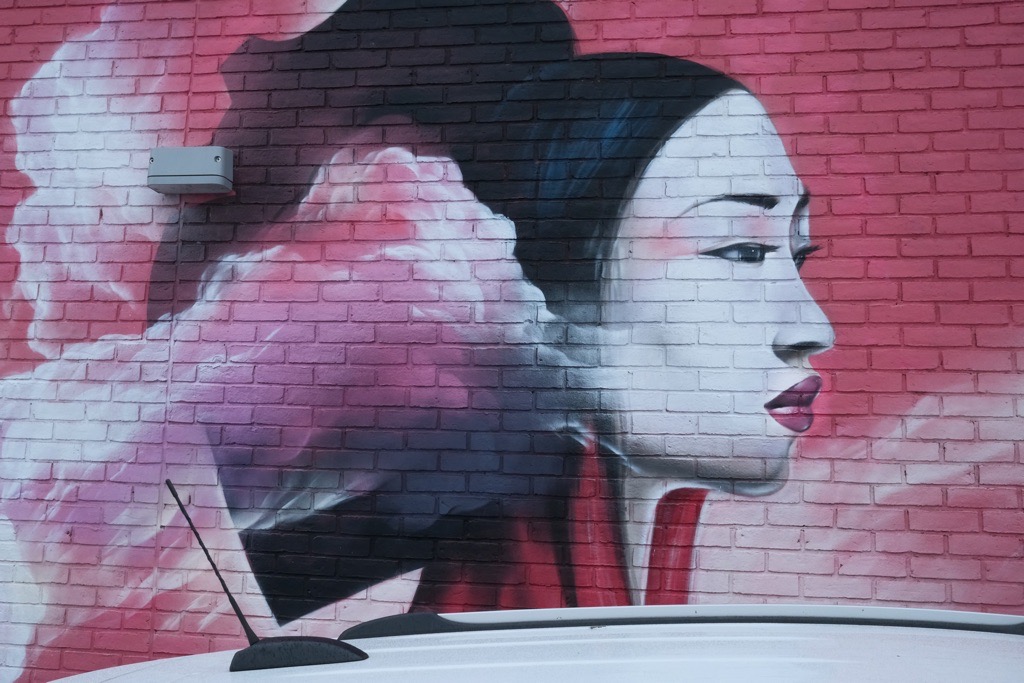
I travelled to Worcester in search of streets with burst of colour, even though the weather forecast looked less than promising. Accompanied by my daughter and grandson, we set off to explore the city’s urban art scene during the Worcester Paint Festival. From hidden alleyways to large murals, Worcester proved to be a colourful place, full of surprises for anyone who loves street art and photography.
Careful of paint splashes.
Our first stop was the CrownGate Shopping Centre, which served as the temporary headquarters for the festival. Friendly faces greeted us. We chatted about the Paint Festival and where to see the artwork. Printed maps were available and proved to be excellent as they were clear, detailed, and very useful alongside the online version. A great reference source that set us up for the day.
From the shopping centre, we headed to Angel Place street market, where several art murals caught our attention. The atmosphere of the market combined with the colourful artworks made for perfect photo opportunities. I particularly enjoy capturing street art with people passing by, as it adds a human element that brings both the artwork and the photography to life.
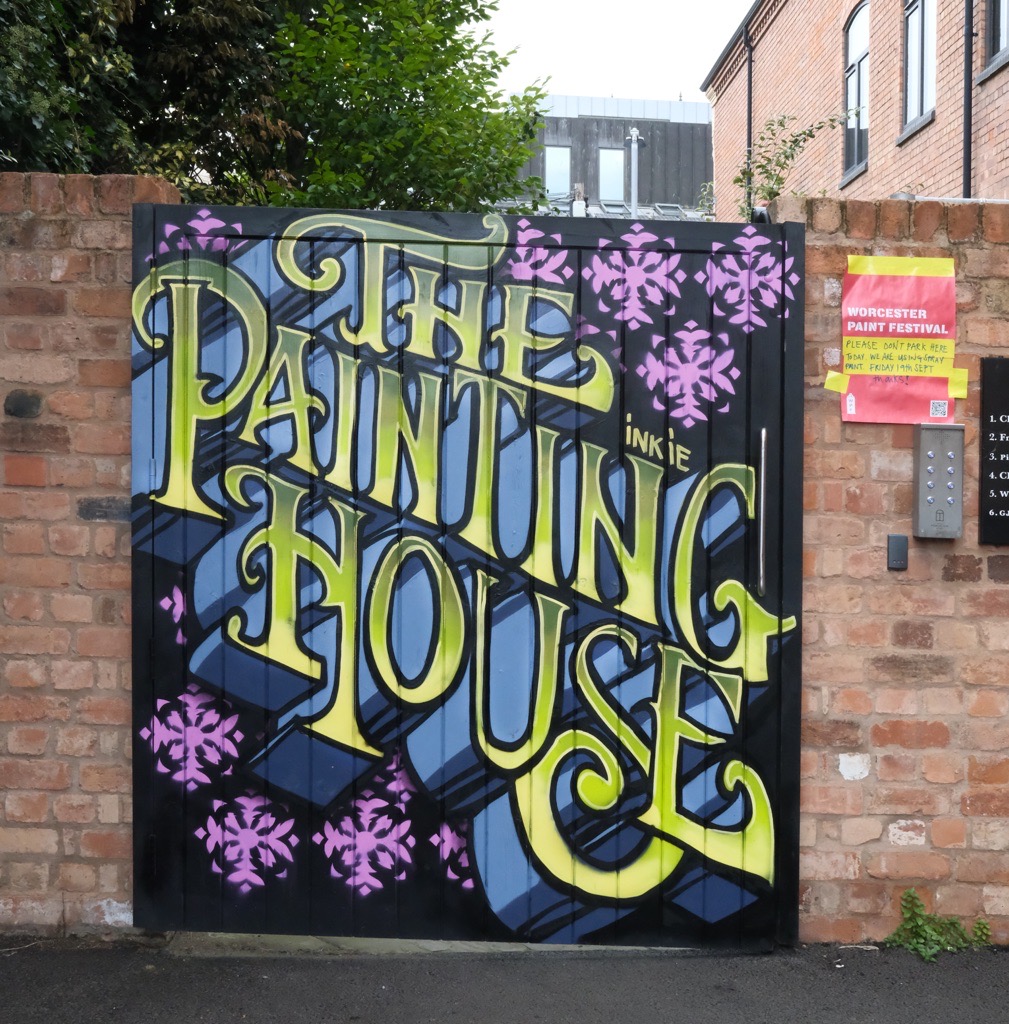
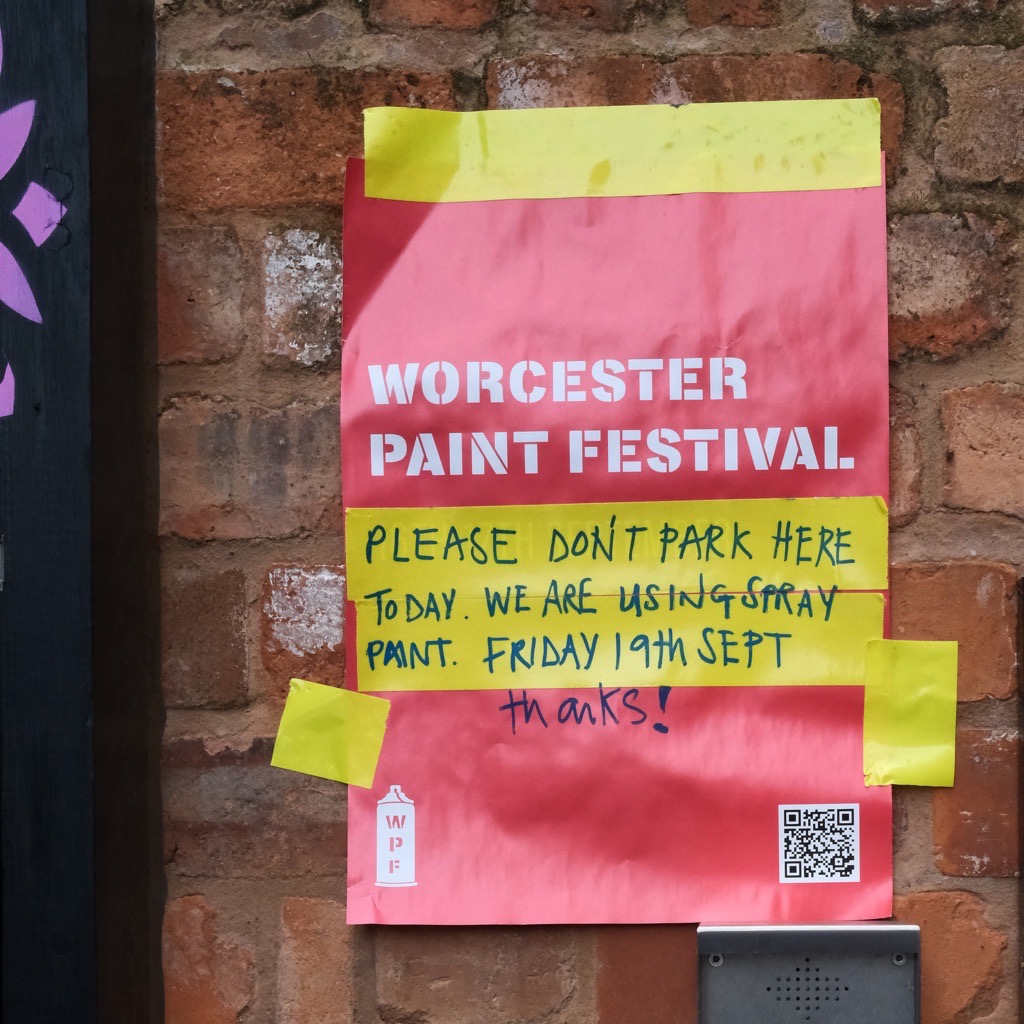
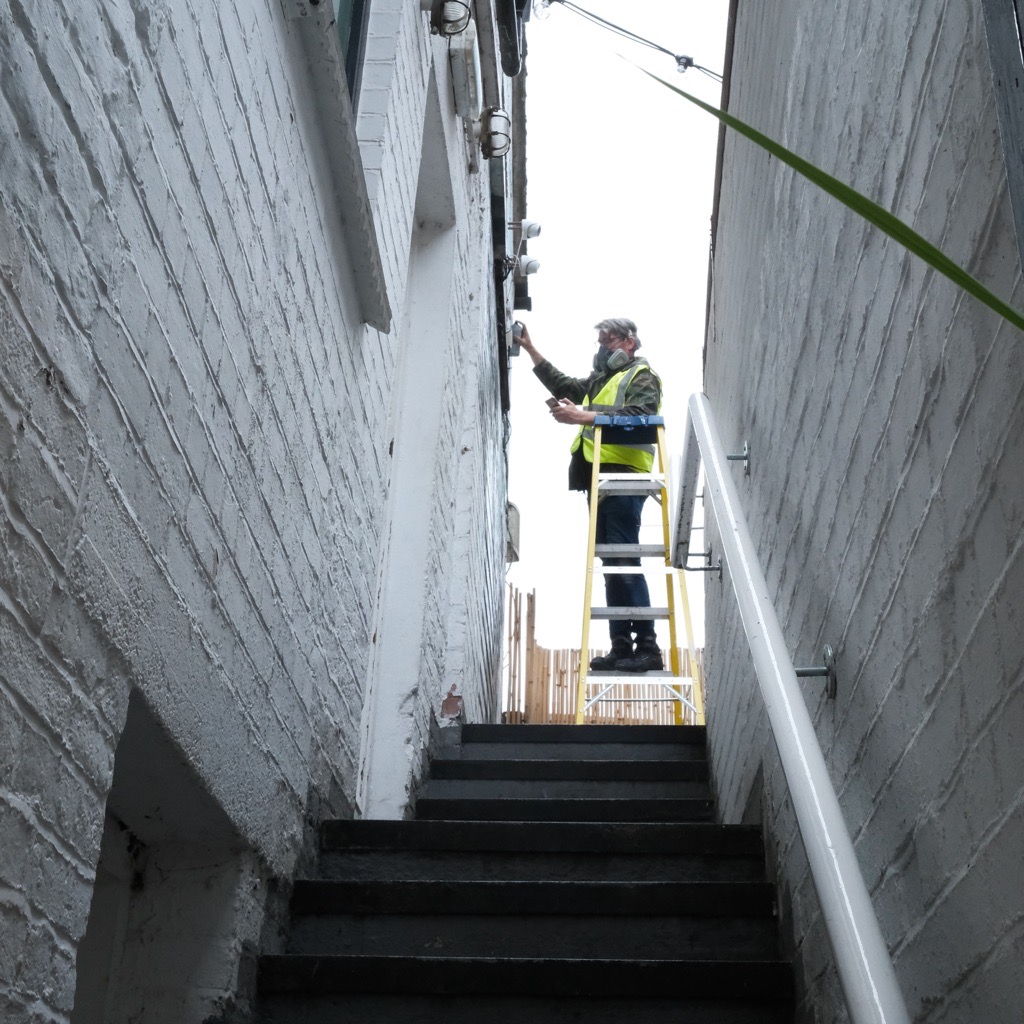
Next, we sought out Inkie’s work at the Royal Porcelain Works. His colourful mural decorated the gate leading to the old printing works and stood out vividly against its surroundings. We then made our way back into the city centre, passing a series of murals, some finished, others still in progress. Friar Street is one of my favourite parts of Worcester, with its mix of heritage buildings and modern urban art. One mural was cordoned off while the artist was working though I managed to catch a glimpse from a stairwell.
Along the way, we discovered plenty of independent shops and more artwork. Before leaving the city centre, I climbed the stairs to the car park roof to photograph some stunning murals, their lively colours contrasting with the rows of parked cars around them.
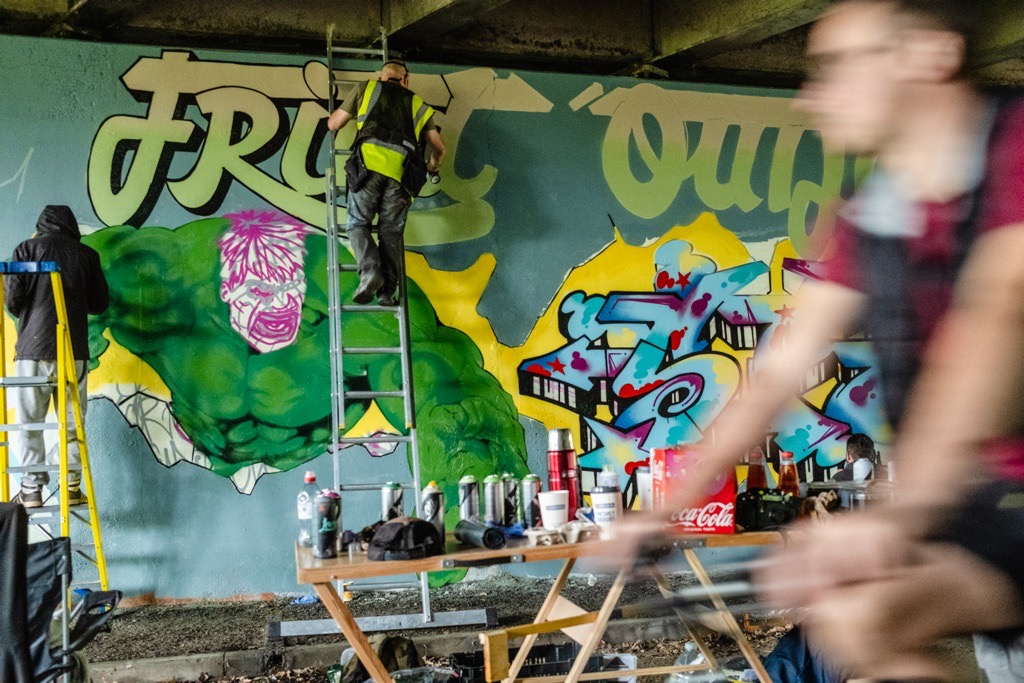
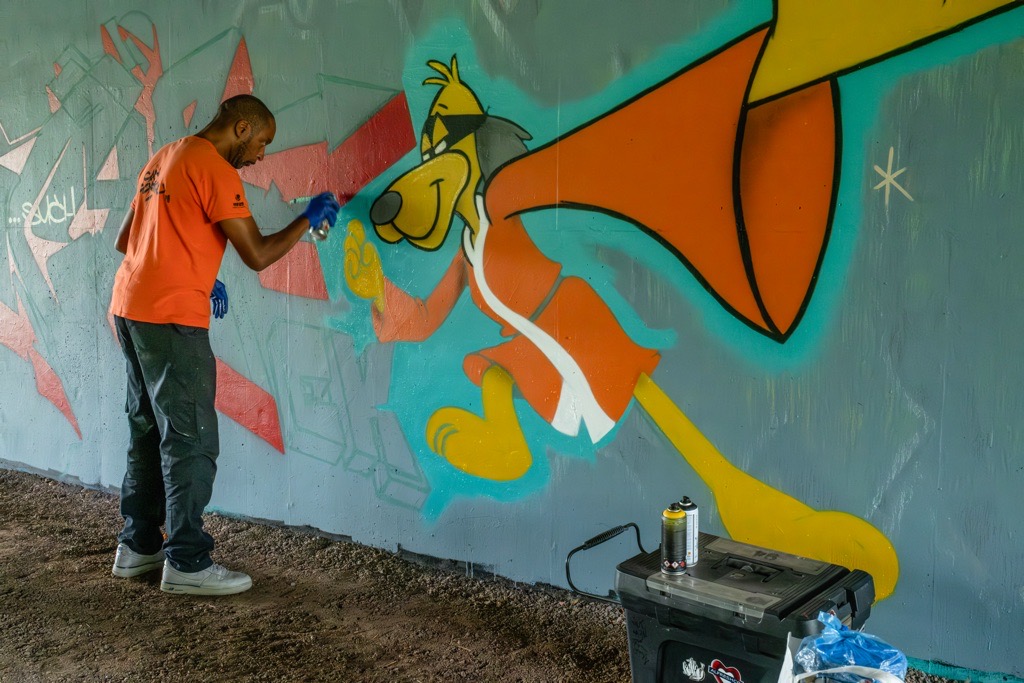
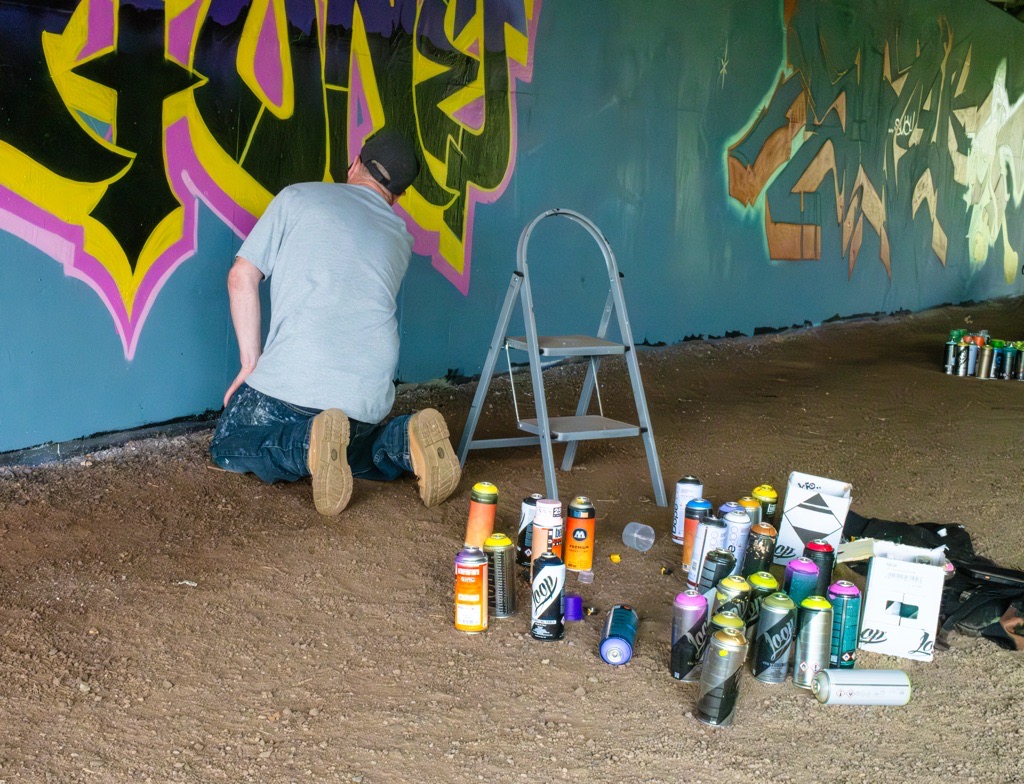
Our next destination was the Sixways legal wall on Offerton Lane, a council-designated space for street art. Tucked beneath the A449 and running alongside the Worcester and Birmingham canal, it has become a hub of creativity. We parked at the back of Sixways Stadium, and I went on alone to explore the underpasses. Artists were hard at work on the walls of the two underpasses. The air was thick with the smell of spray paint being applied to the concrete.
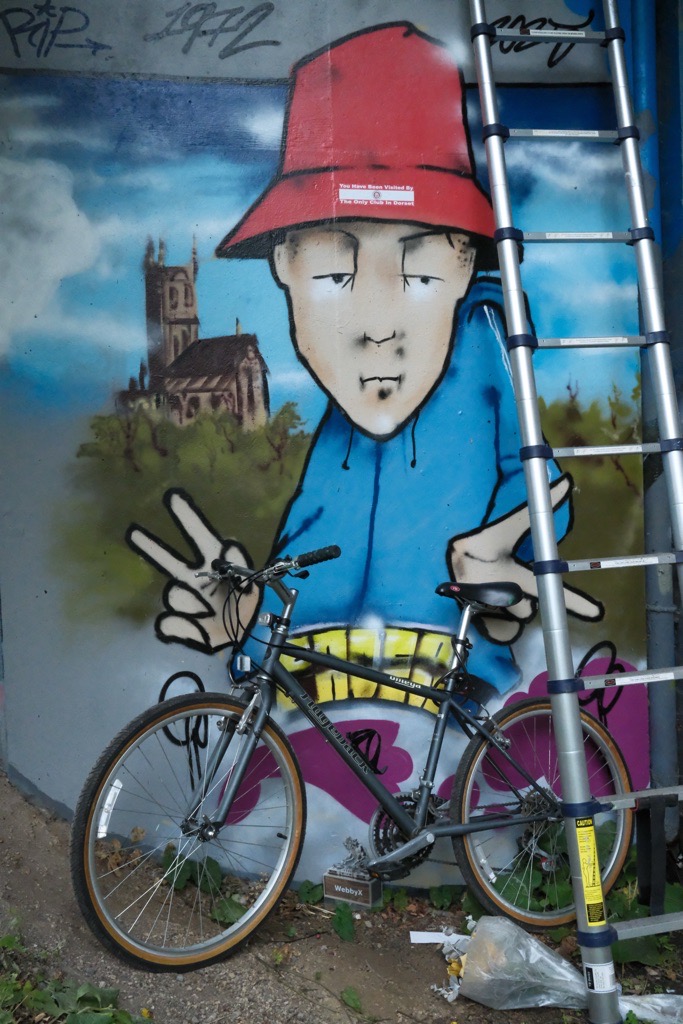
Cycling pastCathedral, mural and bike.Colour co-ordinationReflections in the canal.Spray cans at the ready.Footprints.
The line-up was impressive: Worcester Writers KFO crew and guests, featuring PHE, Zeeizm, Kask, Sore, Spar, Knel, WWF (Wizards with Funk) Crew, Buser (OSK Bristol), Inkie (KTS, ASK Bristol), Such (ACT Sheffield), Rob Dise (TWC, Worcester), Merk, Hart, Frank Brough, Umix, and Arbour. I have always loved the names chosen by graffiti writers each one hinting at the personality behind the art. I am unsure who is who in my photographs at the Sixways legal wall, so please do get in touch if you can help with credits.
City limits.
This visit was just a glimpse into Worcester’s thriving urban art scene, which comes into its own during the Paint Festival. Murals and installations can be found across the city where they are tucked down small side streets, hidden in alleyways, or displayed on large walls. With every visit, there is something new to discover, making Worcester a worthwhile destination for anyone interested in street art, colour, and creativity.
This is my 500th blog post — a remarkable milestone in my blogging journey. I first began writing my blog on this website on 27th December 2016, although my experience with online storytelling stretches back much further. Since 2006, I ran a work blog for the School of Dentistry, and even before that, in the early nineties, I was exploring websites and digital storytelling. I have always enjoyed keeping a diary of photographs, recording important years and events alongside my images. Social media gave me the opportunity to bring words and photos together, sharing my personal blog reflections and photographic stories with a wider audience. Now, 500 posts later, I am still passionate about blogging.
My first post in December 2016 and included this reflection of one of the entrances to the then recently opened New Street station. I was very proud of this picture and is one of my trademark reflections. I still come here to take pictures as you can get many varied and interesting street photography views.
Watching the sun set whilst sitting on the edge of Stanley Park
Post 100 – I was at a conference in Vancouver in July, 2019. On one of the evenings, I went out to Stanley Park and sat with many other local residents to see the Sun set. The experience was memorable and the picture does not fully convey the atmosphere of the evening.
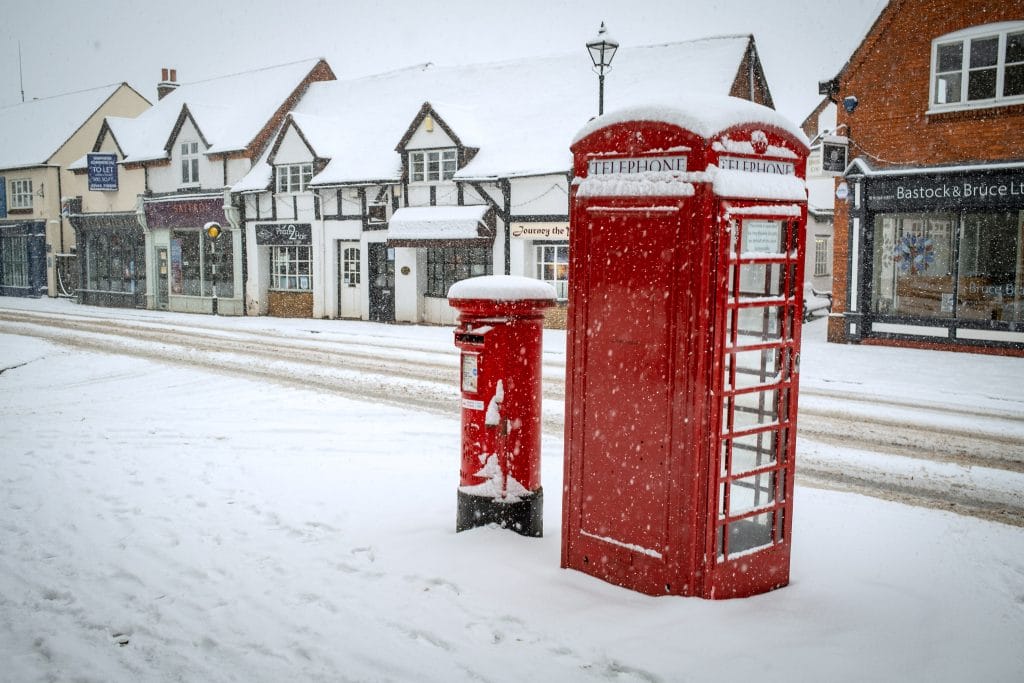
Red post and telephone box in the snow
Post 200 – January 2021 and we had lived through Covid19 but we were still in one of the many lockdowns. Luckily waking up one morning, I saw that it had snowed. My village, Knowle, is very photogenic and the red postbox and phonebox stand out against the white background.
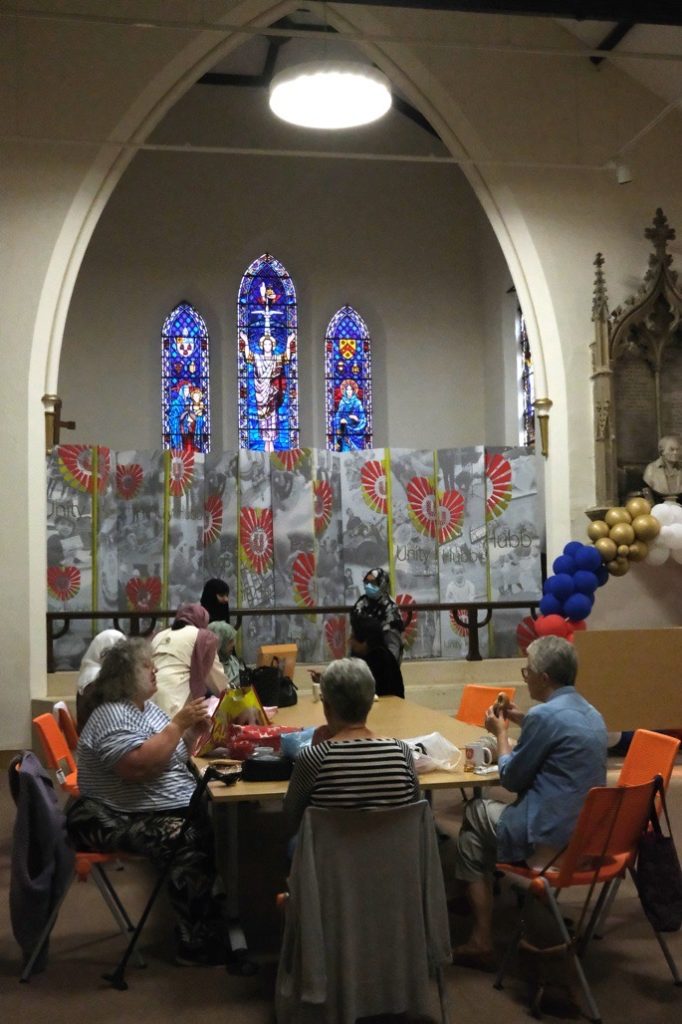
The interior of St Margaret’s Church, Ward End, Birmingham.
Post 300 – The Commonwealth Games in Birmingham was a magical time and there was so much going on. There was an art project called “Keys to City” which open locks around Birmingham. I visited several venues with my key. This is St Margaret’s Church, Ward End, Birmingham. No longer a church, the place is a community centre. What was special about the Church were the stained glass windows which were created by pre-Raphaelite artist Edward Burne-Jones.
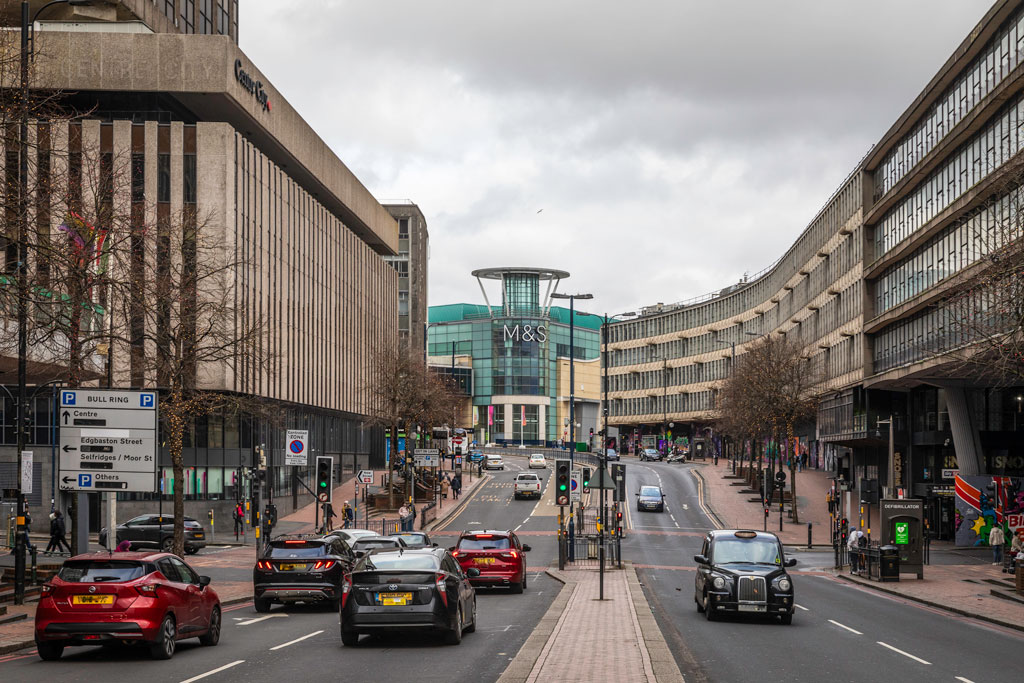
A view along Smallsbrook Queensway.
Post 400 – The Ringway Centre which is to the right of the picture is earmarked to be demolished. There is opposition to this proposal and therefore the bulldozers are so far silent. The planners wish to take down what they say is a building with concrete sickness and replace it with new shiny residential towers. I am unsure if this is progress but we wait and see what the outcome will be.
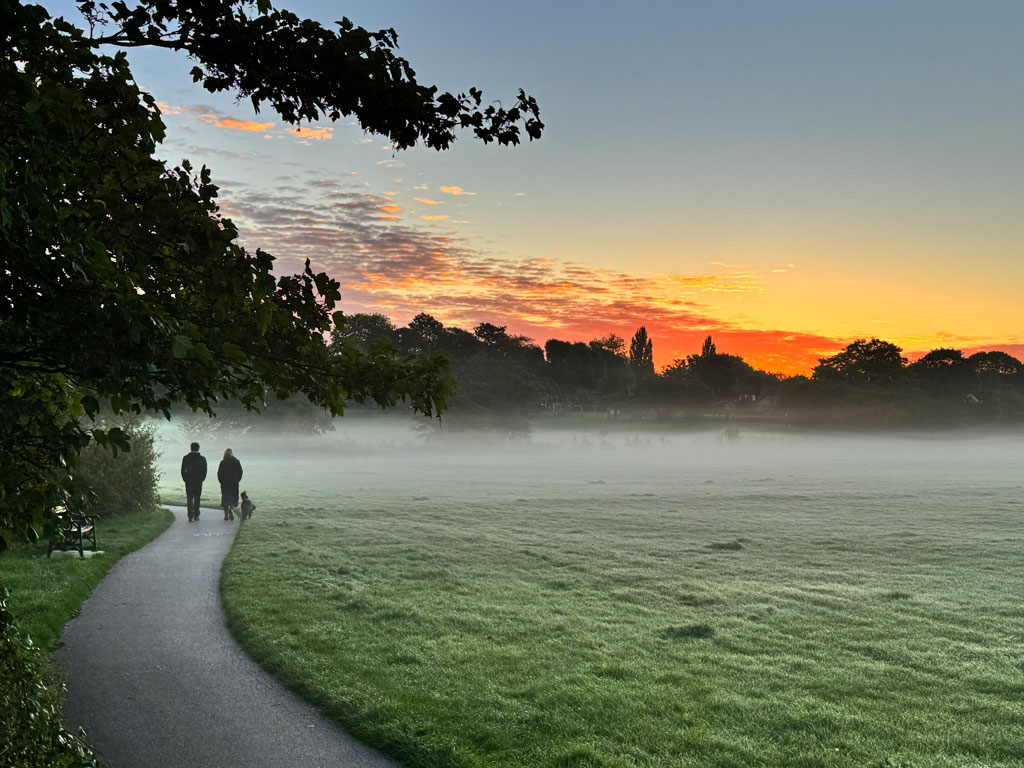
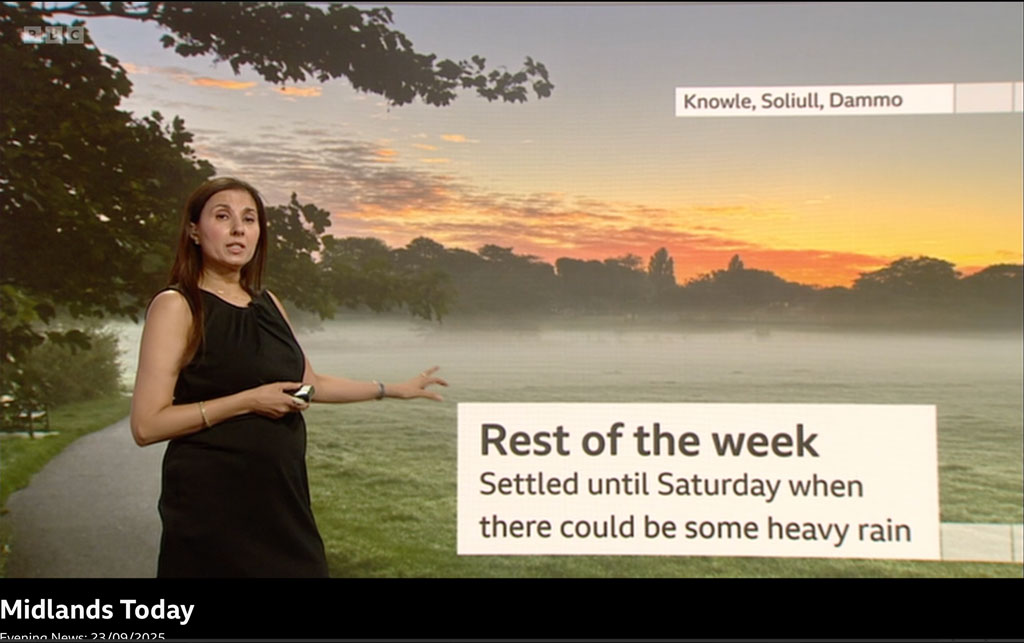
Knowle sunrise in September and featured on BBC Midlands today weather.My picture on BBC Midlands today – note the spelling of Solihull.
Post 500 – This is Knowle Park on a cold Tuesday morning in September. The figures walking along the path are entering the mist with the fiery sunrise beyond the trees. This was featured by Shafali Ozer on the BBC weathers. I always receive kind comments on social media when a picture is featured.
So we have reached 500 posts and I would like to thank James Kelly, who has been instrumental in setting up my website back in 2016. Little did we know back then that this blog would still be thriving 500 posts later. My very first post was about Birmingham Gems, an annual calendar at that time featuring my photographs. That first image, the entrance to New Street Station with ceiling reflections creating a surreal scene, remains one of my proudest photographs.
Finally, thank you to all my readers over these 500 posts. Some of you may have joined for just one or two views, whilst others have followed the entire blogging journey. I appreciate every single reader.
Here is to many more blog posts, more photography inspiration, and perhaps even a few books drawn from the stories I have shared over the years.
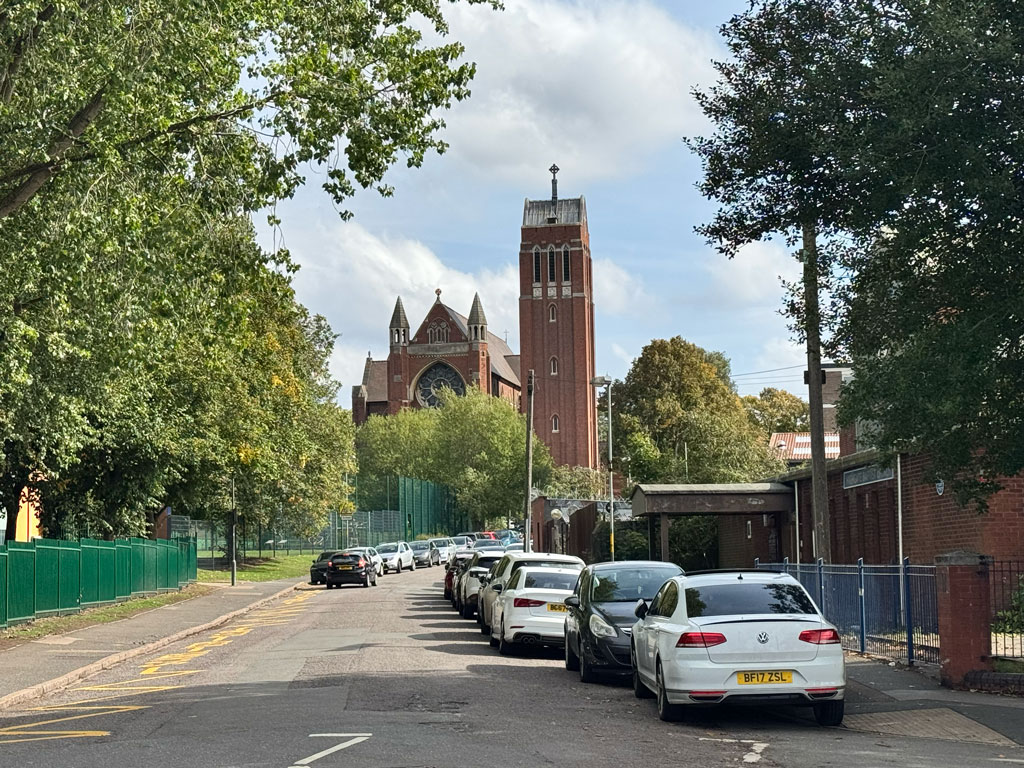
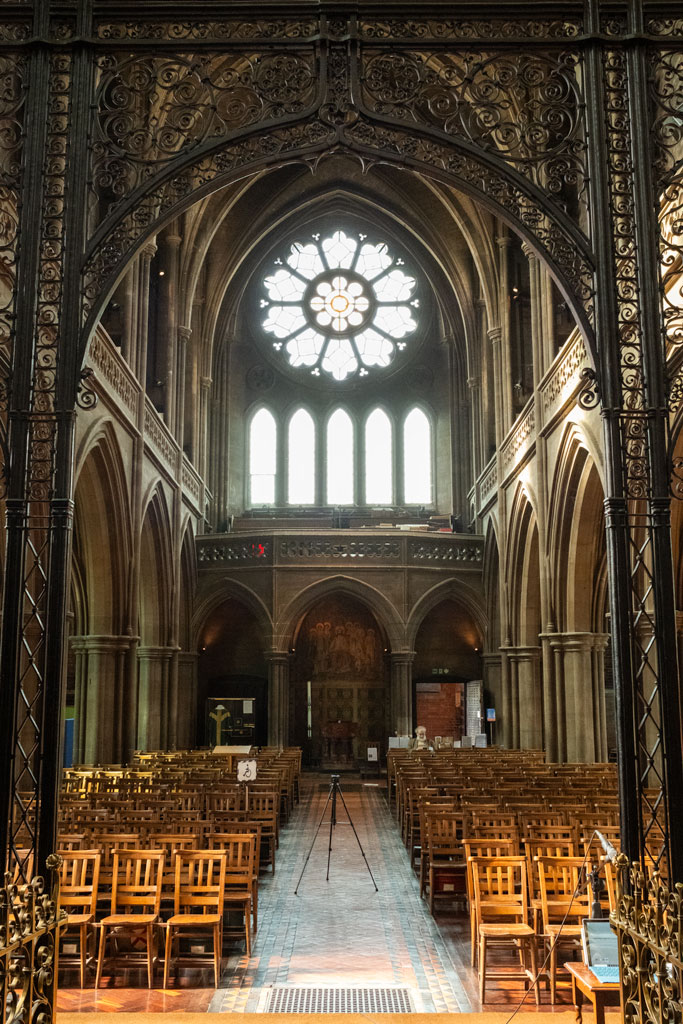
St Alban the Martyr Church is situated in Highgate, Birmingham. To get there, I took the No. 35 bus and then walked up the hill towards the church. Birmingham Heritage Week is a highlight of September, offering Birmingham residents the chance to visit places that are normally closed to the public or venues that many may not have considered visiting. The Church of St Alban the Martyr falls into the latter category. Anyone travelling into Birmingham will likely have seen its bell tower, which commands an impressive presence on the approach to the city.
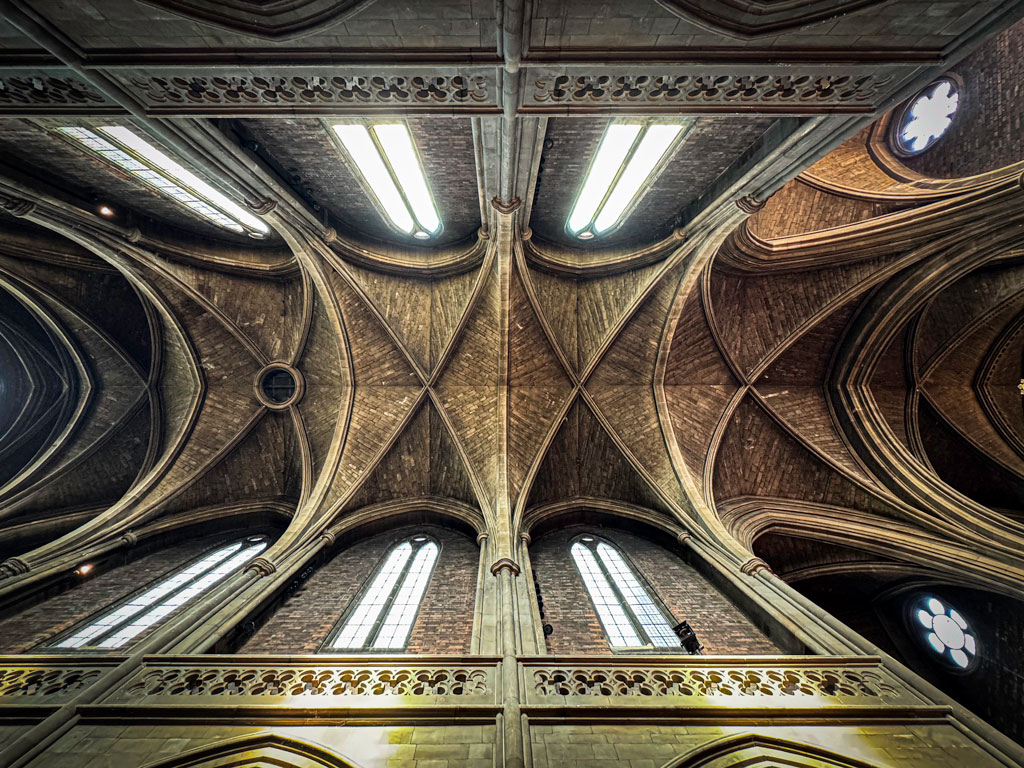
Looking upwards at the amazing ceiling details.The front row of chairs in the sunlight.The gothic inspired interior of St Alban the Martyr.The sun streaming into the Church.
.
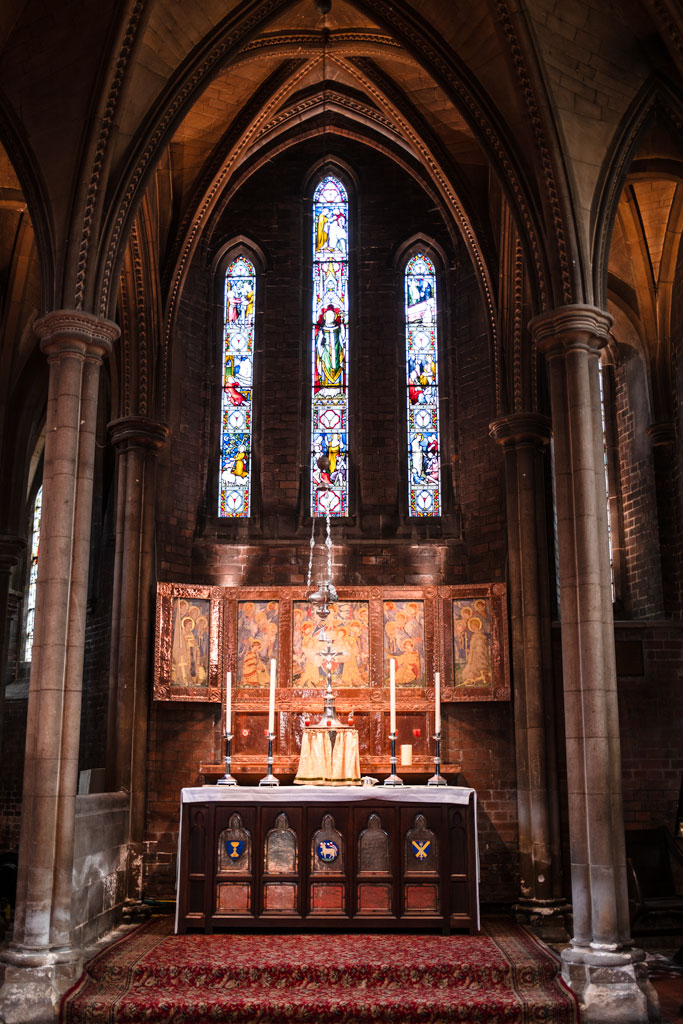
The crucifixion with the vault in the background.St Patrick’s side chapel with the Bunce Altar.
.
This church had been on my list to visit as part of Birmingham Heritage Week. The doors opened for the event, and I visited on a sunny Friday afternoon. On entering, one cannot fail to be struck by the interior architecture. The high stone-vaulted ceiling was designed by J. L. Pearson, a leading 19th-century Gothic architect who also designed Truro Cathedral. Tall stone pillars rise to support the vault, creating a repeating symmetrical pattern. The ceiling is just one of the many highlights of a church rich in treasures. Even the arrangement of chairs echoes the symmetry above, reinforcing the beauty of the space. I was the only visitor at the time, free to savour the majesty of this Gothic design and to take uninterrupted photographs. The play of light through the windows and the soaring ceiling were especially captivating. Adding to the atmosphere, the church was filled with uplifting music. The organist, David Briggs, was once the organist at the church, and now, lives in New York, where he is Artist in Residence at the Cathedral of St John the Divine. He had just dropped in to practise on the church organ, on his way to Germany to give a recital. I was so fortunate to hear him play whilst I was taking photographs of the church.
A view of the organ being played by David Briggs.
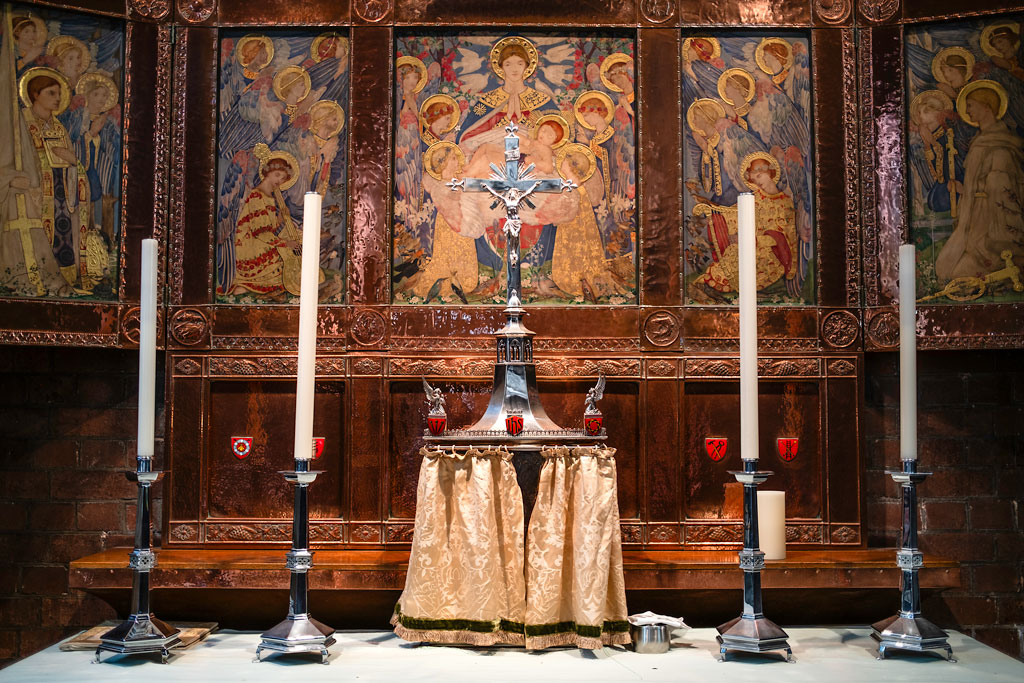
One of the highlights is St Patrick’s Chapel. The altar is striking, and the surrounding artwork is outstanding. Sisters Kate and Myra Bunce, associated with the Arts and Crafts movement at the turn of the 20th century, created the Bunce Altarpiece (or Reredos) that dominates the chapel. The artwork, painted by Kate Bunce, takes the form of a triptych depicting Christ, angels, and the Virgin Mary. The beaten copper frame was designed and made by Myra Bunce. I found myself drawn to this historic piece, which is now a treasured part of St Alban the Martyr Church.
The Bunce Art and Craft displayed on the alter in St Patrick’s chapel.
The church community was warm and welcoming. Teas and coffees were served, questions were readily answered, and photography was encouraged. St Alban’s contribution to Birmingham Heritage Week is both valuable and memorable: rich with community history and enhanced by its remarkable architecture and artwork. This should be high on everyone’s list to visit during the Heritage week.
The Church and Bell Tower.
Details
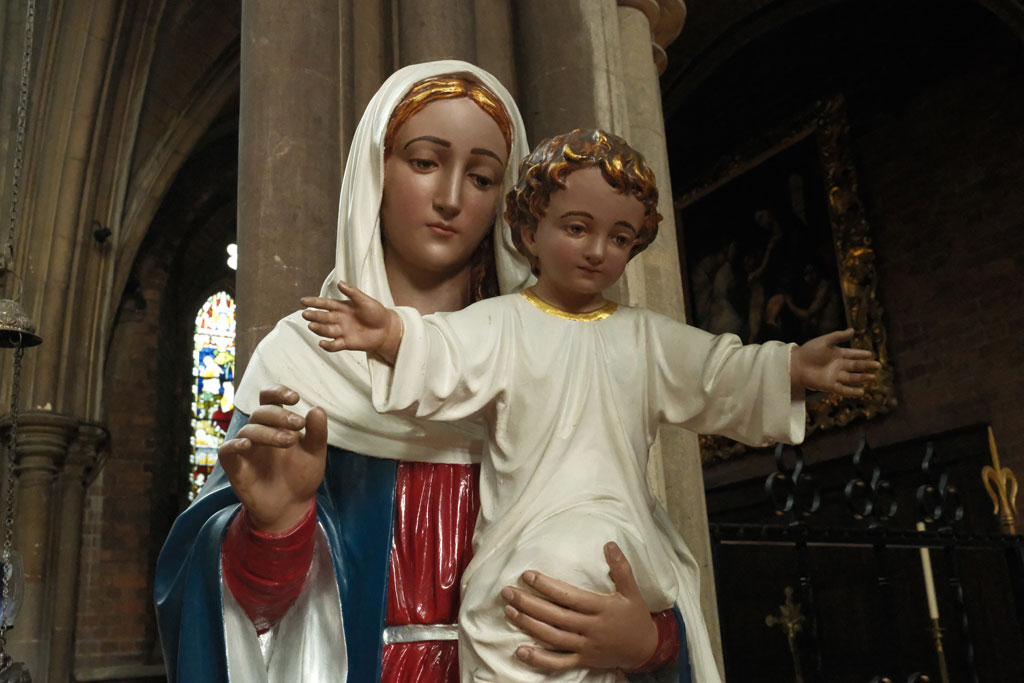
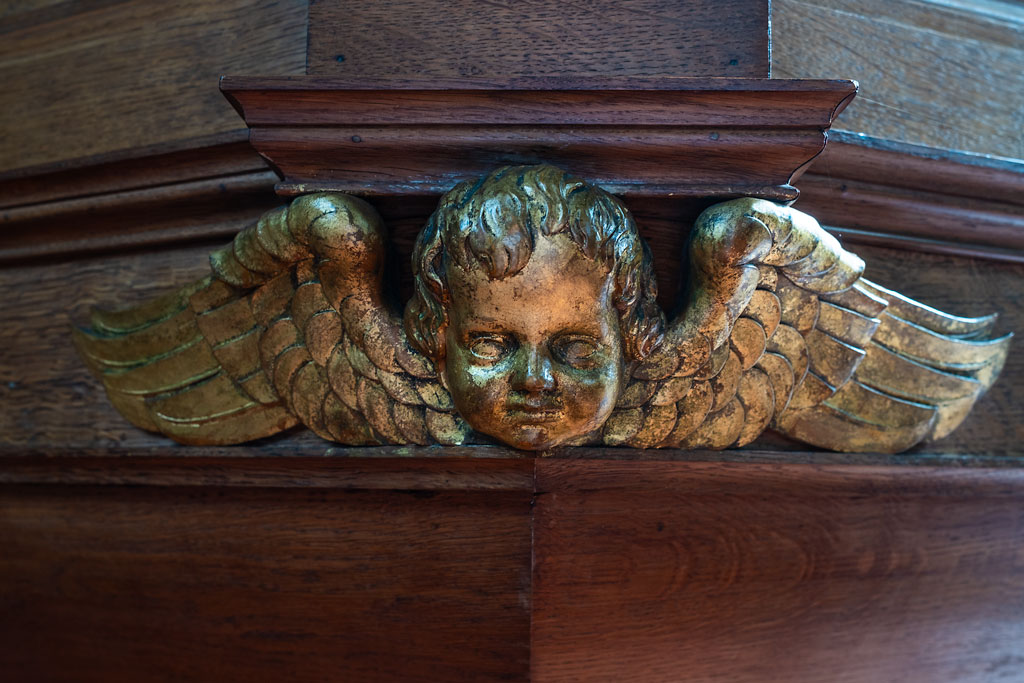
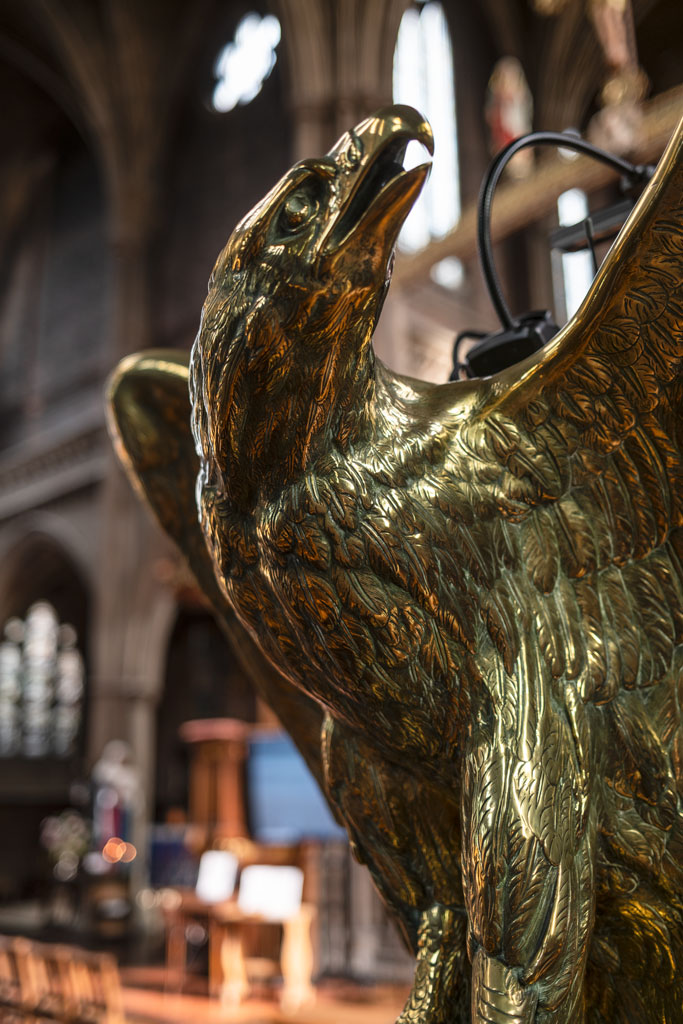
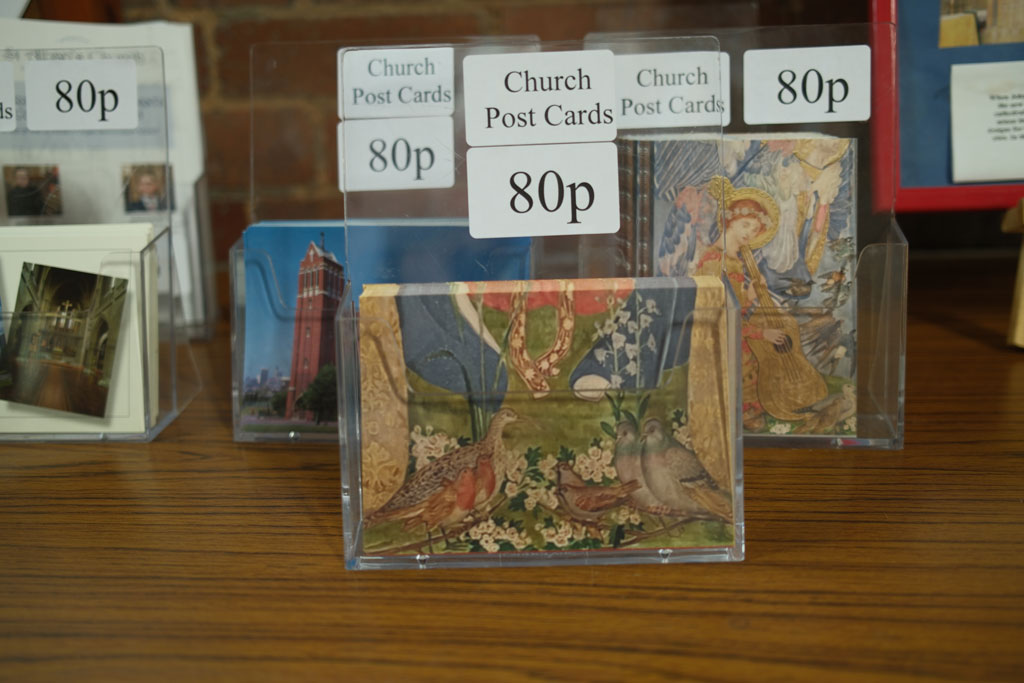
The following are a selection of details that I photographed from around the church. I hope, like me, you find them interesting.
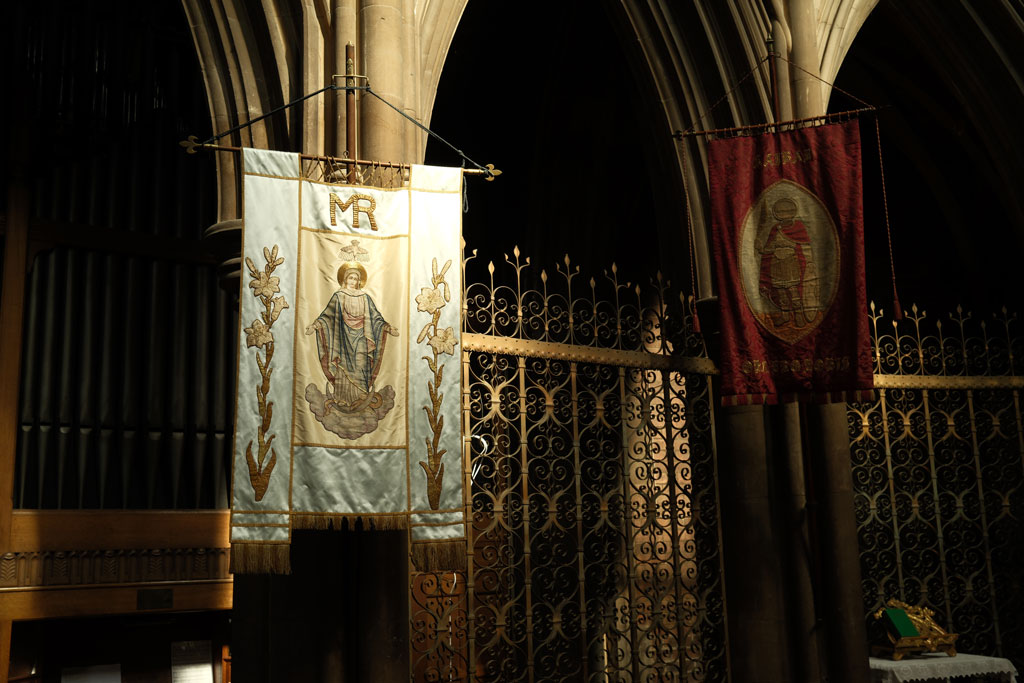
Church bannersMadona and Child.Painting and candle holder.A cherub.The beautiful lectern in the form of an eagle.Postcards for sale.Looking upwards to the stained glass windows.
This is one of several churches that I have visited during the Birmingham Heritage Open Week. I include my visit to the Serbian Church of the Holy Prince Lazer for your interest. I also include a link to Birmingham Heritage Week 2025.
Birmingham Heritage Week always reveals intriguing places to explore. Each year, the programme goes live at the end of summer, and tickets for the most popular destinations are quickly snapped up. For this year’s Birmingham Heritage week, I set my sights on two churches I had not previously visited, along with a guided walk in Birmingham.
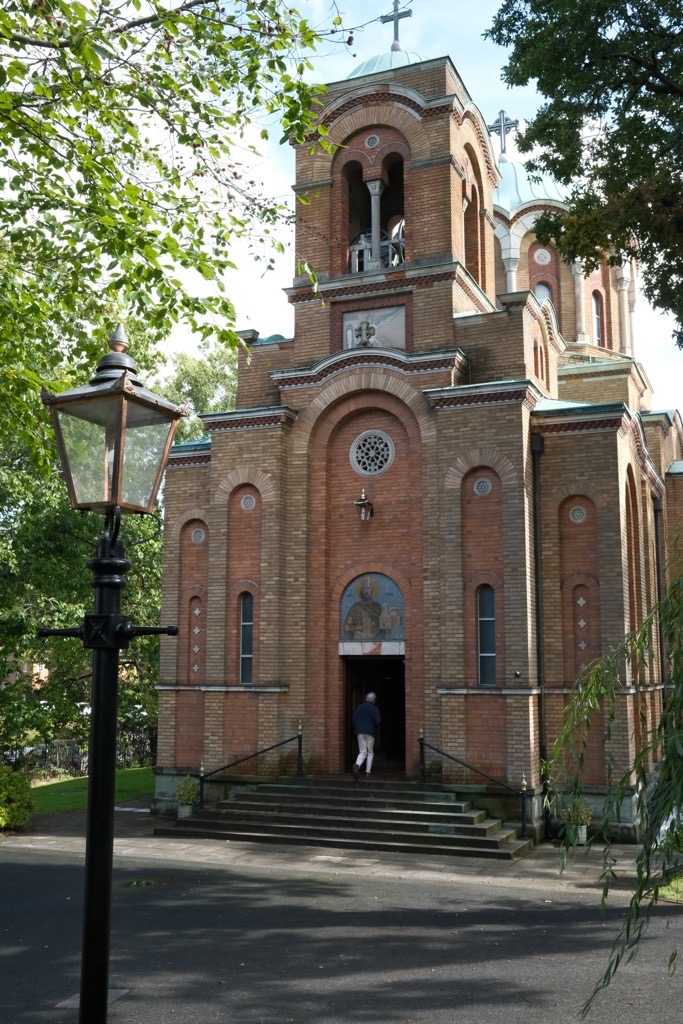
The front entrance.
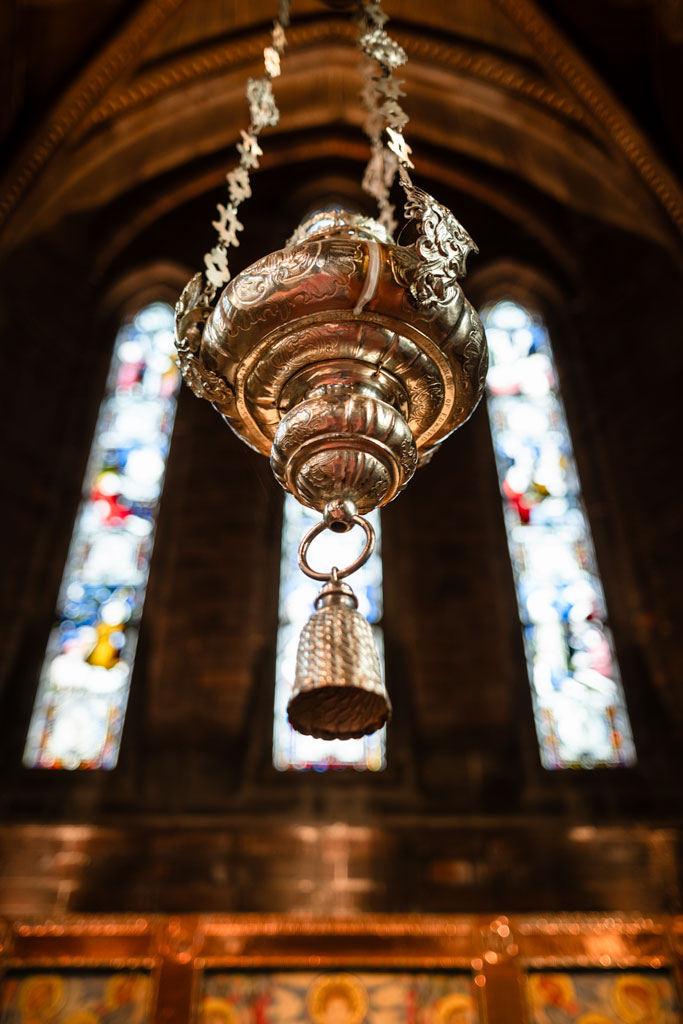
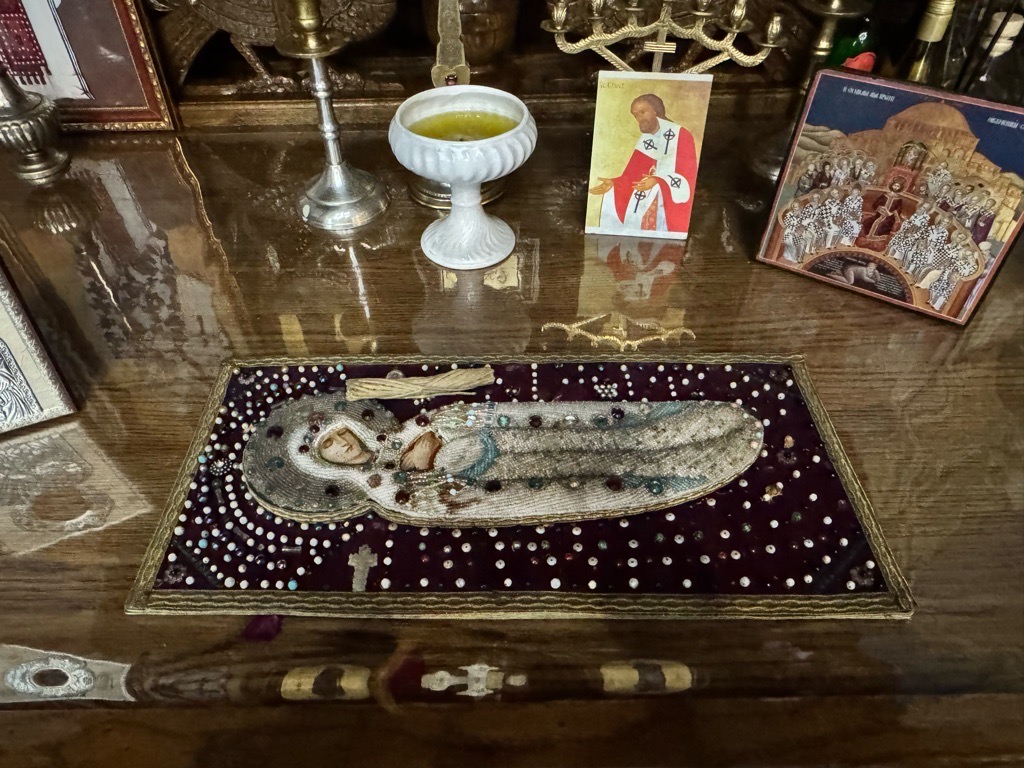
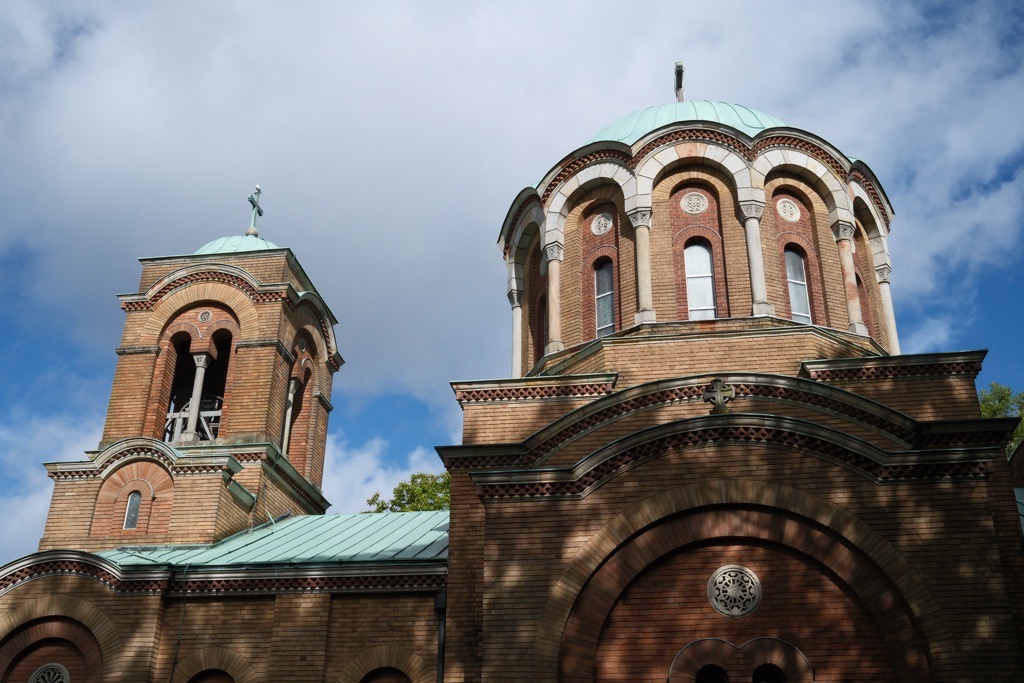
The first of these visits took me to the Serbian Church of the Holy Prince Lazar, a striking Orthodox church situated in Bournville. Renowned for its ornate ceilings and rich decoration, the church stands proudly on a hill overlooking the area. Arriving from Bristol Road, via the number 61 bus, I made the short walk uphill to the gates, where I was warmly welcomed by a member of the congregation.
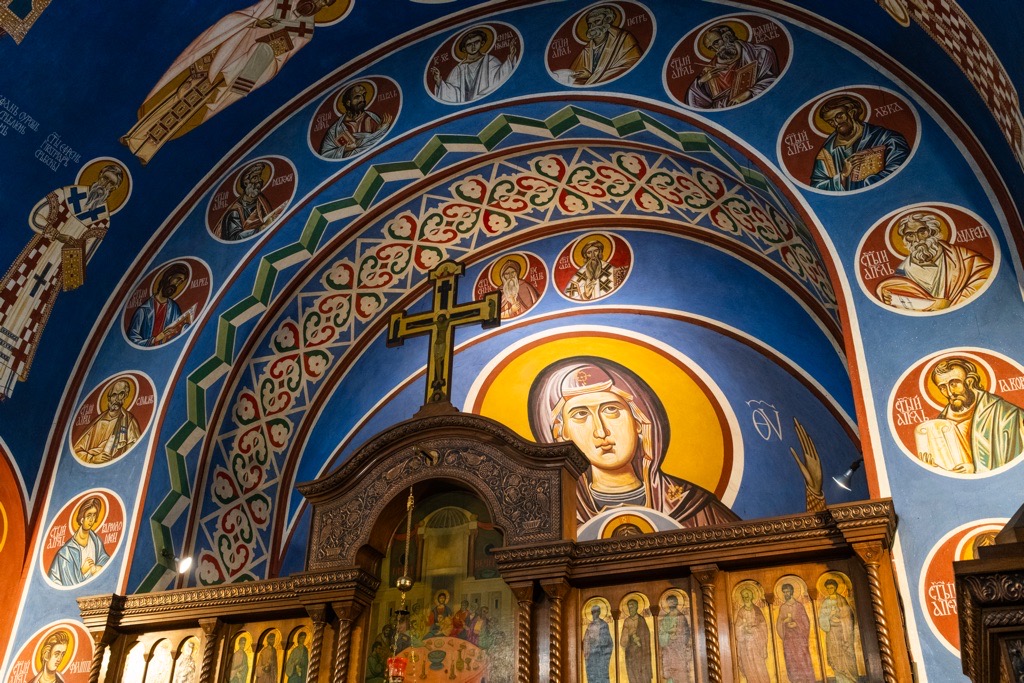
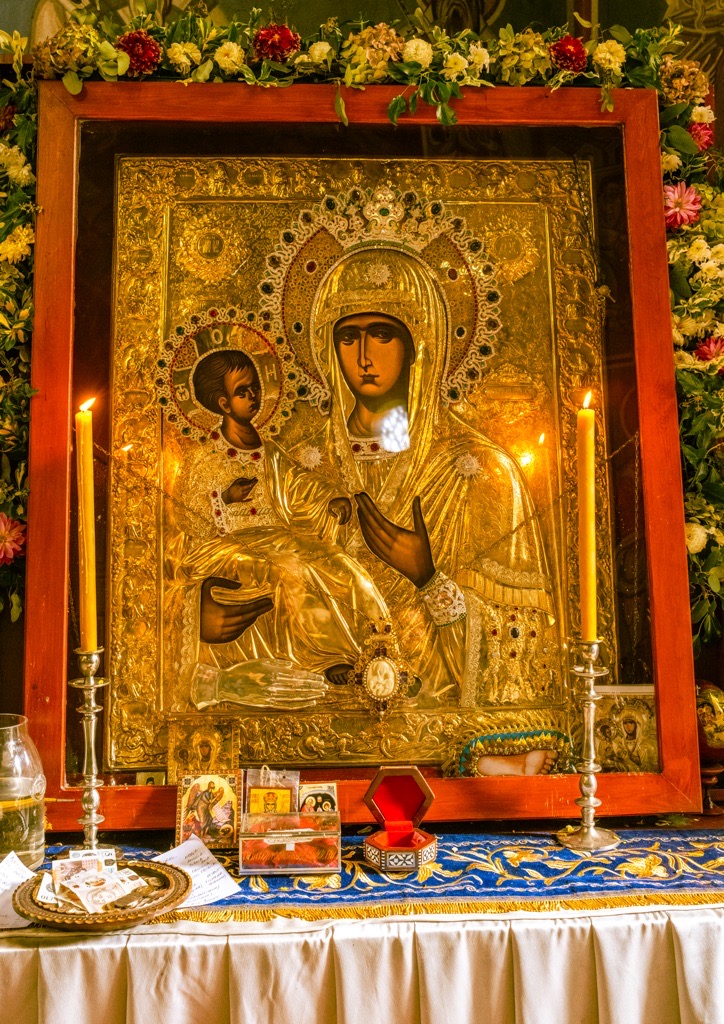
The image of the Virgin Mary behind the alter.Close up details from the side alters.
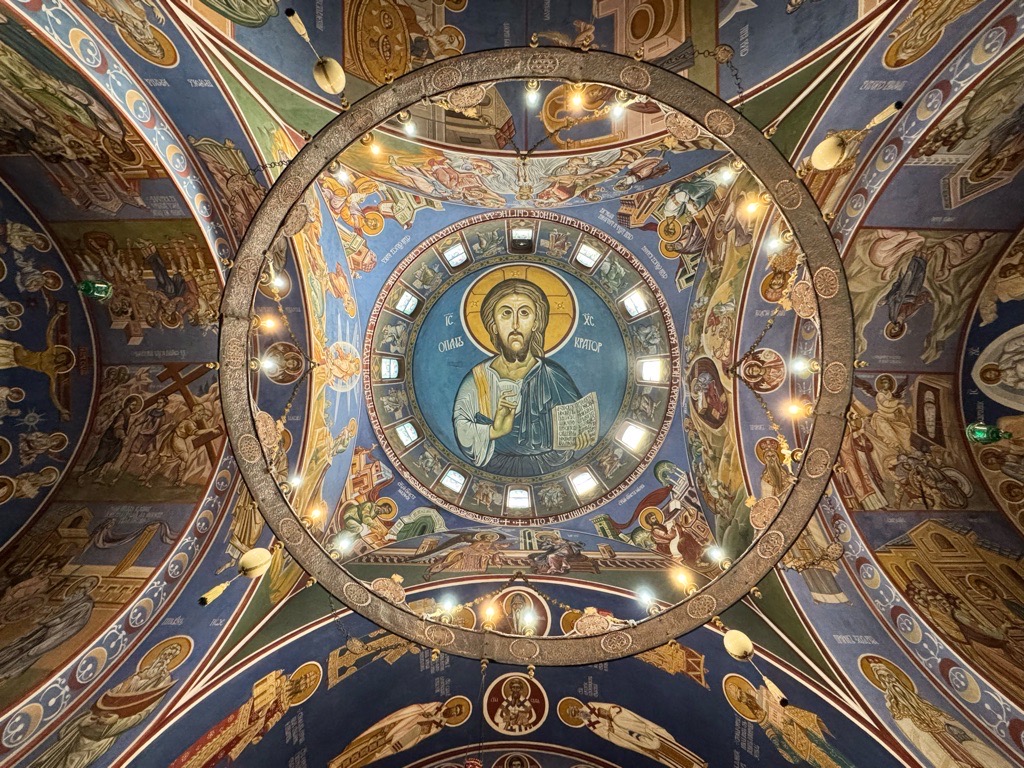
Stepping inside, the splendour of the Byzantine design is immediately apparent. The ceiling is dominated by a powerful image of Christ, while the dome above the altar features a serene depiction of Mary. Stone pillars draw the eye across the space, emphasising the church’s harmonious proportions.
Icons of the Madonna and Child.The balcony with details at the back of the Church.
Unlike many Western churches, the Serbian Church has few seats. This open design is characteristic of Orthodox worship and allows visitors to move freely around. I spent much time admiring the icons and intricate details on the walls. The murals are painted in fresco, a technique where pigment is applied directly onto wet plaster, creating luminous images that glow in the light. I found myself mesmerised, pausing often to steady my concentration so that my photographs might capture even a fraction of the beauty that was before me.
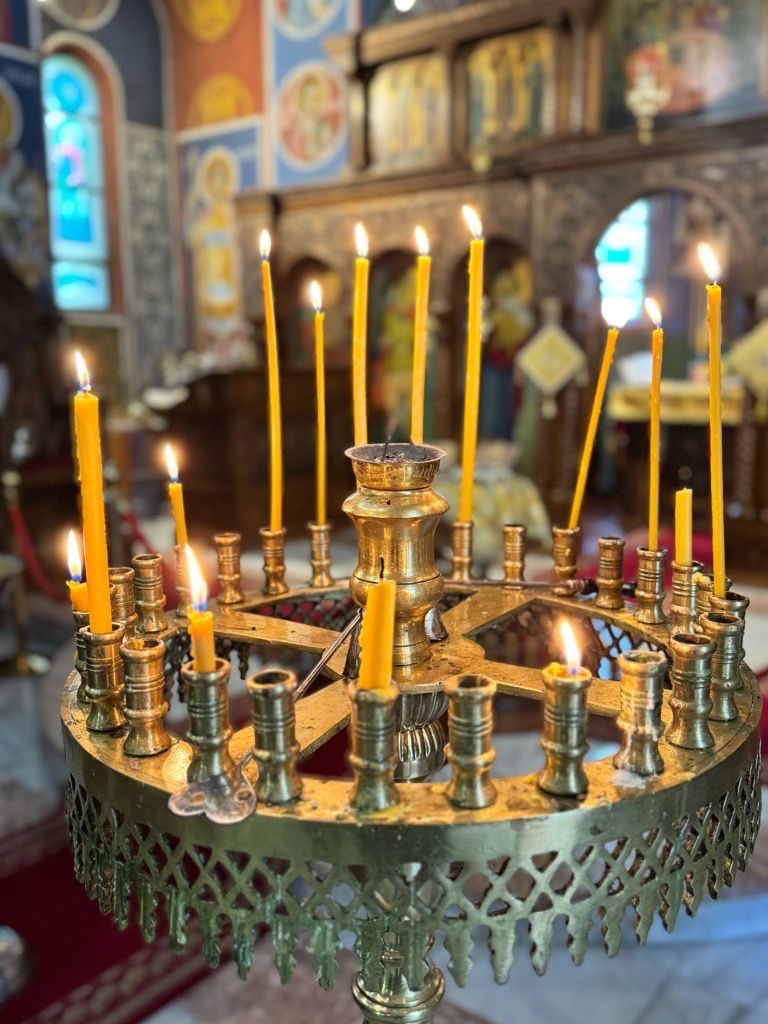
Candles light up the Church.
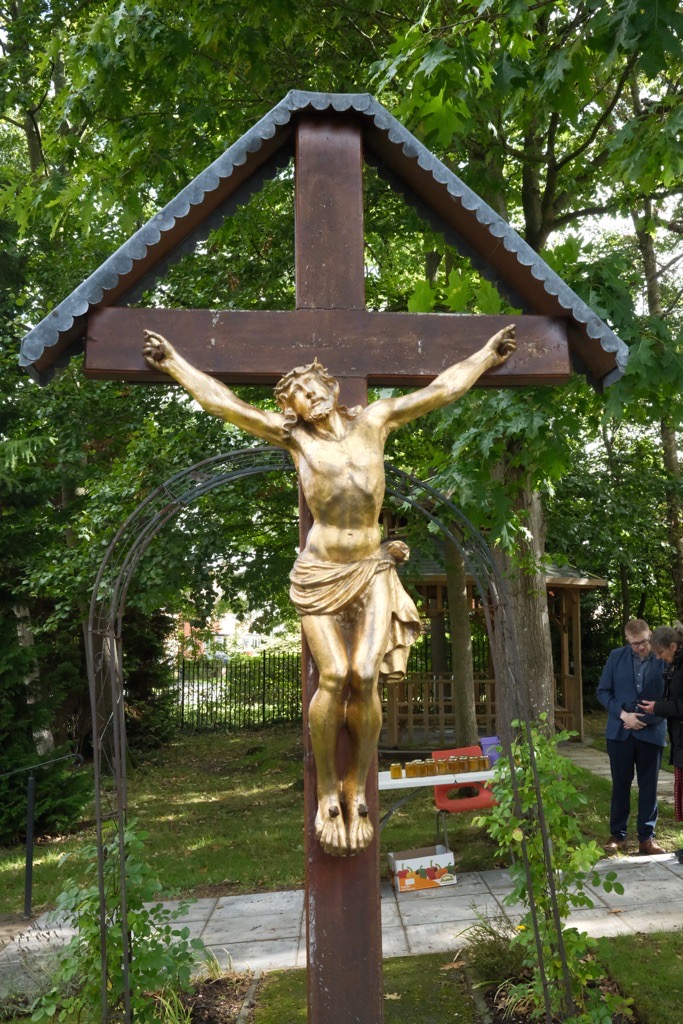
The exterior holds equal charm. In the gardens, a golden crucifix stands proudly, while the church’s architectural form blends gracefully with its leafy surroundings. Time was against me, and with the church busy that day, I was unable to explore or photograph the adjacent hall—an omission I intend to rectify on a future visit.
The side entrance to the Church.The imposing domes of the church against the sky.The crucifix in the gardens of the church.
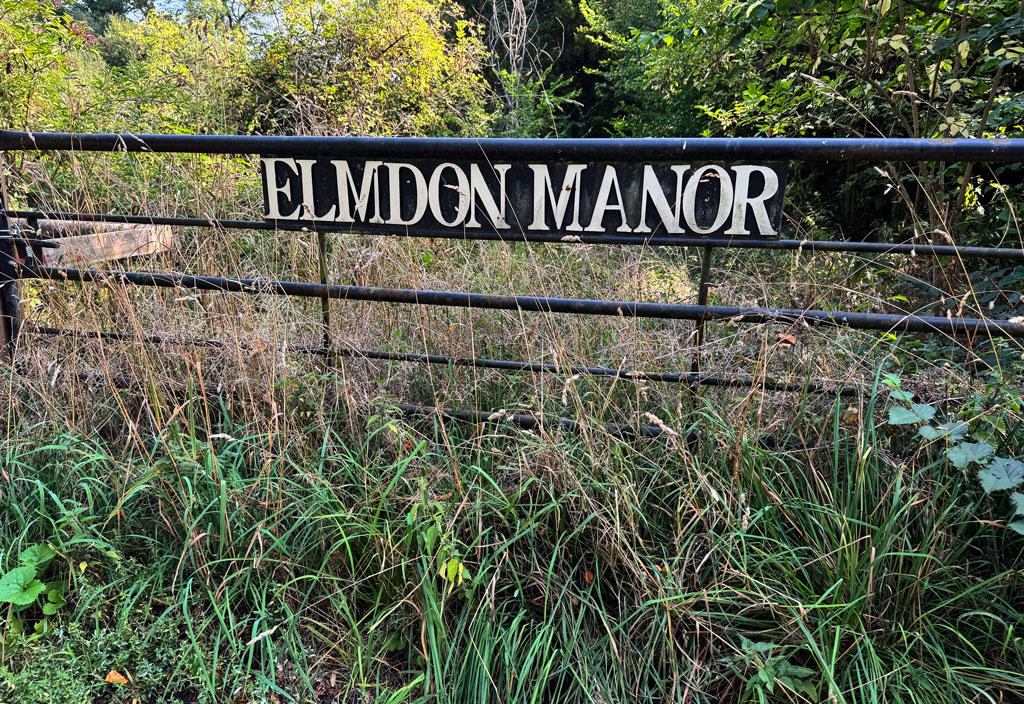
Elmdon Manor Walled Garden is hidden away behind Solihull Moors Football Club and is accessed via Damson Parkway. The roads are busy with large transporters and trucks carrying cars and supplies to and from Jaguar Land Rover Solihull. The lane to the gardens is signposted for Elmdon Park and St Nicholas’ Church, Elmdon. It is an easy turn to miss.
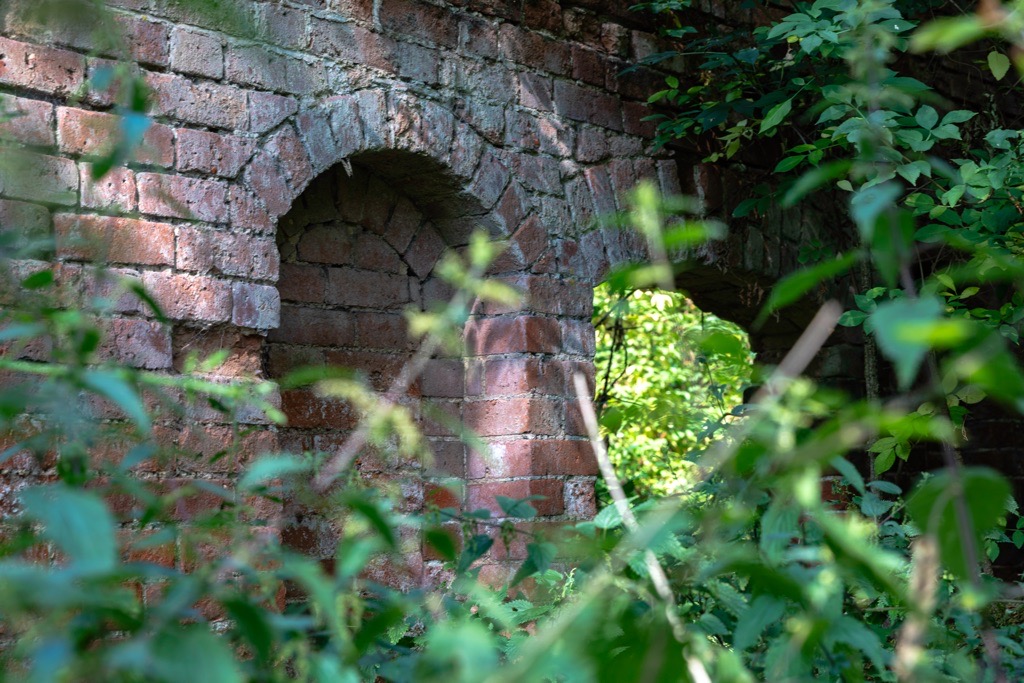
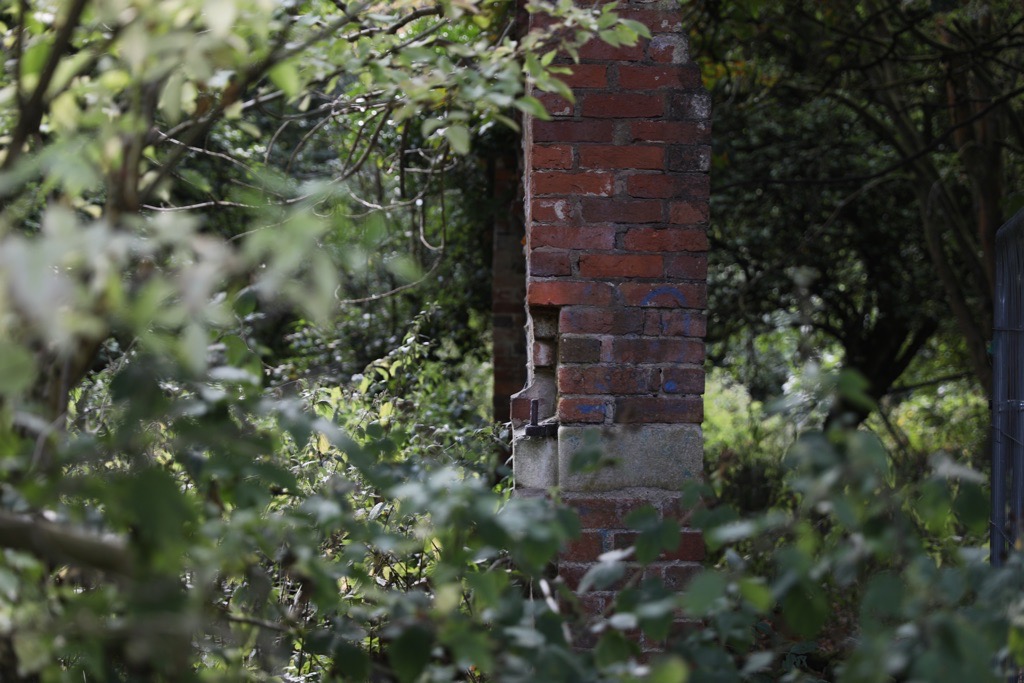
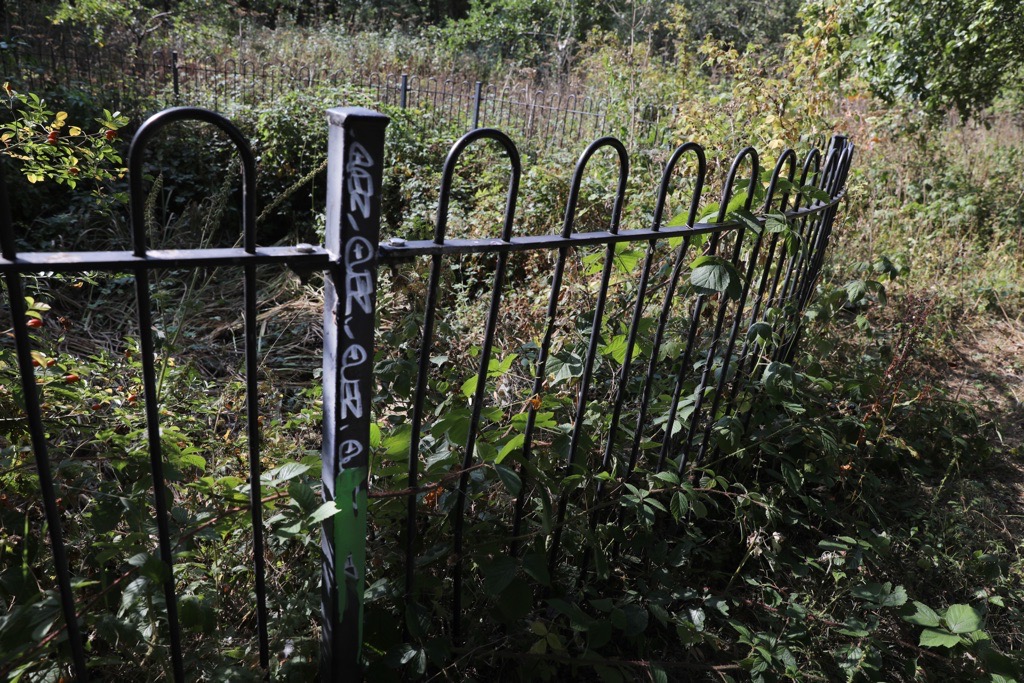
The wall is becoming overgrown.Passing through the entrance.
Elmdon House was once a large stately home that fell into disrepair after the second world war and was eventually demolished in 1956. The walled garden was part of the estate, supplying produce to the house. Today, it is managed by the Warwickshire Wildlife Trust. The original walls of the kitchen garden still stand, although they are in a poor state of repair. Clearly marked paths guide you through the site, and the highlights include the old orchard within the ruined walls, the adjacent woodland, and a meadow that opens up within the trees close to the Moors football ground. The pond, often covered with algae in summer, is usually much clearer during the winter months.
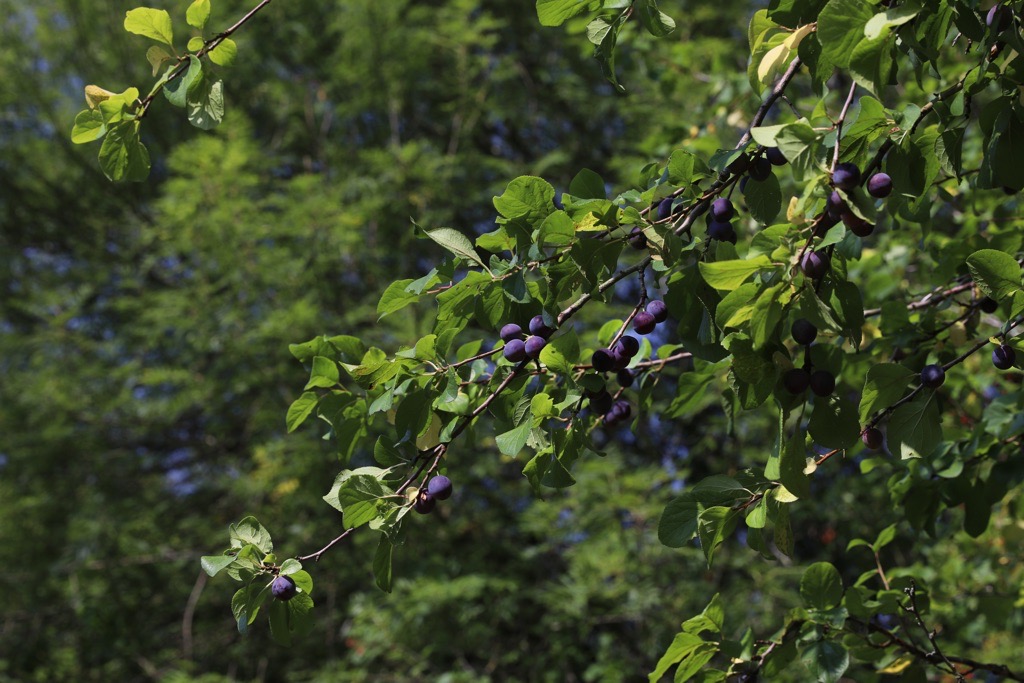
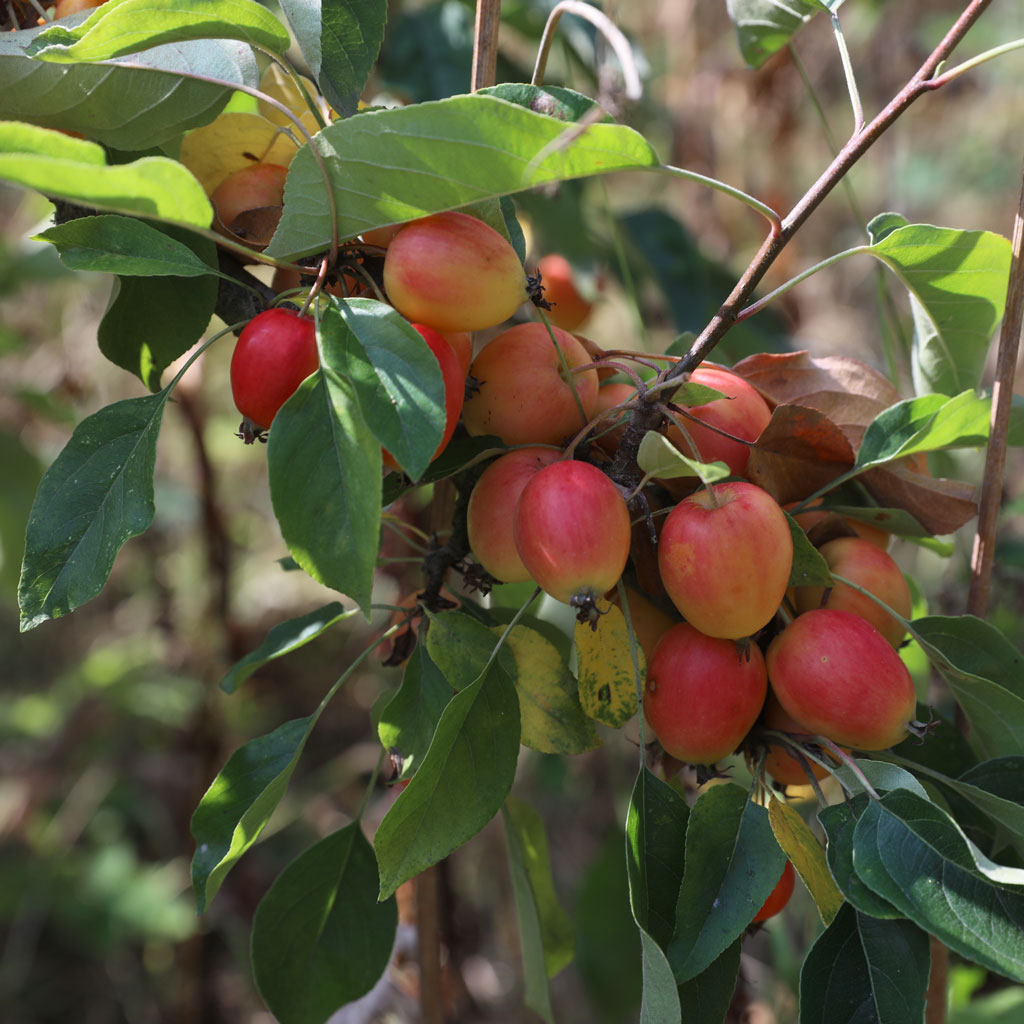
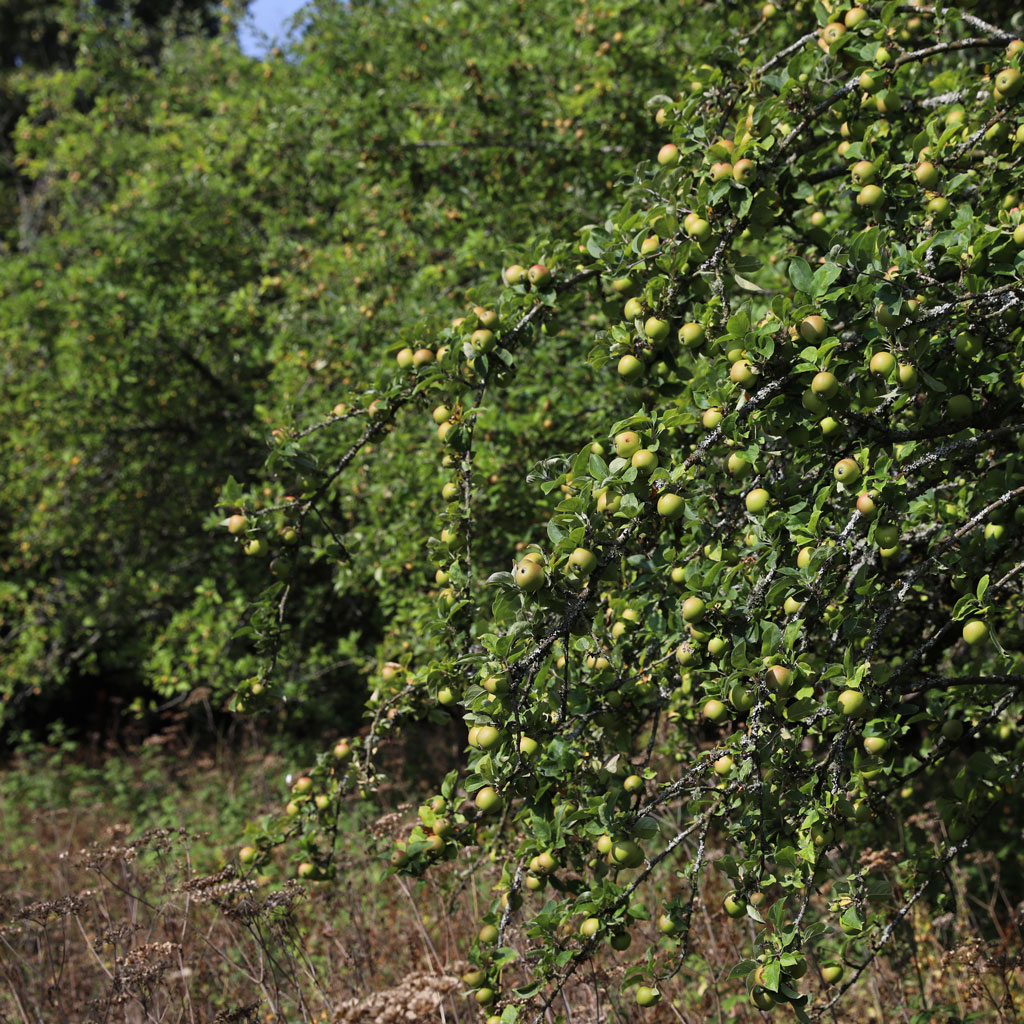
Fruit on the trees.Fences overgrown.Colours on the treesApples galore
. The area is a haven for wildlife and also offers many photographic opportunities. I usually visit once or twice a year with my camera and always come away with a set of images. I begin in the walled garden, where in late summer the trees of the old orchard are heavy with fruit. This year the area is very dry. The woodland adjoining the garden is ancient, filled with trees that form striking patterns. Fallen trunks lean against others, creating natural corridors of light. The atmosphere is shaped not only by nature but also by human presence: the sounds of warehouse workers drift through the trees, and the noise from Solihull Moors’ training pitches carries across the reserve.
Twisted overgrown trees.The woodland trees.Apple trees in the old orchid
The sudden appearance of a meadow within the woodland brings an unexpected openness and is a peaceful spot to pause and reflect. My photographs capture the abundance of fruit, the tangle of overgrown vegetation, and the play of light within the woodland. They also record the contrast between nature and modern development, as the reserve sits cheek by jowl with metallic warehouses and floodlights. Such an oasis is a delight to visit with the bonus of being close to home.
The meadow in the sun.Berries are ripened in the meadow area.Football lights between the trees.
We use cookies on our website to give you the most relevant experience by remembering your preferences and repeat visits. By clicking “Accept”, you consent to the use of ALL the cookies.
This website uses cookies to improve your experience while you navigate through the website. Out of these, the cookies that are categorized as necessary are stored on your browser as they are essential for the working of basic functionalities of the website. We also use third-party cookies that help us analyze and understand how you use this website. These cookies will be stored in your browser only with your consent. You also have the option to opt-out of these cookies. But opting out of some of these cookies may affect your browsing experience.
Necessary cookies are absolutely essential for the website to function properly. These cookies ensure basic functionalities and security features of the website, anonymously.
Cookie
Duration
Description
cookielawinfo-checkbox-analytics
11 months
This cookie is set by GDPR Cookie Consent plugin. The cookie is used to store the user consent for the cookies in the category "Analytics".
cookielawinfo-checkbox-functional
11 months
The cookie is set by GDPR cookie consent to record the user consent for the cookies in the category "Functional".
cookielawinfo-checkbox-necessary
11 months
This cookie is set by GDPR Cookie Consent plugin. The cookies is used to store the user consent for the cookies in the category "Necessary".
cookielawinfo-checkbox-others
11 months
This cookie is set by GDPR Cookie Consent plugin. The cookie is used to store the user consent for the cookies in the category "Other.
cookielawinfo-checkbox-performance
11 months
This cookie is set by GDPR Cookie Consent plugin. The cookie is used to store the user consent for the cookies in the category "Performance".
viewed_cookie_policy
11 months
The cookie is set by the GDPR Cookie Consent plugin and is used to store whether or not user has consented to the use of cookies. It does not store any personal data.
Functional cookies help to perform certain functionalities like sharing the content of the website on social media platforms, collect feedbacks, and other third-party features.
Performance cookies are used to understand and analyze the key performance indexes of the website which helps in delivering a better user experience for the visitors.
Analytical cookies are used to understand how visitors interact with the website. These cookies help provide information on metrics the number of visitors, bounce rate, traffic source, etc.
Advertisement cookies are used to provide visitors with relevant ads and marketing campaigns. These cookies track visitors across websites and collect information to provide customized ads.