
Street walk in Dudley

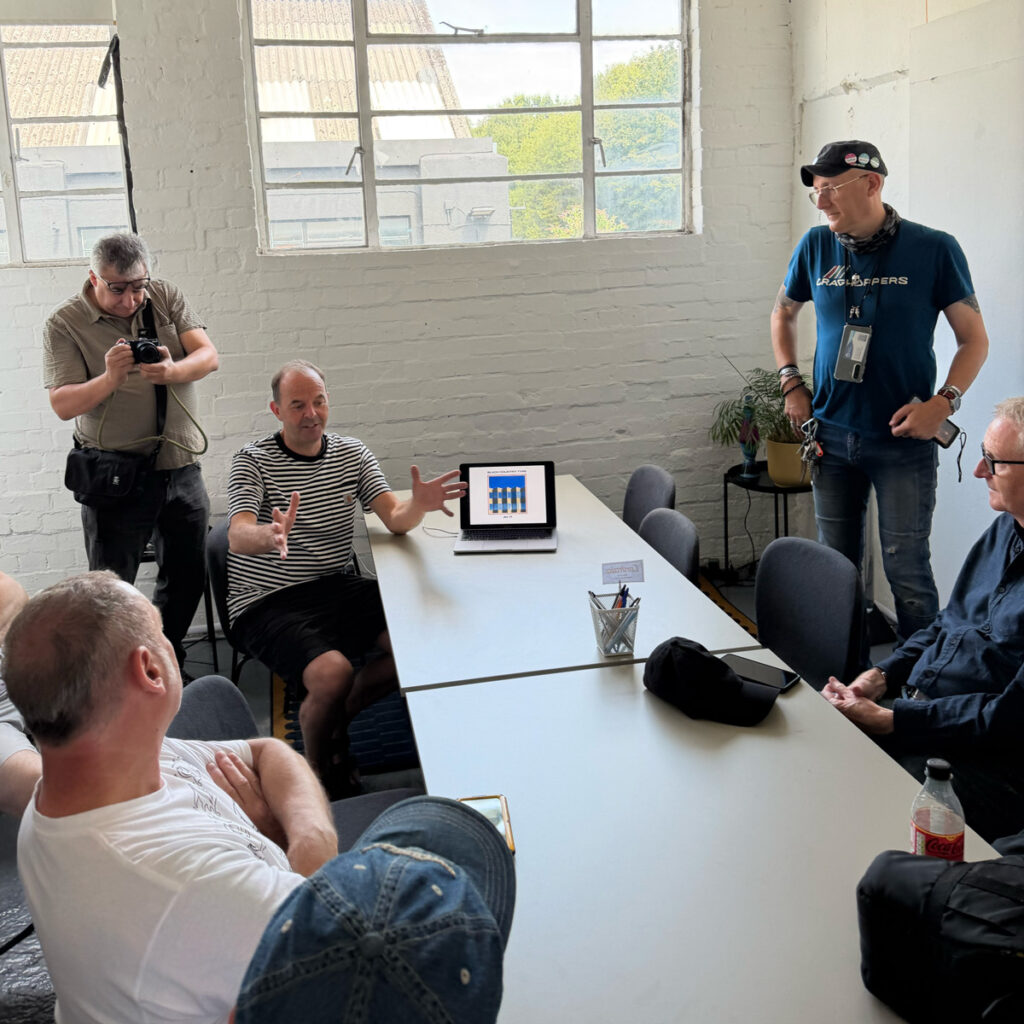
Dudley is well known for attractions such as Dudley Zoo and Castle and the Black Country Living Museum, so I was keen to explore the town further. An opportunity came when a street photography walk led by Matt Wakefield and organised by Igers Birmingham UK took place.

Street walk in Dudley
The start of Dudley High Street.

Starting off at Cousins Furniture Store, Matt led us around the streets of Dudley. He is an excellent host for a photographic walk. His distinctive appearance of grey beard, baseball cap, and reflective glasses lets you know he is a man of the streets. After introductions by the Igers Birmingham UK team, we set off.

Street walk in Dudley
It’s that man of the Streets of Dudley. Matt himself.

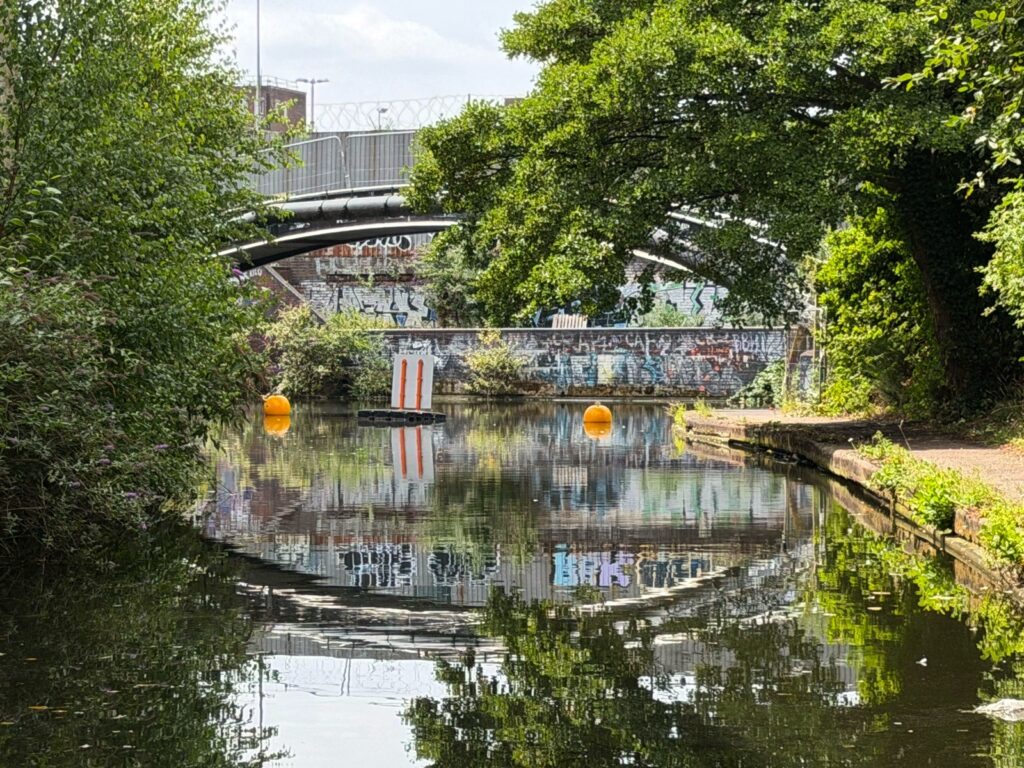
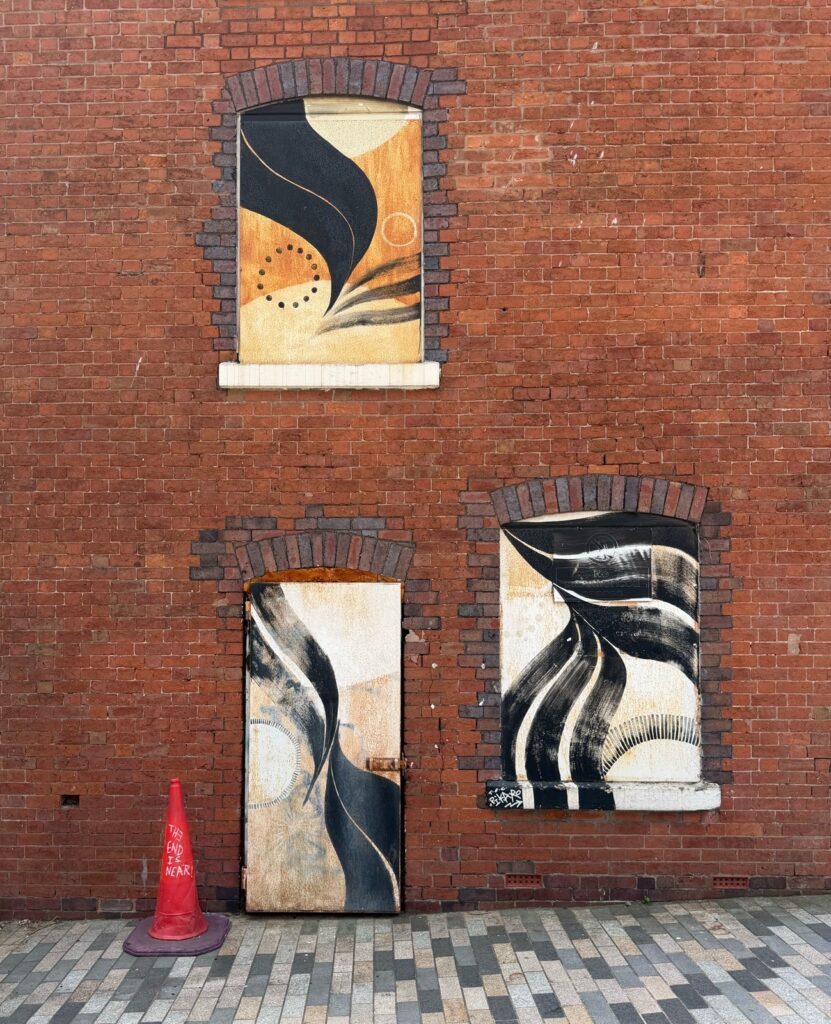
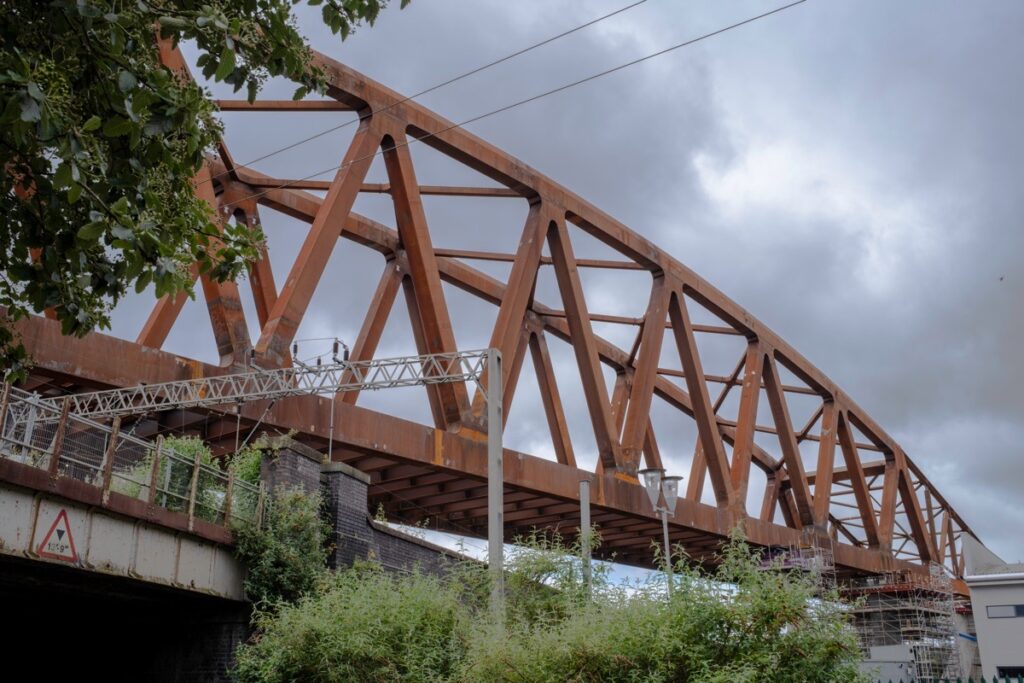
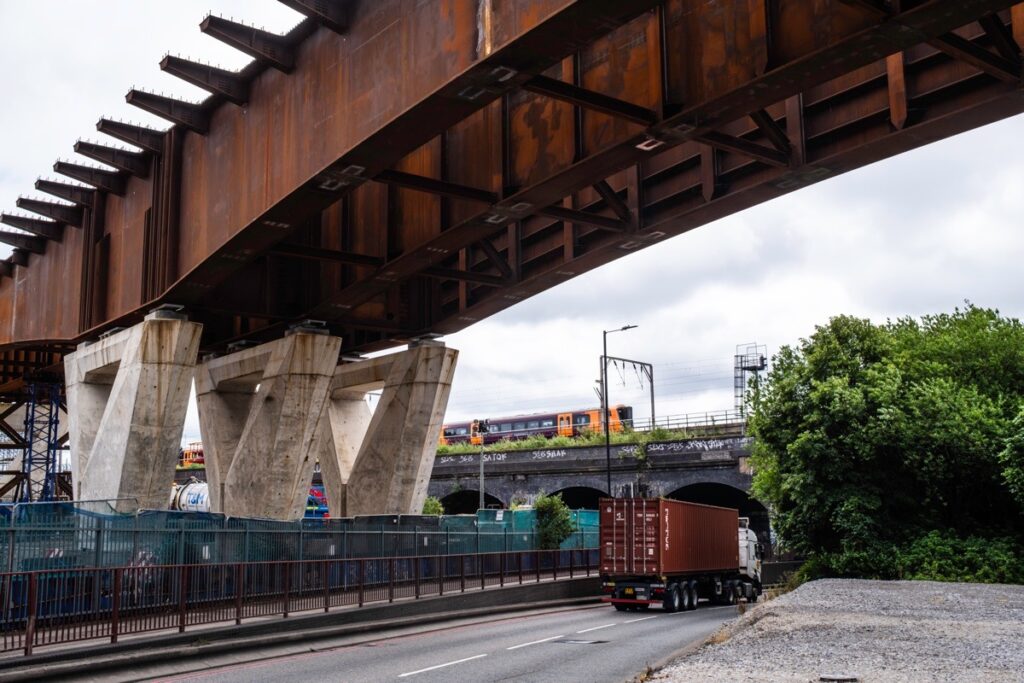
The first stop was a boarded-up pub that provided a great focus for our photography. This was followed by the distinctive iron bridge over Duncan Edwards Way. Following the newly laid tram tracks along Castle Hill, we passed the zoo and headed up towards the High Street. All the while, we could see Dudley Castle looking down on us.

Street walk in Dudley
A closed pub was our first port of call.
Street walk in Dudley
The iron bridge in Dudley.
Street walk in Dudley
MOT anyone?
Street walk in Dudley
Dudley is known for the Zoo.

A group of photographers always looks conspicuous, and I attracted interest from people in Sofi’s Plaice, a local fish and chip shop. The owner, Kikis, beckoned me over and we chatted. He kindly allowed me to take his portrait and then proudly informed me that his was the best fish and chip shop in the West Midlands. We enjoyed the banter that followed, and I promised to return.

Street walk in Dudley
Kikis and Lyndsey in Sofi’s Plaice.

Matt guided us around Dudley town centre, which is quietly impressive, with old buildings mixed amongst the new. There were many architectural highlights. Some buildings had been thoughtfully repurposed, while others had unfortunately been left empty. Nevertheless, the town has real character. Matt kept us on our toes, sharing interesting facts and pointing out photographic opportunities as we made a large circle around the town.

Street walk in Dudley
Window Shopping
Street walk in Dudley
Older Dudley architecture.
Street walk in Dudley
Inside the arcade.
Dudley walk
Architecture of Dudley.

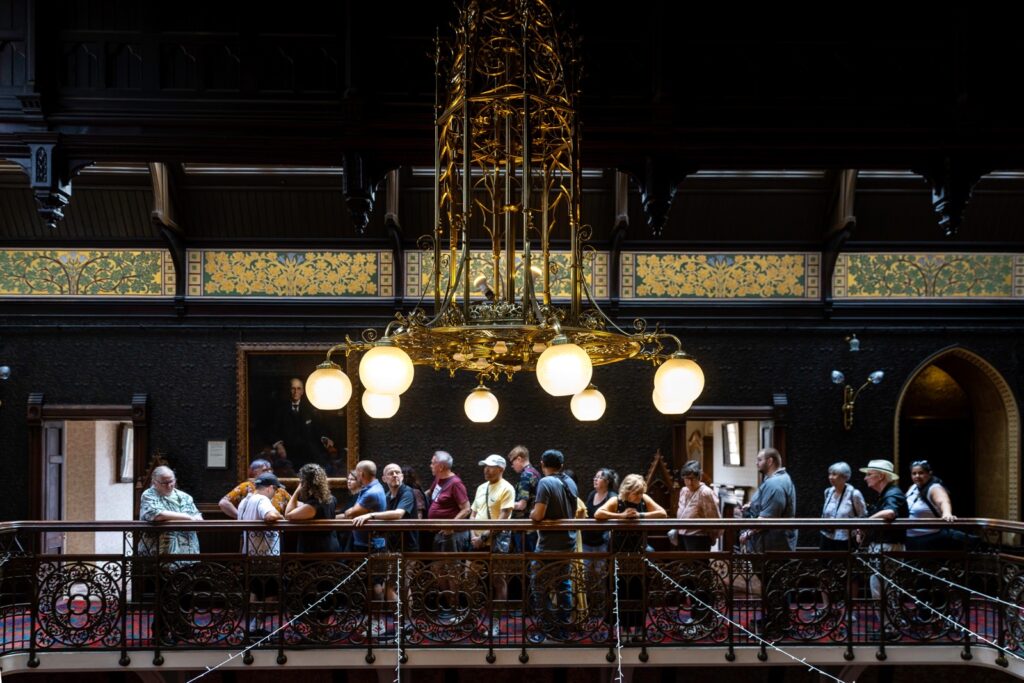
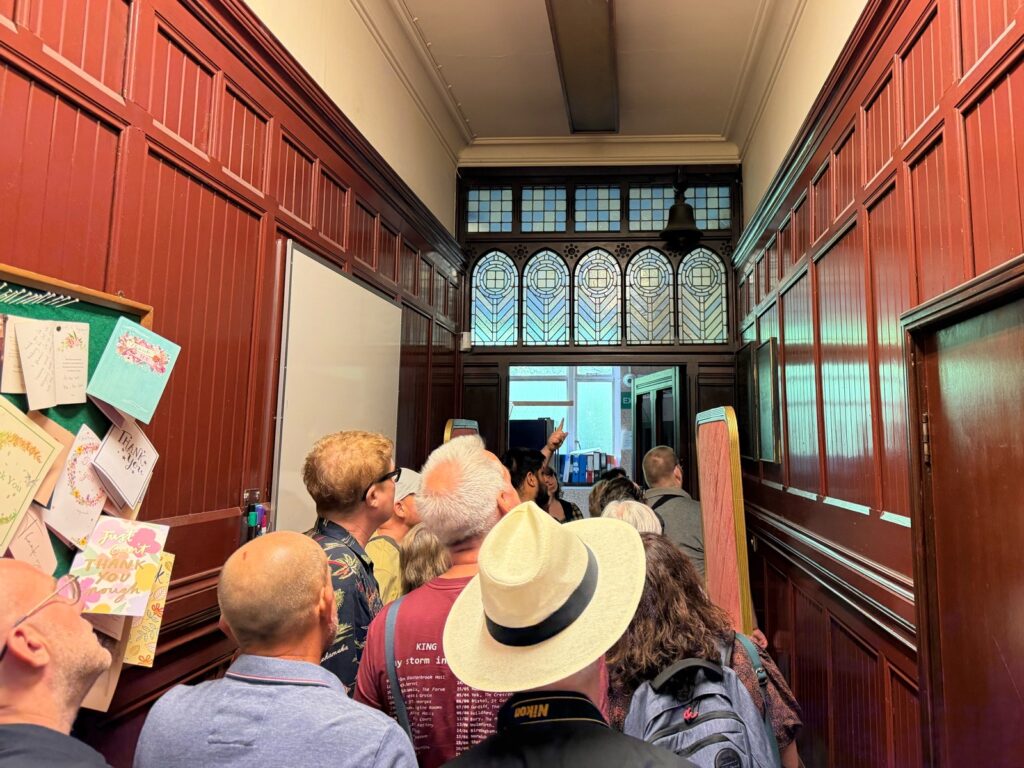
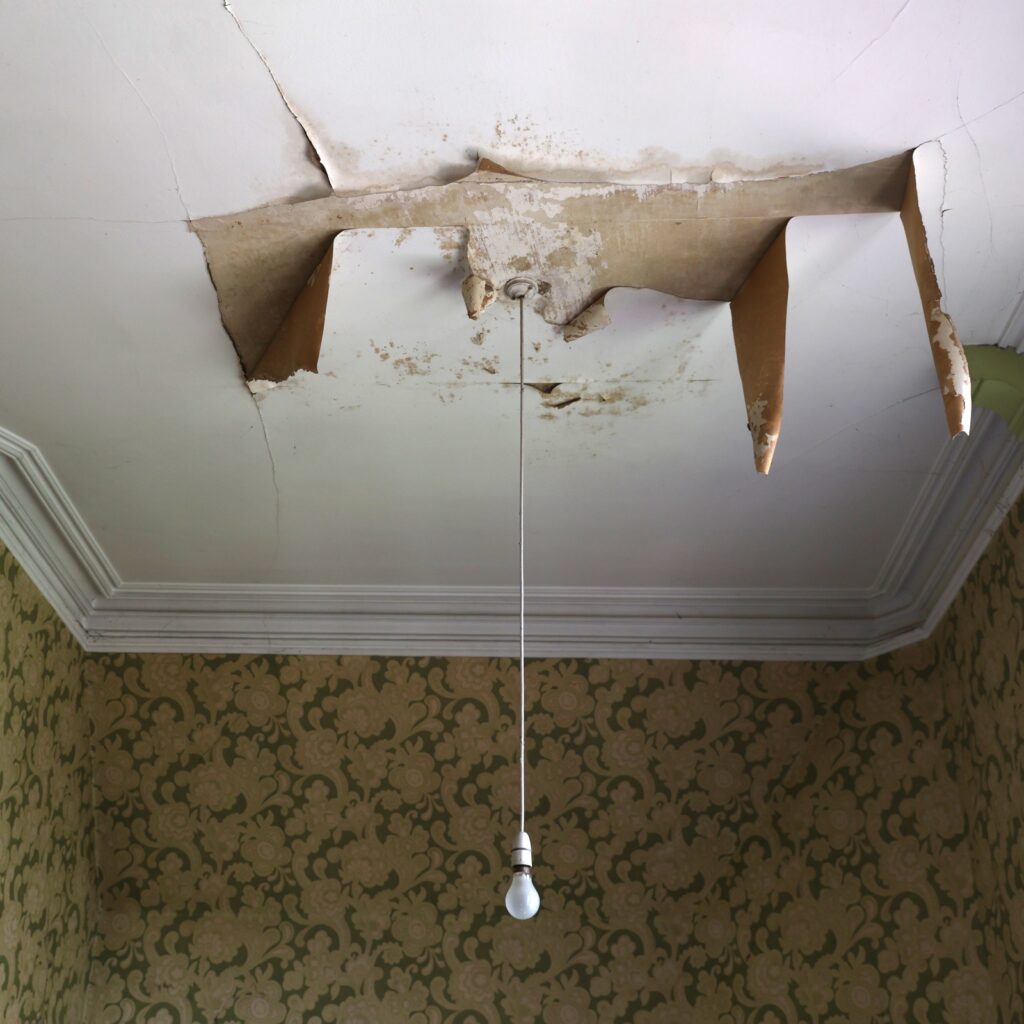
We eventually reached the High Street, where Matt surprised us with a special visit to Prospect House, formerly the Cooperative Emporium. Opened in 1939 by the Midlands Cooperative Society, it was once their flagship department store. After decades of decline and closure during the 1980s, the building is now a community support centre with ambitions to restore it to its former glory. The exterior has already been beautifully restored in its original Art Deco style, although there is still much work to do inside.

Street walk in Dudley
Contrasting styles.

Matt is clearly a man with good contacts, and we were met by the building manager, who led us through the store and up a grand staircase onto the roof. Photographers love a rooftop viewpoint, and this one was superb. Earlier rain had left puddles across the surface, creating wonderful reflections. We spent a happy hour photographing the Black Country skyline, experimenting with puddle reflections, and capturing closer views of Dudley Parish Church.

Street walk in Dudley
I do like a good reflection.
Street walk in Dudley
Street scenes from above.

Everyone enjoyed themselves, and the rooftop visit became one of the highlights of the walk. Like any good film, however, there was still more to come. At the end of the High Street, Matt let us loose to photograph the Saturday market. Standing prominently above the street is the imposing statue of Duncan Edwards, dressed in England colours and poised to kick a football. His commanding figure overlooks the town below.

Street walk in Dudley
The Duncan Edwards statue.

Duncan Edwards was a hero to both my father and grandfather during his time at Manchester United, before his life was tragically cut short in the Munich air disaster. Standing there, I found myself reminiscing about all the stories I had heard as a child about this remarkable footballer.

Street walk in Dudley
Looking down the High Street from the top of the Prospect building.
Street walk in Dudley
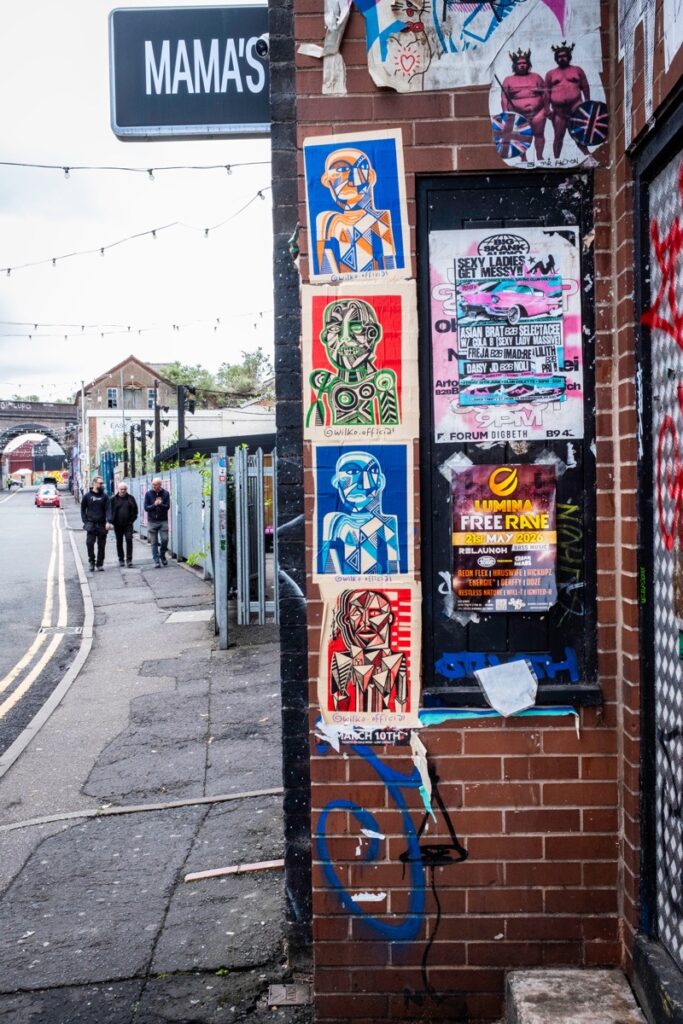
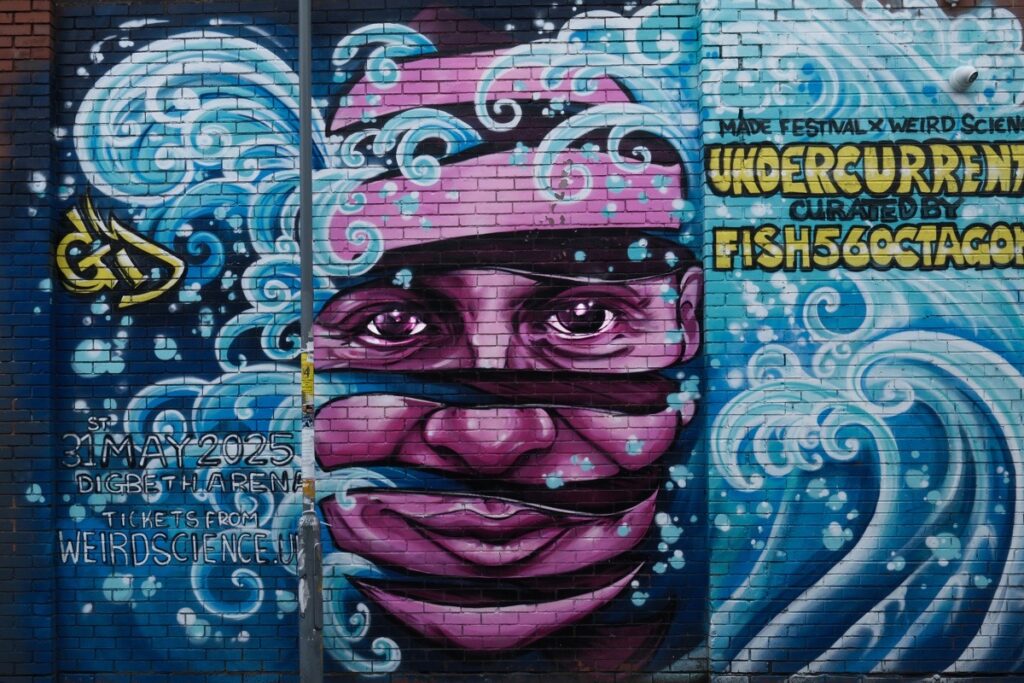
Musical entertainment in Digbeth.

I later returned to Sofi’s Plaice fish and chip shop, where Kakis served me a cone of his special orange chips. They were delicious. I wandered past the new tram terminal alongside Birdcage Walk, chips in one hand and camera in the other, before eventually finding myself back at Cousins Furniture Store. We had a short debrief, reflected on what an enjoyable walk it had been, and then said our goodbyes before heading home.

Street walk in Dudley
Time trail at the start of Birdcage. A sculpture on Industry and work supporting the family. Date 1964 and the sculpture was by Edward Bainbridge Copnall.

I stayed a little longer because I had spotted a spiral footbridge that I wanted to photograph. I liked the strong angles, circular shapes, and the way pedestrians interacted with the concrete structure and metal railings.

Street walk in Dudley
Looking up towards the Spiral footbridge.

Over the following days, I posted my photographs online. As everyone shared their pictures, I realised that I had unintentionally become a subject myself. My Aussie hat and black clothing had apparently made me a distinctive figure amongst the crowd, and several photographers had captured portraits of me during the walk. It was great fun seeing everyone’s different interpretations and the one below by Nadia Malik is my favourite one.

Street walk in Dudley
With my orange chips from Sofi’s Plaice. Picture by Nadia Malik.

My thanks go to Matt for leading such an excellent photo walk and also to the Igers Birmingham UK team for organising the day.

The last blog post on my Photographing series was focussed on my visit to Winchester.

Black and White Photography with PRISM

Black and white photography is reinventing itself in the analogue world. I had the opportunity to take part in an analogue photography day courtesy of PRISM Photography. The course was organised by Francesco Felcini, who has a studio in Stryx Gallery, where he has a darkroom set up. There were three of us booked onto the course with Francesco.

Black and White Photography with PRISM
Getting my Yashica film camera ready for the shoot.

The day’s timetable started with a morning briefing and the preparation of our film cameras. I had brought along my Yashica 107 Multi Program camera, which has served me well over the years. With our black and white film locked and loaded, we headed off for a stroll around the Jewellery Quarter. There is always a certain anxiety when you know that you only have 36 pictures to shoot. We explored narrow alleyways, cemeteries, and the streets of the JQ. After an hour, we were back for the next stage.
Black and White Photography with PRISM
Francesco explains how to open the film in a developing bag.
Black and White Photography with PRISM
This looks easy as we practice loading already developed film onto the spool.
Black and White Photography with PRISM
Dom finds this is not so easy when working in the dark.
Black and White Photography with PRISM
A set of instructions is useful to make sure the right steps are followed.
Black and White Photography with PRISM
Strips of film are hanging from the ceiling to dry.

Developing the film was not straightforward for me. In the darkness of the changing bag, my sweaty hands nearly made a mess of loading the film onto the spools. Francesco came to the rescue and we were soon ready to pour the developing chemicals into the canisters. All went well and we hung the films up to dry.

Black and White Photography with PRISM
Heading back to the Stryx Gallery for a coffee after lunch.

When you are on a course with Francesco, lunch is an important fixture in the timetable. We had delicious food at the Urban Café, sitting in the sun-drenched front window. This was followed by coffee and cake back in the hidden garden of the Stryx Gallery café. The black and white negatives needed time to dry and, on our return to Francesco’s upstairs studio, we cut the strips and loaded them into archival sleeves.

Black and White Photography with PRISM
The hidden coffee garden at the Styrx Gallery.

Now it was time for printing, test strips, and eagerly awaiting the development of the photographs. There was a lot to take in and learn. I had developed films many years ago and had forgotten much of the technique involved. Francesco was patient with us and showed us how the enlarger worked, how to use the filters, and how to ensure that we achieved sharp images.

Black and White Photography with PRISM
Setting out the developing trays.

The lights went off and the red safelight came on. Test strips were made to determine the correct exposure time for the paper. We settled on 10 seconds and then off we went: light exposure followed by immersion in the developer and fixer solutions. Magically, the black and white image slowly revealed itself. We could finally switch the lights back on and see the finished print.

Black and White Photography with PRISM
The pictures reveal themselves and the test strip is shown for comparison.

The black and white photograph of Warstone Lane Cemetery was not one that I had initially selected, so I was pleasantly surprised by how well it turned out. My portrait of John, the volunteer at Key Hill Cemetery, also came out well. John had been wearing a cap, which cast a dark shadow across his forehead, but I was still pleased with the result. The results of the pictures are the subject of the next blog post which may be accessed here.

By this point, the day had almost run its course for me as I had to get back for a football match. Dom was still printing his black and white photographs from his newly purchased analogue camera. His results were terrific and made me think seriously about updating my own film camera.

This was a five-star course and one well worth attending if you are thinking about returning to the world of analogue photography. I would recommend joining the PRISM Photography mailing list so that you hear about future workshops and talks over the coming months. PRISM Photography encourages a different way of thinking about how you use your camera. Most importantly, everyone involved in the network is welcoming, friendly, and helpful.

My Blog covers different photographic techniques and you may want to try out oil and water or cyanotype photography.

Black and White Jewellery Quarter

This post follows on from the “Developing a Black and White World” blog. I had a 36 black and white film in my camera as I set off around the Jewellery Quarter. As you will see not all the pictures made the Final Cut. Still we had great fun and this is a pictorial diary of our walk.
Black and White Jewellery Quarter
Passageway.
Black and White Jewellery Quarter
Hylton Street.
Black and White Jewellery Quarter
Key Hill Drive
Black and White Jewellery Quarter
Key Hill Drive.
Black and White Jewellery Quarter
Chairs.
Black and White Jewellery Quarter
Door.
Black and White Jewellery Quarter
Lime Shopping.
Black and White Jewellery Quarter
Key Hill Cemetery.
Black and White Jewellery Quarter
Key Hill Cemetery.
Black and White Jewellery Quarter
Key Hill Cemetery.
Black and White Jewellery Quarter
John.
Black and White Jewellery Quarter
Warstone Lane Cemetery.
Black and White Jewellery Quarter
Catecombes.
Black and White Jewellery Quarter
Warstone Lane Cemetery.
Black and White Jewellery Quarter
Warstone Lane Cemetery.
Black and White Jewellery Quarter
Pitsford Street.
Black and White Jewellery Quarter
Pitsford Street.
Black and White Jewellery Quarter
The Goodsyard.
Black and White Jewellery Quarter
The Goodsyard
Street photography at Dover Street Market

Street photography works well if there is a shop window with a difference. The window displays are good to photograph and also make for fun interactions with people as they pass by. I have photographed scenes like this several times before. Selfridges has superb window dressing and is one of my favourite places to visit. At other times, something as ordinary as a chair positioned in the wrong place, such as outside a tube station, can provide a good focal point for watching people passing by.

Street photography at Dover Street Market
You will never believe what I am sitting next to.

On my travels in London, I enjoy taking the double-decker bus and looking out at the street scenes below. I saw this shop window on Haymarket from the number 139 bus on my way to Pall Mall. Luckily, I was working for the British Dental Association whose offices are nearby, so at lunchtime I went back to photograph the shop windows.

Street photography at Dover Street Market
Look at there is a white sphere behind you.

Dover Street Market is a multi-retailer selling high-fashion products. The name comes from the original location in Mayfair, although the present store is on the Haymarket, along which the 139 bus passes. The windows contain large white spheres that fill the space. Each window has one of these spheres and they look wonderfully surreal.

Street photography at Dover Street Market
I am pretending not to notice what is in the window.

I stood in front of the windows and recorded people’s movements with my iPhone. The windows themselves created the storytelling. People were distracted by their phones or simply walking through London refusing to acknowledge those around them. This made for great street photography.

Street photography at Dover Street Market
Three of a kind.

There are some interesting subjects and their activity adds to the surreal mood of the photographs. The window dressers, often called visual merchandisers, at Dover Street Market are exceptionally talented.

Photographing Winchester

Winchester is a beautiful city, full of photographic opportunities. I was delivering a lecture in the city, but I made sure to leave time to wander and explore the streets, the cathedral, and the early morning quietness.

Photographing Winchester
The Cathedral flying the English flag on St George’s day.

The Streets of Winchester

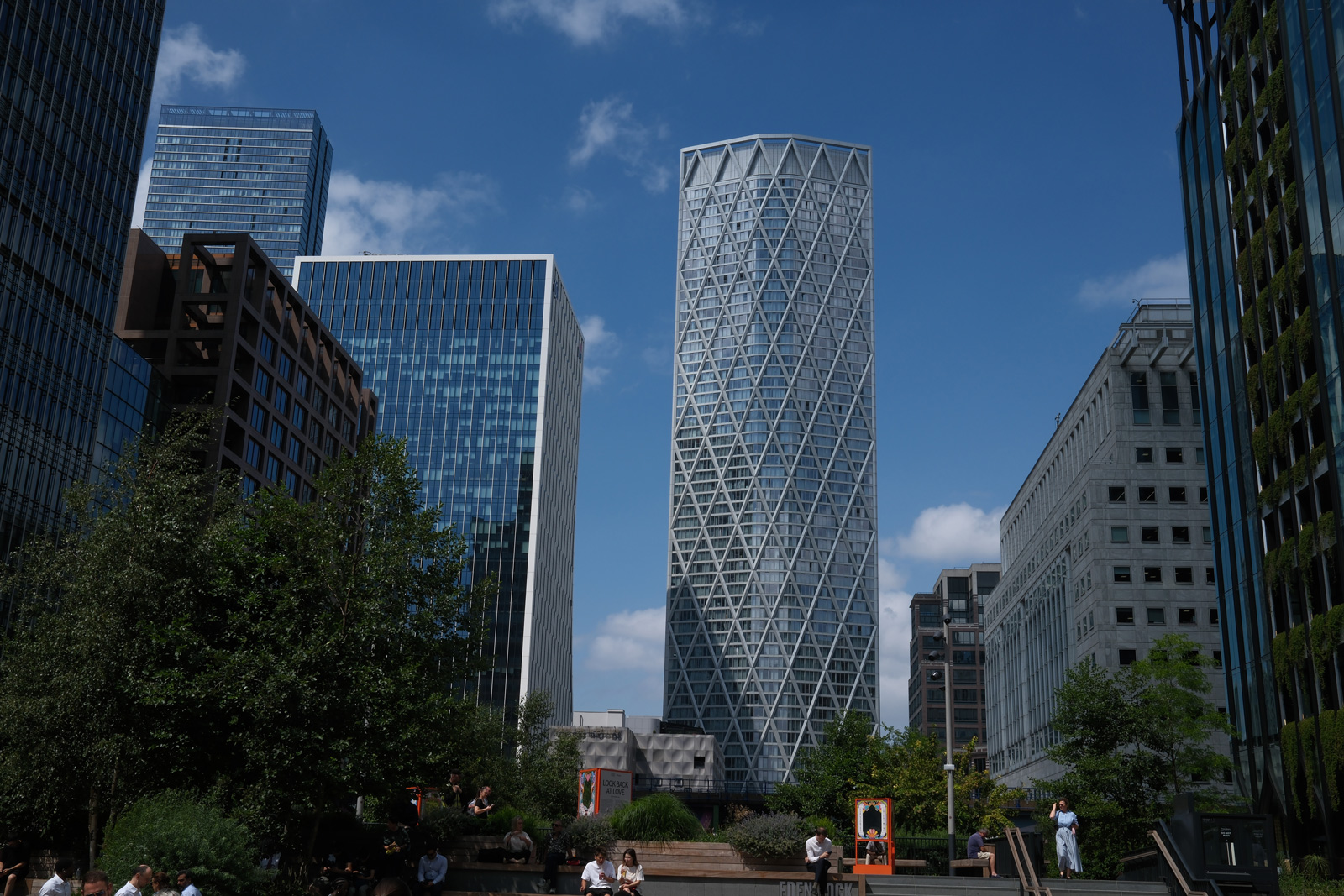
Arriving at my hotel early, I checked in and then took my Fujifilm X100VI onto the streets of Winchester. The low-lying sun created pockets of light across the streets. The cathedral acts as a magnet for sun worshippers. Lying on the grass in front of it, there was a continental feel, with many people sitting on the green or beneath the trees, enjoying the day’s events.
Photographing Winchester
The sun creates lots of light and shadows

I moved on and walked up the High Street, capturing the activity unfolding around me. Moments must be taken carefully, as people can be suspicious of cameras and spontaneity is easily lost. Shop windows were being prepared, and people were enjoying the sunshine.

Photographing Winchester
Preparing a shop window.
Photographing Winchester
An alleyway provides a focus to the museum building.

A Winchester Sunrise

The following morning, I rose early and made my way to St Catherine’s Hill to capture the sunrise. The streets in this part of Winchester were unfamiliar to me, and by the end of the walk I was running to ensure I reached the top in time.

Photographing Winchester
Sunrise towards St Catherine’s Hill.

The climb was demanding, but I was rewarded with a beautiful sunrise. Only then did I relax and absorb the moment. The sun moved across the landscape, casting rays along the paths that circle the hill.

Photographing Winchester

With more time on my side, I descended and soon found the entrance to Winchester College playing fields. Walking along the Pilgrims’ Trail, which follows the Itchen Navigation, was a delight. The early morning light illuminated the trees, while wildlife along the riverbank made its presence known.

Photographing Winchester
An early walk along the river next to Winchester College playing fields.

As the streets slowly awakened, I found myself among the ruins of Wolvesey Castle (the Old Bishop’s Palace), located behind the Bishop of Winchester’s official residence. The ruins echoed with a sense of former grandeur, and it felt a privilege to wander through them in the quiet of the morning. On my return, there were further opportunities to photograph the walkways around the cathedral.

Photographing Winchester
Sunrise amongst the ruins of Wolvesey Castle.

Winchester Cathedral

How do you photograph a cathedral that has been captured so many times before? The answer is simple: do it your own way.

Photographing Winchester
Reflections of the cathedral roof.

I visited the crypt to see the public artwork by Antony Gormley that is housed there. I have long admired his work and was keen to photograph Sound II. The sculpture did not disappoint, and I spent time exploring different compositions.

Photographing Winchester
Sound II by Antony Gormley in the Cathedral Crypt.

Sound II is designed to stand in a flooded crypt, creating striking reflections in the water. On this occasion, there was no flood, so I adjusted the colour balance to introduce an unreal blueness to the scene, enhancing the cool atmosphere of the crypt.
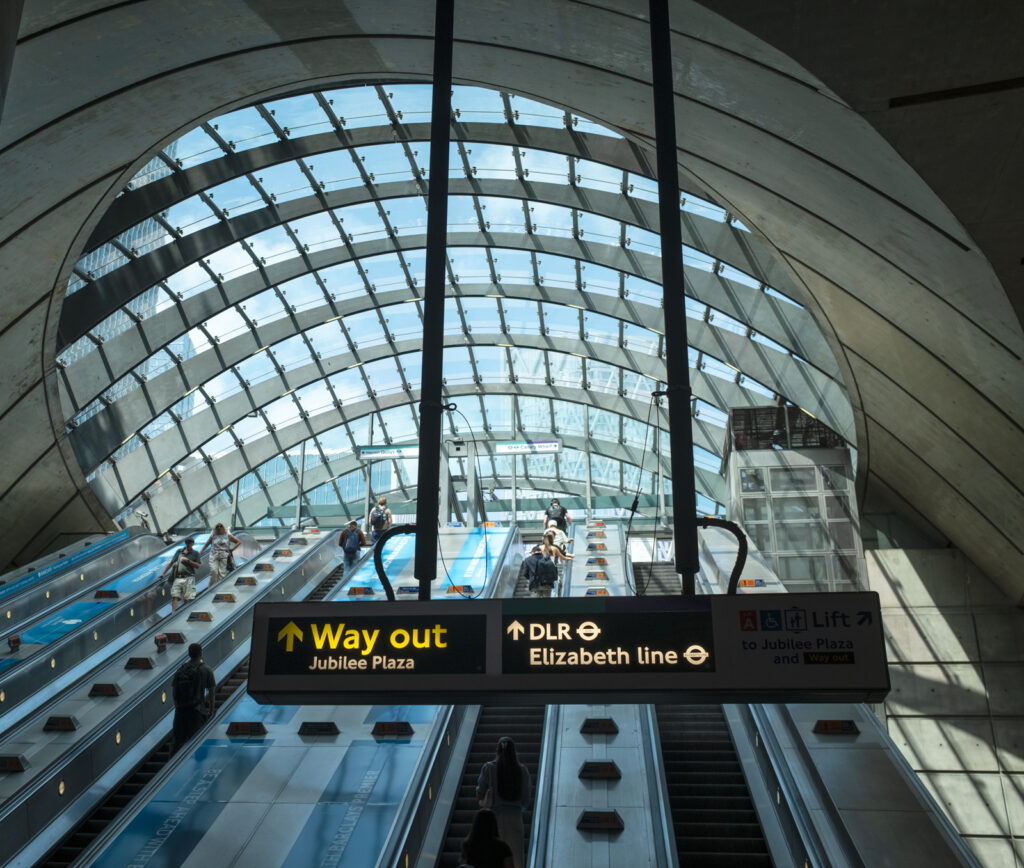
Photographing Winchester
Work to restore old books in the South Transept.

The cathedral has so much history and I enjoyed the exhibition held in the tower. There were several old texts on display and photographs were not permitted. The first floor had people working on the curation and care of the books held by the cathedral. The second floor housed more exhibitions on the history of the cathedral. I particularly enjoyed seeing some of Richard Nieve’s work whom I remember teaching me at Manchester. He had reconstructed a face from the past using skeletons that were found during the excavations of the Cathedral. I also enjoyed the afternoon light streaming into the tower and the view into other parts of the cathedral.
This was a fleeting visit linked to a lecture that I gave to the Wessex British Dental Association. The lecture venue was a semi permanent marque on the grounds of the Cathedral. The glorious weather added to the success of the visit.

Photographing Winchester
Sitting out in the sun between lectures.

I have done may cathedrals in my “Photographing…” series on my blog. This was taken of a much smaller cathedral which is in the centre of Birmingham. Here is my account of St Philip’s cathedral.

Wild Garlic Wychwood

Once you have smelt the aroma from a display of wild garlic wildflowers, you will not forget it for some time. Near where I live, Wychwood Wood is a small ancient woodland beside Purnell’s Brook. The wood is hidden behind houses and is not straightforward to visit. Only locals tend to know the public footpath that leads to its entrance.

Wild Garlic Wychwood
The sun highlights a patch of the flowers on the crest of the hill.

The woodland consists of wet alder trees that thrive in damp conditions. The shade and the natural contours of the land allow the prolific growth of wild garlic towards the end of April. The flowers create a striking white carpet along the banks of the brook. Dark paths through the wood become beautifully outlined against the white and green foliage.

Wild Garlic Wychwood
A single flower rises above the rest.
Wild Garlic Wychwood
A close up of the wild garlic. It is not possible to recreate the wonderful smell from the flowers.

My photographs capture the overall scene that greets you on arrival, followed by an example of how light breaks through the trees to highlight sections of the wildflower display. Finally, there are close-up images of the flowers themselves. I spent a good hour among the wild garlic, using macro, standard, and telephoto lenses on my Canon R6 Mark II camera body.

Wild Garlic Wychwood
Views of the Woodland scene.

There is an account of my wildflower visit to 3 bluebell fields.

Bluebells Heart of England

The bluebell season is always exciting, and this year I took the opportunity to visit three different locations. Each offered something unique, with each wood landscape shaping a different perspective of the blue-covered woodland floor.
Bluebells in Cawston Woods

Cawston Woods is located southwest of Rugby and is a small but charming area of woodland. There is a small lay-by for parking, and accessing the wildflowers is straightforward, as they are around 400 metres into the wood.
Bluebells Cawston Wood
Cawston Wood near Rugby.

The tree canopy allows sunlight to break through onto the flowers, creating a pleasing display and offering excellent photographic opportunities. Several clumps of pink bluebells can also be found, adding variety to the scene.

Bluebells cawston
Focussing on a section of the woodland covering.
Bluebells cawston
Pink flowers contrasting against the blue-purple background.

Bluebells at Ryton Pools

Ryton Pools Country Park lies to the southeast of Coventry and is managed by the Warwickshire County Council. There is a visitor centre, which I made a mental note to return to at the end of the walk.

Bluebells ryton
The trees guard over the woodland floor.

Once I had oriented myself, I headed into the woods. I stepped away from the main path to capture some of the displays scattered throughout the woodland. In a clearing at the centre, there was a strong display clustered around several trees, extending deeper into the forest.

Bluebells Ryton Pools
The bluebells gathered around a small tree.
Bluebells Ryton Pools
A visitor to the flowers enjoys what is on offer

The area felt peaceful, with only occasional walkers passing by. It’s easy to lose yourself in the quiet atmosphere, accompanied by the gentle movement of flowers in the breeze. Compared to Cawston Woods, this is a larger woodland, offering more expansive and varied displays. Also the cafe at the visitor centre is very good.

Bluebells Ryton Pools
In the clearing the bluebells gather under a tree.

Bluebells at Heart of England Forest

Heart of England Forest is a privately managed woodland that only opens to the public for two days each year. Although I had booked in advance for the end of April, I was concerned that the main display might be over, as the wildflower season started earlier than usual this year.

Bluebells Heart of England
The shadows of the trees lying over the bluebells.

Fortunately, the flowers were still in full bloom. The walk takes you through gently rolling hills, initially passing small clusters of blue. As you continue, the displays become increasingly impressive.

Bluebells Heart of England
Bluebells in the Heart of England Forrest

The final stretch reveals a breathtaking scene with a vast carpet of bluebells sweeping up the hillside into the distance. It is truly spectacular. From my previous visit, I recognised many familiar views, though my favourite this year features an arching branch over the path, with sunlight filtering through the ancient woodland. Finally the wood opens up to a hill which is a natural burial ground. The views are beautiful and a lovely end to the bluebell walk.

Bluebells Heart of England
The carpet of blue stretches along and beyond the hill.
Bluebells Heart of England
Having fun with zooming out of the scene of bluebells.

I enjoyed the pop up cafe at the end of the walk and we sat out in the sunshine with our coffee and cake reviewing our photographs that we had taken.

Final Thoughts

This year’s season has already felt like a feast of wildflower displays. Each woodland offered a different experience, from intimate clearings to expansive carpets of colour, making it a memorable exploration of spring in the countryside.

I visited the bluebells in Key Hill Cemetery and wrote up an account of my visit. As these blogs show this was a memorable bluebell season.

There is also an account of my last visit to the Heart of England.

Bluebells at Key Hill Cemetery

The bluebell season is upon us, and I spent two consecutive days photographing these beautiful wildflowers. Most people head to woodland to see bluebells, yet the urban landscape can also light up with a carpet of blue. Key Hill Cemetery in Birmingham is one such place.

Bluebells at Key Hill Cemetery
Bluebells gather around the headstones in Key Hill Cemetery.
Bluebells at Key Hill Cemetery
Bluebells cover the grass verge in front of the catacombs.

This historic cemetery, located in the picturesque Jewellery Quarter, houses the graves of many notable former residents of the city. As the name suggests, the site is built on a hill, and its undulating landscape is one of its defining features. Every spring, the arrival of bluebells transforms the area into a sea of blue. The two cemeteries in the Jewellery Quarter, Wharstone and Key Hill have been restored and looked after by the JQCemeteries project. The evidence is shown in the tidiness of the grounds, the landscaping and improved footpaths.

Bluebells at Key Hill Cemetery
A place of red amongst the Bluebells in the cemetery.

Gothic graveyard photography does not appeal to everyone, but the presence of bluebells adds a softer, more inviting dimension to the scene. There were also splashes of red that provided striking contrast. I experimented with zoom effects, using the shaded areas of the cemetery where slower shutter speeds made this possible.

Bluebells at Key Hill Cemetery
The camera zoom pulls you into the scene.

I attended an Igers Birmingham UK photowalk at Key Hill Cemetery in April. The abundance of bluebells creates a striking contrast against the old gravestones, making the location particularly photogenic. Nearby train and tram stops bring visitors into the Jewellery Quarter, many of whom pass by without noticing this hidden scene just beyond the tracks. The blue trams do match with the wildflowers.

Bluebells at Key Hill Cemetery
The blue trams passing by match the colour of the bluebells.

Taking part in a photography walk allows me to bring along my larger camera kit. I have been enjoying using my newly acquired Canon R6 Mark II, and the adapter allows me to use my EF lenses, including a 24–70mm and a 70–200mm. I also carry a polarising filter to enhance contrast and colour. With the technical talk aside, let us turn to the images.

Bluebells at Key Hill Cemetery
There are many war graves in the cemetery. On the high point over looking the area, there are benches that commemorate the fallen heroes.

As mentioned earlier, the day was organised by Igers Birmingham UK, and we were given a guided tour of notable graves. However, I do enjoy exploring independently, wandering among the gravestones and capturing the interplay of light and colour.

Bluebells at Key Hill Cemetery
bluebells surround boken gravestone.

After the walk, we headed for coffee, where we discussed the photographs that got away and, of course, put the world to rights while enjoying the glorious sunshine in the Jewellery Quarter square.

I have visited Key Hill Cemetery with the IgersbirminghamUK gang before. At our last visit there were no bluebells but we were given the chance to see inside the Catacombs.


A long shadow on the towpath near to Brindley Place.

A shadow cast by the sun may often produce lovely, interesting shapes on the ground or walls.  There is a spot in Birmingham where shadows are created by the tall canal-side lamps that stretch over the towpath along the Birmingham Canal Navigations. The area around Brindley Place offers many opportunities for street photography, urban landscapes, and other candid moments.

I had planned a visit to Oozell’s Square, adjacent to Brindley Place. The blossoms there appear only briefly during March and April, and I arrived early to photograph them.

Being in Brindley Place on a bright early morning was a bonus. The combination of water and the warm red brick of the surrounding buildings create excellent conditions for reflections and shadow play. I spent some time walking along the canals before heading towards Gas Street Basin for yet another photograph of this beautiful area.

A cyclist and a pedestrian approach a long shadow of a street lamp.

I eventually sat on a bench opposite Brindley Place, near the ICC entrance. My attention was drawn to the shadows on the far side of the canal, cast by the canal lamps overlooking the towpath.  The walkway runs beneath the “Black Sabbath” bridge into Gas Street Basin and is a popular place for pedestrians. As people passed by these elongated shadows, there was an opportunity for some interesting street photography. Positioning myself on the other side, I waited for the right moment.

An overview of the shadows created by the early morning sun at Brindley place.
Abview of the shadows created by the early morning sun at Brindley place.

The shadow formed a bold diagonal across the scene, with its far end resembling the outline of a UFO. A steady flow of pedestrians allowed me to capture several images using my Canon R6 Mark II with my 24-70mm EF lens.  When I got home, I was really pleased with the images that I had captured.

One of these photographs was entered into the weekly #ShareMondays2026 competition on BlueSky. I was pleasantly surprised by the response as I recieved many likes and comments. The image proved particularly successful and was selected as the weekly winner of #sharemondays.

A chance meeting under a shadow.

I am very pleased with the outcome and hope the photograph continues to resonate with viewers. In the meantime, I shall continue exploring, always looking for compelling scenes to capture and share.

If you want to see how I have researched the area in the past for street photography then take a look at my blog “Walk on by”. As you can see the shadows do create interesting interactions with pedestrians.

Blossom memories from Oozells Square
Each spring, Oozells Square in Birmingham is transformed by a brief but beautiful display of cherry blossom. In this reflective piece, I capture the fleeting nature of the season, the atmosphere of the square, and the photographic opportunities created by light, colour, and passing moments.
0
    0
    Your Cart
    Your cart is emptyReturn to Shop