Photographing Sarehole Mill: History, Photography and Tolkien’s Middle-earth
Sarehole Mill is not far from where I live but, surprisingly, I had never visited it despite living in Birmingham for many years. Every time I passed the mill, I made a mental note to return. This blog post came about when…
Jump to section
Visiting Sarehole Mill
Sarehole Mill is not far from where I live but, surprisingly, I had never visited it despite living in Birmingham for many years. Every time I passed the mill, I made a mental note to return. This blog post came about when the opportunity finally presented itself.
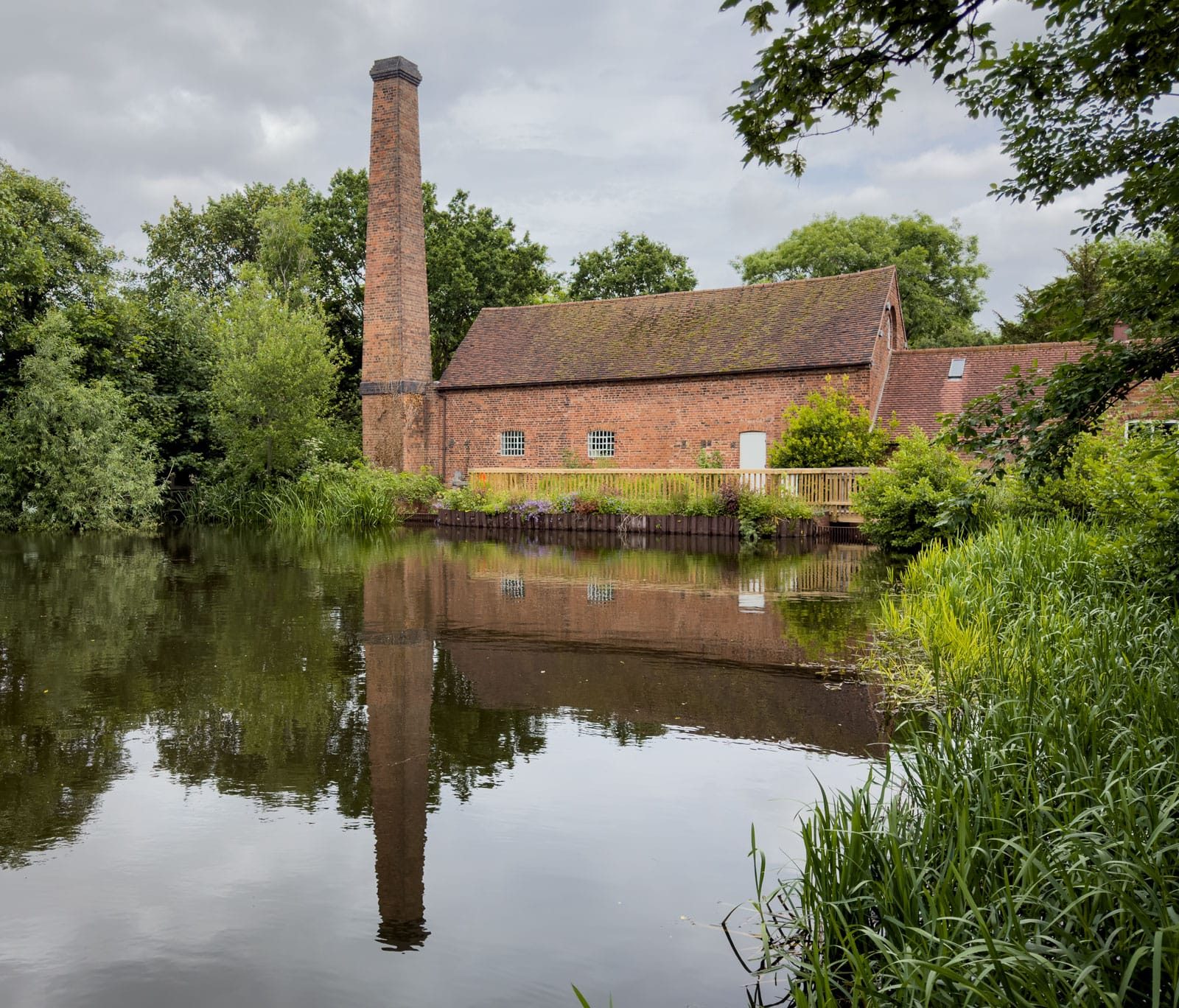
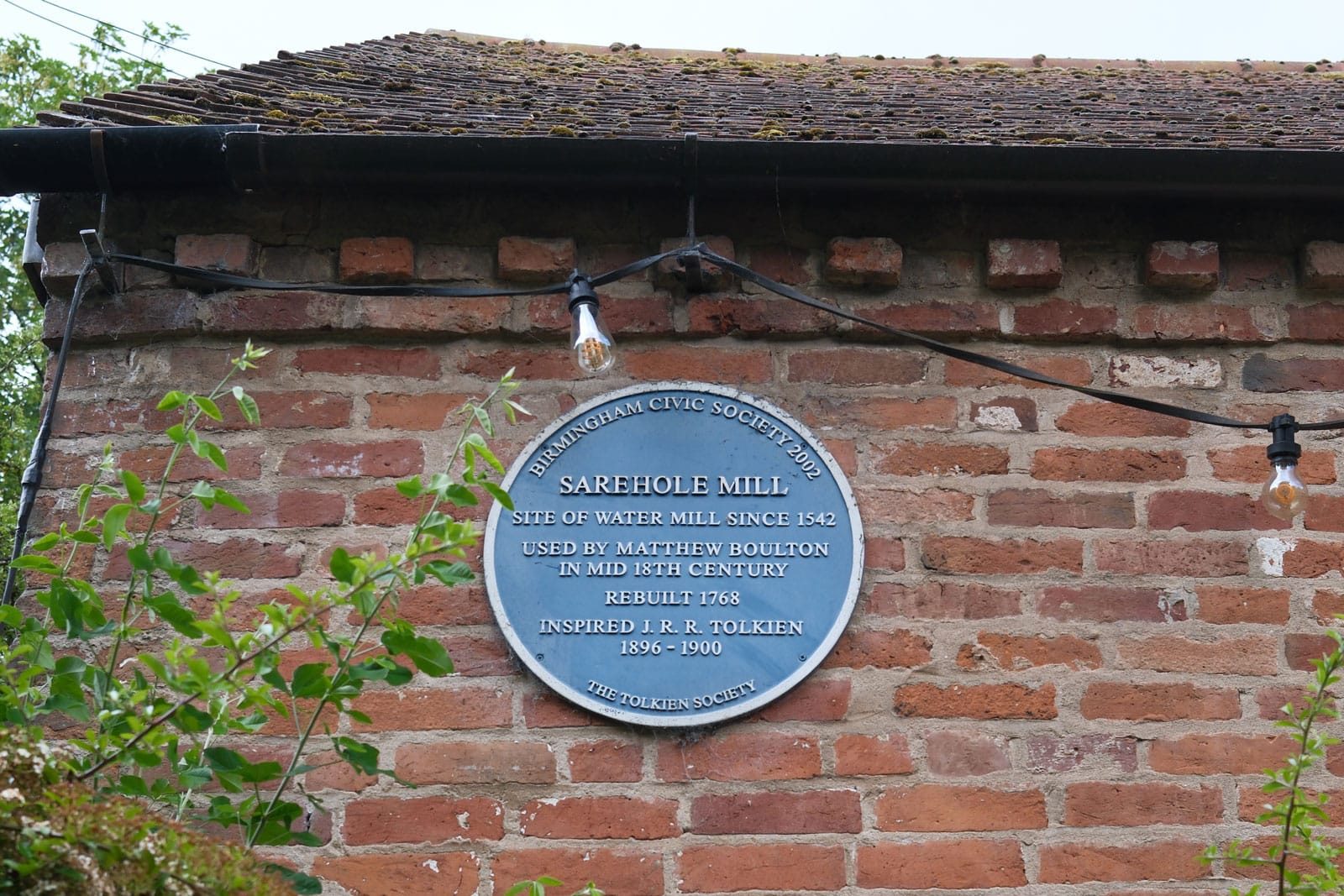
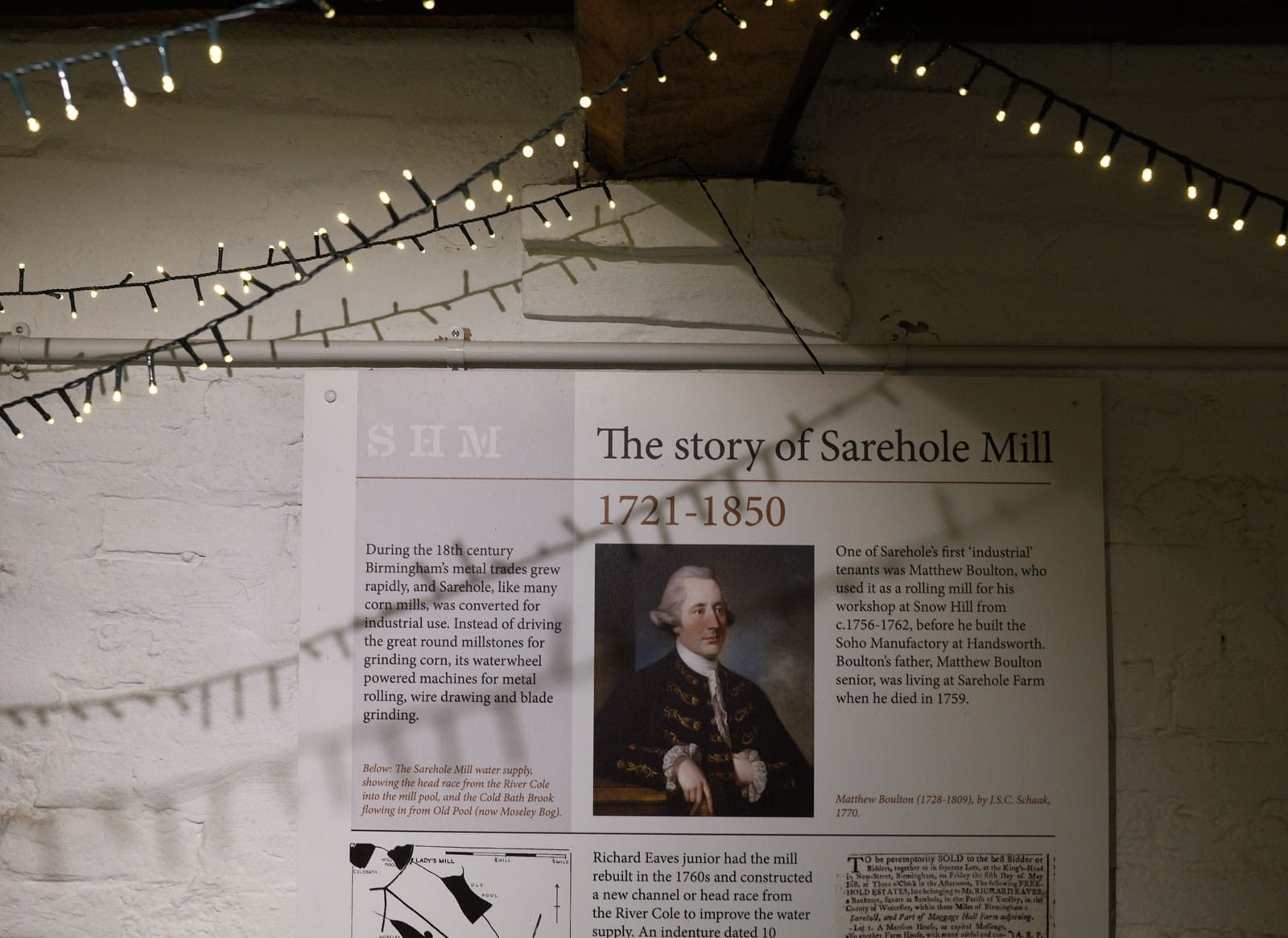
There has been a mill beside the River Cole for more than 250 years. Originally used to grind grain into flour, Matthew Boulton later converted the mill to power machinery for his metalworking business. By the end of the nineteenth century, the mill had returned to producing flour.
J.R.R. Tolkien
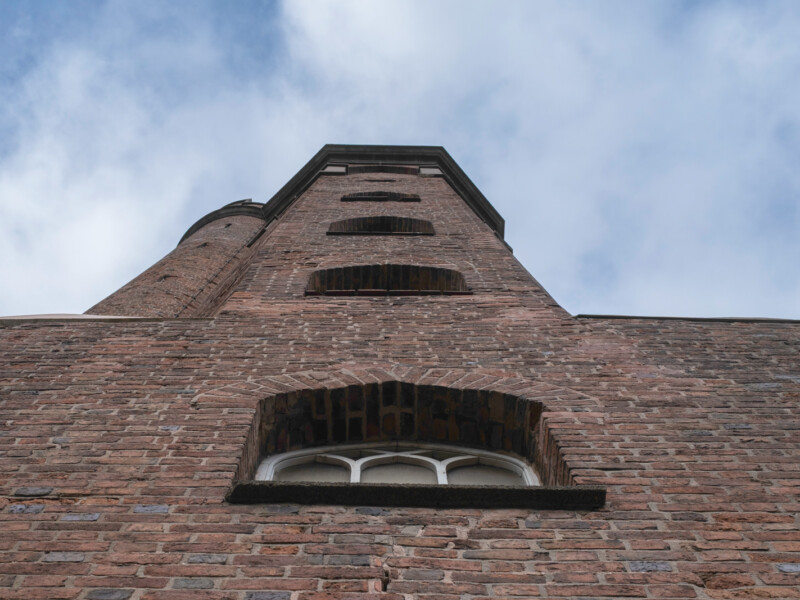
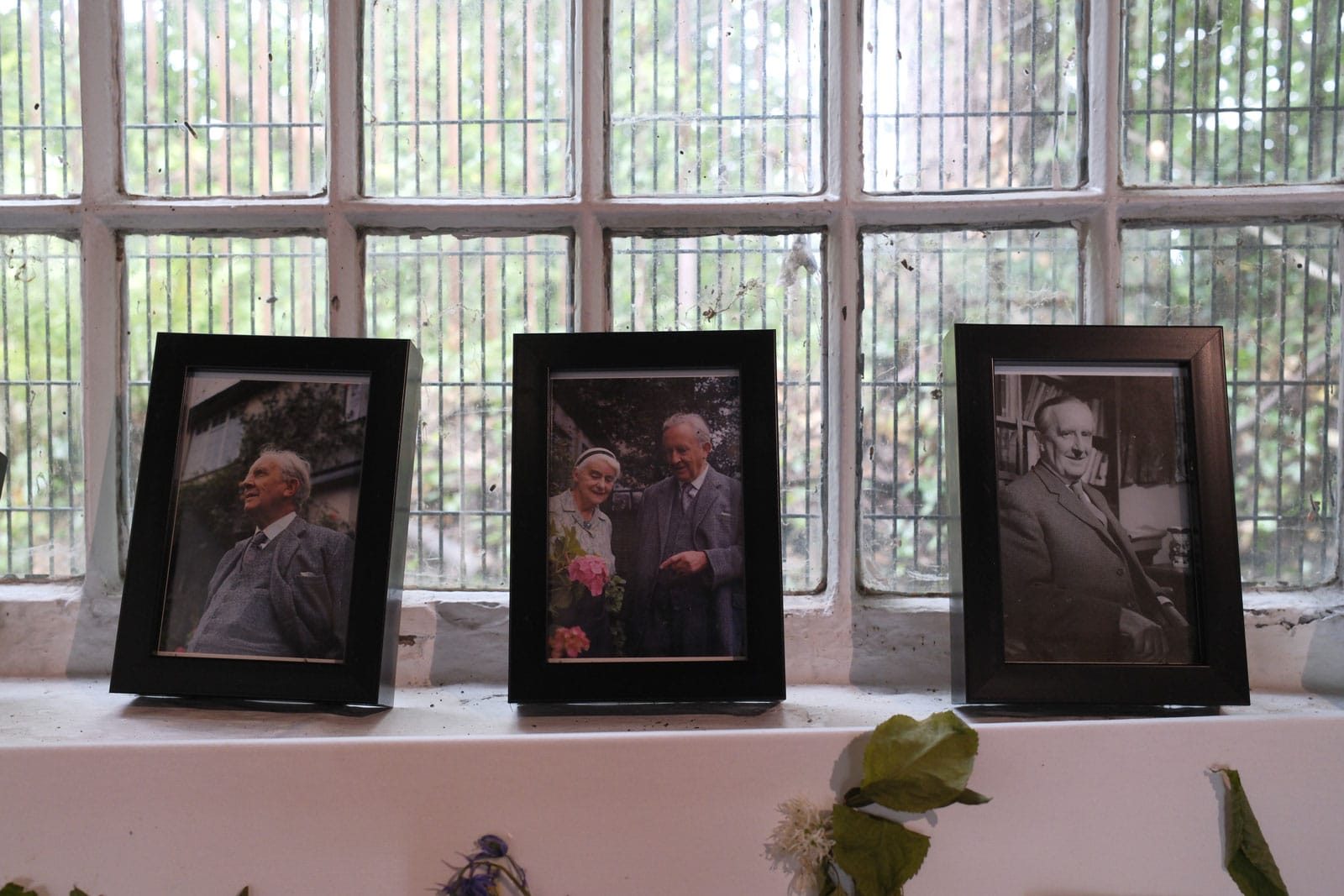
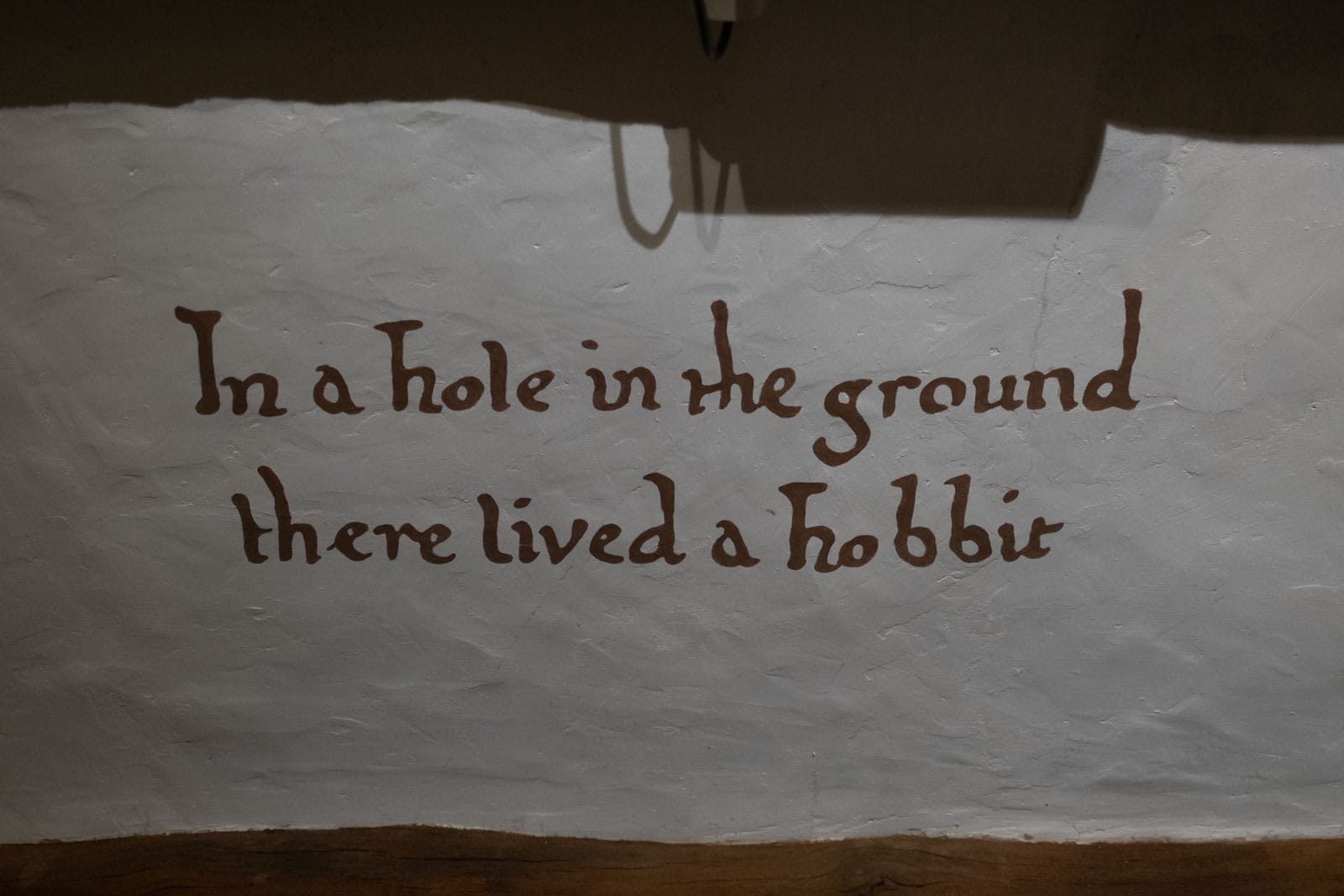
Around this time, a young family moved into the area, and two brothers frequently explored the mill and the surrounding countryside. One of those brothers was J. R. R. Tolkien. The story of Sarehole Mill is now closely intertwined with The Hobbit, The Lord of the Rings, and Tolkien’s other works. The mill and the surrounding landscape helped inspire the Middle-earth that he created. The mill’s distinctive tower dates from the period when Matthew Boulton installed a steam engine to support his metalworking operations, and it is thought to have influenced some of Tolkien’s illustrations of Middle-earth.
History of Sarehole Mill
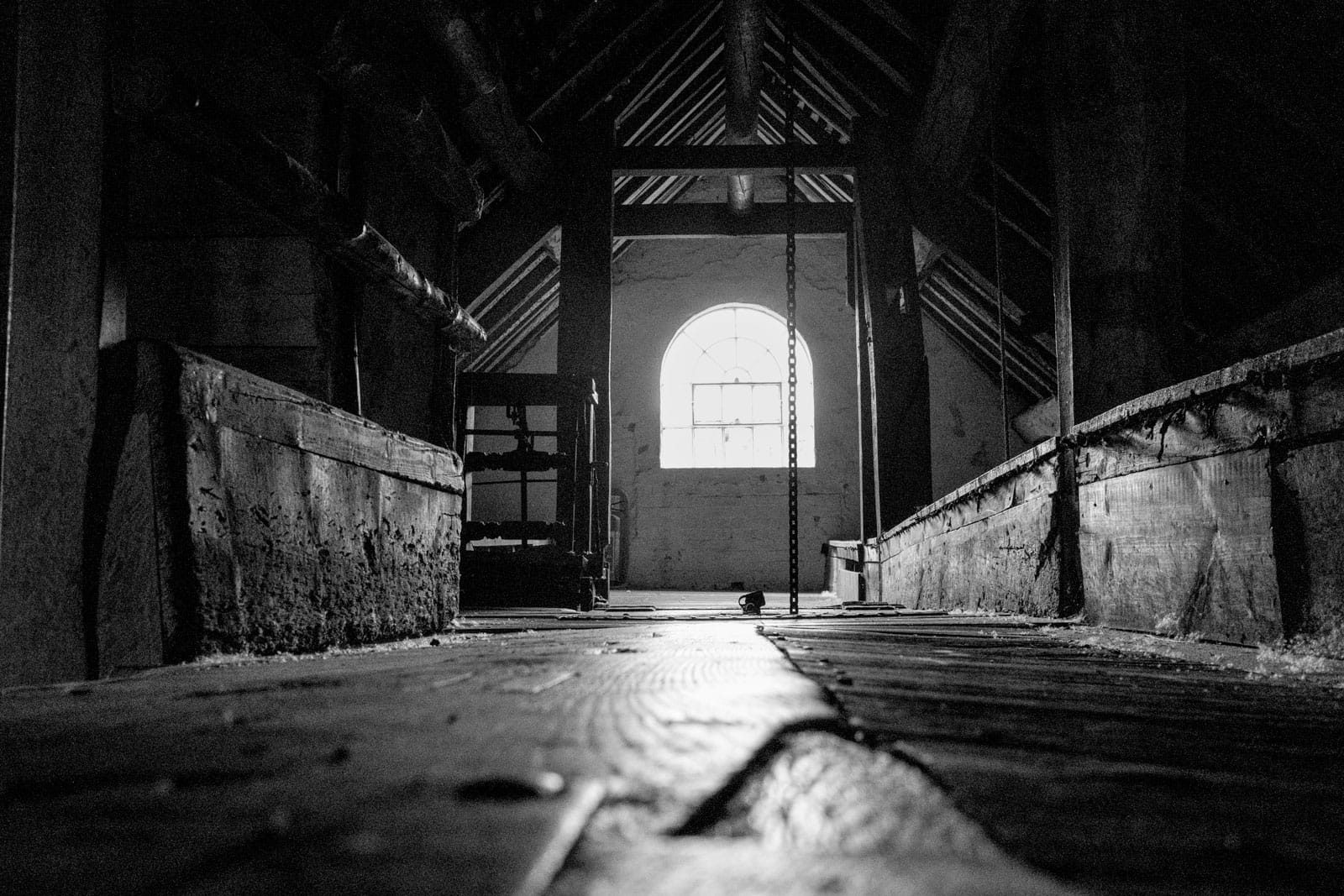
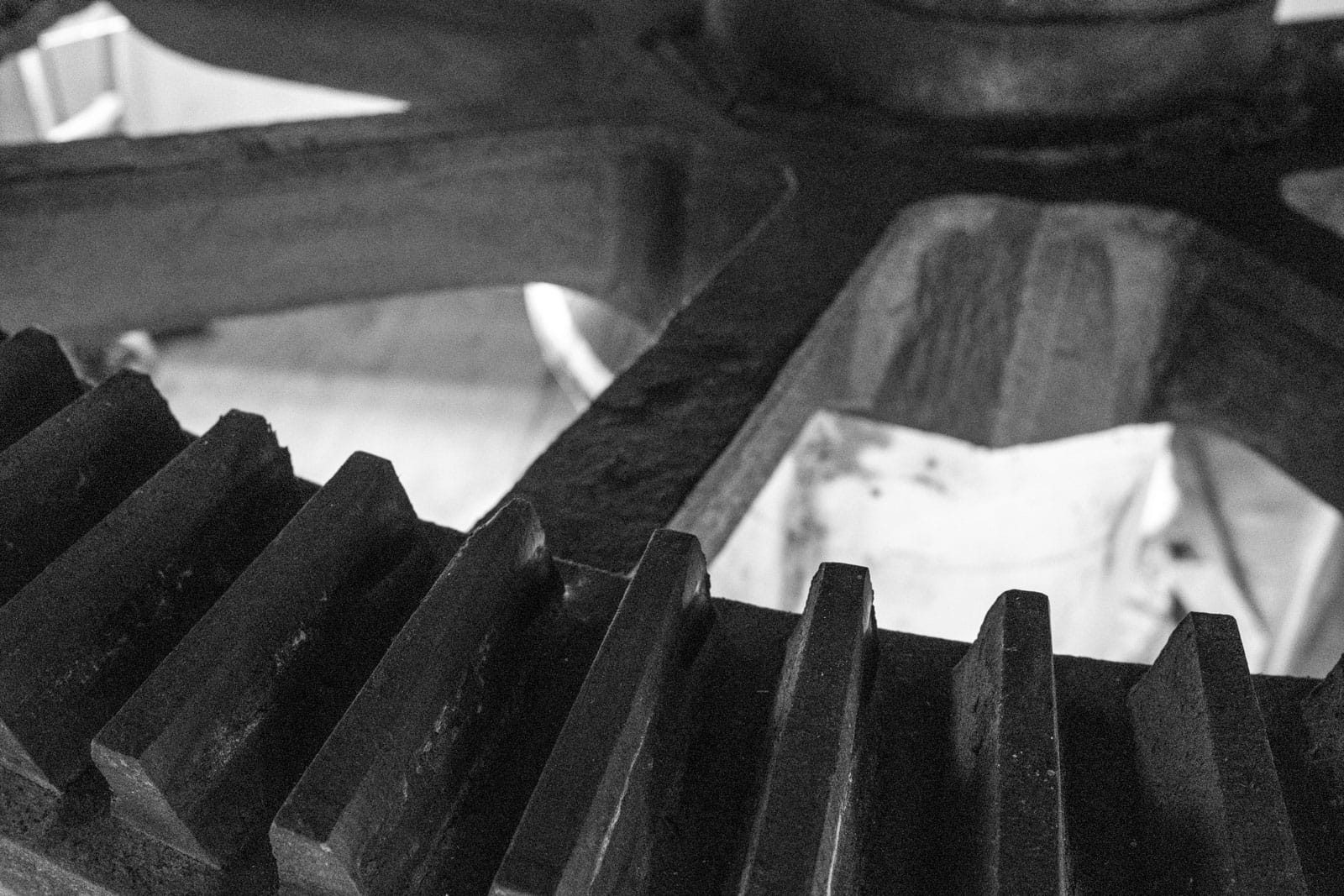
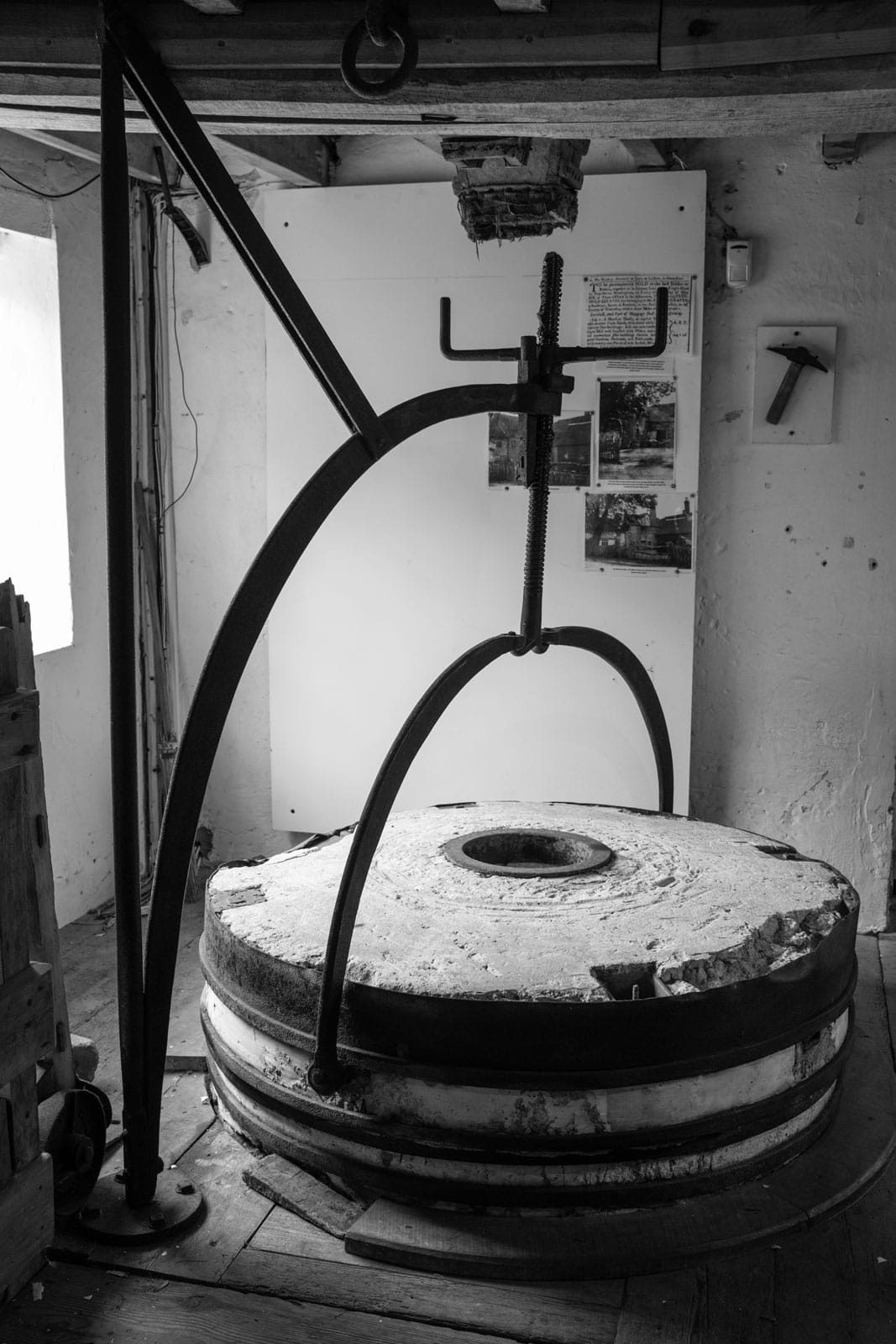
Today, Sarehole Mill is managed by Birmingham Museums, and there is a modest admission charge to visit the building. The fee is well worth paying, as the historical displays provide a fascinating insight into how the mill operated and what life was like in the surrounding area. I had not realised that Matthew Boulton had briefly used the mill for his metalworking business. There are also numerous references to Tolkien and the influence that Sarehole Mill had on his writing. I particularly enjoyed exploring the upper floors, where the various types of machinery used over the centuries are displayed. The morning light streamed through the windows, casting beautiful shadows across the wooden floors and ceiling, creating plenty of photographic opportunities.

The mill and the surrounding area
After exploring the mill, I wandered through the garden before searching for the classic view of the building across the mill pond. The viewing platform provides an excellent vantage point. Two herons stood nearby, so motionless that I initially thought they were statues. Unfortunately, I had not brought my telephoto lens, so I could not capture a close-up photograph. Instead, I left them to continue their silent vigil, patiently waiting for the perfect moment to catch a fish.
Leaving Sarehole Mill, I walked through the adjacent park towards the ford and road bridge, enjoying the remainder of the peaceful morning. Although the surrounding area has long since been developed, the tranquillity of the park on a Sunday morning made it easy to imagine what this landscape must have been like before the arrival of urban development.
Links to follow
If you wish to see more of Tolkien’s Birmingham then the two towers feature in my blog about Port Loop. The Tolkien family worshipped at the Birmingham Oratory and I have a blog describing this Birmingham landmark.
Browse 10 photographs
1 / 10