
The Coffin Works Birmingham sits on the edge of the Jewellery Quarter and is a place that I have wanted to visit for some time. On the spur of the moment, I booked a ticket, and the next day I was at the Coffin Works, where I met Robin, who was to be my guide for the morning.
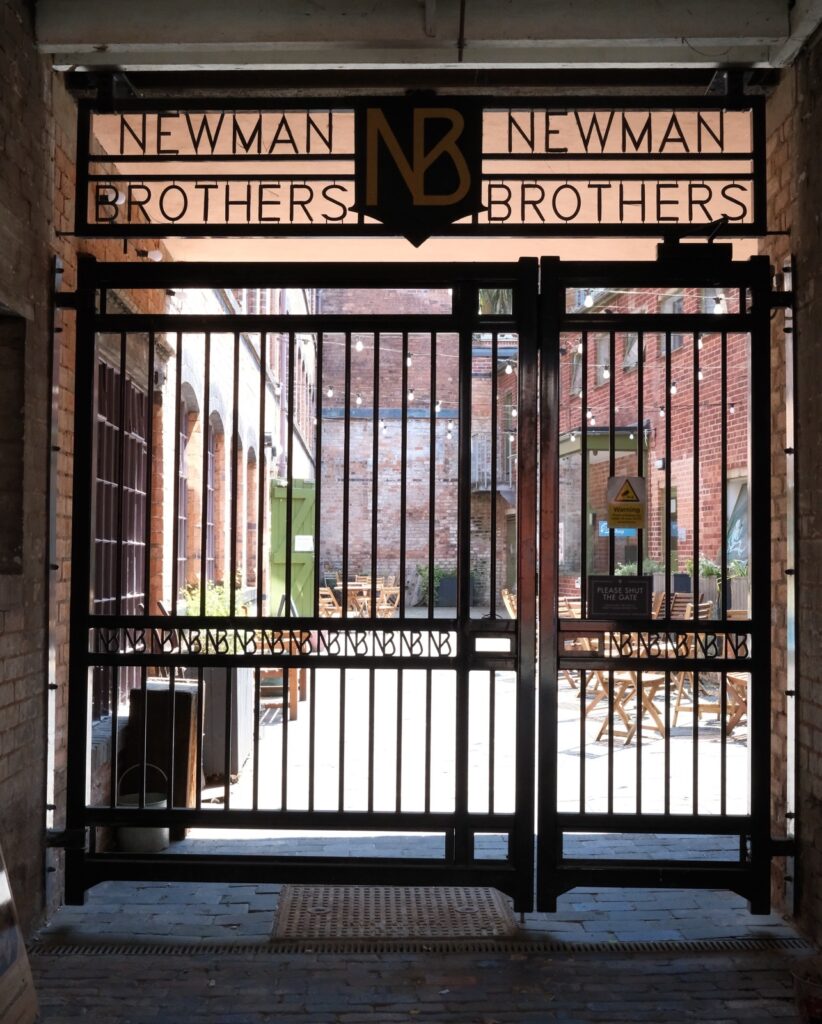
A One-to-One Tour
I was the only one booked in for the early tour, so I was fortunate to have a one-to-one tour of the museum. Robin, who is a member of the Church Monuments Society, has a deep knowledge of the Coffin Works, and throughout the tour he provided a fascinating history.
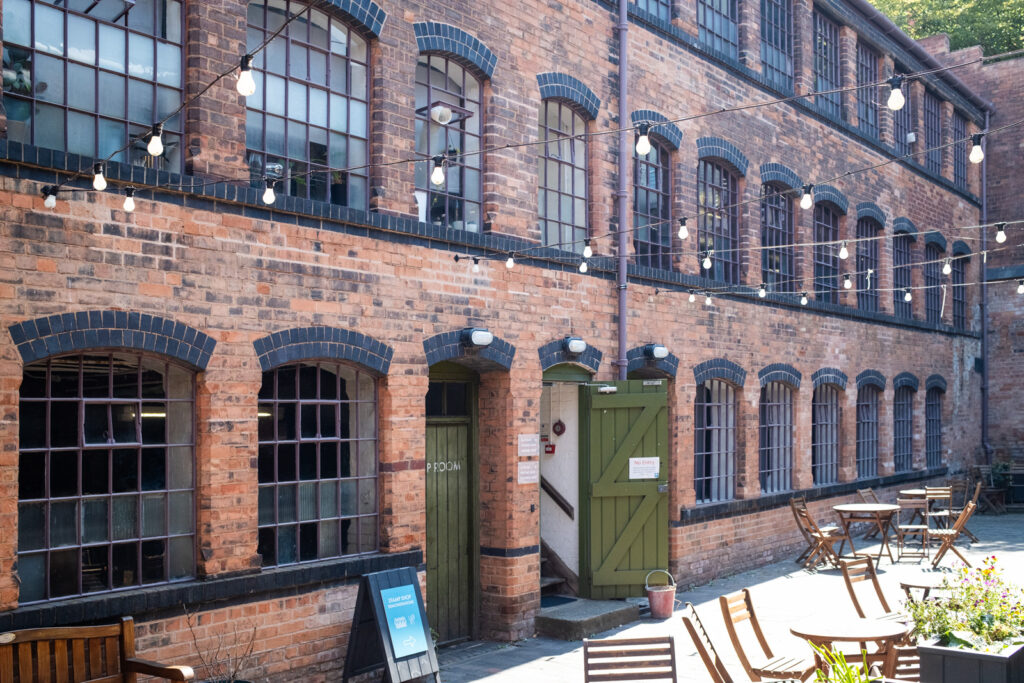
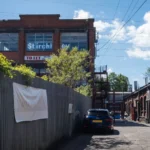
We started in the courtyard. Looking up and around, the new Birmingham towers looked down at us. The traditional architecture of the building is in direct contrast to the new surrounding buildings.
The Workshop Floor
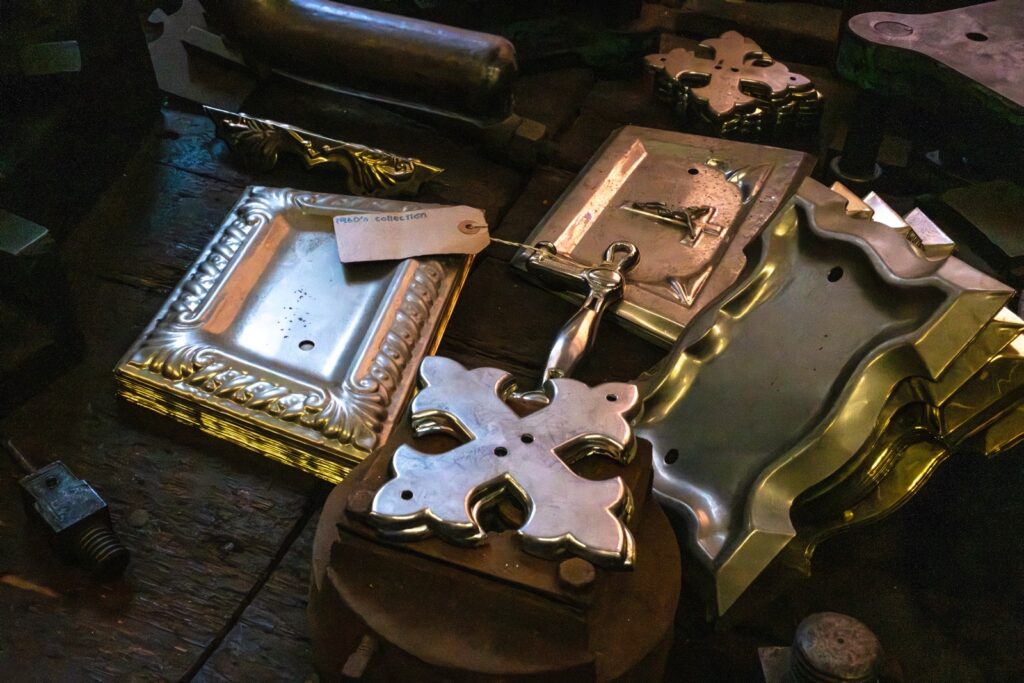
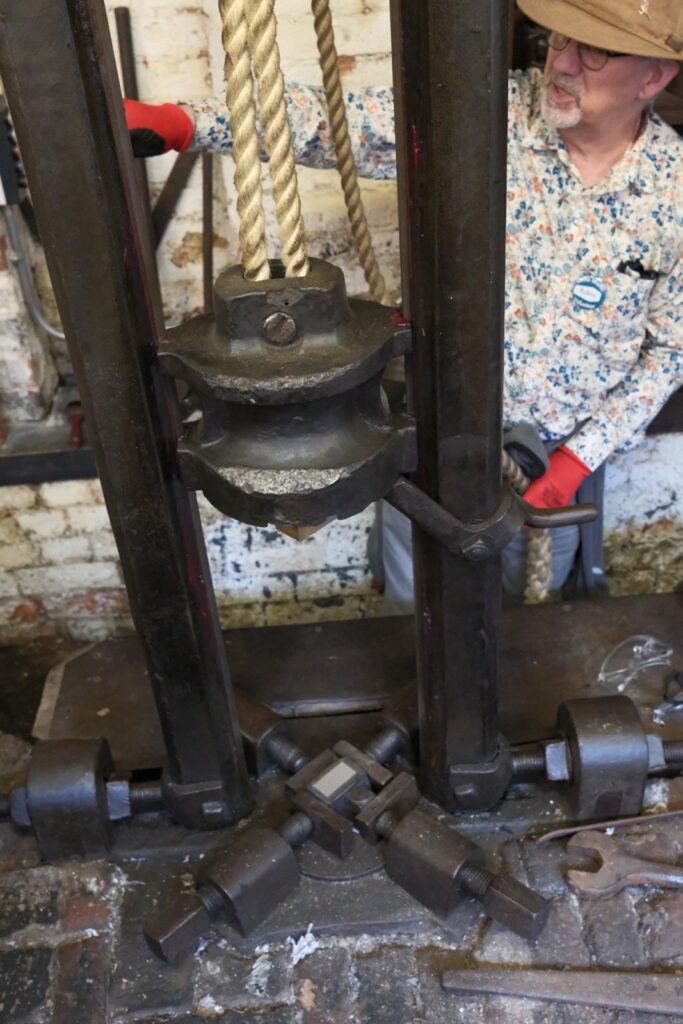
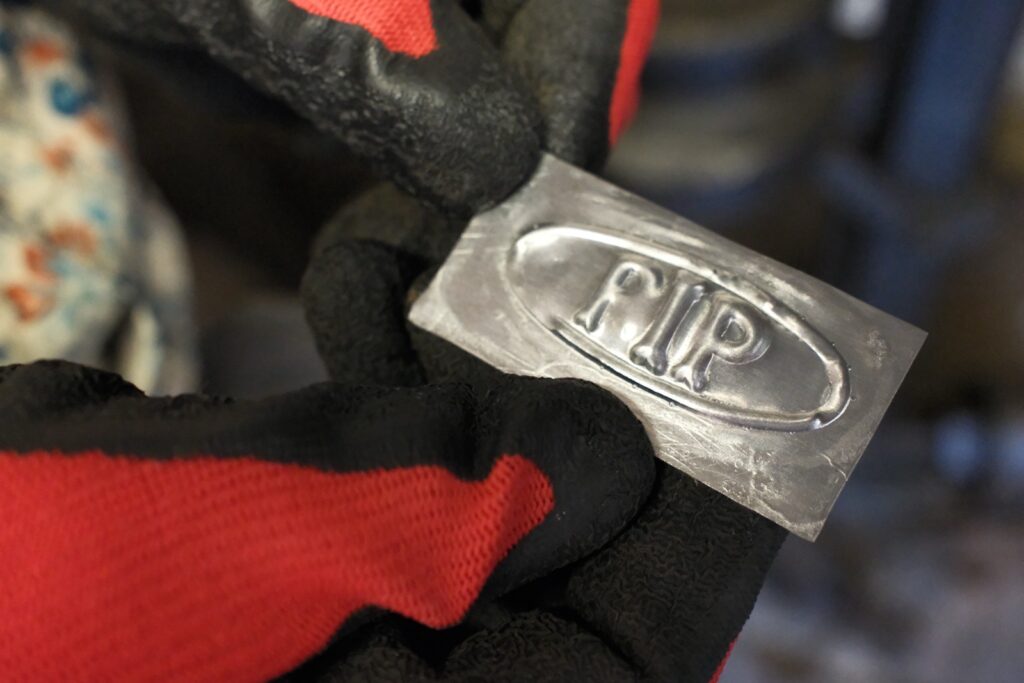
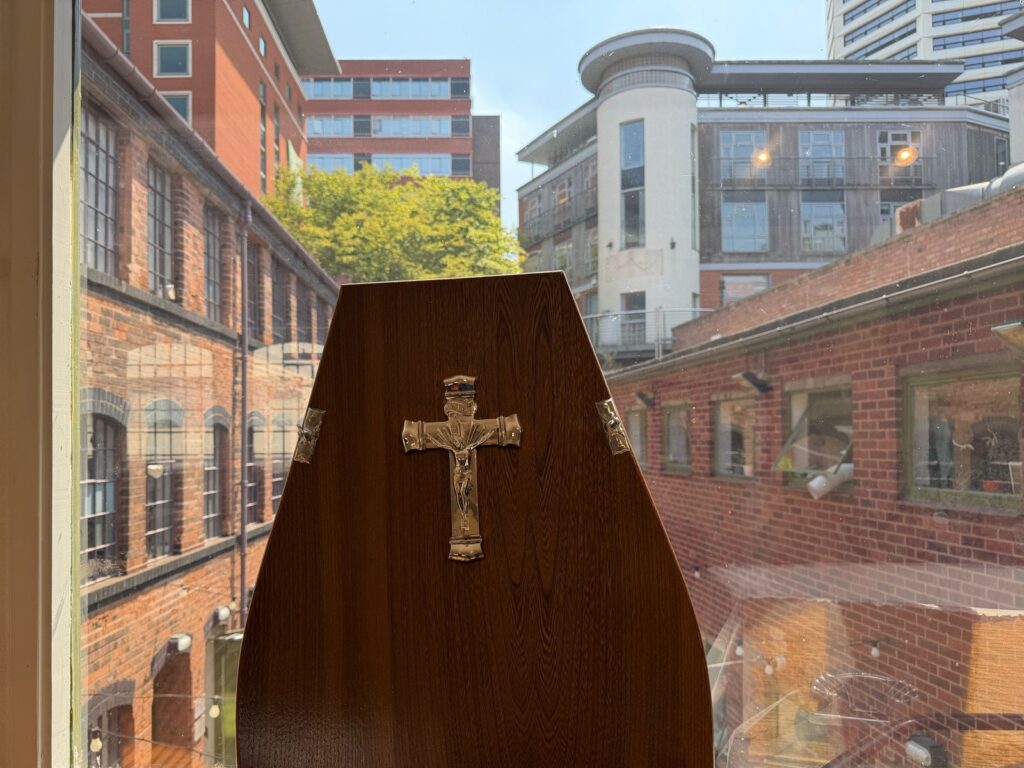
I learnt that coffins were not made in the factory. The Coffin Works manufactured the brass fittings and other metal work that is attached to coffins otherwise know as Coffin furniture. Robin took me into one of the workshops with the heavy metal machinery that was used to mould and cut out the coffin fixtures. There was a demonstration of one of the working machines, and an “RIP” metal label was produced.
Fittings Fit for Royalty
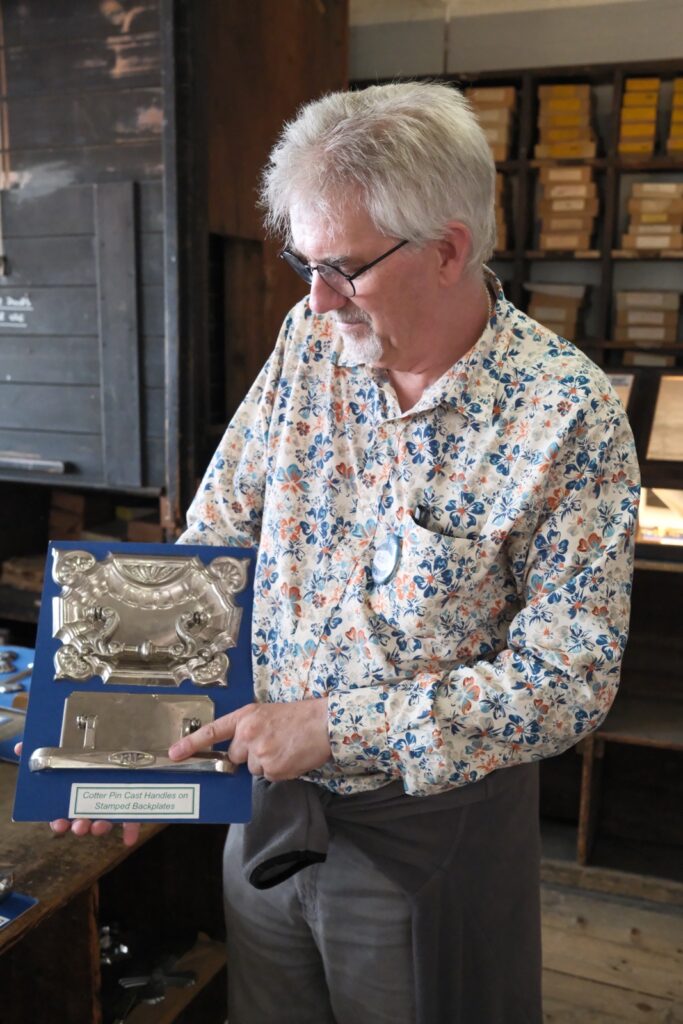
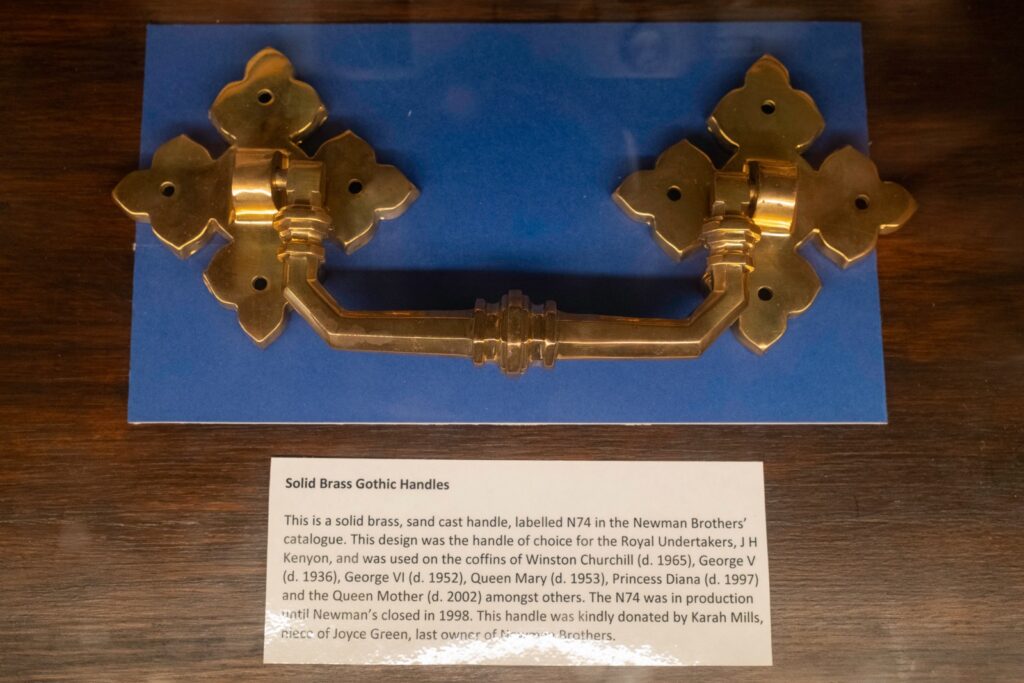
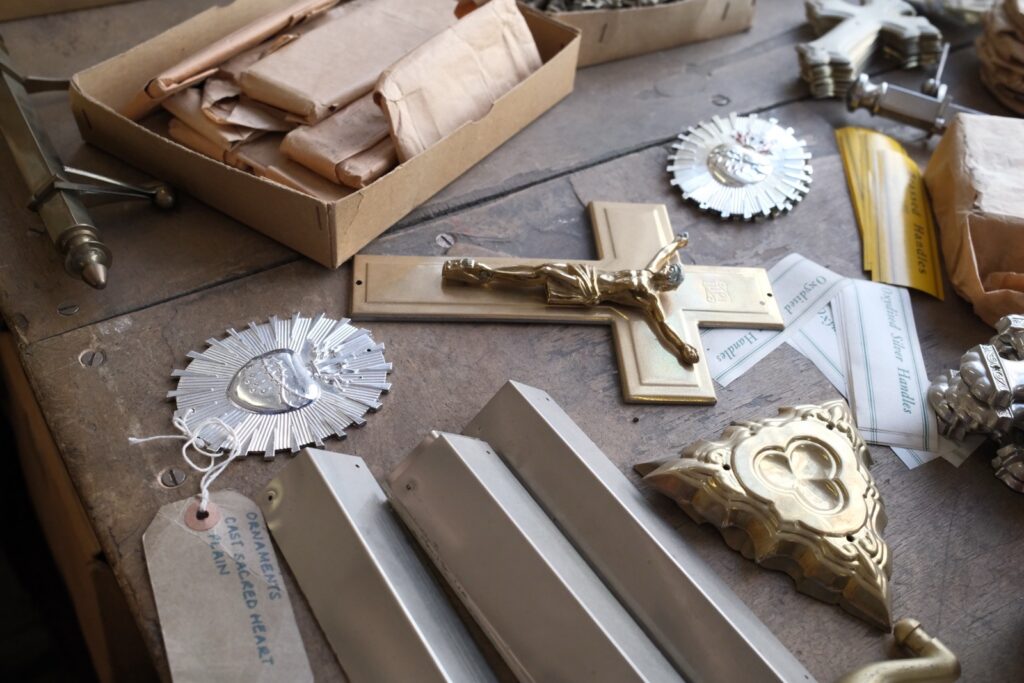
We left the workshop to climb to the first floor at the front of the building, where there was a timeline of many of the elaborate funeral fixtures that had been made during the operation of the Coffin Works. I was most impressed with the coffin handles that had been made for distinguished people over the years, including Joseph Chamberlain, Cardinal John Newman, Winston Churchill and members of the Royal Family. Robin provided a background story to the items on display. The mixture of industrial craftsmanship backed up with human stories made my visit memorable.
The Shroud Room
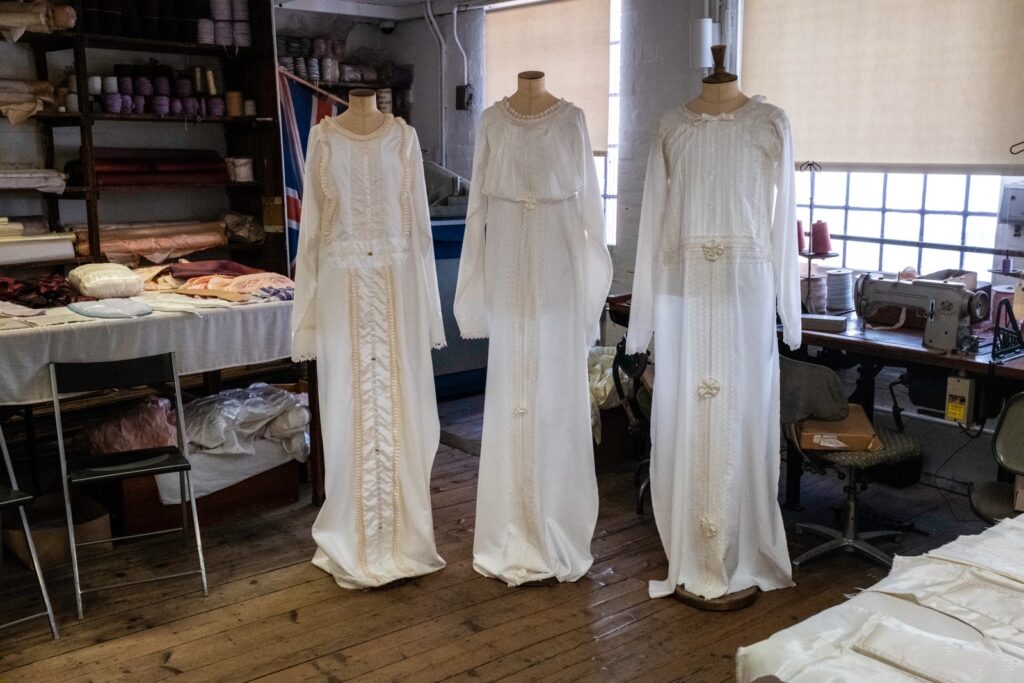
The second floor of the Coffin Works is where they made shrouds. The room had a bank of Singer sewing machines along the window, and three mannequins were dressed in shrouds at the end of the room. Examples of the intricate work involved in making the shrouds were on display, including shrouds made for the local football teams, Aston Villa and Birmingham City.
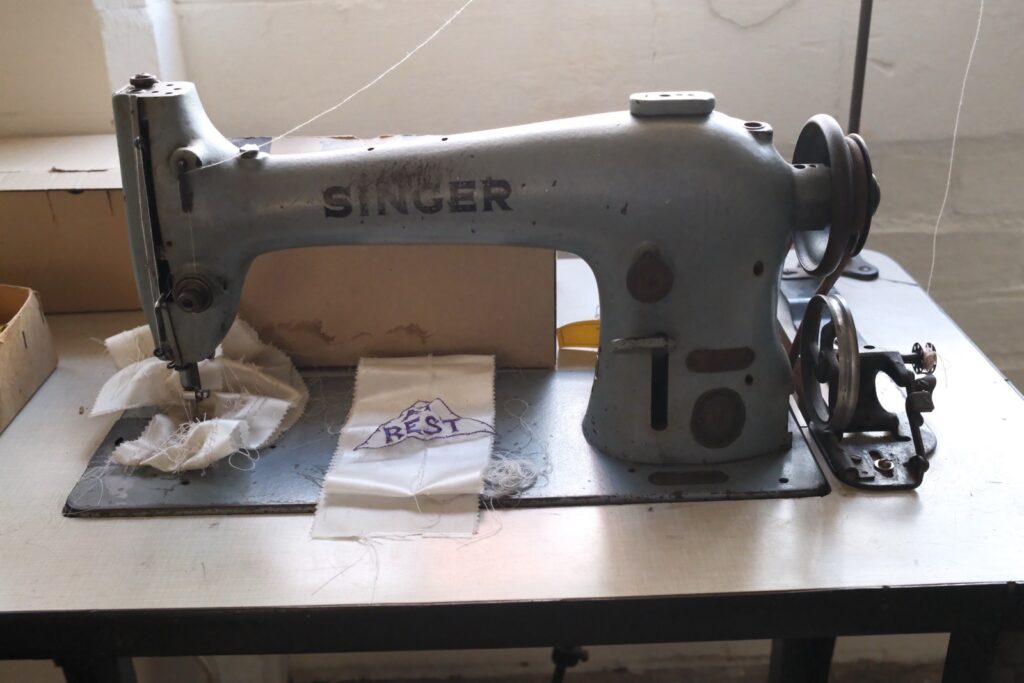
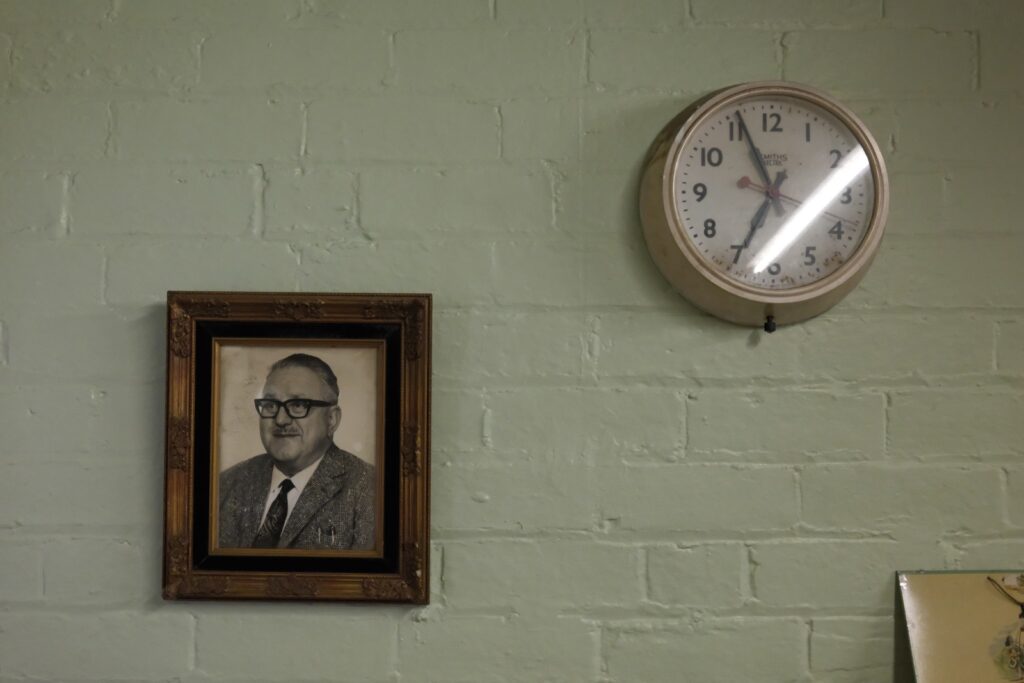
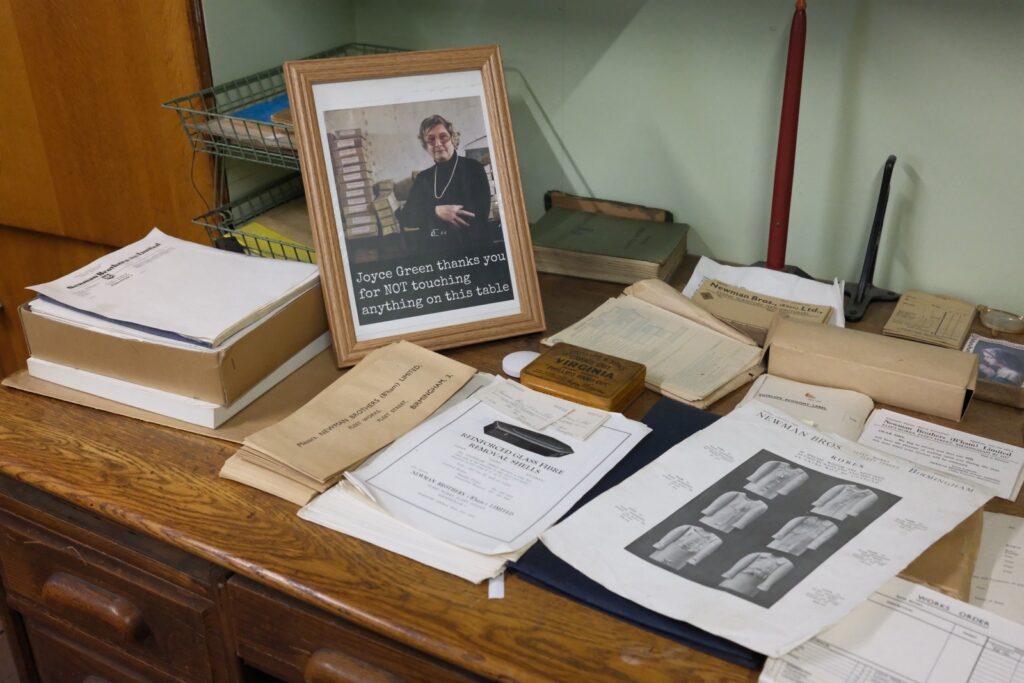
The room was set up with examples of the working day, and even the cups and teaspoons plus the tea rota were on display. The administration offices were neatly laid out with the paperwork and included the latest typewriters of the day.
The End of an Era
Robin informed me that the Coffin Works eventually succumbed to the national requirement for plastic fittings, which were ideal for cremations. Over the last century, the number of cremations outstripped the number of burials. Slowly but surely, the traditional metal fixtures were phased out. The Coffin Works closed but then reopened as a museum under the ownership of the Birmingham Conservation Trust.
The Coffin Works – Final thoughts
The tour was finished, and I made my way downstairs to the entrance. I chatted to Paul, who had initially greeted me at the start of the tour, and had time to thank Robin for taking me around the Coffin Works.
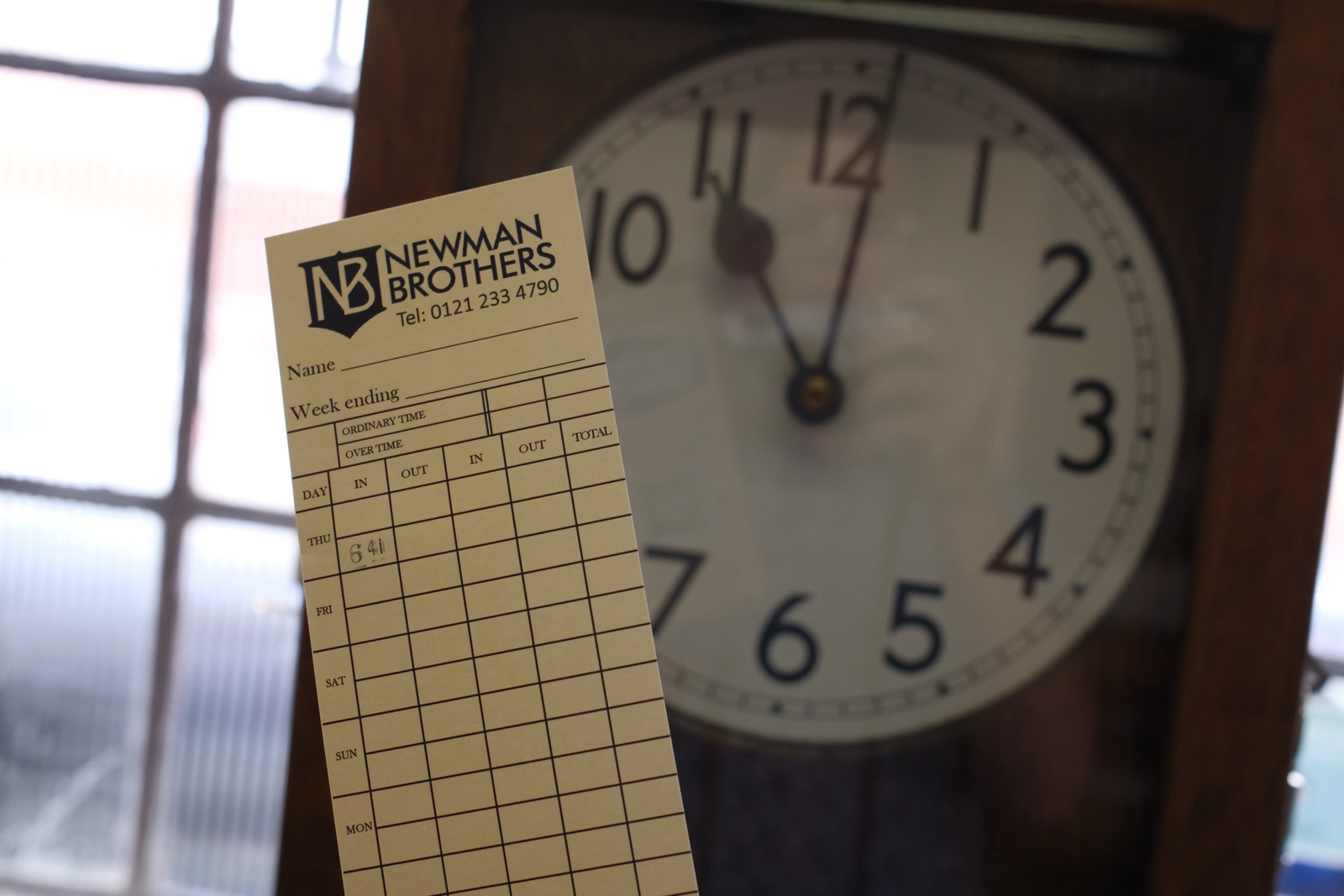
The museum provides a history of Victorian Birmingham and the enterprise and vision of the Newman Brothers. There are many other similar places to visit, and the Whistle Factory is still open for business and offers group visits by prior arrangement. Please read my account of my visit there.