

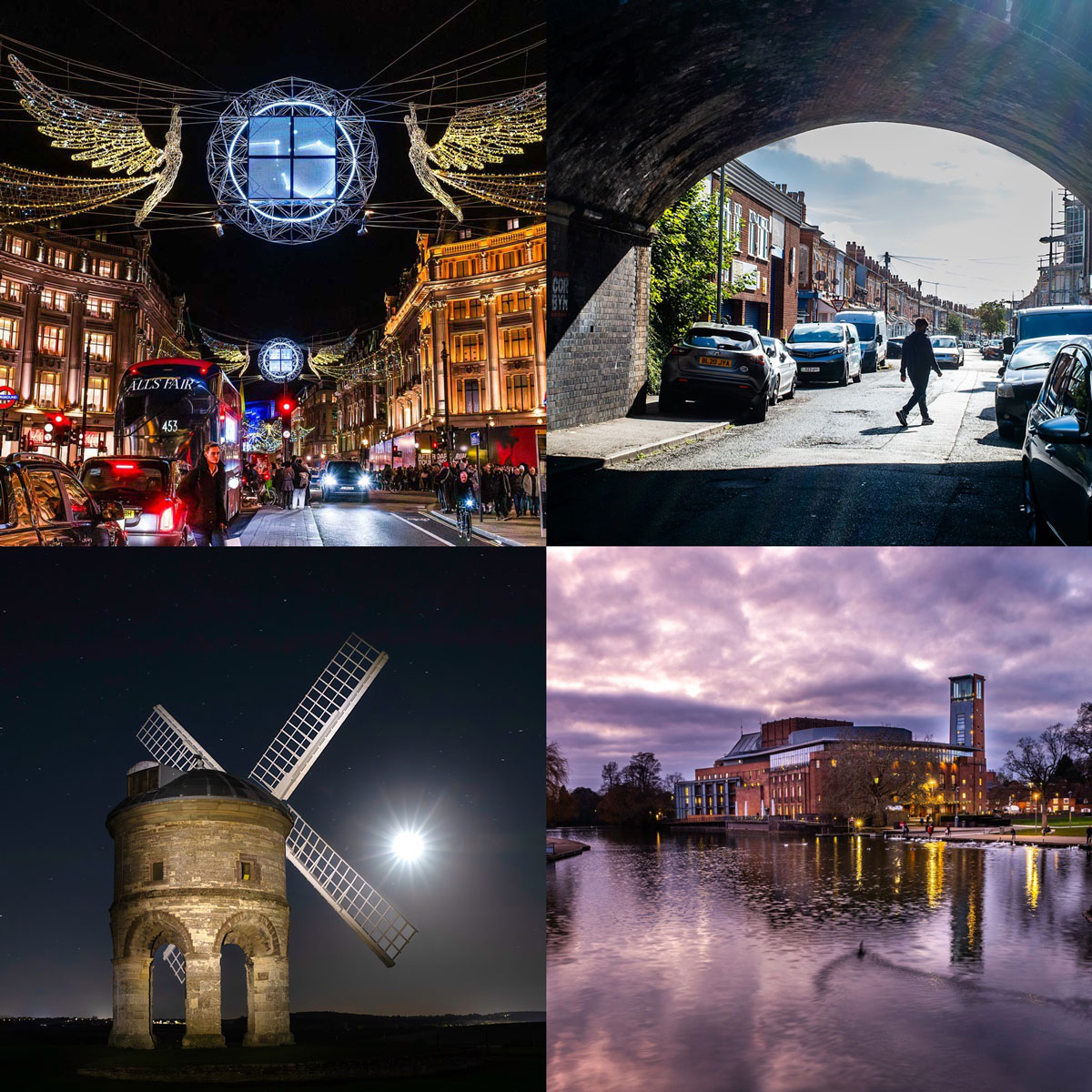
A look back at my top four photographs of 2025, capturing restoration, city life, community stories, and a reflective blue-hour moment.

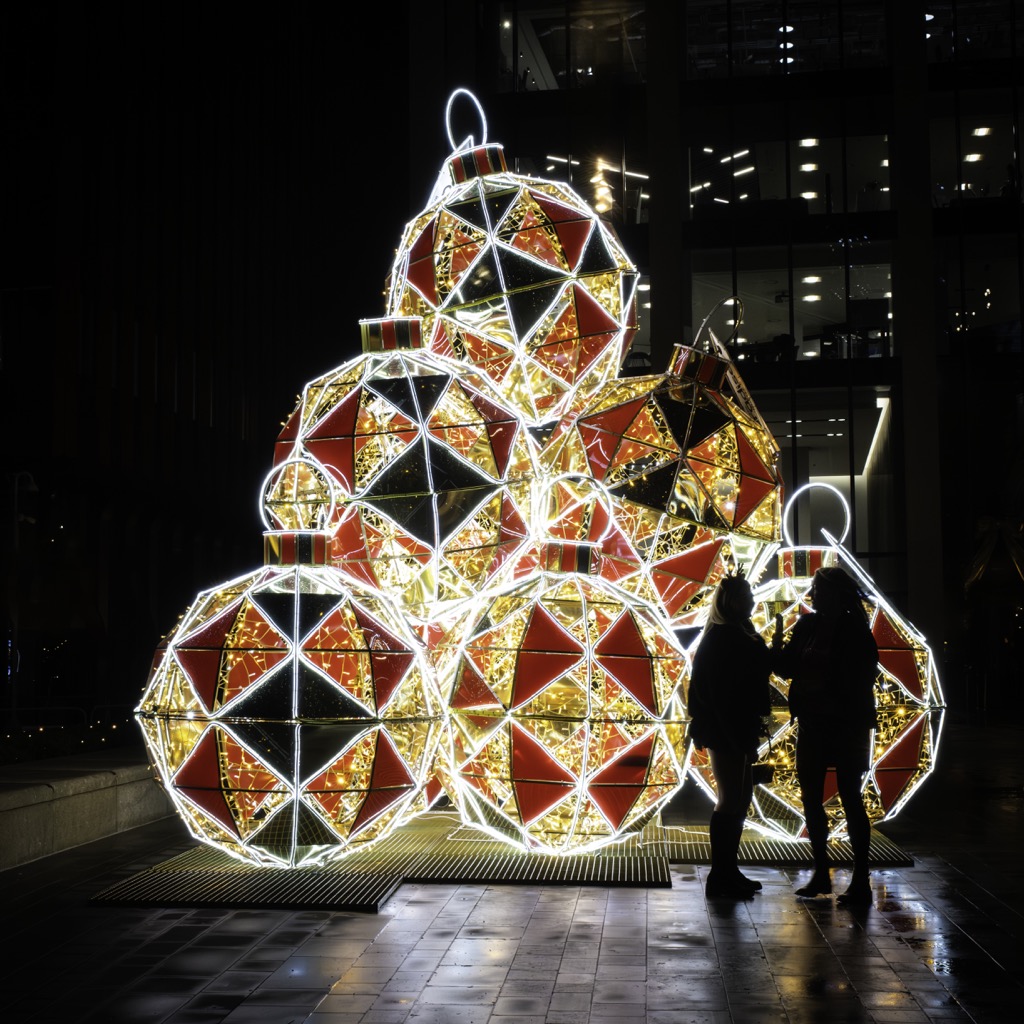
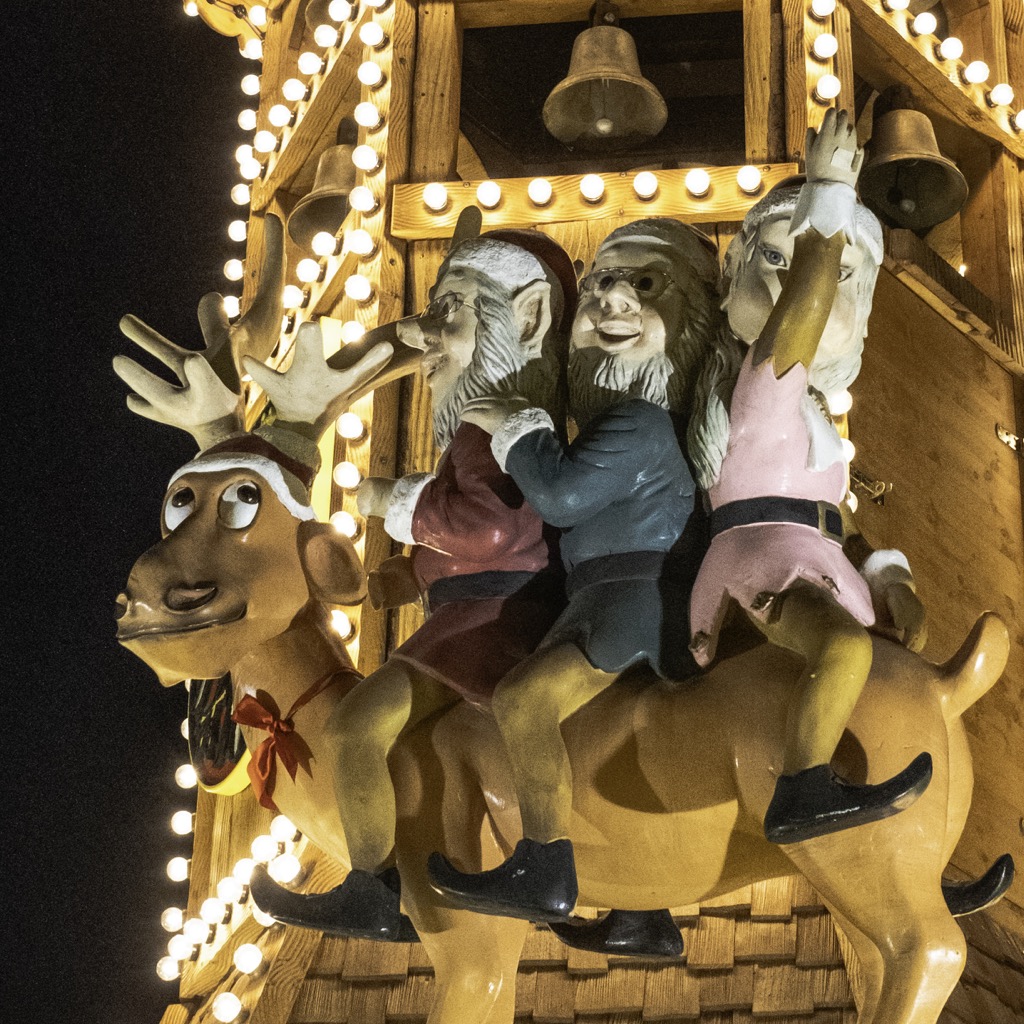
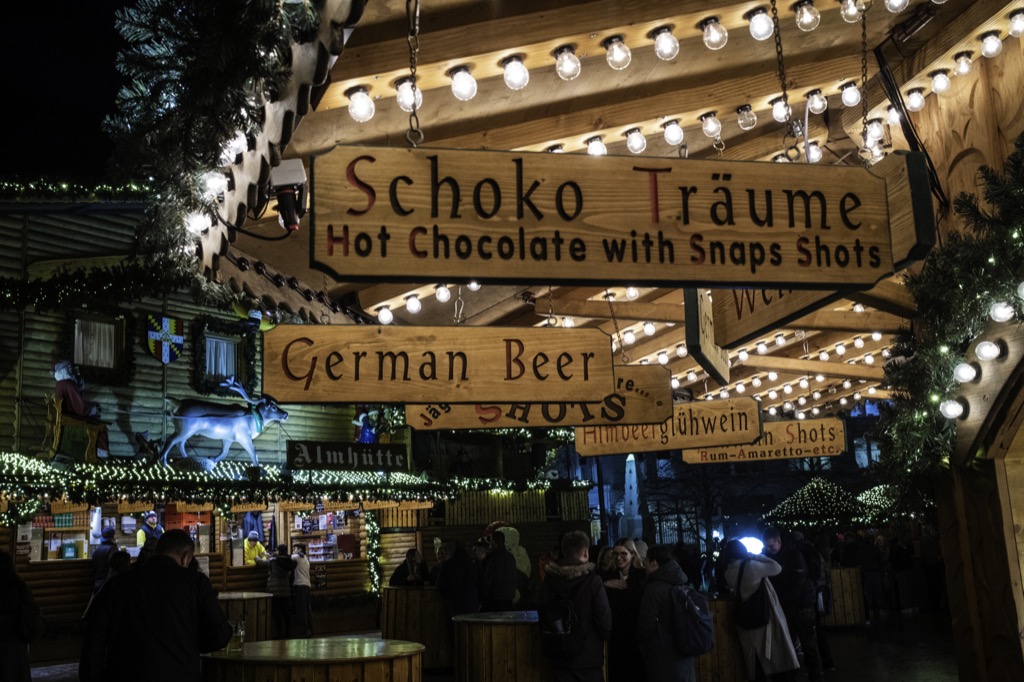
Every year, the Birmingham Christmas markets take over the city centre. Visitors come to enjoy festive food, warming drinks, and the lively atmosphere created by the stalls. While prices can be high, knowing what to expect makes the experience enjoyable, although deep pockets do help.
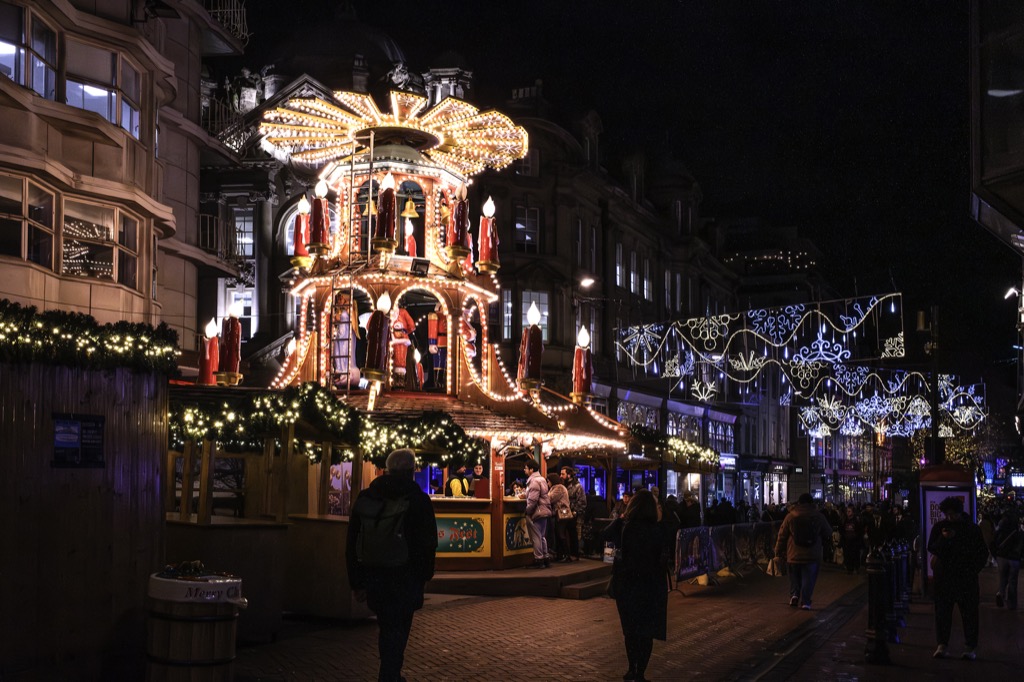
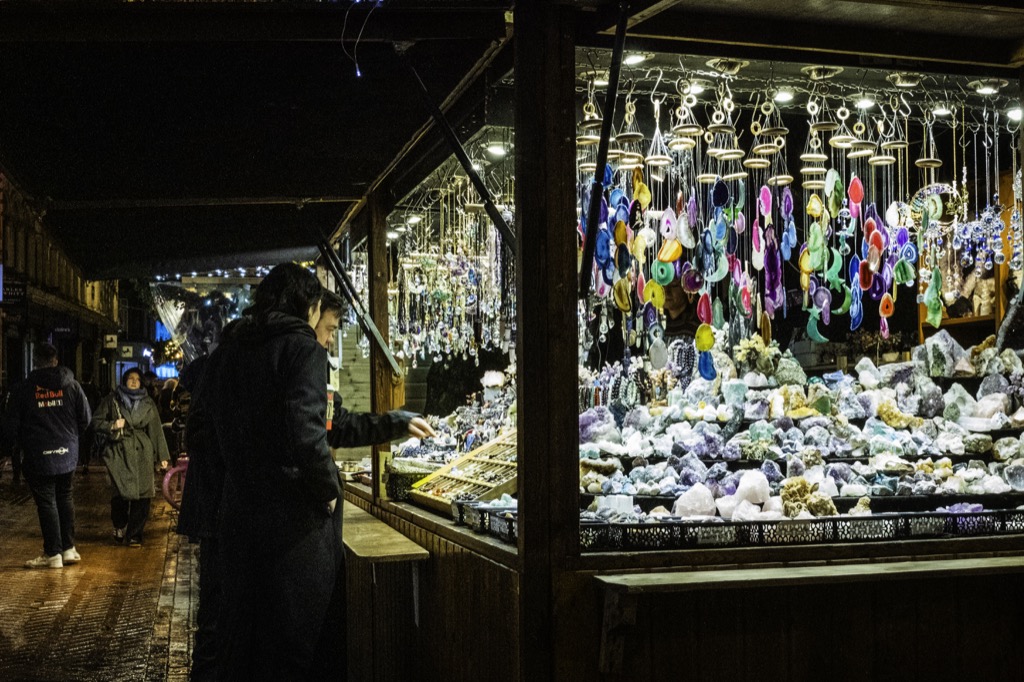
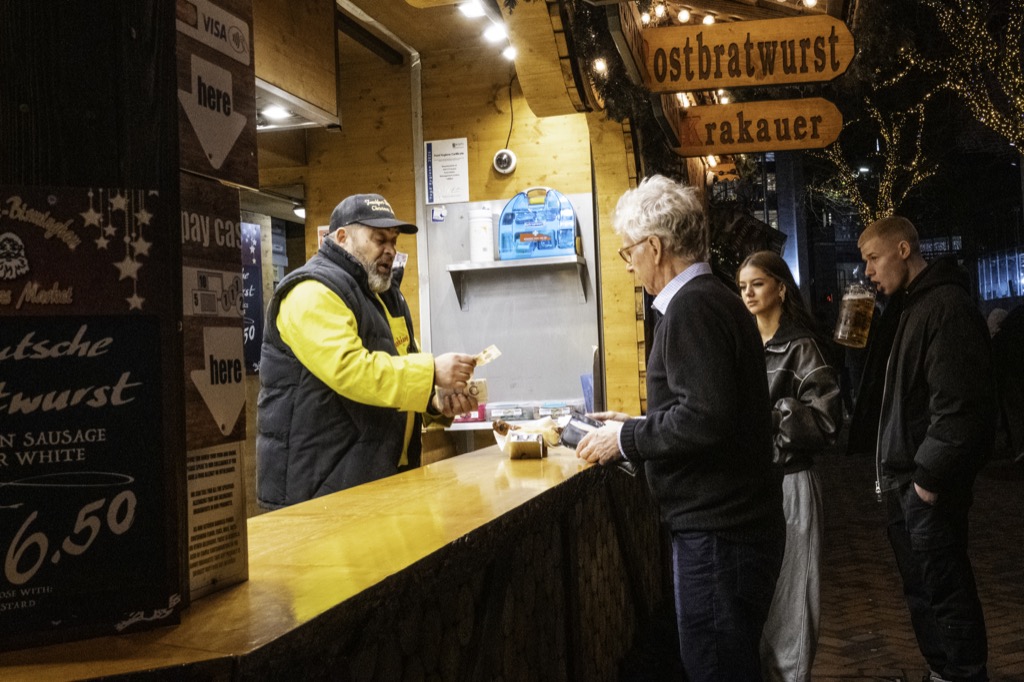

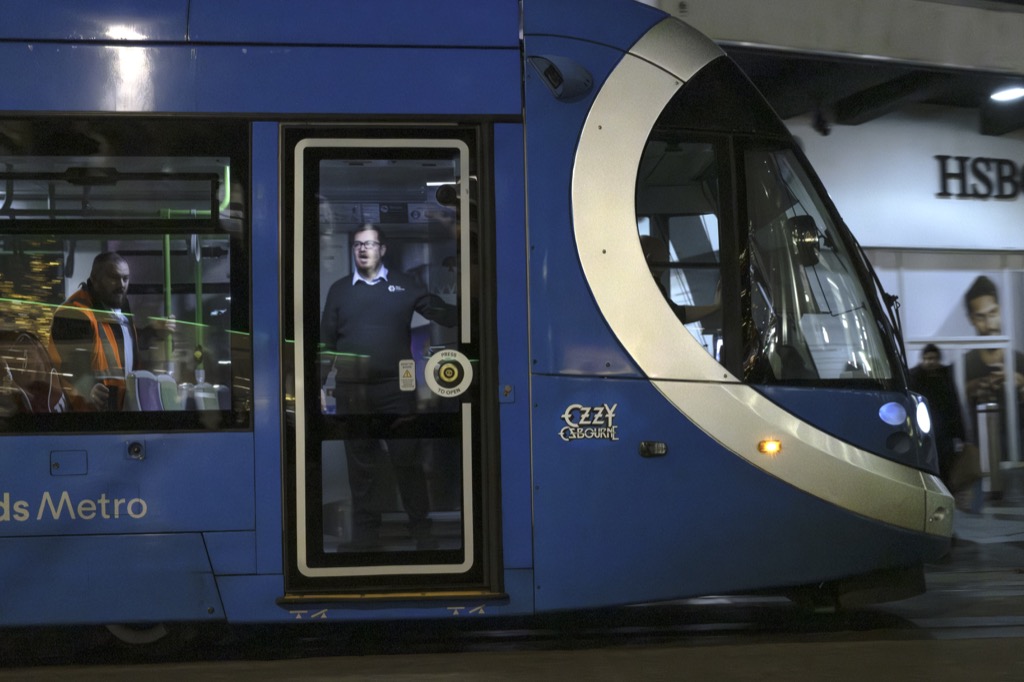
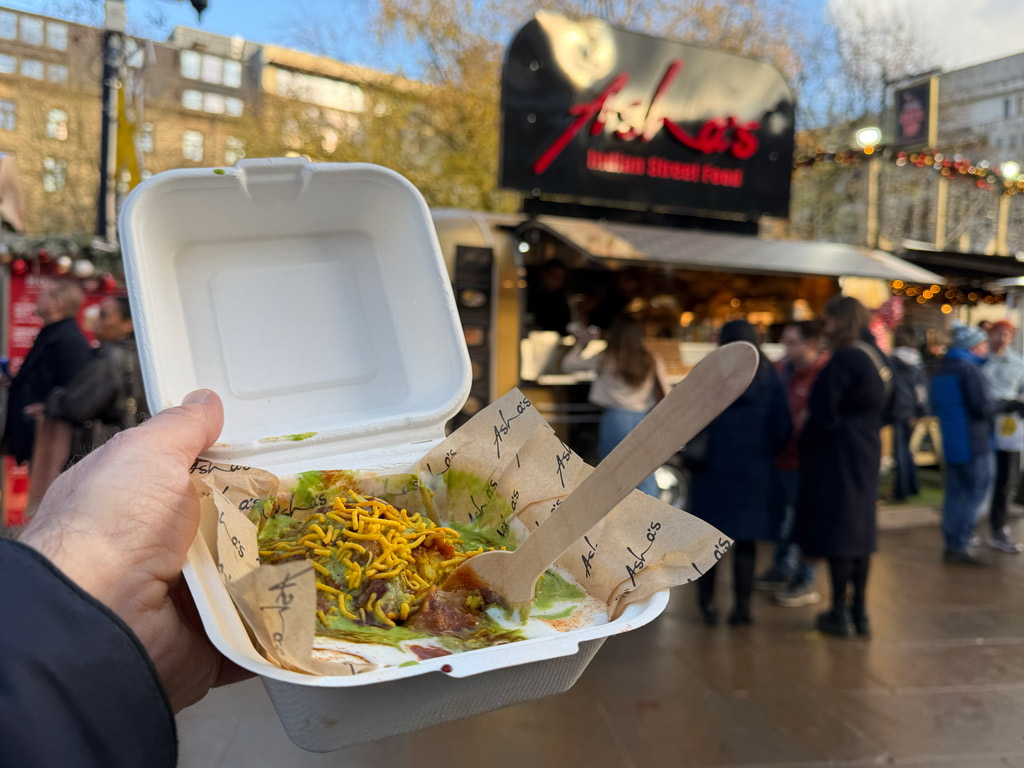
The Cathedral Market is my preferred part of the Birmingham Christmas markets. It is better organised than along New Street and uses the footpaths around St Philip’s Cathedral, which makes it easier to walk around. The food stalls here are linked to the Colmore Row business district, giving this area a calmer and more relaxed feel. This year, Asha’s has a stall in the square, and the food is excellent. Another popular stop is the pop-up pub Pigeon in the Park, which is always busy and adds to the festive spirit.
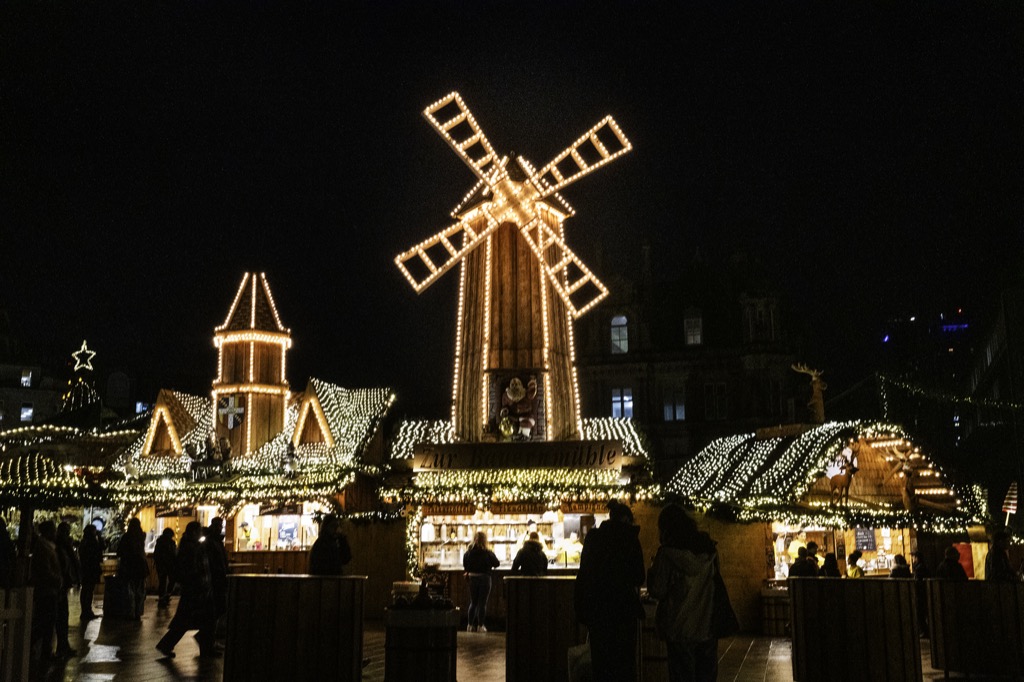
As the nights grow darker, the Christmas lights across the city shine even brighter. They look especially impressive around Victoria Square and Chamberlain Square, where the decorations draw large crowds.
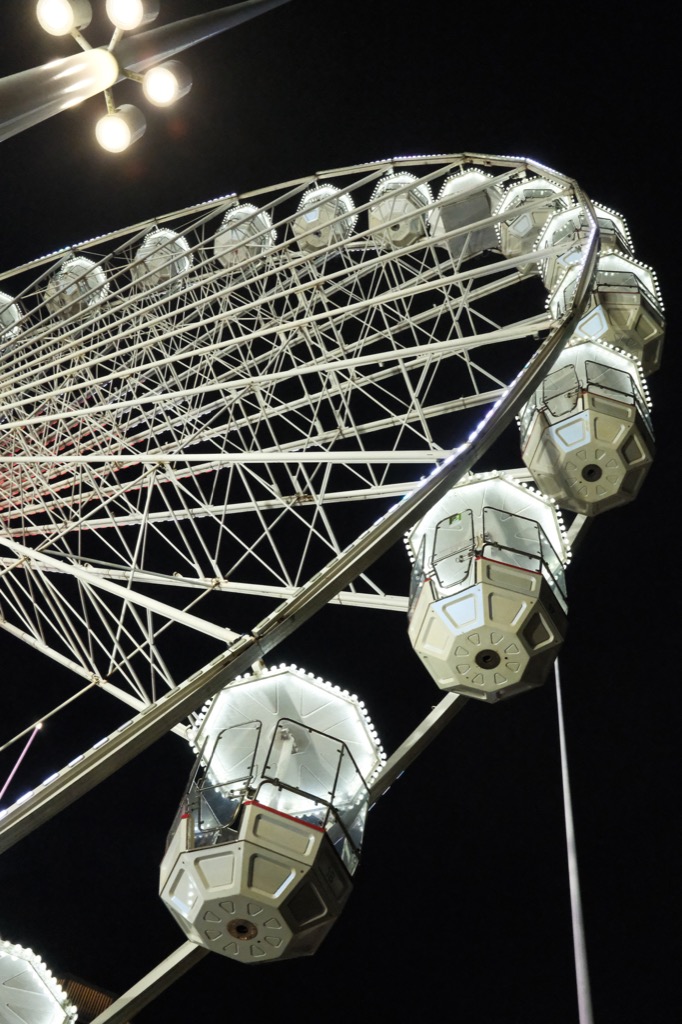
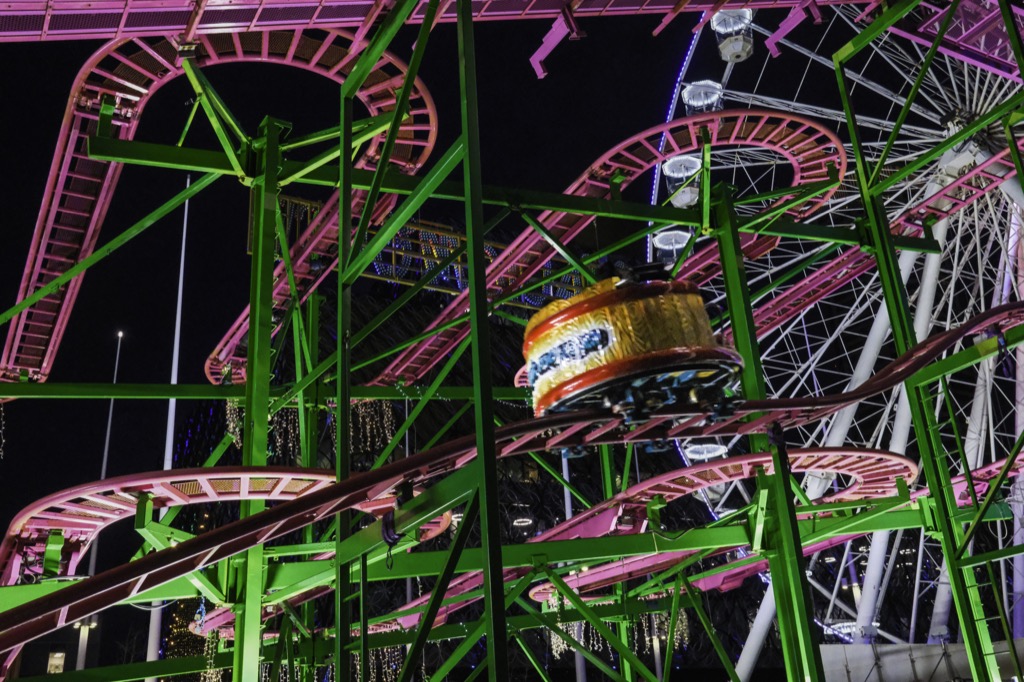
Over in Centenary Square, the big wheel dominates the skyline. Nearby, the Magic Mouse rollercoaster is entertaining to watch, although riding it may not be for everyone. The illuminate ride makes a great subject for photographs. The ice-skating rink is also packed most evenings, proving how popular these winter attractions are.
Every year, I take time to wander around the Birmingham Christmas markets and the city itself, and I never tire of it. Although I often hear critical comments about Christmas in Birmingham, the crowds tell a different story. People clearly enjoy the atmosphere and the chance to celebrate the season together.
Below are a few photos of the markets and decorations. They are very different from the lights of London and show that Birmingham does Christmas in its own distinctive way.
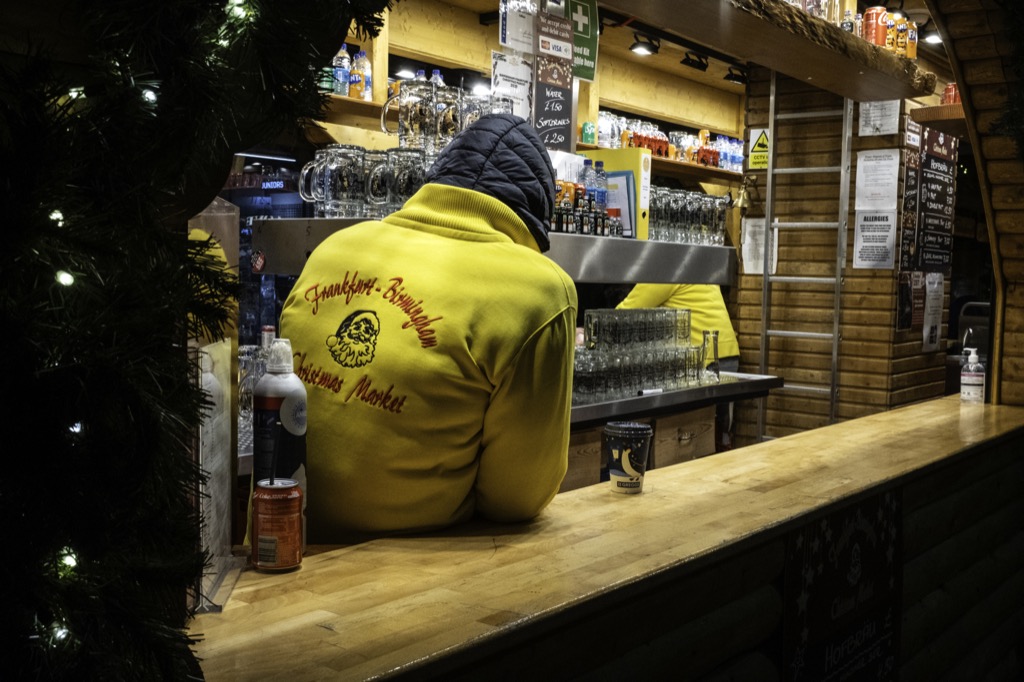
More Christmas links with London. There is also a blog describing the Birmingham market in 2023.
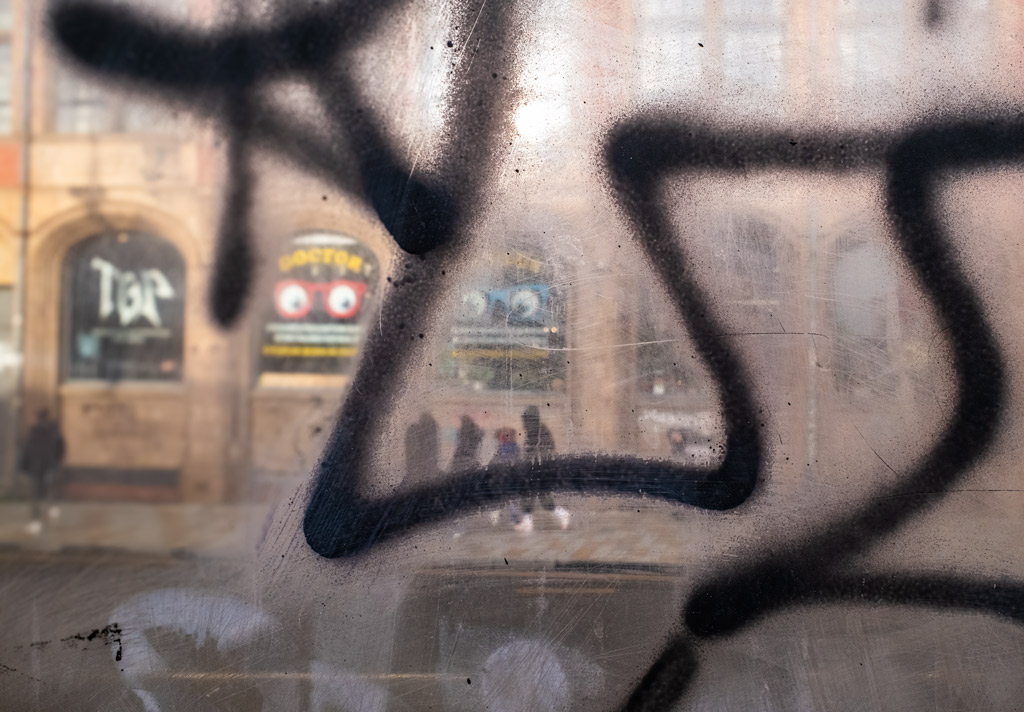
There is one certainty in Birmingham: Digbeth always changes. For anyone interested in Digbeth photography, this makes the area endlessly fascinating. New buildings appear, artwork evolves, and the streets never look the same from one visit to the next.
One of the most noticeable recent developments is the new block of flats being built opposite the Custard Factory. The building stands on the former site of the old Peugeot Garage and Irish Centre. From a photography point of view, this construction is already changing sightlines and creating new contrasts between old and new Digbeth. We wait and see if these contrasts are really beneficial to the area.
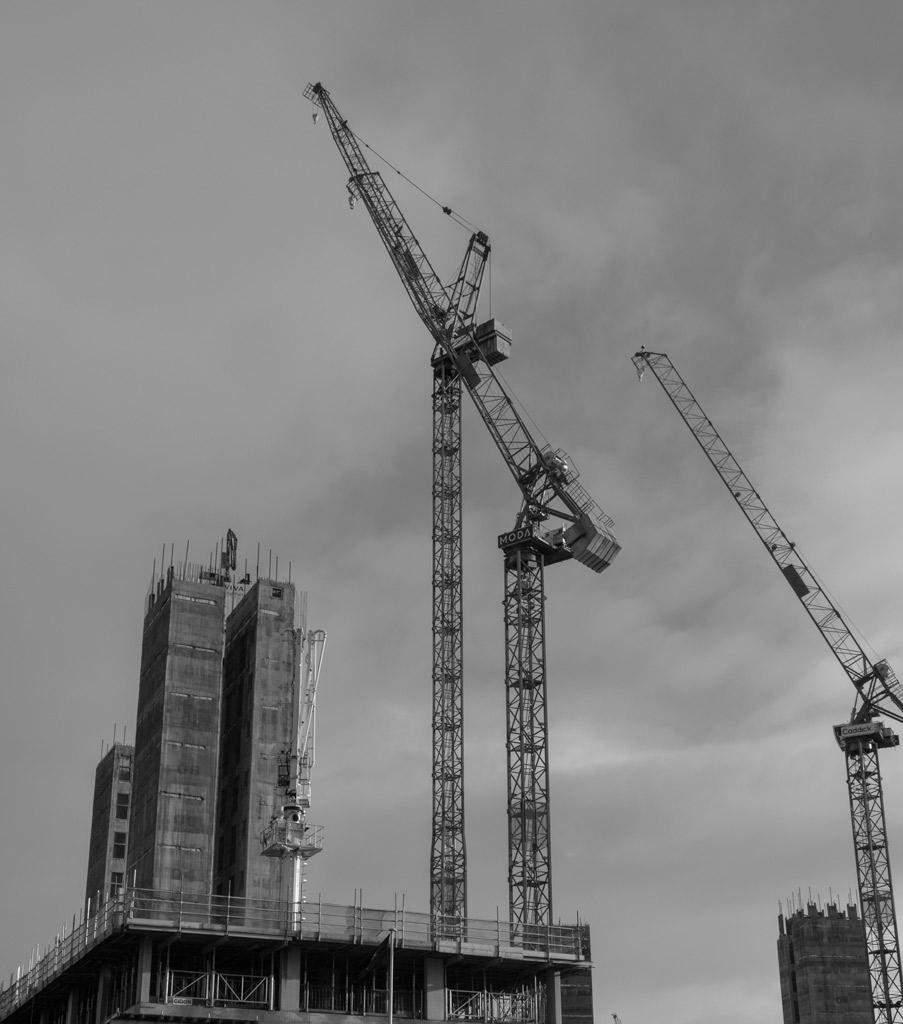
As more people live closer to the city centre, Digbeth continues to evolve into a place where work, culture, and residential life sit side by side.
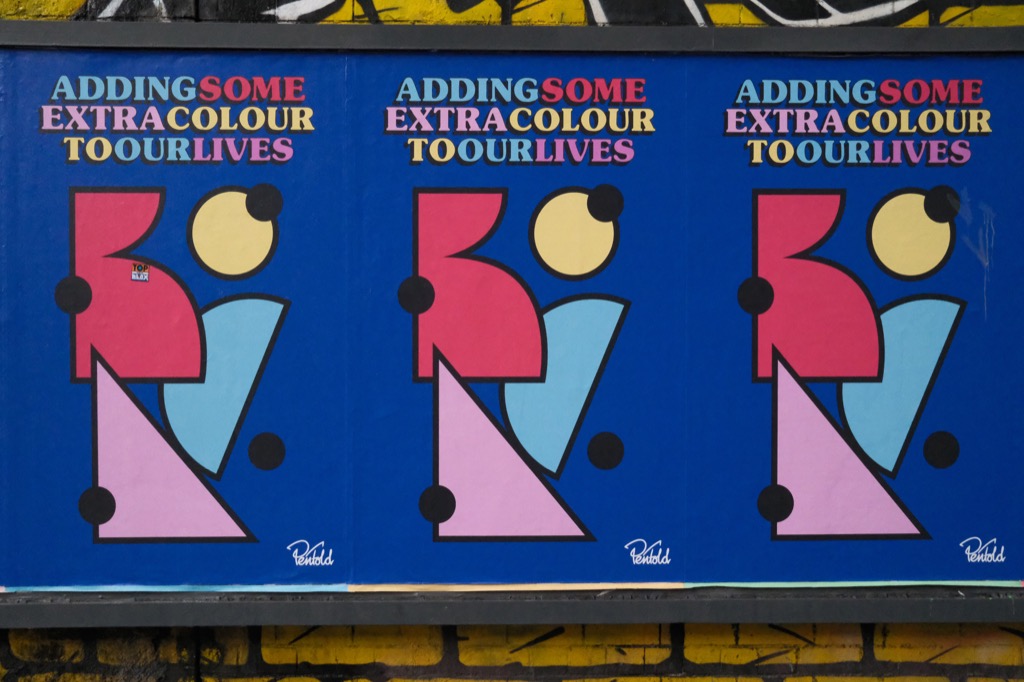
For Digbeth photography, the street art is a major draw. New shops and restaurants continue to open, while the artwork on the walls constantly changes. Because there are only a limited number of spaces, older murals are often painted over to make way for new designs. Some murals stay the same.
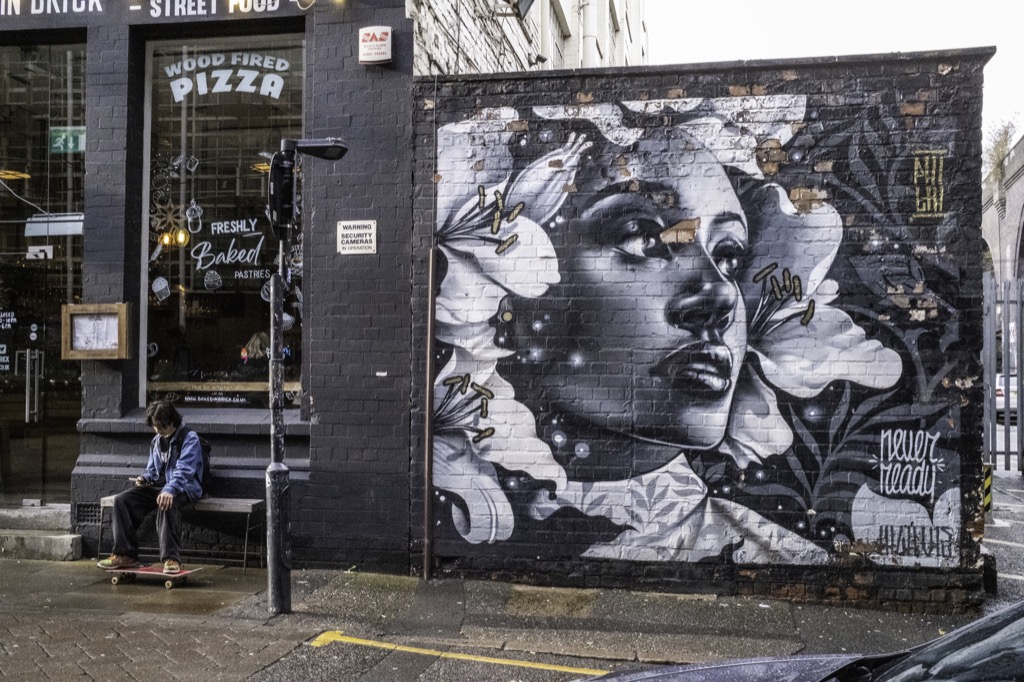
Fresh graffiti now sits alongside long-standing pieces. In some areas, heavy tagging covers earlier murals in a more random style. Even so, bold colours and striking shapes continue to dominate, making Digbeth a living canvas for urban photography.
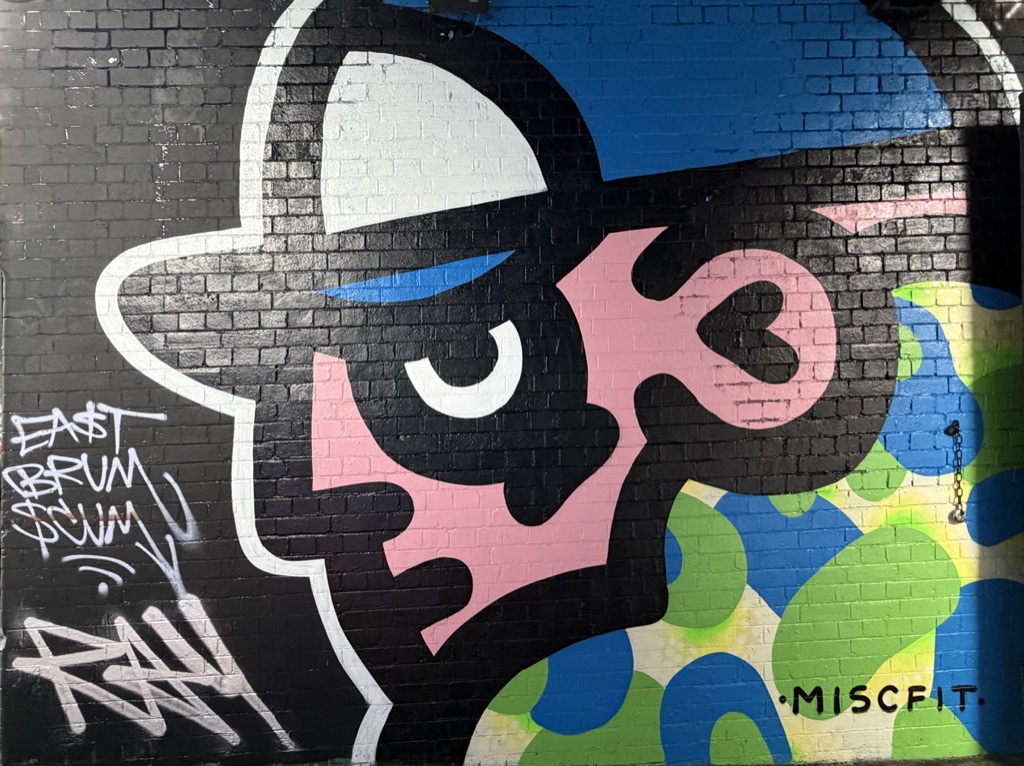
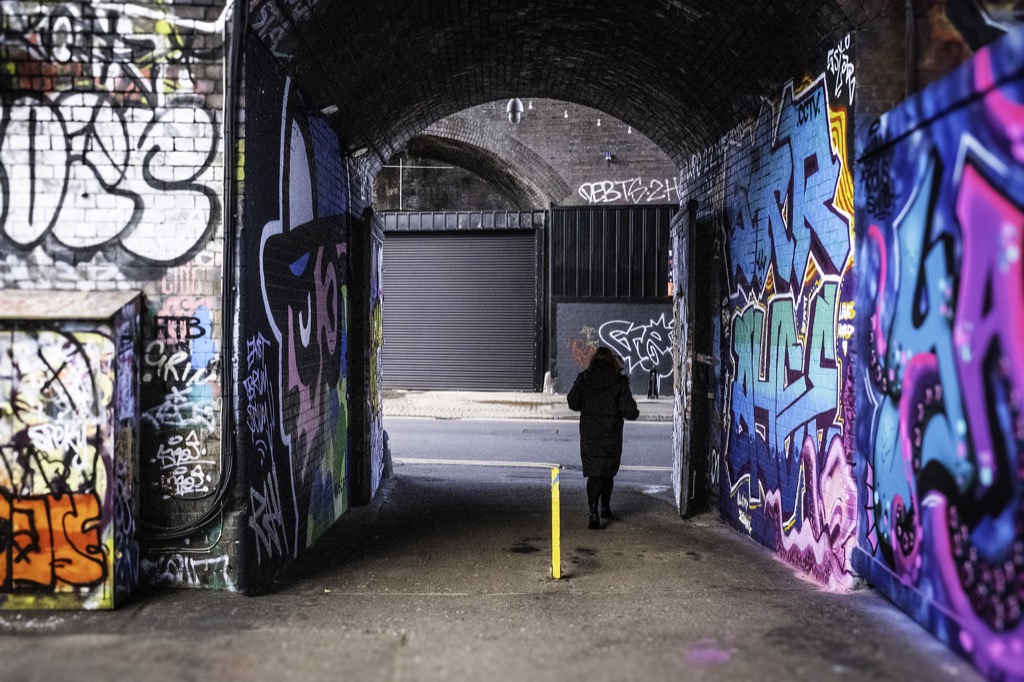
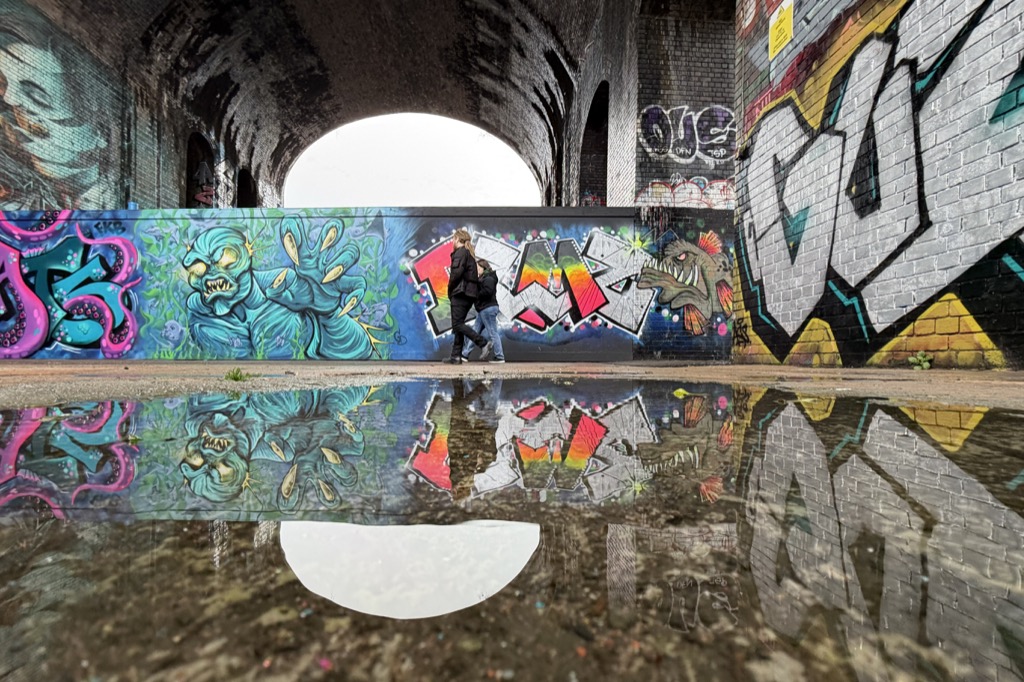
This post is a roundup of some of the new scenes and artwork I’ve photographed recently. Wherever possible, I’ve credited the artists. If any credits are missing, please leave a comment and I’ll update the post.
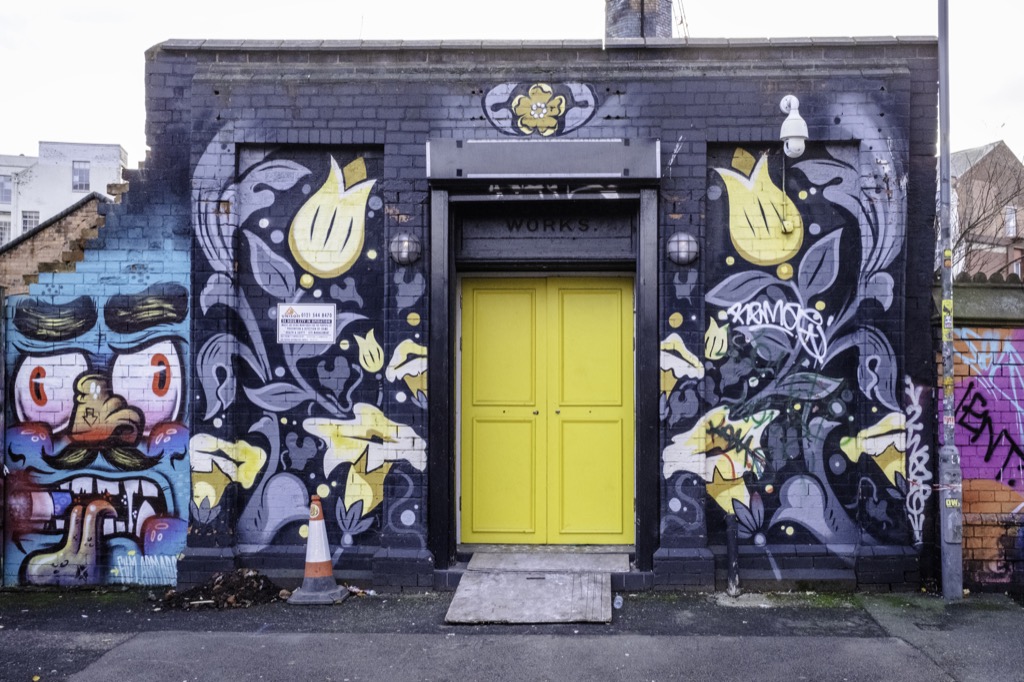
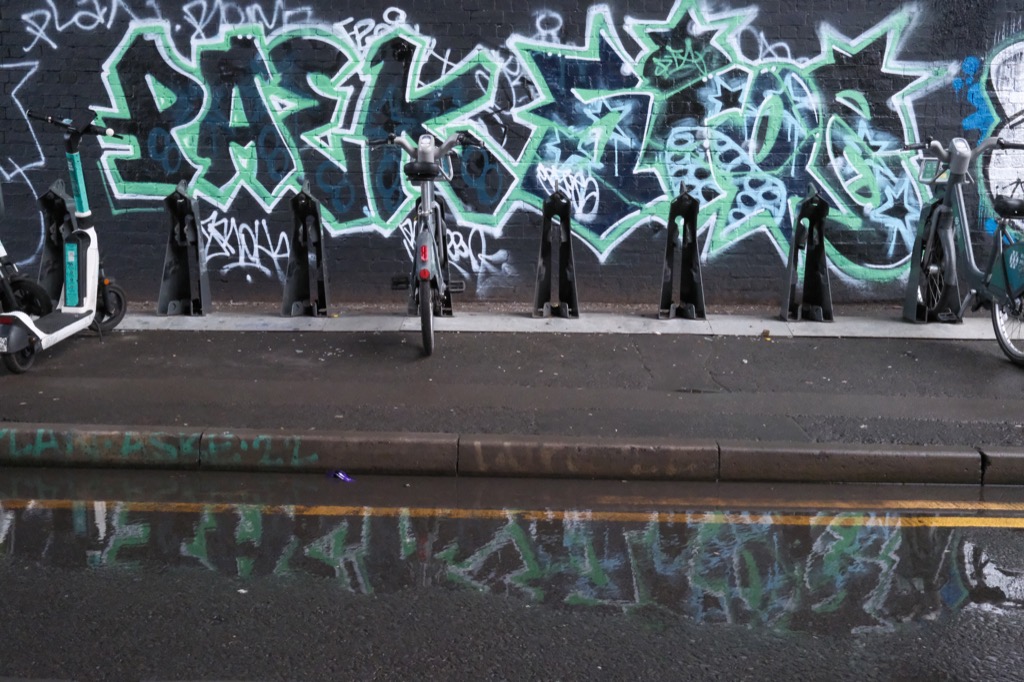
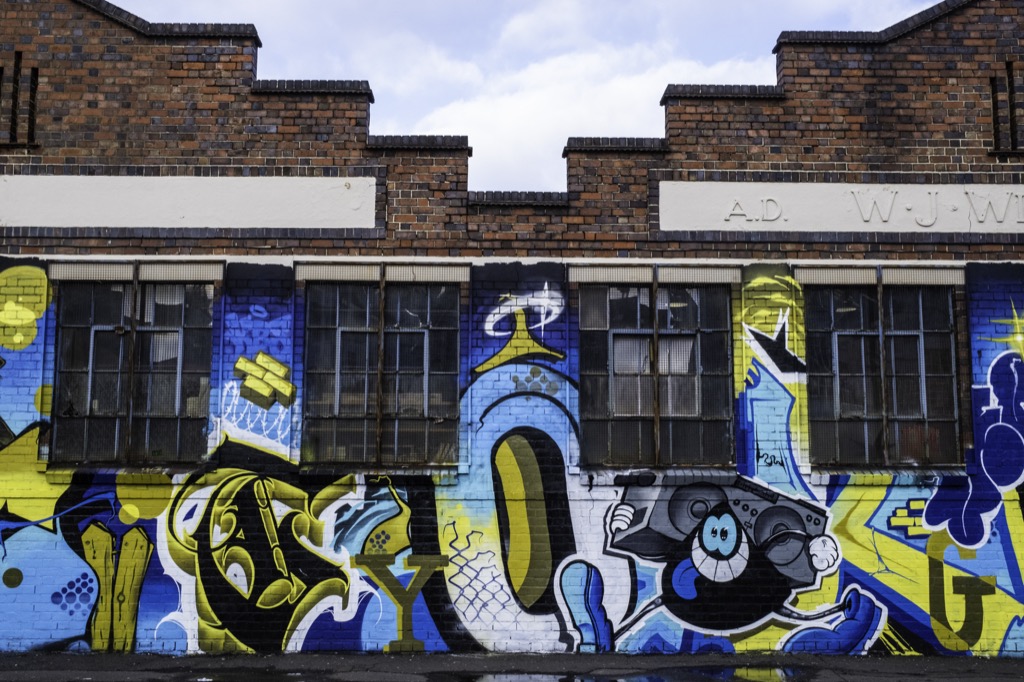
I’ll be back in the new year to focus once again on Digbeth photography during the blue hour, which is one of my favourite times to capture the light and shadows in this changing part of Birmingham. One thing remains true — Digbeth always changes.
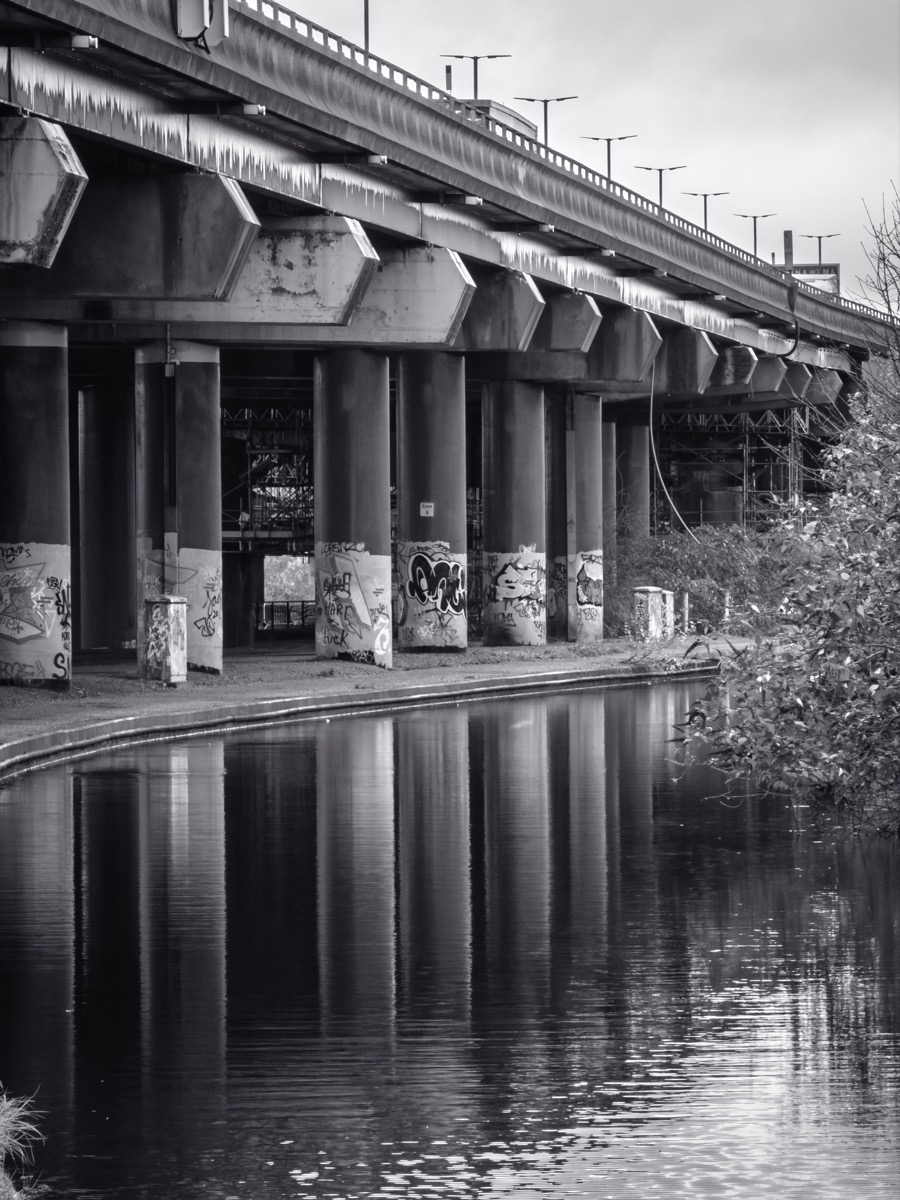
Why am I so fascinated with Spaghetti Junction? Perhaps it’s the way the urban landscape blends nature with man-made geometry, or the history embedded within the structure. In an alternative life, I imagine myself travelling the motorway system, passing along the M6 and then indicating to join the Aston Expressway into Birmingham. Yet during such journeys in the car, I rarely think about what lies beneath these roads.

Under the concrete pillars that support the motorway network, the space resembles an incomplete cathedral, a place to worship the industry of construction workers, accompanied by the hymns of thundering traffic overhead. Cars and lorries make their presence known through constant noise and vibration. In contrast, the quiet canal network predates the junction. Around the concrete pillars, flows the River Tame and the still waters of Salford Reservoir reflect the motorway traffic. A train line also cuts through the area, all converging at what we know as Spaghetti Junction, or more formally the Gravelly Hill Interchange. The regimented concrete pillars and the patterns created by the elevated roads provide endless photographic opportunities. Inspiration is everywhere.
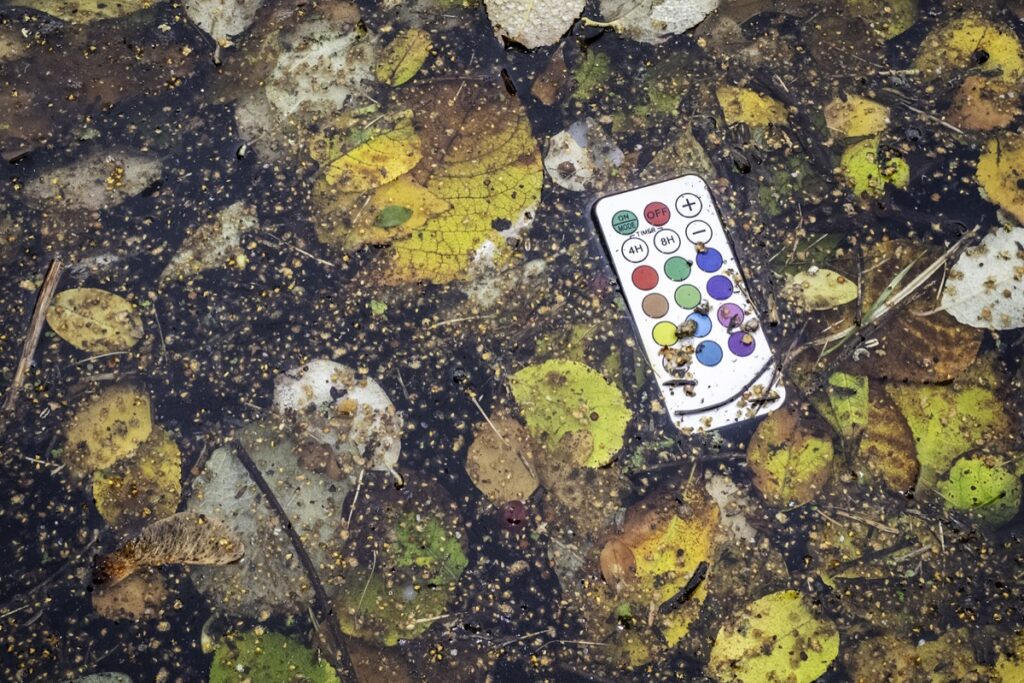
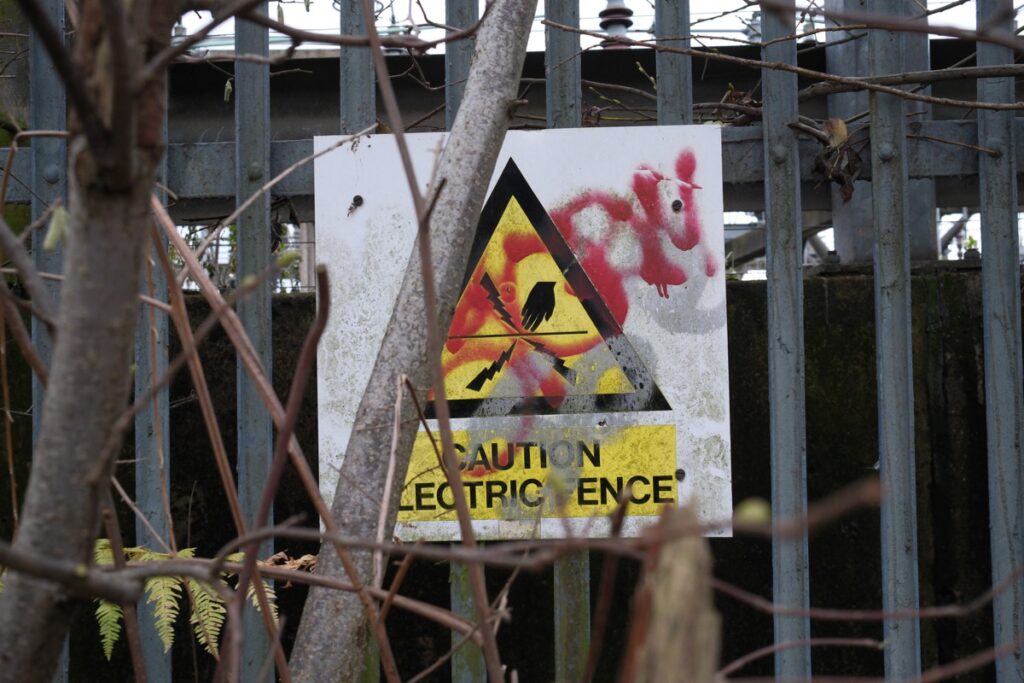
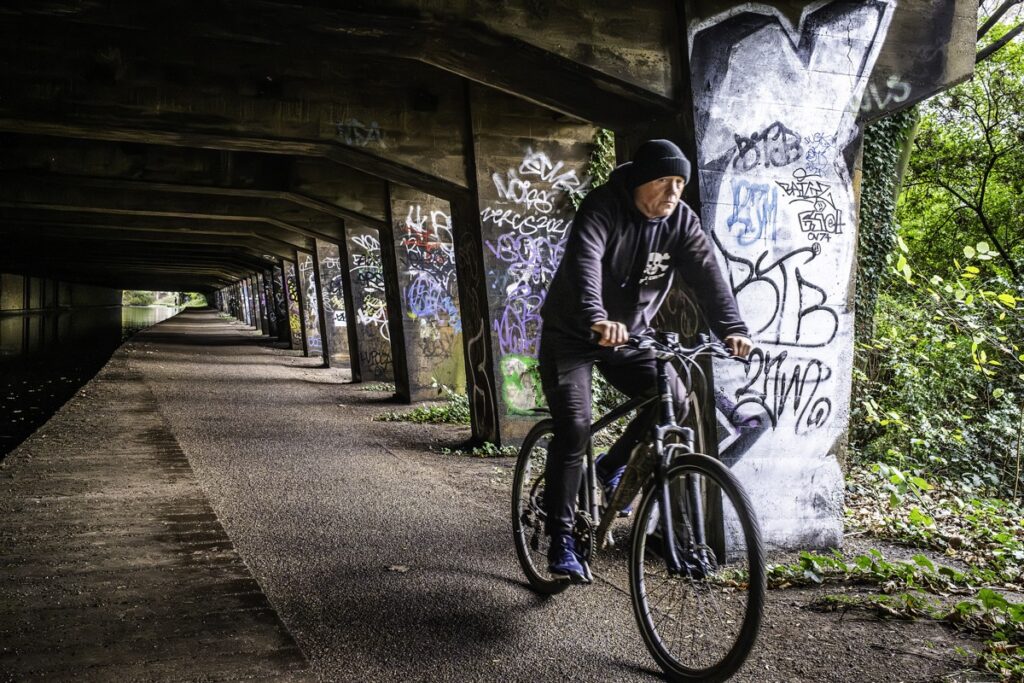
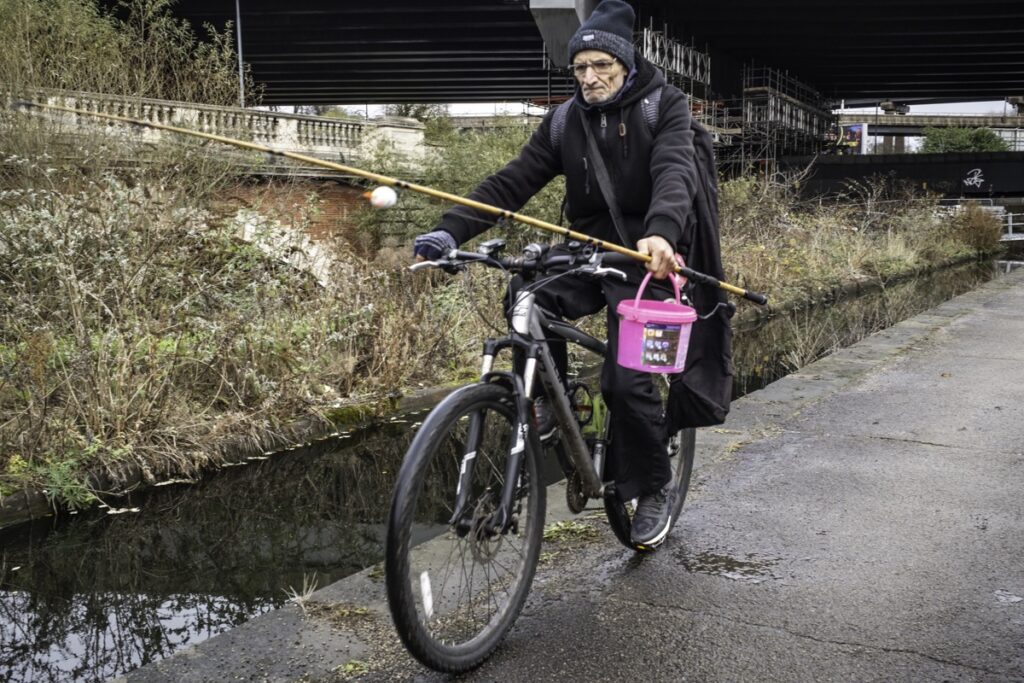
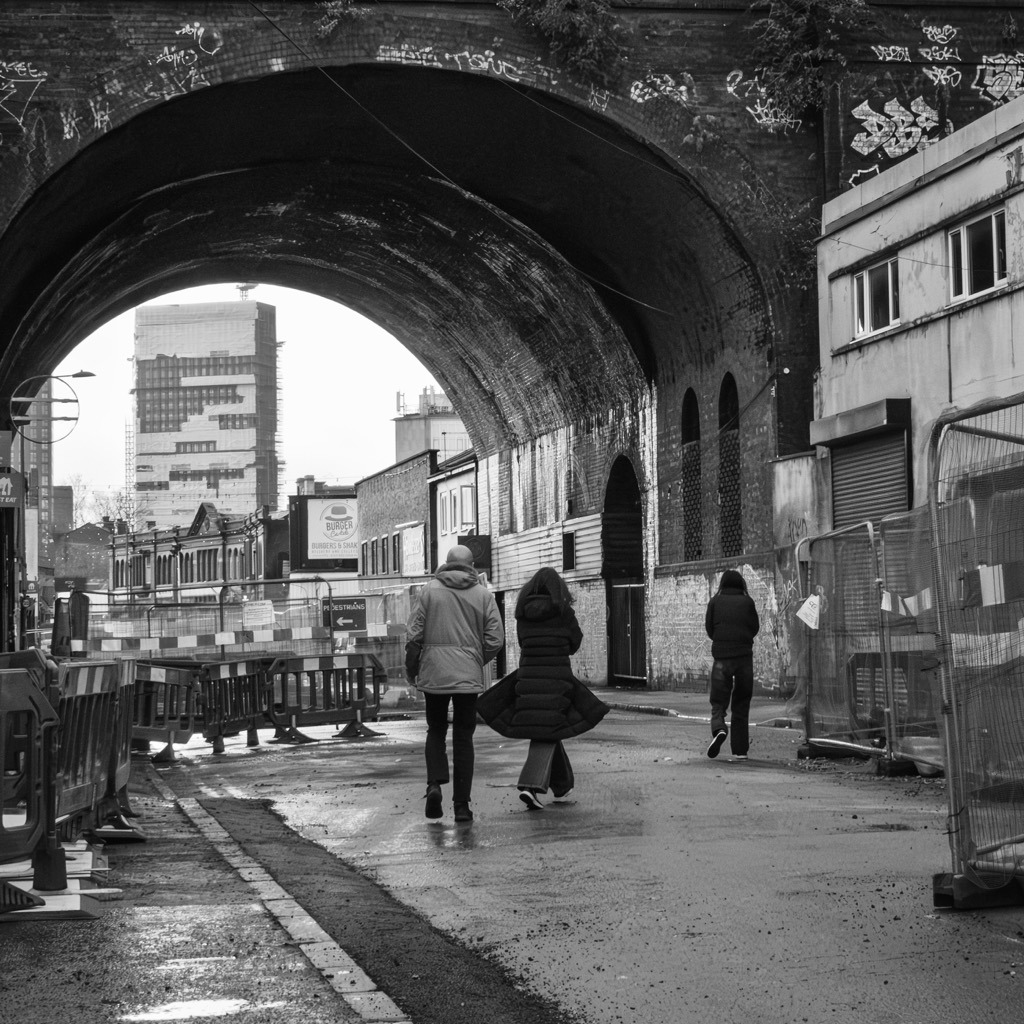
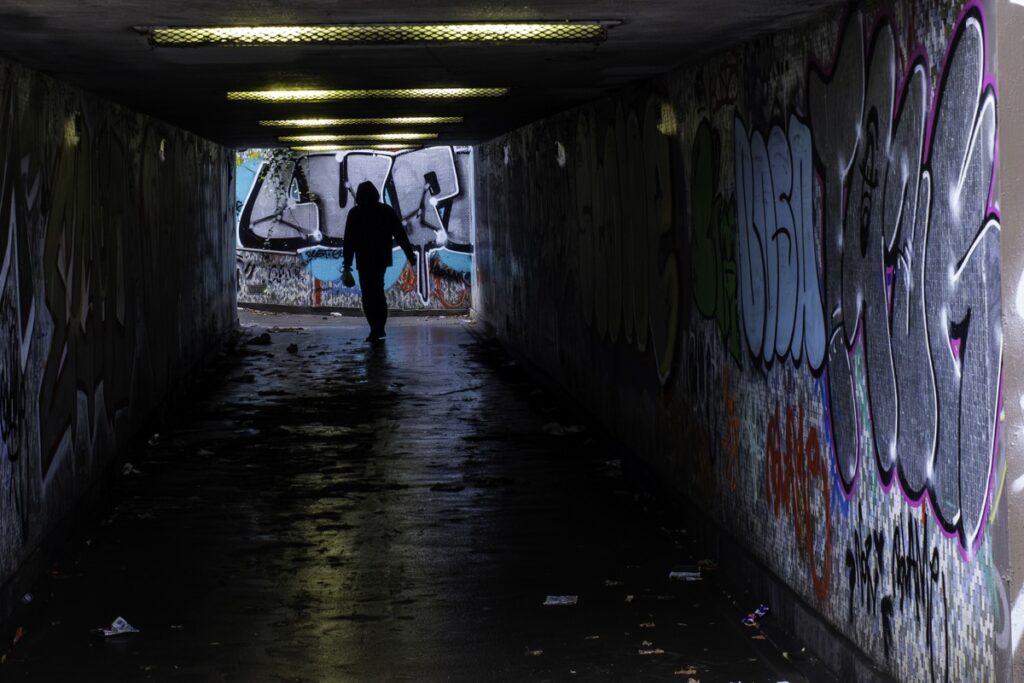
Back in July, I visited Spaghetti Junction with a group of photographers. One of the highlights of any trip beneath the M6 is the artwork of Bill Drummond. Formerly of the KLF and now a recognised artist, Drummond has been regularly posting his work on a particular wall near the heart of the junction. I was surprised to find the artwork wall completely white. In the photo I took, one of the few pedestrians we encountered beneath Spaghetti Junction walks past the empty space. Although I was disappointed not to capture any of Drummond’s artwork, I’m intrigued to see what reappears here in the coming weeks.
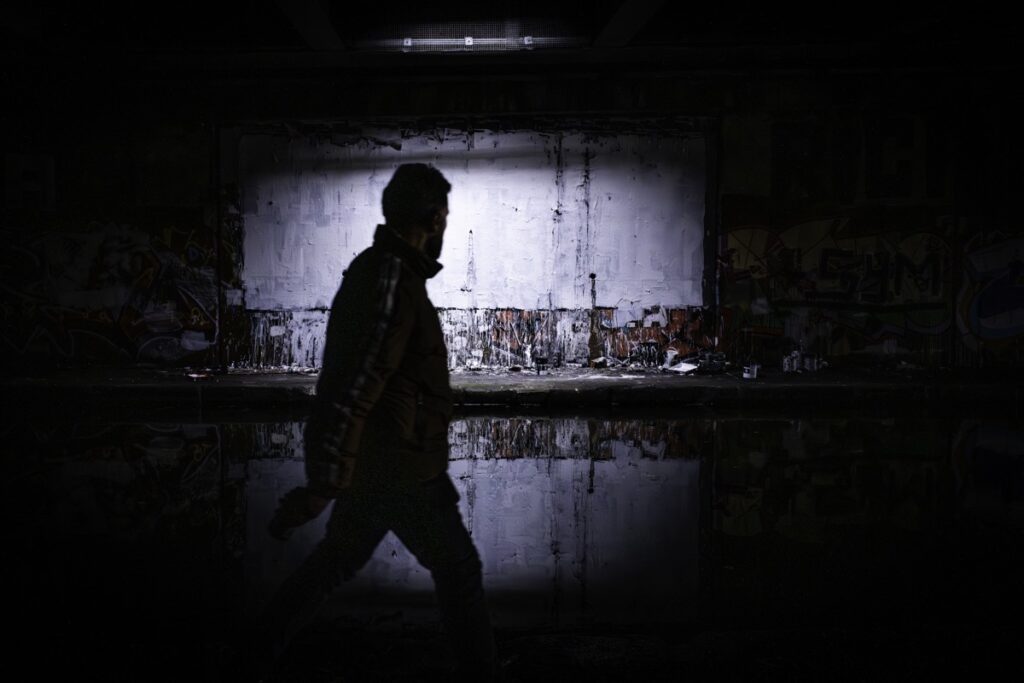
This Spaghetti visit started with a request from a fellow photographer Nicky who knew a photographer friend who had never been to the area before. I agreed to be involved in planning such a walk and enjoyed visiting the place again. John Waine was the visiting photographer and his work is outstanding. Follow the link to see more of his work. If anyone who reads this blog and wishes to visit what lies beneath the motorway then please contact me. Depending on timing and commitments, I will be happy to show them around.
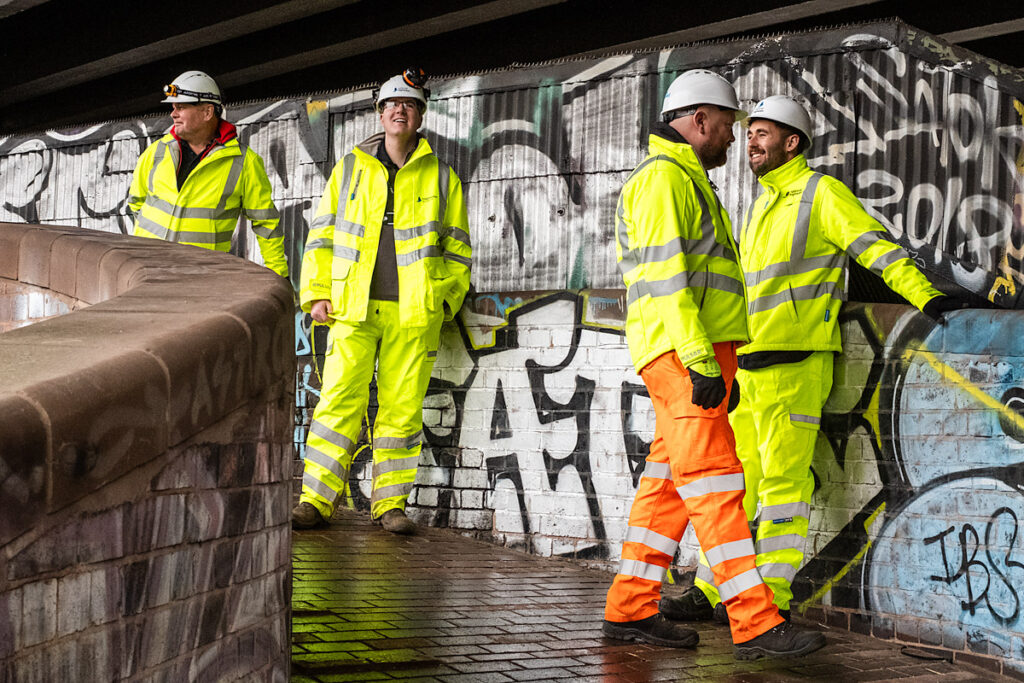
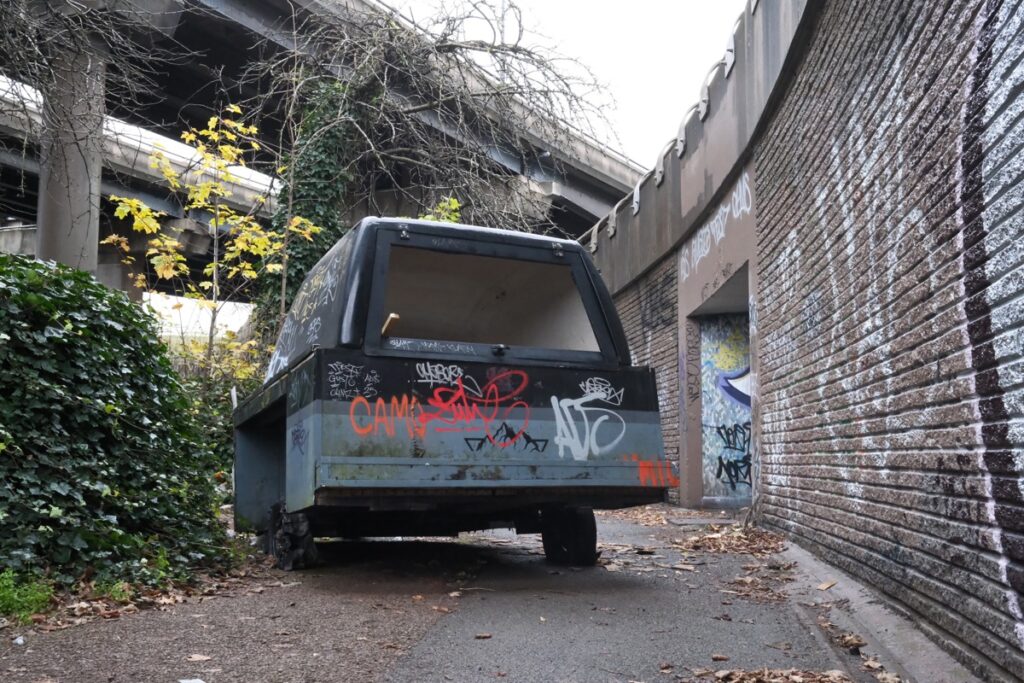
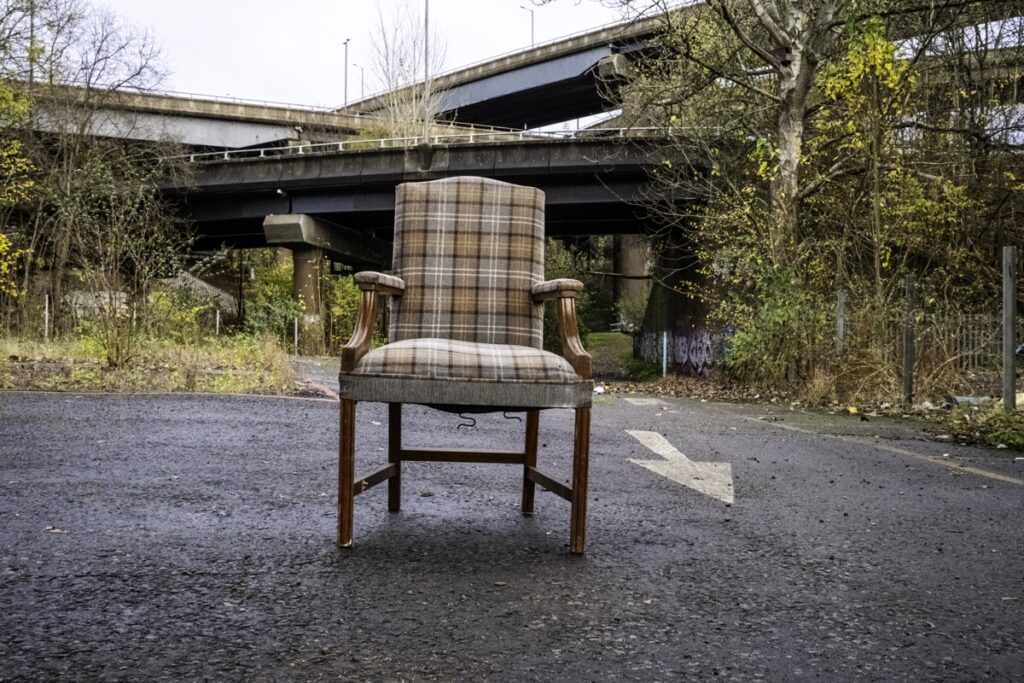
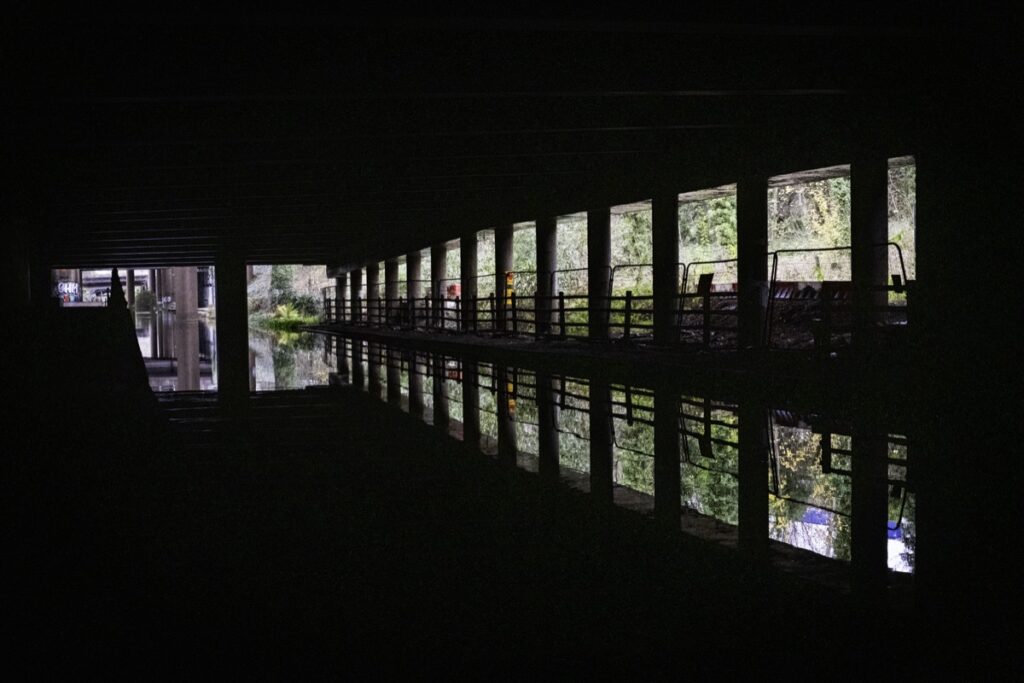
Finally here is an account my last visit under the Interchange and the blog includes links of previous visits.
Balsall Heath is an absorbing place to photograph. As part of the Balsall Heath Observation Project, I have connected with many local groups. Several individuals have kindly taken the time to walk with me around the streets of Balsall Heath and share their memories—both past and present—of the area. During these photowalks, I have photographed the surroundings and recorded their stories. I have also spoken with many residents to learn about daily life, how the community works together, and the ways people support one another.
One of the charities that has welcomed me and offered an opportunity to see their work is the MECC on Court Road. The MECC charity supports the local community by offering advice and information on a wide range of topics, including employment opportunities, education, and training. The Trust also provides access to household support funds that help vulnerable Birmingham households with essential living costs. Their website offers further details, where you can learn more about the valuable contribution they make to the Balsall Heath community.
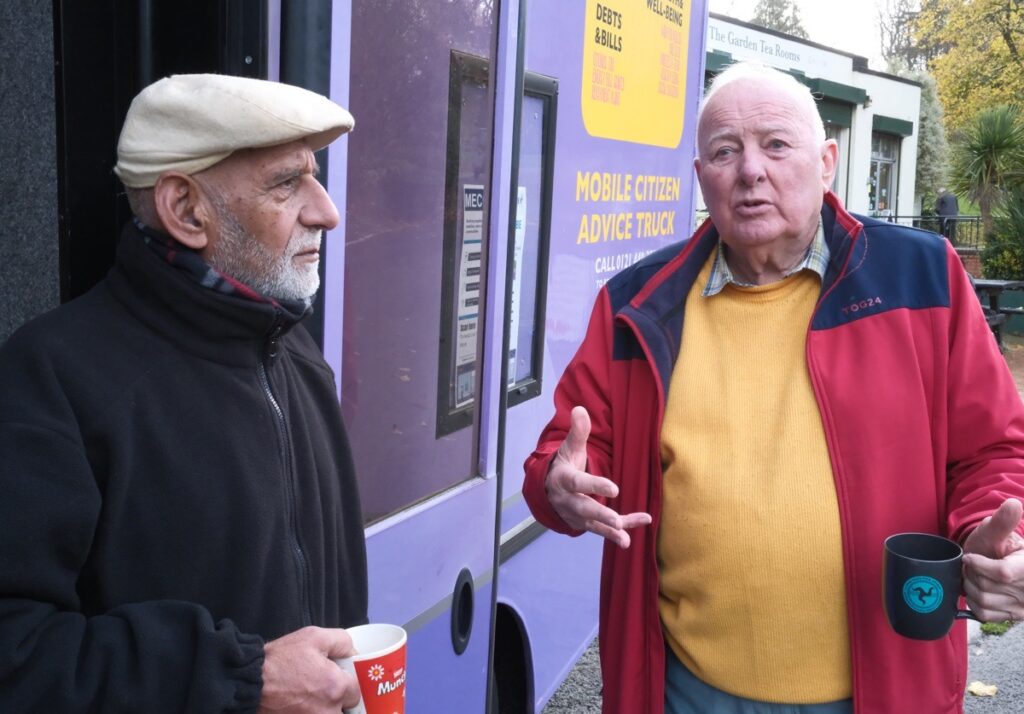
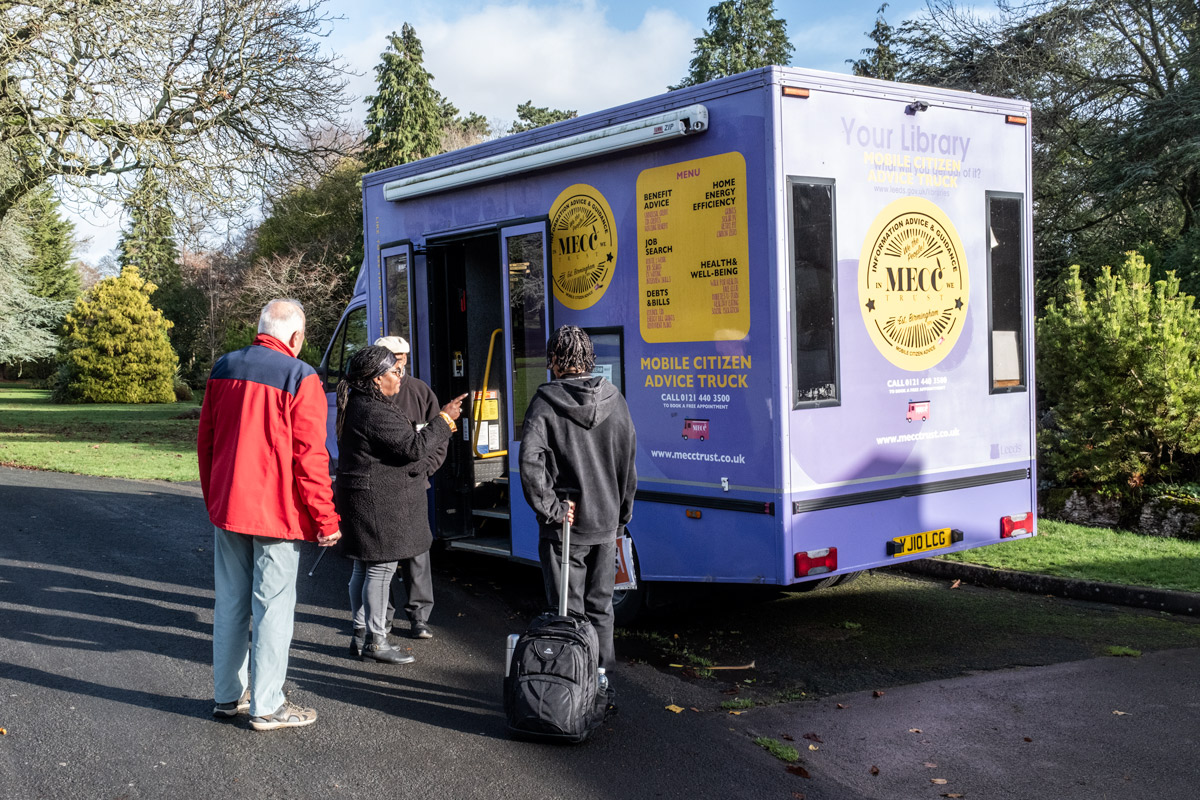
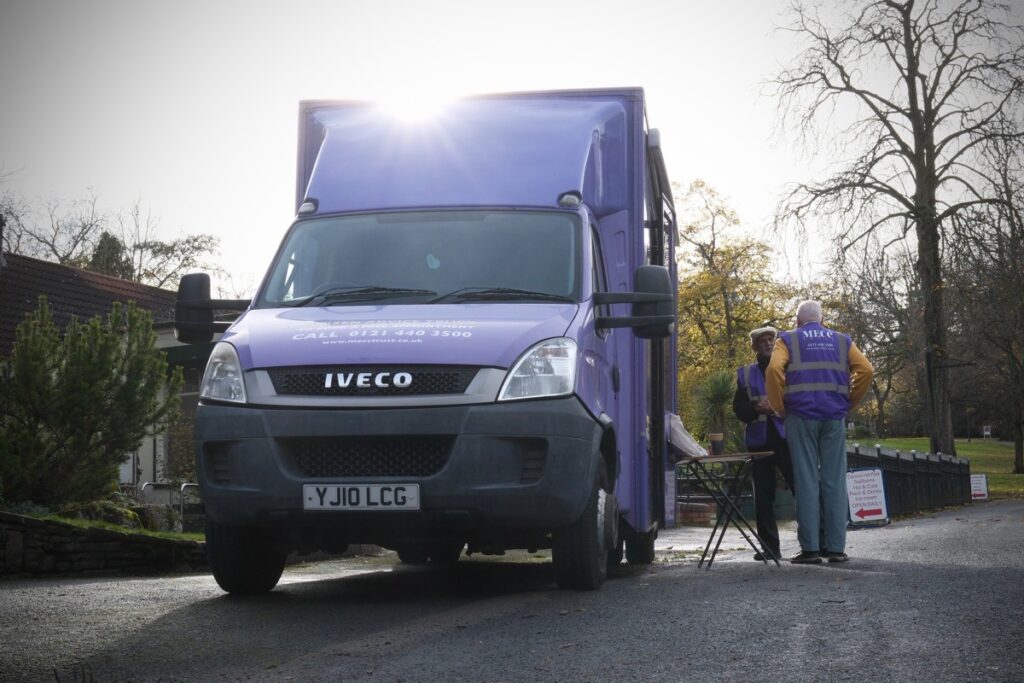
One activity that particularly interested me was the MECC bus. This “energy” bus serves as a mobile base that provides advice and information to the local community. At the invitation of Tony Fox, a volunteer with the Trust, I went to see the bus for myself. The blue MECC bus was parked in Cannon Hill Park near the gates leading to Cannon Hill Road. There I met Tony and Bashir, who were running the information centre for the day. The weather was bright and sunny, and many people stopped to speak with them as they passed by. Several members of the public showed interest, and Tony and Bashir were more than happy to engage, explain their work, and share information leaflets.
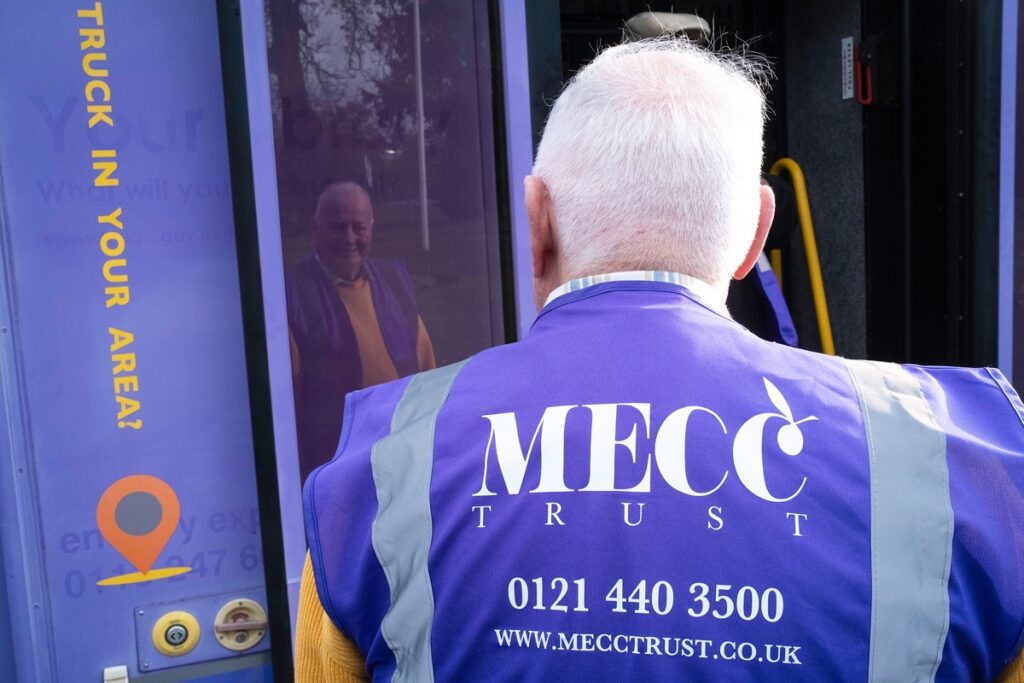
I found that we had a great deal in common, and I really enjoyed my time learning about their work. My photographs show the bus along with Tony and Bashir. The MECC charity has many aims, and if you would like to learn more, please visit their website: https://www.mecctrust.co.uk.
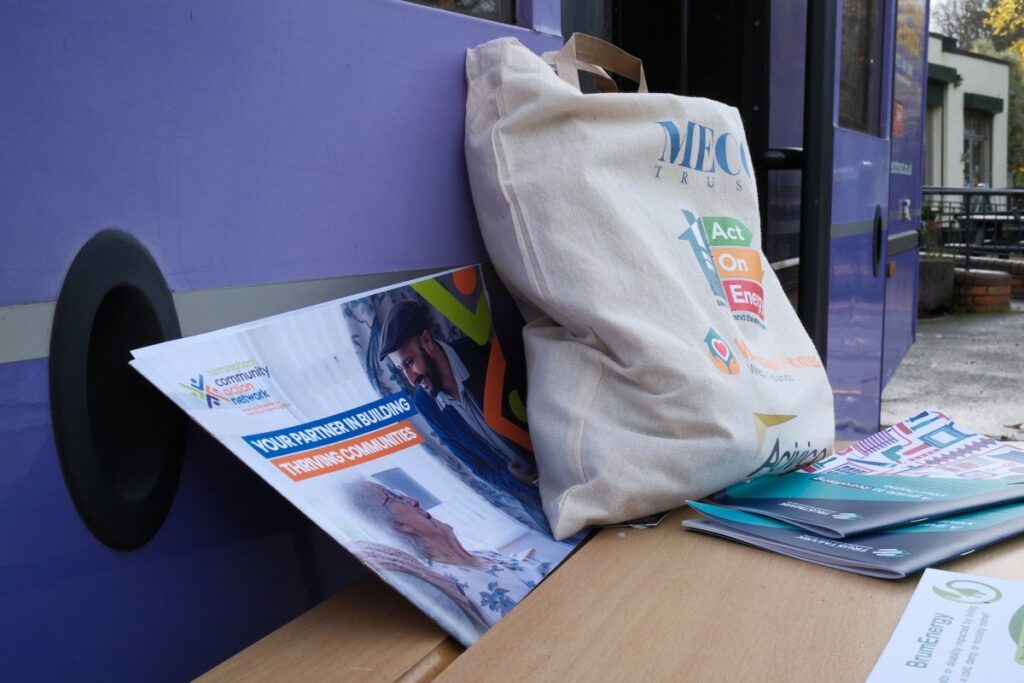
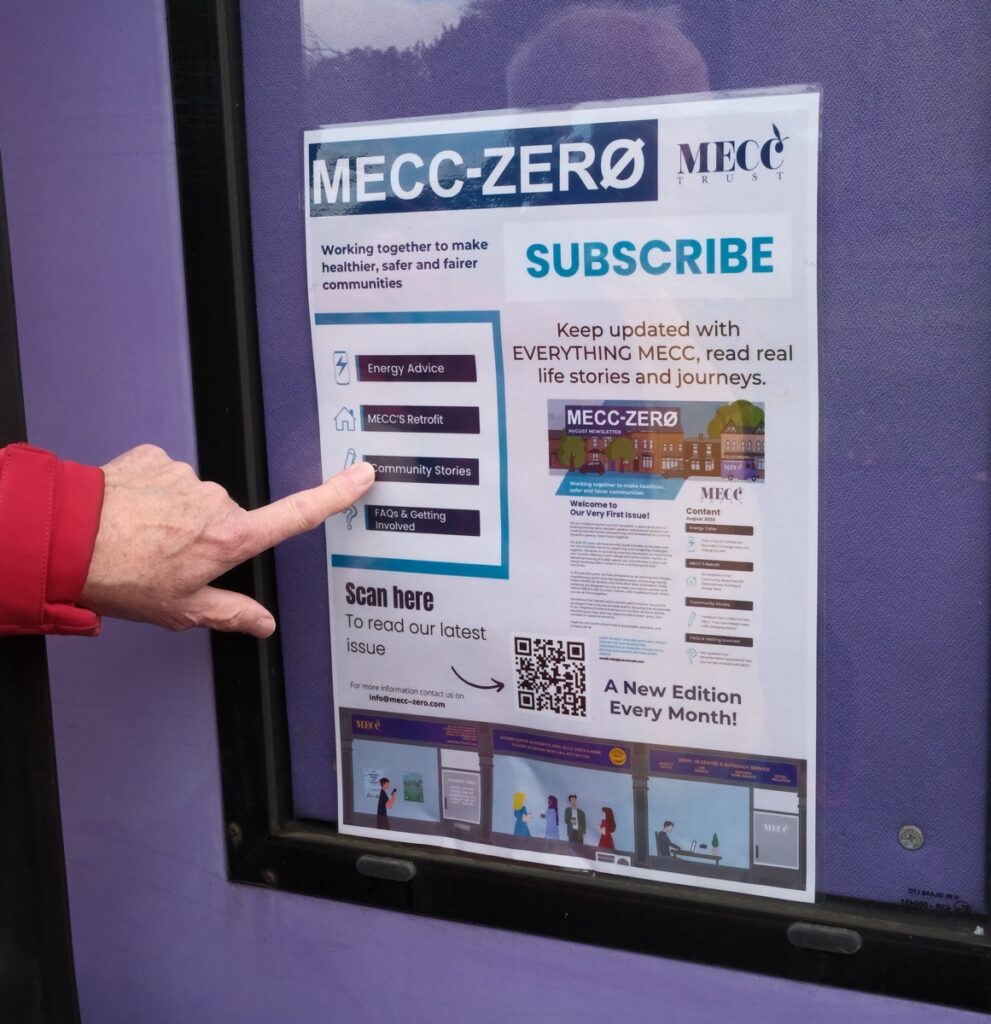
If you happen to see the MECC bus on your travels especially when it is in Canon Hill Park then please give Tony and Bashir a shout out. Their work is improving the wellbeing of the community.
Balsall Heath Observation Project
This blog is part of my documentary project taking place in Balsall Heath. The project is a continuation of similar work completed in Stirchley, where over several weeks in 2024 we interacted with members of the local community. The Stirchley Observation Project was very successful, and I subsequently enrolled with the same group of photographers for the Balsall Heath Observation Project. We meet at the Old Print Works on Saturdays for formal lectures and project feedback. Each of us is undertaking a different project around Balsall Heath, an area of Birmingham rich in community activity and spirit. The project is part of the PRISM photography network.

Baddesley Clinton staged the Twelve Days of Christmas with a difference. The story was told by twelve Snowmen who were placed in strategic positions around the National Trust property. I made the mistake of counting down the Twelve Days rather than starting at the first day and moving forward. I must remember this when I bring the grandchildren to visit!


I set myself a photographic challenge: to capture images of the Snowmen and tell the story in a slightly different way. The Snowmen were very cooperative, and I had no trouble persuading them to pose for the camera, although they did struggle when it came to turning around.


I wondered how the Snowmen would look against the beautiful gardens and the historic, grand moated house. To my pleasant surprise, the combination worked wonderfully, and the designs on the twelve Snowmen were beautifully painted. This artistic element was created by Wild on Art, who are always brilliant at imagining unique and engaging artwork. They have taken their Snowman to previous Christmas National Trust displays at Sheffield Park, and Knole Park.
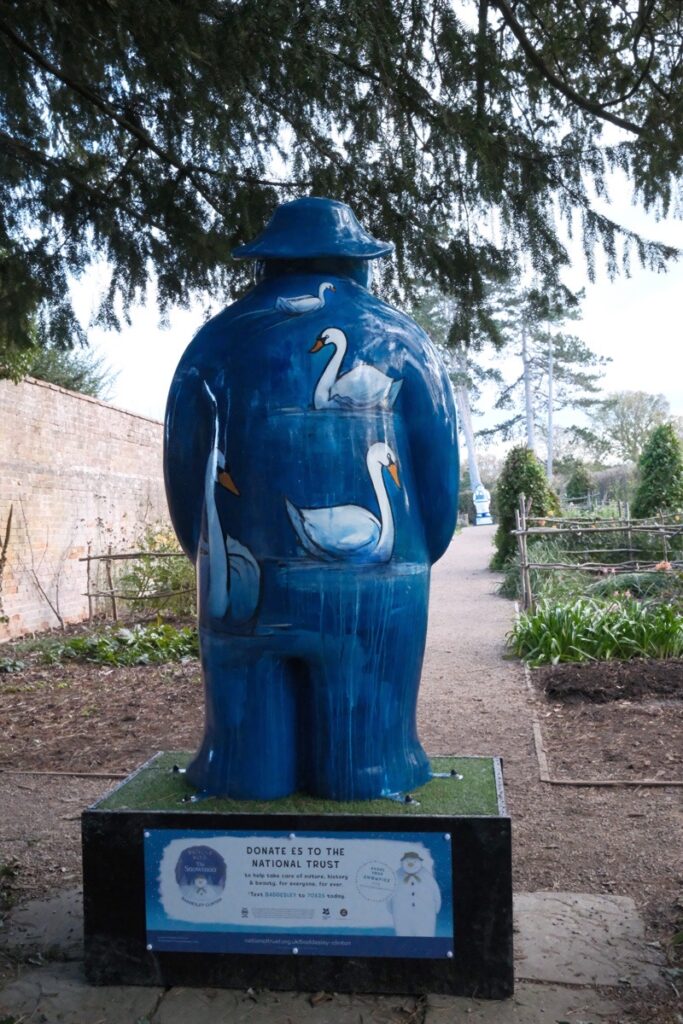

The exhibition is well worth a visit and a delight for both young and old. Just remember to follow the route the right way round, anticlockwise, otherwise you’ll find yourself counting down to the first day of Christmas. Although, that’s not such a bad idea either!

BTW not all the twelve snowmen are photographed so you will have to go and see them for yourself. The National Trust are excellent and creating magic at Christmas. Here is a blog about Baddesley Clinton and Packwood House when I visited the properties two years ago.
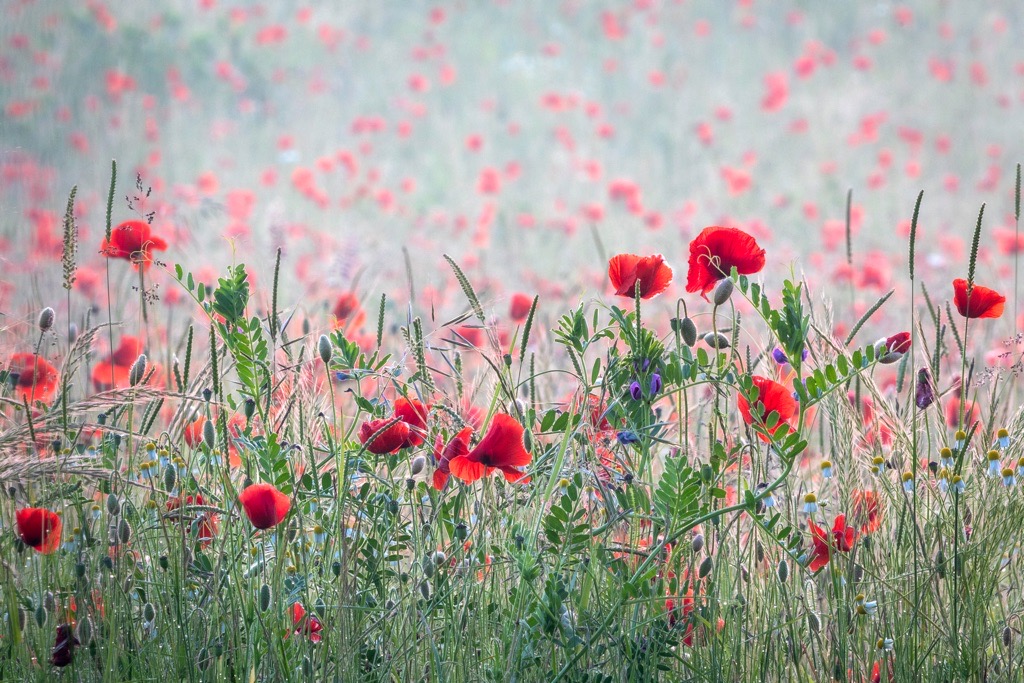
I entered the first ever Eden Project Wildflower Photographer of the Year competition, run in partnership with Canary Wharf Group, to celebrate the 25th anniversary of the National Wildflower Centre (NWC). Imagine my delight when my image won first place in the Amateur Photographer category — plus a generous prize that allowed me to upgrade my Canon camera!
The photo was taken in Kinver in the summer of 2024. It had already done well in the International Garden Photographer of the Year competition, where it was placed second. So I was thrilled to be able to submit the same image to the Eden Project competition.
My one concern is that the version shared on social media had the wrong colour balance — it looked dull and lifeless. I hope this will be corrected, as it has taken a little of the shine off the achievement.
You can read more about the competition at the link below. Please note: this is not the original colour of my picture.
Discover the most striking and atmospheric images from the first-ever Wildflower Photographer of the Year competition
Read more on how my winning photograph was taken.
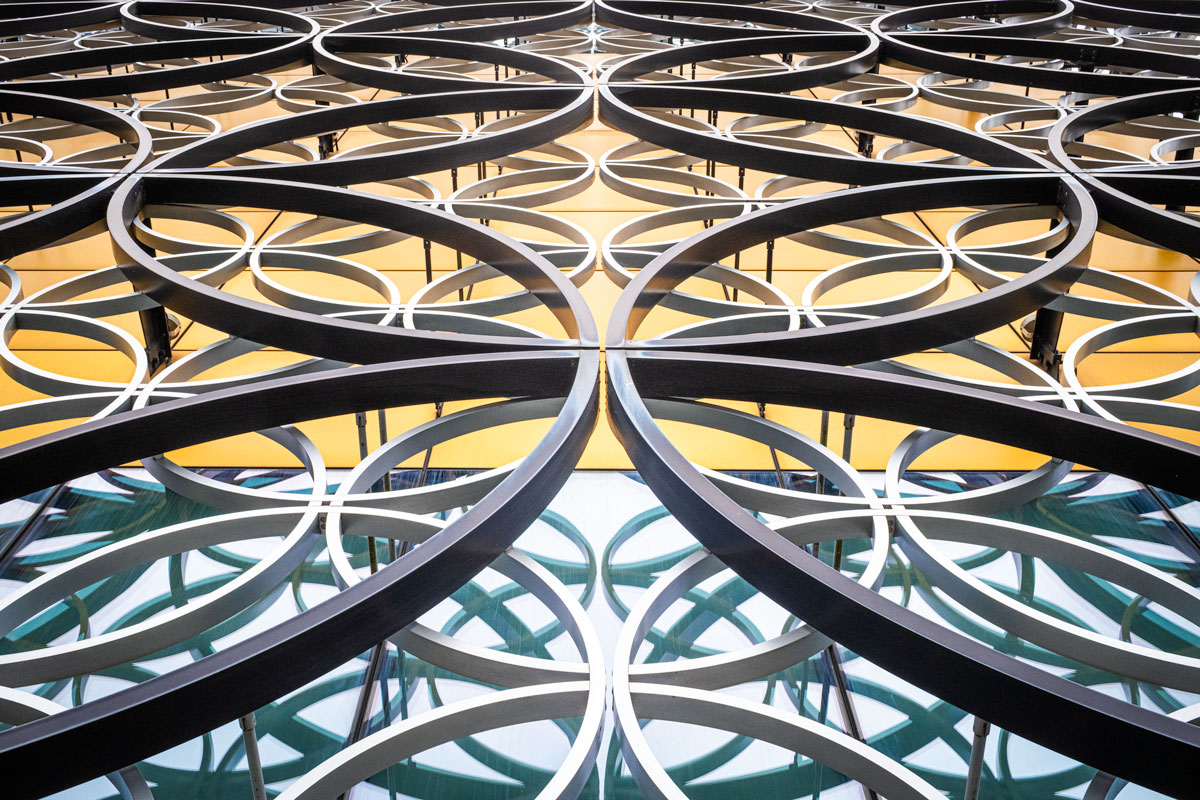
I had been feeling a little jaded and in need of some new inspiration for my photography. To spark a fresh way of seeing, I decided to give myself a challenge: to photograph the Library of Birmingham without showing any books. It sounded simple, but it pushed me to look at the building differently and find views that have not already been captured a thousand times.
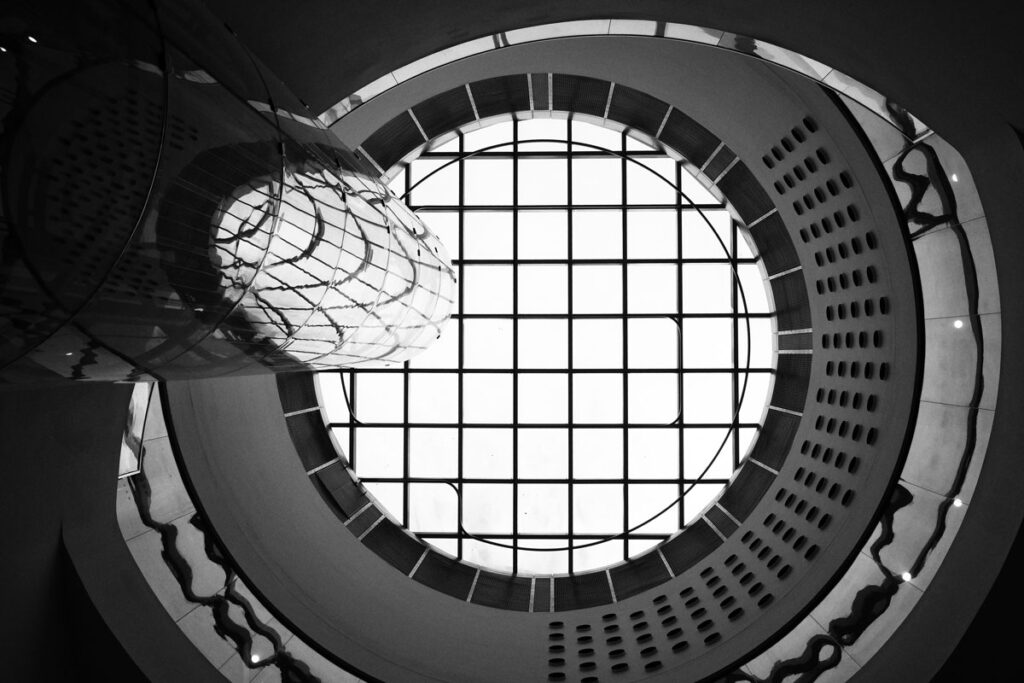
The Library of Birmingham never fails to surprise me. Its striking architecture, spacious interiors, futuristic escalators and sweeping balconies all have a story to tell. Although it is, of course, a library filled with books, I wanted to focus on its atmosphere and design rather than what sits on the shelves.
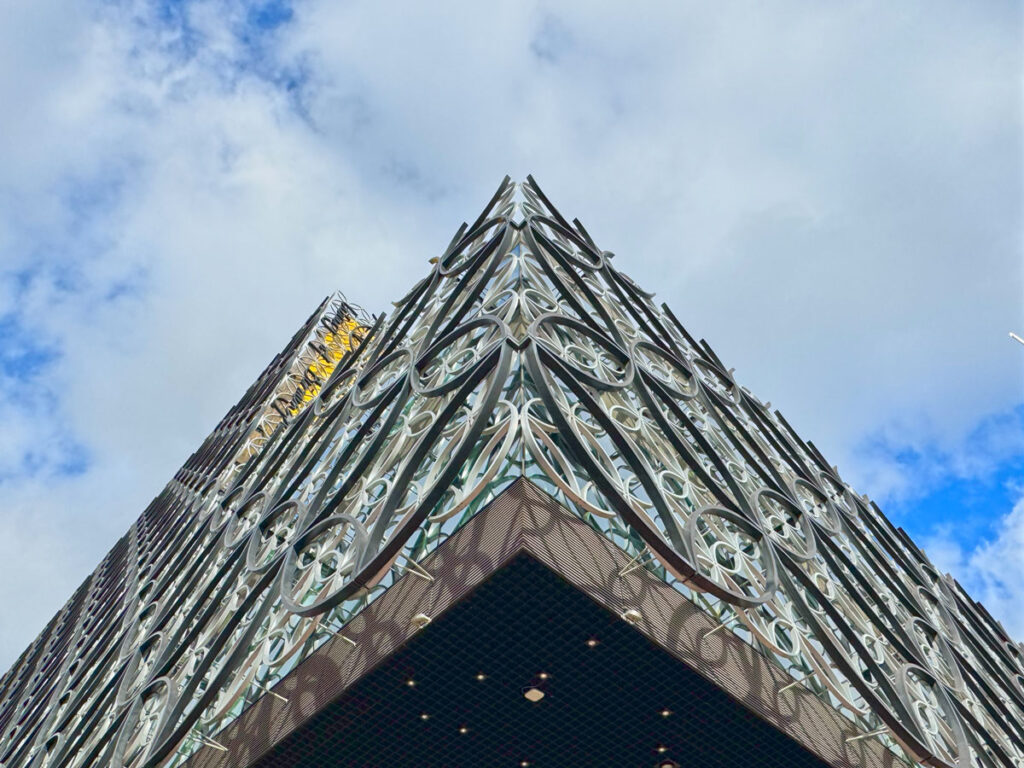
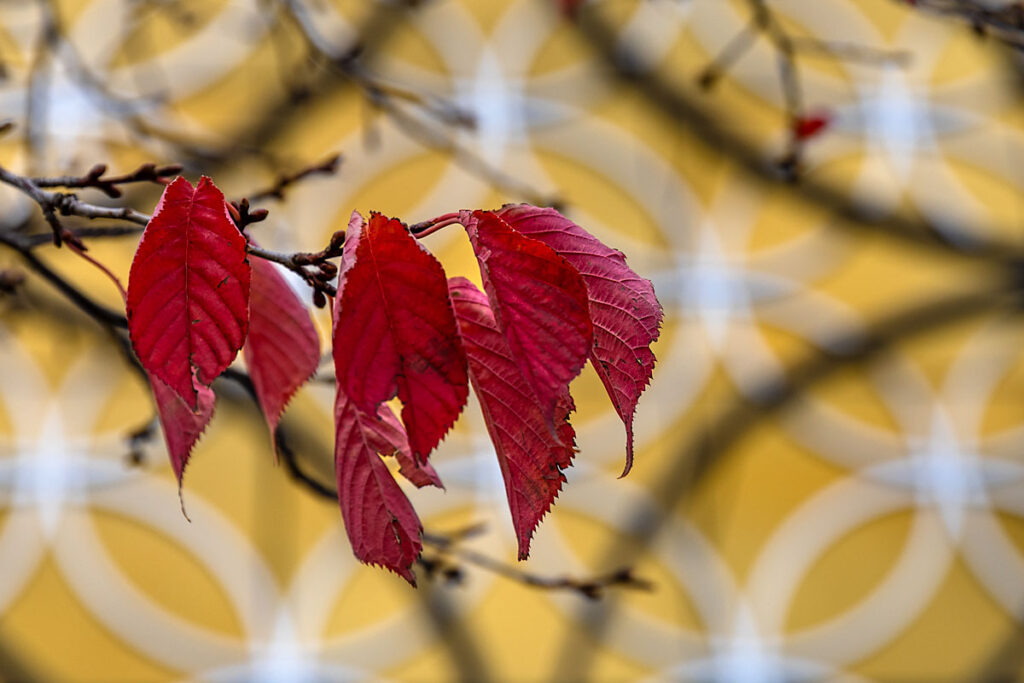
Autumn had arrived and the leaves on the trees were a deep contrasting red colour. The outside gardens are a peaceful place to visit. Visitors to the library enjoy finding quiet spots to reflect and relax from the busy City below.
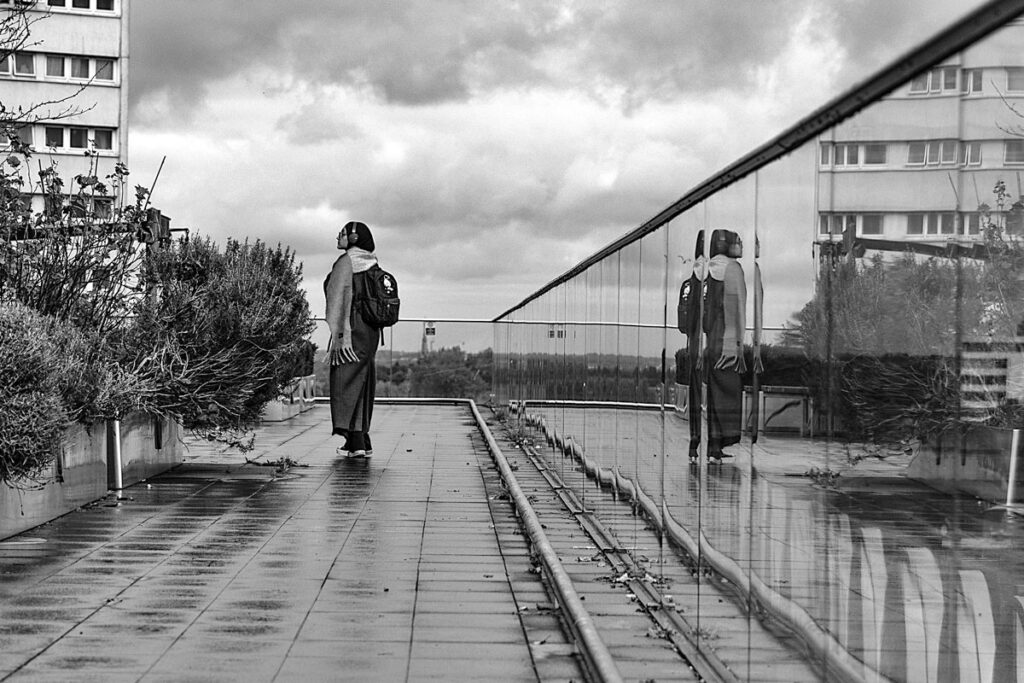
For this project, I used three cameras: my Canon 5D Mark IV, my Fujifilm X100VI, and my iPhone. Each one encouraged a different way of seeing. The Canon, with its wide-angle lens, delivered crisp and detailed shots. The Fujifilm, which has a fixed 50 mm lens, performed beautifully in the softer light but required a slower, more considered approach. The iPhone proved surprisingly powerful when capturing reflections, as its lens can be placed right up against a surface to create playful and unexpected effects.
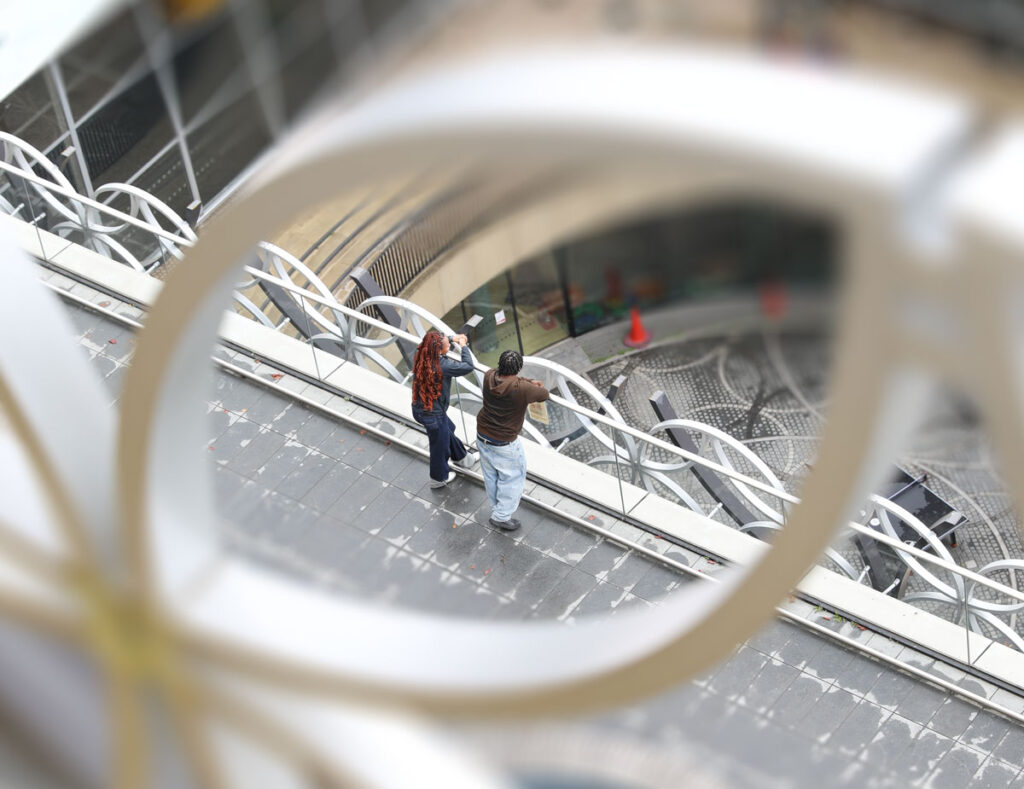
This collection of photographs shares what I discovered on that visit. It is my attempt to show the Library of Birmingham from a new angle and to remind myself that inspiration often appears when you look at familiar places in unfamiliar ways.
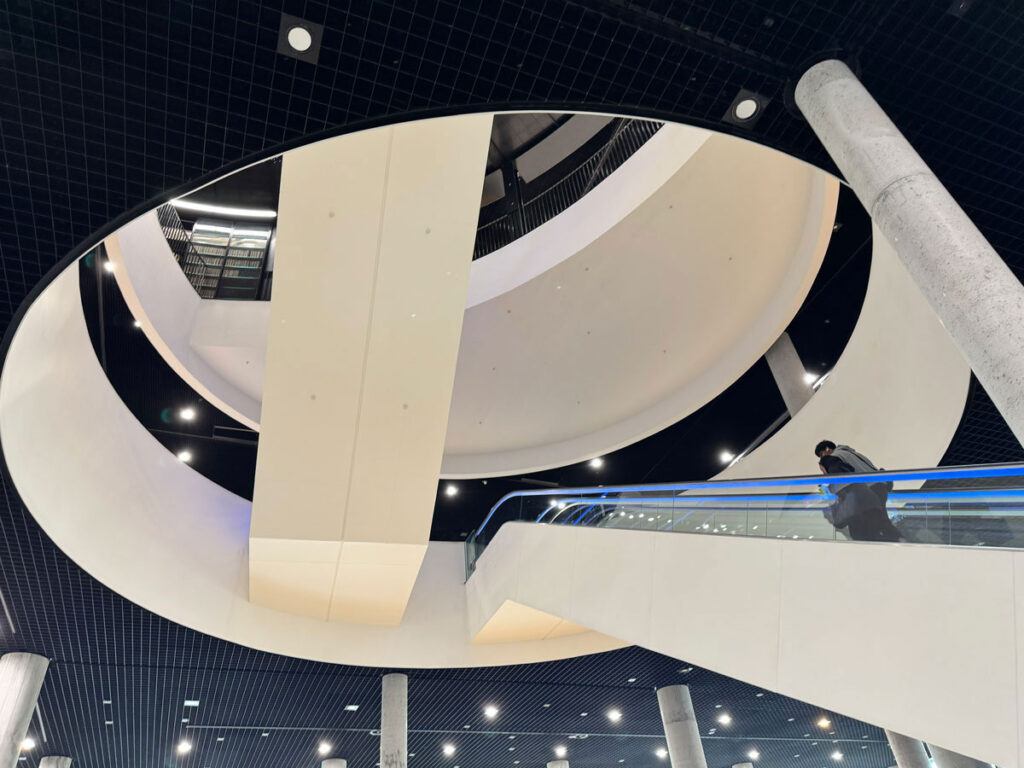
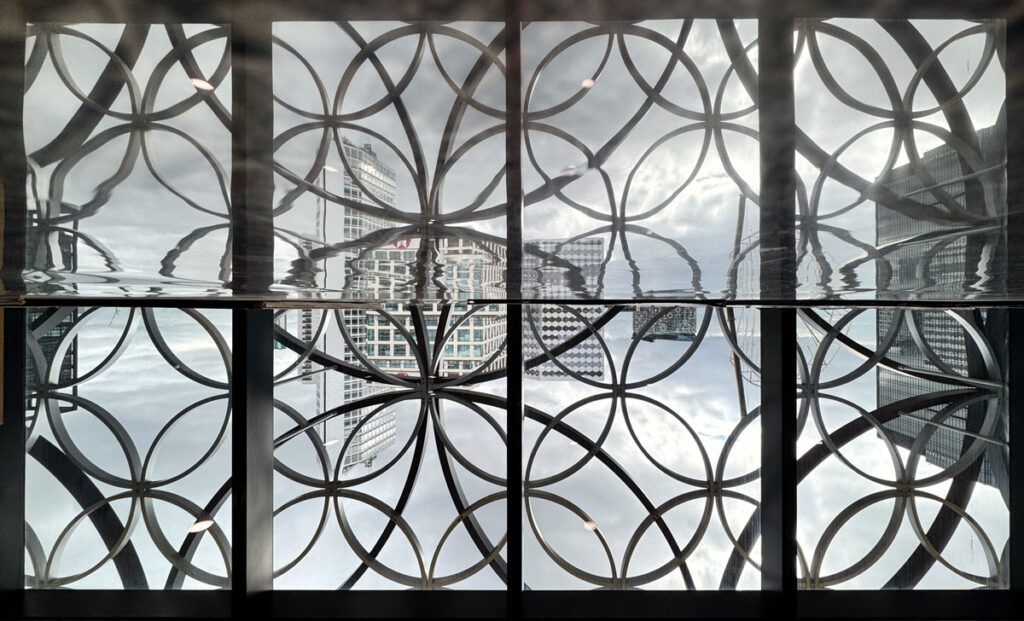
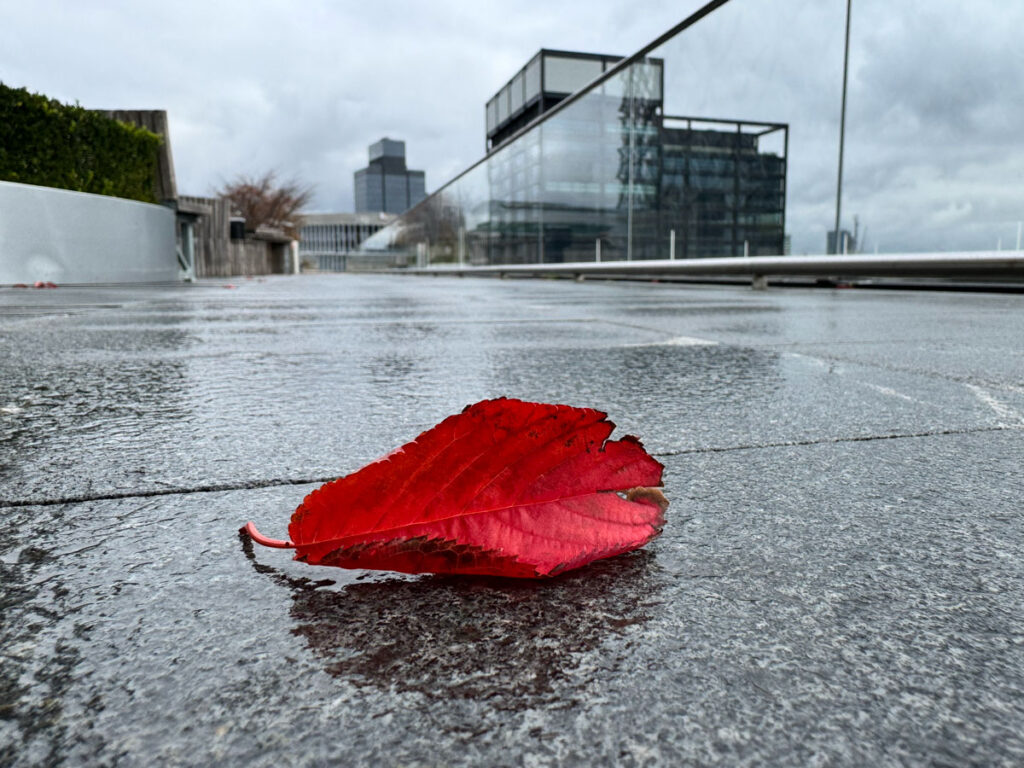
This is not the first time that I have photographed the library and you may well enjoy this earlier account. Be warned a few library books creep into the pictures.
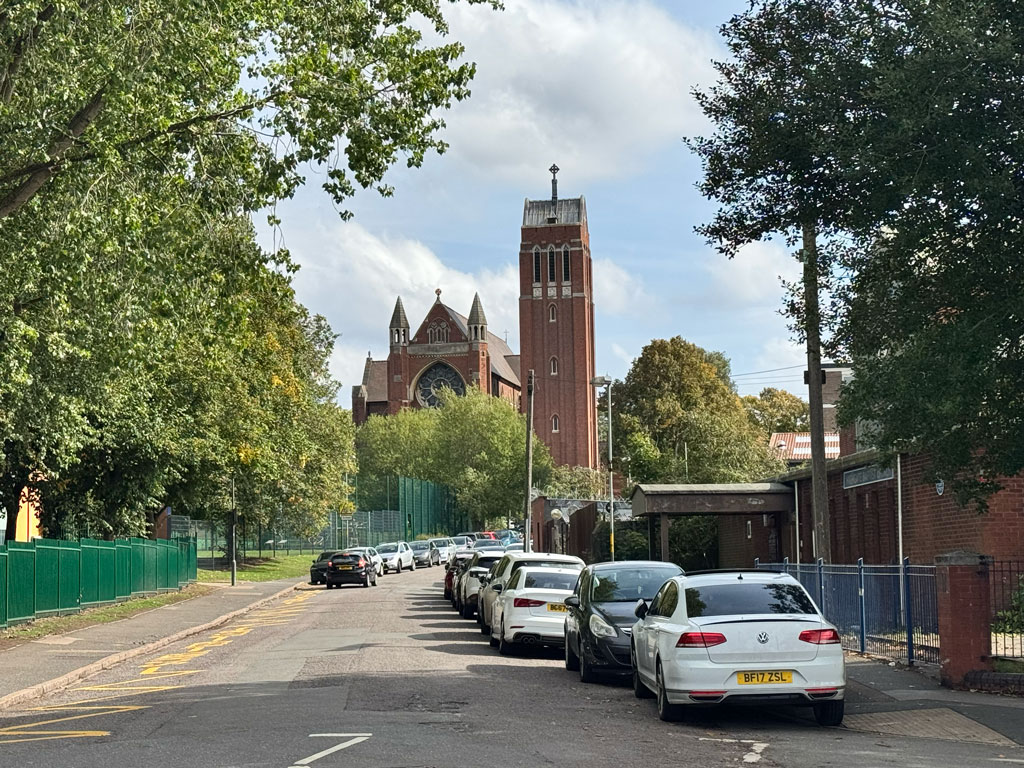
St Alban the Martyr Church is situated in Highgate, Birmingham. To get there, I took the No. 35 bus and then walked up the hill towards the church. Birmingham Heritage Week is a highlight of September, offering Birmingham residents the chance to visit places that are normally closed to the public or venues that many may not have considered visiting. The Church of St Alban the Martyr falls into the latter category. Anyone travelling into Birmingham will likely have seen its bell tower, which commands an impressive presence on the approach to the city.


.

.
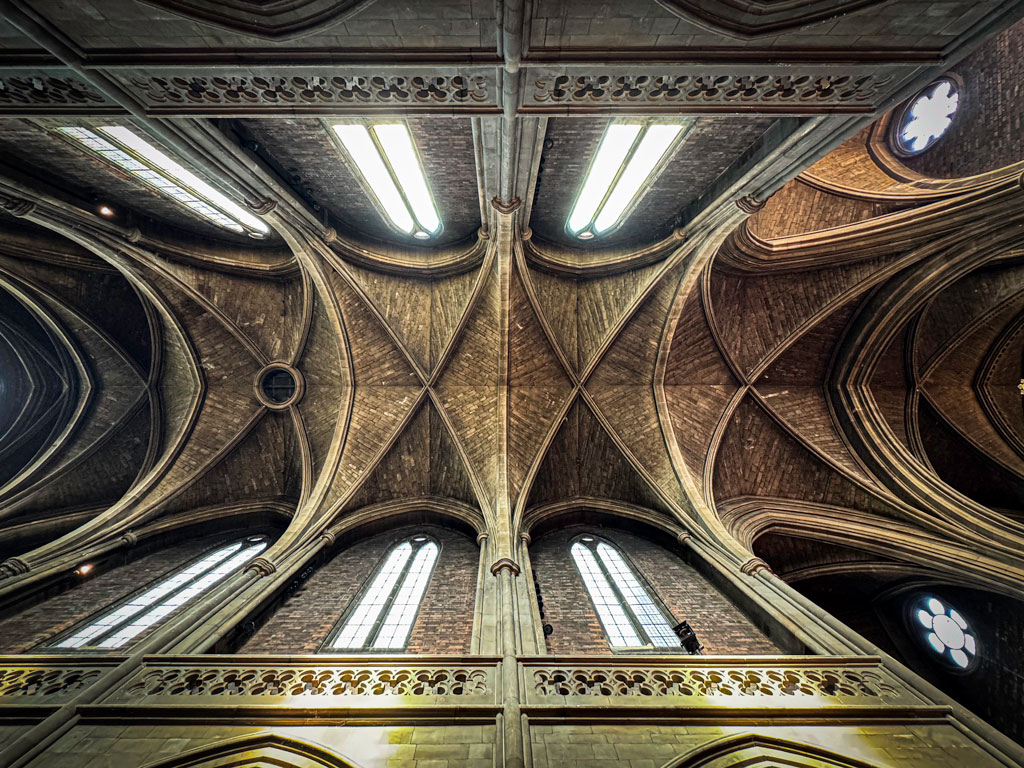
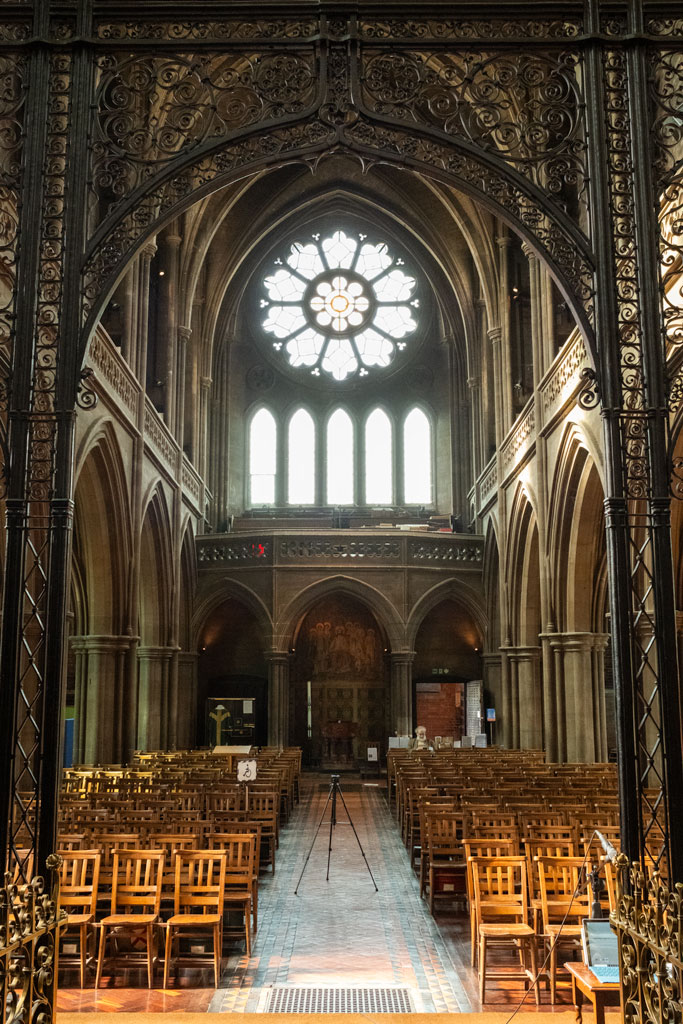
This church had been on my list to visit as part of Birmingham Heritage Week. The doors opened for the event, and I visited on a sunny Friday afternoon. On entering, one cannot fail to be struck by the interior architecture. The high stone-vaulted ceiling was designed by J. L. Pearson, a leading 19th-century Gothic architect who also designed Truro Cathedral. Tall stone pillars rise to support the vault, creating a repeating symmetrical pattern. The ceiling is just one of the many highlights of a church rich in treasures. Even the arrangement of chairs echoes the symmetry above, reinforcing the beauty of the space. I was the only visitor at the time, free to savour the majesty of this Gothic design and to take uninterrupted photographs. The play of light through the windows and the soaring ceiling were especially captivating. Adding to the atmosphere, the church was filled with uplifting music. The organist, David Briggs, was once the organist at the church, and now, lives in New York, where he is Artist in Residence at the Cathedral of St John the Divine. He had just dropped in to practise on the church organ, on his way to Germany to give a recital. I was so fortunate to hear him play whilst I was taking photographs of the church.

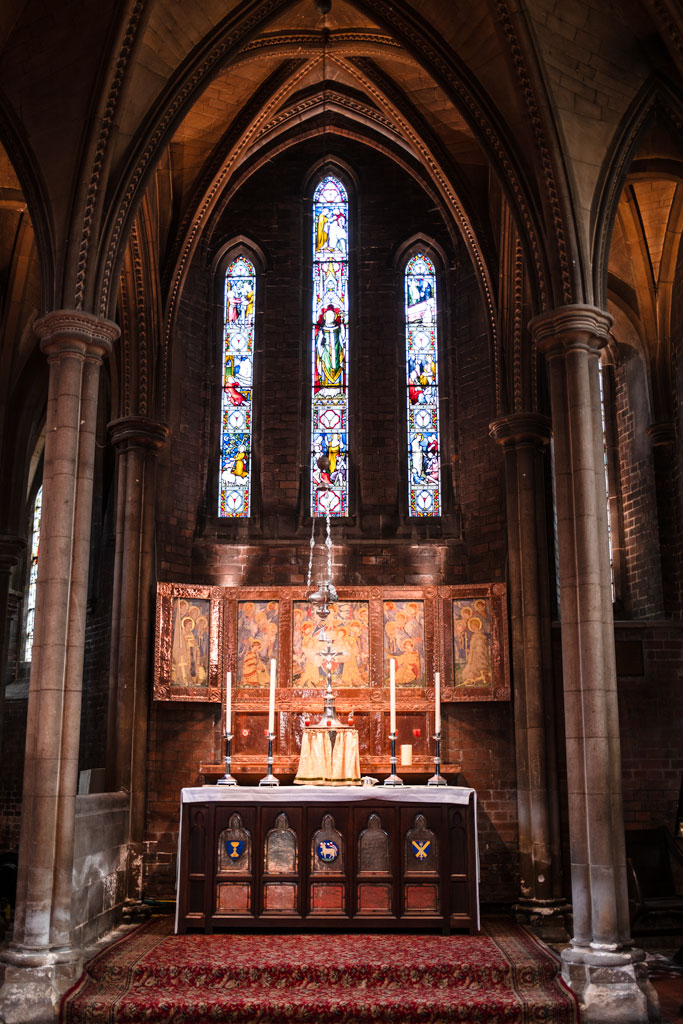
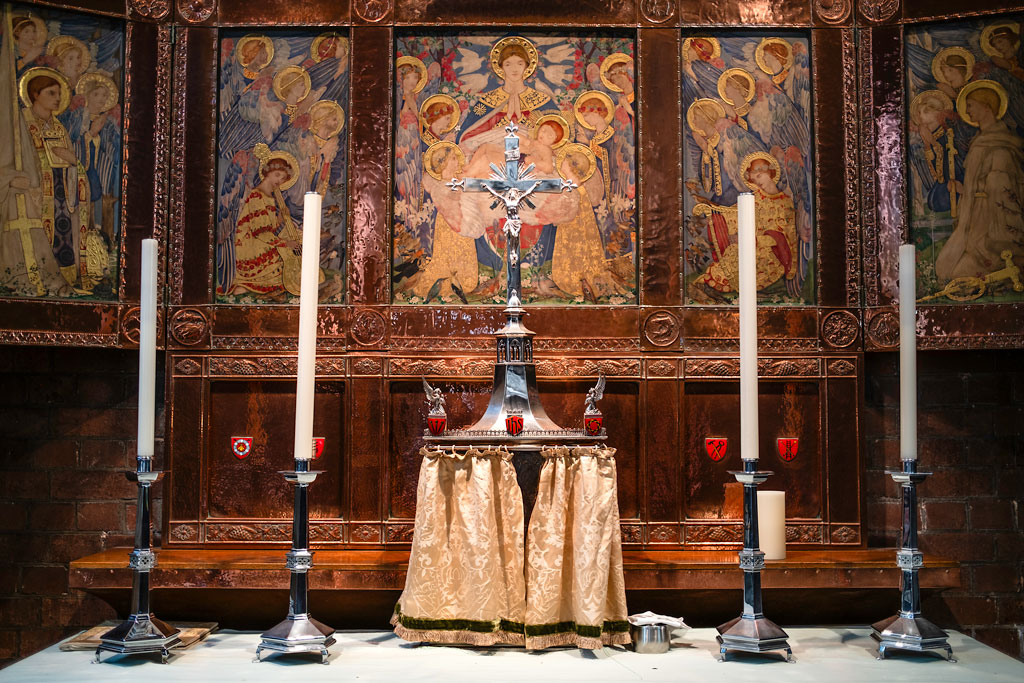
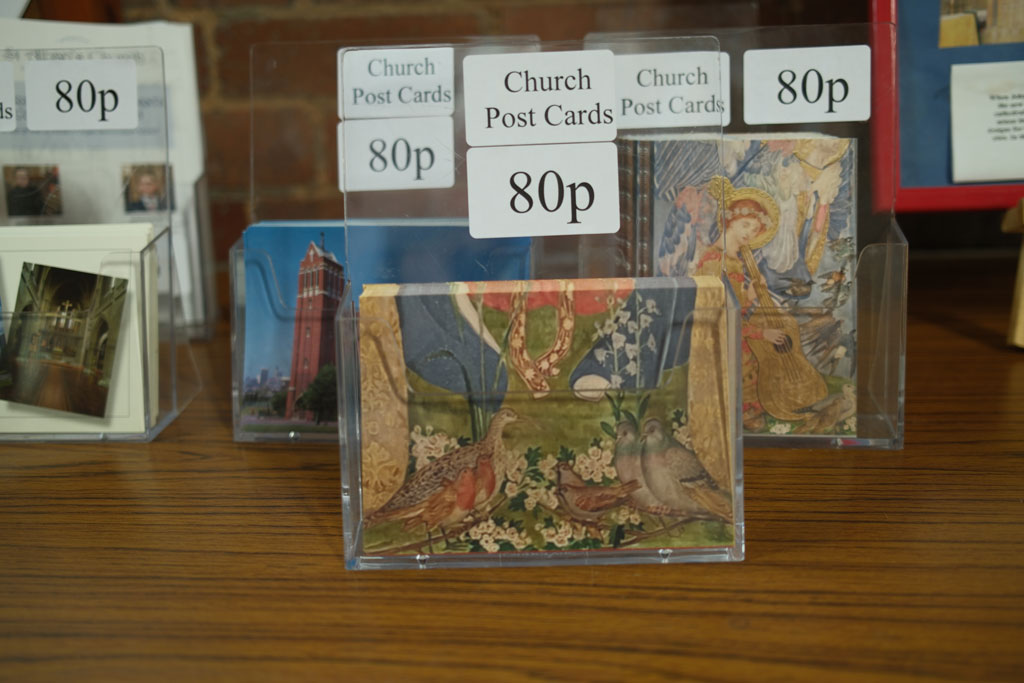
One of the highlights is St Patrick’s Chapel. The altar is striking, and the surrounding artwork is outstanding. Sisters Kate and Myra Bunce, associated with the Arts and Crafts movement at the turn of the 20th century, created the Bunce Altarpiece (or Reredos) that dominates the chapel. The artwork, painted by Kate Bunce, takes the form of a triptych depicting Christ, angels, and the Virgin Mary. The beaten copper frame was designed and made by Myra Bunce. I found myself drawn to this historic piece, which is now a treasured part of St Alban the Martyr Church.
The church community was warm and welcoming. Teas and coffees were served, questions were readily answered, and photography was encouraged. St Alban’s contribution to Birmingham Heritage Week is both valuable and memorable: rich with community history and enhanced by its remarkable architecture and artwork. This should be high on everyone’s list to visit during the Heritage week.

Details
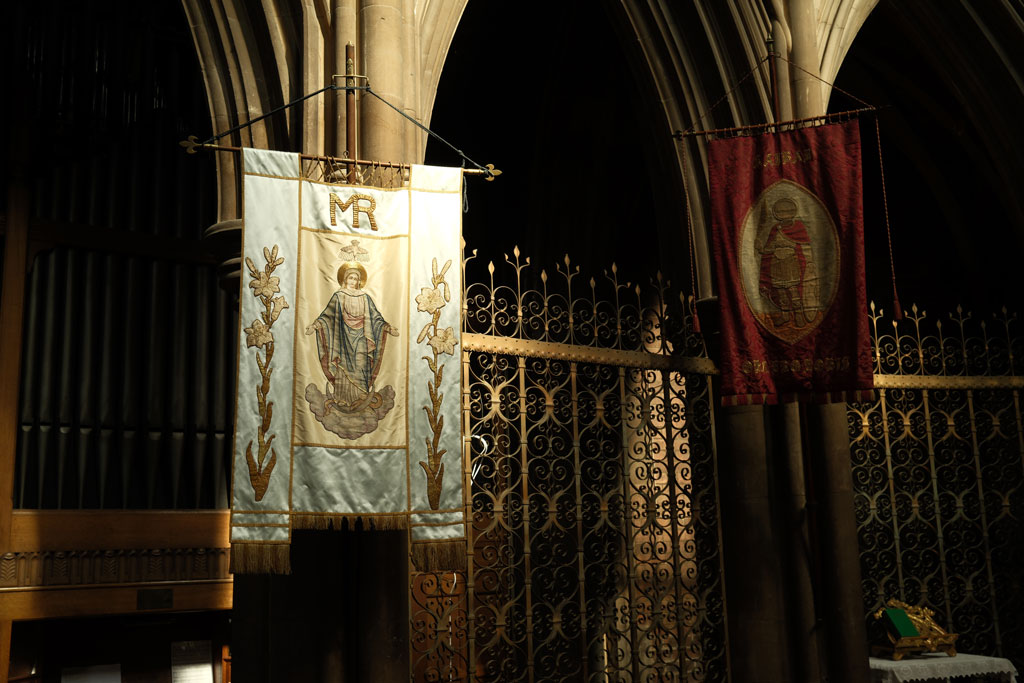
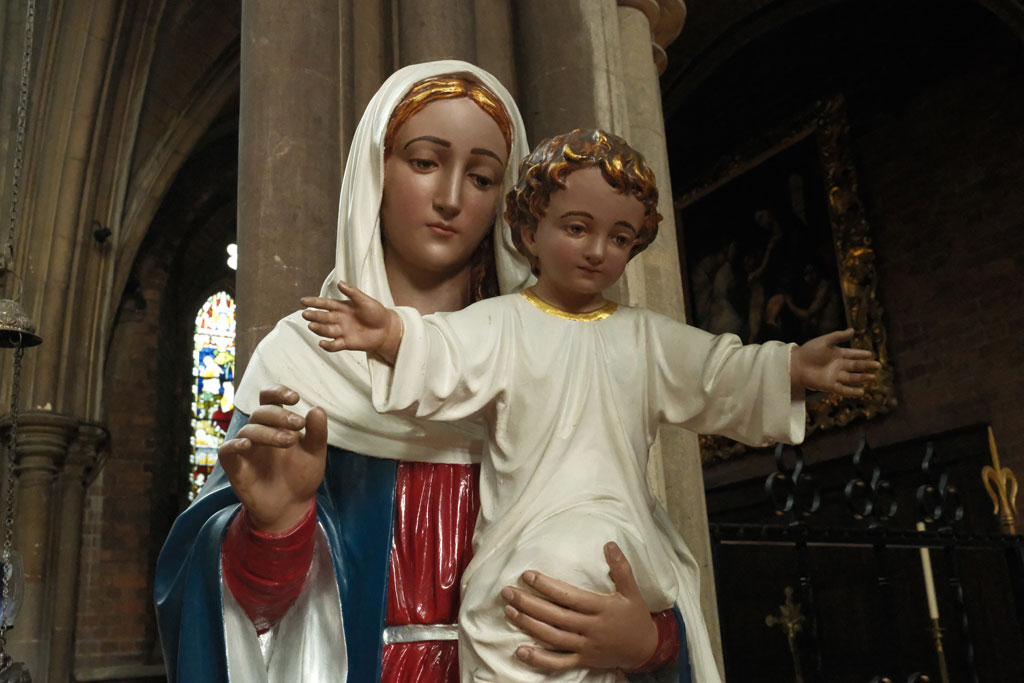
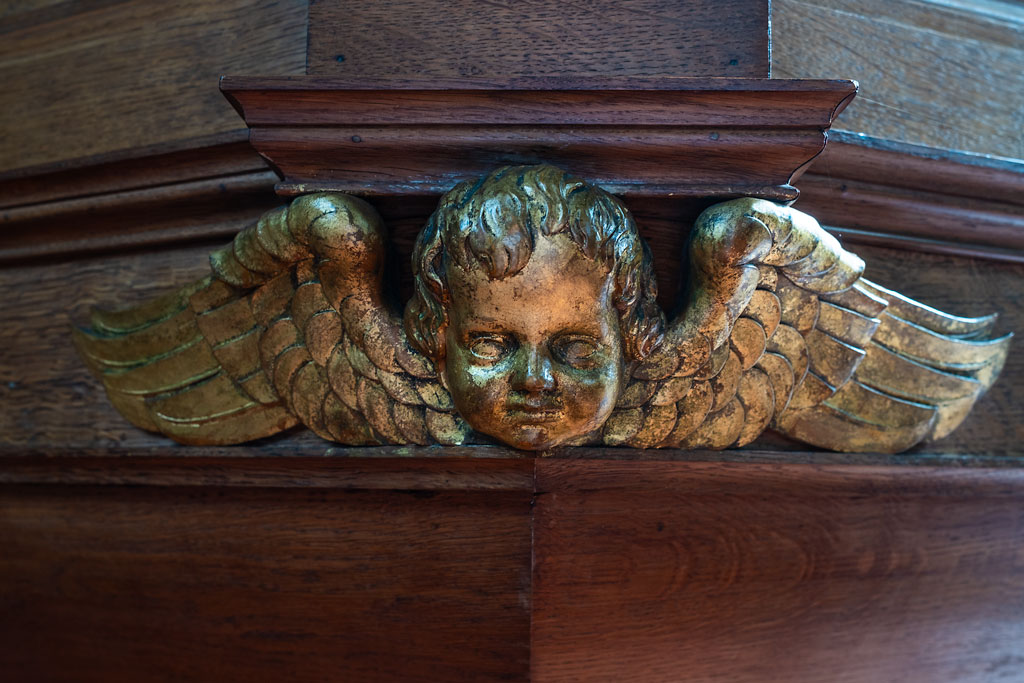
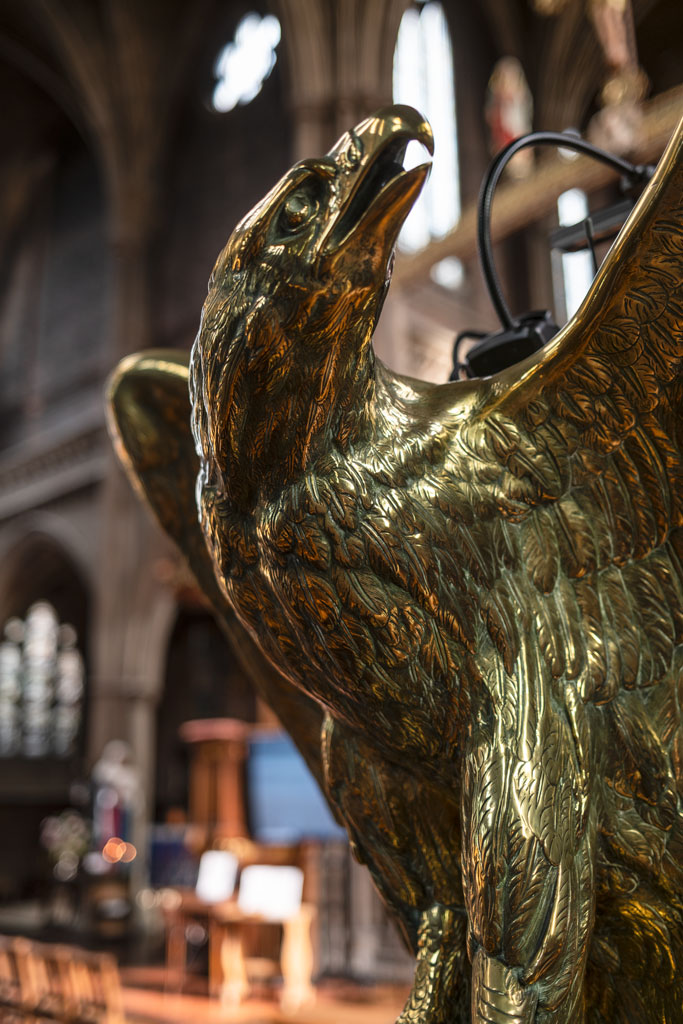
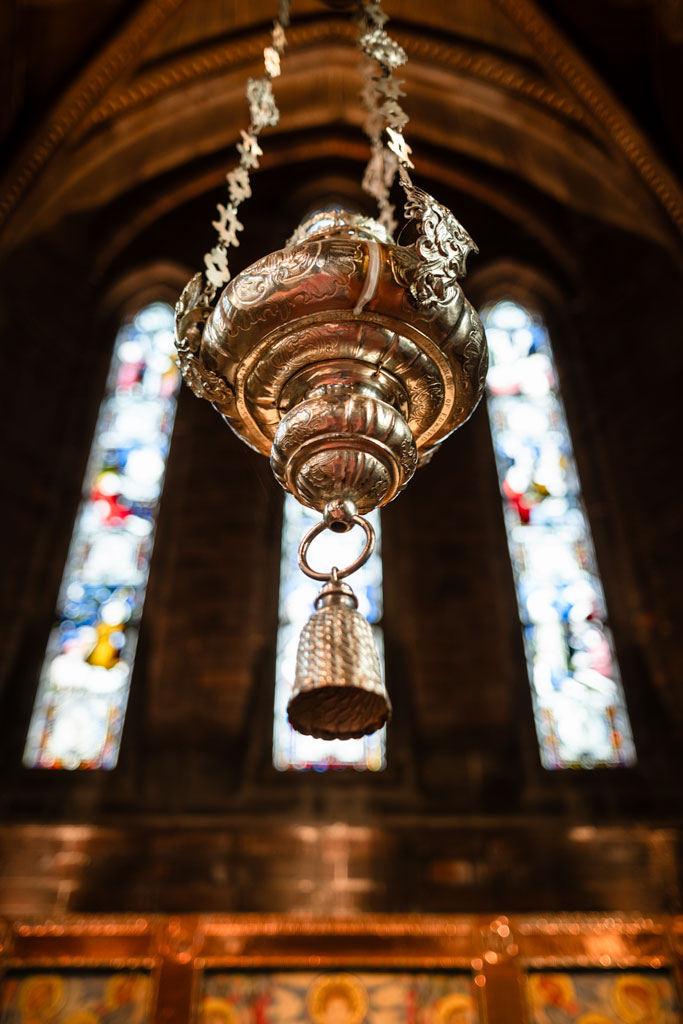
The following are a selection of details that I photographed from around the church. I hope, like me, you find them interesting.

This is one of several churches that I have visited during the Birmingham Heritage Open Week. I include my visit to the Serbian Church of the Holy Prince Lazer for your interest. I also include a link to Birmingham Heritage Week 2025.
Birmingham Heritage Week always reveals intriguing places to explore. Each year, the programme goes live at the end of summer, and tickets for the most popular destinations are quickly snapped up. For this year’s Birmingham Heritage week, I set my sights on two churches I had not previously visited, along with a guided walk in Birmingham.
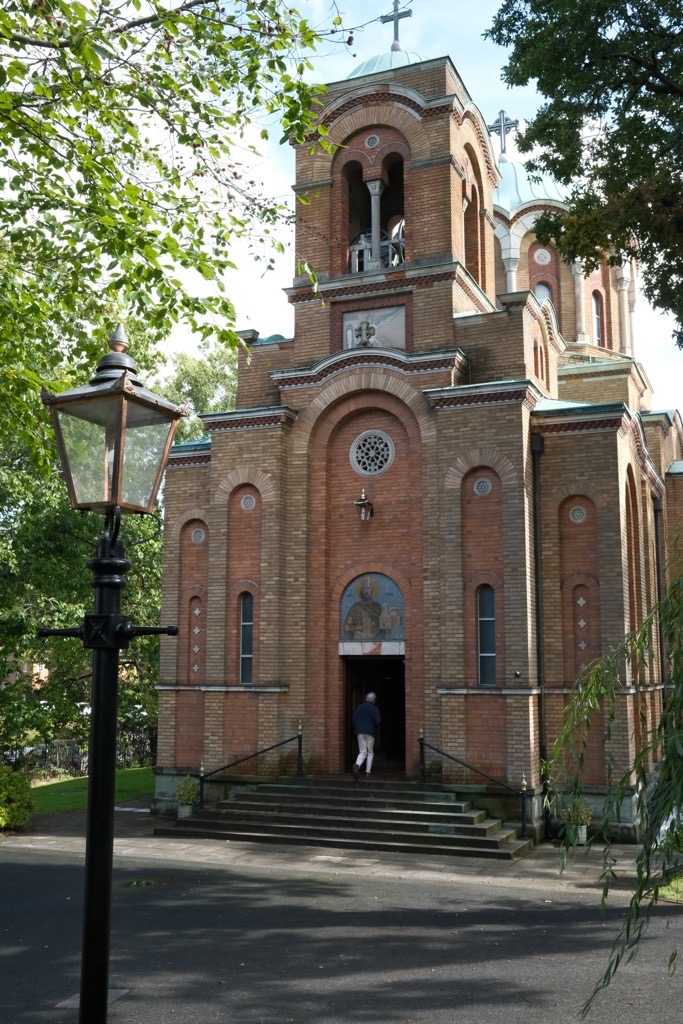
The first of these visits took me to the Serbian Church of the Holy Prince Lazar, a striking Orthodox church situated in Bournville. Renowned for its ornate ceilings and rich decoration, the church stands proudly on a hill overlooking the area. Arriving from Bristol Road, via the number 61 bus, I made the short walk uphill to the gates, where I was warmly welcomed by a member of the congregation.
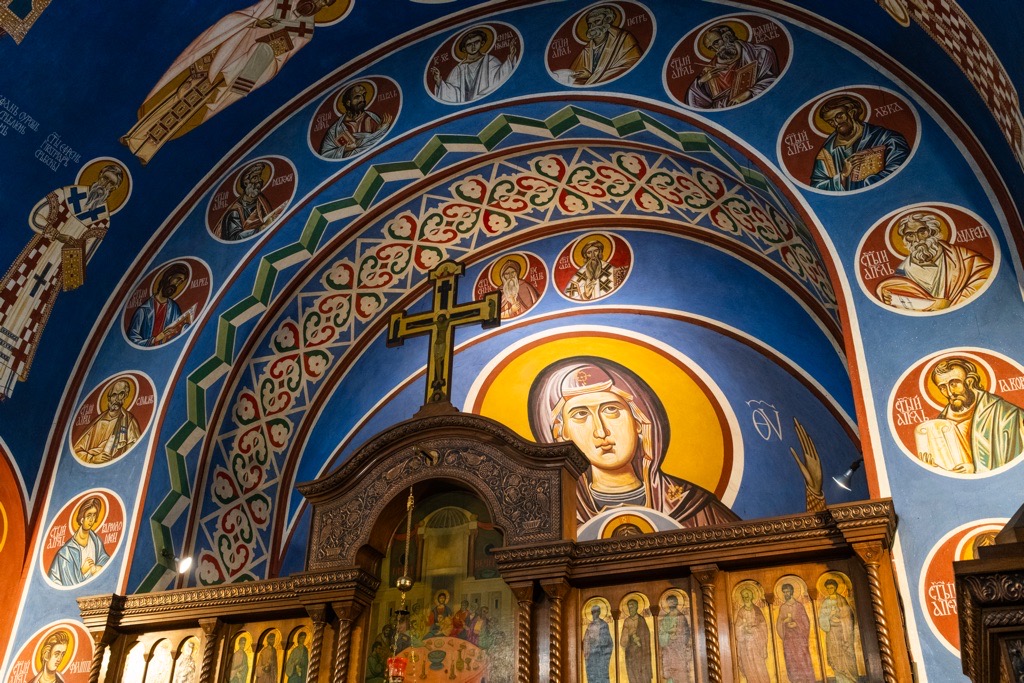
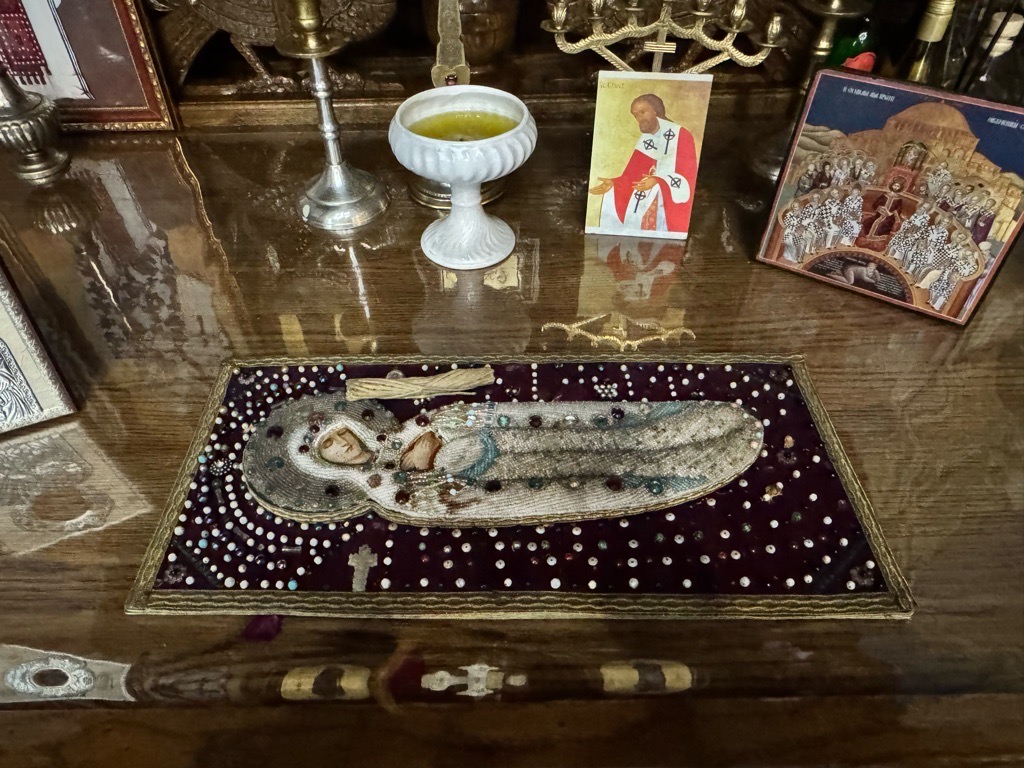
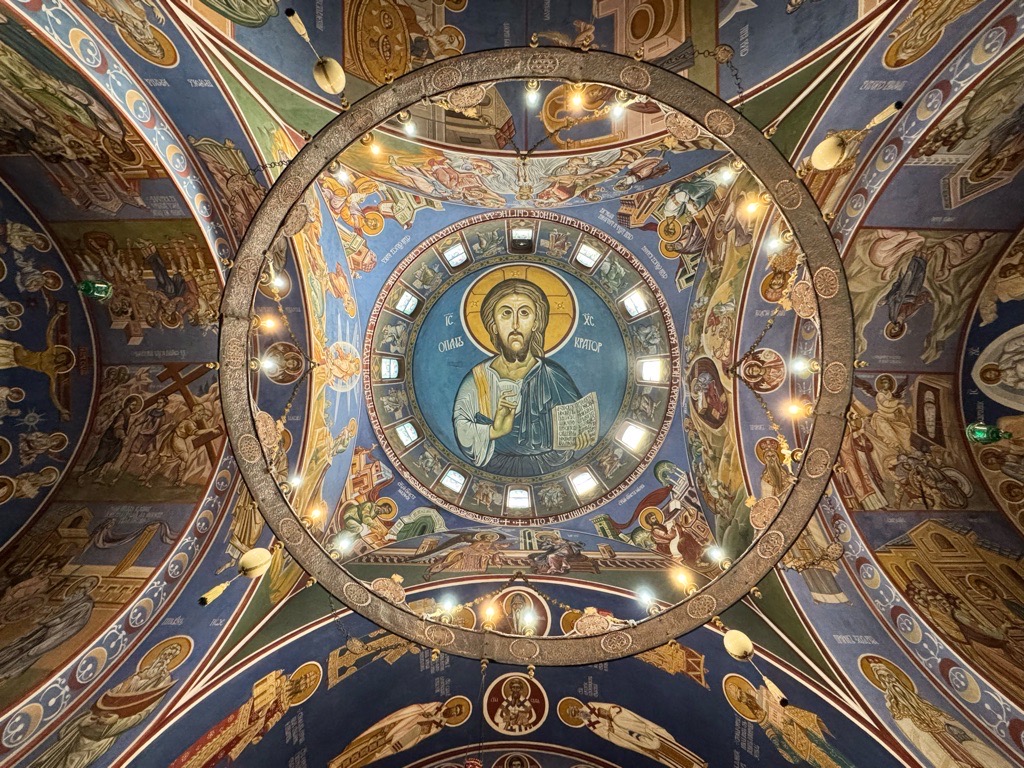
Stepping inside, the splendour of the Byzantine design is immediately apparent. The ceiling is dominated by a powerful image of Christ, while the dome above the altar features a serene depiction of Mary. Stone pillars draw the eye across the space, emphasising the church’s harmonious proportions.
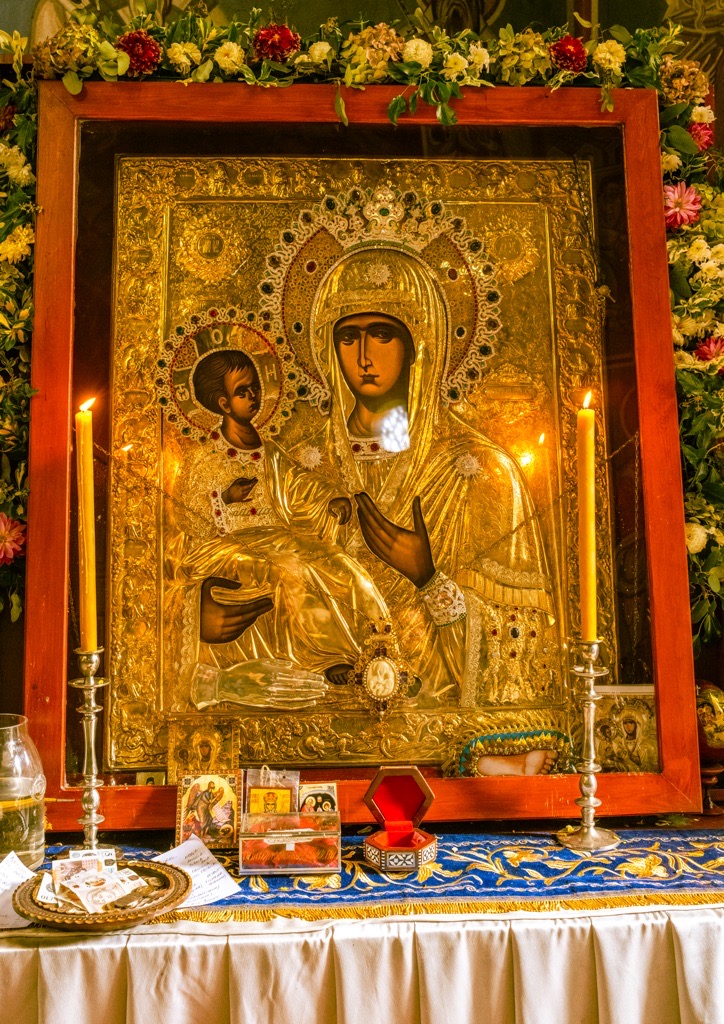

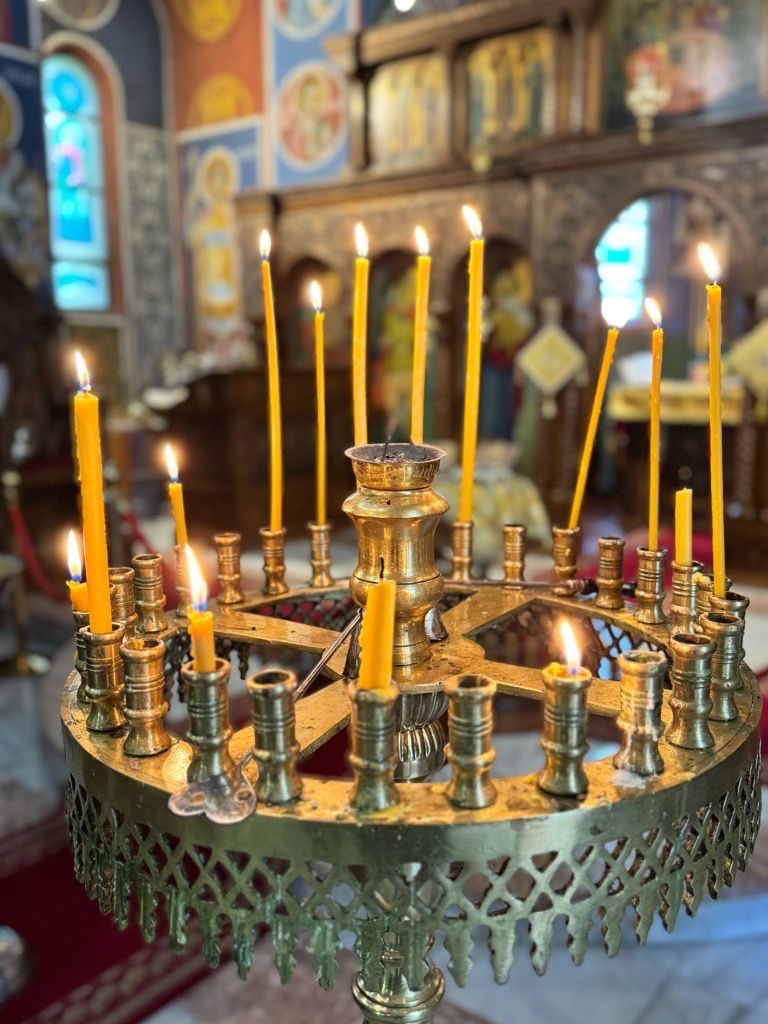
Unlike many Western churches, the Serbian Church has few seats. This open design is characteristic of Orthodox worship and allows visitors to move freely around. I spent much time admiring the icons and intricate details on the walls. The murals are painted in fresco, a technique where pigment is applied directly onto wet plaster, creating luminous images that glow in the light. I found myself mesmerised, pausing often to steady my concentration so that my photographs might capture even a fraction of the beauty that was before me.
The exterior holds equal charm. In the gardens, a golden crucifix stands proudly, while the church’s architectural form blends gracefully with its leafy surroundings. Time was against me, and with the church busy that day, I was unable to explore or photograph the adjacent hall—an omission I intend to rectify on a future visit.

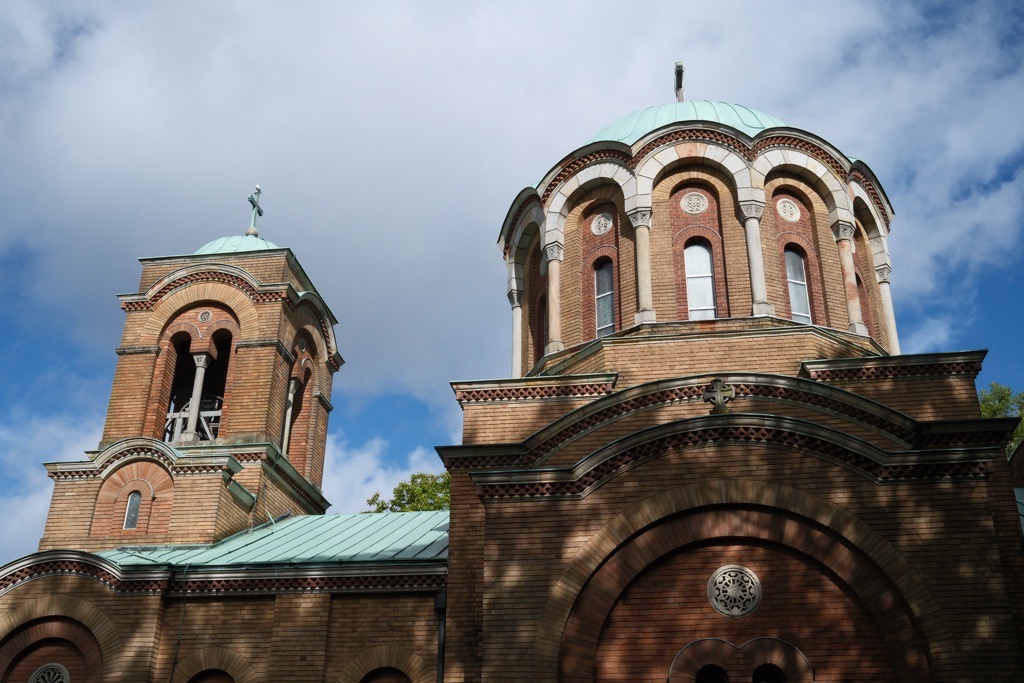
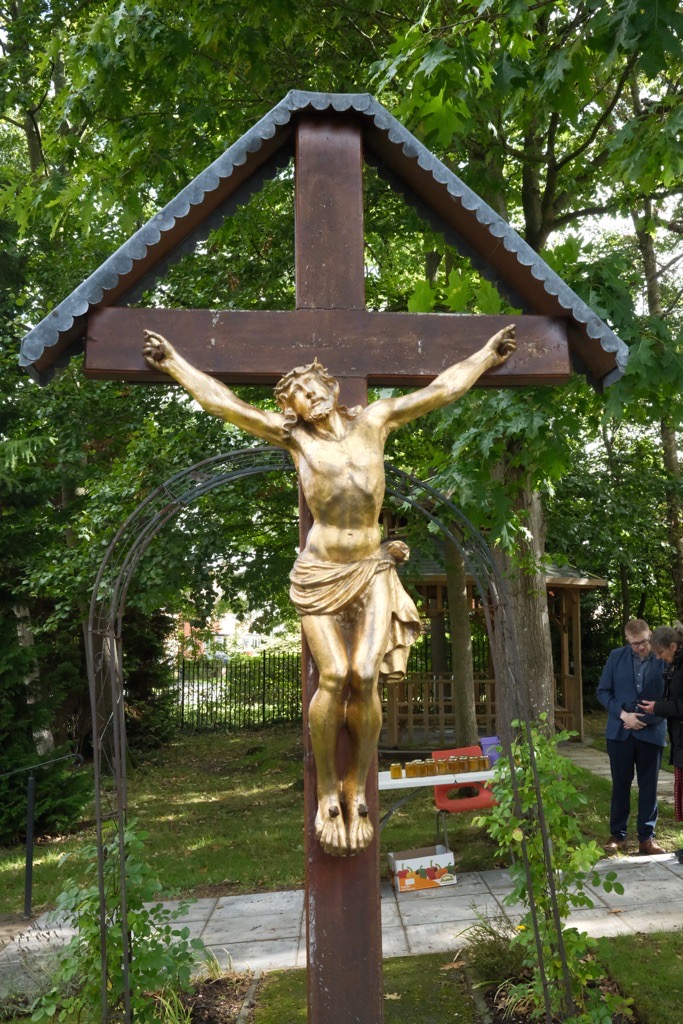
The Serbian Church of the Holy Prince Lazar is a landmark building and a must see place on the Birmingham Heritage week schedule. The church rewards not only the photographer but also anyone with an interest in history, faith, or art. For those wishing to learn more, the church maintains a comprehensive website offering detailed background on its story and traditions. My own visit left a lasting impression long after I put down my camera. Enjoy the pictures.

If you enjoyed this blog then please visit my other Birmingham Heritage visits that I have done over the years