
Loading...
Digbeth Canal walk

Meeting at Centrala Space for a Digbeth Canal Walk

PRISM Photography linked up with the Canal and River Trust and organised a Digbeth Canal walk along the towpaths of the Birmingham Canal Navigations. Our guide for the photographic walk was Tom Hicks, of Black Country Type fame. We met at Centrala, which has a canal side location. The group of photographers included a mix of familiar and new faces, and soon there were friendly discussions between us.

Tom Hicks and Black Country Type: A Colourful Presentation

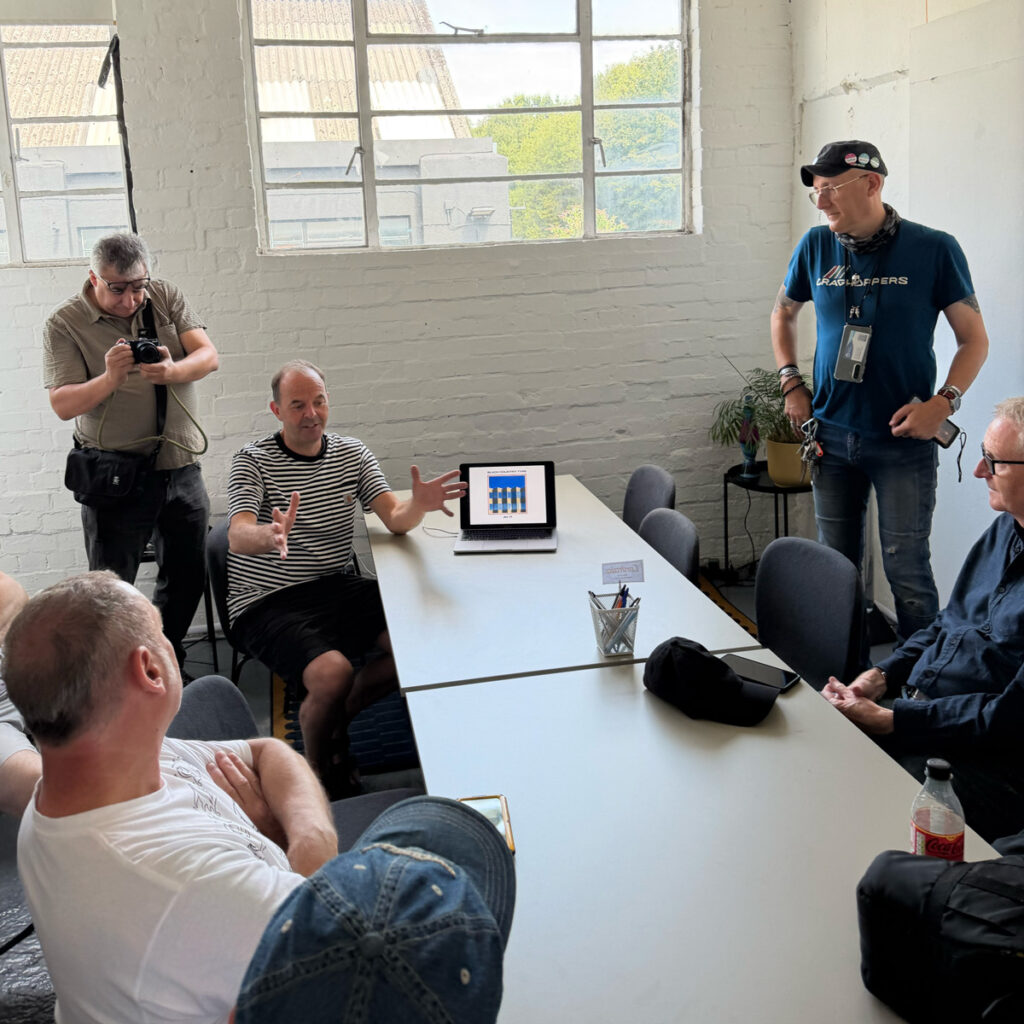
Francesco Falciane from PRISM Photography welcomed us and introduced Nick Cleaver, community engagement officer from the Canal and River Trust West Midlands. Next, Tom Hicks gave us a short presentation about his photographic work with Black Country Type. His pictures are full of colour and display a humorous take on life in the Black Country.
Digbeth Canal walk
Tom Hicks explaining his photographic practice with Nick and Francesco (taking photos) on either side.

Onto the Towpath: Graffiti and Wild Foliage at Bordesley Junction

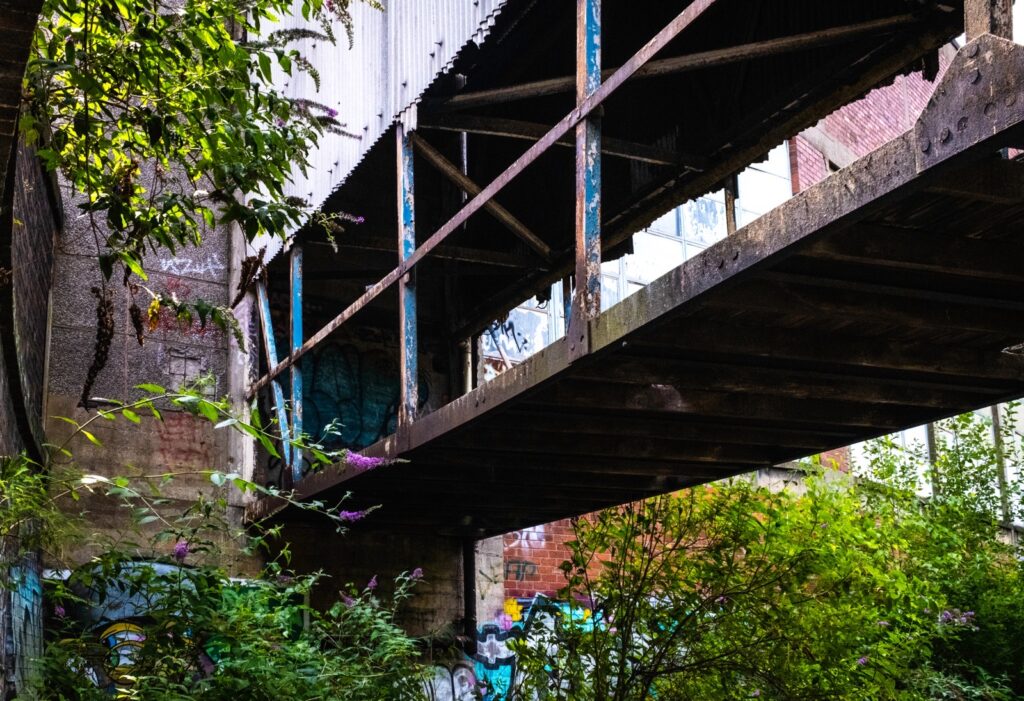
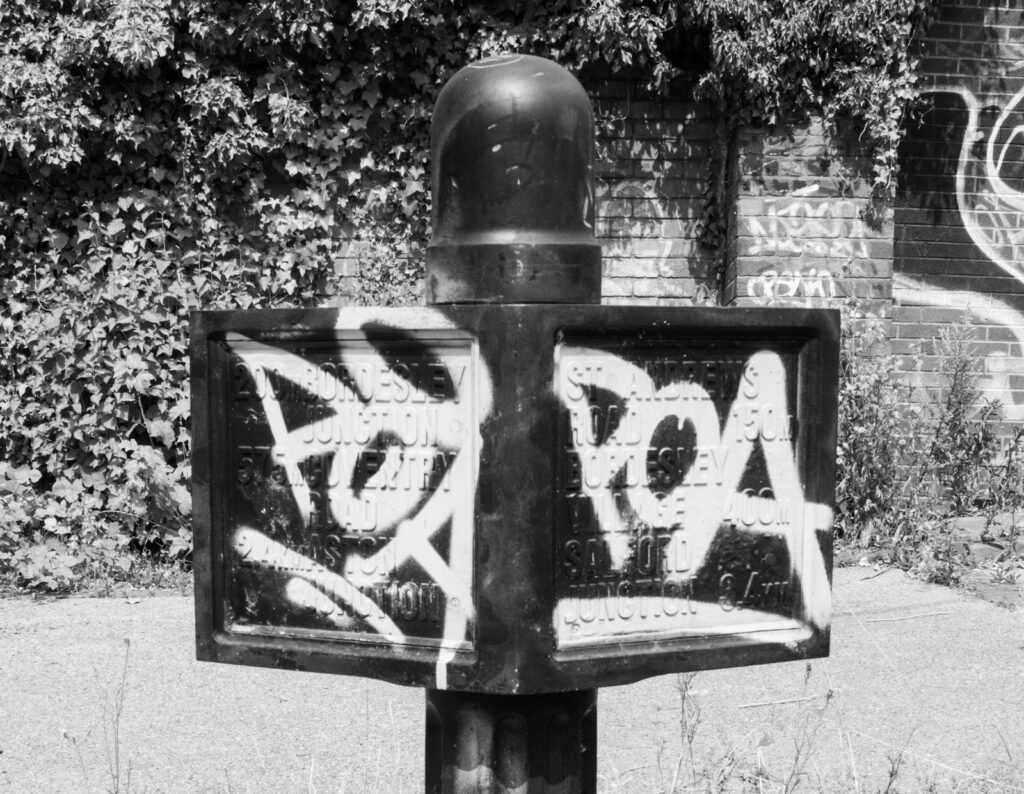
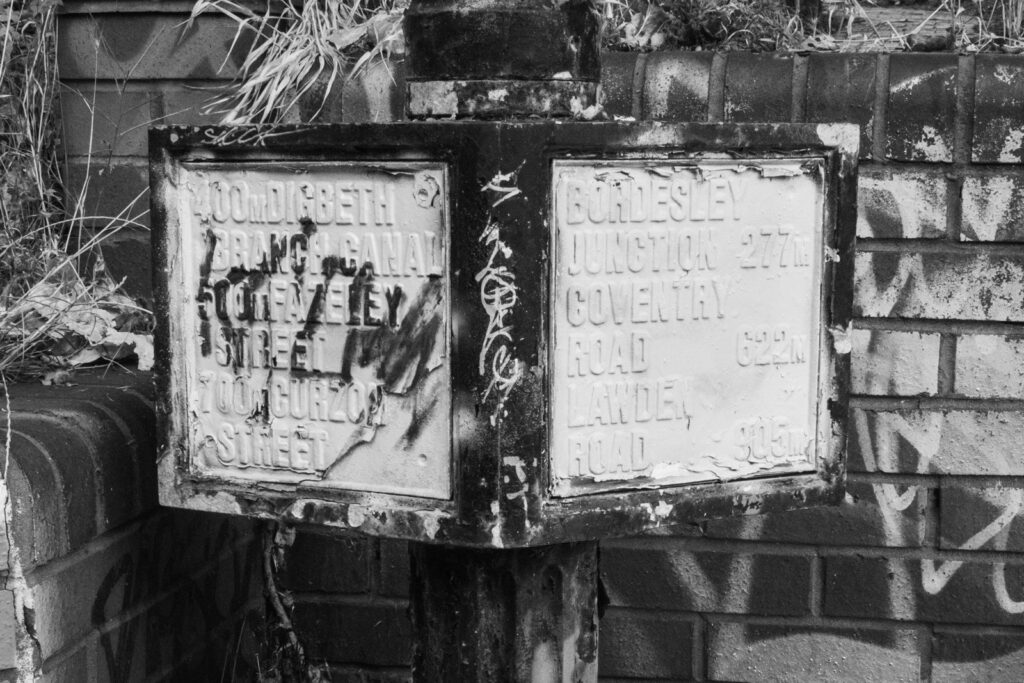
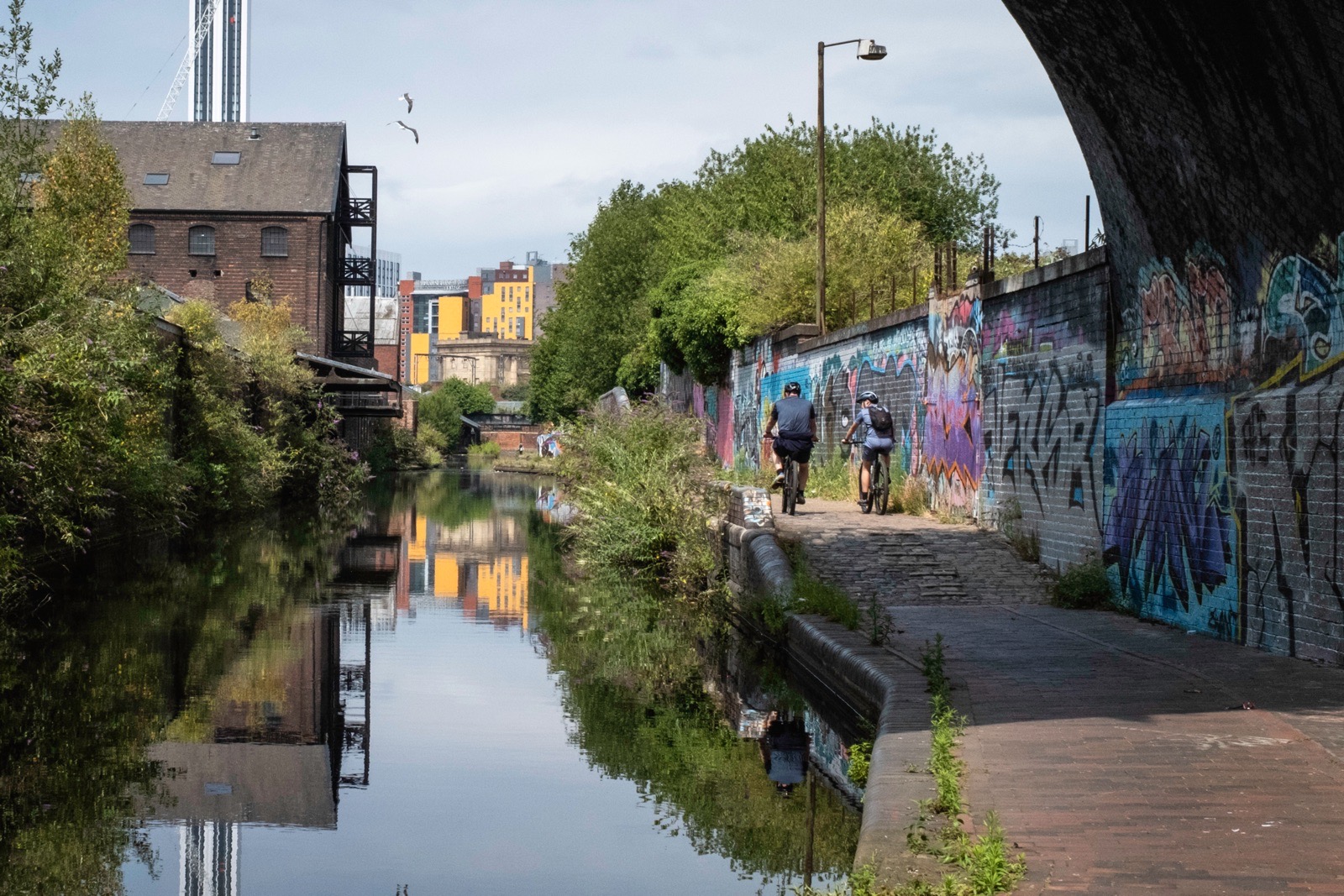
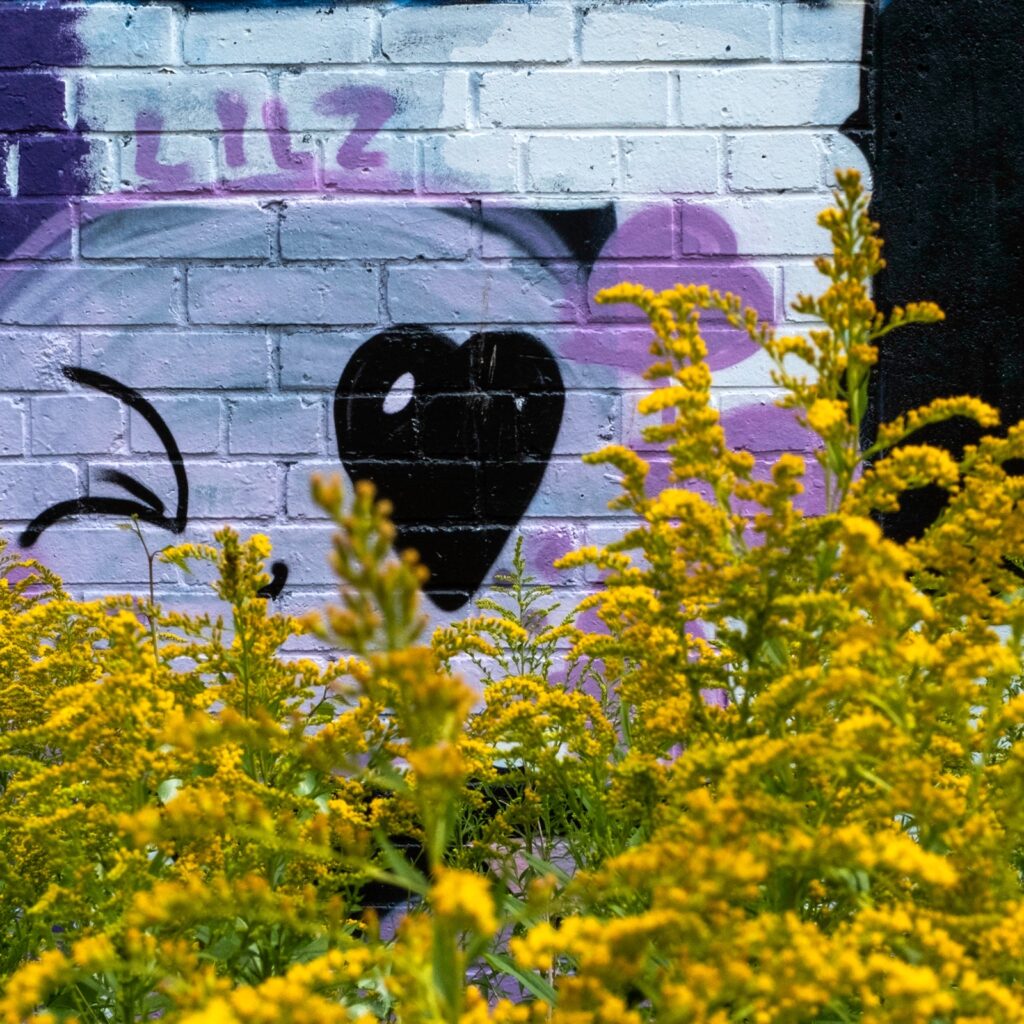
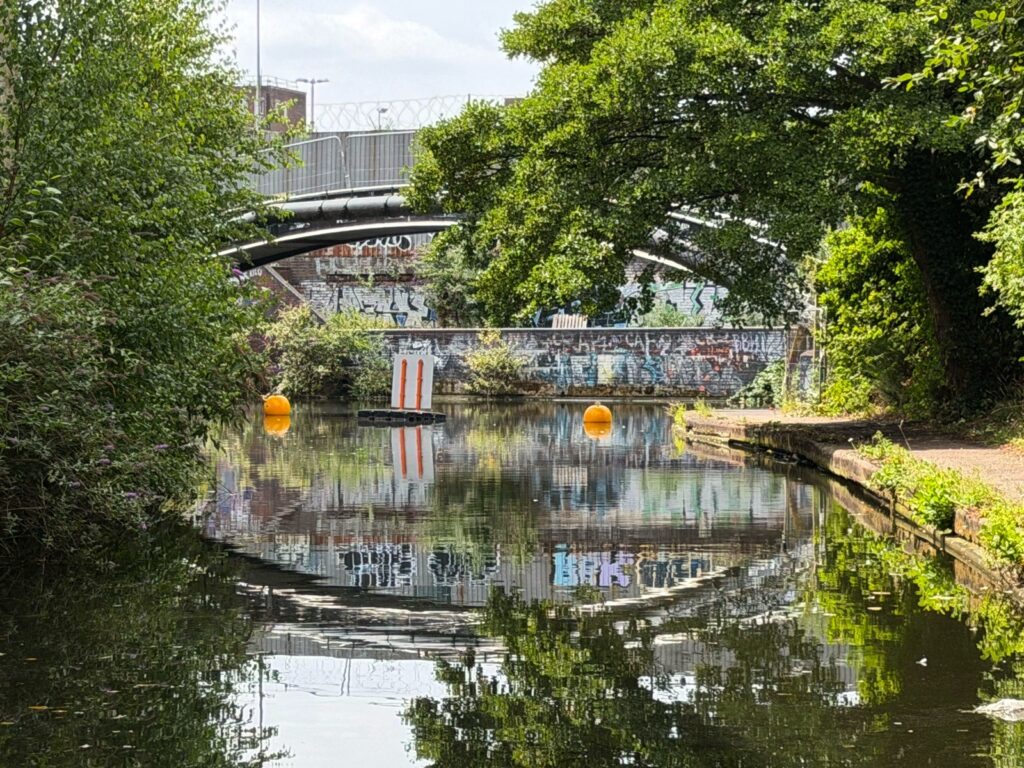
For the start of our Digbeth Canal Walk, Tom and Nick led us onto the canal via Great Barr Street. Immediately we were on the towpath, and the area became quiet, with the busy traffic fading to a low hum. We walked up to Bordesley Junction and explored the area. The walls are covered with bright, colourful graffiti, and the foliage had grown wild, escaping the constraints of the towpath. Old industry dominated the sides of the canal. Broken windows and missing drainpipes reflected its rundown nature.
Digbeth Canal walk
The mix of colours along the walls.
Digbeth Canal walk
Reflections of the canal bridge at Bordsley junction.
Digbeth Canal walk
Remnants of the industrial heritage of the canals.

Rubbish in the Canal: A Conversation with the Canal and River Trust

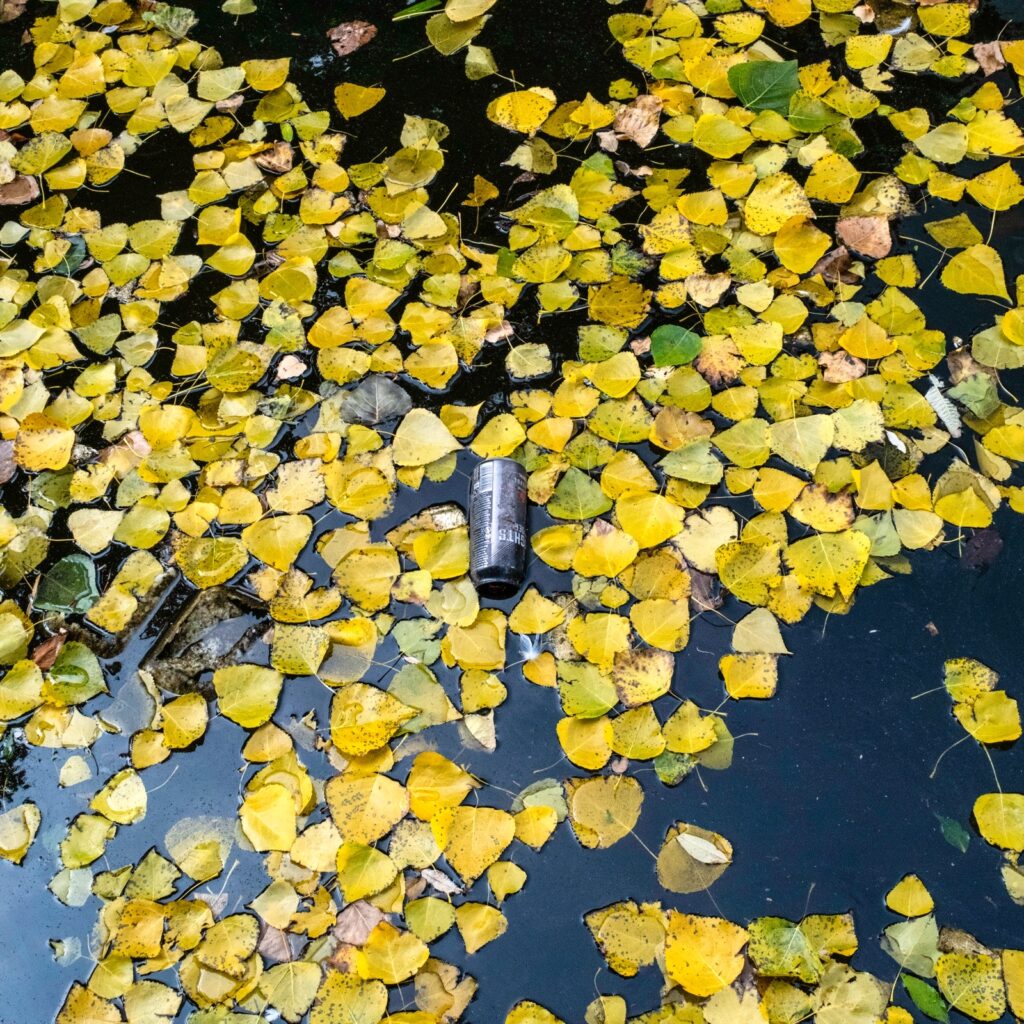
Rubbish was present both in and around the canal, much to Nick Cleaver’s disgust. “Why do people persist in dropping rubbish in the canal?” he asked. He went on to tell us that the Canal and River Trust spends much of its budget on keeping the canals clean.  If people looked after the canals, then the money could be spent on more worthwhile projects.
Digbeth Canal walk
A tin can sits amongst the fallen leaves in the water.

The Bond, Peaky Blinders Studios and MasterChef’s Warehouse

Tom Hicks was on hand to talk about his work, but what was most fascinating was watching what he photographed. I learnt a great deal just from watching Tom take pictures and seeing how he composed them. All his photographs were taken with his phone camera.
Digbeth Canal walk
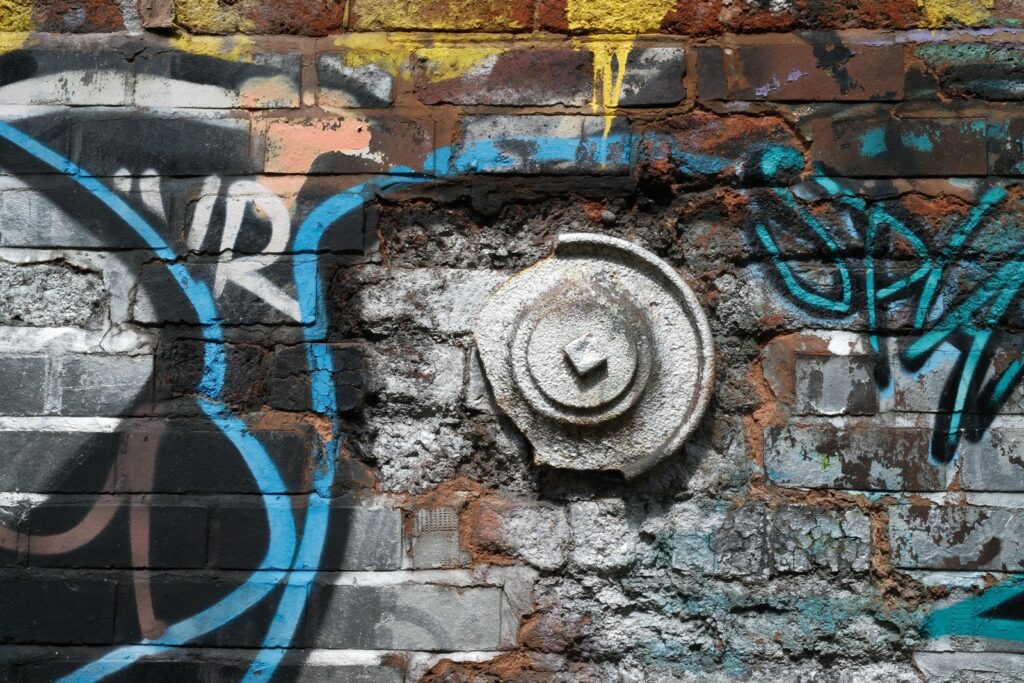
Colourful graffiti seen on our Digbeth Canal Walk.

We retraced our steps along the towpath. The Bond centre looked neat and tidy from our side of the canal.  We were also next to the film studios of Stephen Knight, creator of Peaky Blinders.  The studios were just behind the graffiti on the canal walls. 

Beneath Curzon Street Bridge: Digbeth Canal Photography Meets HS2

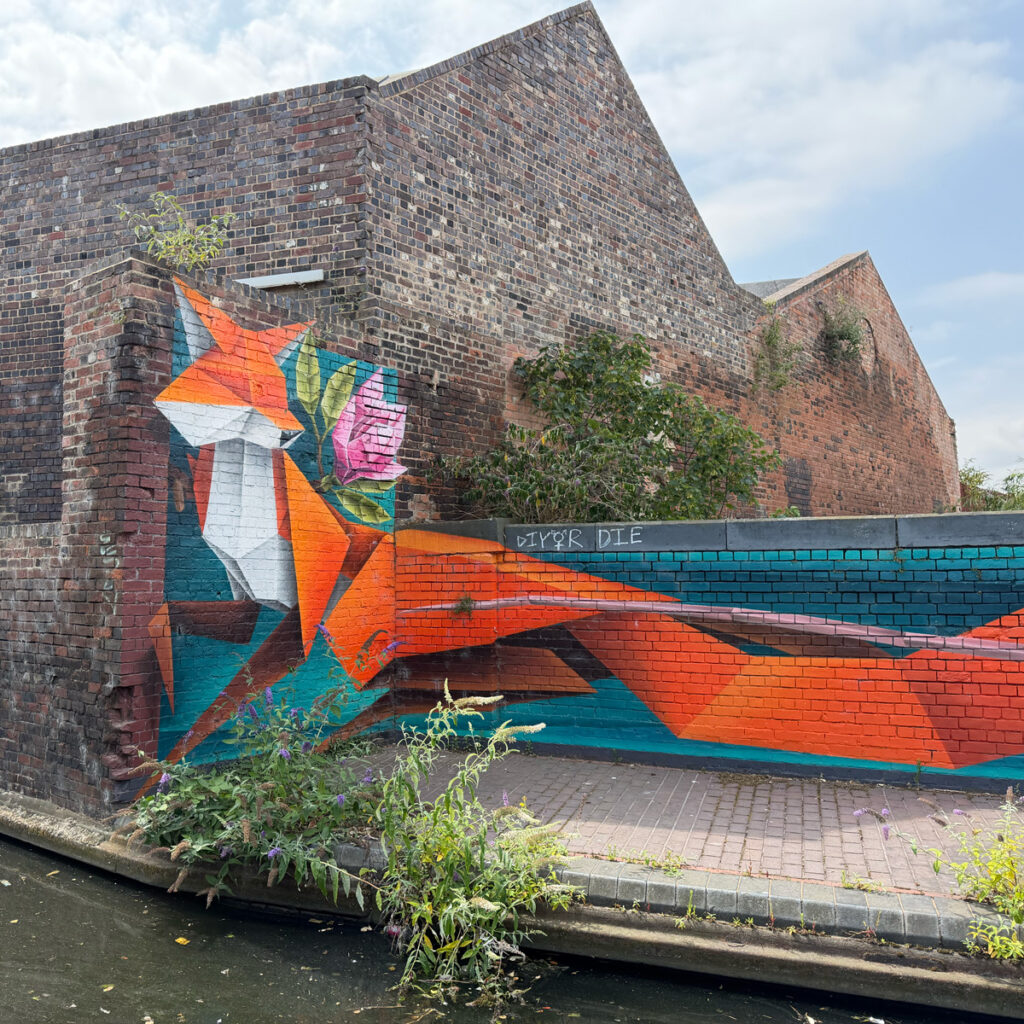
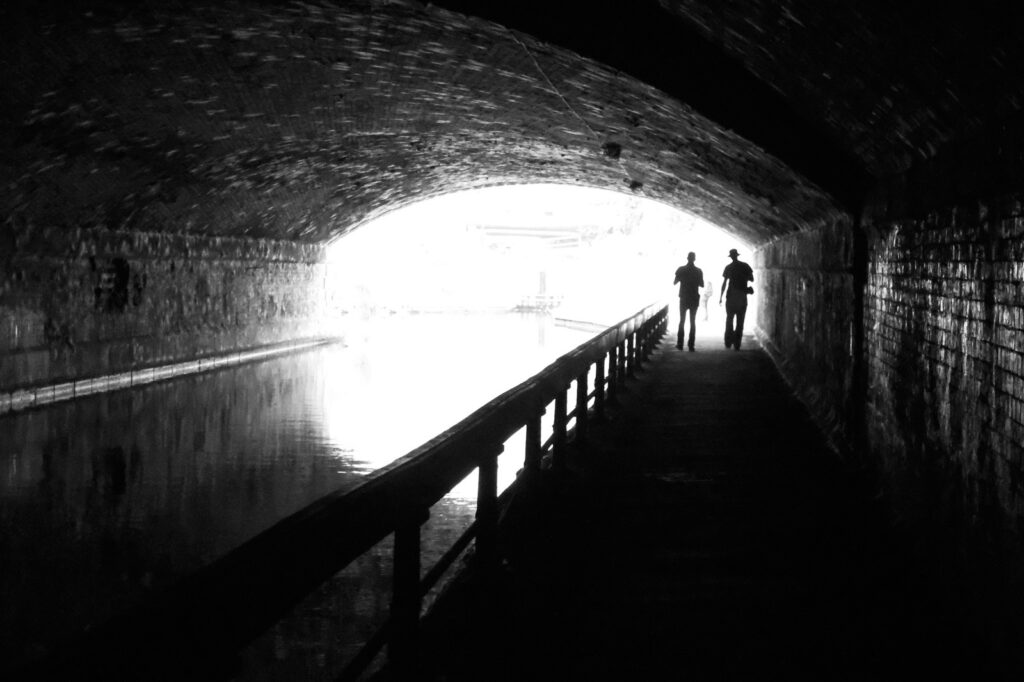
We passed artwork by Annatomix on Our Digbeth Canal Walk and then the warehouse where MasterChef is filmed. In comparison to the Bond, the area alongside the canal looked ill-kempt. Canal boats passed through as we entered the magical underworld beneath Curzon Street railway bridge. We had now left Digbeth as we emerged on the other side of the bridge and were immediately greeted by the high steel pillars of the HS2 works.
Digbeth Canal walk
The Fox by Annatomix is an impressive mural.

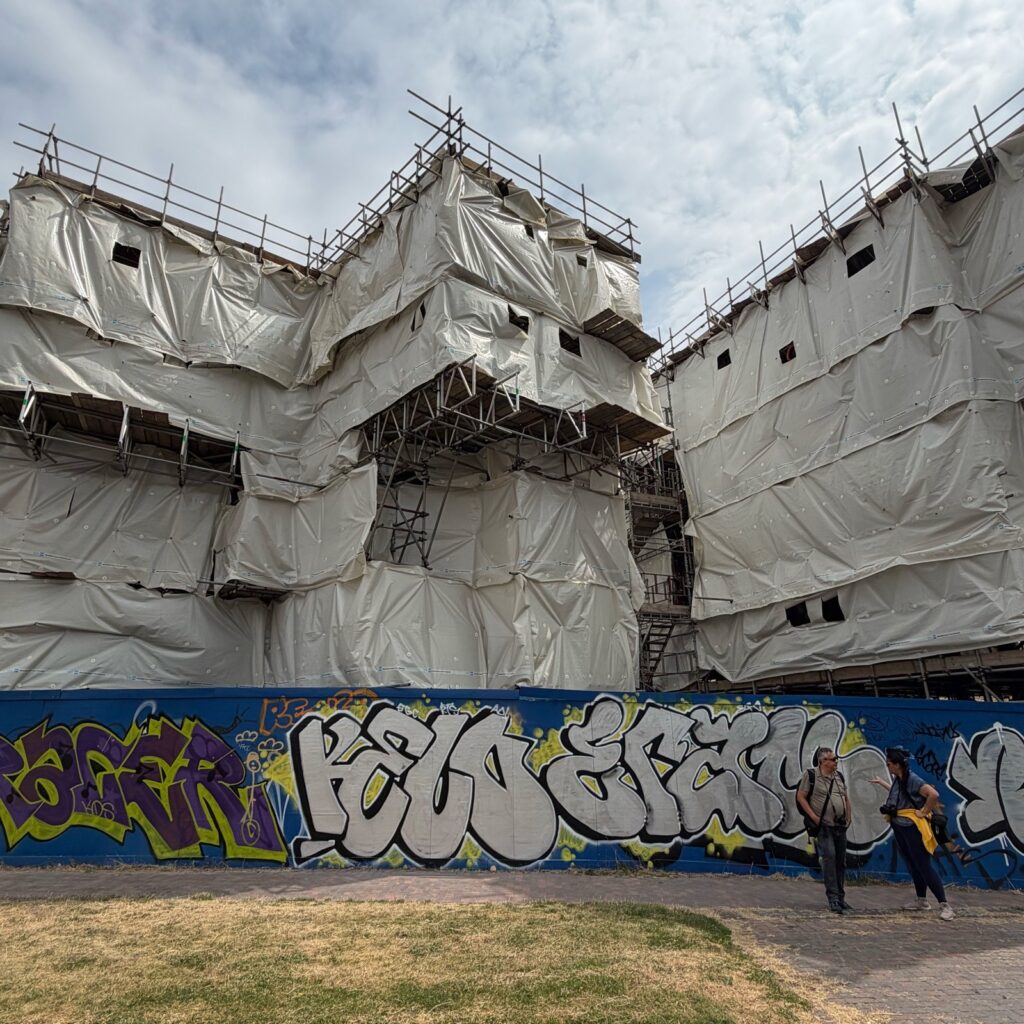
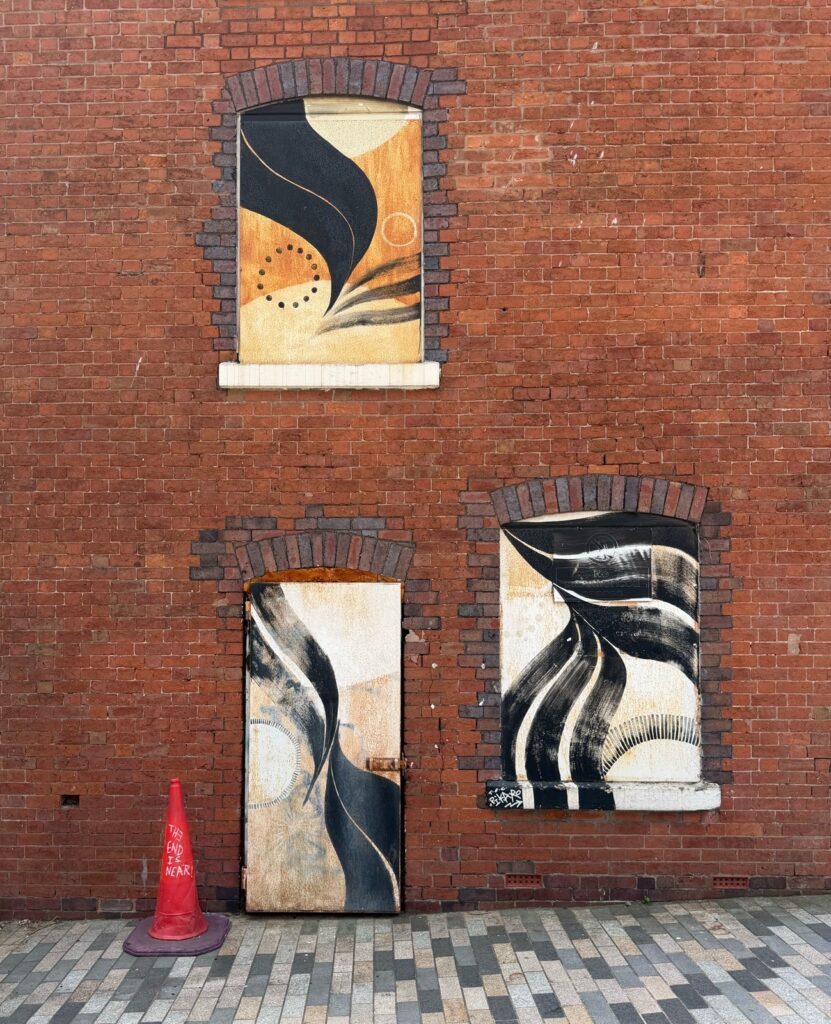
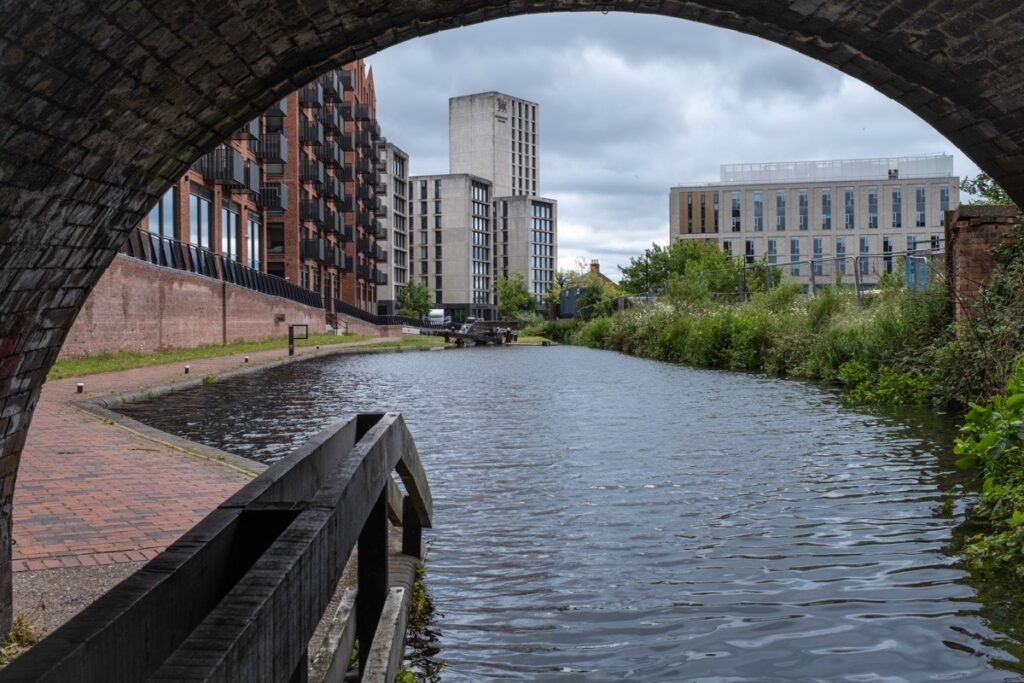
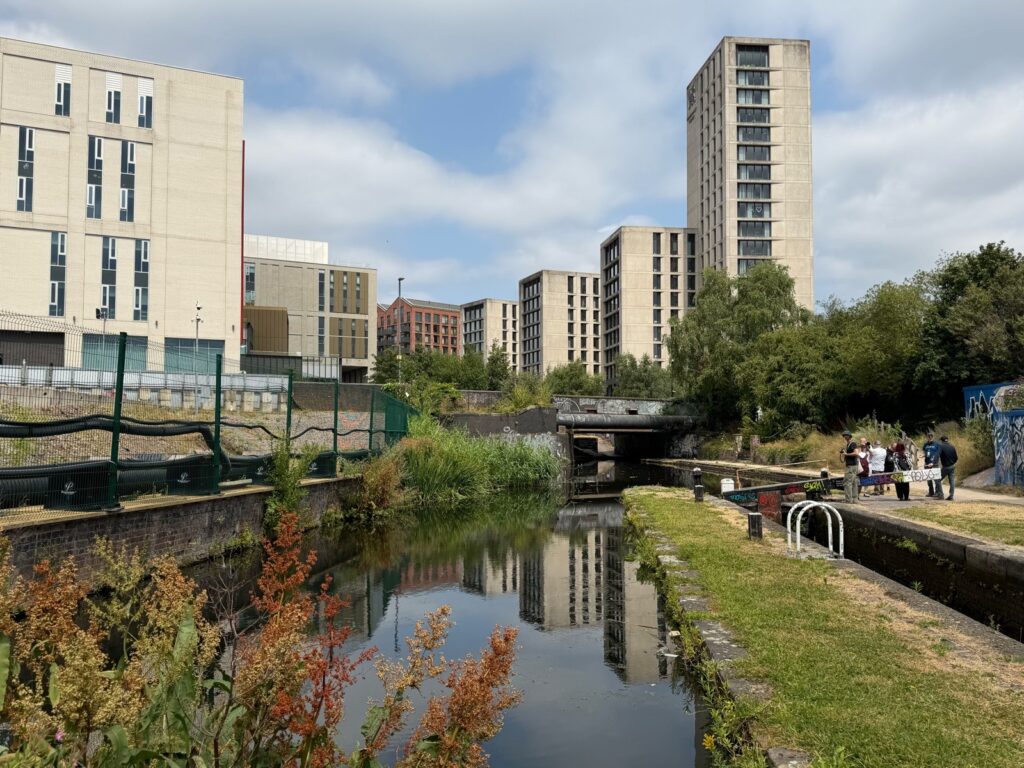
White plastic sheeting covered the large engineering statues, which would soon become part of the HS2 terminal for Birmingham. We moved on to the Birmingham City University campus and photographed the new developments taking place there. One of my favourite buildings is the lockmaster’s cottage, with its boarded door and windows decorated with Lucy McLauchlan’s artwork.
Digbeth Canal walk
Walking underneath Curzon railway bridge towards the light.
Digbeth Canal walk
A view of the new buildings which form part of the campus of Birmingham City University.
Digbeth Canal walk
The towering HS2 foundations covered in white plastic sheeting.
Digbeth Canal walk.
Detail from the old Lockmaster cottage on BCU campus. Artwork by Lucy McLauchlan.

Back to Centrala Space: Reflections and What’s Next

It was time to make our way back to Centrala for a debrief and refreshments. This was the third and final instalment of the recent canal walks run by PRISM Photography in conjunction with the Canal and River Trust. I was pleased that I was able to join one of the walks.  Of the three the Digbeth Canal walk was the one that I wanted to join most. Next, we submit three photographs from the day and wait to see which of these is selected for the exhibition at Centrala in August. More details to follow.
Digbeth Canal walk
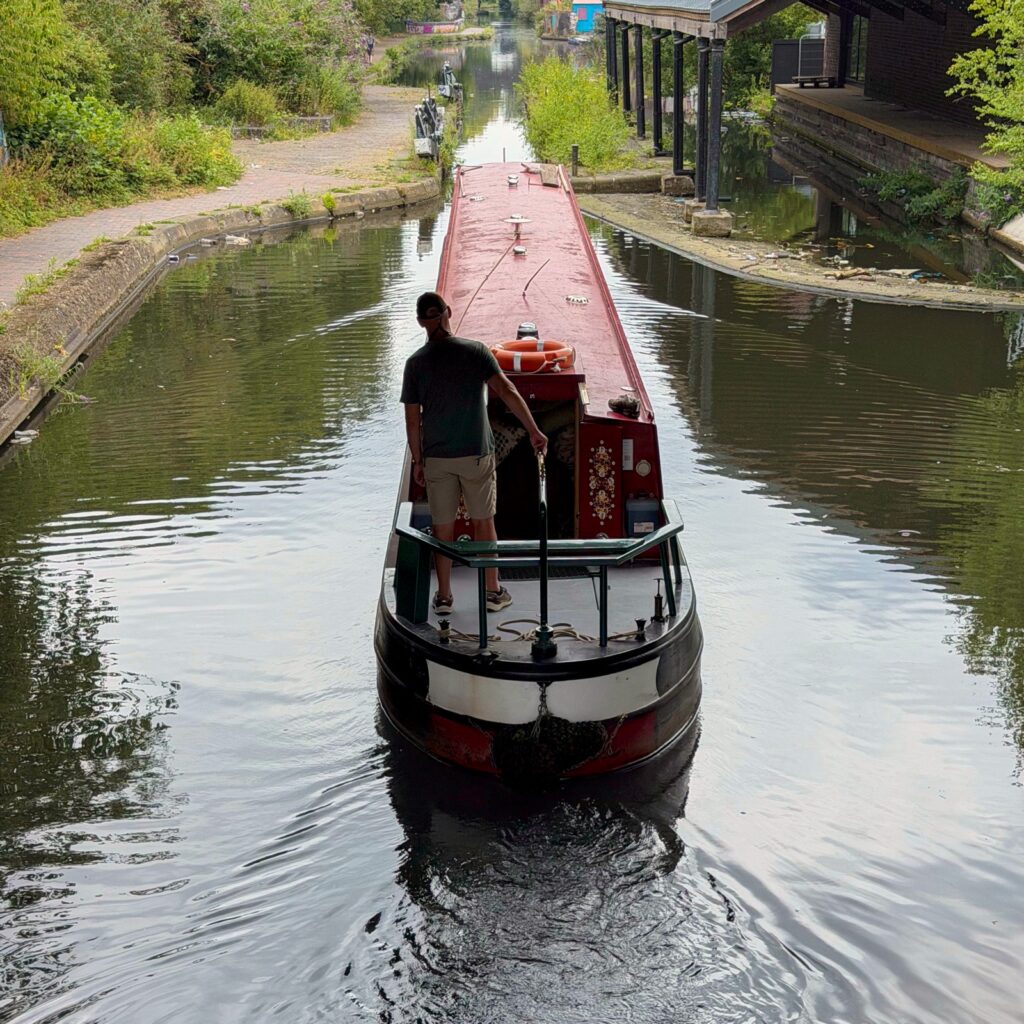
A canal boat on its way down the canal will pass Centrala further down on the right.

Digbeth has been covered in my blog and here is a link to get you started.  As a member of the Canal and River Trust, I enjoy walking along the canals and I have covered other cities including Manchester and the Regents Canal, London.
Photographing Canary Wharf 2006

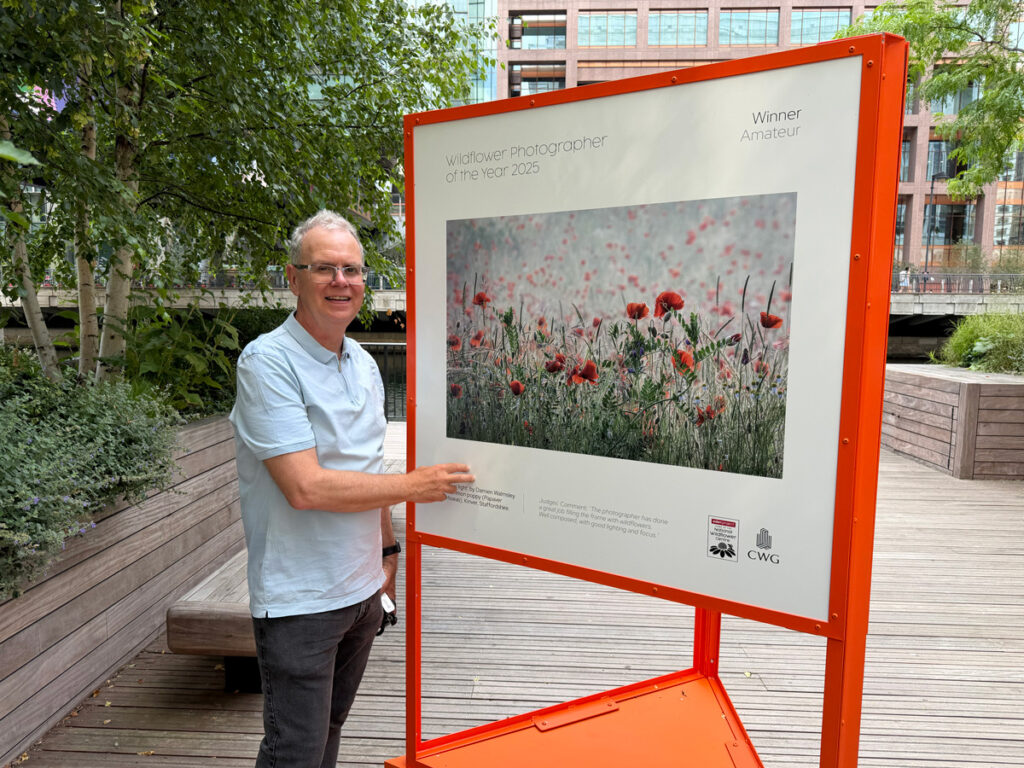
My wildflower of the year picture was displayed in Canary Wharf. Therefore, I set off to visit Eden Dock, where the exhibition was being shown. I met up with James, my webmaster, and Holly, his wife, who were in London for meetings, and we made our way to Canary Wharf.

Arriving in Canary Wharf: First Impressions

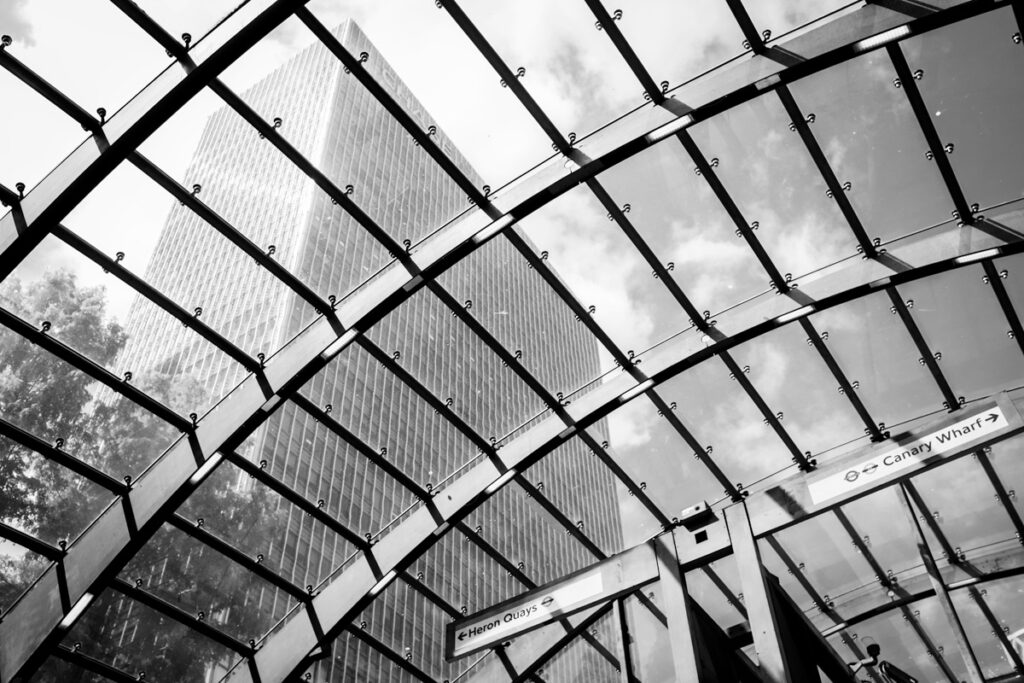
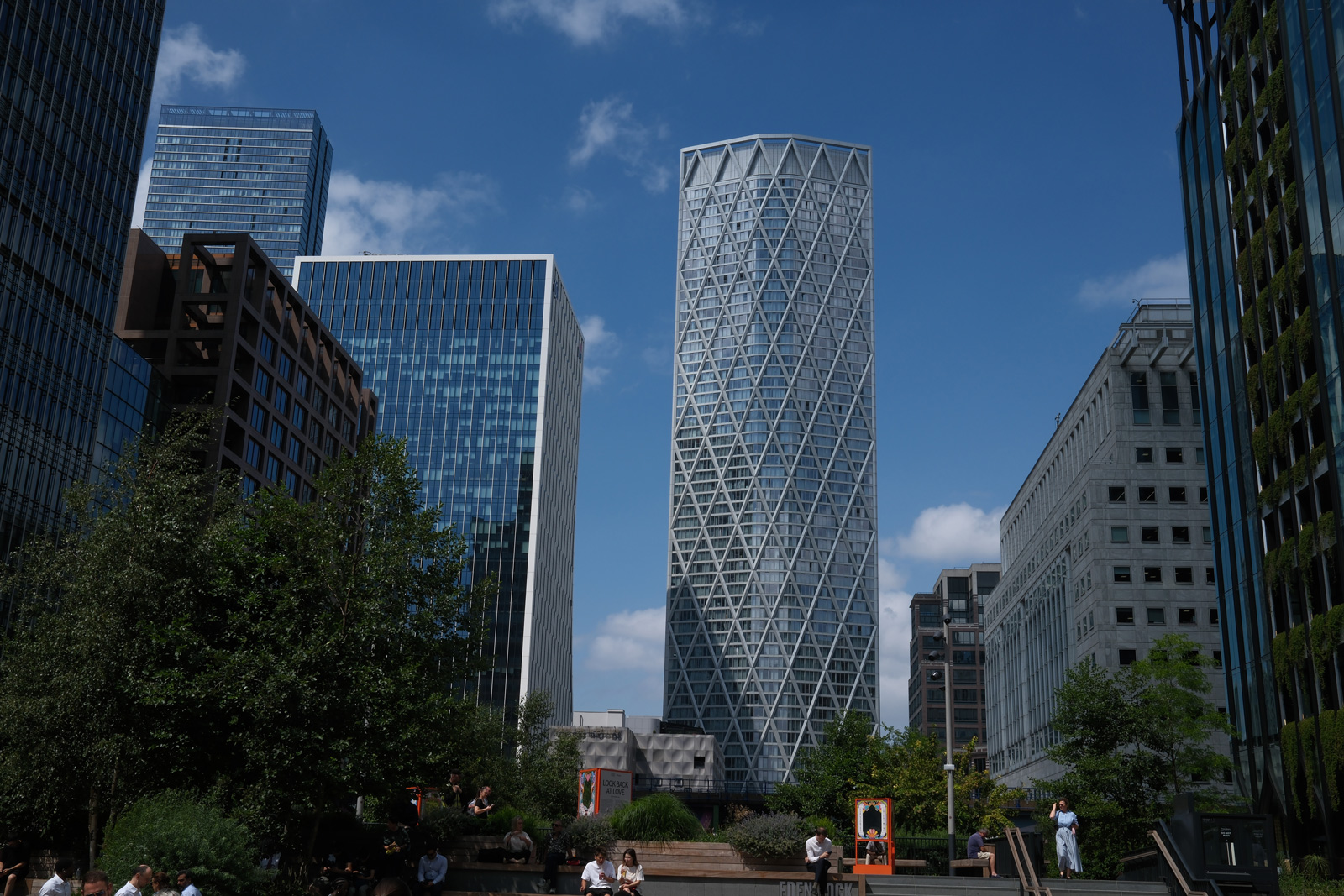
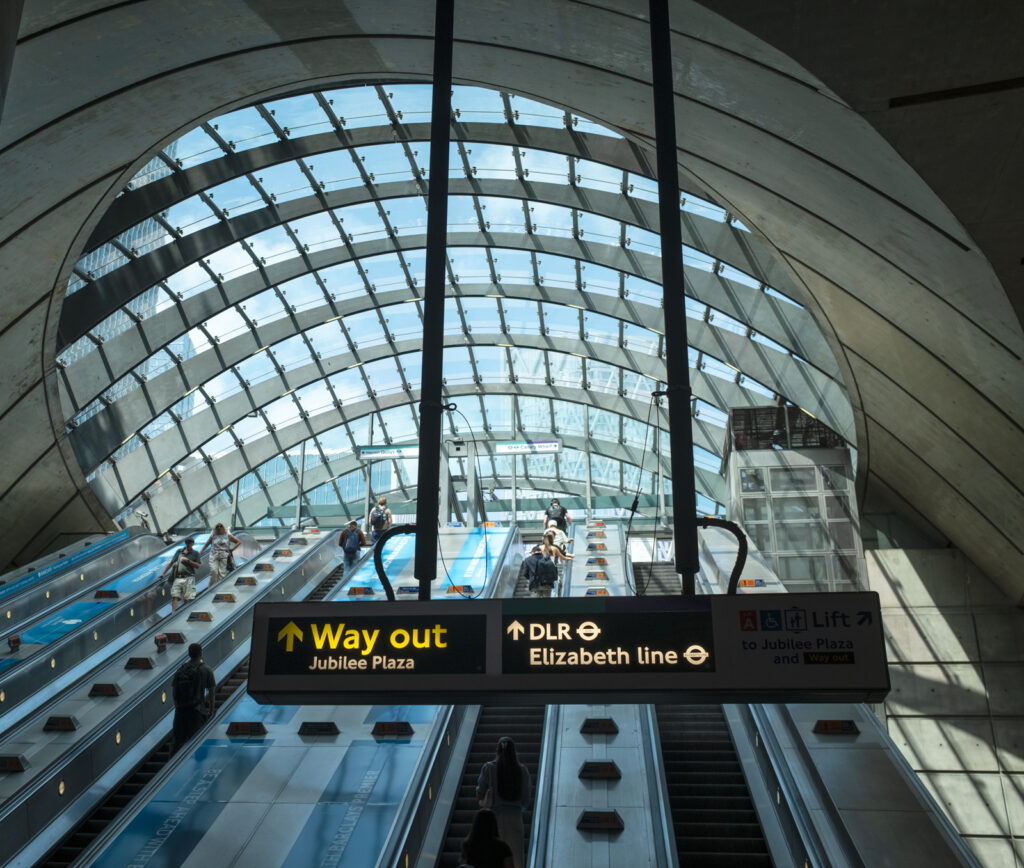
The tube station is an amazing piece of engineering, and I had to stop and take pictures of the escalators. We walked out into the sunshine, which was a contrast to our underground journey. We arrived around lunchtime. All around, there were office workers taking their lunch break, along with tourists taking in the sights of the area. Canary Wharf is an impressive cityscape of skyscrapers of different architectural designs. The red livery of the Docklands Light Railway darts through the gaps.

Photographing Canary Wharf 2006
The view upwards in Canary Wharf tube station.
My Wildflower of the Year Photo on Display at Eden Dock

My wildflower of the year picture was close to Canary Wharf tube station. Whilst I was pleased to see my winning entry, I was once again irritated that the one printed was the wrong colour balance. The correct picture has featured since, but the wrong one persists, as evidenced by the one on display at Eden Dock. Ah well, at least I did win a wonderful prize and enjoyed the accolades that came with it.

Photographing Canary Wharf 2006
Wildflower of the Year display with my winning picture.

Exploring the Adams Plaza Tunnel: A Photographer’s Dream

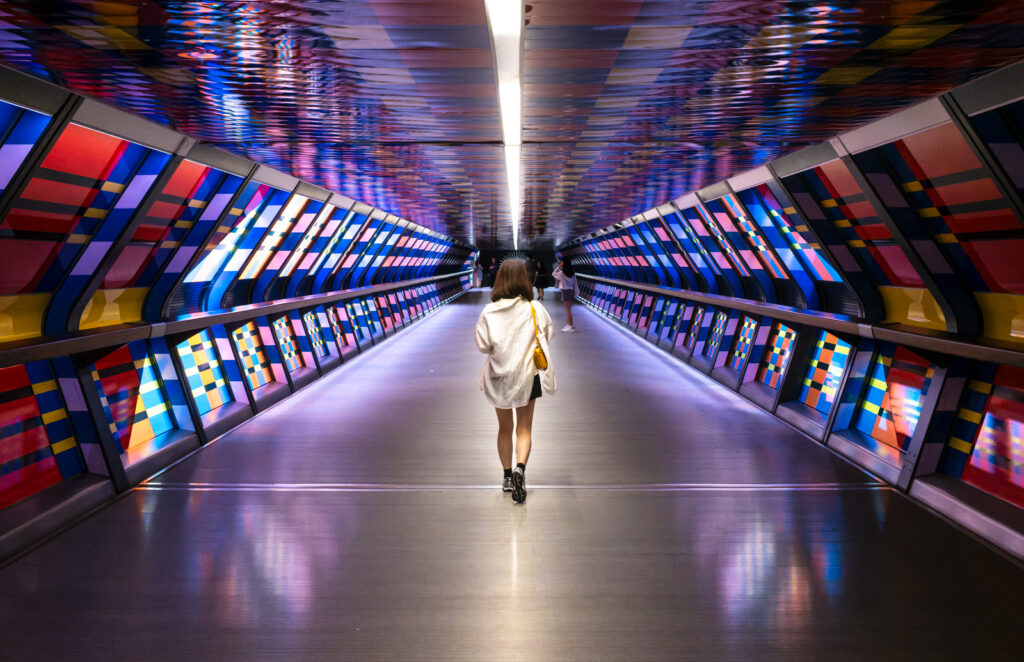
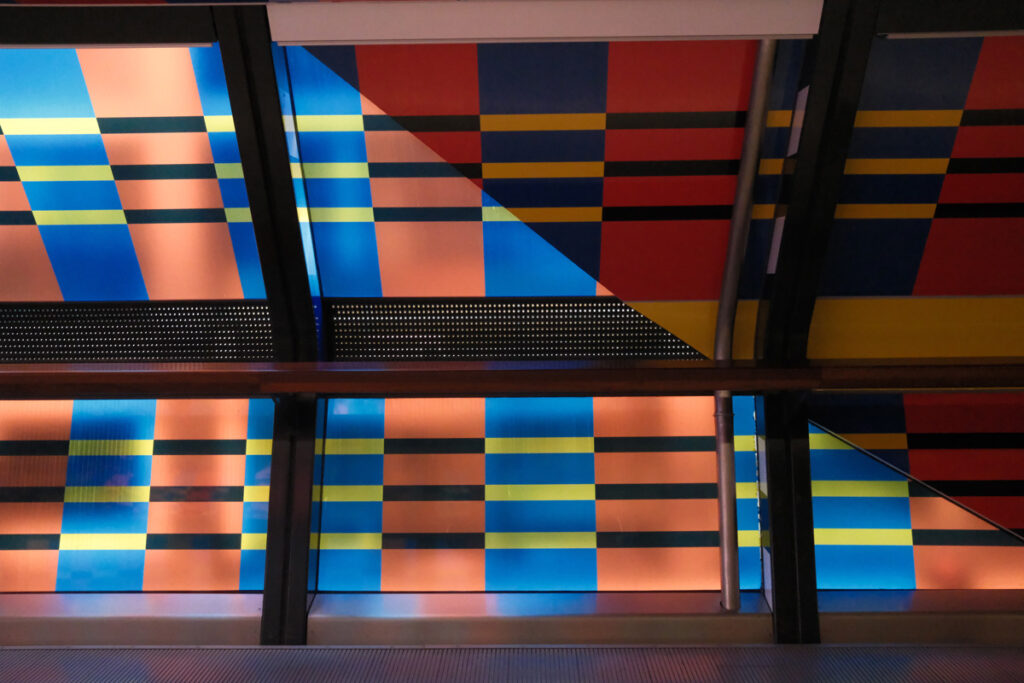
James, Holly and I then did some sightseeing of the artwork around Canary Wharf. I was keen to visit the Adams Plaza tunnel designed by Camille Walala. The blast of colour and light makes this a photographer’s dream. Whilst I was there, a young woman stood taking pictures in the centre of the tunnel and then walked slowly along. I could not resist taking a picture of her with the tunnel as a backdrop.

Photographing Canary Wharf 2006
The dramatic colours in the Adams Plaza tunnel.
Photographing Canary Wharf 2006
Geometry and colours on the bridge.

The Illusionaries Wall and the Roof Garden Umbrella Dance

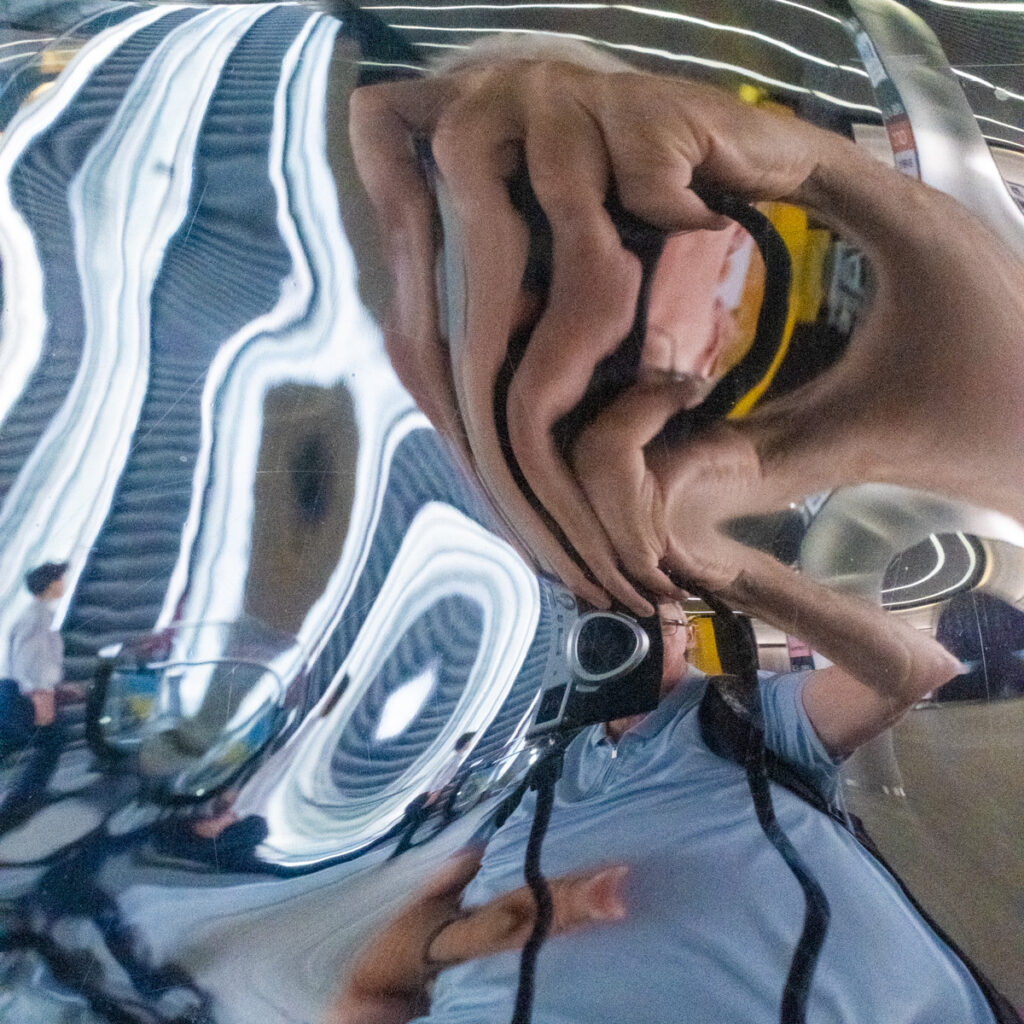
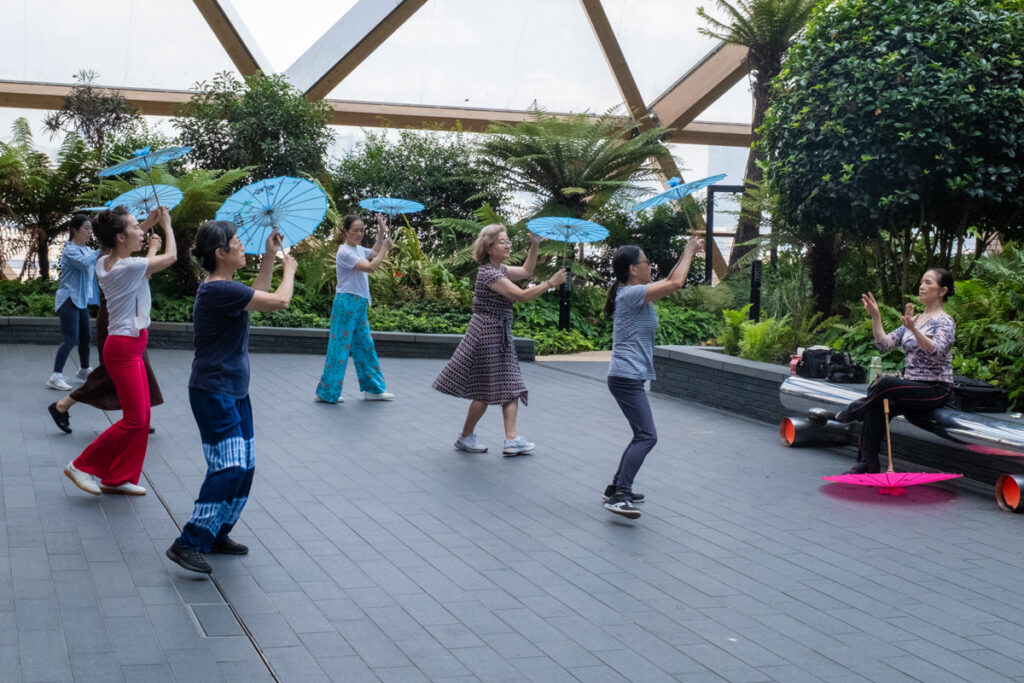
We made our way past the Illusionaries, and whilst we did not go into the installation we did stop for a few selfies on the distorted mirrored walls. I had not visited the Canary Wharf roof garden before. In one area of the garden, there was a group of Chinese ladies doing an umbrella dance. Unfortunately, even after taking lots of photographs, no rain was forthcoming.

Photographing Canary Wharf 2006
A distorted selfie.
Photographing Canary Wharf 2006
I loved the umbrella dance but there was no rain to go with it when I went outside.

Canary Wharf Photography: Capturing the Lunchtime Crowds

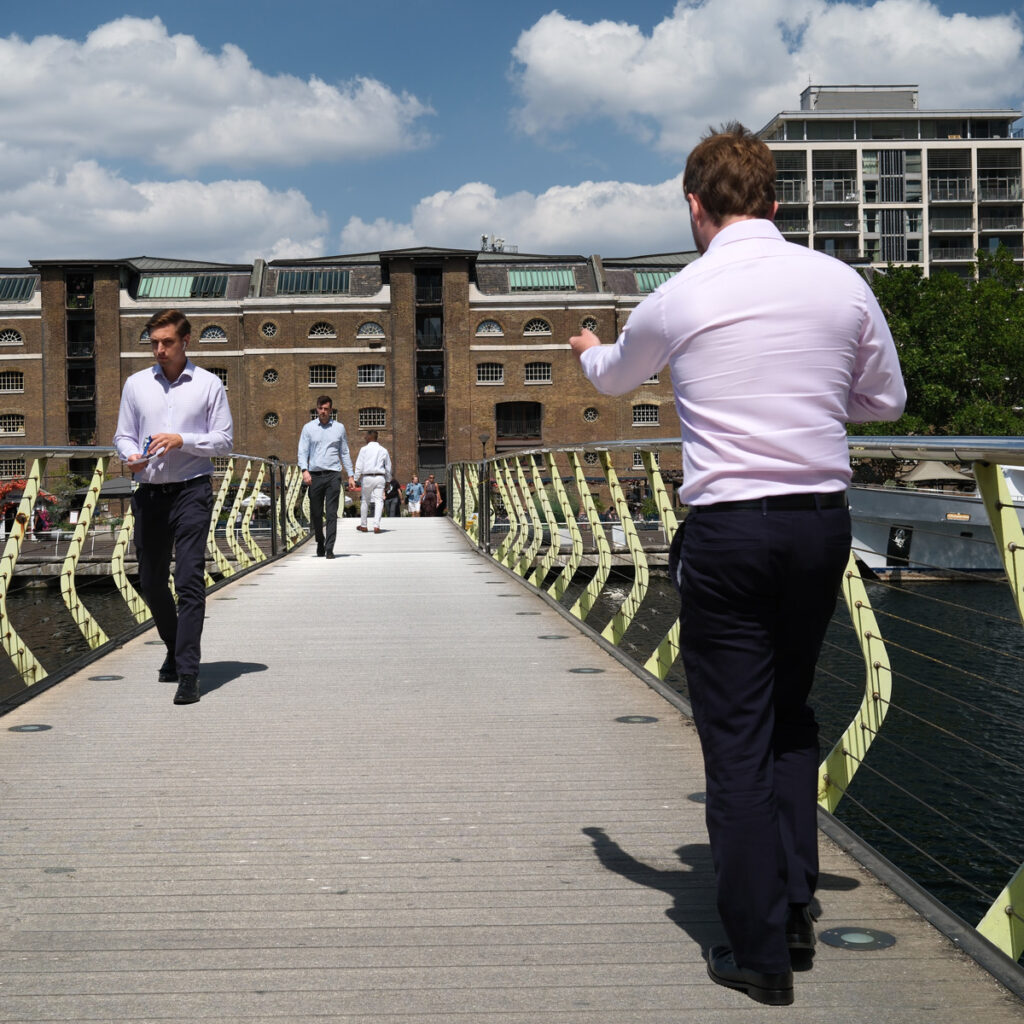
After lunch, James and Holly needed to get back to work in central London, which meant I had more time to spend with my camera. There were many opportunities for street photography amongst the office workers, who were more engrossed in enjoying their lunch break than in being photographed. So many of the men were wearing white or pink shirts, which made them stand out from the surrounding area.

Photographing Canary Wharf 2006
Office workers on the bridge.

Old Docks Meet New Skyscrapers: Contrasts in Architecture

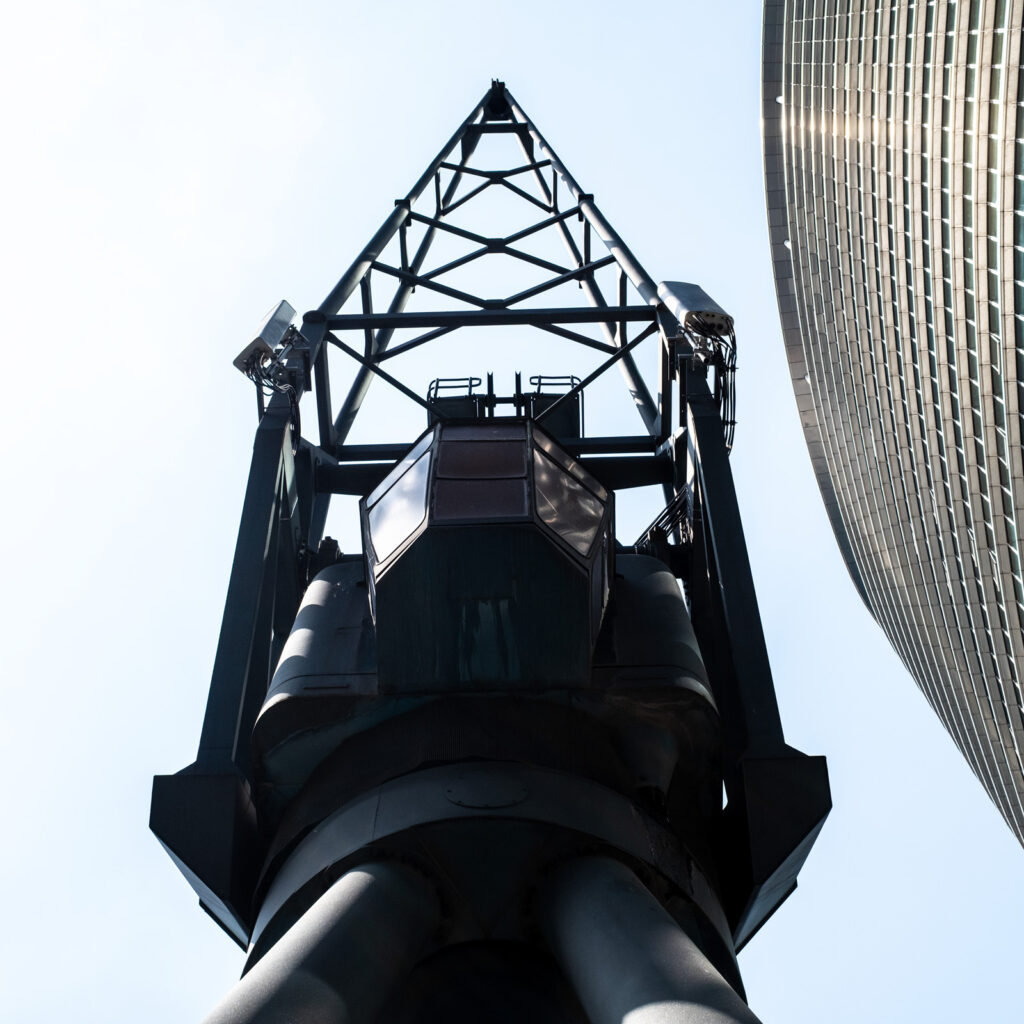
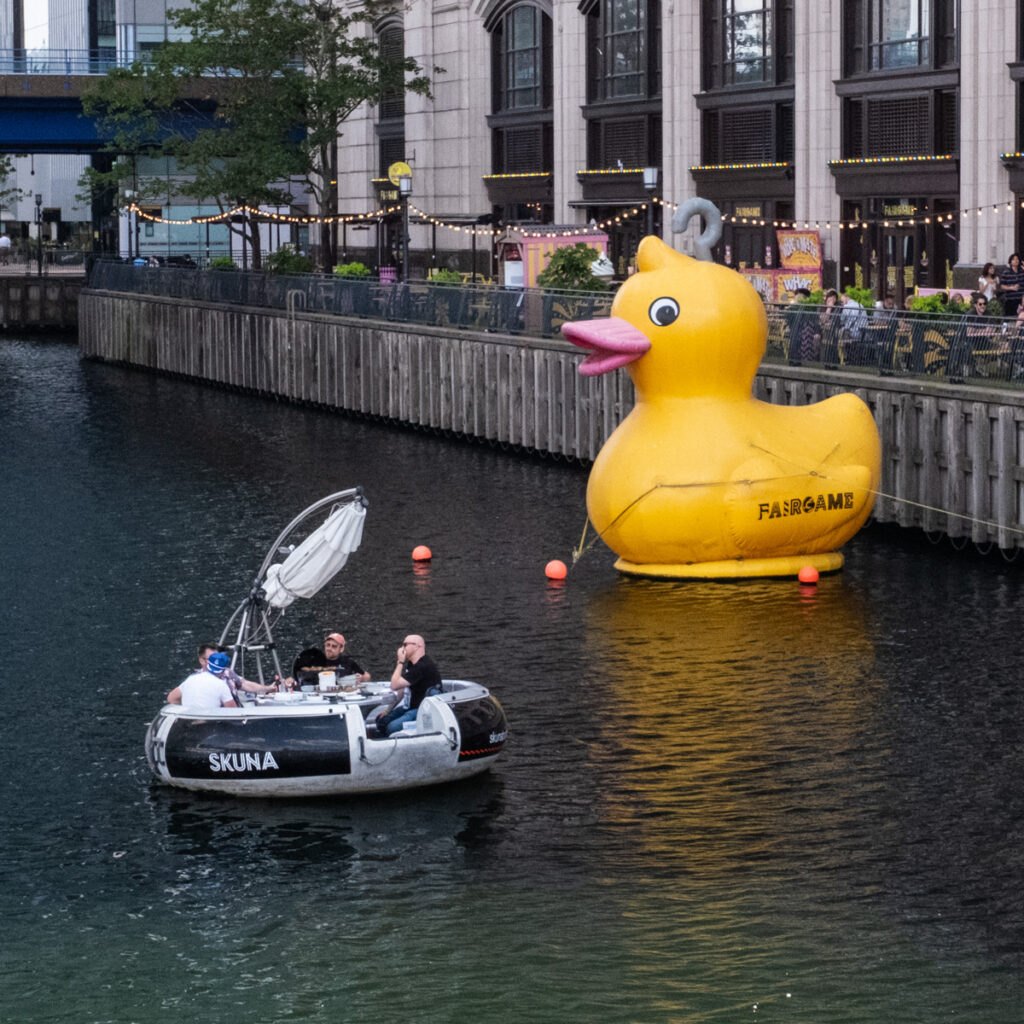
As I slowly moved through the area, there were many favourites, including the North Dock footbridge. Many office workers passed by, and it was a good vantage point to see a number of floating dinghies, each housing a table and food. The large duck sculpture was also fun to photograph. The remnants of the old docks contrasted with the new, shiny, reflective buildings. I liked the triangular shapes of the old cranes, and looking up, you could see the contrast between their sharp lines and the smooth outlines of the buildings.

Photographing Canary Wharf 2006
Contrasts between the old cranes and new buildings.
Photographing Canary Wharf 2006
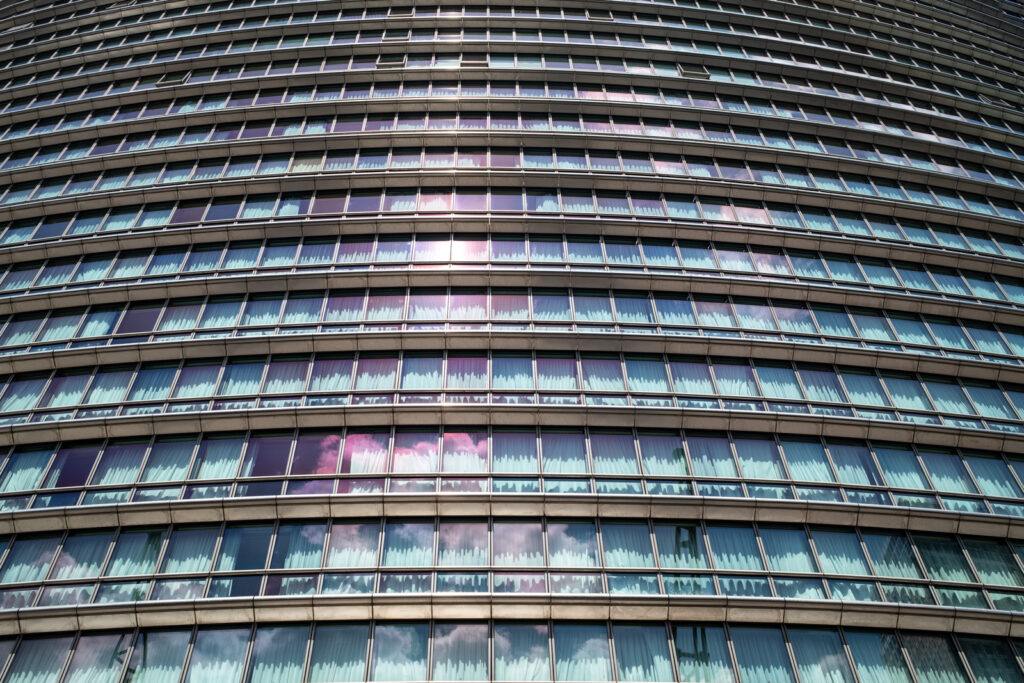
The new shiny buildings offer several photographic opportunities.
Photographing Canary Wharf 2006
Lunchtime meals in a dinghy, which seem to be entertaining the yellow duck from Fairgame.

The artwork around Canary Wharf is amazing, and I found a useful guide to the main pieces of artwork. Free London Walks is by Anna Kmiecik and lists the artwork on show with maps on where to find them.

Sculptures: Standing Figures of a man and a woman and Two Men on a Bench

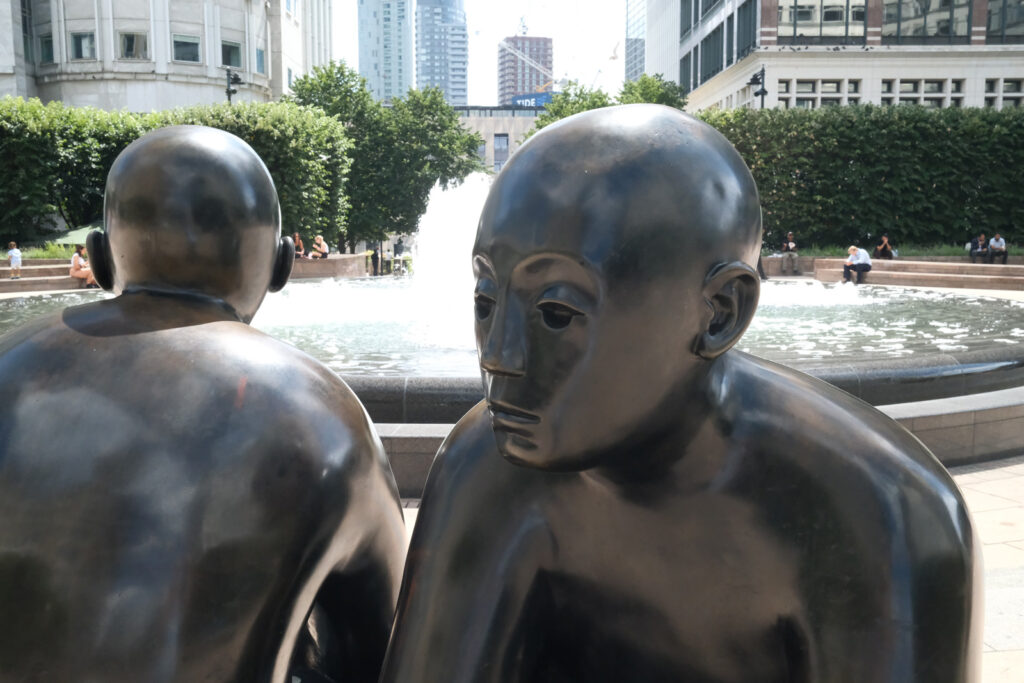
I passed several statues on my travels through the plazas of Canary Wharf, too many to mention, although taking pictures in the direct sunlight proved to be a challenge. One photo that came out well was of the ‘Two Men on a Bench’ sculpture by Sean Penny. Catching the expression of the men worked well.

Photographing Canary Wharf 2006
Two men on a bench and this shows they are ignoring each other.

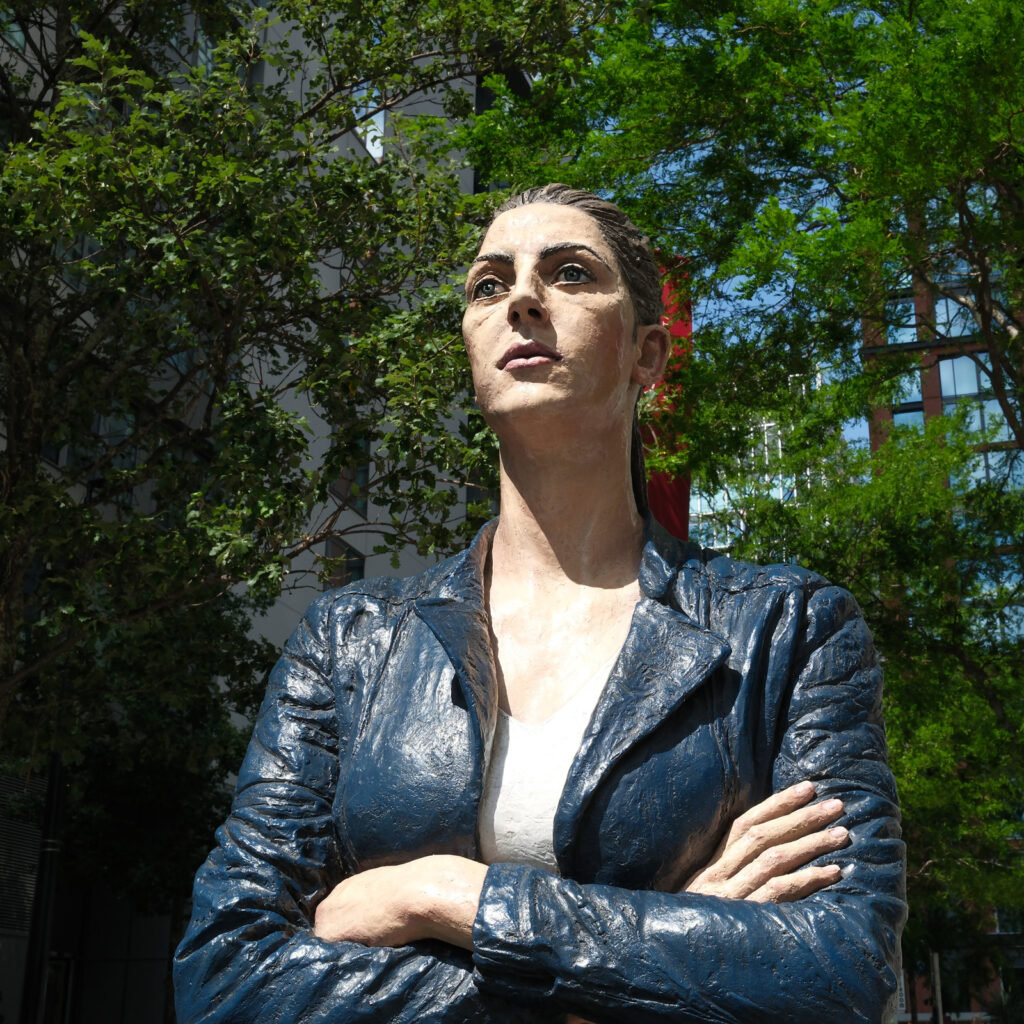
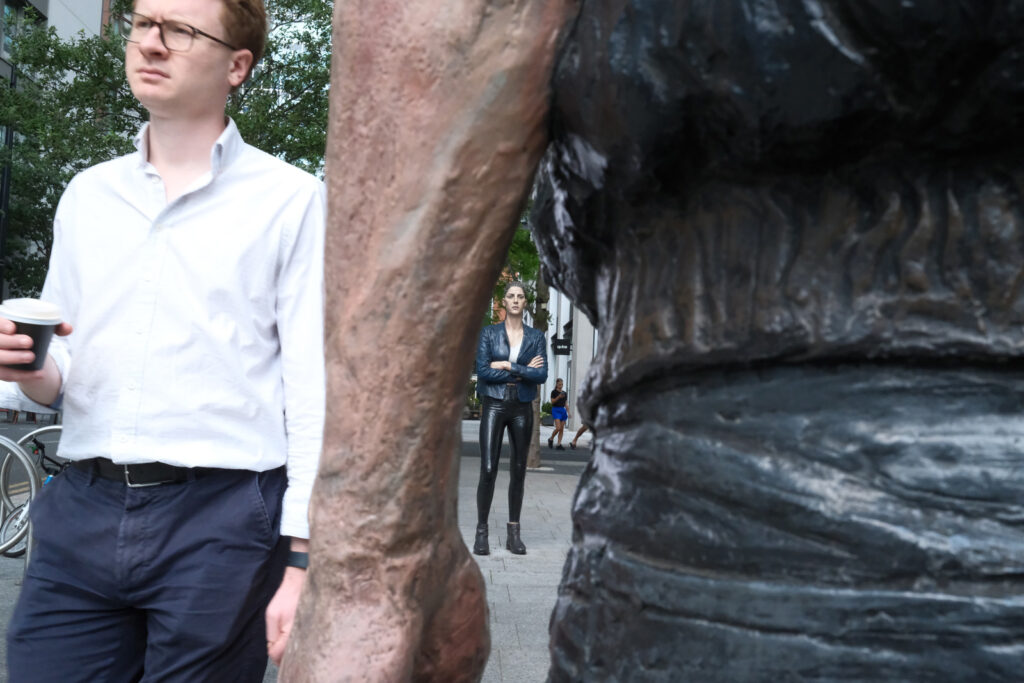
I love the sculptures by Sean Henry. He creates painted bronze statues that are either smaller or larger than life size. The two Standing Figures of a Man and a Woman stand on the pavement, gazing at each other. When you approach, you think at first that they are real people. Then the scale of the statues becomes apparent. I loved taking pictures of these two figures, using their hands to frame passers-by, with a measure of success.

Photographing Canary Wharf 2006
The women stands with arms crossed looking across at the man.
Photographing Canary Wharf 2006
A passerby pushes past the man whose open hand frames the woman.

The Tear by Richard Hudson: Canary Wharf’s Silver Teardrop

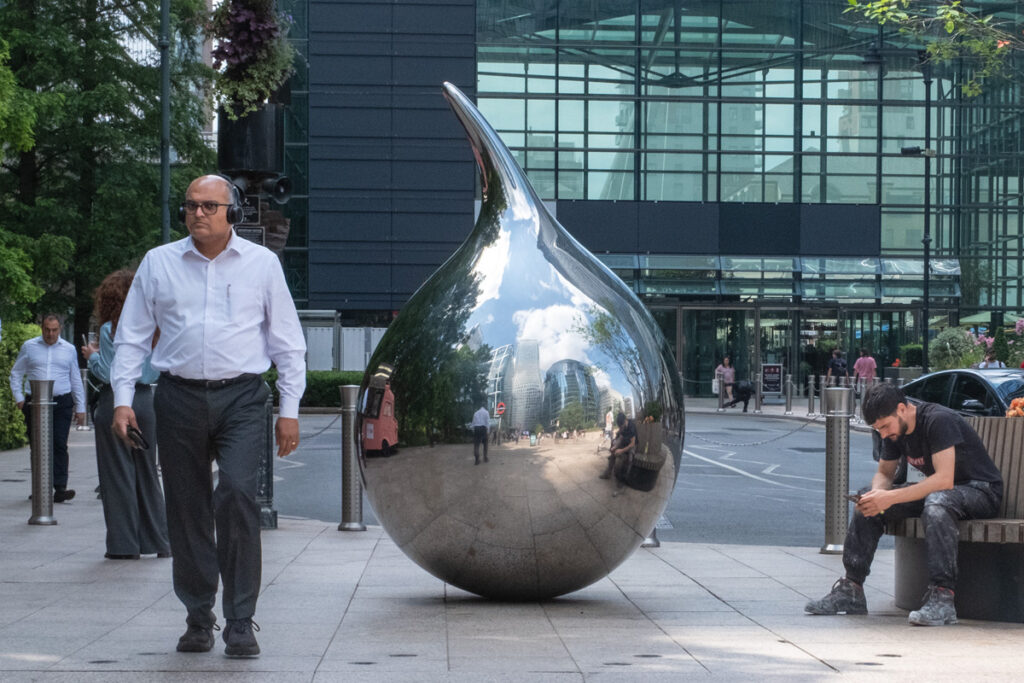
While there was plenty of other excellent artwork to encounter, I did need to get back home. There was one more piece to photograph: the Tear, by Richard Hudson. This sits near Canary Wharf tube station and is a large silver teardrop. The reflections are nicely distorted, so you can catch people and surroundings in your shot. The presence of a colourful food truck helped a great deal.
Photographing Canary Wharf 2006
The tear creates a story around anyone who passes nearby.

Final Shots at Canary Wharf Tube Station

Photographing Canary Wharf 2006
Looking back.

More photographs were taken of Canary Wharf tube station before heading home. I always enjoy Canary Wharf, as my previous blogs show. Please feel free to read my London Times blog on a walk along Regent’s canal which takes in Canary Wharf.

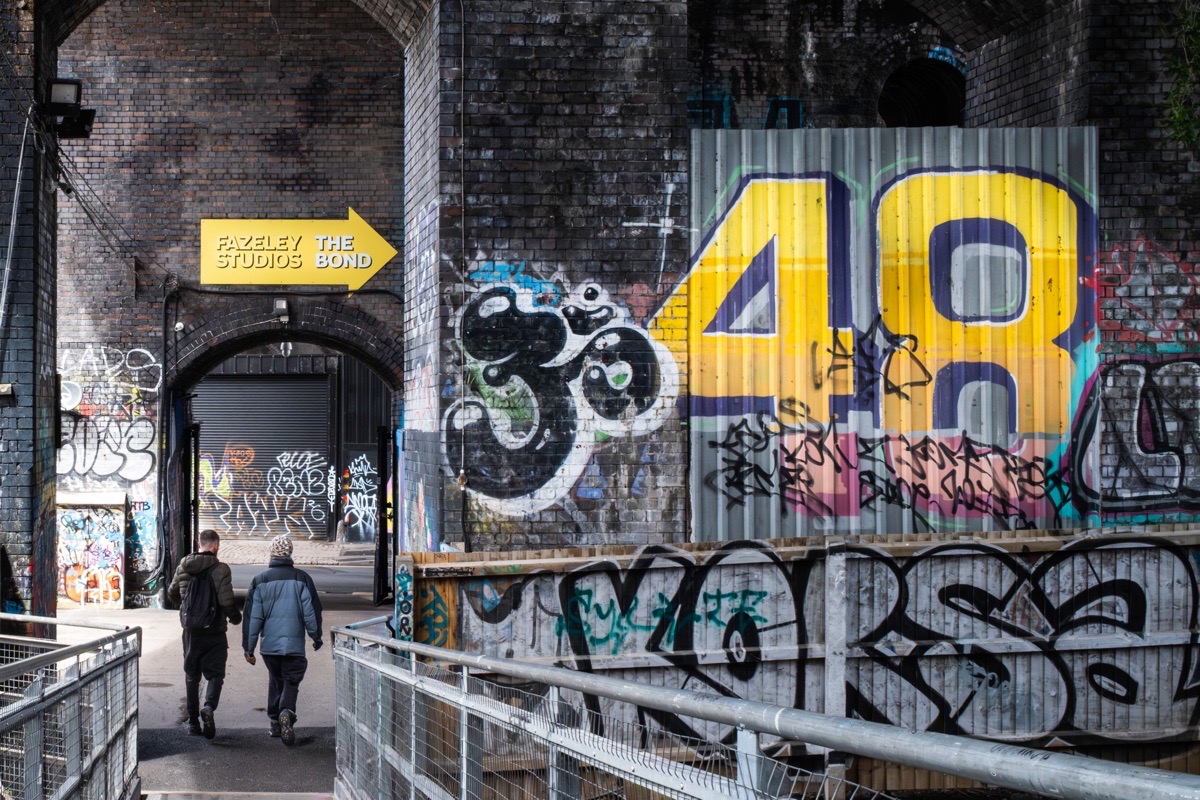
Photographing Digbeth: the bridge over the River Rea. Art work includes Gent48.

Photographing Digbeth is always a creative and enjoyable time. My first serious photographic journey through Digbeth was in 2018. Since then, I have photographed Digbeth and the surrounding area on numerous occasions.

Photographing Digbeth: Including work by @brumpasteup
Photographing Digbeth: Trinity Street Including work by @brumpasteup

With the advent of the HS2 works, I wanted to see how construction was progressing near the Curzon Street canal towpath. The nearby Birmingham City University campus (BCU) is taking full advantage of the investment generated by the HS2 project. There is an incredible amount of building work taking place across the area. In spite of this, many problems still surround HS2, including repeated delays to its completion date.

Exiting Ashted tunnel on my way to Photographing Digbeth.
Exiting Ashted tunnel on my way to Photographing Digbeth. The evolving campus of BCU greets you.

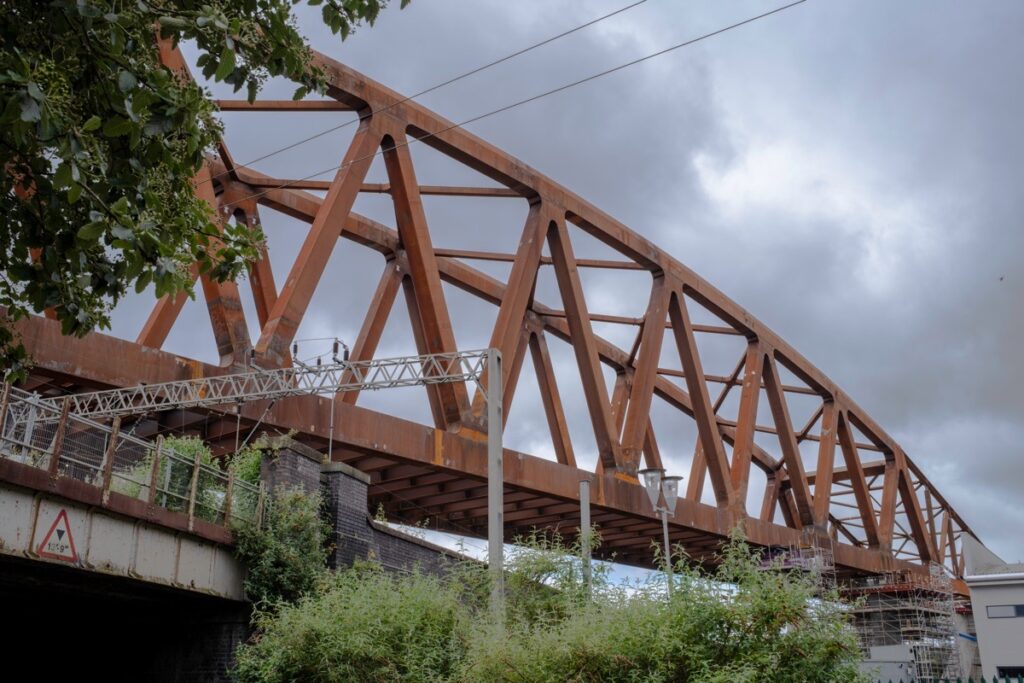
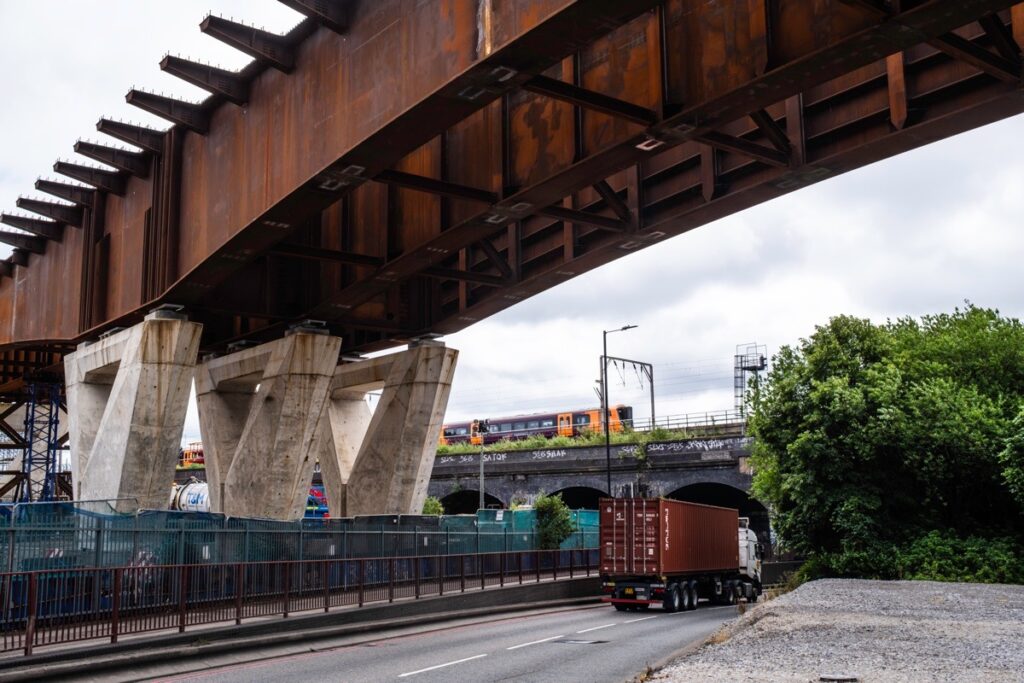
However, one cannot help but admire the engineering involved, and I was keen to photograph the large steel bridge that crosses the Birmingham to Lichfield railway on the approach into Curzon Street. To get close to the bridge, I walked down Northumberland Street behind the West Midlands Fire Service Headquarters. The bridge is tall and imposing, and the future trains will pass close to nearby apartment blocks. Walking across Lawley Middleway and looking up, the scale of the bridges dwarfs the surrounding roads and railways. The structures throughout the HS2 works are remarkable, although I do feel sorry for the nearby residents and businesses that have endured continual disruption during the construction.
Photographing Digbeth: The steel bridge that will take HS2 trains to Curzon Street.
The steel bridge that will take HS2 trains to Curzon Street.
Photographing Digbeth: A local train passes by the larger HS2 bridge over Lawley Middleway,
A local train passes by the larger HS2 bridge over Lawley Middleway,

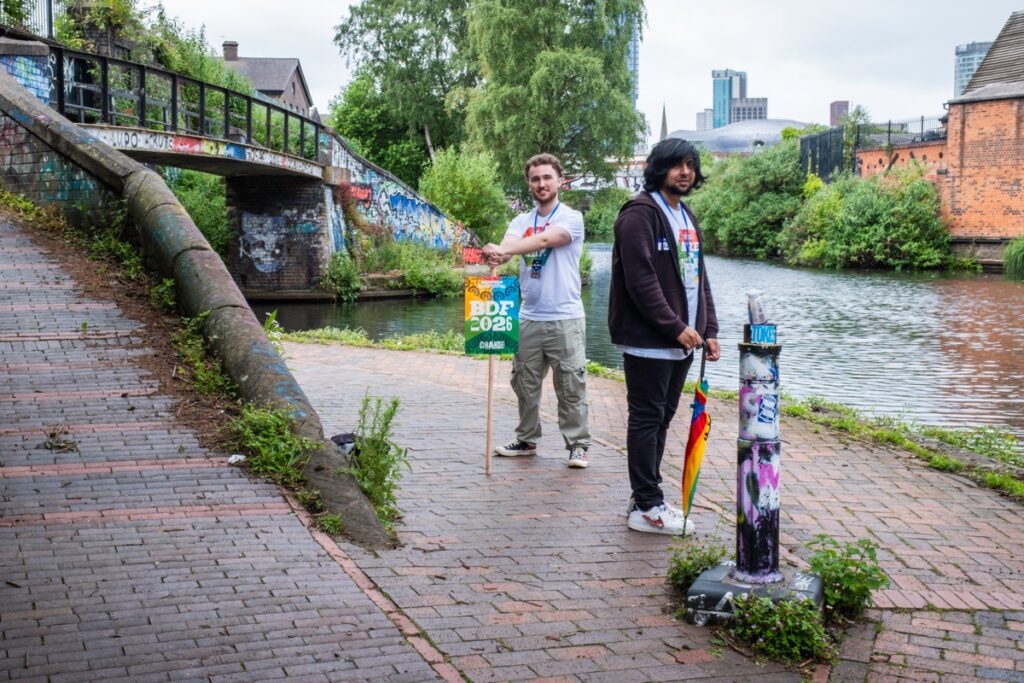
Another noticeable change is the slow but definite gentrification taking place around Digbeth’s canal network. The Curzon Street railway bridge creates a long tunnel where the Digbeth Branch Canal passes underneath. This was once, not an area you would walk through alone. Now there are cyclists, runners and students making their way to lectures at Birmingham City University or just commuting into the city. You also encounter interesting people. During my walk, I came across guides from Birmingham Design Festival, whose handheld placards were helping visitors explore the canals. There is also a definite increase in canal boats along the old industrial waterways, bringing the area to life.

Photographing Digbeth: volunteers from the Birmingham Design Festival.
Photographing Digbeth: Photographing Digbeth: volunteers from the Birmingham Design Festival.
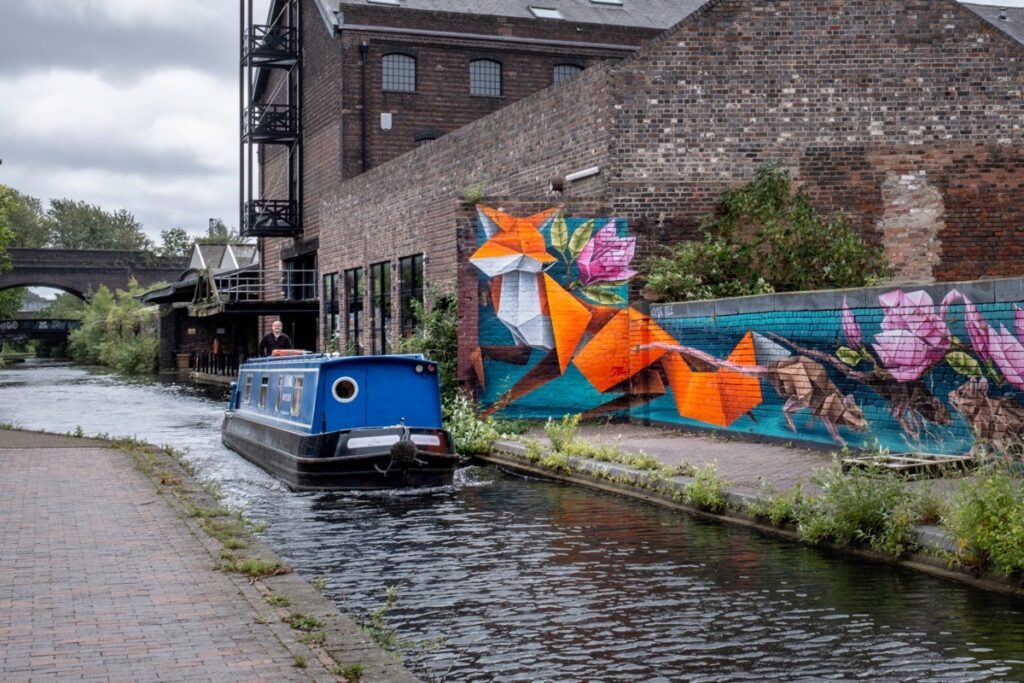
Photographing Digbeth: Canal boats and street art
A canal boat makes it way down the canal passing by the Fox mural by @Annatomix.

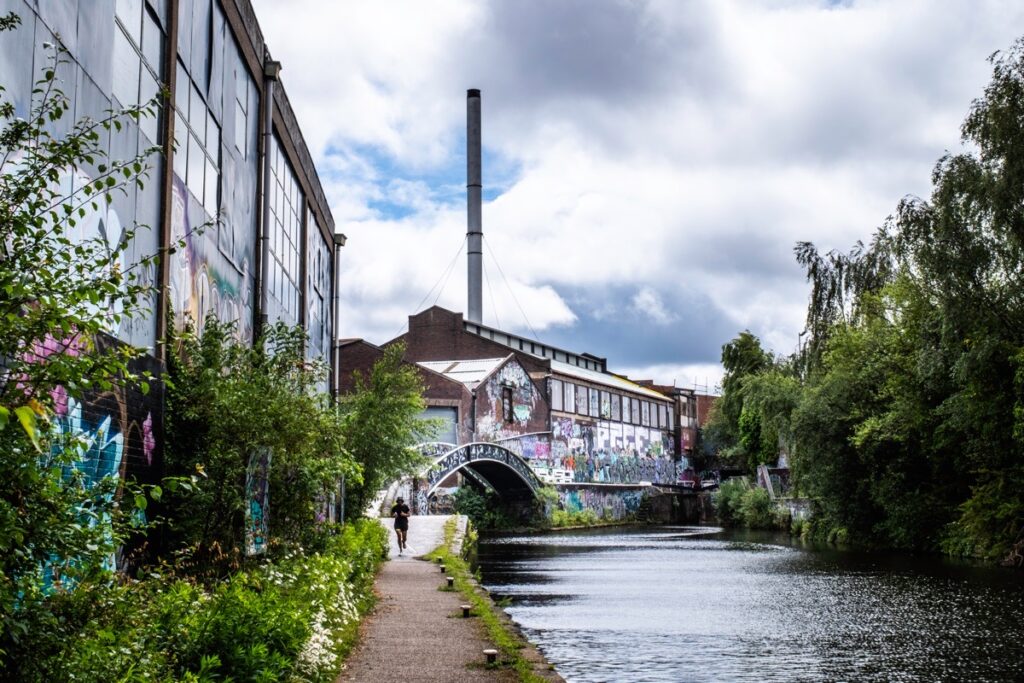
I continued on to Bordesley Junction, where the towpath becomes much quieter, yet even here I passed a runner. At the canal junction, the graffiti-covered walls provide a colourful backdrop, while the old industrial buildings tower above the waterways. Despite these changes, the area still feels uncertain and is not somewhere I would readily explore alone. No doubt the creeping gentrification will eventually reach this part of Bordesley as well.

Photographing Digbeth: Bordesley Junction
A lone runner passing through Bordesley Junction.

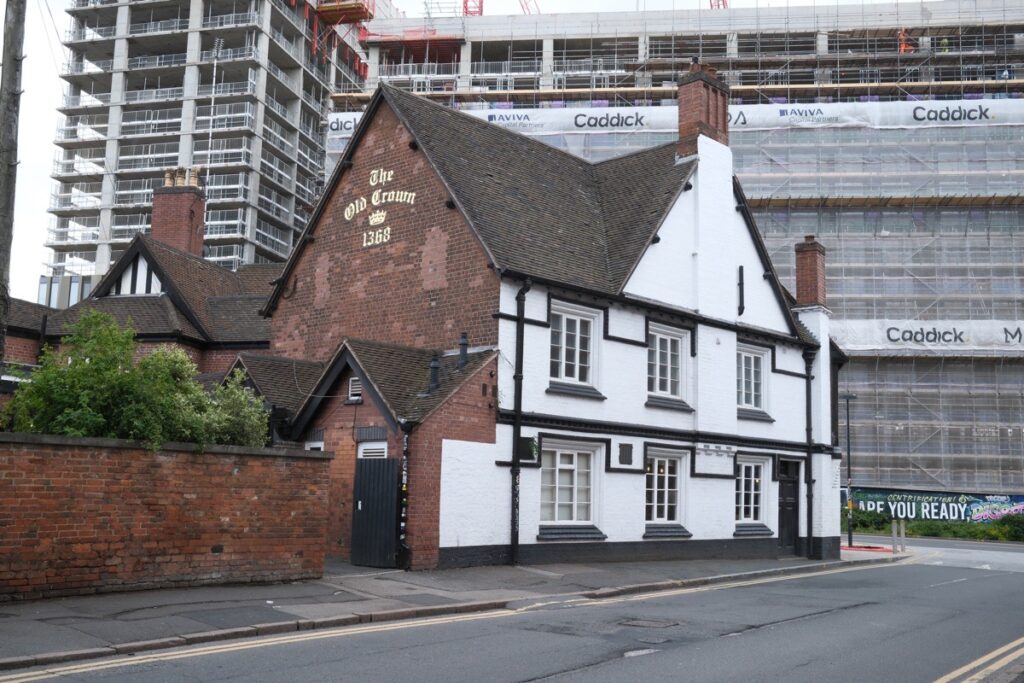
Heading back into Digbeth, I soaked up the atmosphere created by the busy shops and cafés. Redevelopment continues, and high-rise apartment buildings are increasingly surrounding the area.

Photographing Digbeth: The Old Crown with new flats being built.
The Old Crown has seen many changes through its 650 year history. Now the flats have arrived.

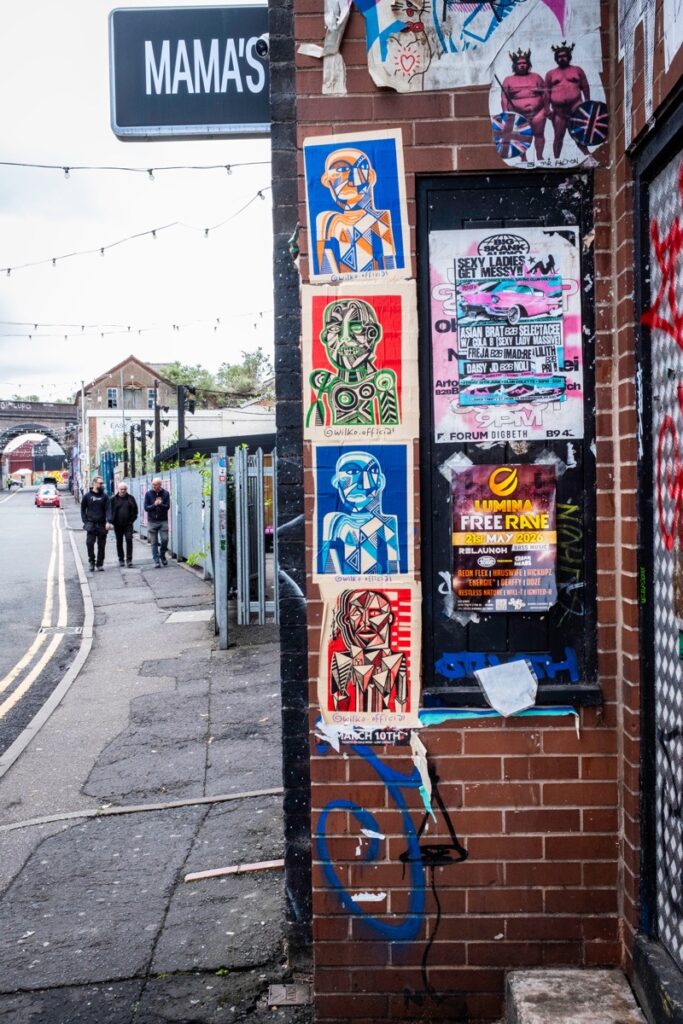
The streets around Gibb Street and Trinity Street are constantly evolving, with new businesses, nightclubs and street art appearing all the time. There are still a few artworks that I have to photograph, and I found this mural by @ginger_dan. Looking back at my photographs from 2018, the changes are striking. Old murals have disappeared beneath fresh paint, while new venues continue to emerge. Digbeth still retains its unique charm, and I hope it continues to preserve its distinctive character.

Photographing Digbeth: Street art by Ginger Dan.
Street Art on Trinity Street by @GingerDan.
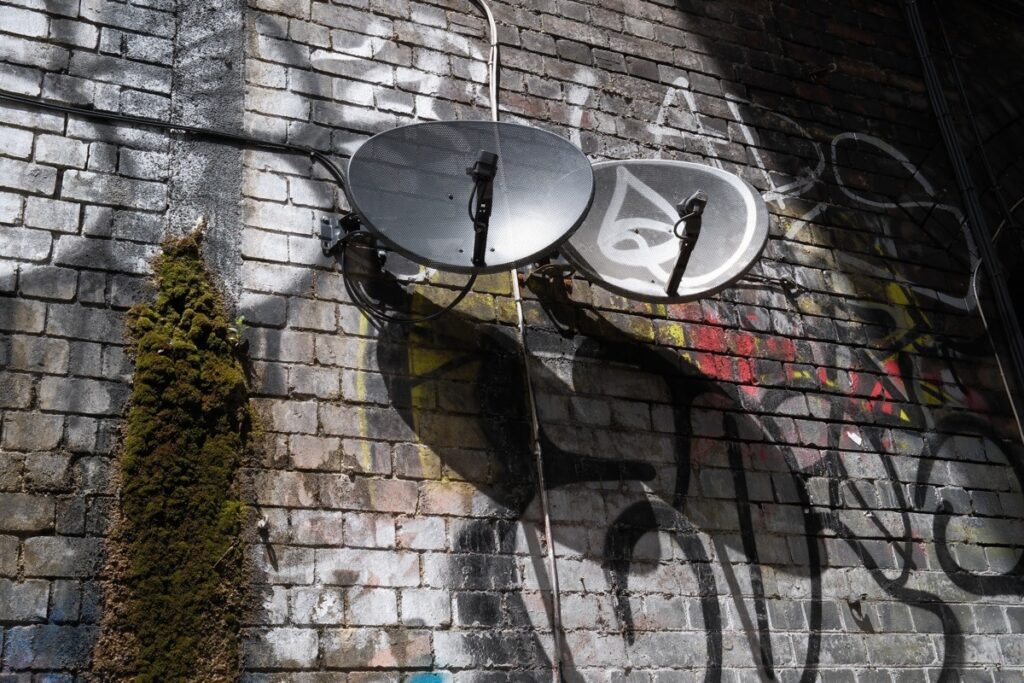
Photographing Digbeth: Satellites of Love.
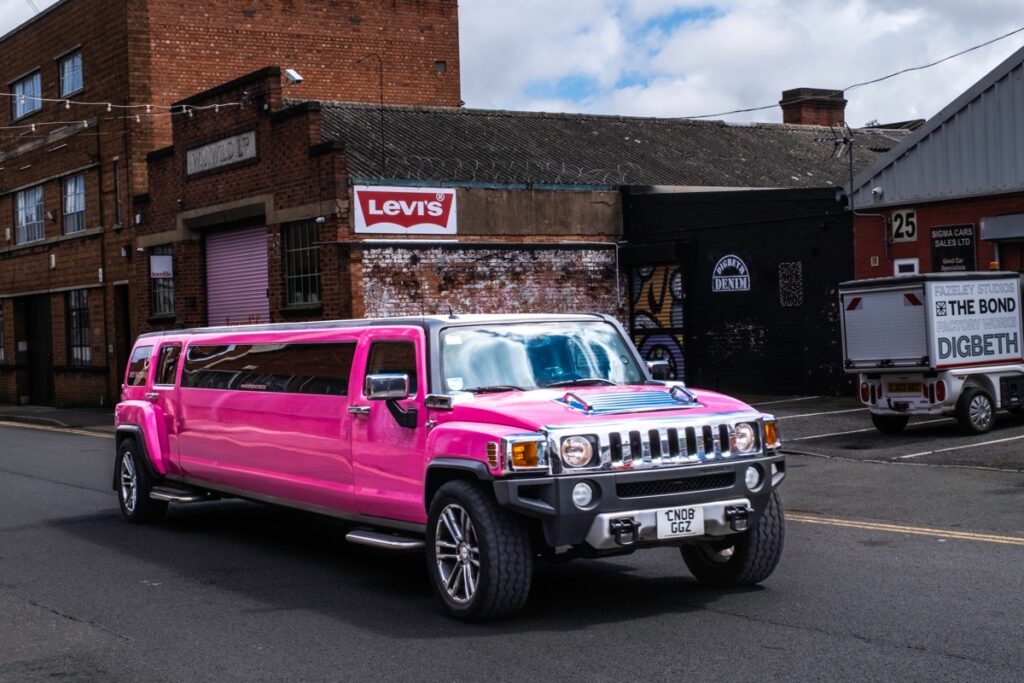
Photographing Digbeth: Pink Limousine on Floodgate Street.
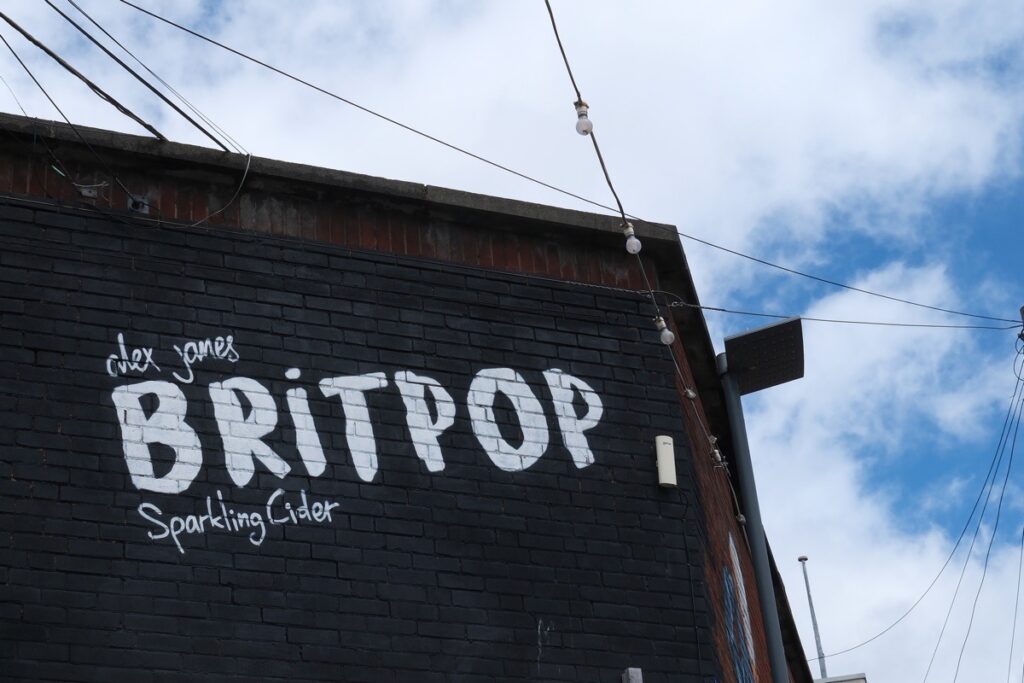
Photographing Digbeth: Britpop rules.
Photographing Digbeth: Britpop rules. It sure does.

If you enjoyed this read then compare the changes in Digbeth to my first blog about the area. I have photographed Digbeth on several occasions so please review my index of articles to see more.

Knowle 750th birthday party

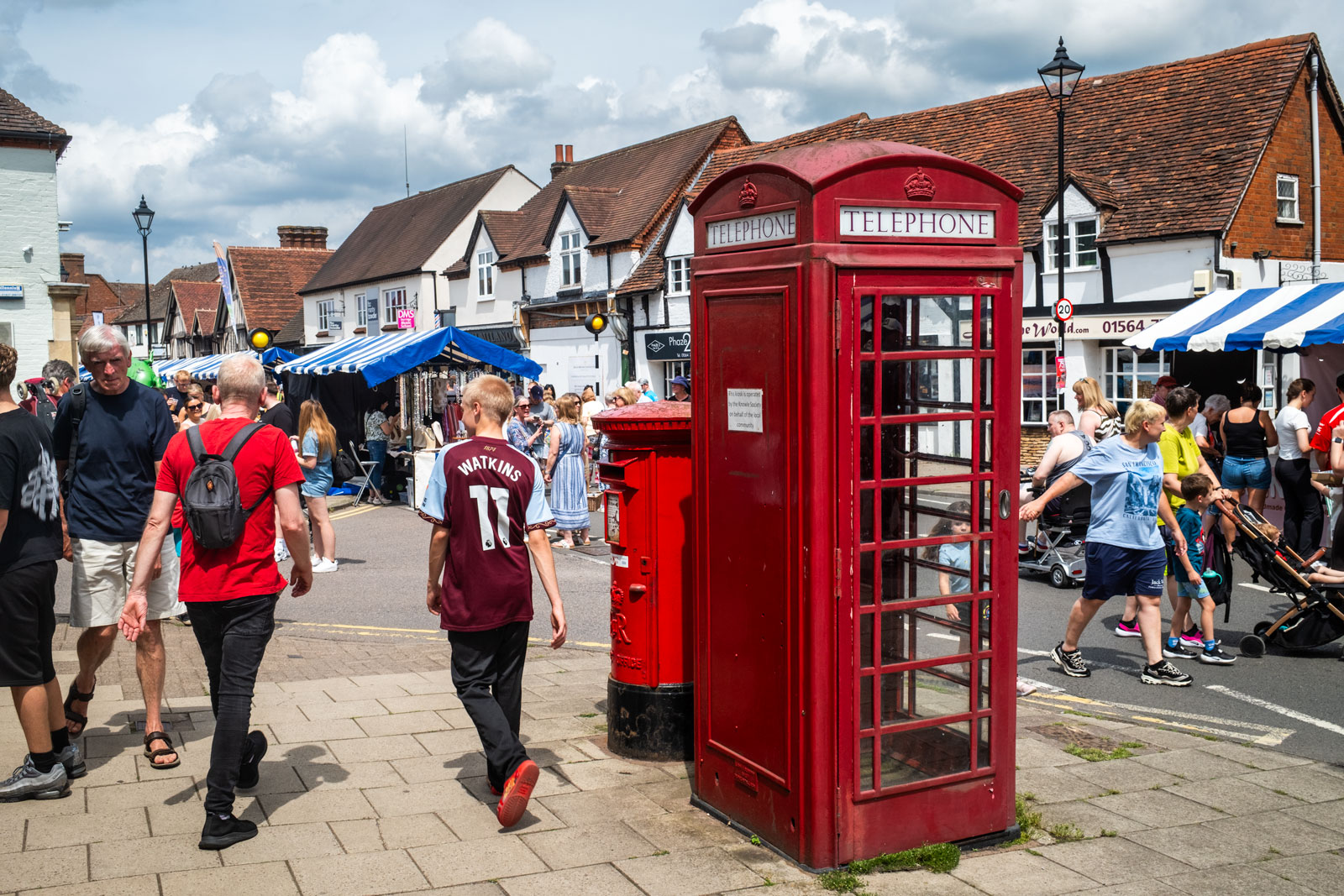
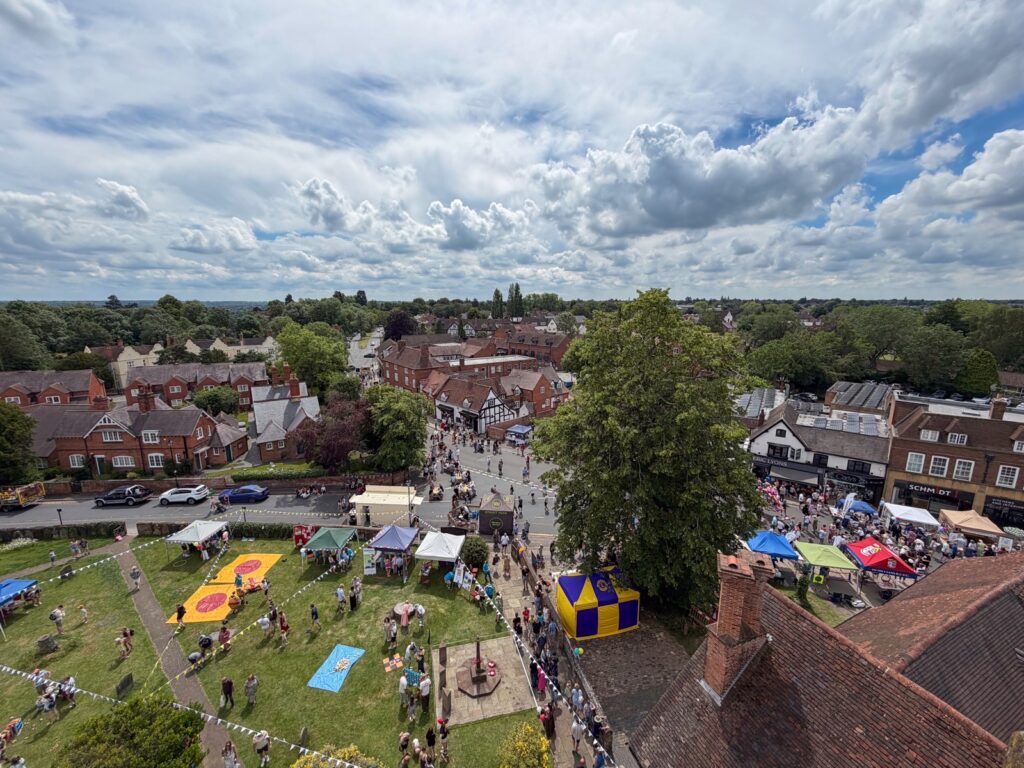
Knowle is 750 years old and what an excellent reason to have a party to celebrate the occasion.

I have lived in Knowle for over 40 years, which means I have been here for approximately 5% of the village’s life. There have been many changes over the years, but it still retains the quiet charm of an English village.

Knowle 750th birthday party
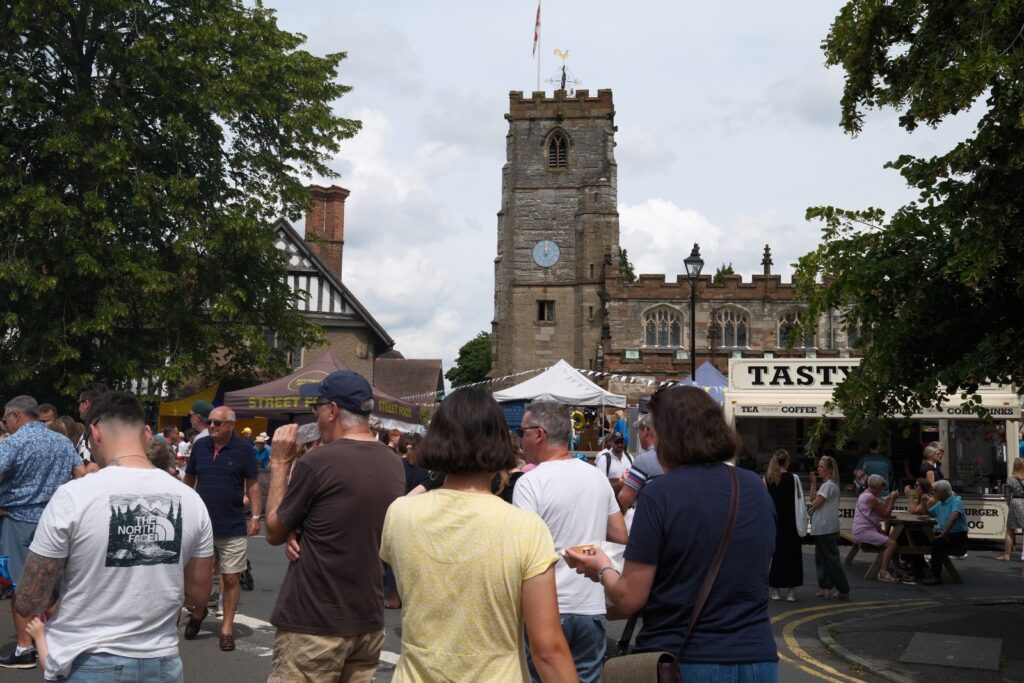
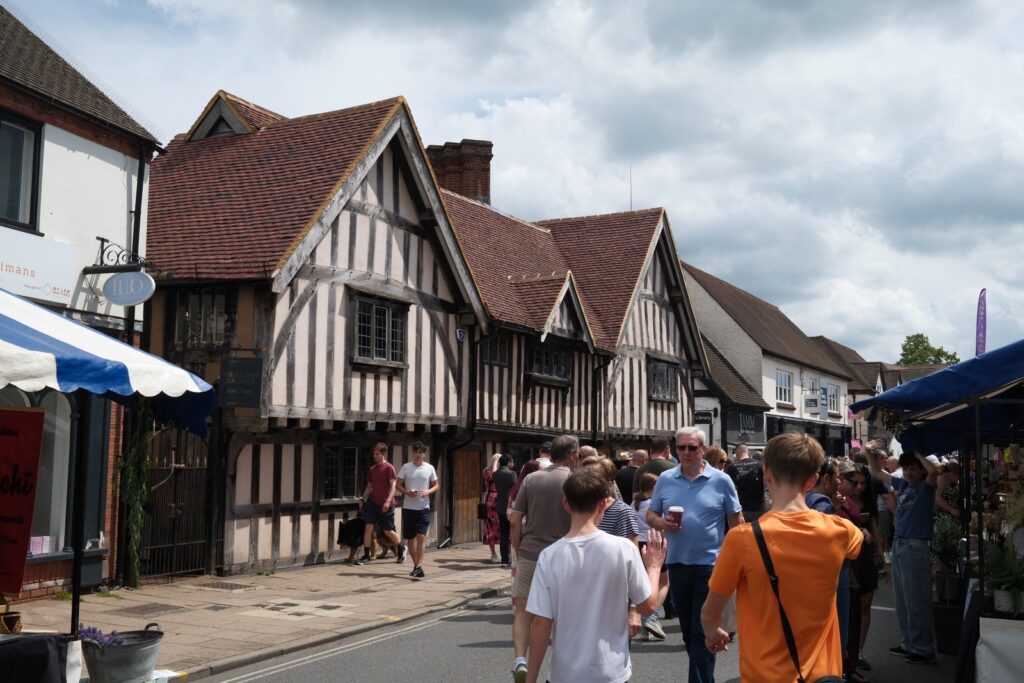
Residents and visitors arriving for the 750th party.
Knowle 750th birthday party
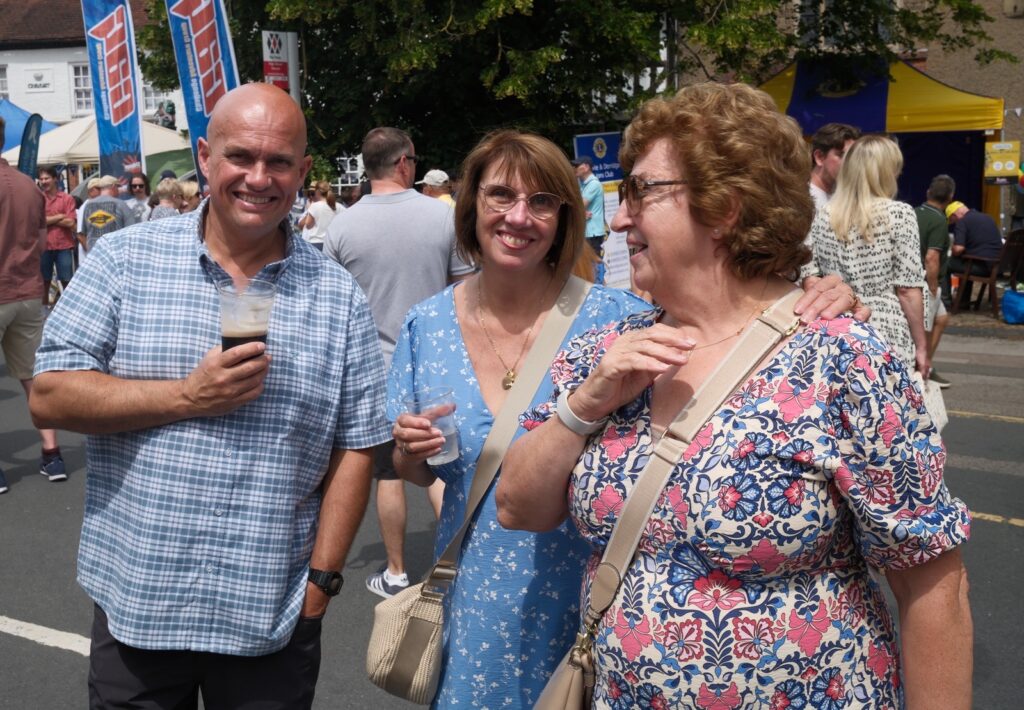
Local residents enjoying the sunshine and the party atmosphere.
Knowle 750th birthday party
Knowle Library was one of the many buildings open for the celebrations.

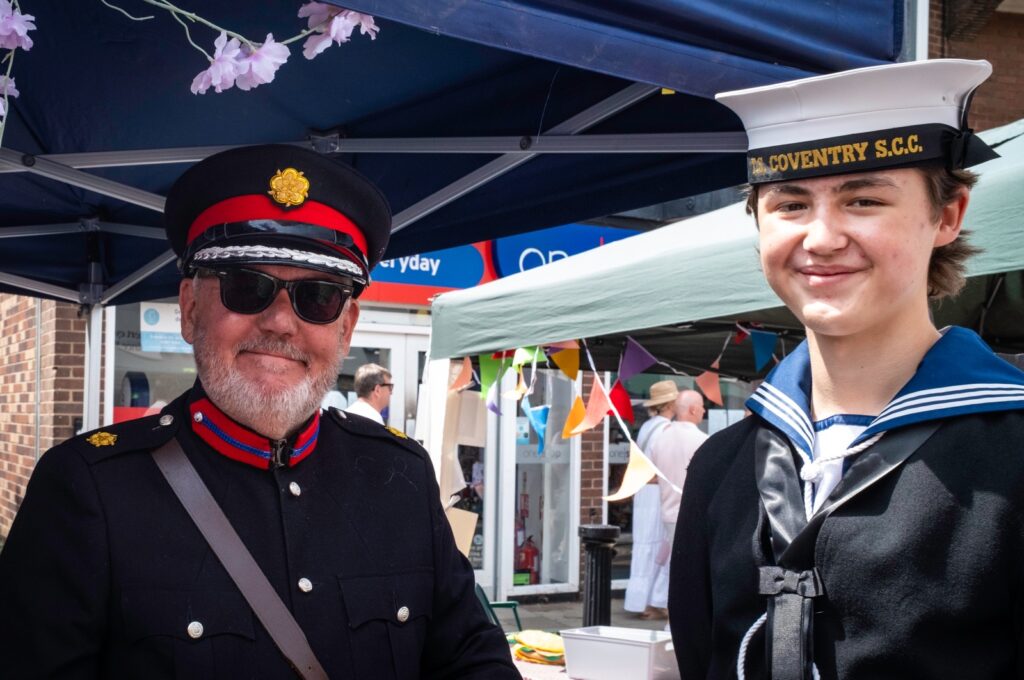
Kim is the face of Visit Knowle and was the lead organiser of the festivities, which took place on a Sunday in June, just before the heatwave. The High Street was closed to traffic, allowing artisan stalls and local interest groups to take over the space. Lyons, the butchers, hosted a BBQ, and dignitaries, including the Lord Mayor and the Deputy Lord-Lieutenant of the West Midlands, were in attendance.

Knowle 750th birthday party
Kim Hulse, Co Founder of Visit Knowle.
Knowle 750th birthday party
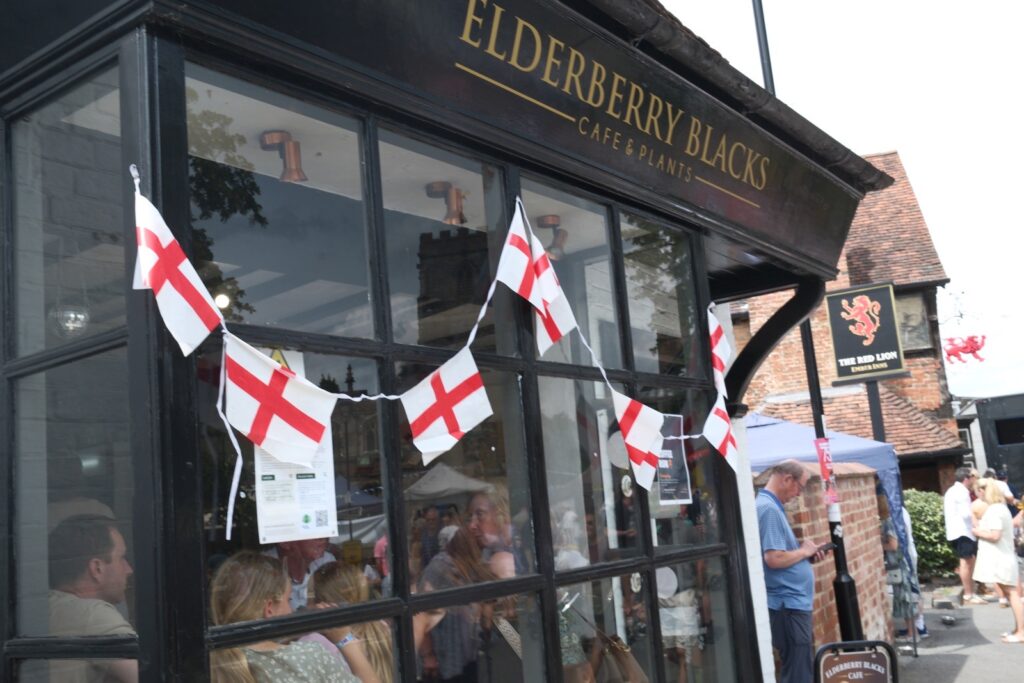
Elderberry Blacks is decked out in flags.
Kim Hulse, Co Founder
Role: Marketing and delivering Business Support
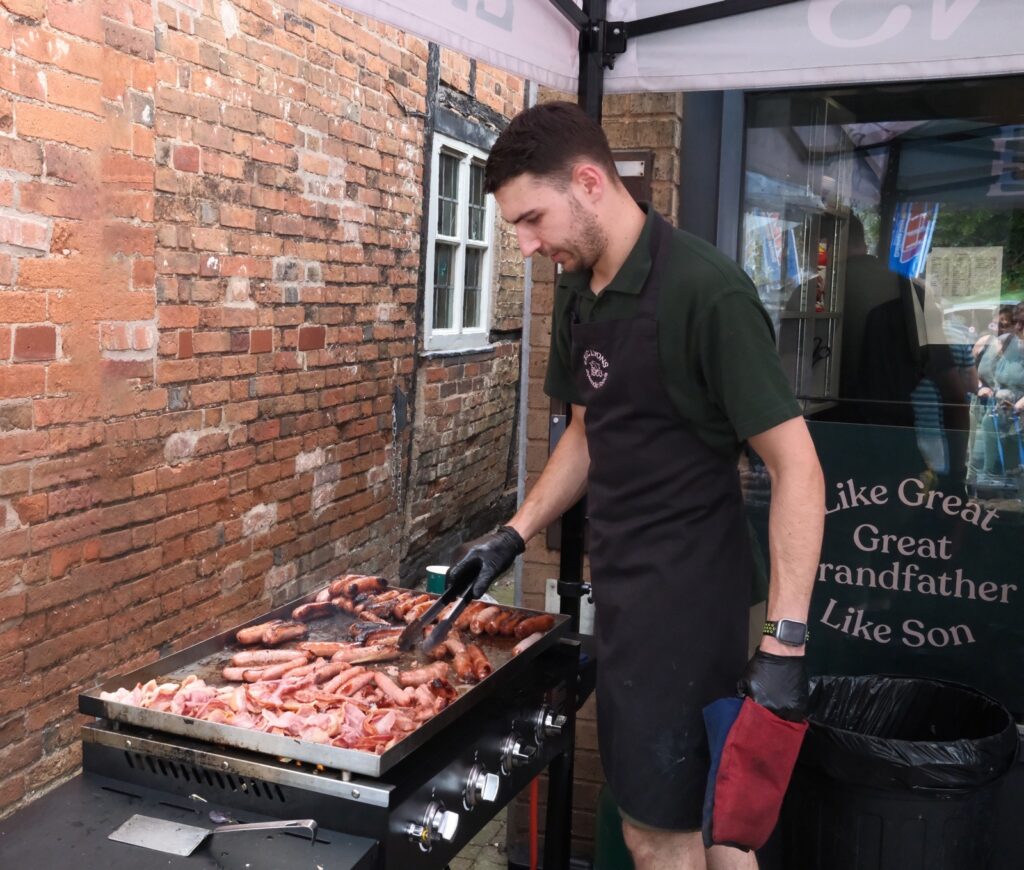
Eric Lyons supplying a constant supply of hot dogs for the party.
Kim Hulse, Co Founder
Role: Marketing and delivering Business Support
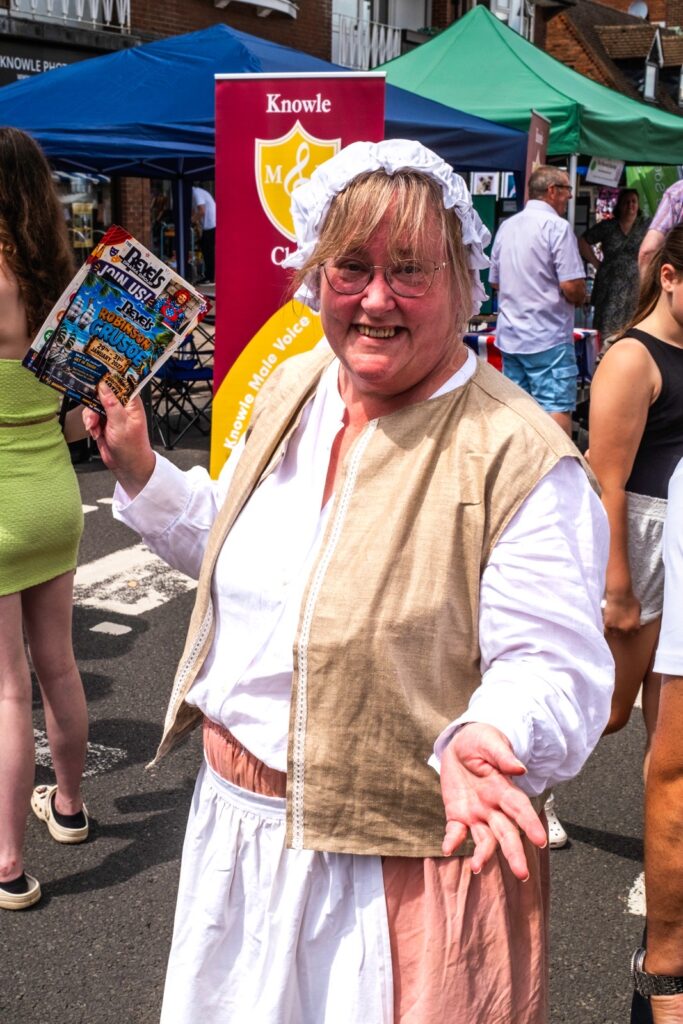
A member of the Revels drama group in recruiting mode.

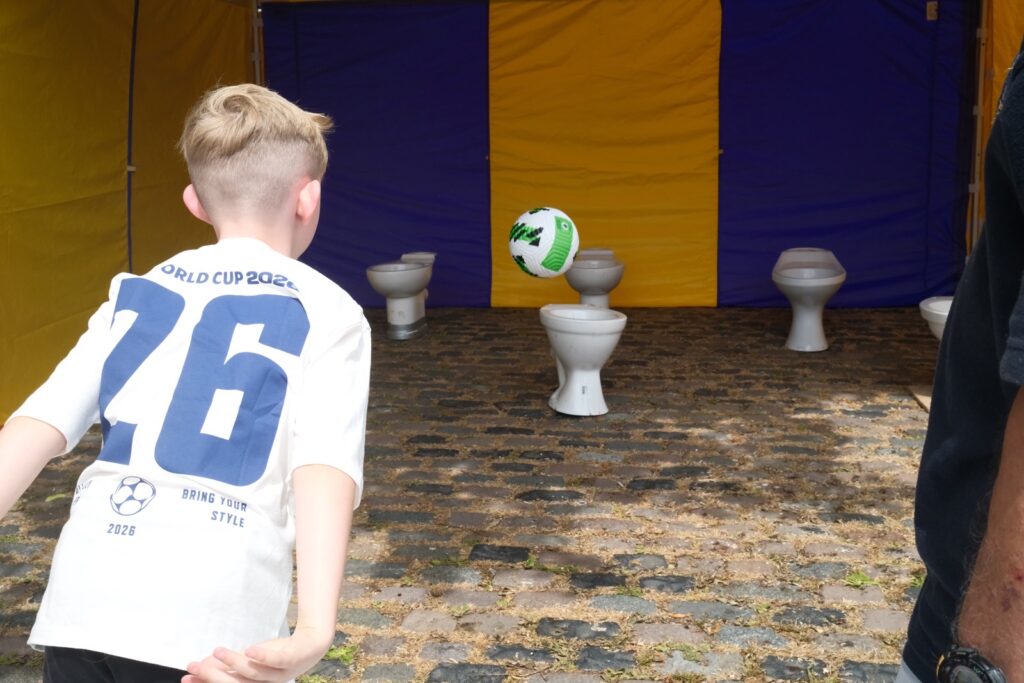
When I arrived, the birthday party was in full swing. My grandson had heard about a game that involved throwing footballs into a toilet. He found the challenge difficult and, after six attempts, had still not managed to land a football in the loo. How do you pick yourself up after that? With a hot dog from the Lyons BBQ, of course.

Knowle 750th birthday party
Throwing the football into the loo.
Kim Hulse, Co Founder
Role: Marketing and delivering Business Support
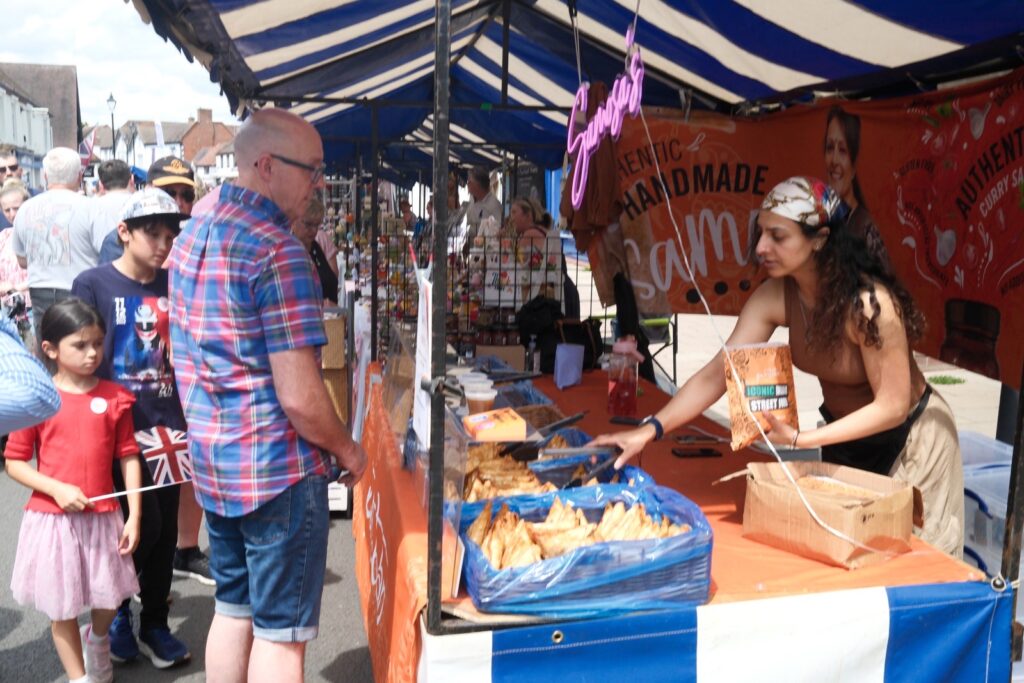
Enjoying the tasty food from Eric Lyons.

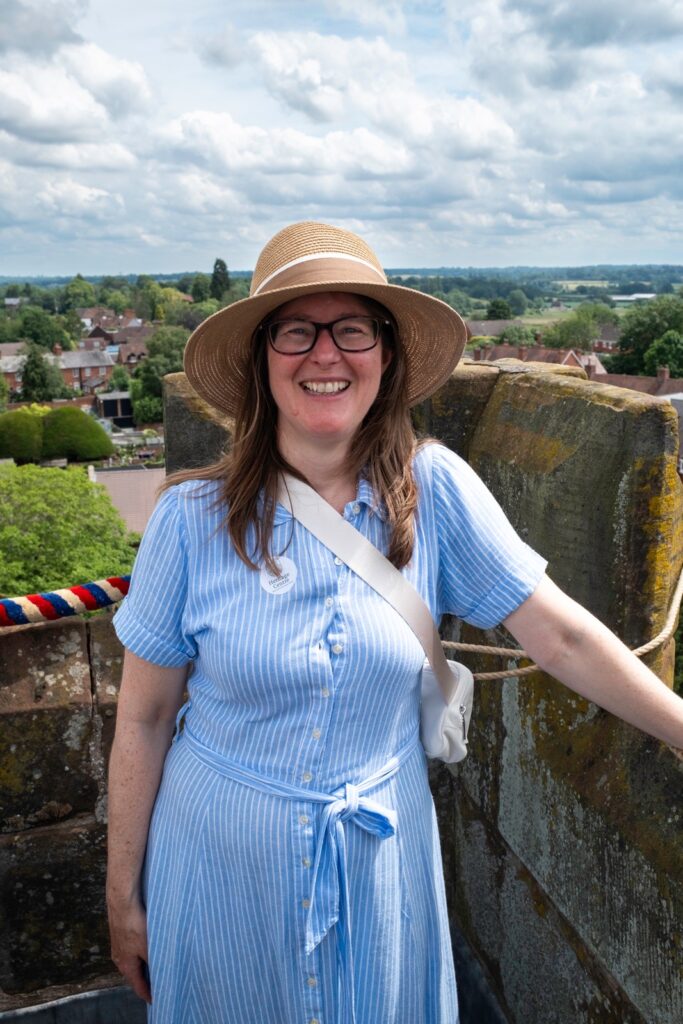
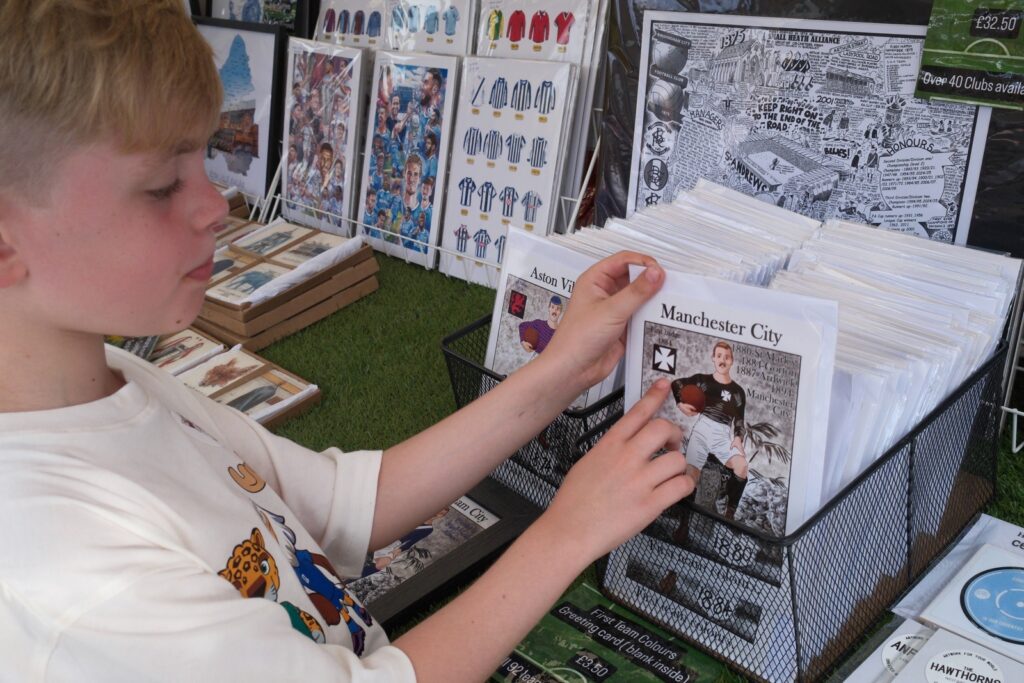
The High Street was full of people, with not a car in sight. My favourite stall was the football prints display, although there were many others worthy of mention. I was particularly keen to climb the tower at Knowle Church. I had previously visited the bell-ringing room but had never made it to the very top. After negotiating the narrow stairs, the magnificent view was a wonderful reward.

Knowle 750th birthday party
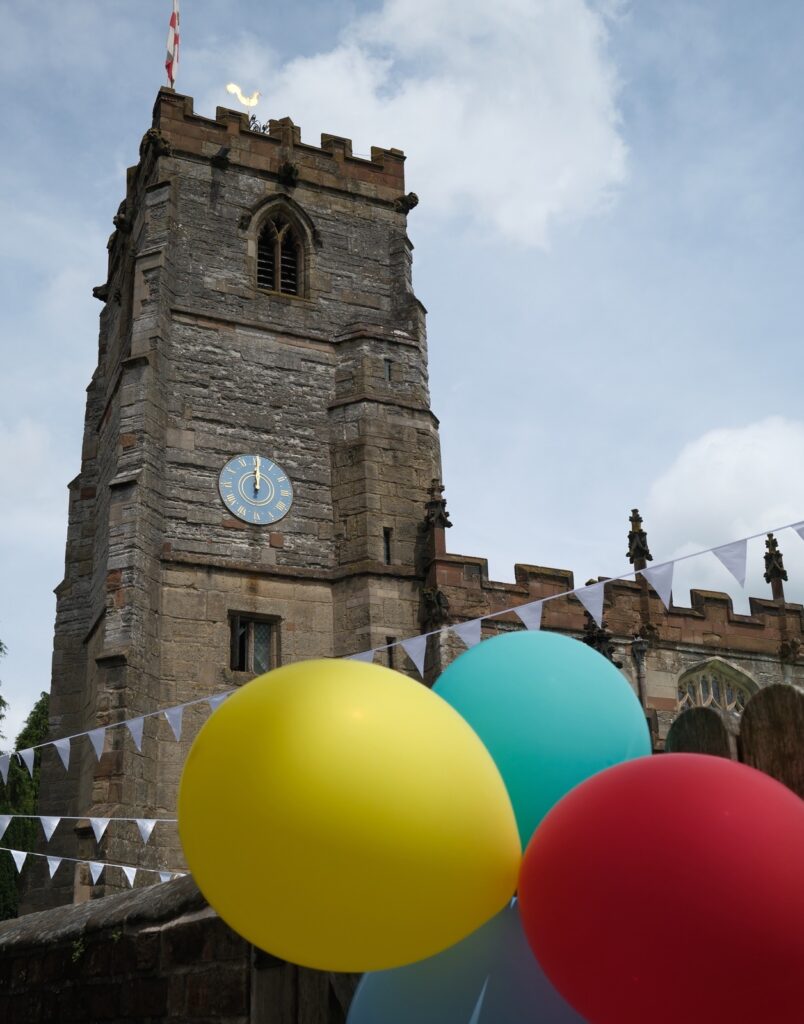
Looking up to the top of the Church.
Knowle 750th birthday party
View from the top of Knowle church

As I looked out across the Warwickshire landscape, I could almost hear The Who singing, “I Can See for Miles.”Unfortunately, I could not see my own house because of the many trees surrounding the village. By this time, I had lost track of my daughter and grandson, so I wandered down the High Street to see what else was happening.

Knowle 750th birthday party
Chris Loughran, Deputy Lord-Lieutenant of the West Midlands and a representative from the sea scouts.
Knowle 750th birthday party
Even more street food on offer on the High Street.
Knowle 750th birthday party
Football memorabilia.

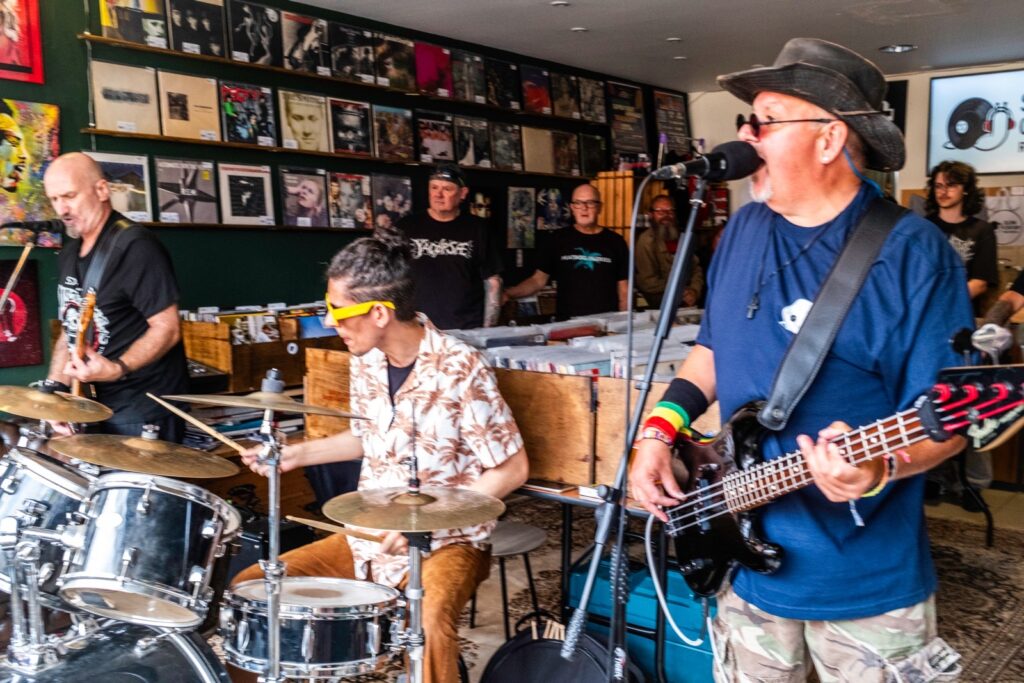
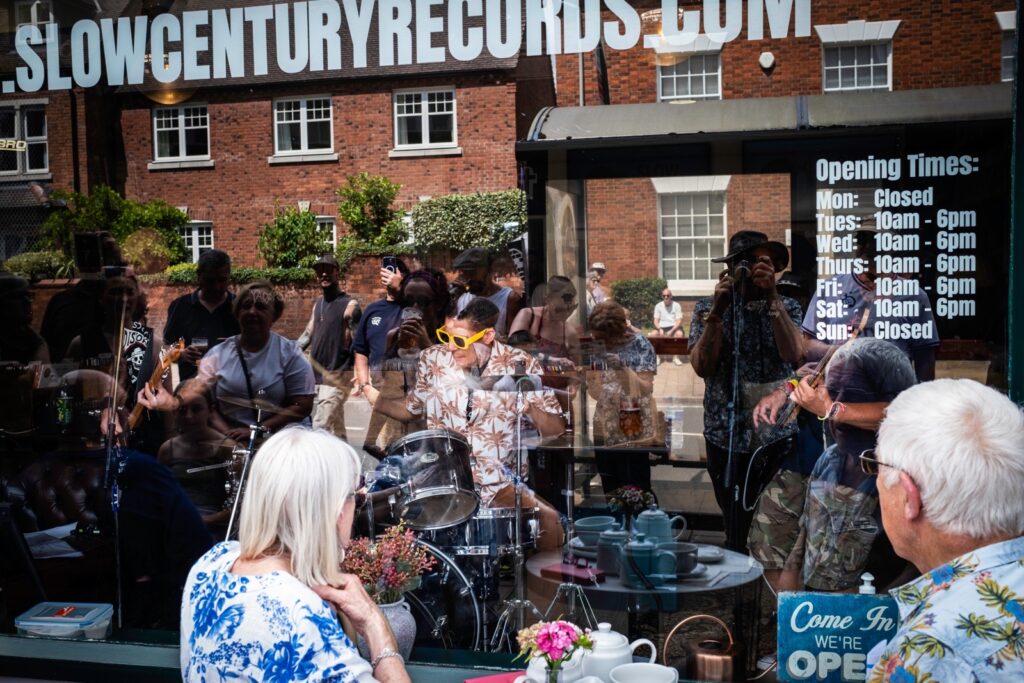
As I approached the Ale Rooms, Viola and Slow Records, I was in for a pleasant surprise. Playing in the window of Slow Records were Chipsum Gravy a lively three-piece high octane punk rock band who were not only rattling the windows but also rocking the High Street.

Deputy Lord-Lieutenant of the West Midlands
Chipsum Gravy rocking Slow Records.
Deputy Lord-Lieutenant of the West Midlands
Rattling windows and Chipsum Gravy

I know there was much more to take part in, and I did not have time to explore the precinct or visit many of the buildings that were open to the public, such as the library and the church. From what I did see, Knowle was enjoying a wonderful birthday celebration, and both residents and visitors were clearly having a great day.

Knowle 750th birthday party
Ducks cooling down in the water.

Well done to everyone who helped organise the event, and I look forward to the 751st birthday party next year!

The height of summer in Knowle is very different to the depths of winter in the village. Check out my blog on the snowfall earlier in the year.

Street walk in Dudley

Dudley is well known for attractions such as Dudley Zoo and Castle and the Black Country Living Museum, so I was keen to explore the town further. An opportunity came when a street photography walk led by Matt Wakefield and organised by Igers Birmingham UK took place.

Street walk in Dudley
The start of Dudley High Street.

Starting off at Cousins Furniture Store, Matt led us around the streets of Dudley. He is an excellent host for a photographic walk. His distinctive appearance of grey beard, baseball cap, and reflective glasses lets you know he is a man of the streets. After introductions by the Igers Birmingham UK team, we set off.

Street walk in Dudley
It’s that man of the Streets of Dudley. Matt himself.

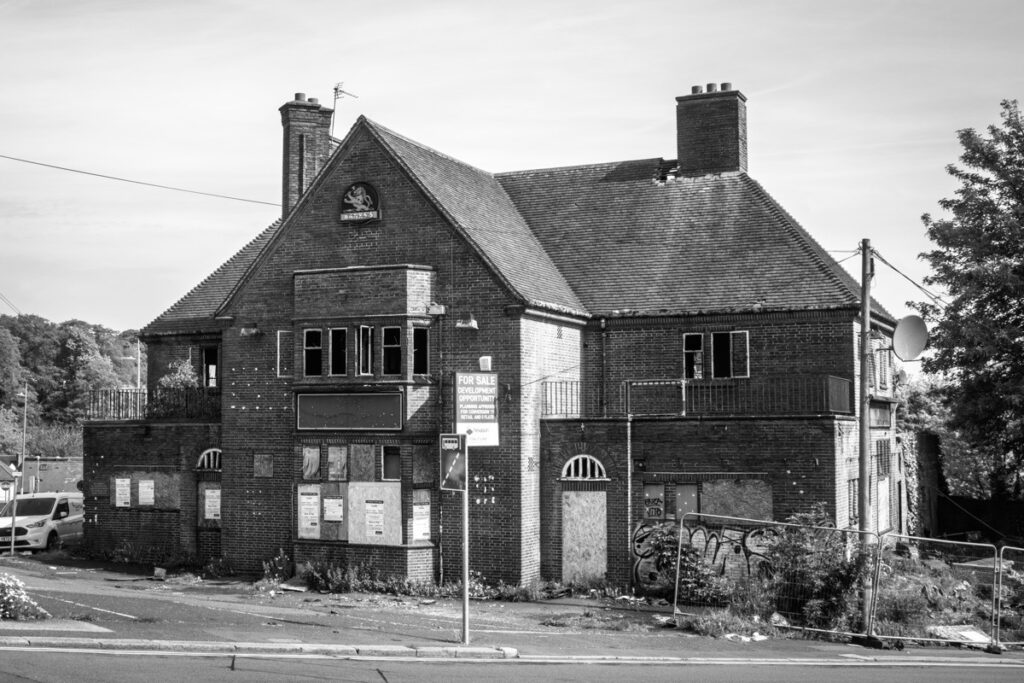
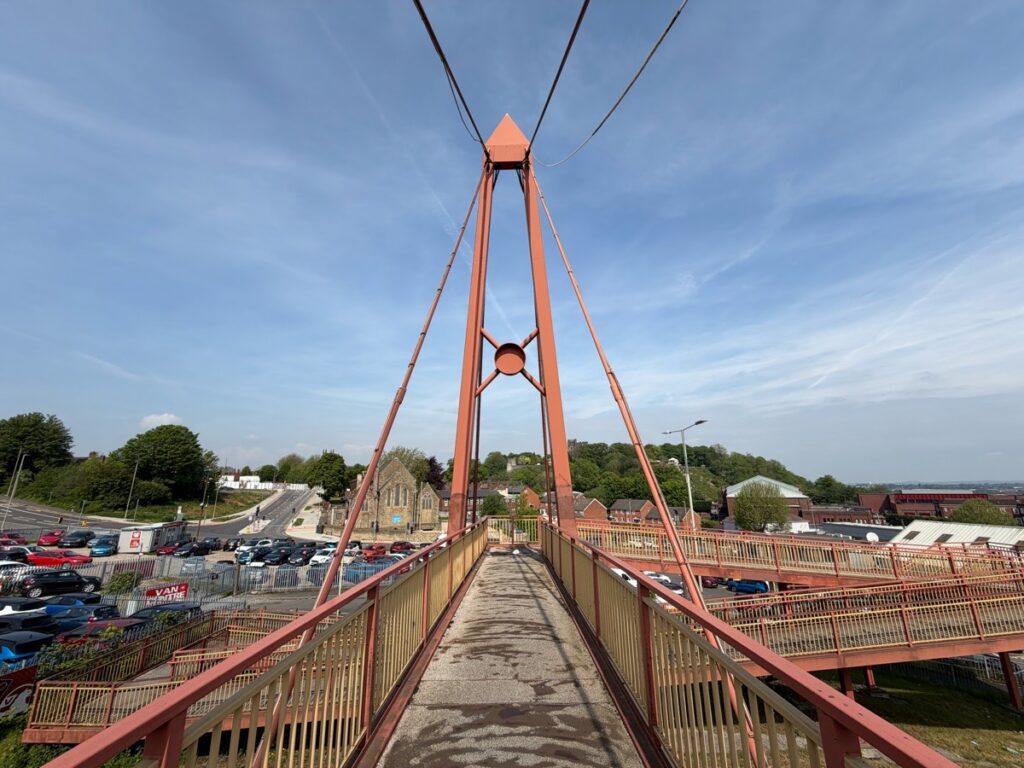
The first stop was a boarded-up pub that provided a great focus for our photography. This was followed by the distinctive iron bridge over Duncan Edwards Way. Following the newly laid tram tracks along Castle Hill, we passed the zoo and headed up towards the High Street. All the while, we could see Dudley Castle looking down on us.

Street walk in Dudley
A closed pub was our first port of call.
Street walk in Dudley
The iron bridge in Dudley.
Street walk in Dudley
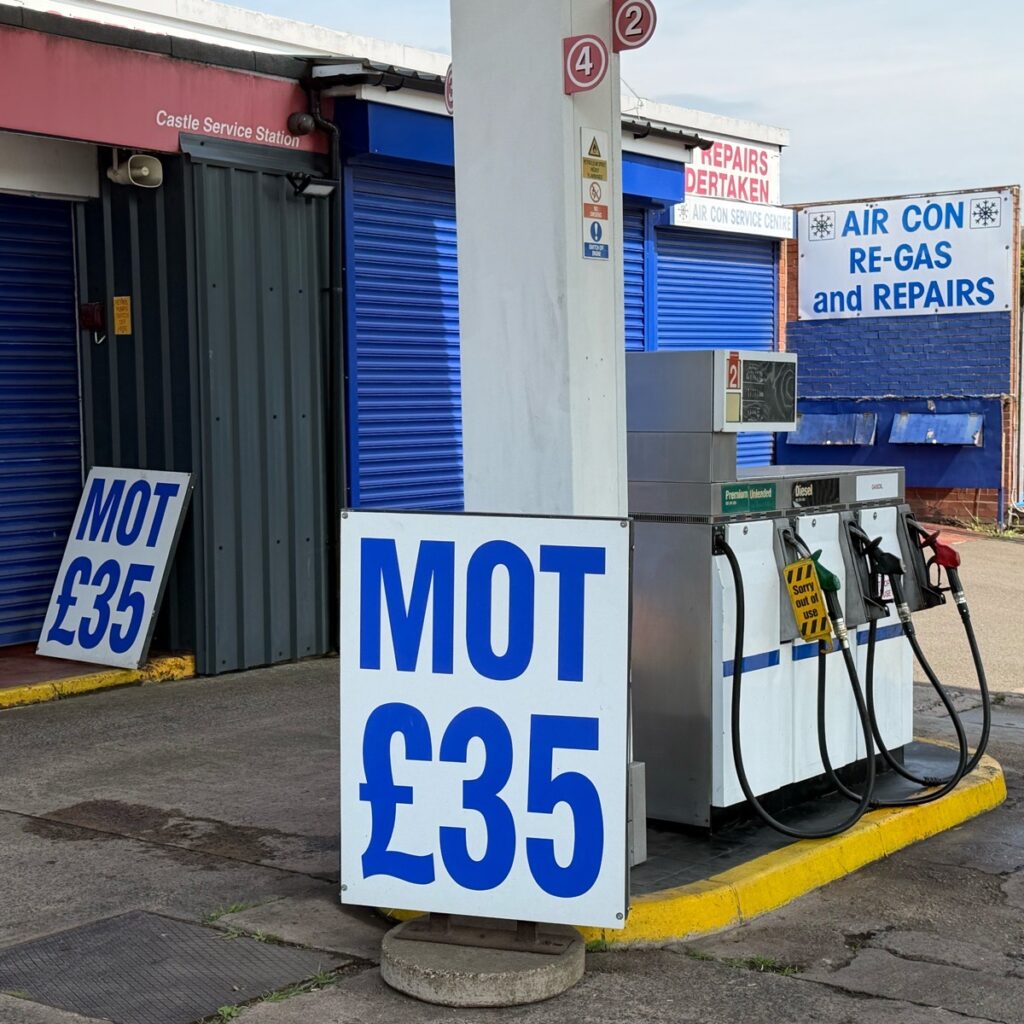
MOT anyone?
Street walk in Dudley
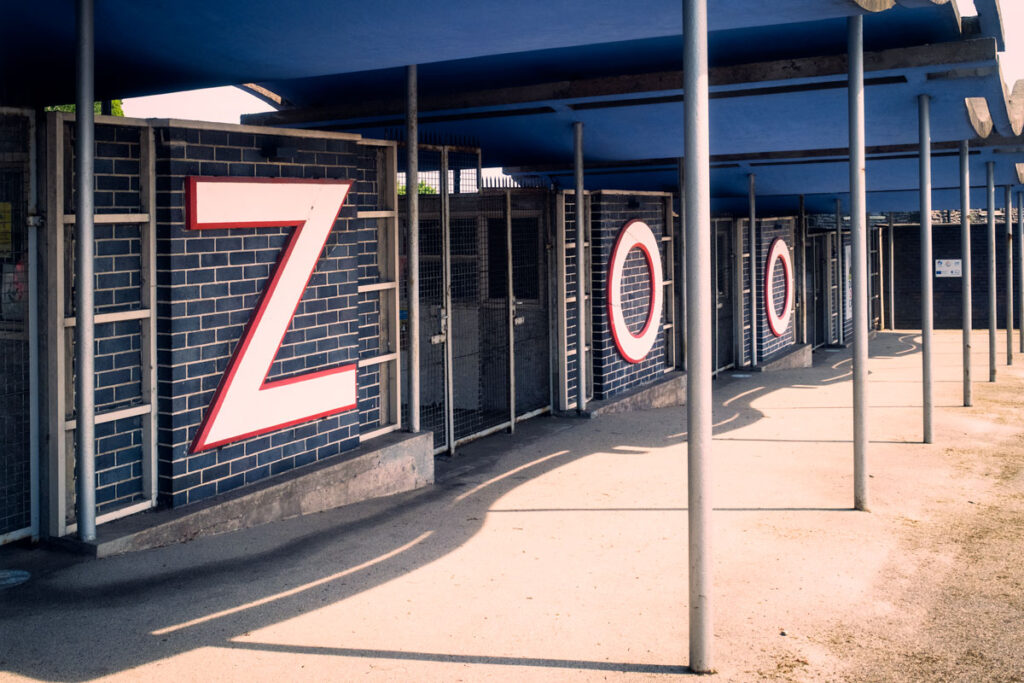
Dudley is known for the Zoo.

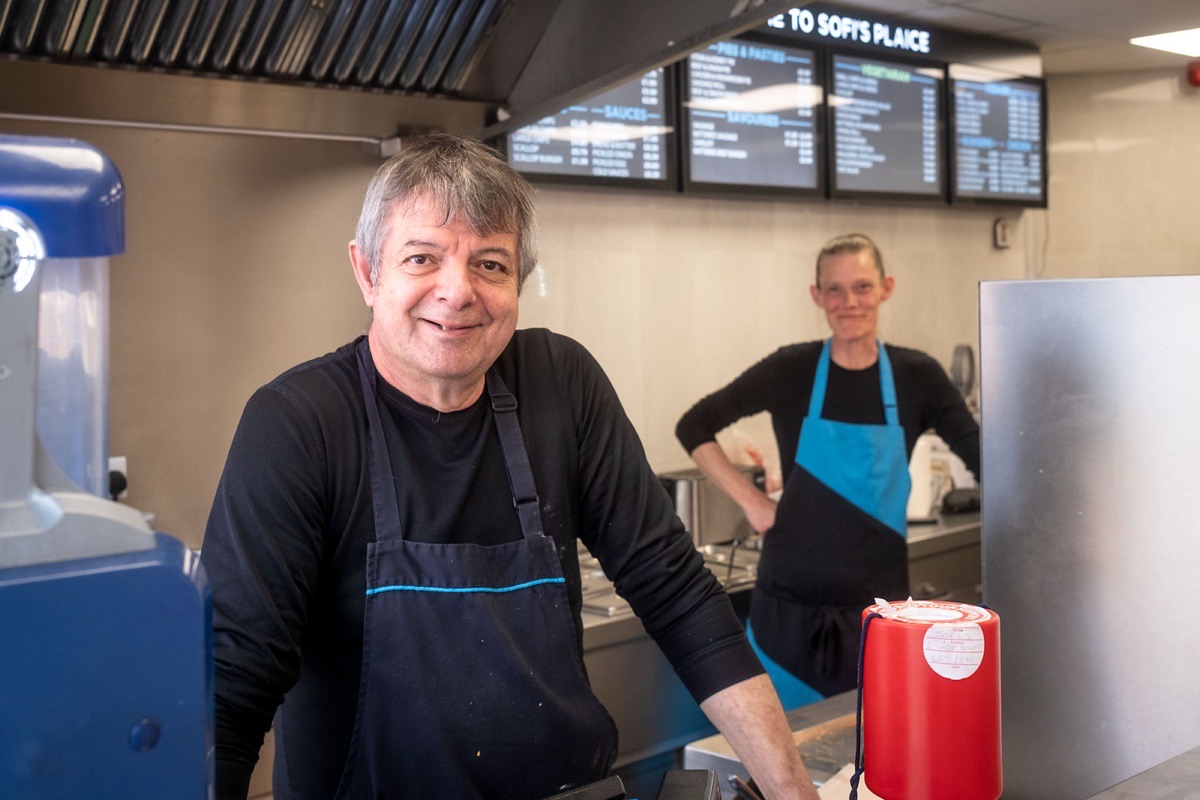
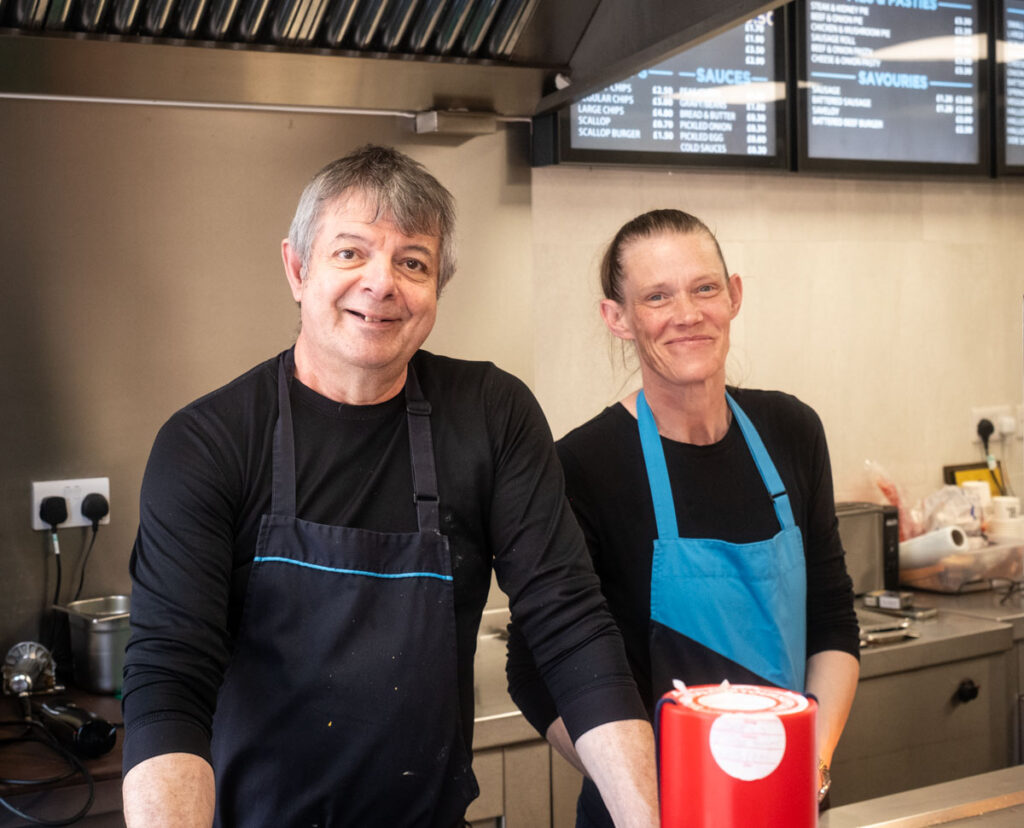
A group of photographers always looks conspicuous, and I attracted interest from people in Sofi’s Plaice, a local fish and chip shop. The owner, Kikis, beckoned me over and we chatted. He kindly allowed me to take his portrait and then proudly informed me that his was the best fish and chip shop in the West Midlands. We enjoyed the banter that followed, and I promised to return.

Street walk in Dudley
Kikis and Lyndsey in Sofi’s Plaice.

Matt guided us around Dudley town centre, which is quietly impressive, with old buildings mixed amongst the new. There were many architectural highlights. Some buildings had been thoughtfully repurposed, while others had unfortunately been left empty. Nevertheless, the town has real character. Matt kept us on our toes, sharing interesting facts and pointing out photographic opportunities as we made a large circle around the town.

Street walk in Dudley
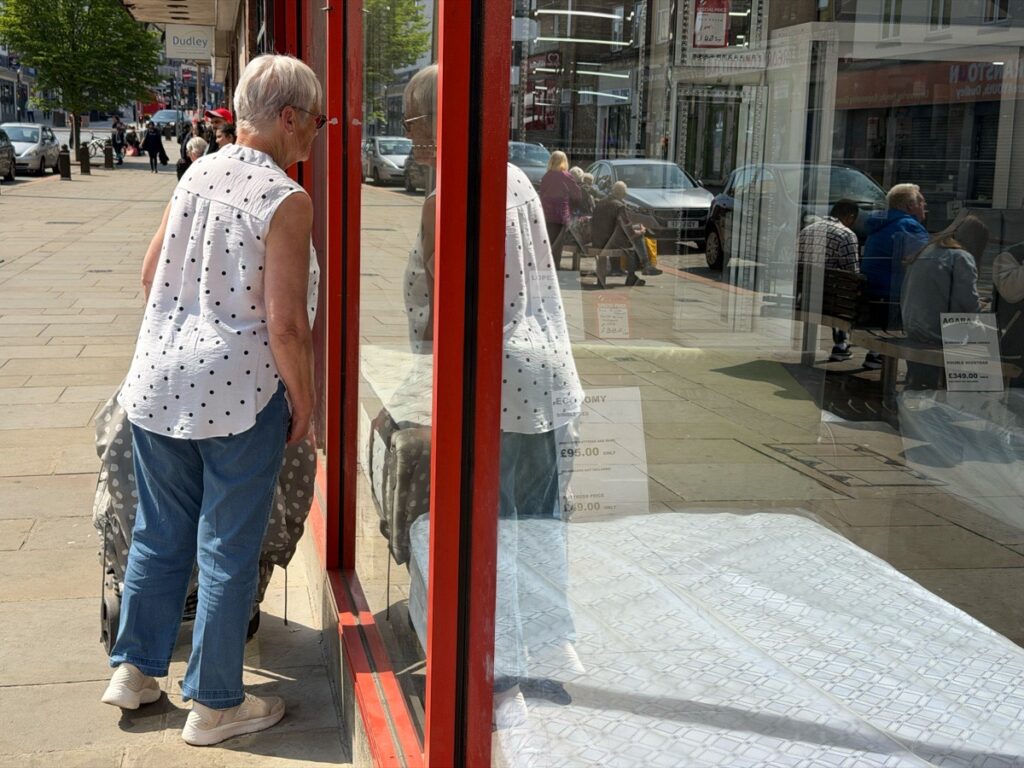
Window Shopping
Street walk in Dudley
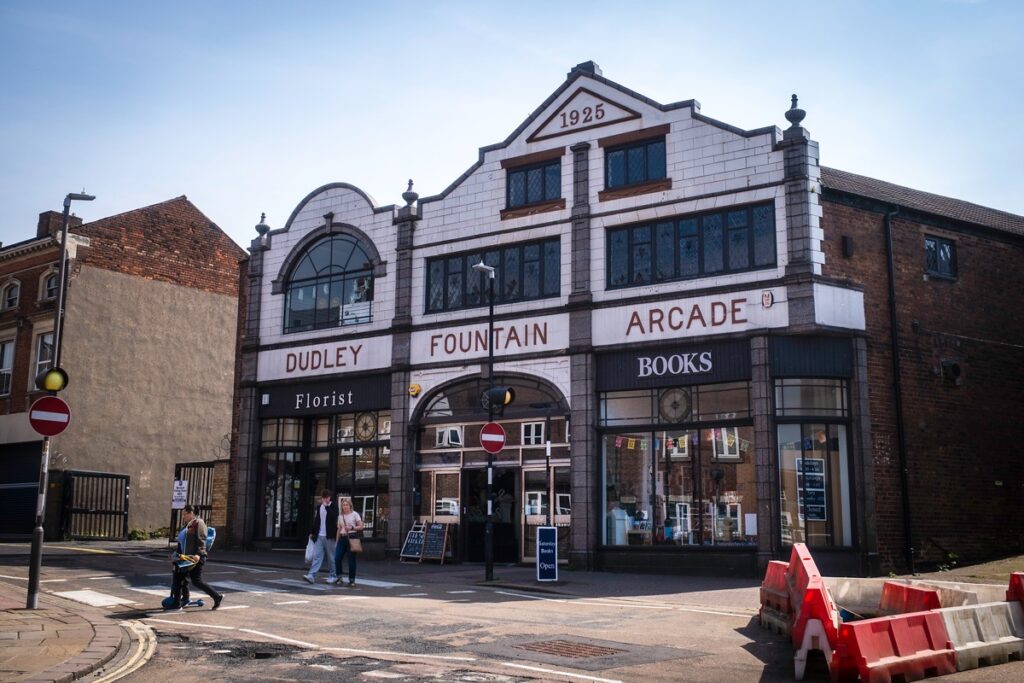
Older Dudley architecture.
Street walk in Dudley
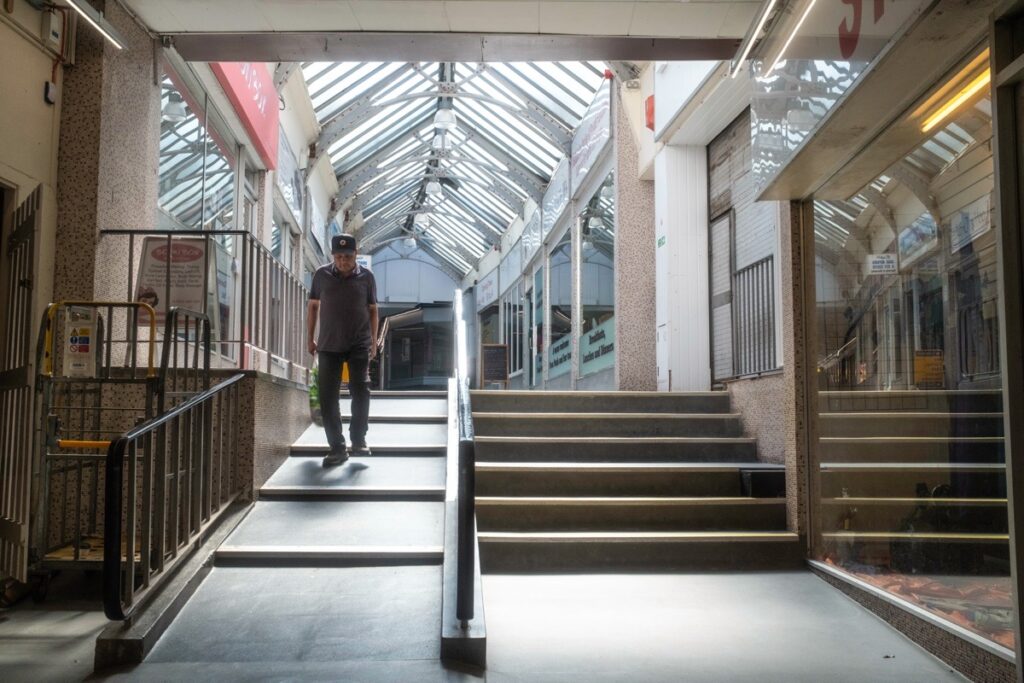
Inside the arcade.
Dudley walk
Architecture of Dudley.

We eventually reached the High Street, where Matt surprised us with a special visit to Prospect House, formerly the Cooperative Emporium. Opened in 1939 by the Midlands Cooperative Society, it was once their flagship department store. After decades of decline and closure during the 1980s, the building is now a community support centre with ambitions to restore it to its former glory. The exterior has already been beautifully restored in its original Art Deco style, although there is still much work to do inside.

Street walk in Dudley
Contrasting styles.

Matt is clearly a man with good contacts, and we were met by the building manager, who led us through the store and up a grand staircase onto the roof. Photographers love a rooftop viewpoint, and this one was superb. Earlier rain had left puddles across the surface, creating wonderful reflections. We spent a happy hour photographing the Black Country skyline, experimenting with puddle reflections, and capturing closer views of Dudley Parish Church.

Street walk in Dudley
I do like a good reflection.
Street walk in Dudley
Street scenes from above.

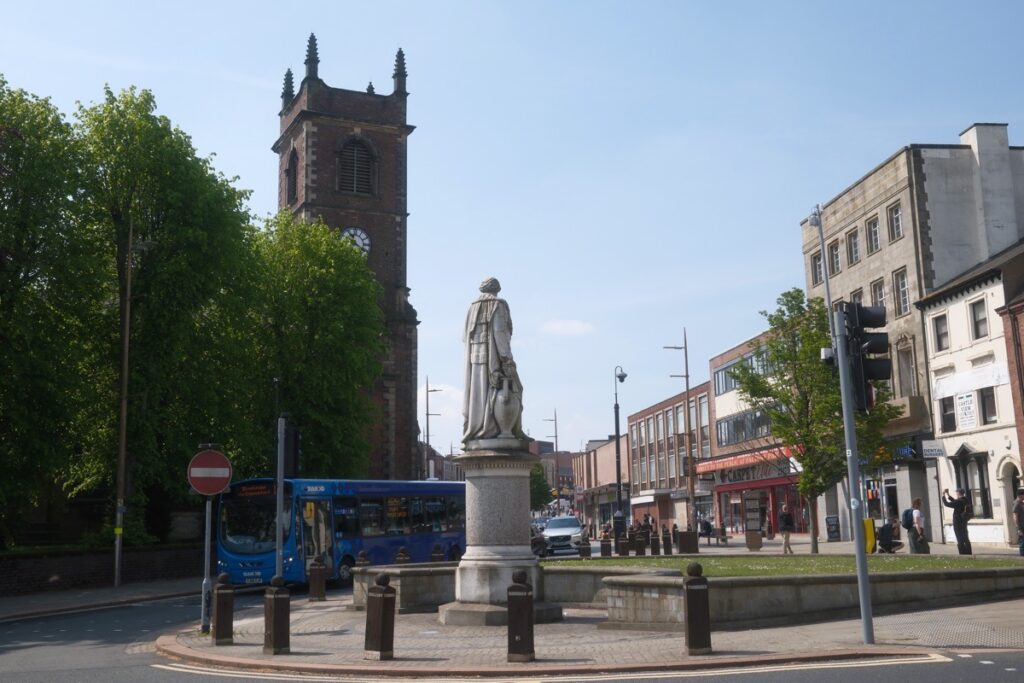
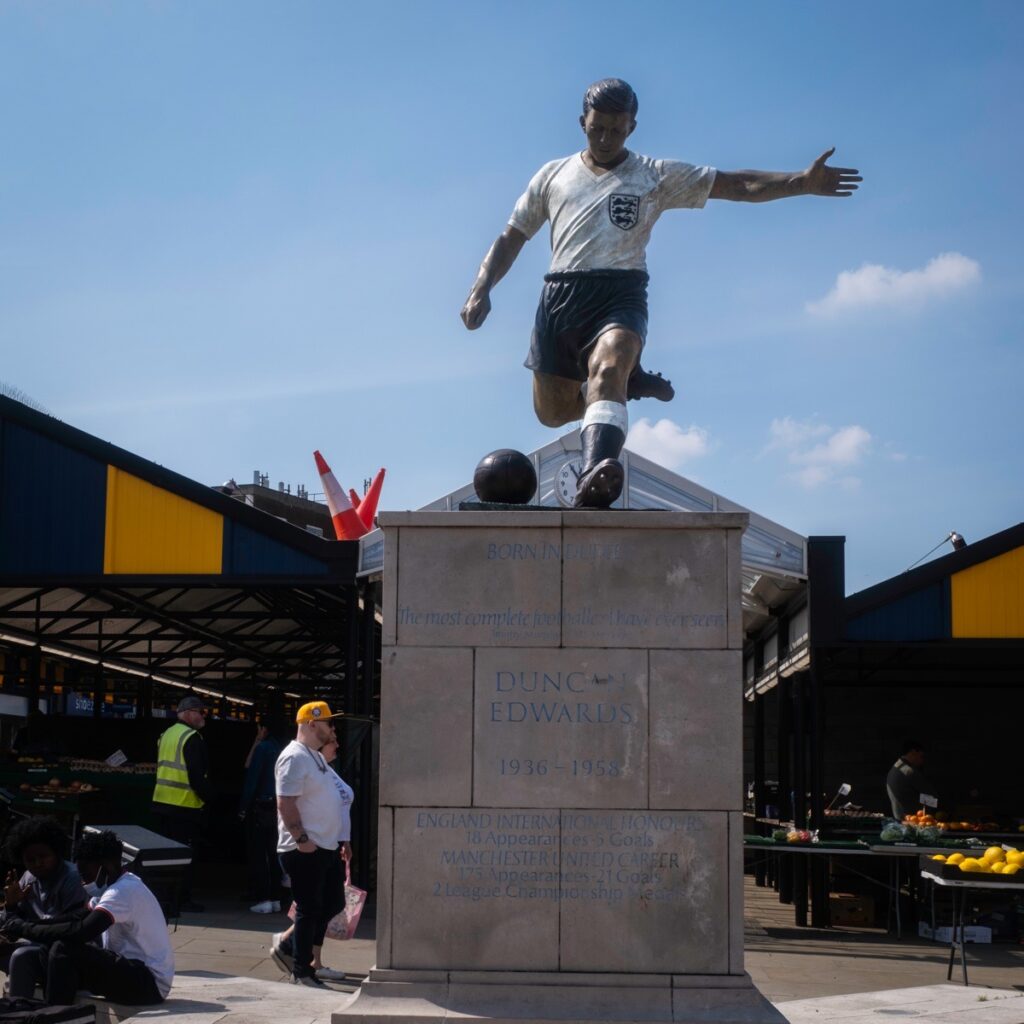
Everyone enjoyed themselves, and the rooftop visit became one of the highlights of the walk. Like any good film, however, there was still more to come. At the end of the High Street, Matt let us loose to photograph the Saturday market. Standing prominently above the street is the imposing statue of Duncan Edwards, dressed in England colours and poised to kick a football. His commanding figure overlooks the town below.

Street walk in Dudley
The Duncan Edwards statue.

Duncan Edwards was a hero to both my father and grandfather during his time at Manchester United, before his life was tragically cut short in the Munich air disaster. Standing there, I found myself reminiscing about all the stories I had heard as a child about this remarkable footballer.

Street walk in Dudley
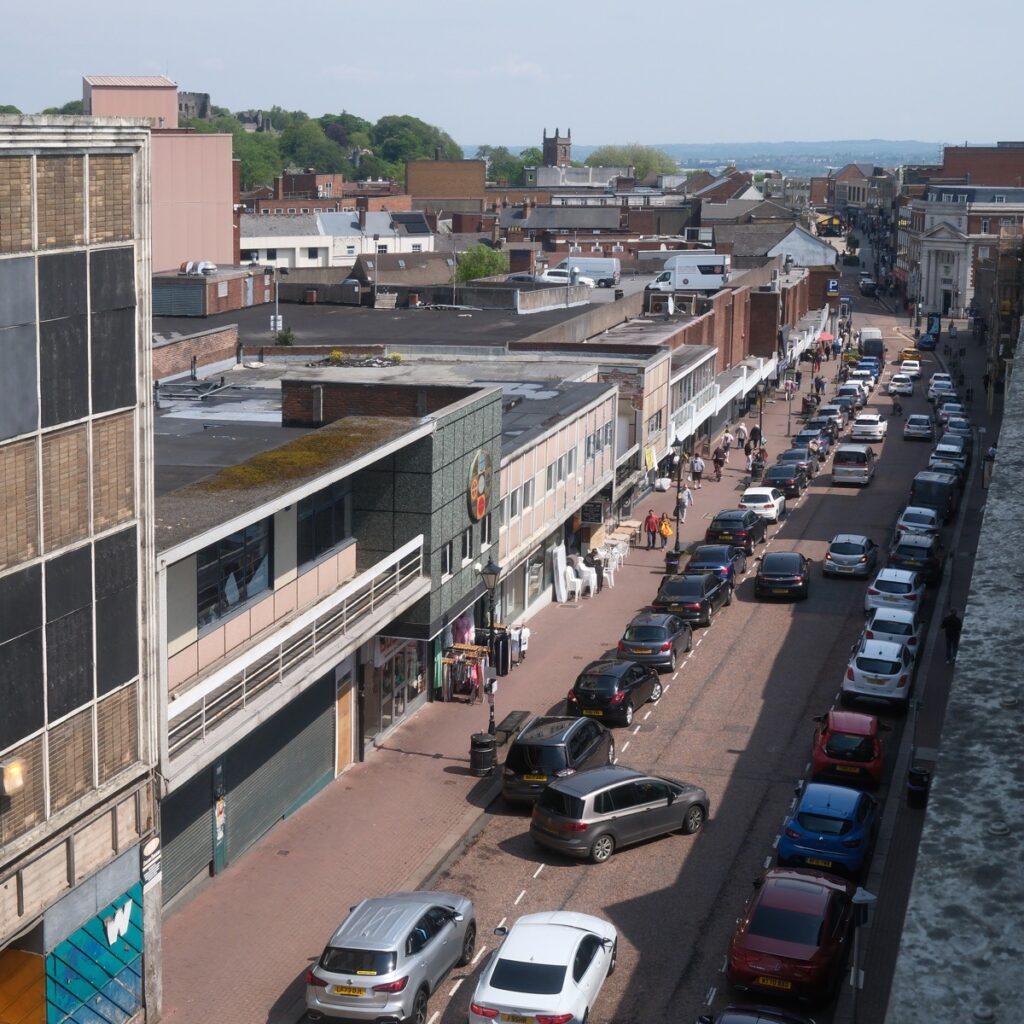
Looking down the High Street from the top of the Prospect building.
Street walk in Dudley
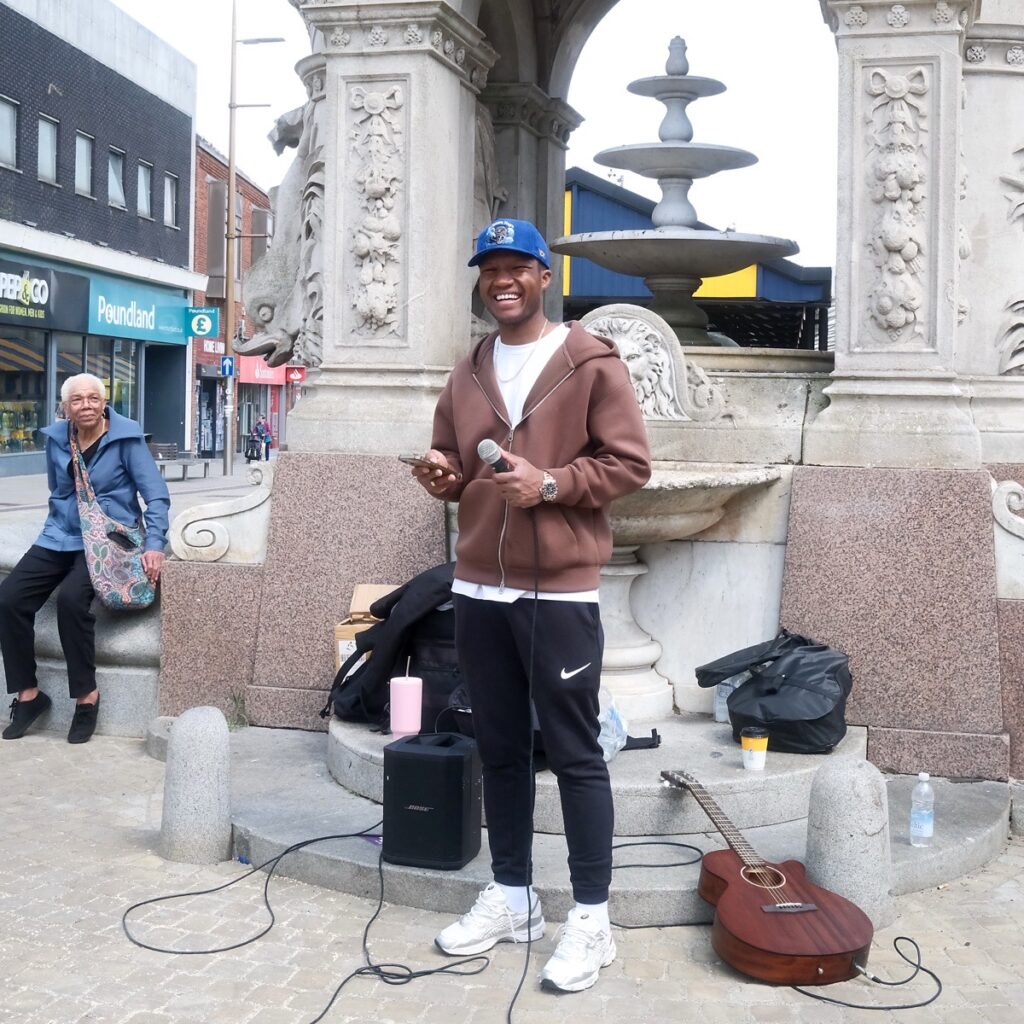
Musical entertainment in Digbeth.

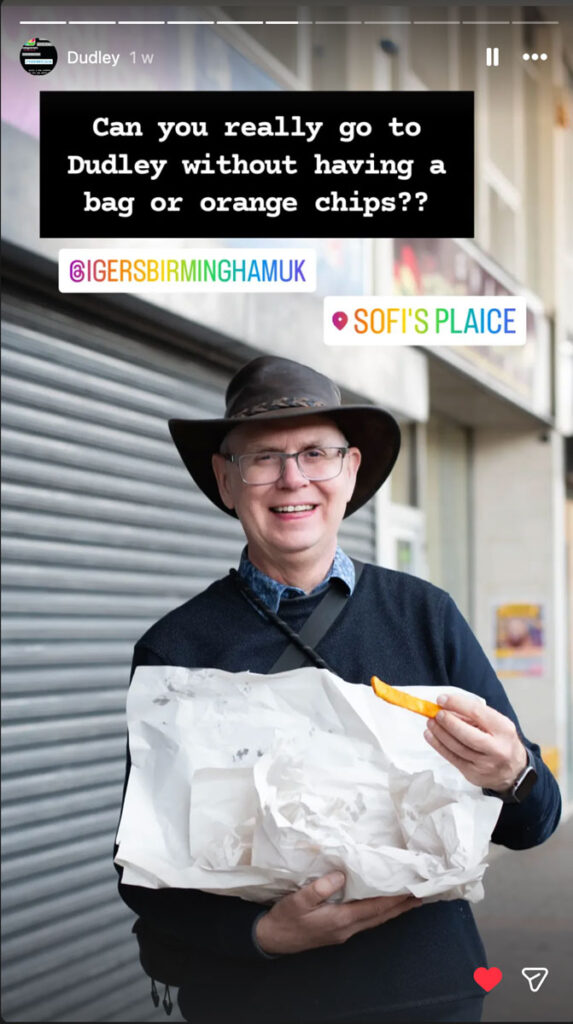
I later returned to Sofi’s Plaice fish and chip shop, where Kakis served me a cone of his special orange chips. They were delicious. I wandered past the new tram terminal alongside Birdcage Walk, chips in one hand and camera in the other, before eventually finding myself back at Cousins Furniture Store. We had a short debrief, reflected on what an enjoyable walk it had been, and then said our goodbyes before heading home.

Street walk in Dudley
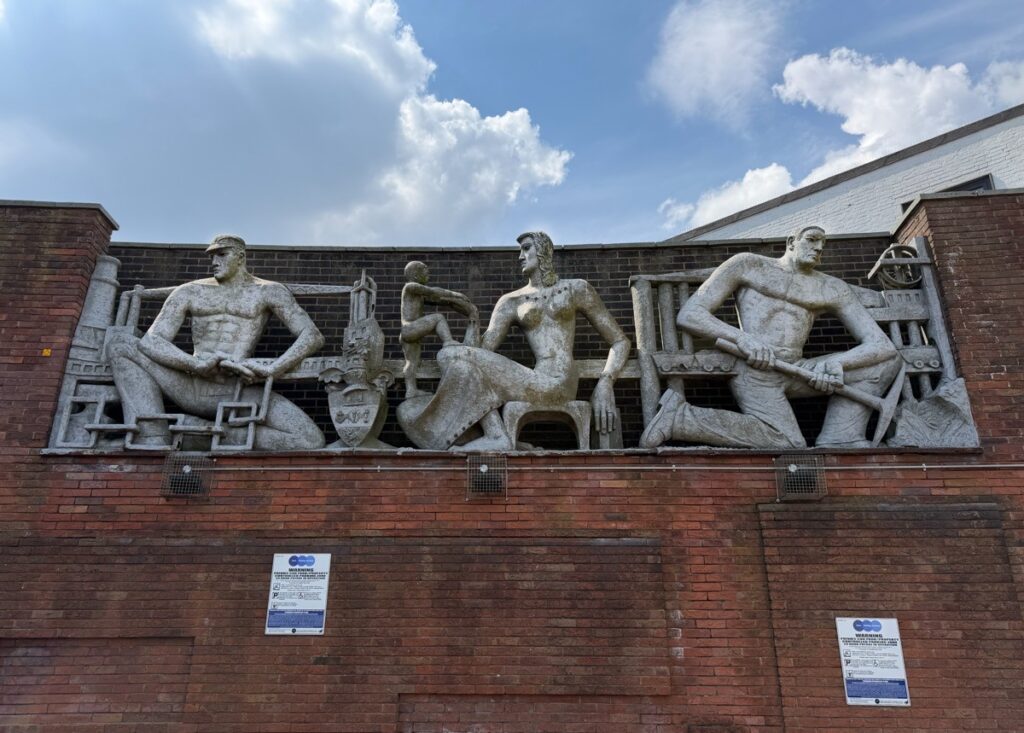
Time trail at the start of Birdcage. A sculpture on Industry and work supporting the family. Date 1964 and the sculpture was by Edward Bainbridge Copnall.

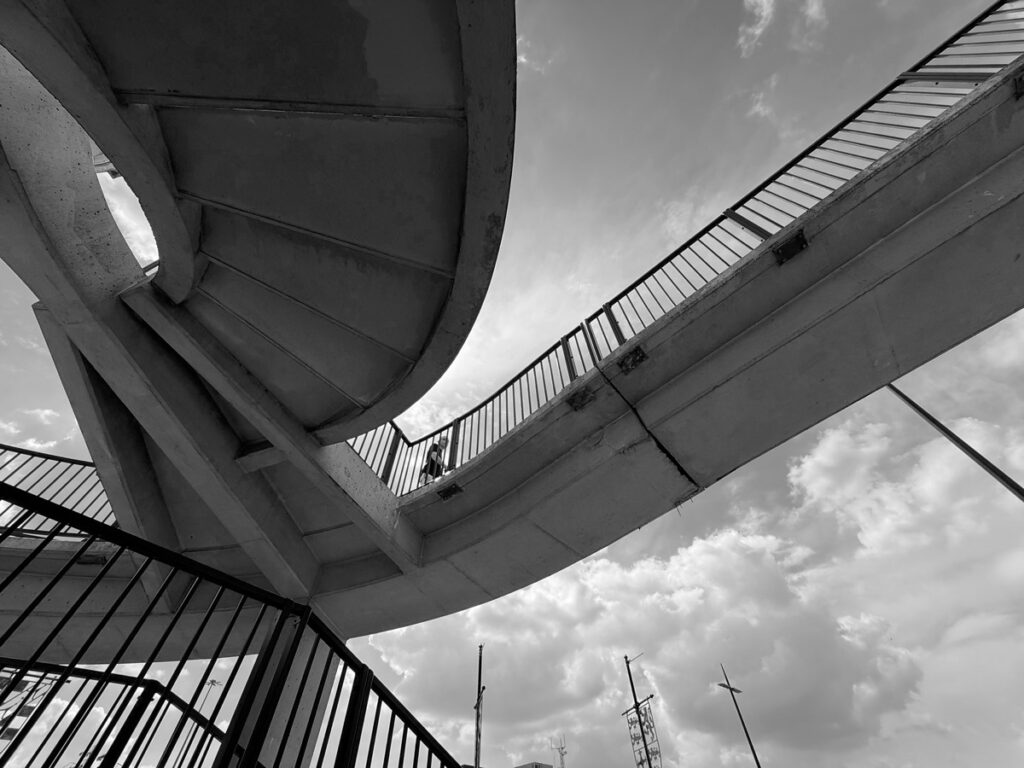
I stayed a little longer because I had spotted a spiral footbridge that I wanted to photograph. I liked the strong angles, circular shapes, and the way pedestrians interacted with the concrete structure and metal railings.

Street walk in Dudley
Looking up towards the Spiral footbridge.

Over the following days, I posted my photographs online. As everyone shared their pictures, I realised that I had unintentionally become a subject myself. My Aussie hat and black clothing had apparently made me a distinctive figure amongst the crowd, and several photographers had captured portraits of me during the walk. It was great fun seeing everyone’s different interpretations and the one below by Nadia Malik is my favourite one.

Street walk in Dudley
With my orange chips from Sofi’s Plaice. Picture by Nadia Malik.

My thanks go to Matt for leading such an excellent photo walk and also to the Igers Birmingham UK team for organising the day.

The last blog post on my Photographing series was focussed on my visit to Winchester.

Black and White Photography with PRISM

Black and white photography is reinventing itself in the analogue world. I had the opportunity to take part in an analogue photography day courtesy of PRISM Photography. The course was organised by Francesco Felcini, who has a studio in Stryx Gallery, where he has a darkroom set up. There were three of us booked onto the course with Francesco.

Black and White Photography with PRISM
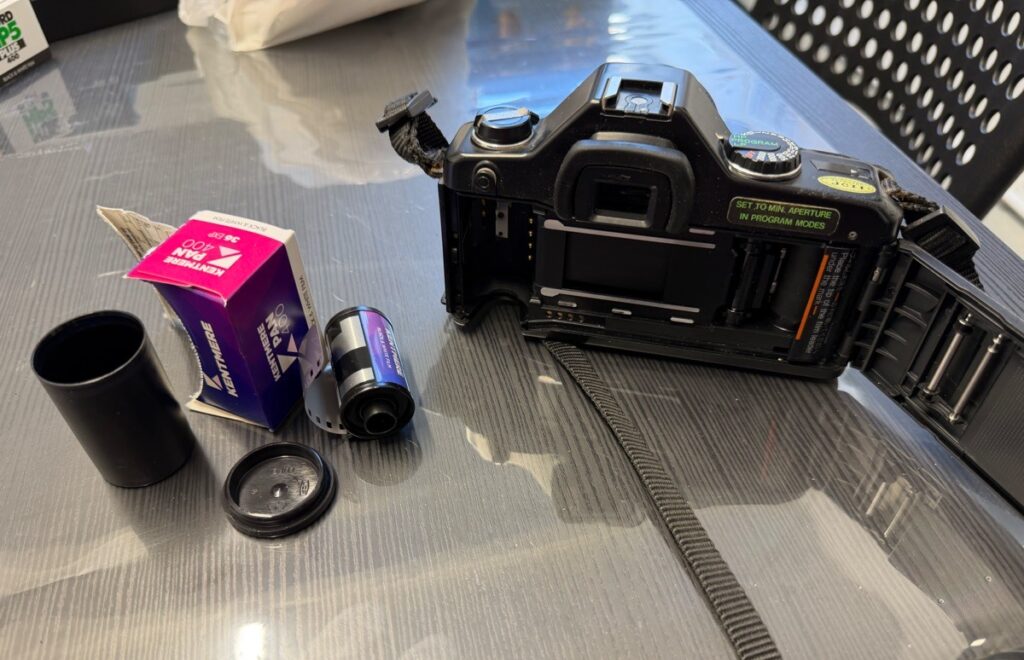
Getting my Yashica film camera ready for the shoot.

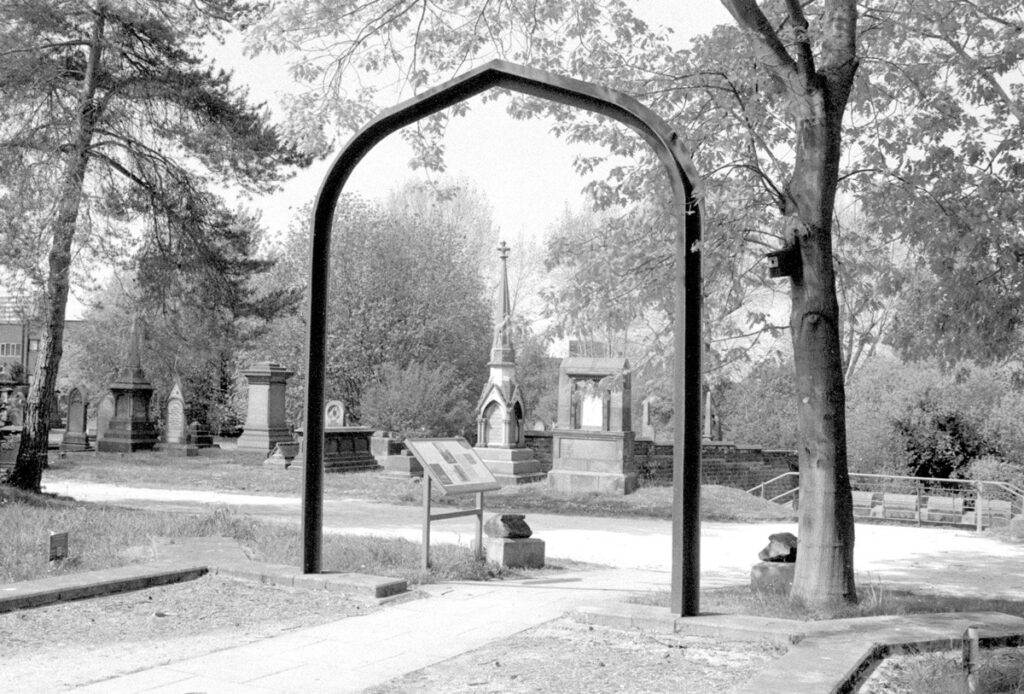
The day’s timetable started with a morning briefing and the preparation of our film cameras. I had brought along my Yashica 107 Multi Program camera, which has served me well over the years. With our black and white film locked and loaded, we headed off for a stroll around the Jewellery Quarter. There is always a certain anxiety when you know that you only have 36 pictures to shoot. We explored narrow alleyways, cemeteries, and the streets of the JQ. After an hour, we were back for the next stage.

Black and White Photography with PRISM
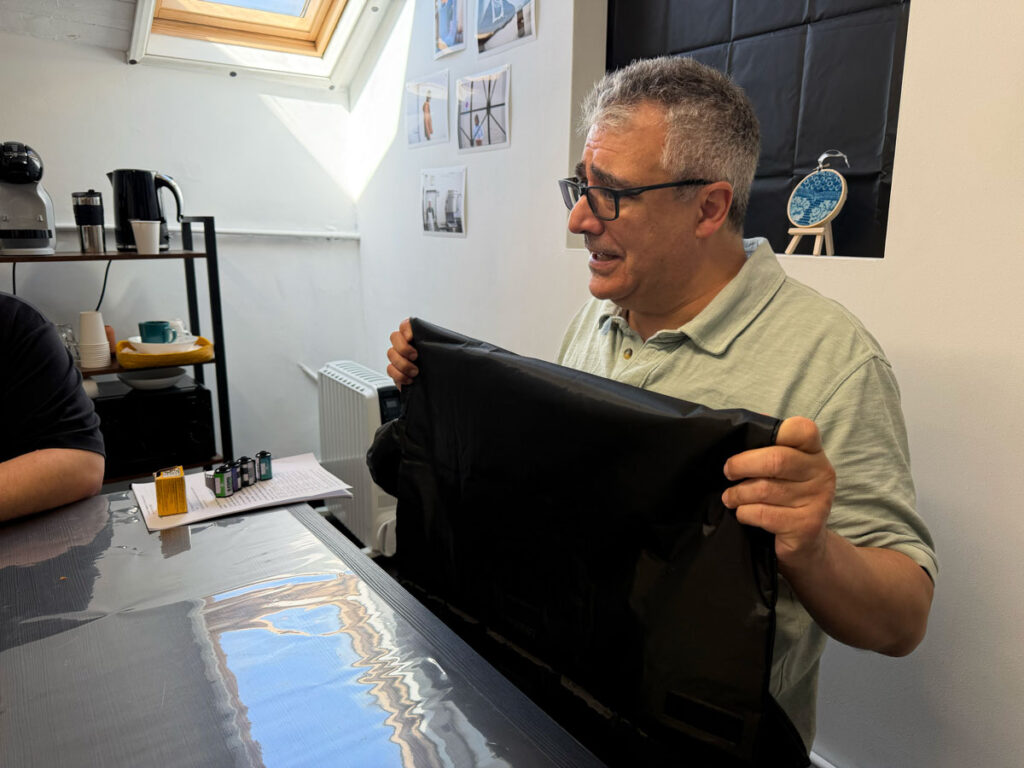
Francesco explains how to open the film in a developing bag.
Black and White Photography with PRISM
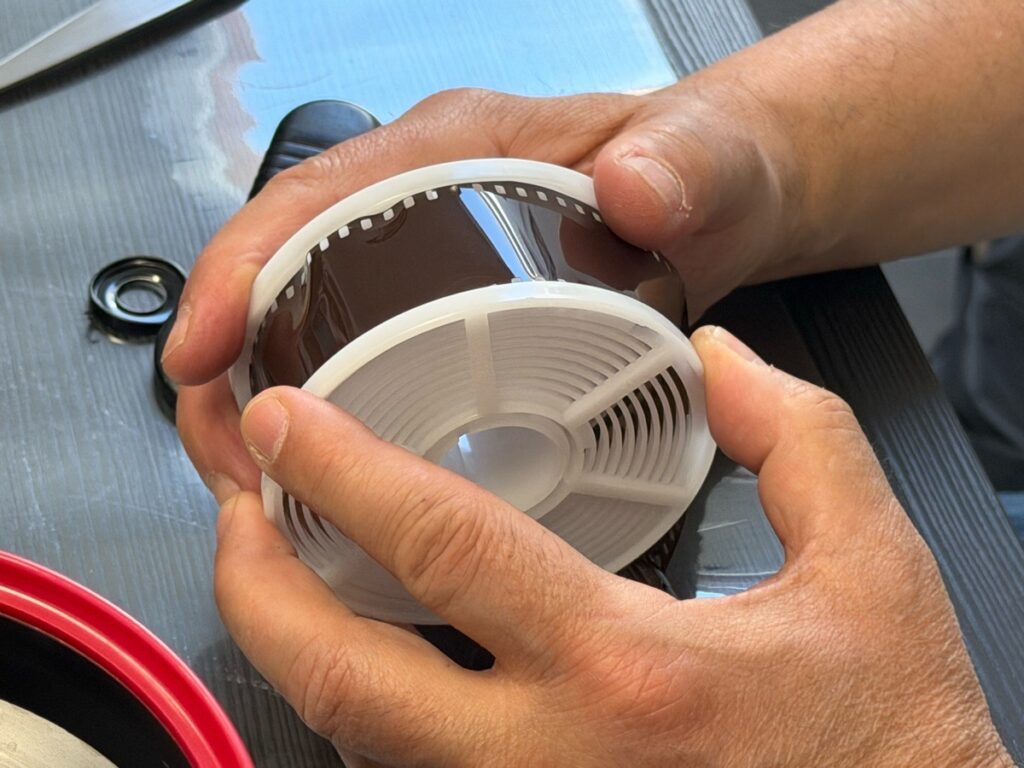
This looks easy as we practice loading already developed film onto the spool.
Black and White Photography with PRISM
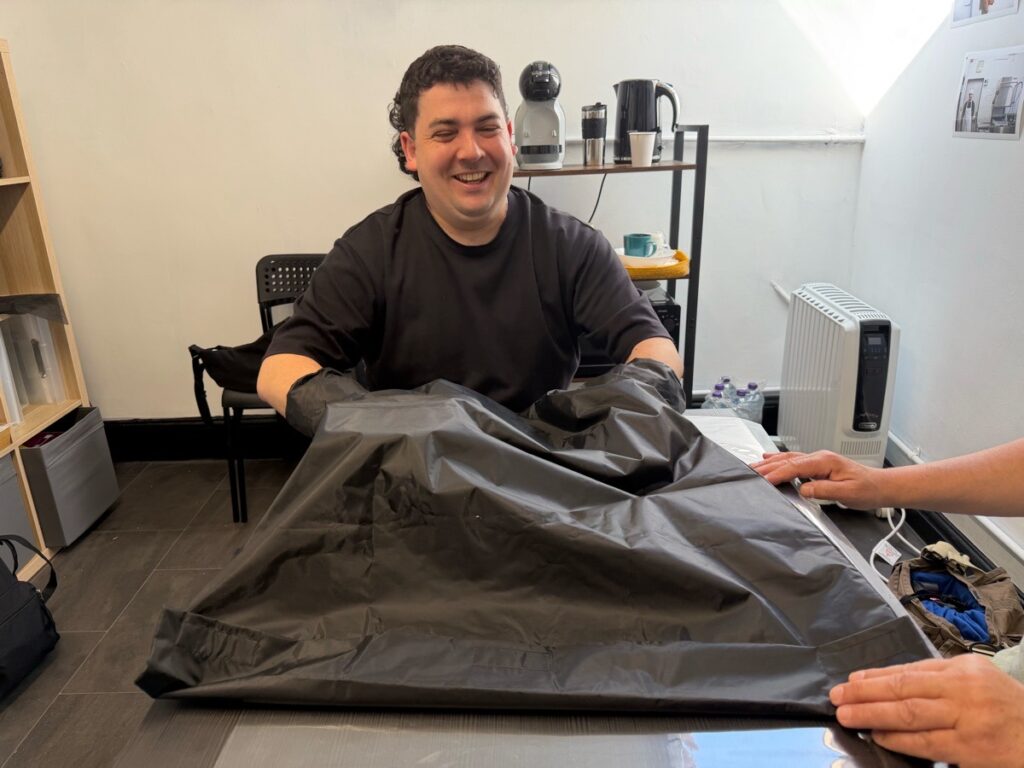
Dom finds this is not so easy when working in the dark.
Black and White Photography with PRISM
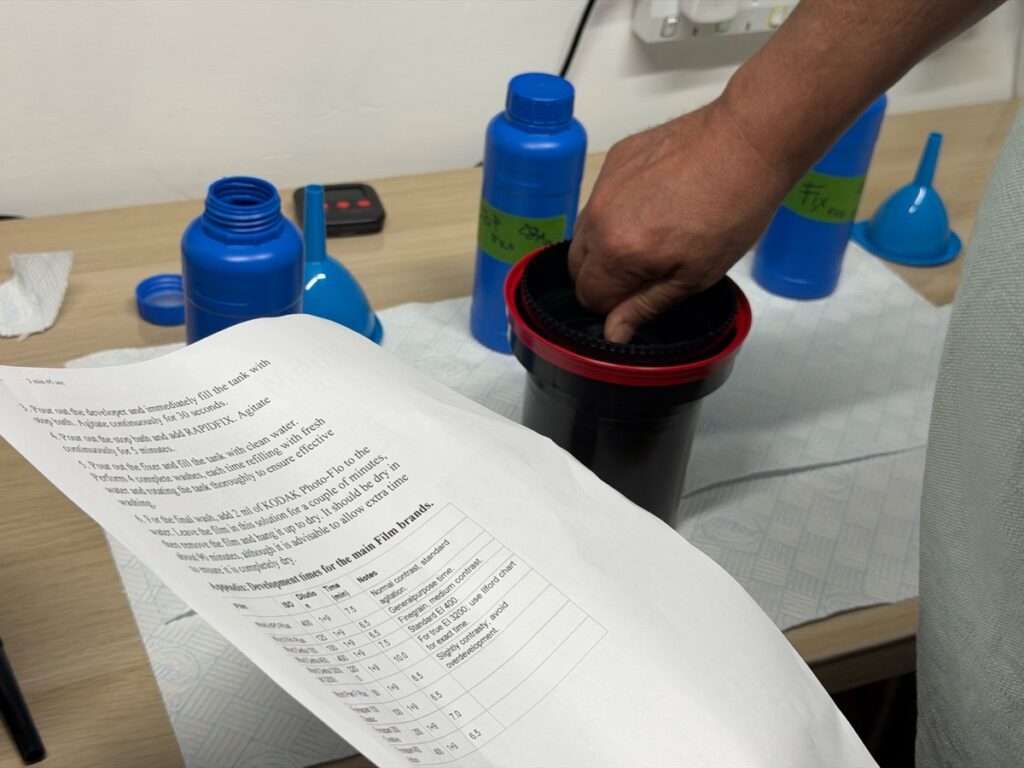
A set of instructions is useful to make sure the right steps are followed.
Black and White Photography with PRISM
Strips of film are hanging from the ceiling to dry.

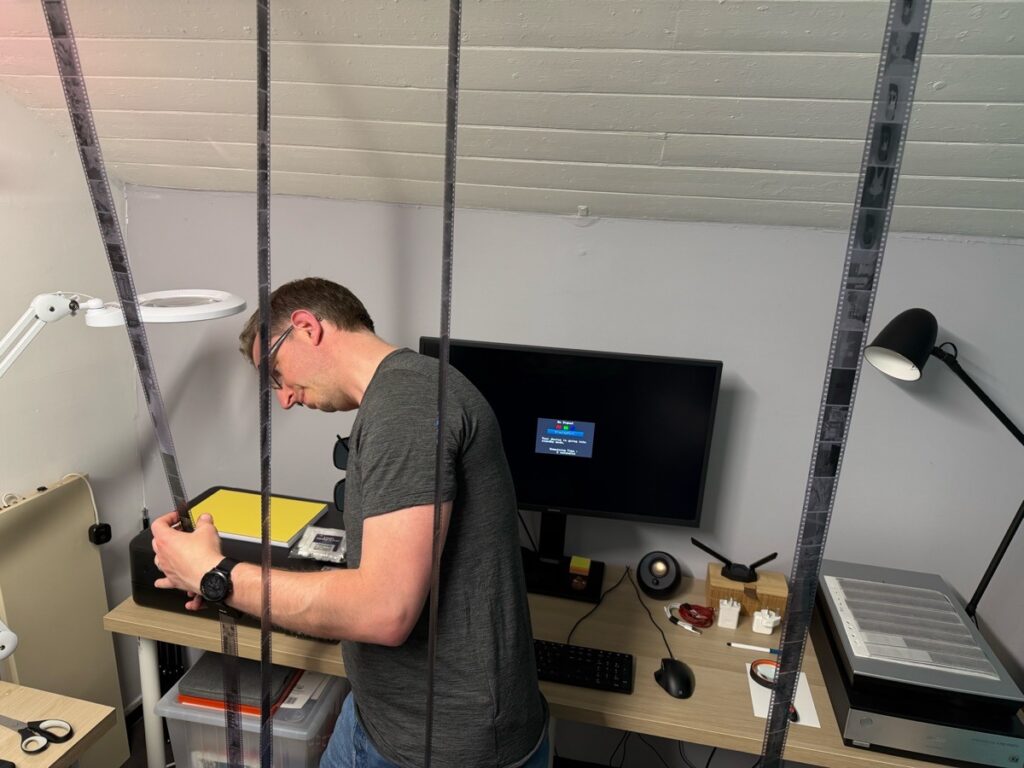
Developing the film was not straightforward for me. In the darkness of the changing bag, my sweaty hands nearly made a mess of loading the film onto the spools. Francesco came to the rescue and we were soon ready to pour the developing chemicals into the canisters. All went well and we hung the films up to dry.

Black and White Photography with PRISM
Heading back to the Stryx Gallery for a coffee after lunch.

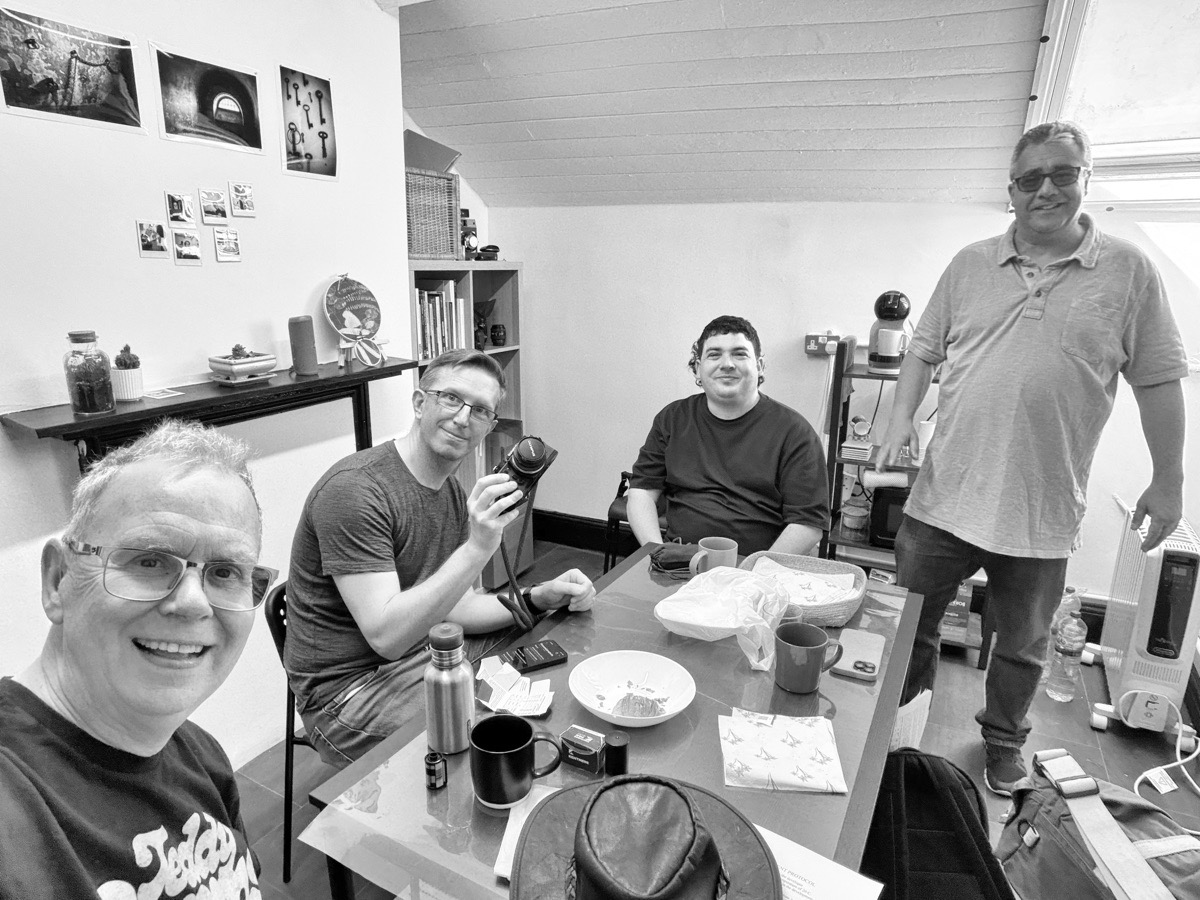
When you are on a course with Francesco, lunch is an important fixture in the timetable. We had delicious food at the Urban Café, sitting in the sun-drenched front window. This was followed by coffee and cake back in the hidden garden of the Stryx Gallery café. The black and white negatives needed time to dry and, on our return to Francesco’s upstairs studio, we cut the strips and loaded them into archival sleeves.

Black and White Photography with PRISM
The hidden coffee garden at the Styrx Gallery.

Now it was time for printing, test strips, and eagerly awaiting the development of the photographs. There was a lot to take in and learn. I had developed films many years ago and had forgotten much of the technique involved. Francesco was patient with us and showed us how the enlarger worked, how to use the filters, and how to ensure that we achieved sharp images.

Black and White Photography with PRISM
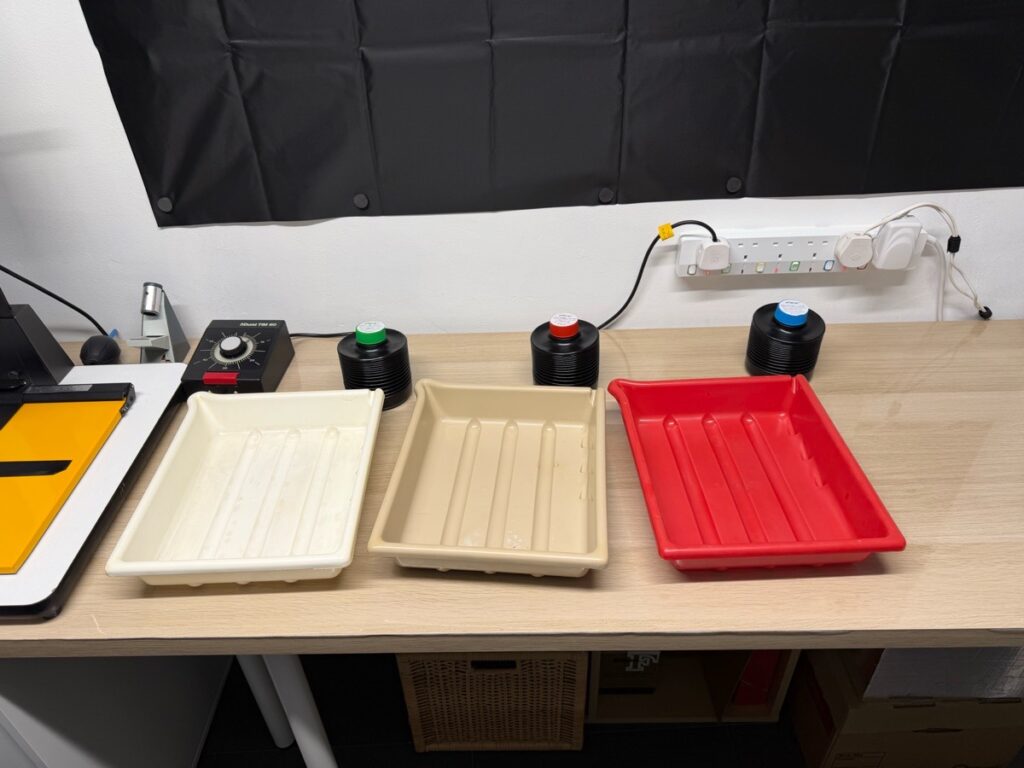
Setting out the developing trays.

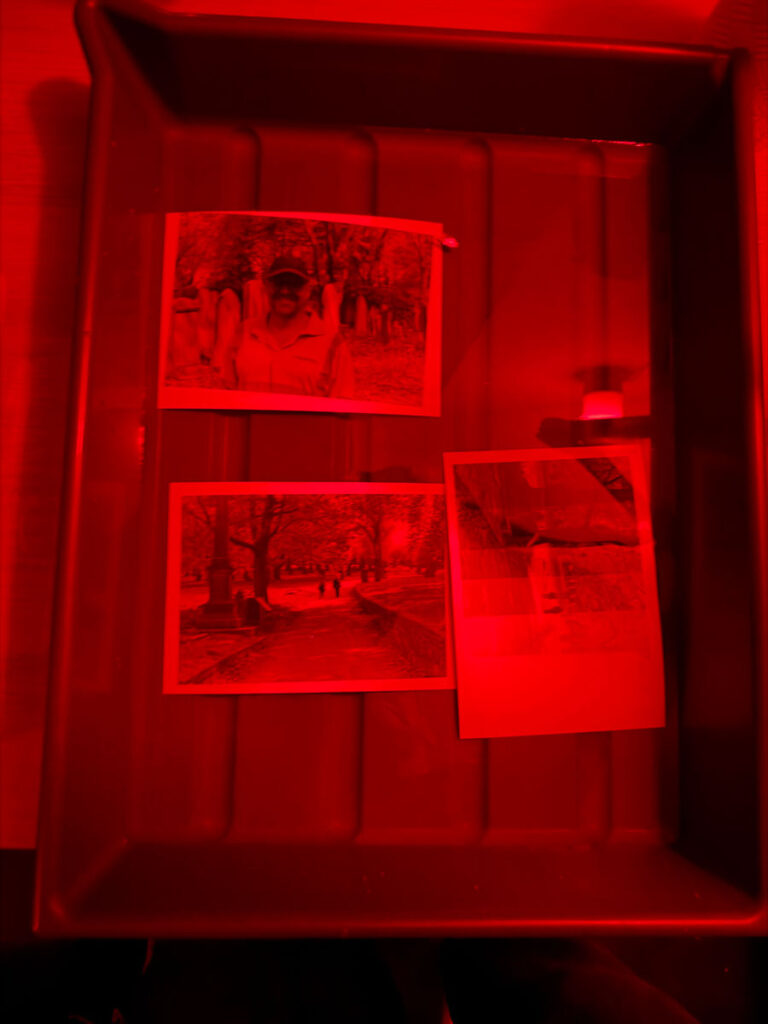
The lights went off and the red safelight came on. Test strips were made to determine the correct exposure time for the paper. We settled on 10 seconds and then off we went: light exposure followed by immersion in the developer and fixer solutions. Magically, the black and white image slowly revealed itself. We could finally switch the lights back on and see the finished print.

Black and White Photography with PRISM
The pictures reveal themselves and the test strip is shown for comparison.

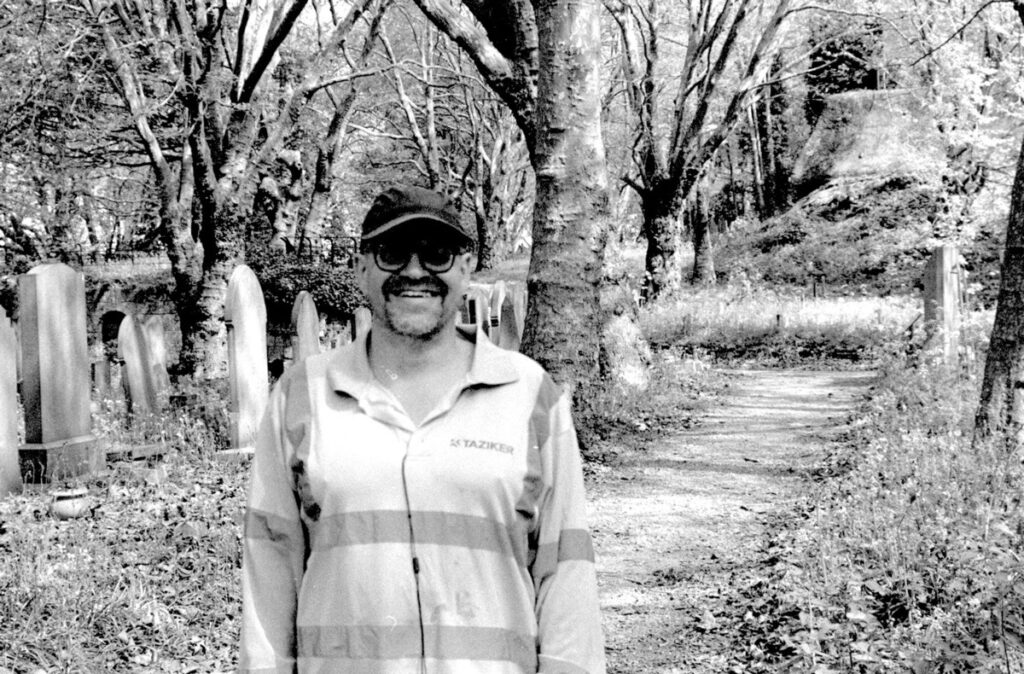
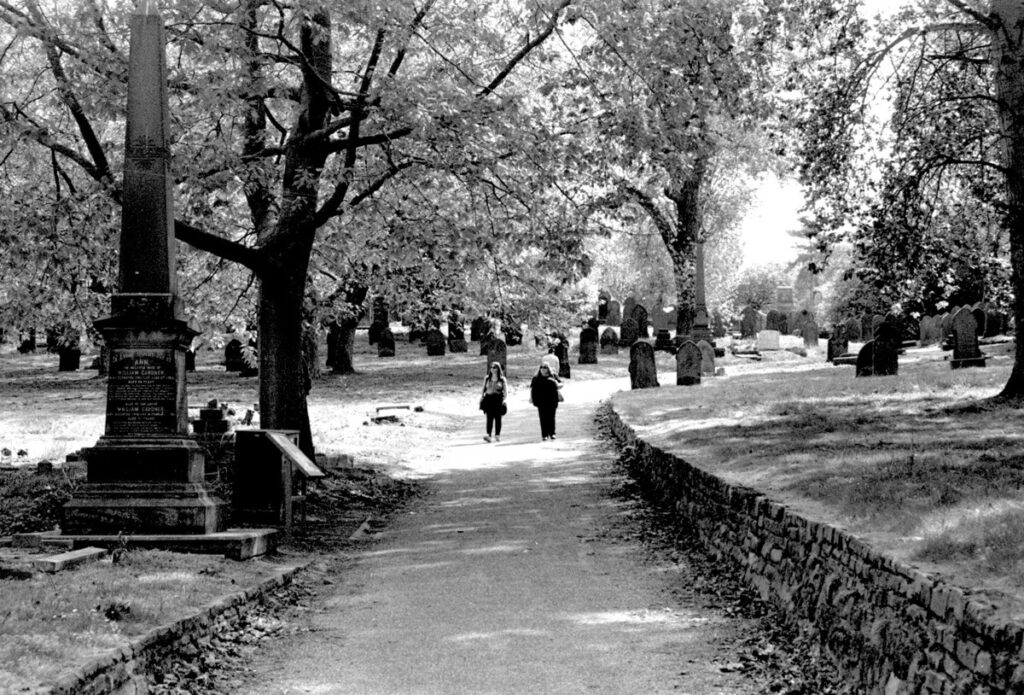
The black and white photograph of Warstone Lane Cemetery was not one that I had initially selected, so I was pleasantly surprised by how well it turned out. My portrait of John, the volunteer at Key Hill Cemetery, also came out well. John had been wearing a cap, which cast a dark shadow across his forehead, but I was still pleased with the result. The results of the pictures are the subject of the next blog post which may be accessed here.

By this point, the day had almost run its course for me as I had to get back for a football match. Dom was still printing his black and white photographs from his newly purchased analogue camera. His results were terrific and made me think seriously about updating my own film camera.

This was a five-star course and one well worth attending if you are thinking about returning to the world of analogue photography. I would recommend joining the PRISM Photography mailing list so that you hear about future workshops and talks over the coming months. PRISM Photography encourages a different way of thinking about how you use your camera. Most importantly, everyone involved in the network is welcoming, friendly, and helpful.

My Blog covers different photographic techniques and you may want to try out oil and water or cyanotype photography.

Black and White Jewellery Quarter

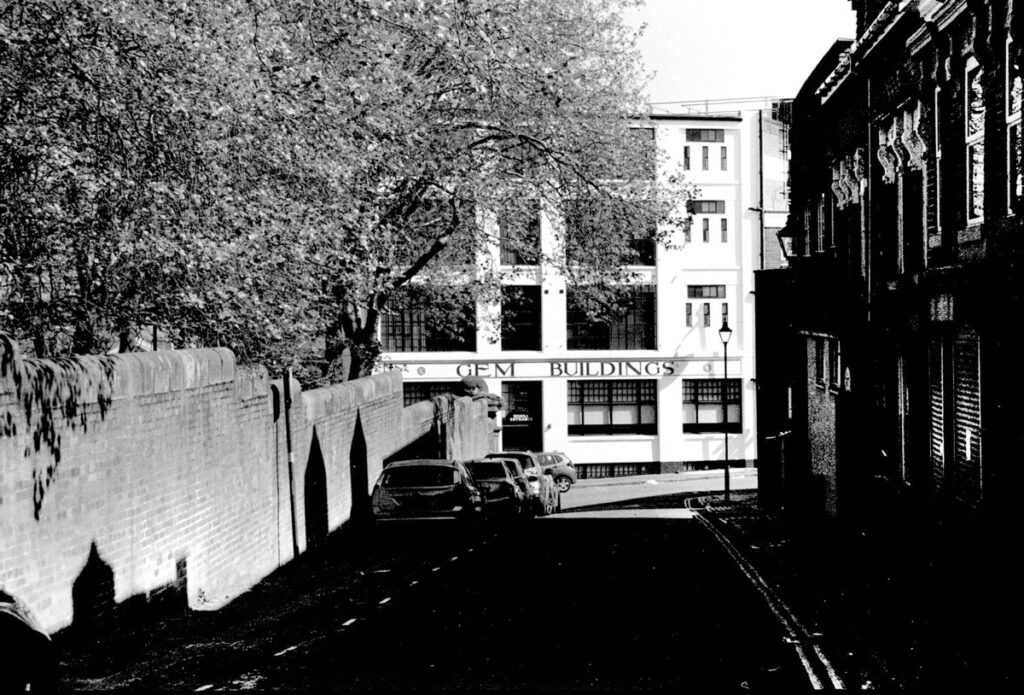
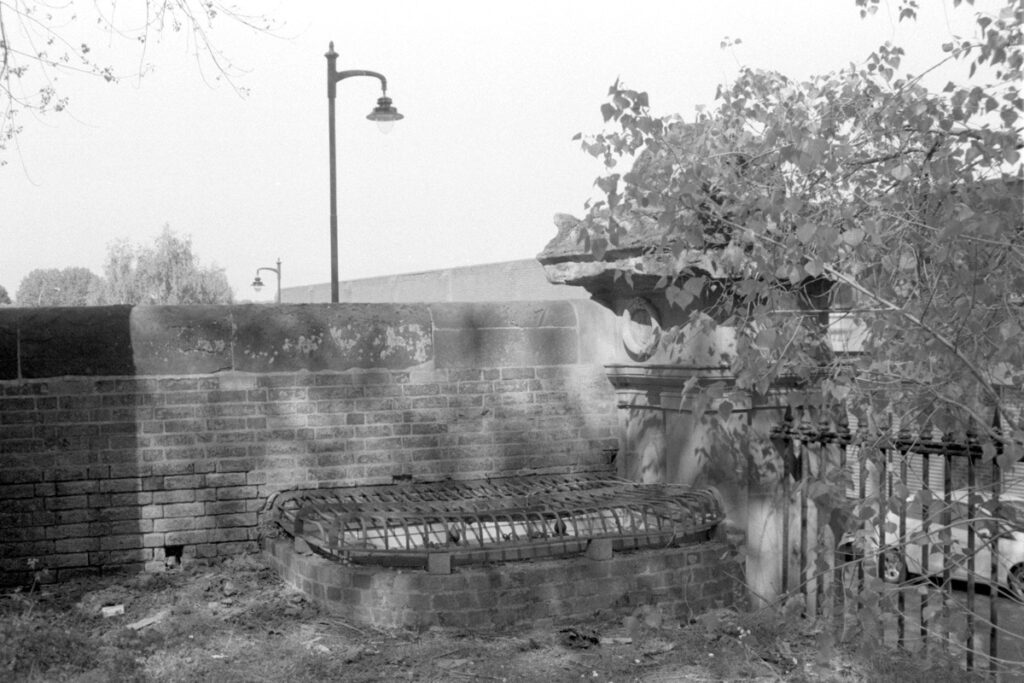
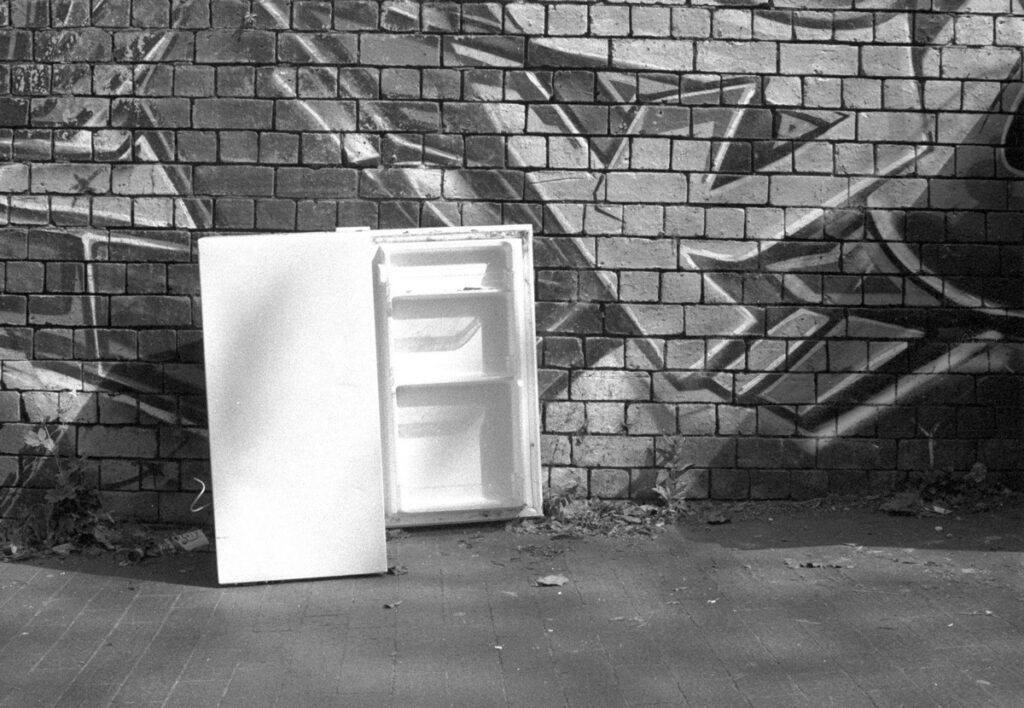
This post follows on from the “Developing a Black and White World” blog. I had a 36 black and white film in my camera as I set off around the Jewellery Quarter. As you will see not all the pictures made the Final Cut. Still we had great fun and this is a pictorial diary of our walk.

Black and White Jewellery Quarter
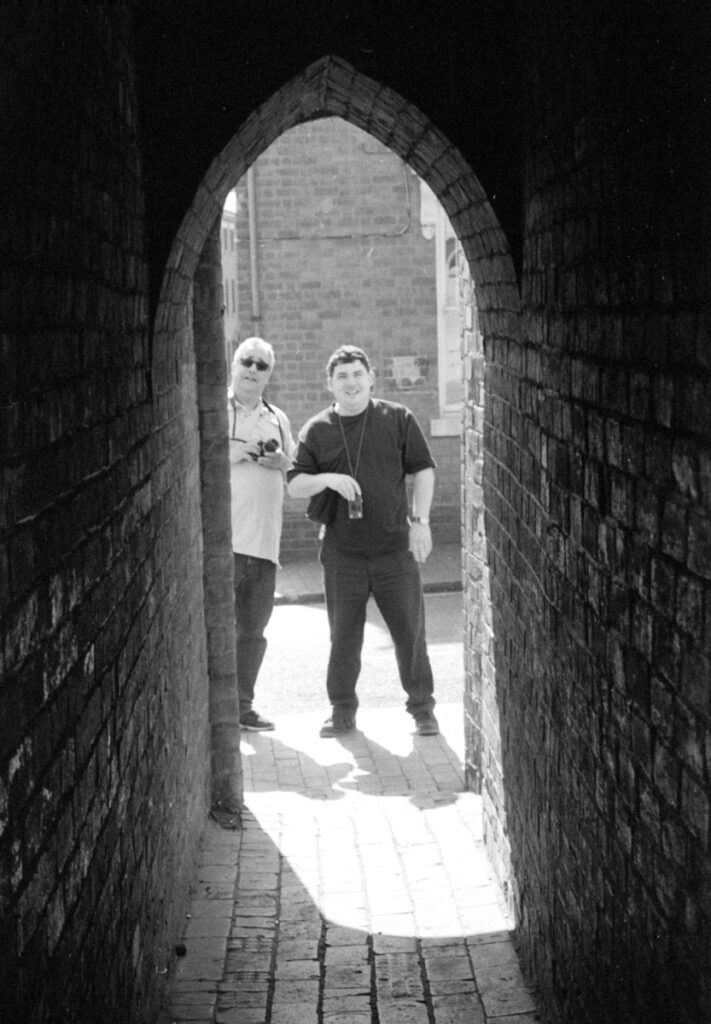
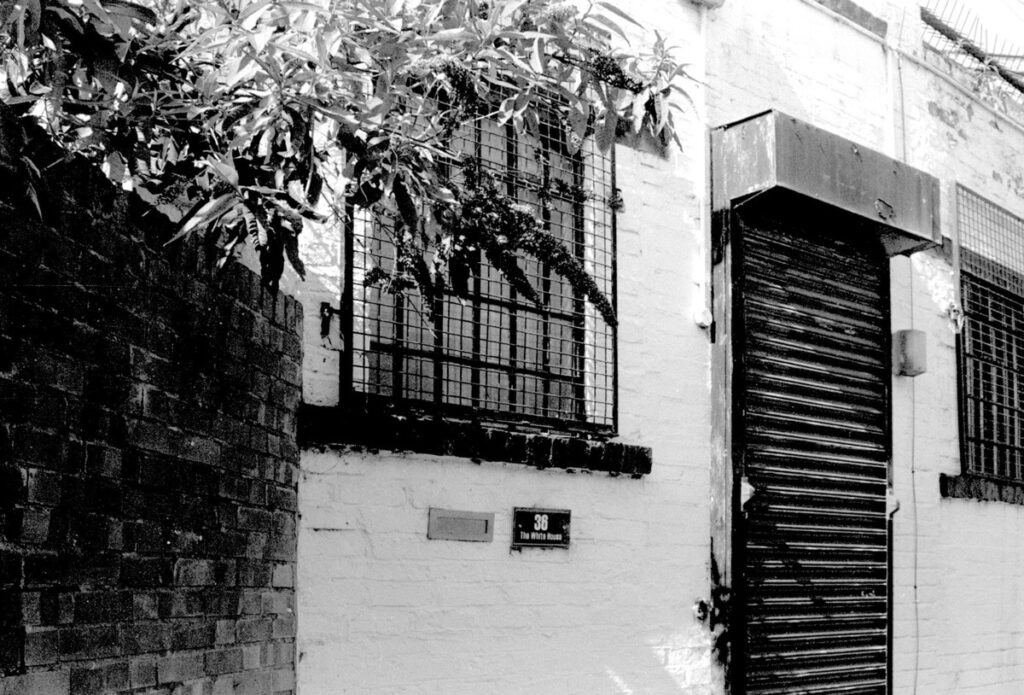
Passageway.
Black and White Jewellery Quarter
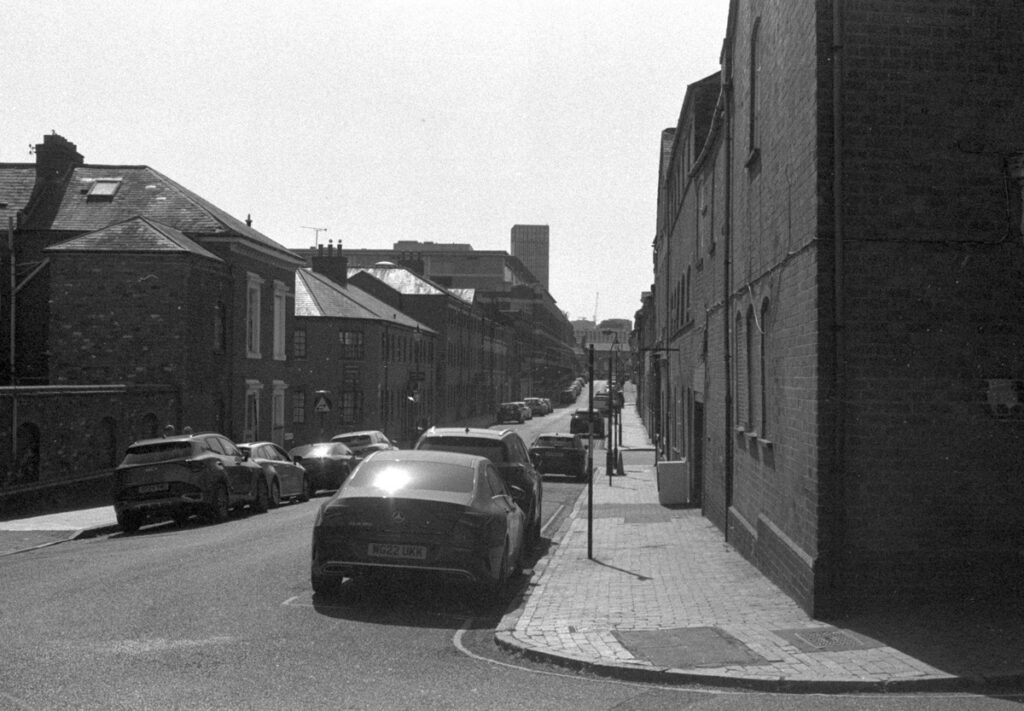
Hylton Street.
Black and White Jewellery Quarter
Key Hill Drive
Black and White Jewellery Quarter
Key Hill Drive.
Black and White Jewellery Quarter
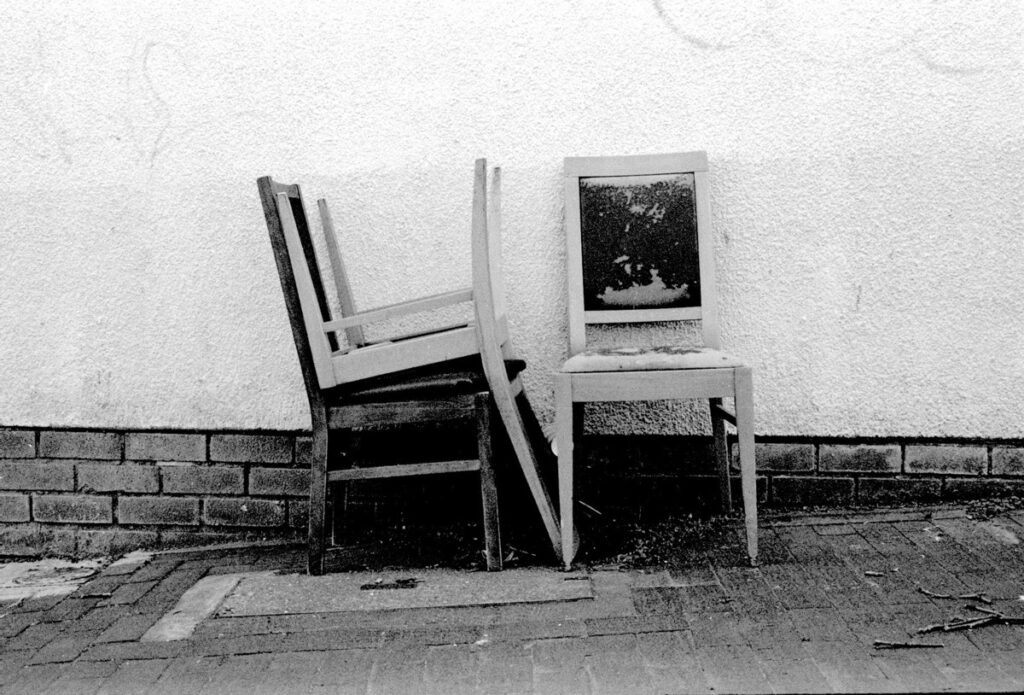
Chairs.
Black and White Jewellery Quarter
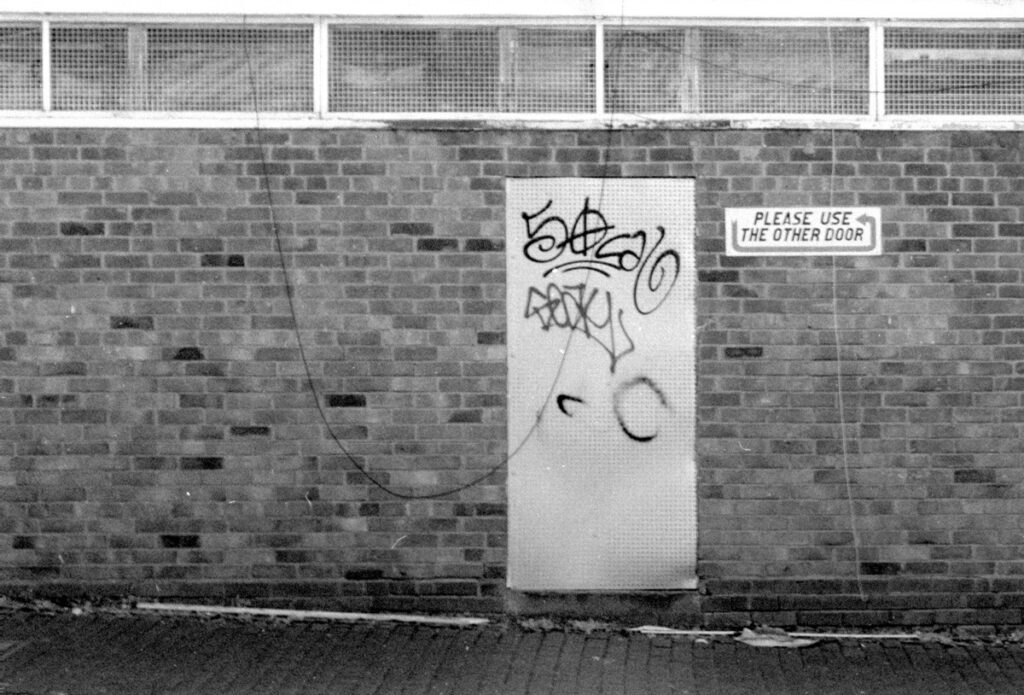
Door.
Black and White Jewellery Quarter
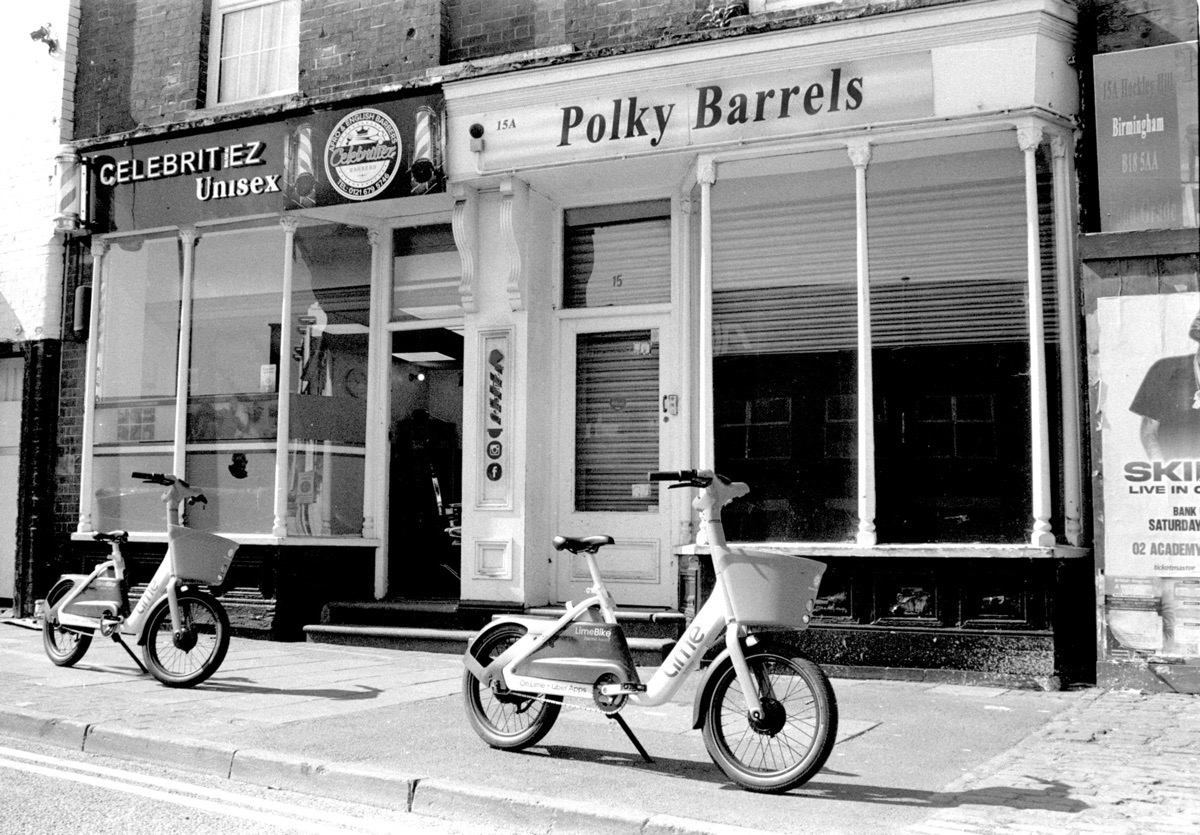
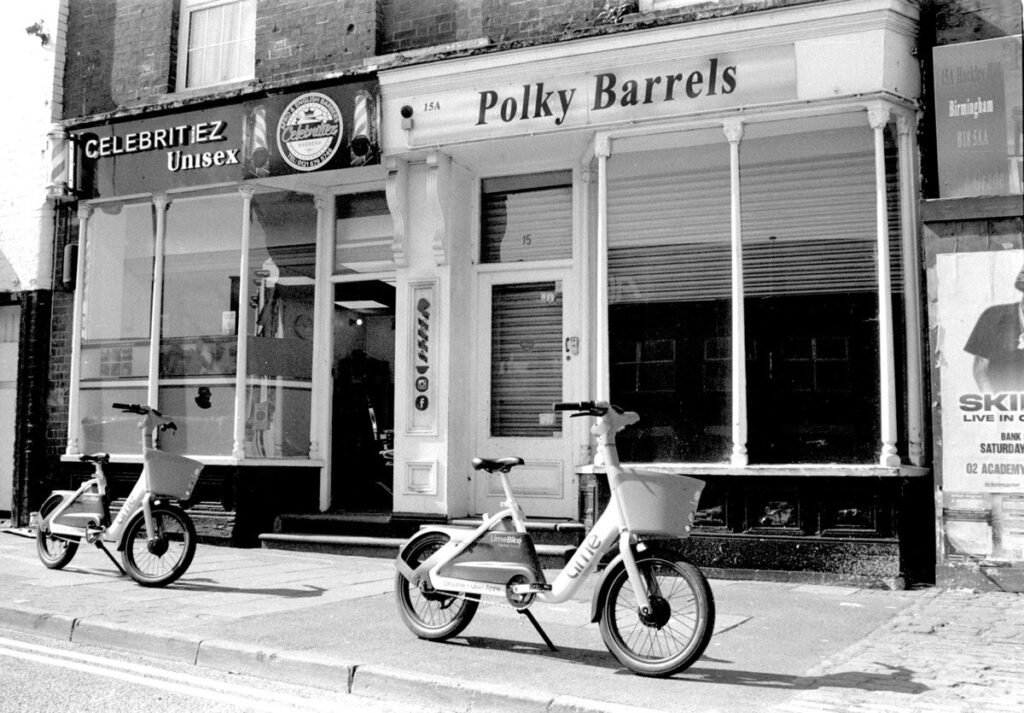
Lime Shopping.
Black and White Jewellery Quarter
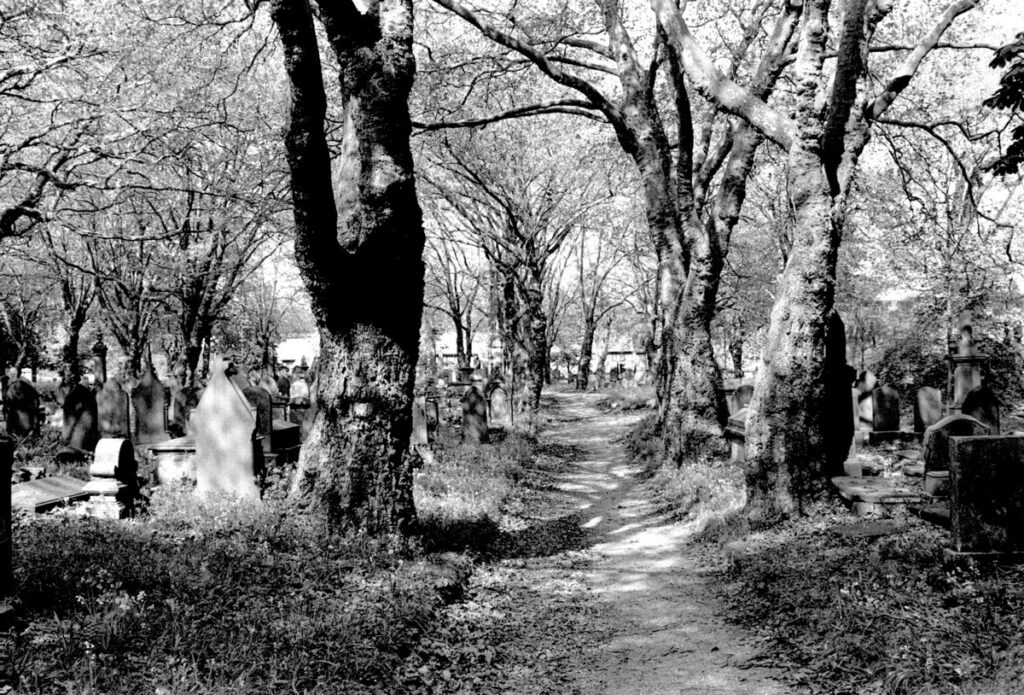
Key Hill Cemetery.
Black and White Jewellery Quarter
Key Hill Cemetery.
Black and White Jewellery Quarter
Key Hill Cemetery.
Black and White Jewellery Quarter
John.
Black and White Jewellery Quarter
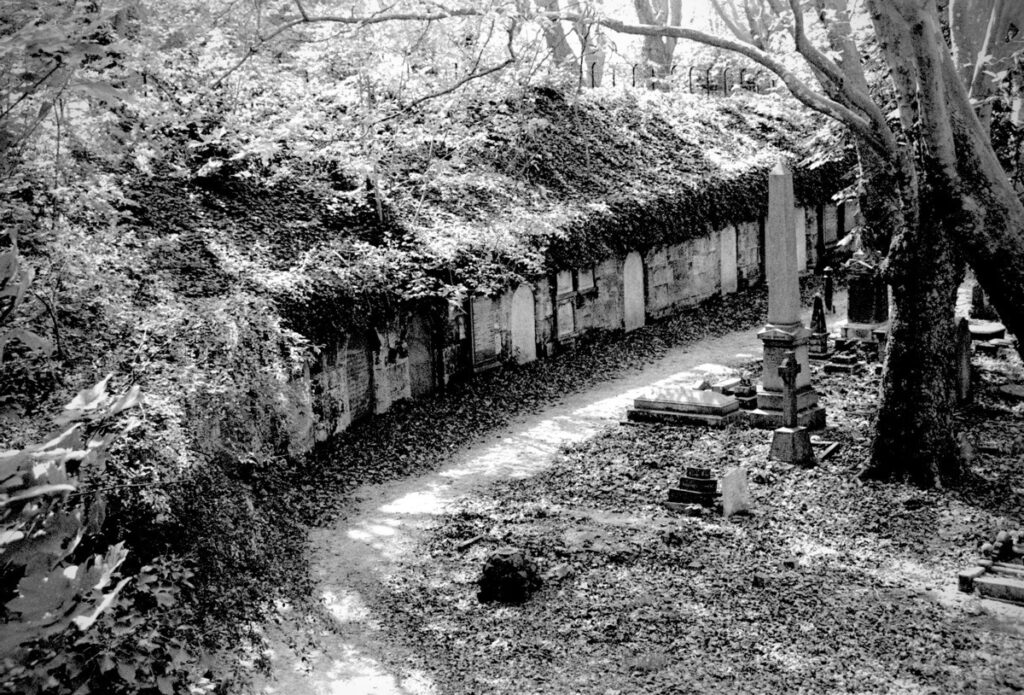
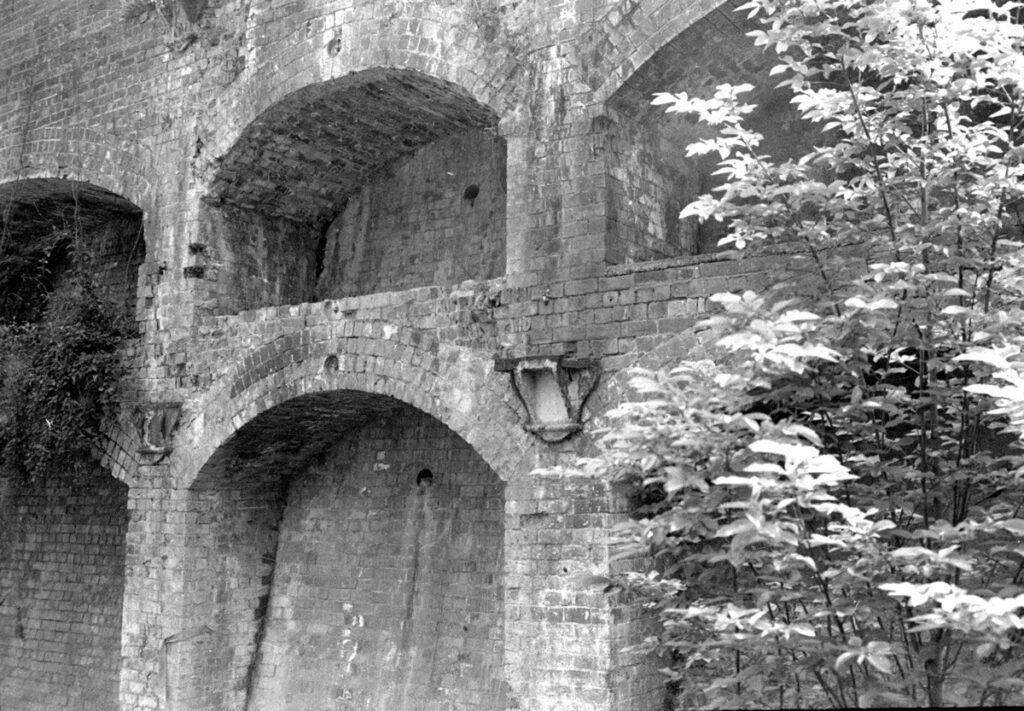
Warstone Lane Cemetery.
Black and White Jewellery Quarter
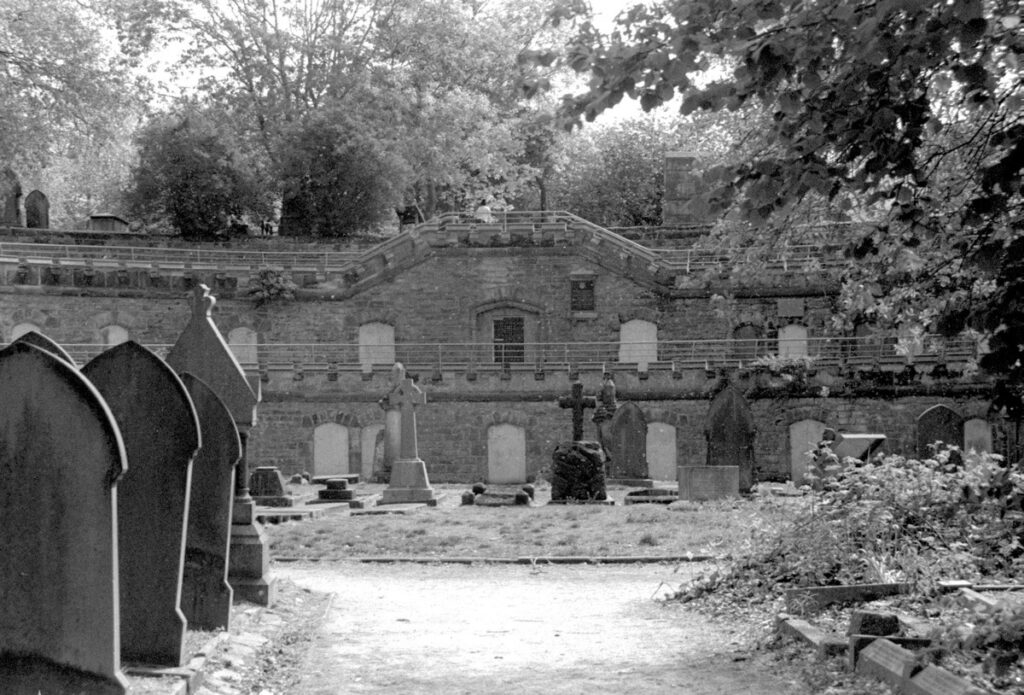
Catecombes.
Black and White Jewellery Quarter
Warstone Lane Cemetery.
Black and White Jewellery Quarter
Warstone Lane Cemetery.
Black and White Jewellery Quarter
Pitsford Street.
Black and White Jewellery Quarter
Pitsford Street.
Black and White Jewellery Quarter
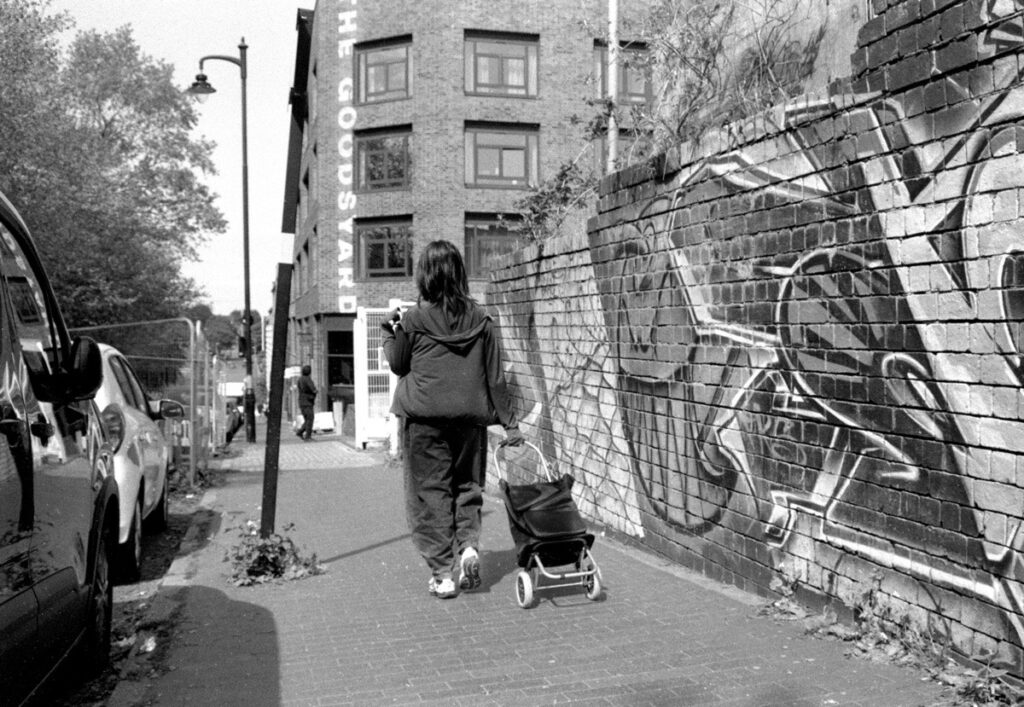
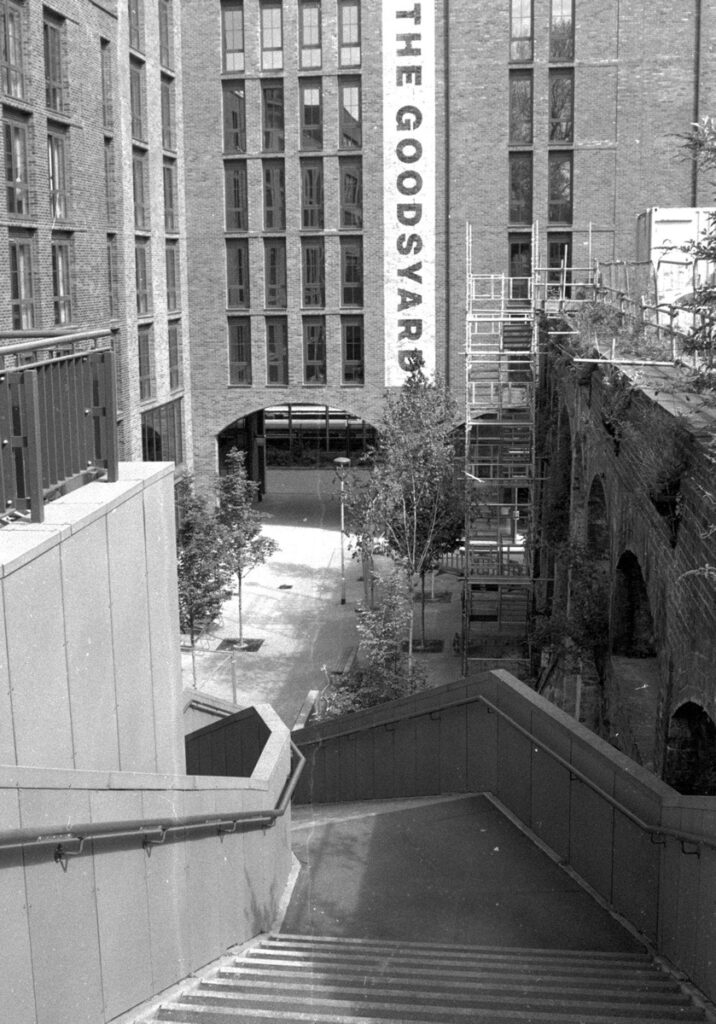
The Goodsyard.
Black and White Jewellery Quarter
The Goodsyard
Street photography at Dover Street Market

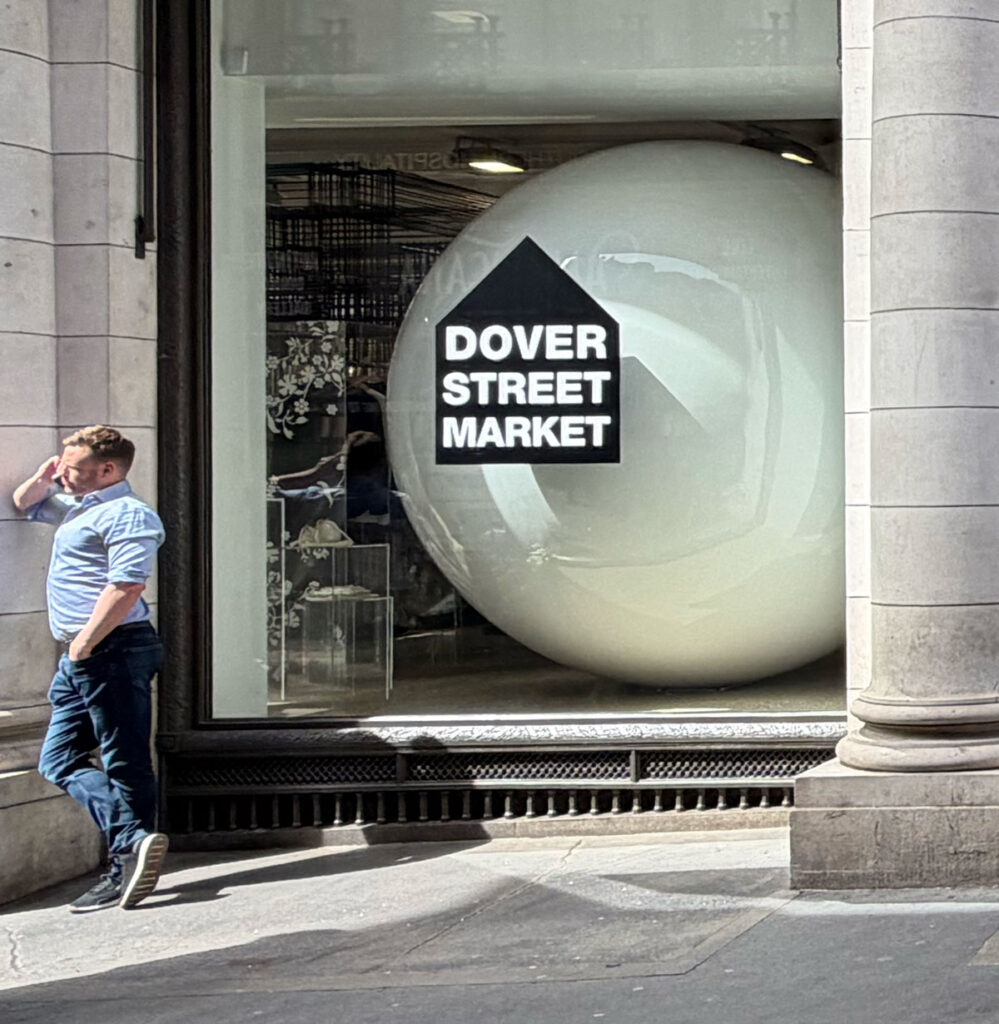
Street photography works well if there is a shop window with a difference. The window displays are good to photograph and also make for fun interactions with people as they pass by. I have photographed scenes like this several times before. Selfridges has superb window dressing and is one of my favourite places to visit. At other times, something as ordinary as a chair positioned in the wrong place, such as outside a tube station, can provide a good focal point for watching people passing by.

Street photography at Dover Street Market
You will never believe what I am sitting next to.

On my travels in London, I enjoy taking the double-decker bus and looking out at the street scenes below. I saw this shop window on Haymarket from the number 139 bus on my way to Pall Mall. Luckily, I was working for the British Dental Association whose offices are nearby, so at lunchtime I went back to photograph the shop windows.

Street photography at Dover Street Market
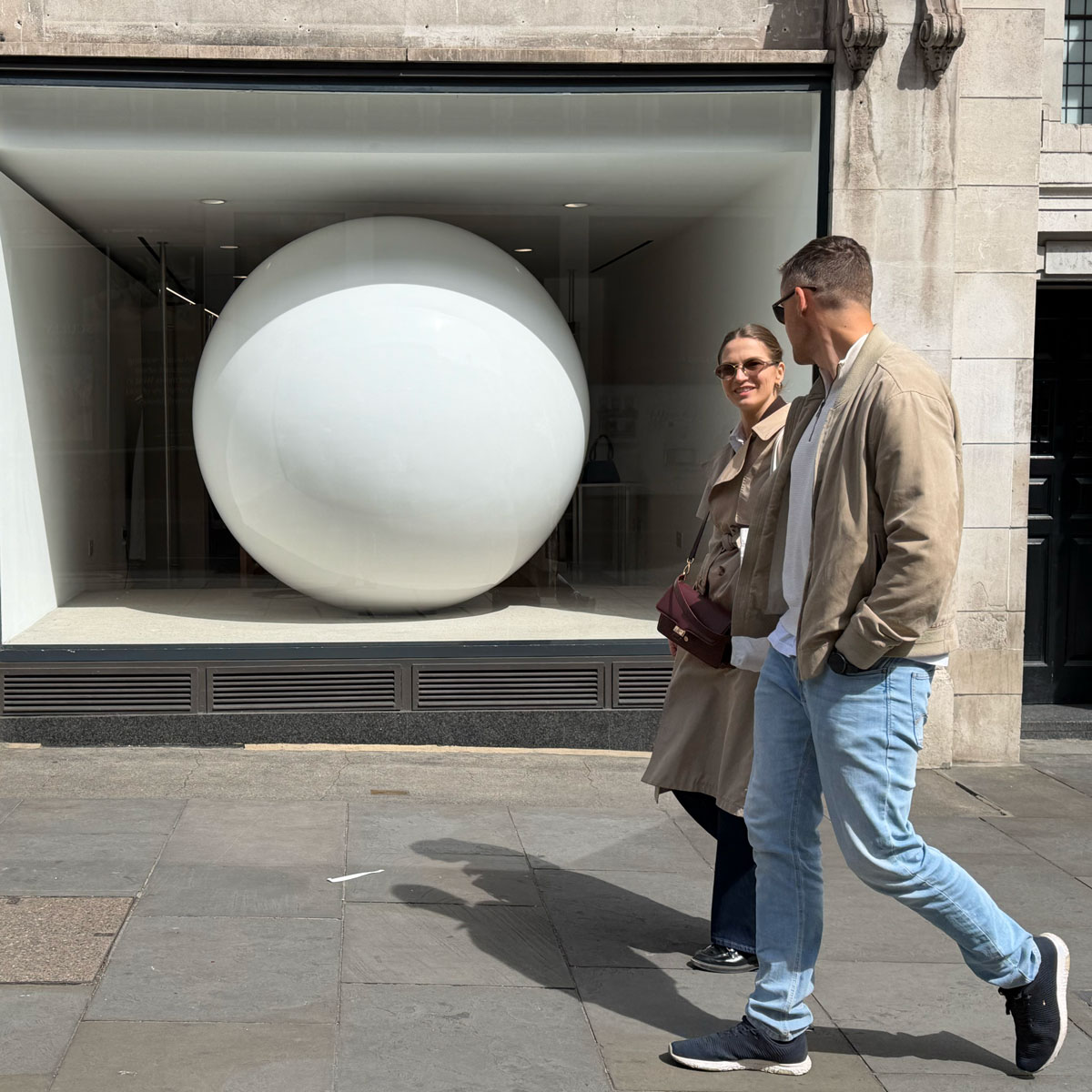
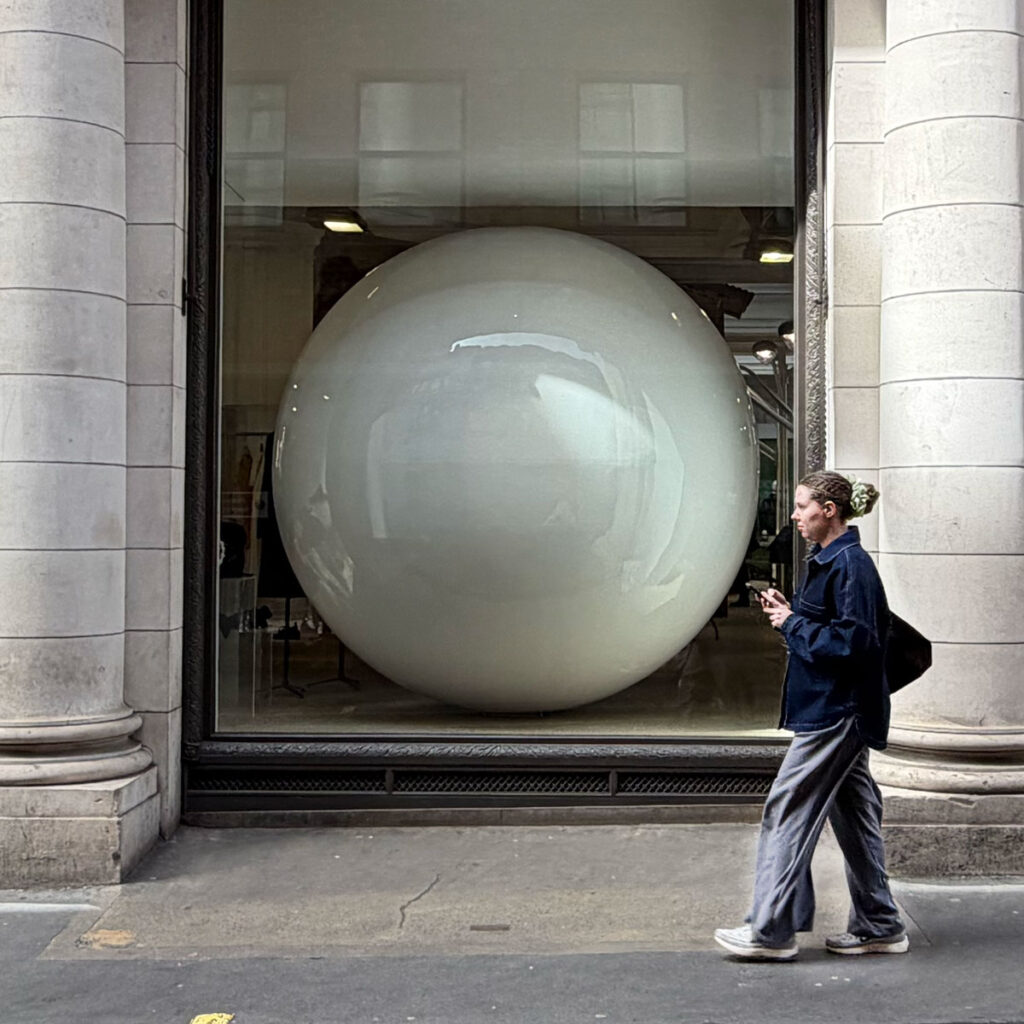
Look at there is a white sphere behind you.

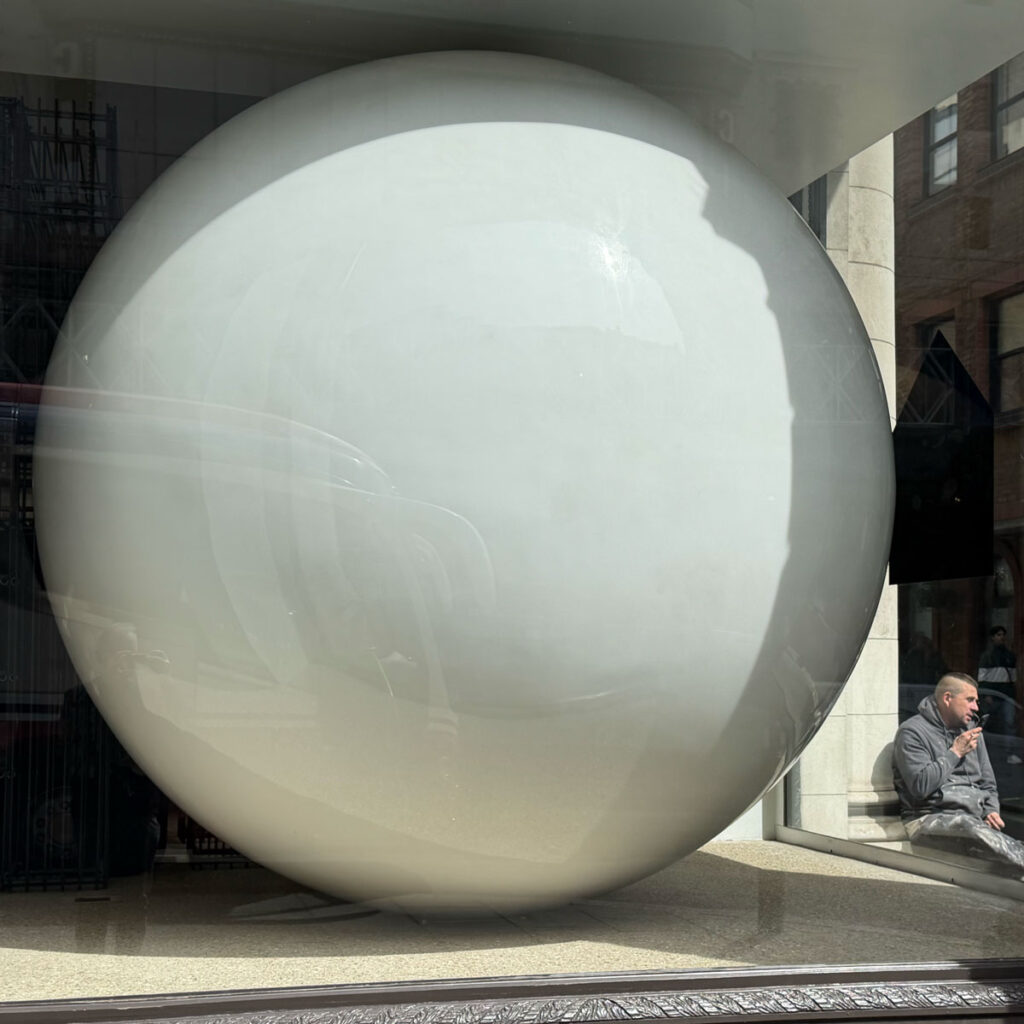
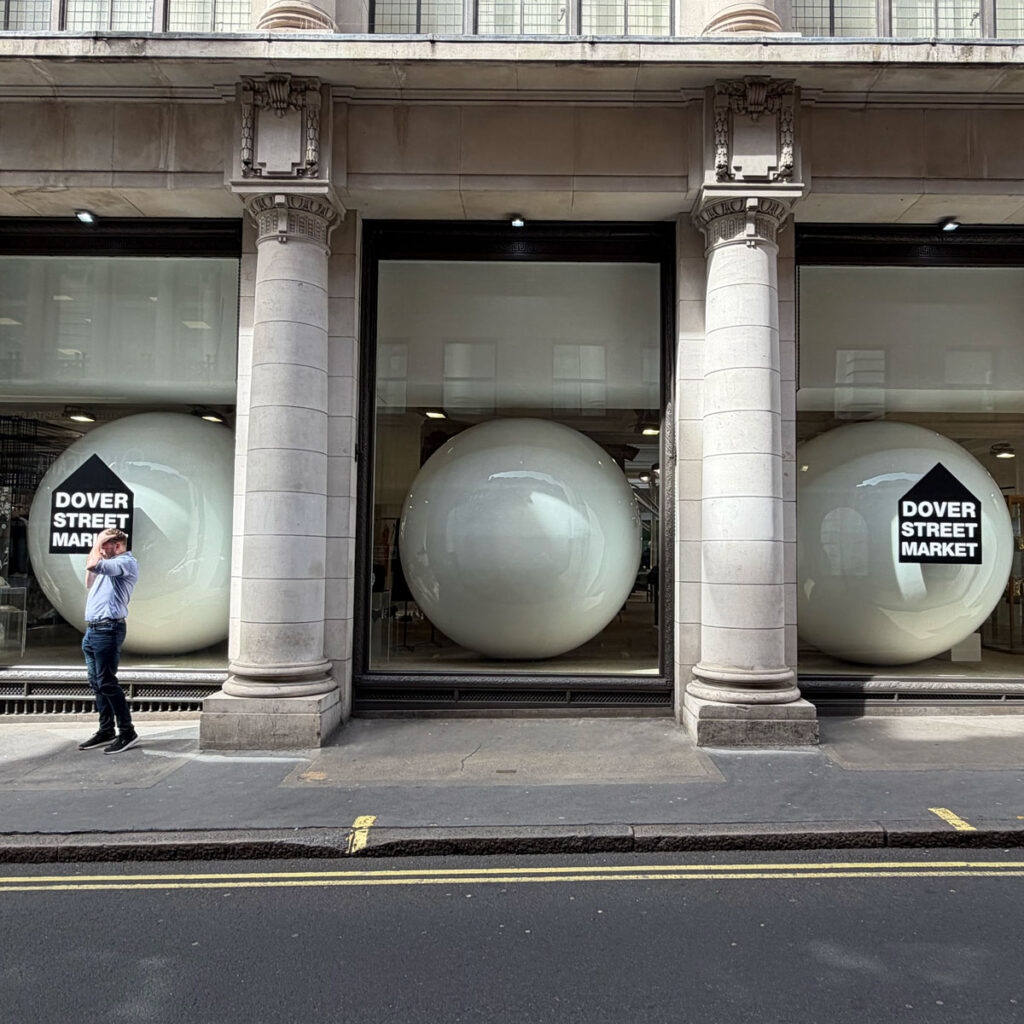
Dover Street Market is a multi-retailer selling high-fashion products. The name comes from the original location in Mayfair, although the present store is on the Haymarket, along which the 139 bus passes. The windows contain large white spheres that fill the space. Each window has one of these spheres and they look wonderfully surreal.

Street photography at Dover Street Market
I am pretending not to notice what is in the window.

I stood in front of the windows and recorded people’s movements with my iPhone. The windows themselves created the storytelling. People were distracted by their phones or simply walking through London refusing to acknowledge those around them. This made for great street photography.

Street photography at Dover Street Market
Three of a kind.

There are some interesting subjects and their activity adds to the surreal mood of the photographs. The window dressers, often called visual merchandisers, at Dover Street Market are exceptionally talented.

Photographing Winchester

Winchester is a beautiful city, full of photographic opportunities. I was delivering a lecture in the city, but I made sure to leave time to wander and explore the streets, the cathedral, and the early morning quietness.

Photographing Winchester
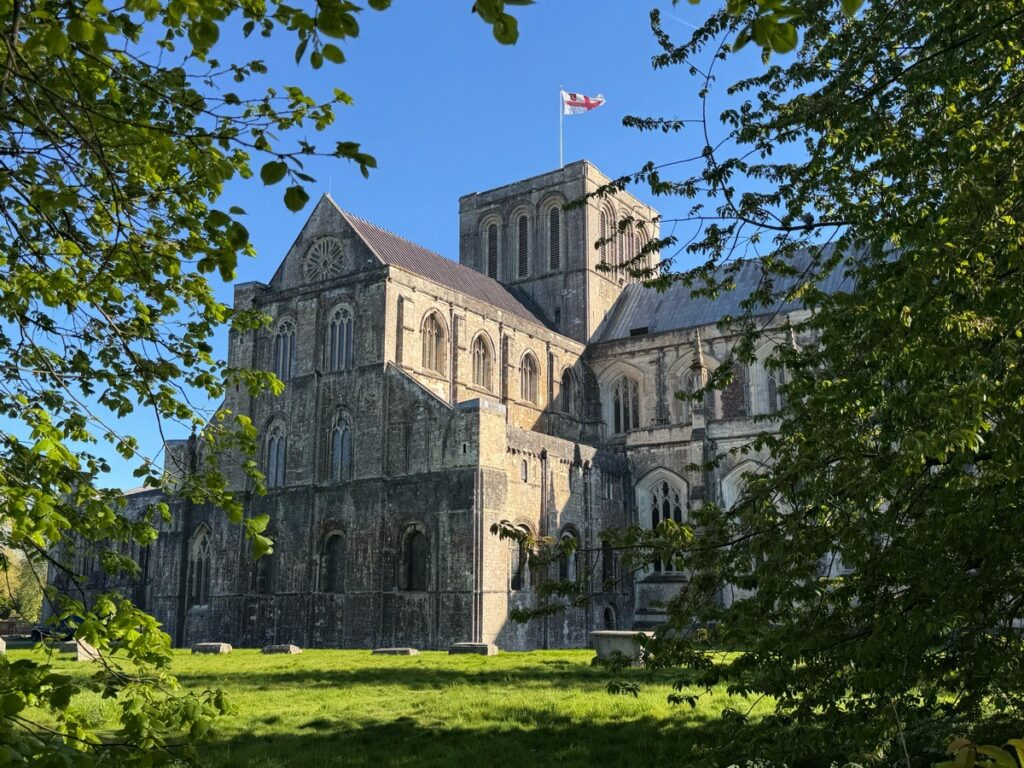
The Cathedral flying the English flag on St George’s day.

The Streets of Winchester

Arriving at my hotel early, I checked in and then took my Fujifilm X100VI onto the streets of Winchester. The low-lying sun created pockets of light across the streets. The cathedral acts as a magnet for sun worshippers. Lying on the grass in front of it, there was a continental feel, with many people sitting on the green or beneath the trees, enjoying the day’s events.

Photographing Winchester
The sun creates lots of light and shadows

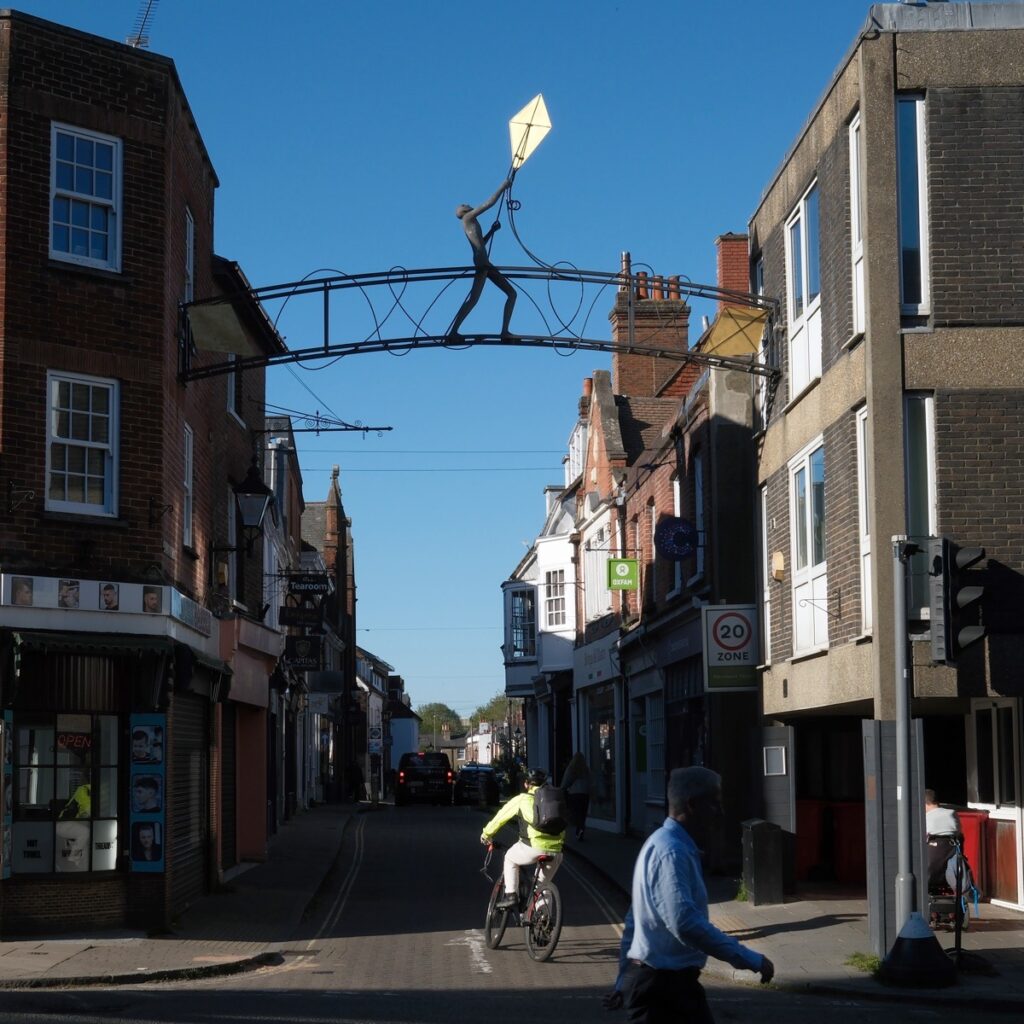
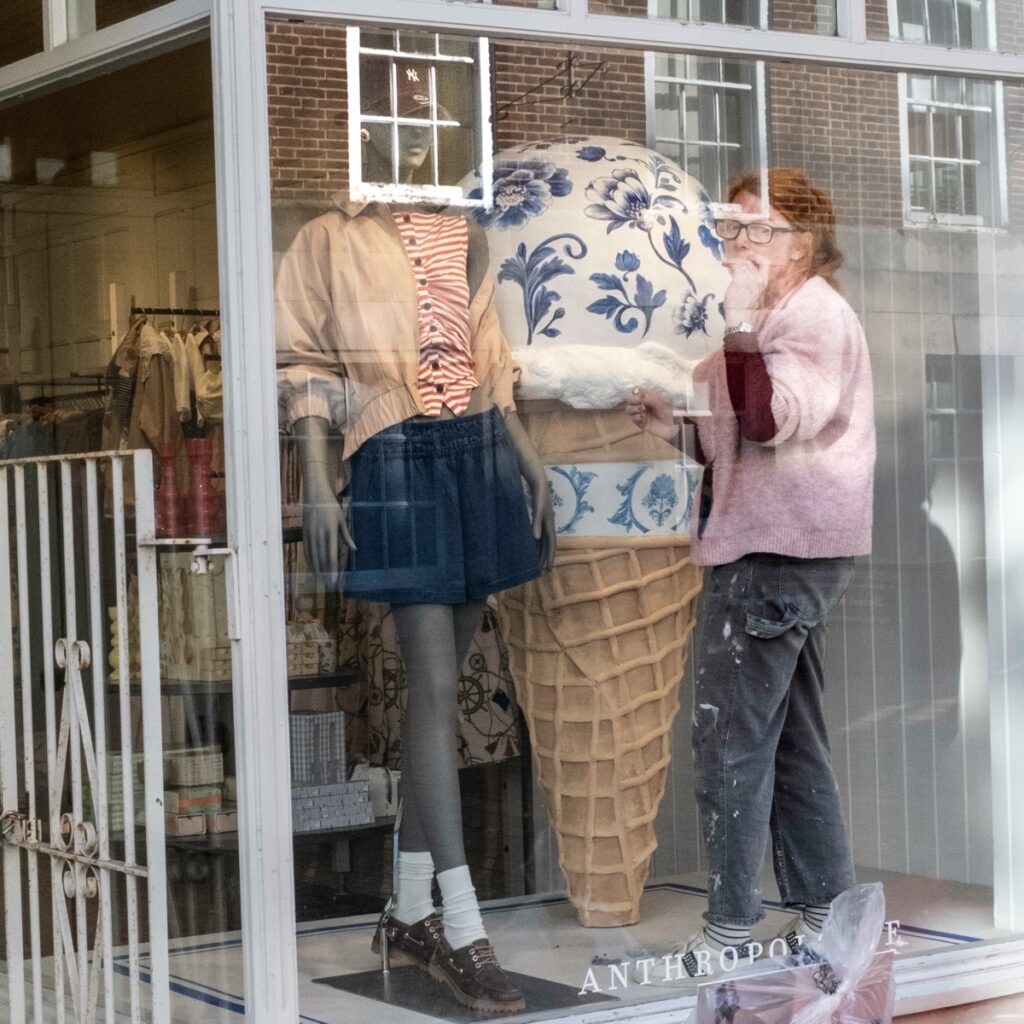
I moved on and walked up the High Street, capturing the activity unfolding around me. Moments must be taken carefully, as people can be suspicious of cameras and spontaneity is easily lost. Shop windows were being prepared, and people were enjoying the sunshine.

Photographing Winchester
Preparing a shop window.
Photographing Winchester
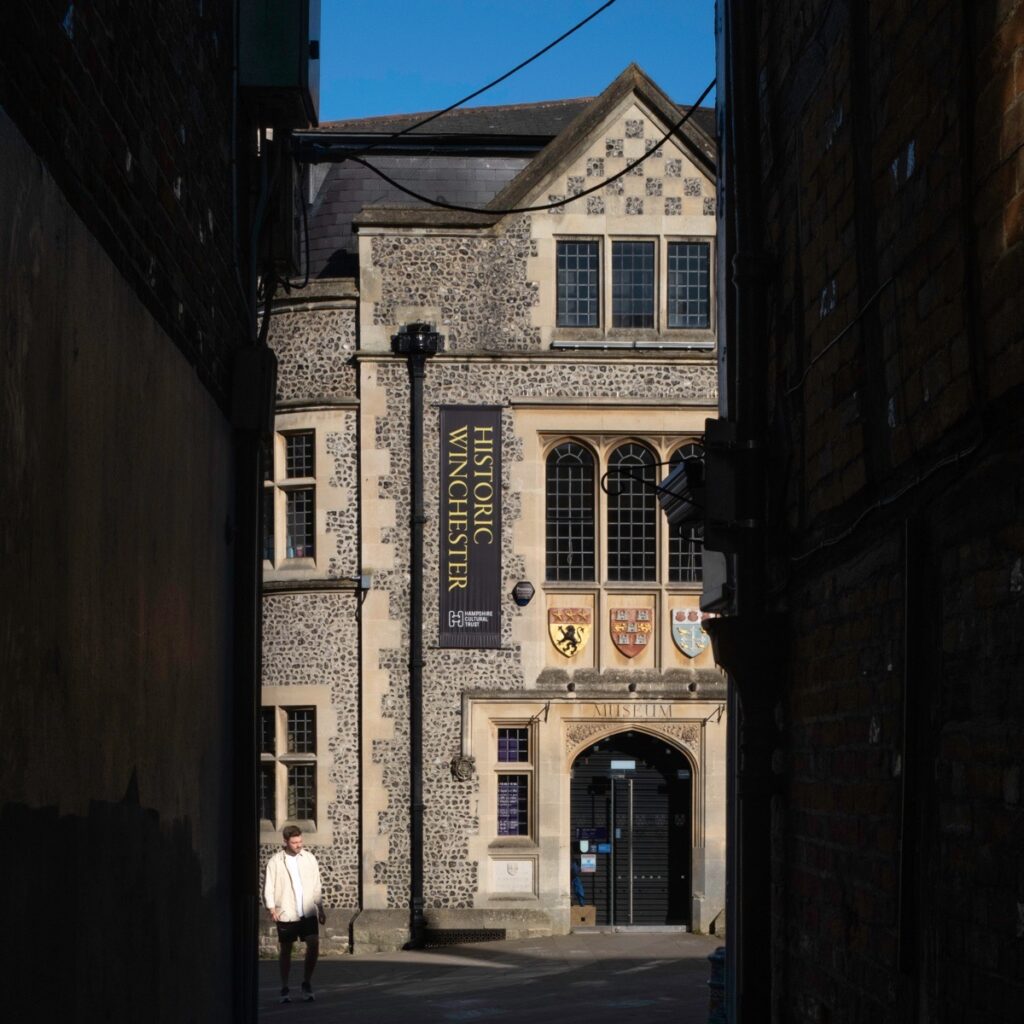
An alleyway provides a focus to the museum building.

A Winchester Sunrise

The following morning, I rose early and made my way to St Catherine’s Hill to capture the sunrise. The streets in this part of Winchester were unfamiliar to me, and by the end of the walk I was running to ensure I reached the top in time.

Photographing Winchester
Sunrise towards St Catherine’s Hill.

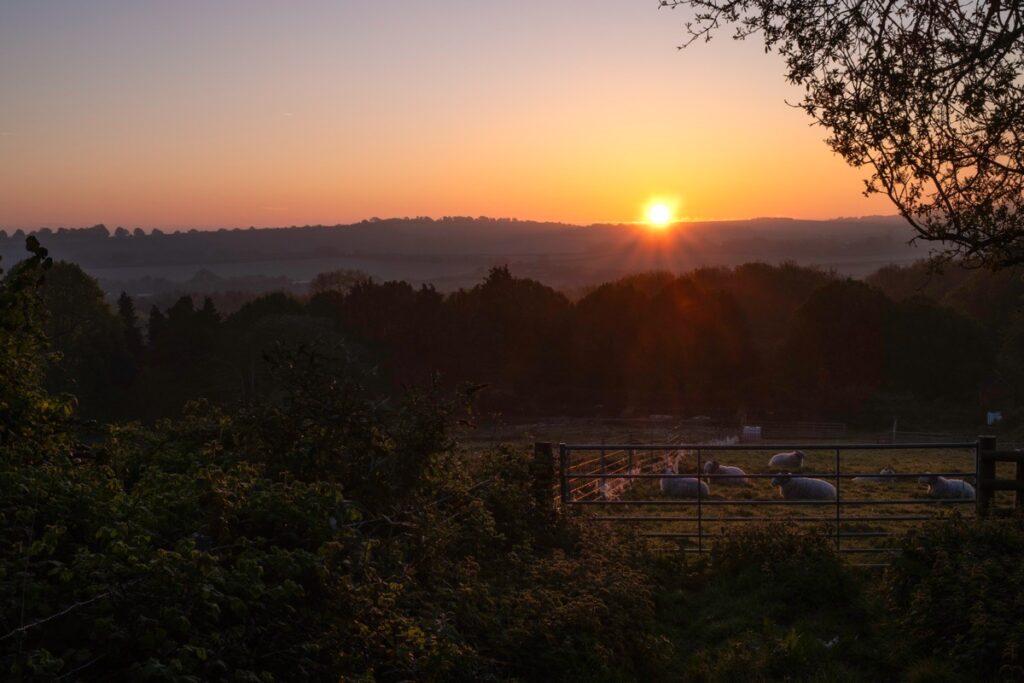
The climb was demanding, but I was rewarded with a beautiful sunrise. Only then did I relax and absorb the moment. The sun moved across the landscape, casting rays along the paths that circle the hill.

Photographing Winchester

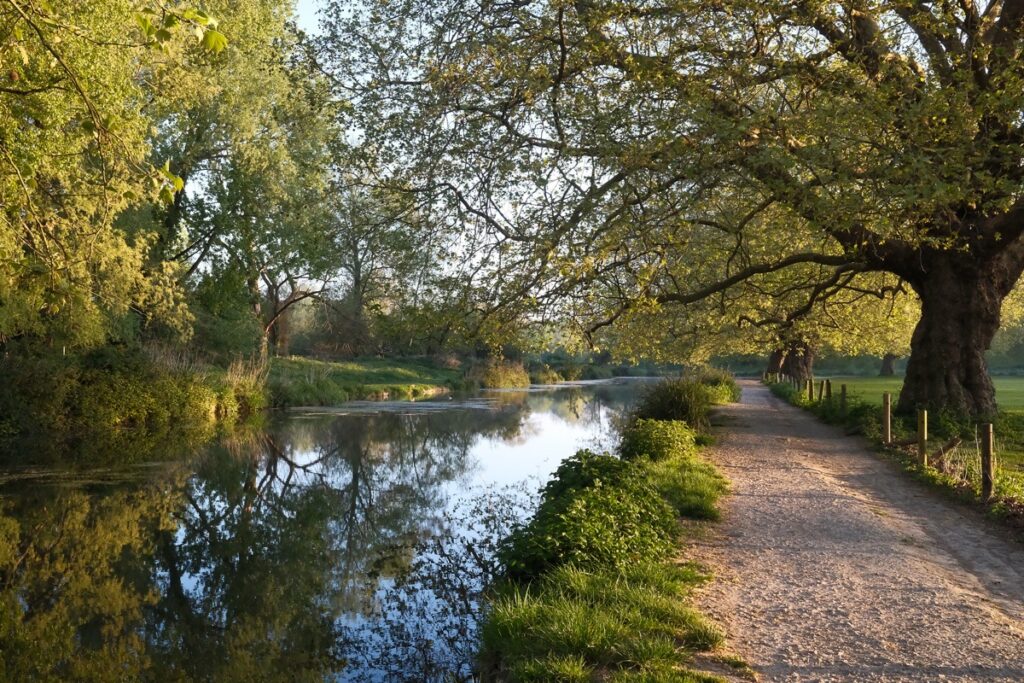
With more time on my side, I descended and soon found the entrance to Winchester College playing fields. Walking along the Pilgrims’ Trail, which follows the Itchen Navigation, was a delight. The early morning light illuminated the trees, while wildlife along the riverbank made its presence known.

Photographing Winchester
An early walk along the river next to Winchester College playing fields.

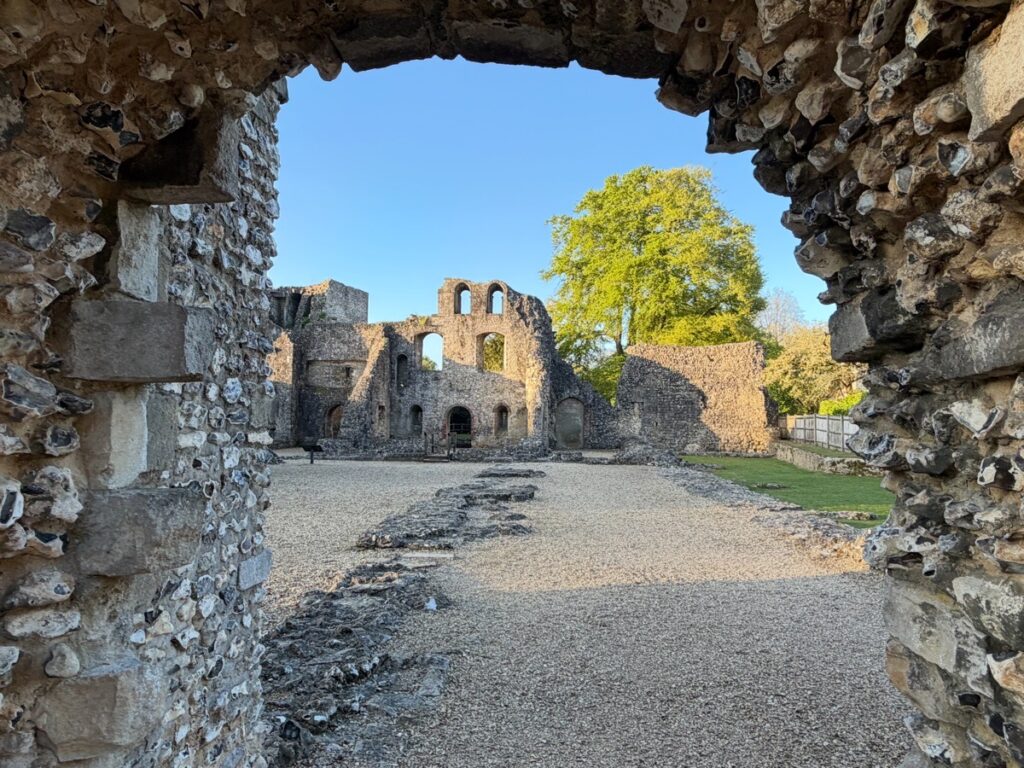
As the streets slowly awakened, I found myself among the ruins of Wolvesey Castle (the Old Bishop’s Palace), located behind the Bishop of Winchester’s official residence. The ruins echoed with a sense of former grandeur, and it felt a privilege to wander through them in the quiet of the morning. On my return, there were further opportunities to photograph the walkways around the cathedral.

Photographing Winchester
Sunrise amongst the ruins of Wolvesey Castle.

Winchester Cathedral

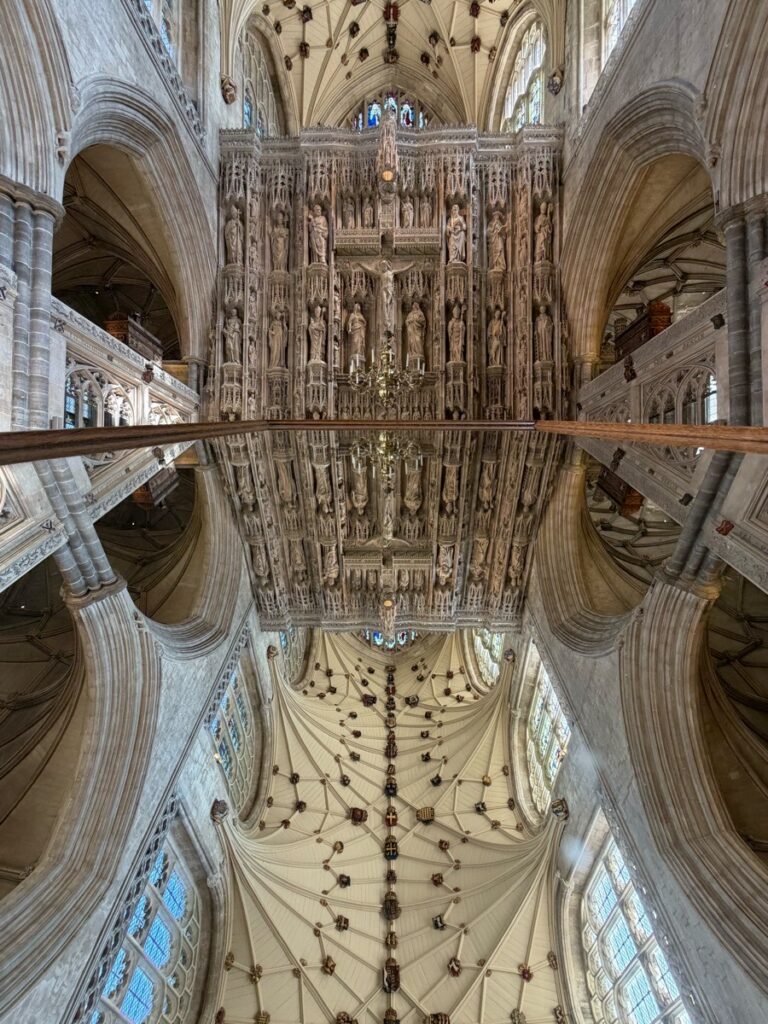
How do you photograph a cathedral that has been captured so many times before? The answer is simple: do it your own way.

Photographing Winchester
Reflections of the cathedral roof.

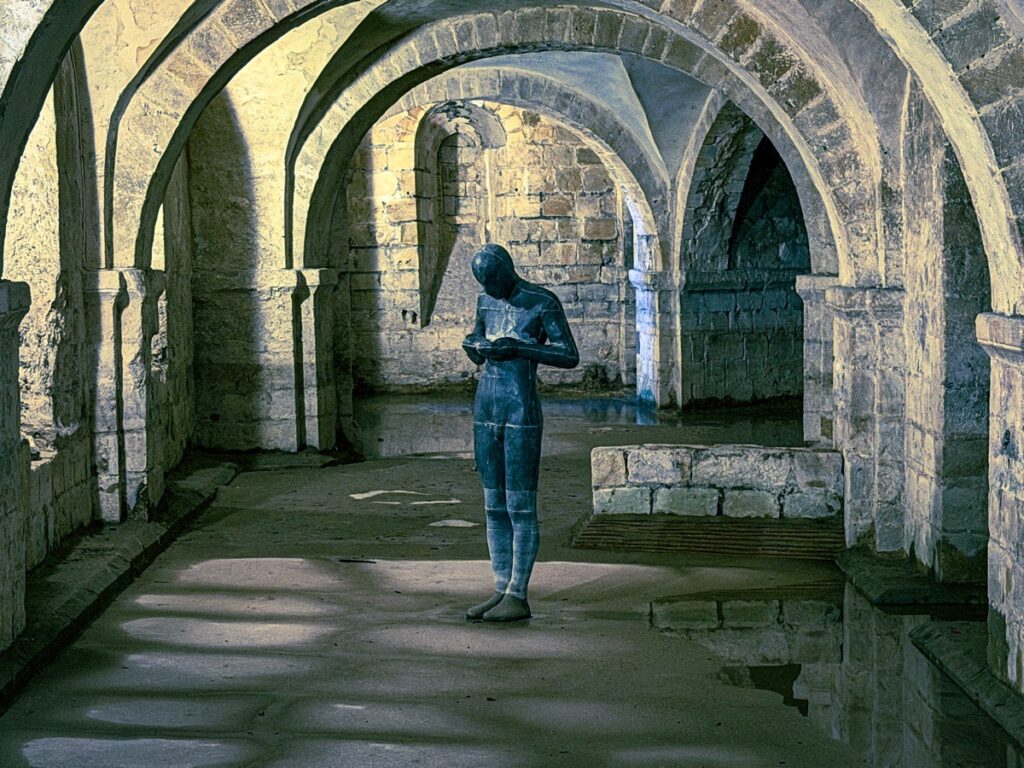
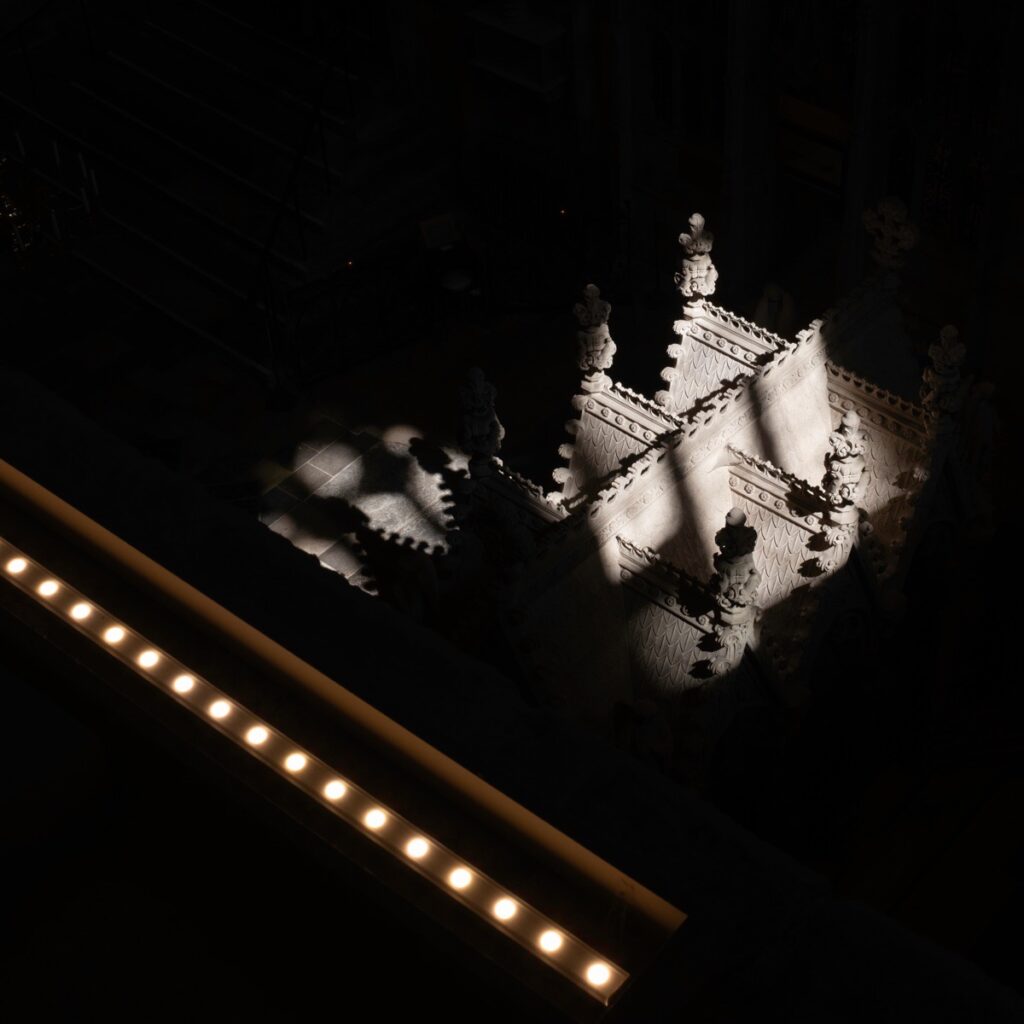
I visited the crypt to see the public artwork by Antony Gormley that is housed there. I have long admired his work and was keen to photograph Sound II. The sculpture did not disappoint, and I spent time exploring different compositions.

Photographing Winchester
Sound II by Antony Gormley in the Cathedral Crypt.

Sound II is designed to stand in a flooded crypt, creating striking reflections in the water. On this occasion, there was no flood, so I adjusted the colour balance to introduce an unreal blueness to the scene, enhancing the cool atmosphere of the crypt.

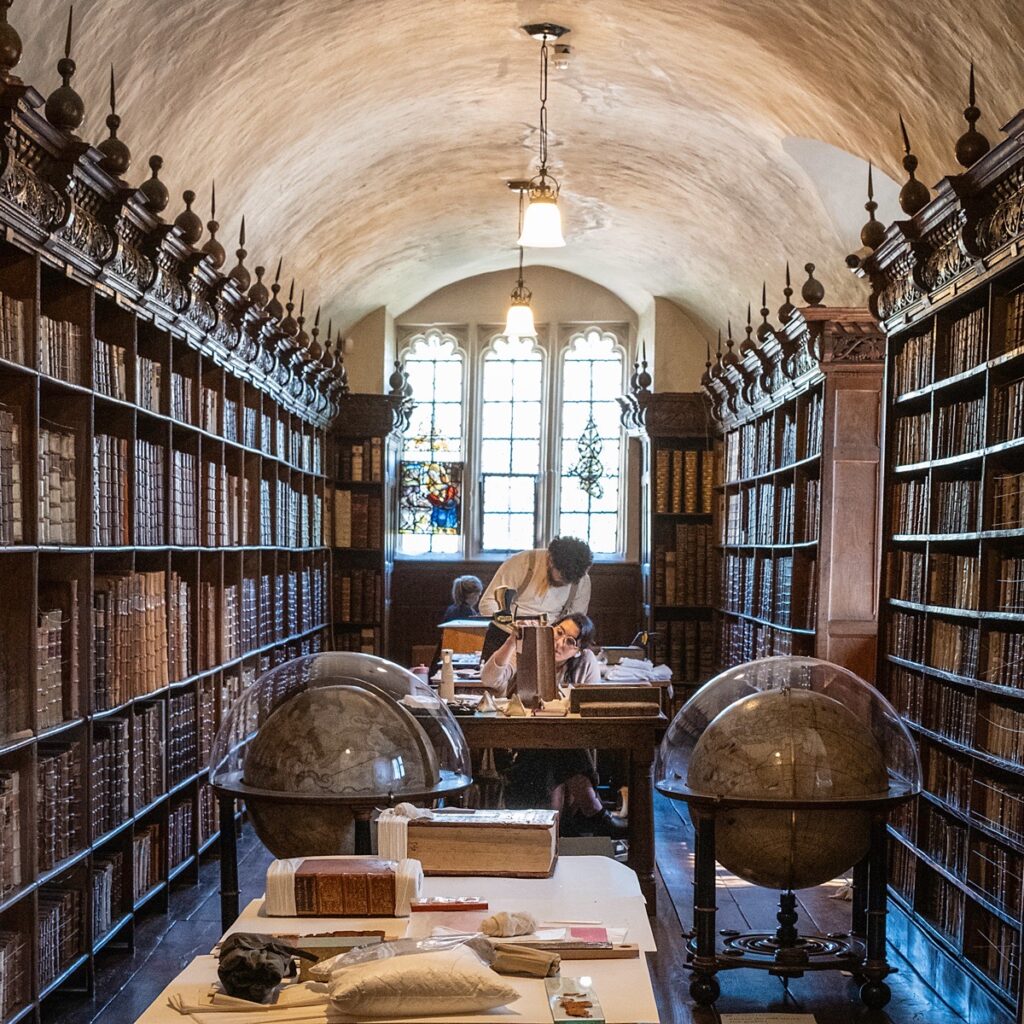
Photographing Winchester
Work to restore old books in the South Transept.

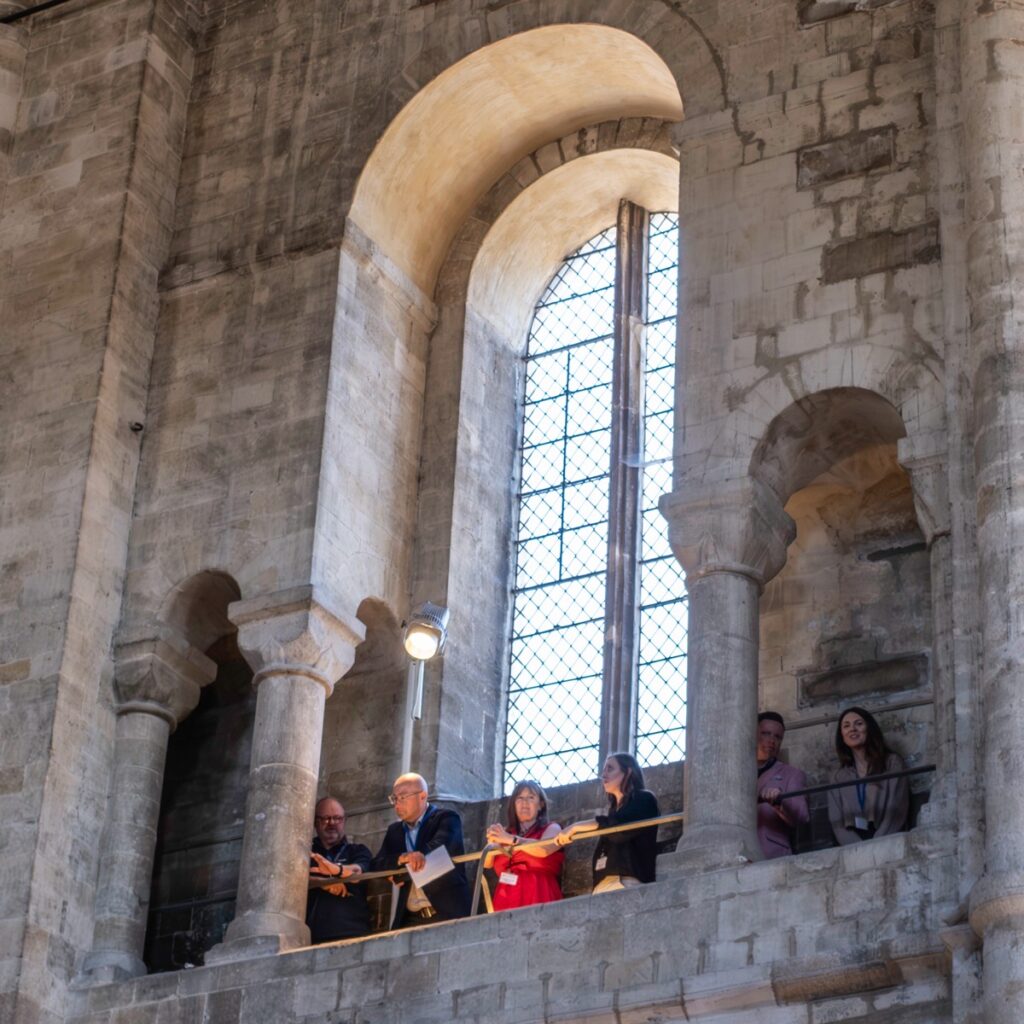
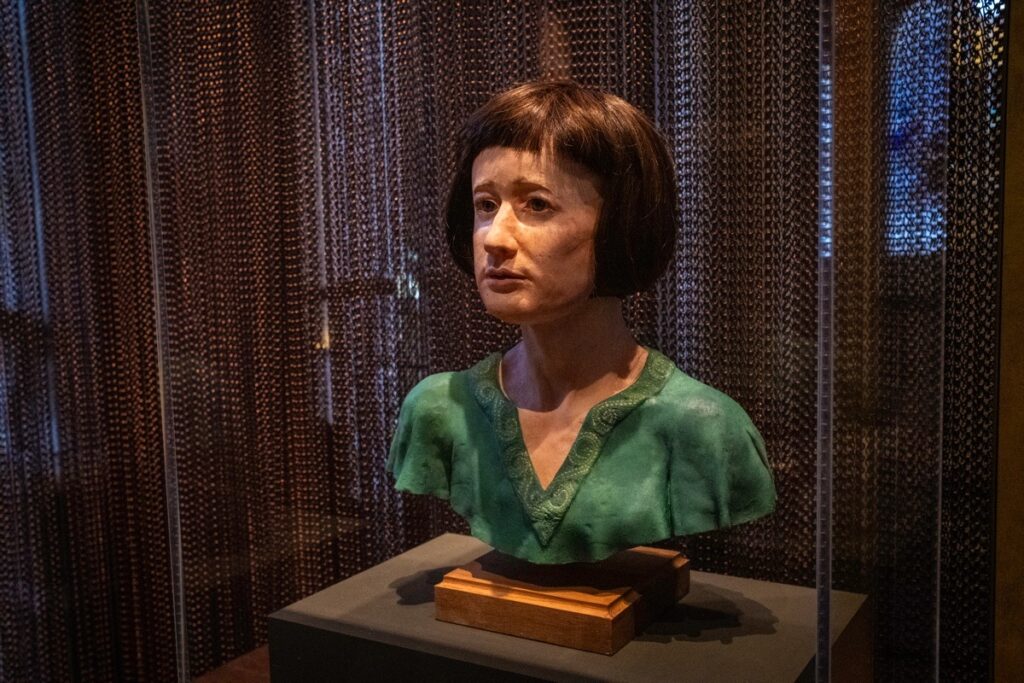
The cathedral has so much history and I enjoyed the exhibition held in the tower. There were several old texts on display and photographs were not permitted. The first floor had people working on the curation and care of the books held by the cathedral. The second floor housed more exhibitions on the history of the cathedral. I particularly enjoyed seeing some of Richard Nieve’s work whom I remember teaching me at Manchester. He had reconstructed a face from the past using skeletons that were found during the excavations of the Cathedral. I also enjoyed the afternoon light streaming into the tower and the view into other parts of the cathedral.

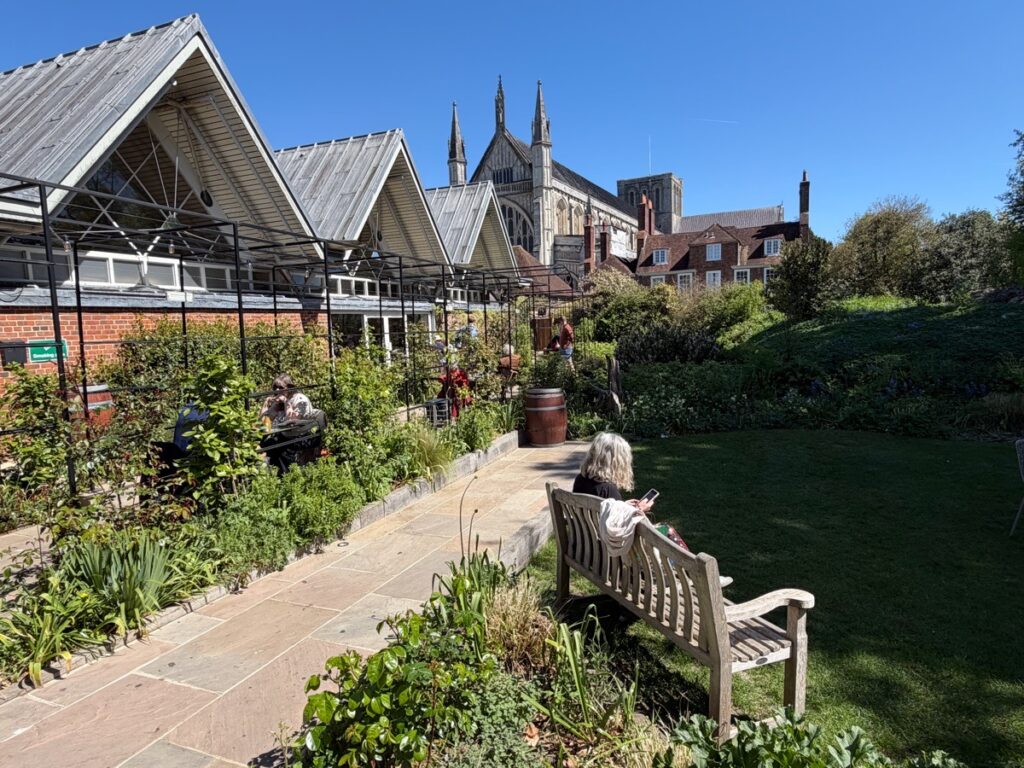
This was a fleeting visit linked to a lecture that I gave to the Wessex British Dental Association. The lecture venue was a semi permanent marque on the grounds of the Cathedral. The glorious weather added to the success of the visit.

Photographing Winchester
Sitting out in the sun between lectures.

I have done may cathedrals in my “Photographing…” series on my blog. This was taken of a much smaller cathedral which is in the centre of Birmingham. Here is my account of St Philip’s cathedral.

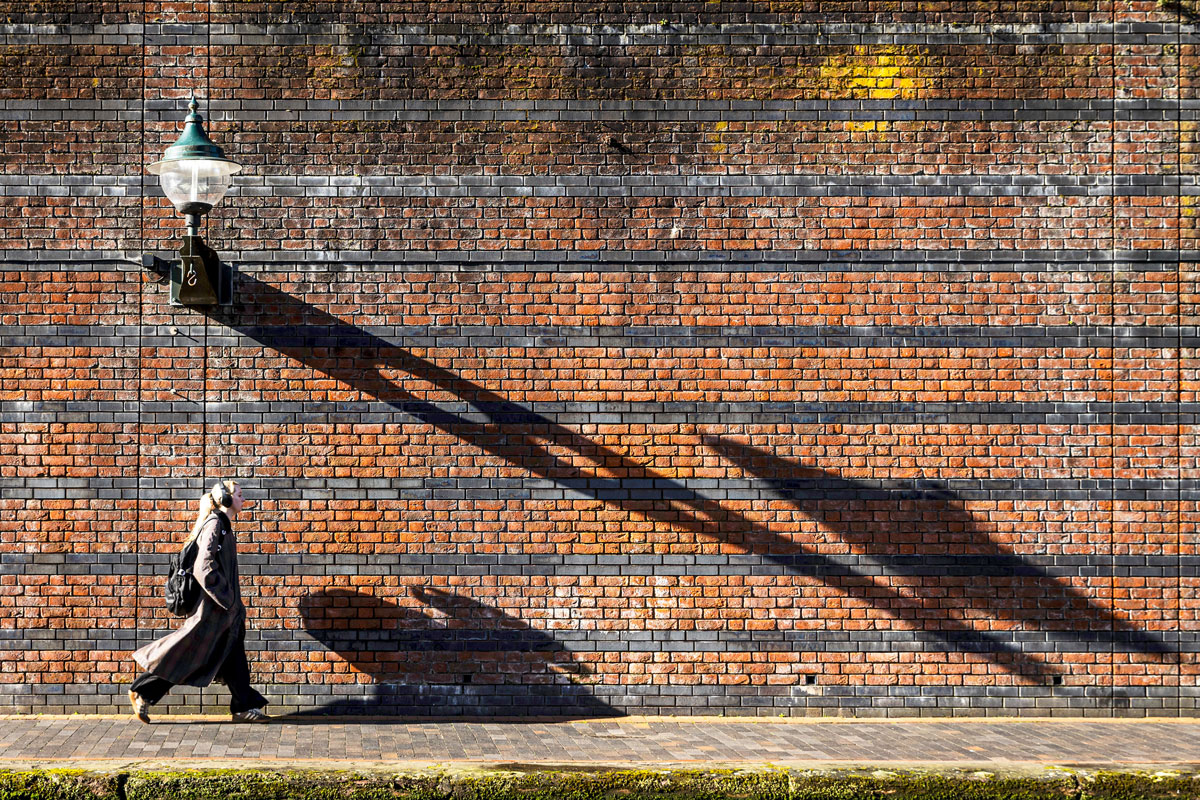
A long shadow on the towpath near to Brindley Place.

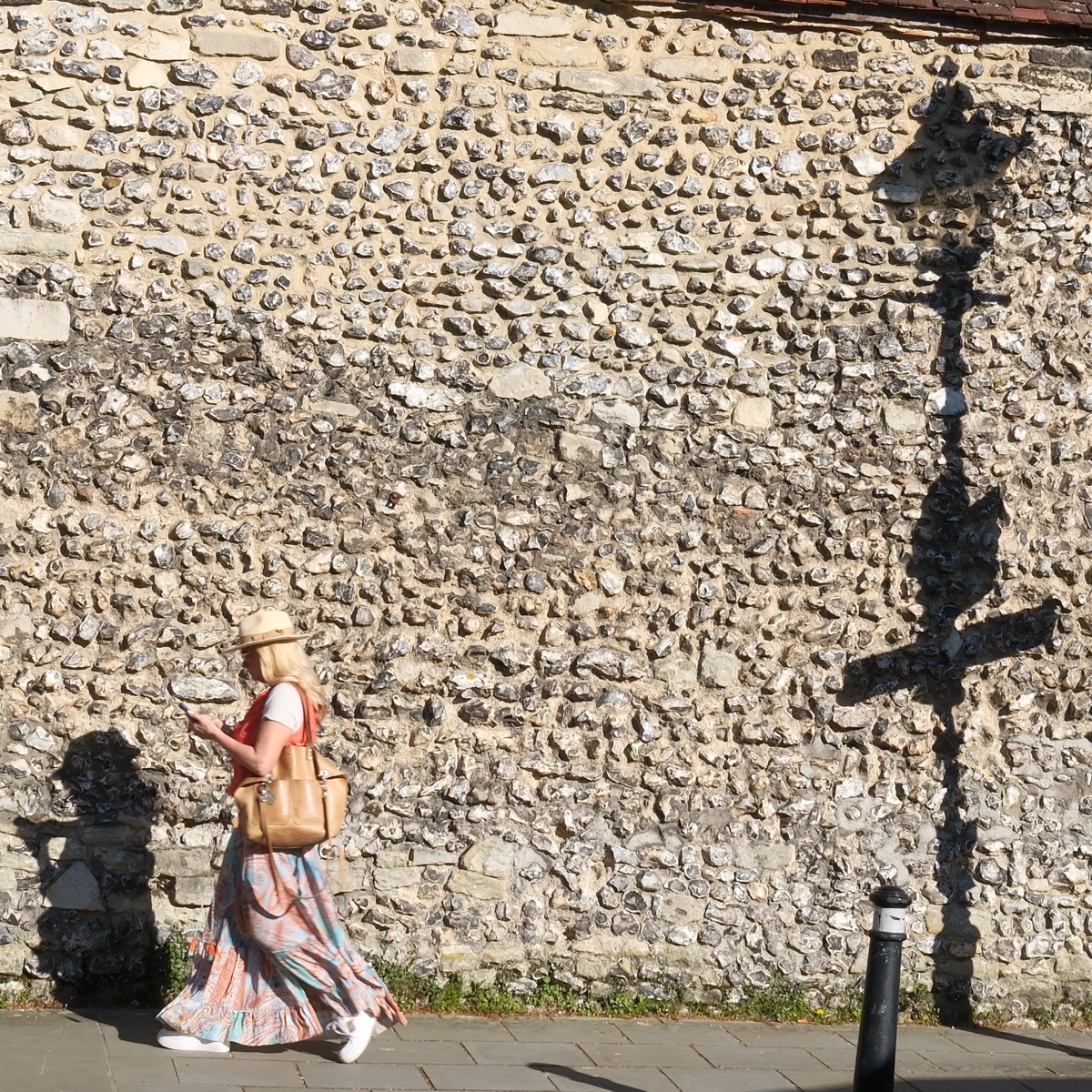
A shadow cast by the sun may often produce lovely, interesting shapes on the ground or walls.  There is a spot in Birmingham where shadows are created by the tall canal-side lamps that stretch over the towpath along the Birmingham Canal Navigations. The area around Brindley Place offers many opportunities for street photography, urban landscapes, and other candid moments.

I had planned a visit to Oozell’s Square, adjacent to Brindley Place. The blossoms there appear only briefly during March and April, and I arrived early to photograph them.

Being in Brindley Place on a bright early morning was a bonus. The combination of water and the warm red brick of the surrounding buildings create excellent conditions for reflections and shadow play. I spent some time walking along the canals before heading towards Gas Street Basin for yet another photograph of this beautiful area.

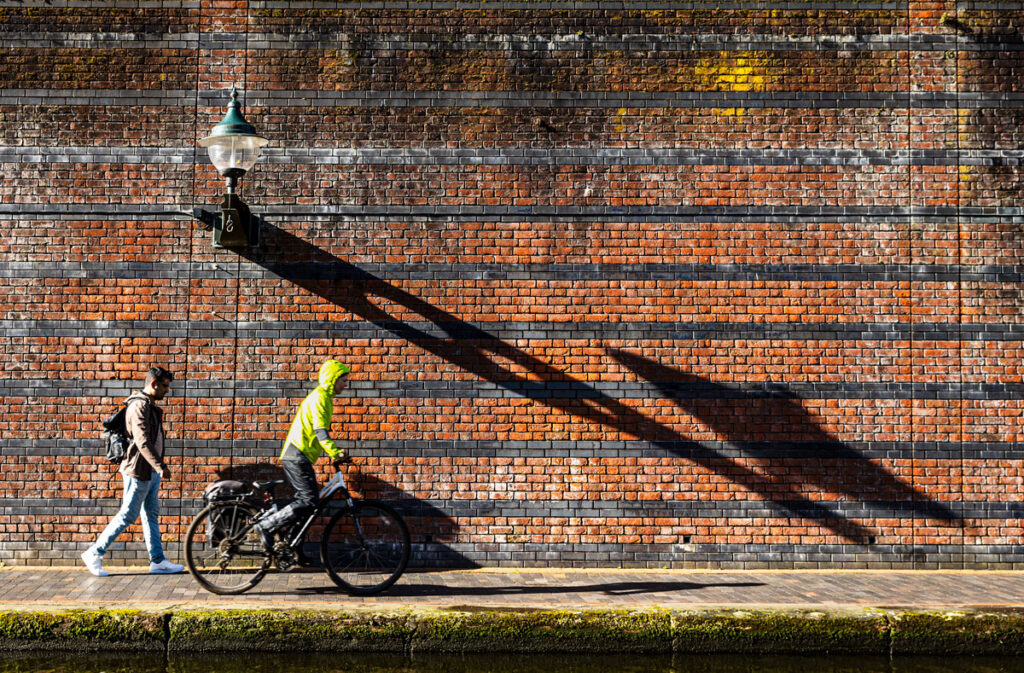
A cyclist and a pedestrian approach a long shadow of a street lamp.

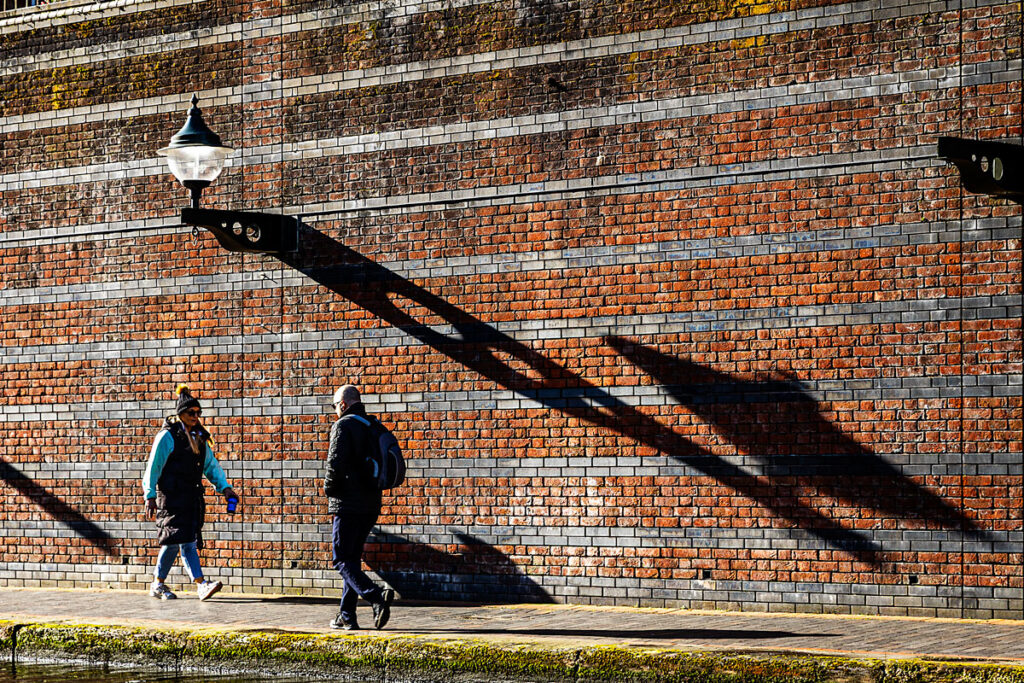
I eventually sat on a bench opposite Brindley Place, near the ICC entrance. My attention was drawn to the shadows on the far side of the canal, cast by the canal lamps overlooking the towpath.  The walkway runs beneath the “Black Sabbath” bridge into Gas Street Basin and is a popular place for pedestrians. As people passed by these elongated shadows, there was an opportunity for some interesting street photography. Positioning myself on the other side, I waited for the right moment.

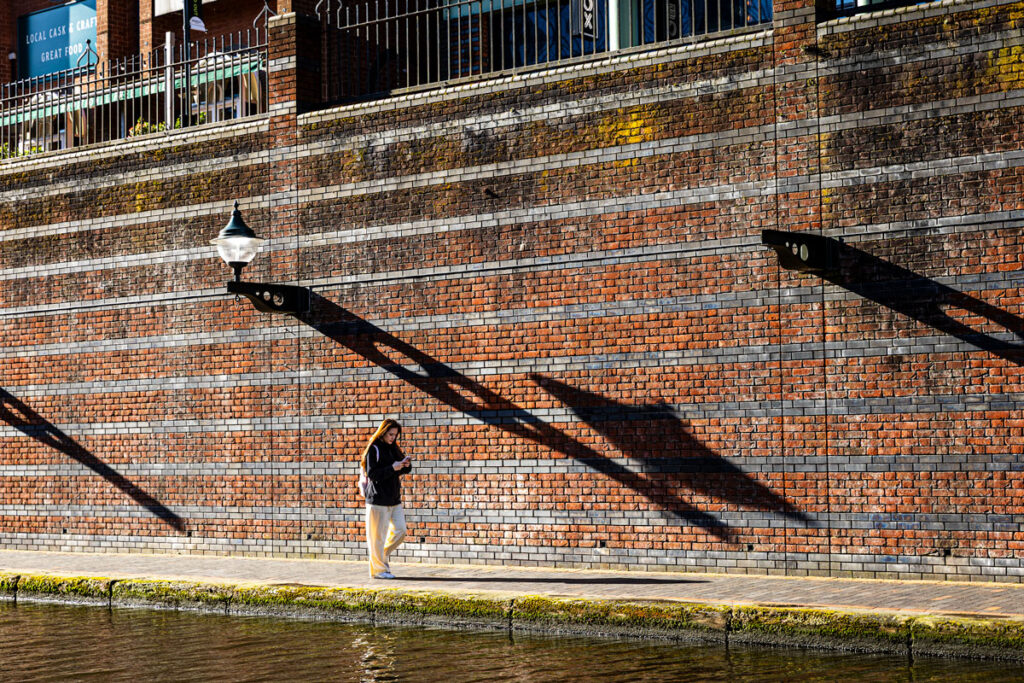
An overview of the shadows created by the early morning sun at Brindley place.
Abview of the shadows created by the early morning sun at Brindley place.

The shadow formed a bold diagonal across the scene, with its far end resembling the outline of a UFO. A steady flow of pedestrians allowed me to capture several images using my Canon R6 Mark II with my 24-70mm EF lens.  When I got home, I was really pleased with the images that I had captured.

One of these photographs was entered into the weekly #ShareMondays2026 competition on BlueSky. I was pleasantly surprised by the response as I recieved many likes and comments. The image proved particularly successful and was selected as the weekly winner of #sharemondays.

A chance meeting under a shadow.

I am very pleased with the outcome and hope the photograph continues to resonate with viewers. In the meantime, I shall continue exploring, always looking for compelling scenes to capture and share.

If you want to see how I have researched the area in the past for street photography then take a look at my blog “Walk on by”. As you can see the shadows do create interesting interactions with pedestrians.

0
    0
    Your Cart
    Your cart is emptyReturn to Shop