

Birmingham Christmas Markets in the City Centre
Every year, the Birmingham Christmas markets take over the city centre. Visitors come to enjoy festive food, warming drinks, and the lively atmosphere created by the stalls. While prices can be high, knowing what to expect makes the experience enjoyable, although deep pockets do help.


Cathedral Square and Colmore Row
The Cathedral Market is my preferred part of the Birmingham Christmas markets. It is better organised than along New Street and uses the footpaths around St Philip’s Cathedral, which makes it easier to walk around. The food stalls here are linked to the Colmore Row business district, giving this area a calmer and more relaxed feel. This year, Asha’s has a stall in the square, and the food is excellent. Another popular stop is the pop-up pub Pigeon in the Park, which is always busy and adds to the festive spirit.

Lights, Rides, and Winter Attractions
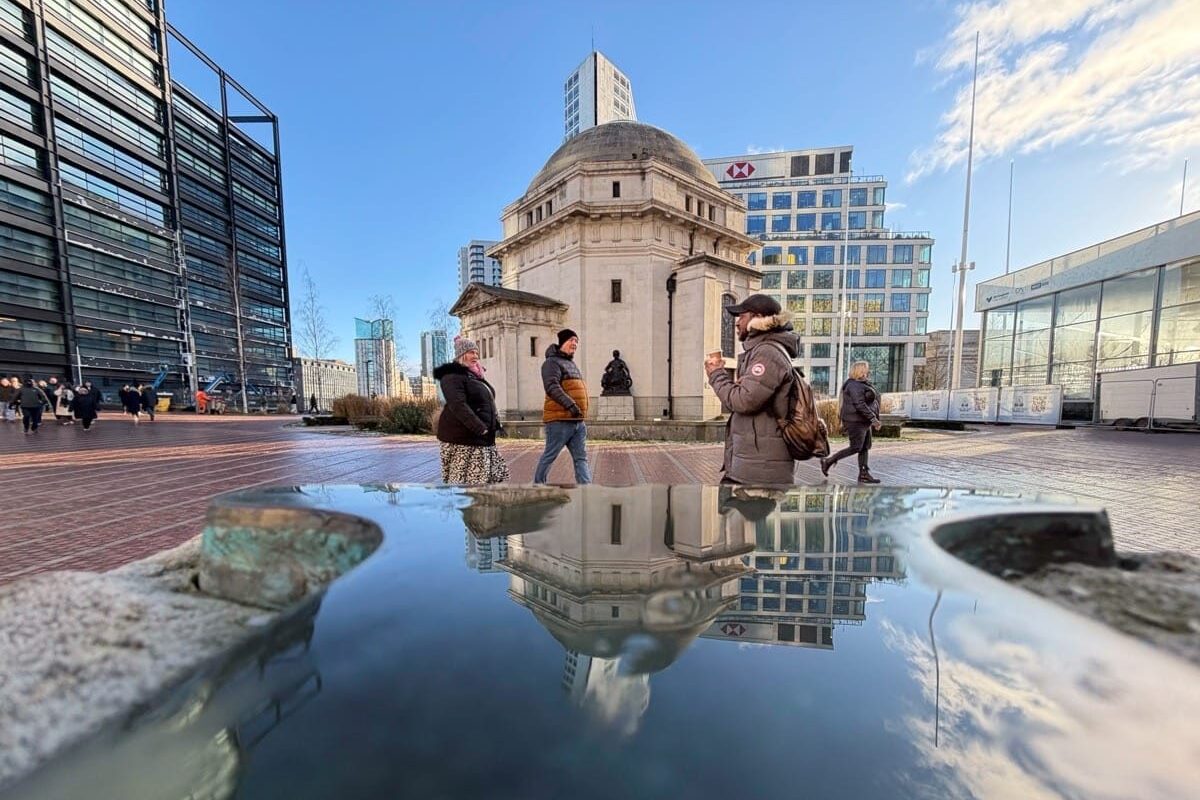
As the nights grow darker, the Christmas lights across the city shine even brighter. They look especially impressive around Victoria Square and Chamberlain Square, where the decorations draw large crowds.


Over in Centenary Square, the big wheel dominates the skyline. Nearby, the Magic Mouse rollercoaster is entertaining to watch, although riding it may not be for everyone. The illuminate ride makes a great subject for photographs. The ice-skating rink is also packed most evenings, proving how popular these winter attractions are.


Why the Birmingham Christmas Markets Still Work
Every year, I take time to wander around the Birmingham Christmas markets and the city itself, and I never tire of it. Although I often hear critical comments about Christmas in Birmingham, the crowds tell a different story. People clearly enjoy the atmosphere and the chance to celebrate the season together.
Below are a few photos of the markets and decorations. They are very different from the lights of London and show that Birmingham does Christmas in its own distinctive way.

Links
More Christmas links with London. There is also a blog describing the Birmingham market in 2023.

Digbeth Photography and Constant Change
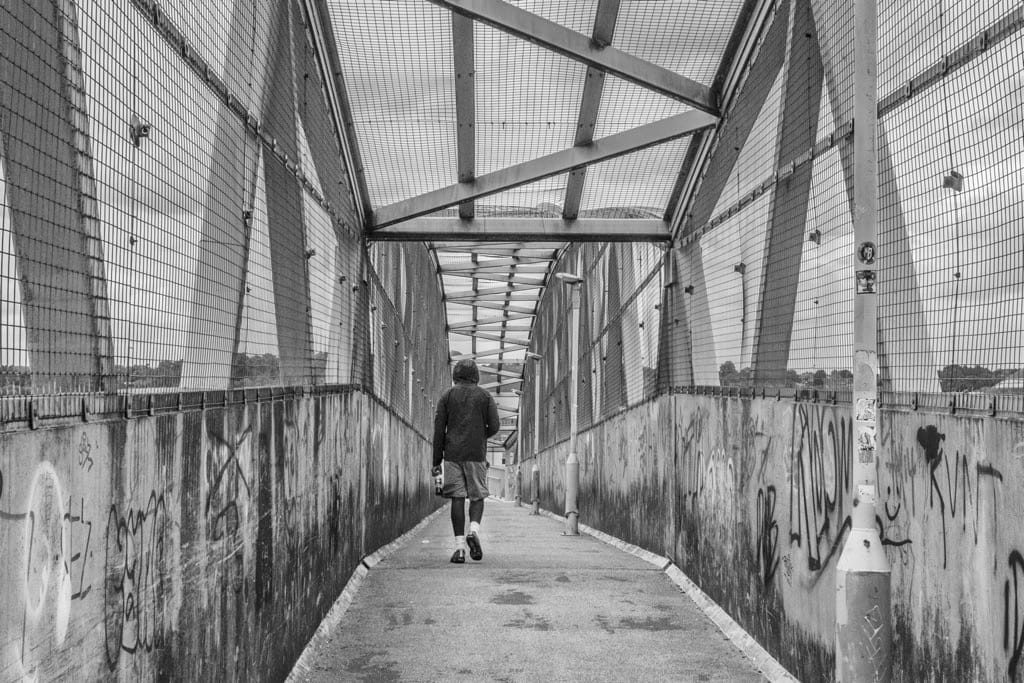
There is one certainty in Birmingham: Digbeth always changes. For anyone interested in Digbeth photography, this makes the area endlessly fascinating. New buildings appear, artwork evolves, and the streets never look the same from one visit to the next.
New Buildings Transforming Digbeth
One of the most noticeable recent developments is the new block of flats being built opposite the Custard Factory. The building stands on the former site of the old Peugeot Garage and Irish Centre. From a photography point of view, this construction is already changing sightlines and creating new contrasts between old and new Digbeth. We wait and see if these contrasts are really beneficial to the area.

As more people live closer to the city centre, Digbeth continues to evolve into a place where work, culture, and residential life sit side by side.

Street Art Through a Photographer’s Lens
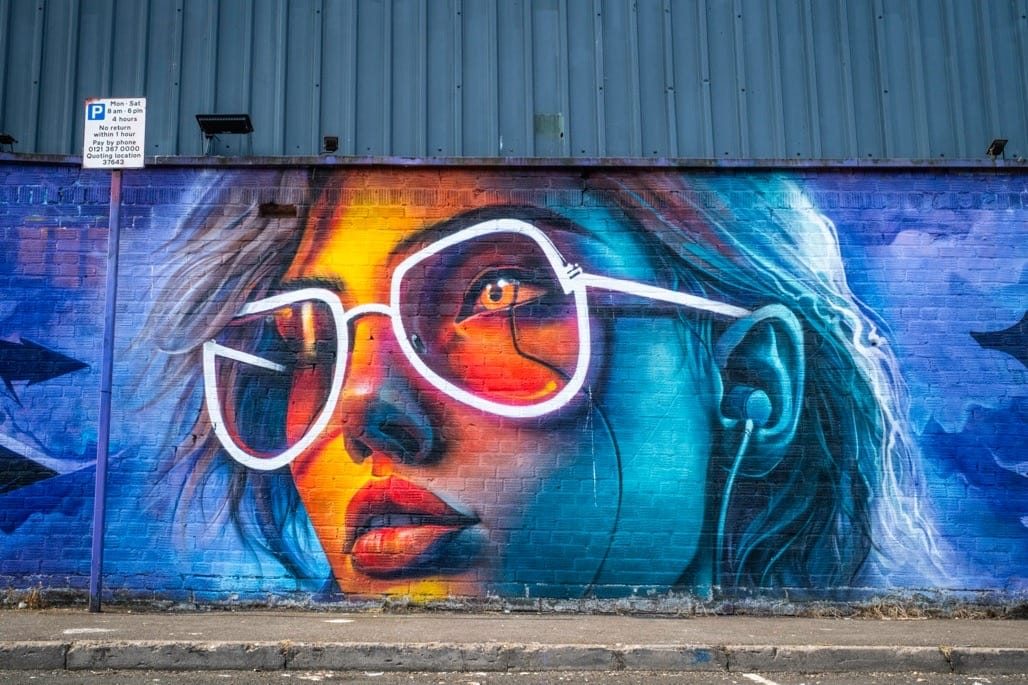
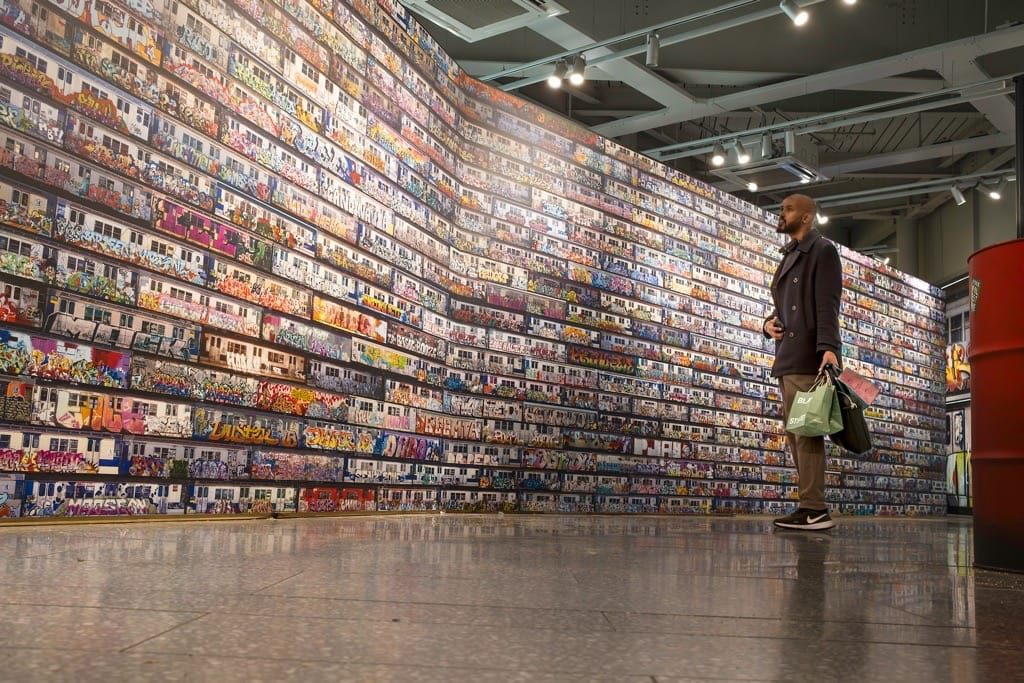
For Digbeth photography, the street art is a major draw. New shops and restaurants continue to open, while the artwork on the walls constantly changes. Because there are only a limited number of spaces, older murals are often painted over to make way for new designs. Some murals stay the same.

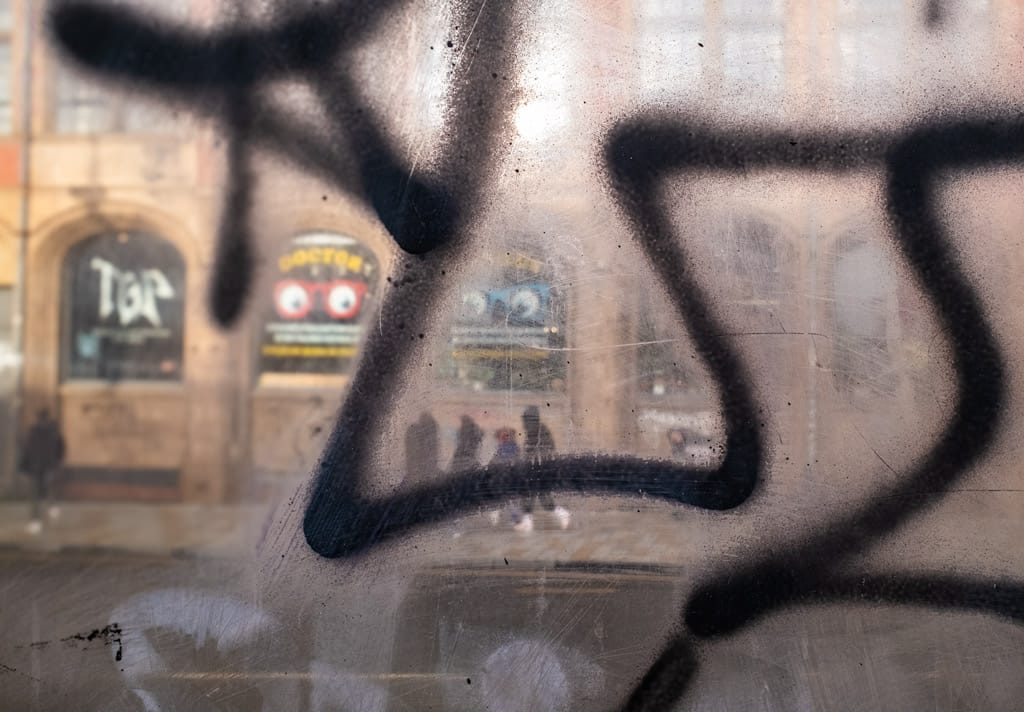
Fresh graffiti now sits alongside long-standing pieces. In some areas, heavy tagging covers earlier murals in a more random style. Even so, bold colours and striking shapes continue to dominate, making Digbeth a living canvas for urban photography.


Photographing a Changing District
This post is a roundup of some of the new scenes and artwork I’ve photographed recently. Wherever possible, I’ve credited the artists. If any credits are missing, please leave a comment and I’ll update the post.


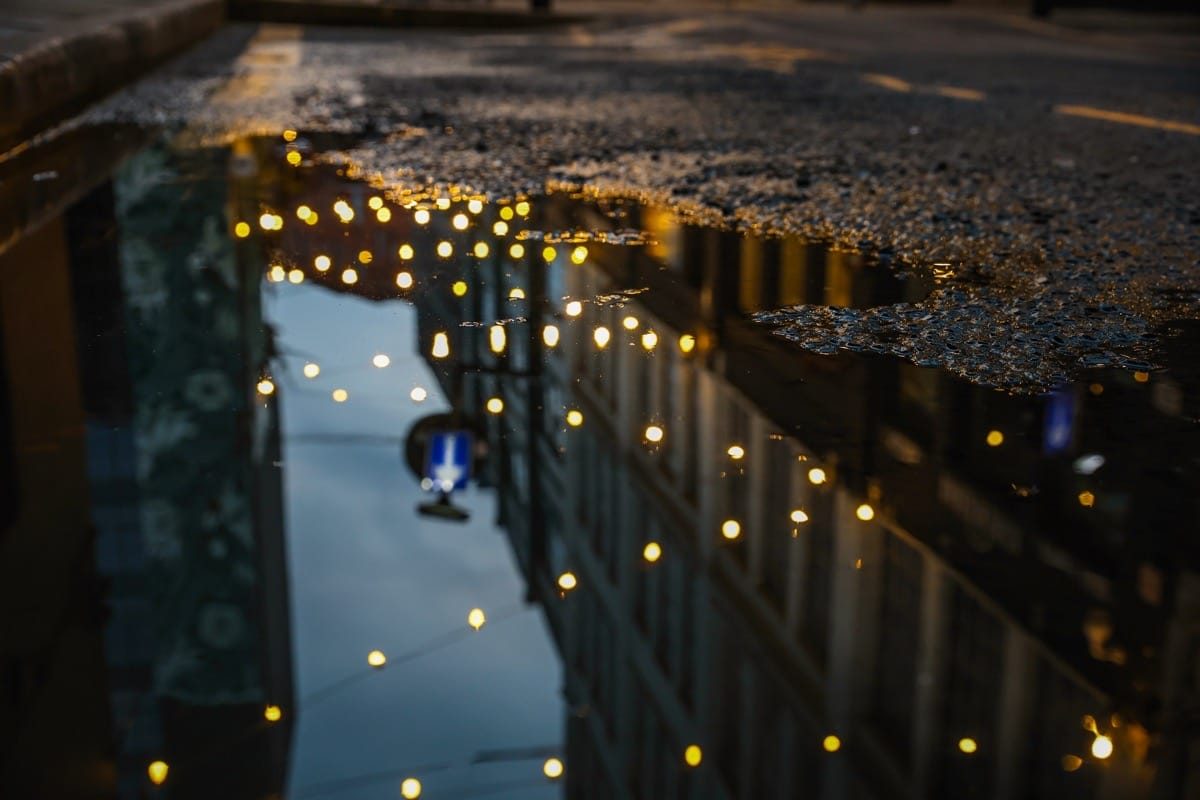
I’ll be back in the new year to focus once again on Digbeth photography during the blue hour, which is one of my favourite times to capture the light and shadows in this changing part of Birmingham. One thing remains true — Digbeth always changes.


Links

Walking through London at Christmas is always a blend of wonder and chaos. Lights spill across every street, crowds move in every direction, and here and there you stumble upon small pockets of calm. I spent a couple of hours wandering with my camera, capturing the city’s festive energy.

My companion for the evening was Peter Thompson, and we set off from Selfridges to explore the brightest spots. New Bond Street was dazzling with its high-end storefronts lit up with elaborate displays. The place was crowded, and the cars parked along the street looked like they were auditioning for a Monster Trucks spin-off. They were huge 4x4s in loud, flashy colours, with a generous scattering of BMWs and Mercedes squeezed in wherever they would fit. Amid all this noise, DPD vans were doing their rounds, delivering parcels to the shops. The upside? All those polished metal surfaces made for brilliant reflections of the lights around them.


Other iconic landmarks such as Fortnum & Masons and the Burlington Arcade did not disappoint although the latter was very crowded. Piccadilly Circus had its usual hypnotic mix of colour and motion. From there we wandered into Chinatown, where the crowds thickened and the restaurants buzzed with activity. Leicester Square had been transformed into an ice rink, cheekily named “William Skatespeare”,


Before we looped back to Regent Street, I walked along the central reservation toward Oxford Circus. Soon I found myself standing on the central reservation, tourists pressing in from all sides, traffic sliding by just inches away. I took the final shot of Oxford Circus with my X100VI, and its internal stabilisation proved impressive, letting me capture the night scene handheld. There’s something satisfying about the slice of nightlife frozen in that frame. Then it was time to mingle with the crowds and head home after an enjoyable evening.

If you enjoyed this description of the lights then feel free to visit my blog on last year’s lights.

Why am I so fascinated with Spaghetti Junction? Perhaps it’s the way the urban landscape blends nature with man-made geometry, or the history embedded within the structure. In an alternative life, I imagine myself travelling the motorway system, passing along the M6 and then indicating to join the Aston Expressway into Birmingham. Yet during such journeys in the car, I rarely think about what lies beneath these roads.


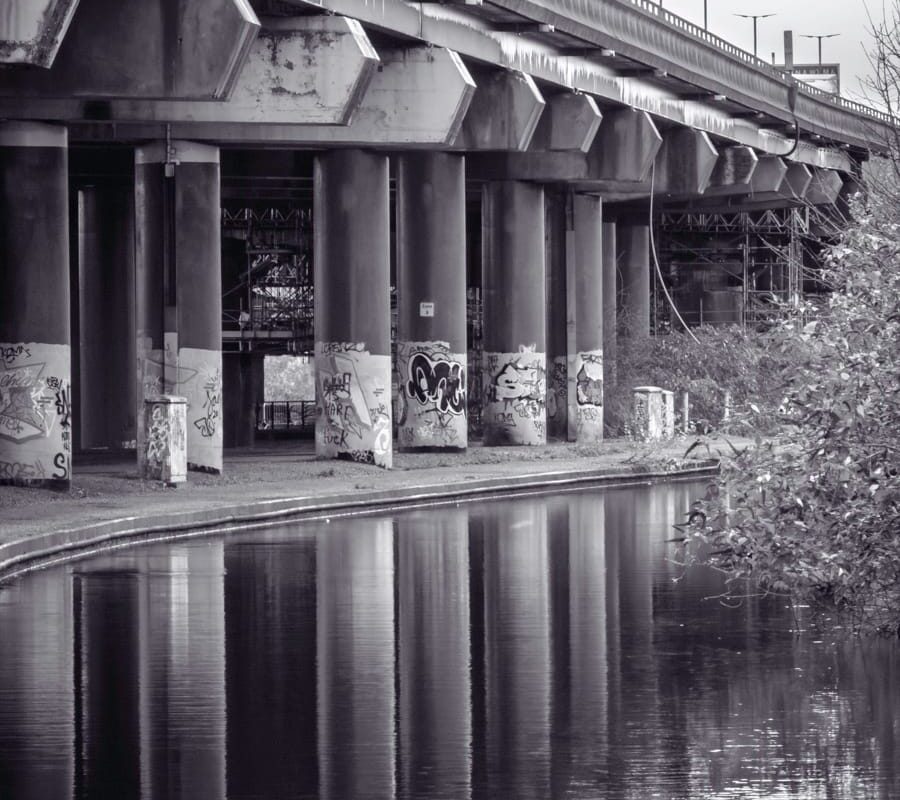
Under the concrete pillars that support the motorway network, the space resembles an incomplete cathedral, a place to worship the industry of construction workers, accompanied by the hymns of thundering traffic overhead. Cars and lorries make their presence known through constant noise and vibration. In contrast, the quiet canal network predates the junction. Around the concrete pillars, flows the River Tame and the still waters of Salford Reservoir reflect the motorway traffic. A train line also cuts through the area, all converging at what we know as Spaghetti Junction, or more formally the Gravelly Hill Interchange. The regimented concrete pillars and the patterns created by the elevated roads provide endless photographic opportunities. Inspiration is everywhere.


Back in July, I visited Spaghetti Junction with a group of photographers. One of the highlights of any trip beneath the M6 is the artwork of Bill Drummond. Formerly of the KLF and now a recognised artist, Drummond has been regularly posting his work on a particular wall near the heart of the junction. I was surprised to find the artwork wall completely white. In the photo I took, one of the few pedestrians we encountered beneath Spaghetti Junction walks past the empty space. Although I was disappointed not to capture any of Drummond’s artwork, I’m intrigued to see what reappears here in the coming weeks.

This Spaghetti visit started with a request from a fellow photographer Nicky who knew a photographer friend who had never been to the area before. I agreed to be involved in planning such a walk and enjoyed visiting the place again. John Waine was the visiting photographer and his work is outstanding. Follow the link to see more of his work. If anyone who reads this blog and wishes to visit what lies beneath the motorway then please contact me. Depending on timing and commitments, I will be happy to show them around.


Finally here is an account my last visit under the Interchange and the blog includes links of previous visits.

I had been feeling a little jaded and in need of some new inspiration for my photography. To spark a fresh way of seeing, I decided to give myself a challenge: to photograph the Library of Birmingham without showing any books. It sounded simple, but it pushed me to look at the building differently and find views that have not already been captured a thousand times.

The Library of Birmingham never fails to surprise me. Its striking architecture, spacious interiors, futuristic escalators and sweeping balconies all have a story to tell. Although it is, of course, a library filled with books, I wanted to focus on its atmosphere and design rather than what sits on the shelves.

Autumn had arrived and the leaves on the trees were a deep contrasting red colour. The outside gardens are a peaceful place to visit. Visitors to the library enjoy finding quiet spots to reflect and relax from the busy City below.


For this project, I used three cameras: my Canon 5D Mark IV, my Fujifilm X100VI, and my iPhone. Each one encouraged a different way of seeing. The Canon, with its wide-angle lens, delivered crisp and detailed shots. The Fujifilm, which has a fixed 50 mm lens, performed beautifully in the softer light but required a slower, more considered approach. The iPhone proved surprisingly powerful when capturing reflections, as its lens can be placed right up against a surface to create playful and unexpected effects.

This collection of photographs shares what I discovered on that visit. It is my attempt to show the Library of Birmingham from a new angle and to remind myself that inspiration often appears when you look at familiar places in unfamiliar ways.


This is not the first time that I have photographed the library and you may well enjoy this earlier account. Be warned a few library books creep into the pictures.

I travelled to Worcester in search of streets with burst of colour, even though the weather forecast looked less than promising. Accompanied by my daughter and grandson, we set off to explore the city’s urban art scene during the Worcester Paint Festival. From hidden alleyways to large murals, Worcester proved to be a colourful place, full of surprises for anyone who loves street art and photography.

Our first stop was the CrownGate Shopping Centre, which served as the temporary headquarters for the festival. Friendly faces greeted us. We chatted about the Paint Festival and where to see the artwork. Printed maps were available and proved to be excellent as they were clear, detailed, and very useful alongside the online version. A great reference source that set us up for the day.

From the shopping centre, we headed to Angel Place street market, where several art murals caught our attention. The atmosphere of the market combined with the colourful artworks made for perfect photo opportunities. I particularly enjoy capturing street art with people passing by, as it adds a human element that brings both the artwork and the photography to life.


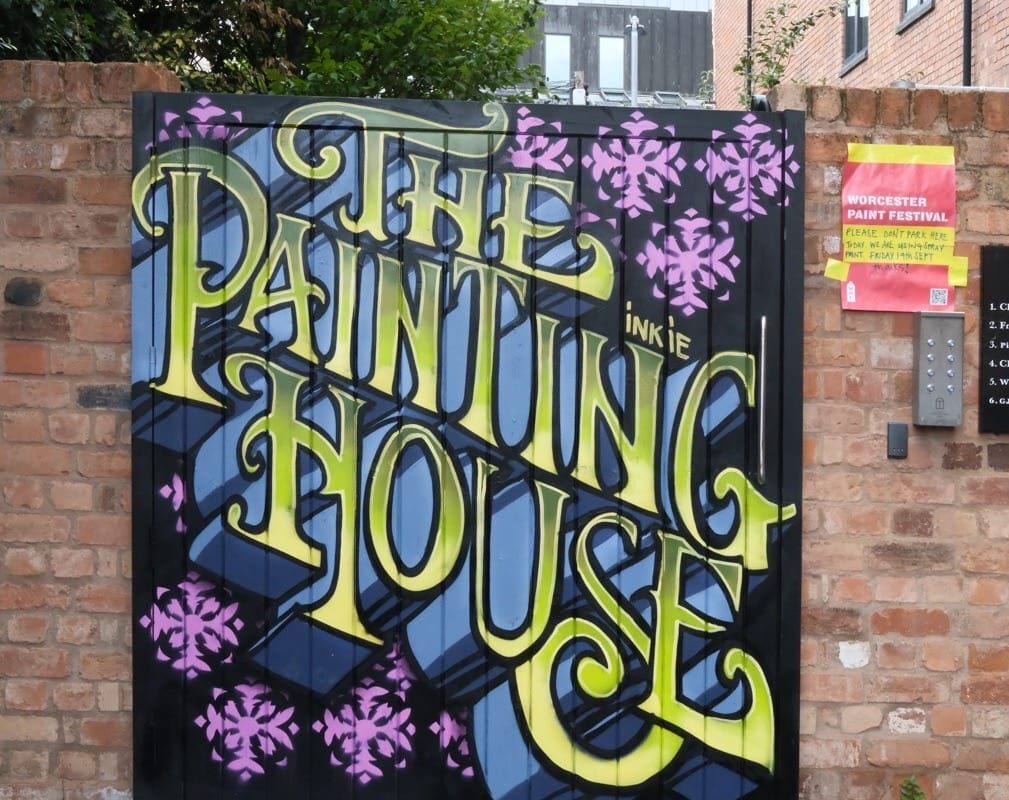
Next, we sought out Inkie’s work at the Royal Porcelain Works. His colourful mural decorated the gate leading to the old printing works and stood out vividly against its surroundings. We then made our way back into the city centre, passing a series of murals, some finished, others still in progress. Friar Street is one of my favourite parts of Worcester, with its mix of heritage buildings and modern urban art. One mural was cordoned off while the artist was working though I managed to catch a glimpse from a stairwell.


Along the way, we discovered plenty of independent shops and more artwork. Before leaving the city centre, I climbed the stairs to the car park roof to photograph some stunning murals, their lively colours contrasting with the rows of parked cars around them.


Our next destination was the Sixways legal wall on Offerton Lane, a council-designated space for street art. Tucked beneath the A449 and running alongside the Worcester and Birmingham canal, it has become a hub of creativity. We parked at the back of Sixways Stadium, and I went on alone to explore the underpasses. Artists were hard at work on the walls of the two underpasses. The air was thick with the smell of spray paint being applied to the concrete.


The line-up was impressive: Worcester Writers KFO crew and guests, featuring PHE, Zeeizm, Kask, Sore, Spar, Knel, WWF (Wizards with Funk) Crew, Buser (OSK Bristol), Inkie (KTS, ASK Bristol), Such (ACT Sheffield), Rob Dise (TWC, Worcester), Merk, Hart, Frank Brough, Umix, and Arbour. I have always loved the names chosen by graffiti writers each one hinting at the personality behind the art. I am unsure who is who in my photographs at the Sixways legal wall, so please do get in touch if you can help with credits.

This visit was just a glimpse into Worcester’s thriving urban art scene, which comes into its own during the Paint Festival. Murals and installations can be found across the city where they are tucked down small side streets, hidden in alleyways, or displayed on large walls. With every visit, there is something new to discover, making Worcester a worthwhile destination for anyone interested in street art, colour, and creativity.
If you enjoyed this then be sure to read my blogs about street art When I visited Cheltenham Spa and Halifax, Canada.

Balsall Heath – Balti Triangle, the Number 50 bus, Alcester Road, Ladypool Lane, Moseley Road Baths, and the Home Secretary, Shabana Mahmood. The diversity of Balsall Heath is renowned, which provides an insight into its character. The area does not stand still, with a rich history reflecting the growth and wealth of the city. Whilst Balsall Heath was initially an affluent area, over the years it has faced many difficulties with poor housing and social deprivation. The area is now undergoing a revival, and house prices are similar to those in other parts of the city. This brings its own share of challenges, as young people strive to set foot on the housing ladder.


Last year, I became involved with the PRISM photographic network, who organised a photographic project around Stirchley. The Stirchley Observation Project proved to be a very successful venture where I met and interacted with a group of talented photographers. We took pictures, we discussed them, and then we exhibited our best work. Now, a year later, we are turning our attention to Balsall Heath.


Before the course starts, I decided that I needed to have a brief walkabout the area to acquaint myself with the streets, the architecture, and the character of the neighbourhood. I have eaten many times in the Balti Triangle, and I have often driven down the Alcester Road towards Moseley. More recently, I have got to know the Old Print Works and attended photographic workshops there.


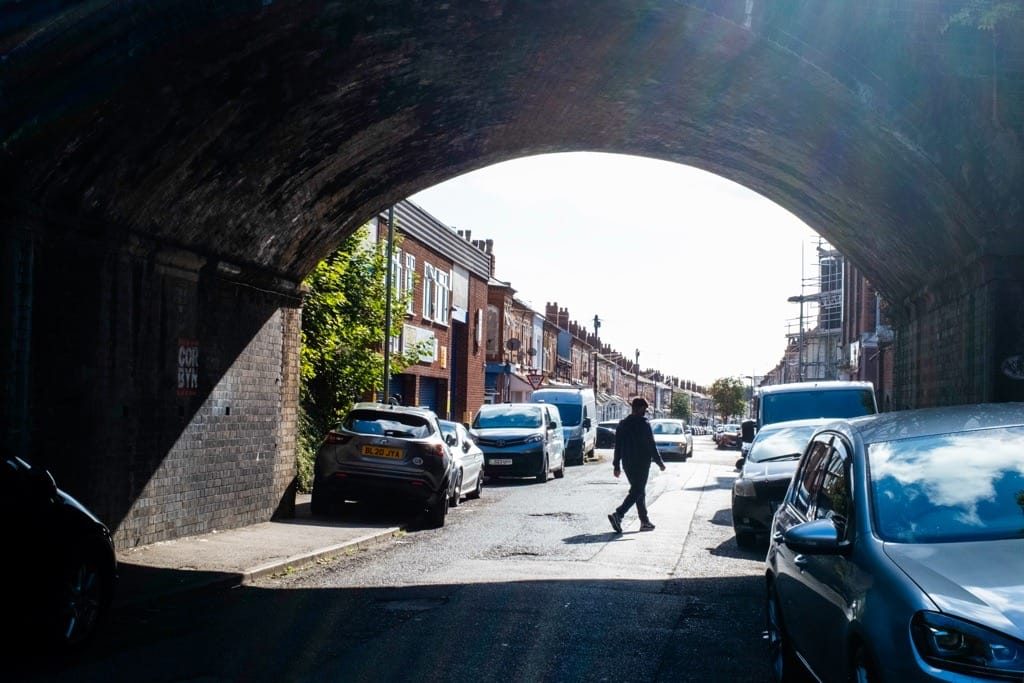
Taking the Number 50 bus from the town centre, I got off near the Castle and Falcon pub. I love cityscapes, and my eye was drawn to the railway arches that connect the west and east wards of Balsall Heath. During the day, the area is busy as traffic moves along the Alcester Road. Students travel to and from Joseph Chamberlain Sixth Form College, and the coffee shops are lively. Walk along the side streets, and you immediately notice how quiet it becomes. There is still activity in these secluded area, and the nature of the urban landscape throws up countless photographic views.


These photographs are a small selection of my observations from my walk around Balsall Heath. I am looking forward to the forthcoming project, and you can follow my adventures on my blog.


.

If you wish to learn more about our Stirchley Observation project, I wrote a short blog at the beginning and there will be more material being published from our work. I also provide an account of one of the courses on cyanotype that we undertook during the Stirchley course.

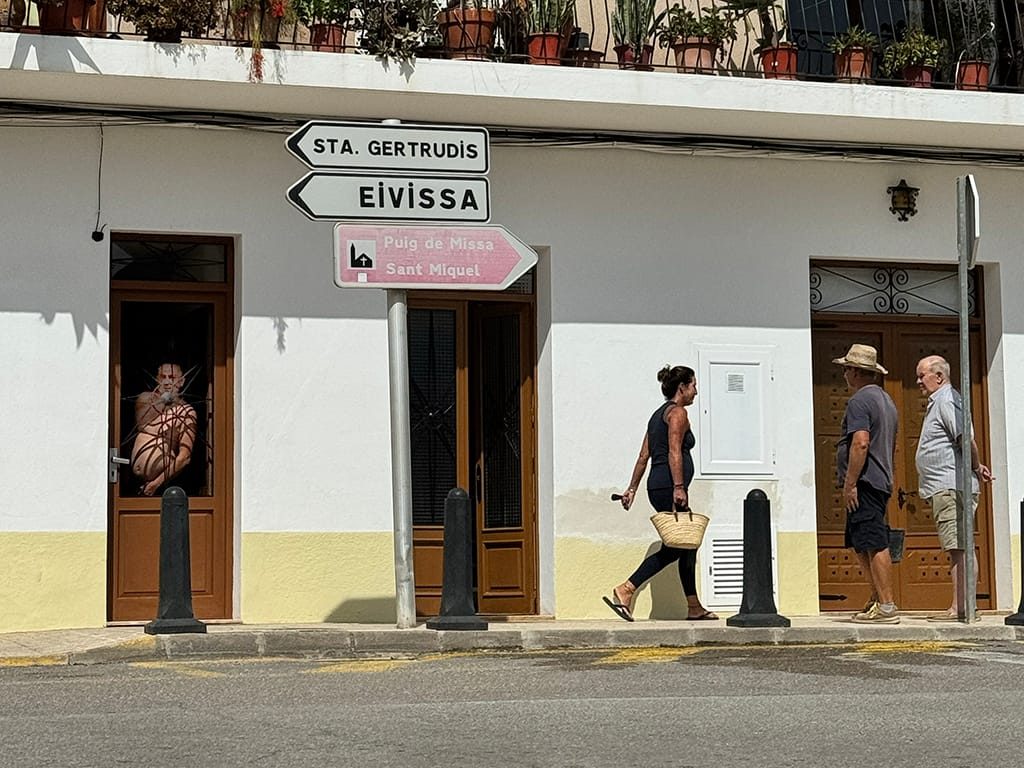
The towns and villages of Ibiza provide a rich source for street photography. Care is required as you are in another country and people are generally on holiday. They may not take kindly to having their photograph taken. The island is very attractive. The sun drenched streets and white reflective houses are a challenge and my polarised filter was needed. As I was on a family holiday, my transport options were limited to taking pictures during the day. Any sunrise or sunset pictures were taken in and around the villa where we were saying and these form the basis of another blog about the island.
The interior of the churches that I visited were fascinating. The church at Sant Miquel de Balansat had beautiful frescoes on the ceiling. At St Gertrude, the church, Santa Gertrudis de Fruitera church, was set back from the central thoroughfare. Inside you escaped the heat and were able to take in and marvel at the surrounding fixtures and iconography around the church.
I enjoyed photographing this selection taken around the island. The places are described in the captions.
Eivissa – The old town


Sant Miquel de Balansat


Santa Gertrudis de Fruitera


Another island in the Mediterranean to read out – Check it out.

The newest addition to Paradise Birmingham, Three Chamberlain Square, is close to opening. This distinctive building sits next to the historic Town Hall and is stone’s throw from Victoria square. Its exterior design incorporates natural terracotta tones, giving a warm red ochre glow to the rows of vertical lines. Walking past the building, I often wondered what it would be like to look around inside and longed to visit the terrace on the top floor.

I was therefore delighted when an invitation arrived from Core, the marketing team promoting Paradise Birmingham. They were hosting a special Photographers’ Event at Three Chamberlain Square to mark World Photography Day.

On a warm but initially cloudy afternoon, a collective of photographers gathered in Chamberlain Square near the new building. There were many familiar faces amongst the group, and we did not have to wait long before being taken into the foyer of Three Chamberlain Square. The entrance is impressive, with a large, open multipurpose area. After a short introduction, we went straight up to the ninth floor and the terrace.

The terracotta design was an instant hit with the photographers, and we all had to be careful not to photobomb each other’s shots. The photographic talent among the group was very high, and I knew their images would be excellent. My own thought was, try something different, easier said than done when surrounded by such skilled photographers.

Reaching the ninth floor, the sun broke through the clouds. Before stepping onto the terrace, I paused to capture the light as it streamed into the room. Then it was time for the terrace itself, which offered stunning views across the city. The red support beams provided a perfect frame for iconic landmarks. I was able to capture the Octagon, BT Tower, the Rotunda, 103 Colmore Row, and the Town Hall clock, each neatly framed by the beams. Using my telephoto lens I was able to capture the street scenes below. The terrace was undoubtedly the highlight of the visit and will be an instant favourite for those working in the building.


We then moved down to the eighth floor to view the open-plan offices. I took several pictures, and while the space itself was impressive, my eyes kept drifting to the windows. People working there will certainly not be bored—the passing trams and other activities below may prove to be quite a distraction.

Although I had to leave before the full tour was over, the terrace remained the highlight of my photographic journey through the building. On my way back to the car, I captured a few final shots outside. What struck me most was the contrast of styles: the terracotta of Three Chamberlain Square set against the Roman revival elegance of the Town Hall, with the towering Octagon rising in the background.

Birmingham looks splendid with its mix of bold new buildings complementing the city’s historic landmarks. Thank you to Paradise Birmingham for allowing us to photograph this beautiful building.

If you like tall buildings then I have highlighted more reading about my photographic visits on my blog.