
Visit to Stirchley Steve Coel

Meeting Steve Coel

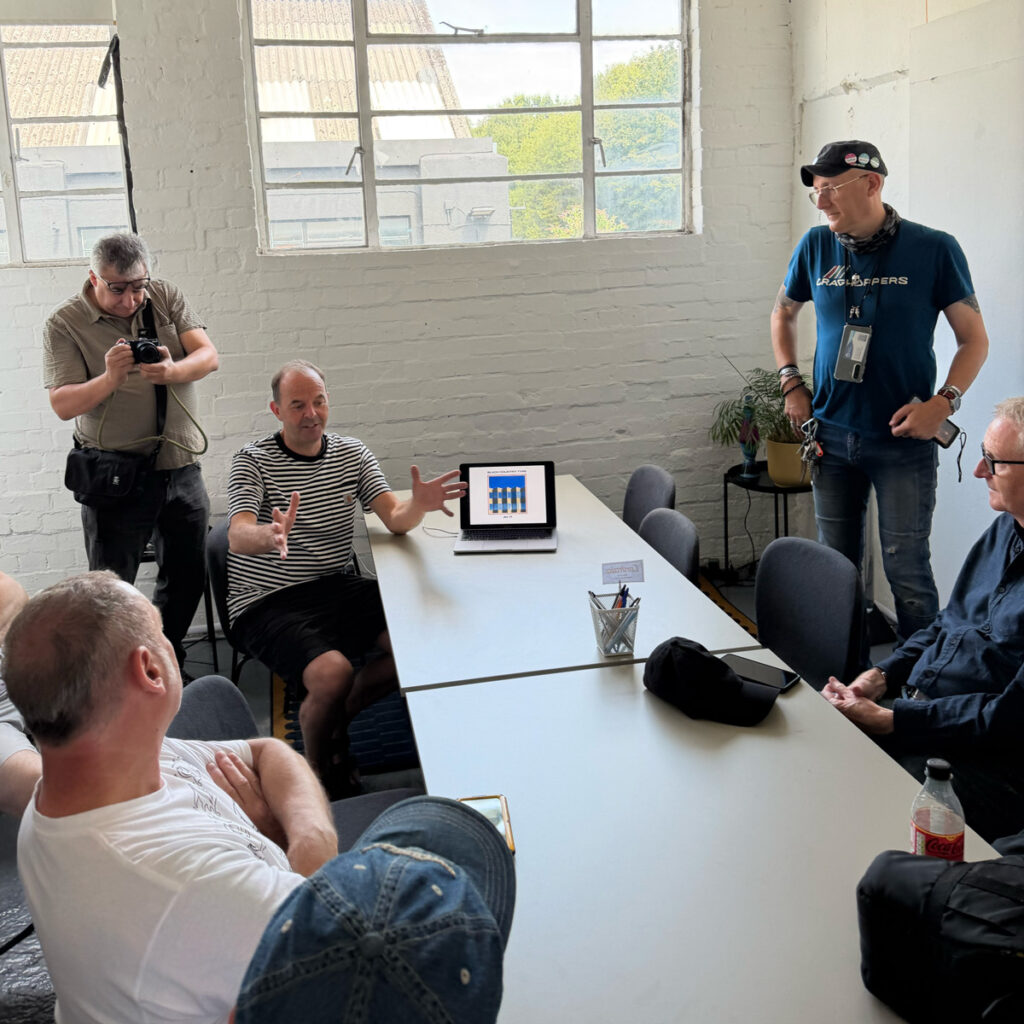
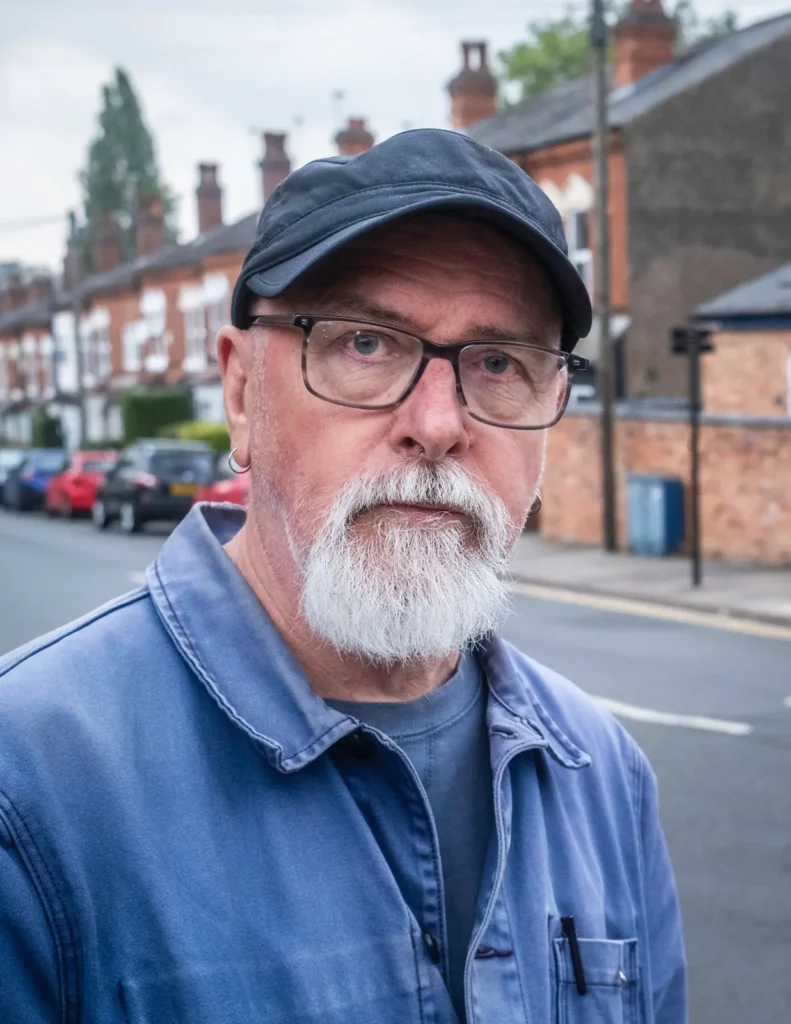
I first met Steve Coel on the streets of Stirchley during the “Stirchley Observation Project” in 2024. I took his picture and we started talking. He mentioned his artist background, but I did not fully connect that he was interested in photography as well. We next met at the Tom Hicks exhibition at Birmingham City University and have since met on a regular basis at the PRISM photography talks at 1000 Trades in the Jewellery Quarter.

The Artist Steve Coel and the 11.59 Production Studio
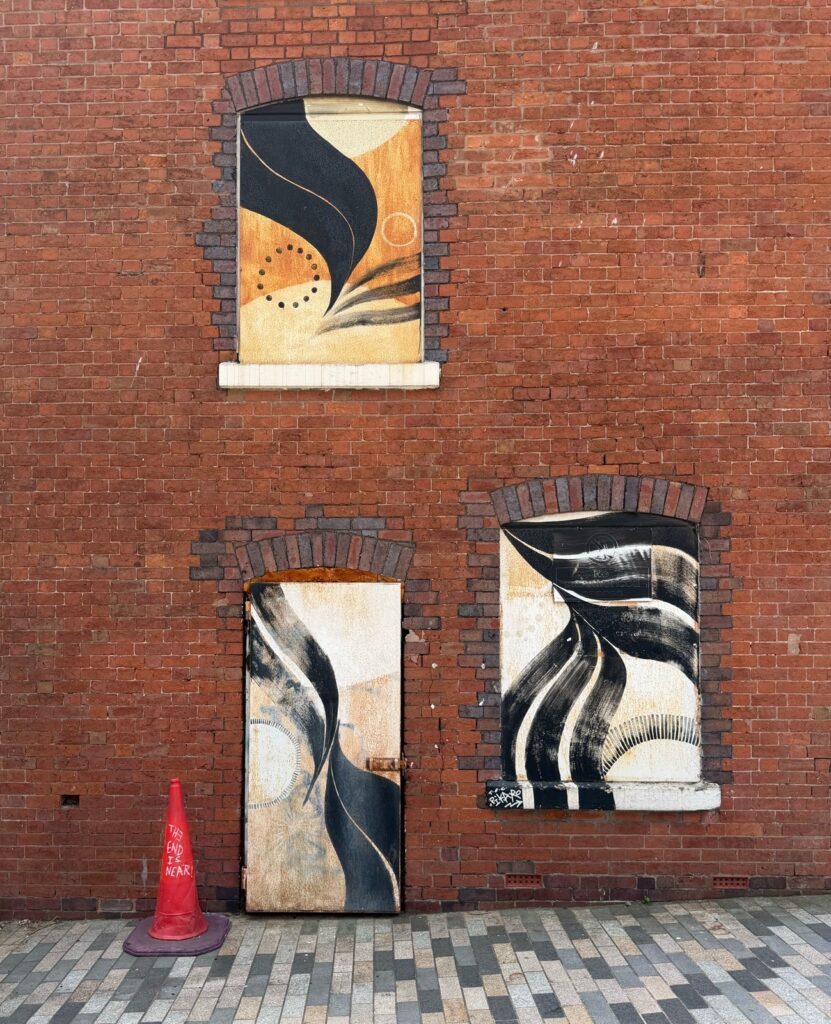
Steve Coel, an 11.59 production.
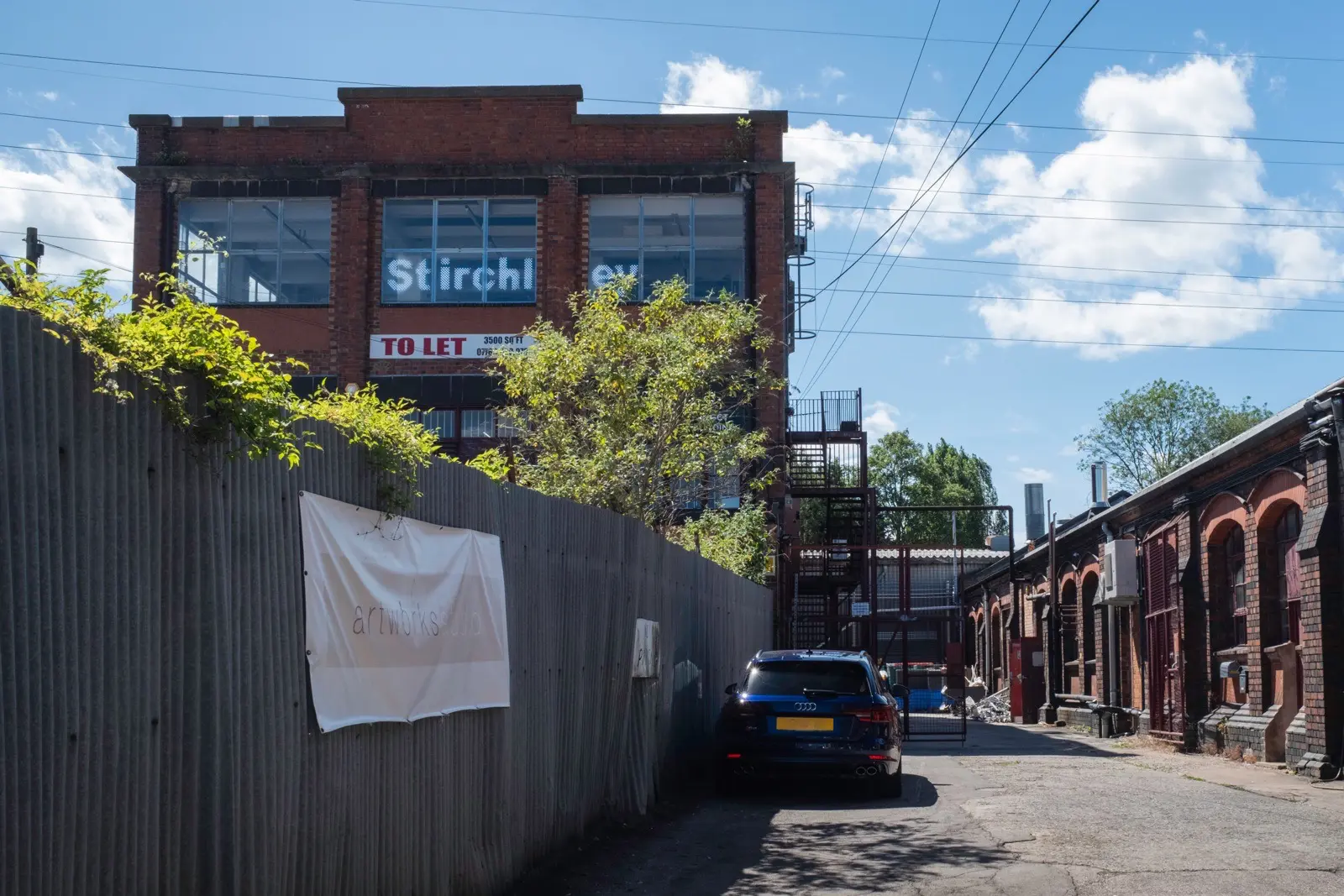
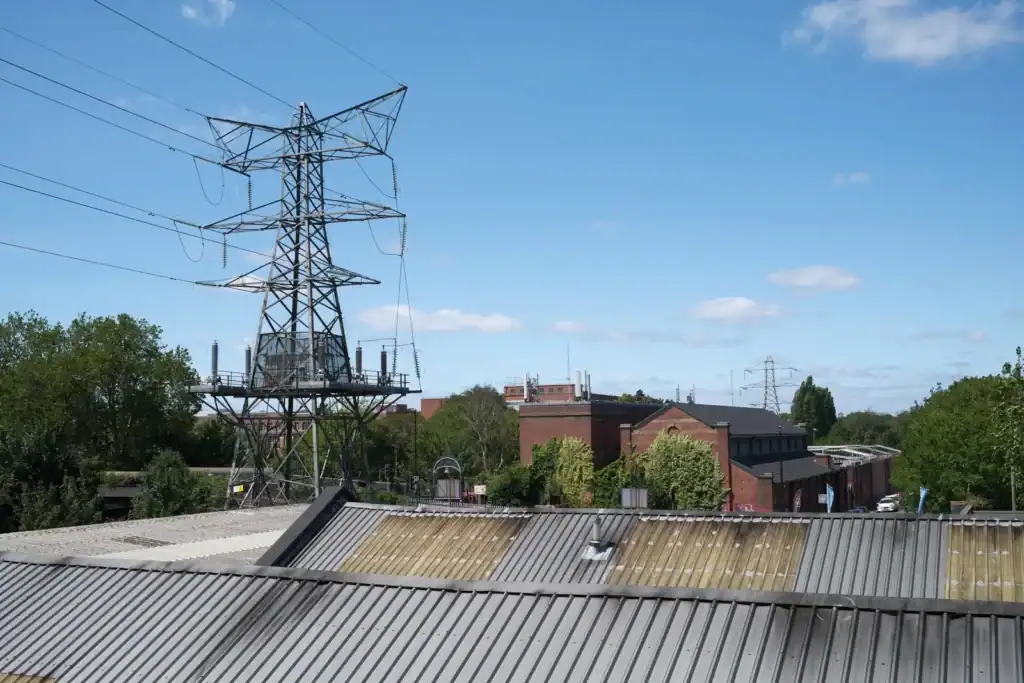
Steve Coel’s work is produced under the name ‘an 11.59 production’. He invited me to his studio in Stirchley to view examples of his artwork. I arrived early so that I could take a few pictures of Stirchley, then met Steve on the road bridge on the border of Stirchley and Bournville. Steve took me to his studio, which is behind the Attic Brewery. The old industrial estate houses several thriving businesses, the majority of which have artistic inclinations.

The Artist Steve Coel and the 11.59 Production Studio
A view over the old Stirchley industrial estate.

Imbue’s Workshop

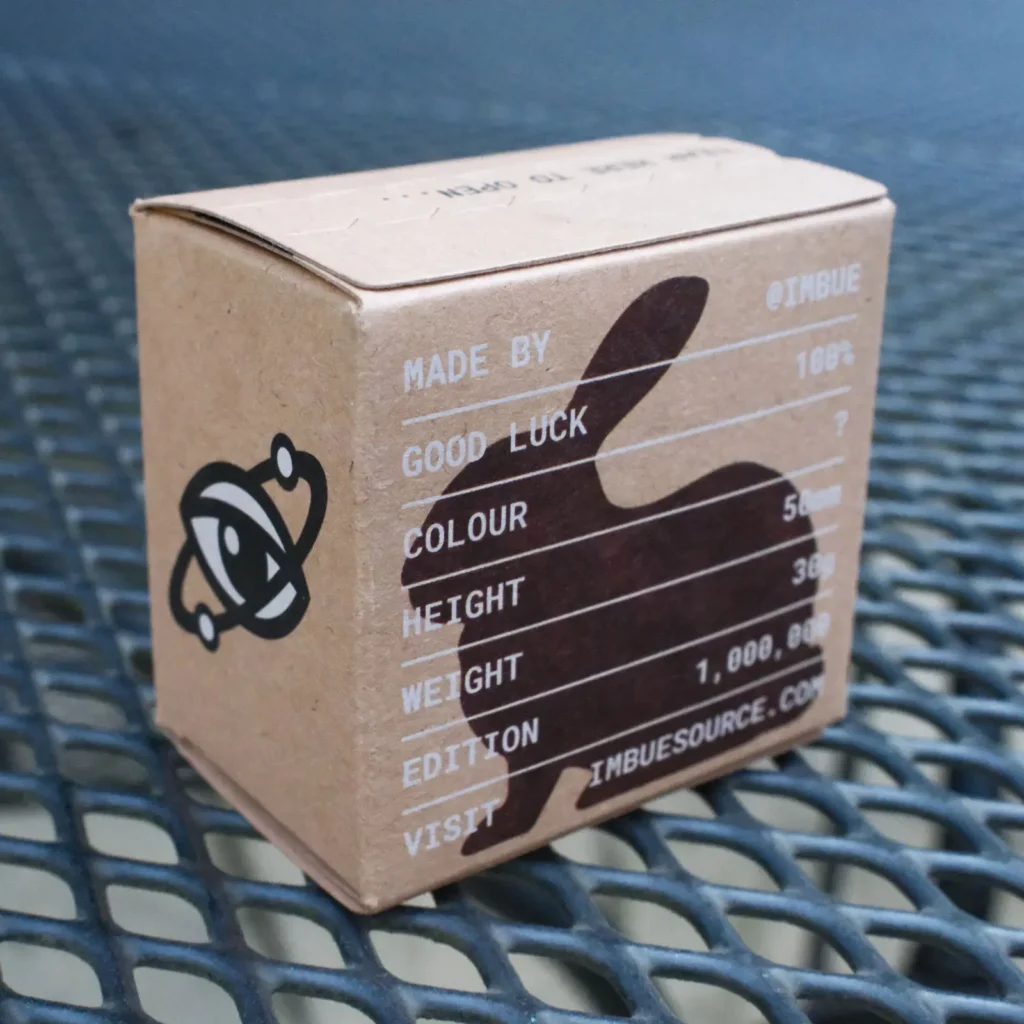
On the way up to the second floor, we passed Imbue’s studio. This was a chance to meet the artist and see his workshop. I have written about Imbue’s work before, and I enjoy the combination of digital scanning with his thought-provoking vision of everyday life. After a look around his workplace, and the generous gift of one of the Imbue lucky rabbits (the plastic variety, not the gold ones), we went up to Steve’s studio.

The Artist Steve Coel and the 11.59 Production Studio
An Imbue rabbit still in its packaging.

Inside the 11.59 Production Studio

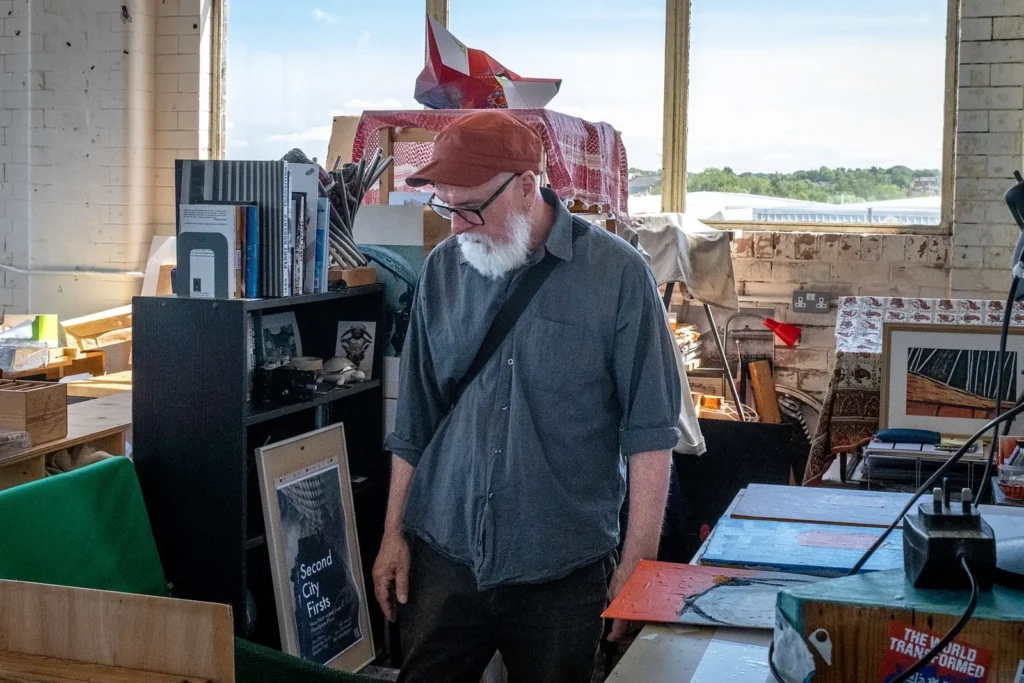
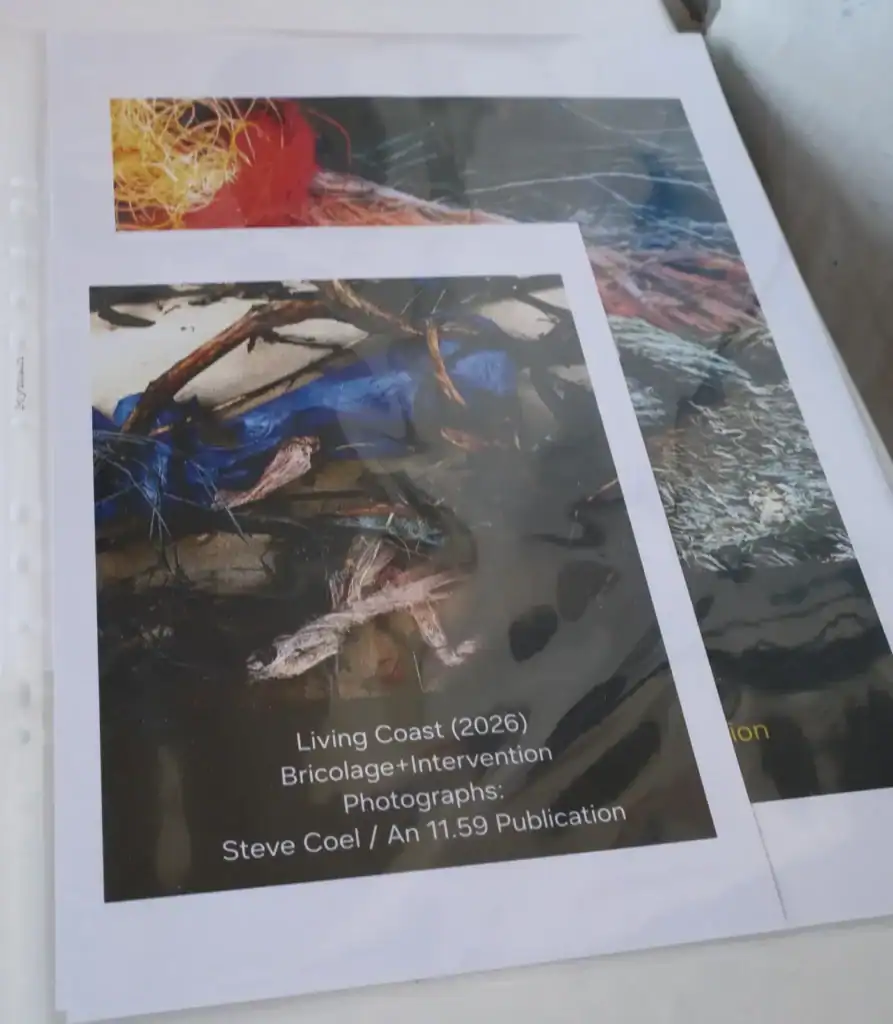
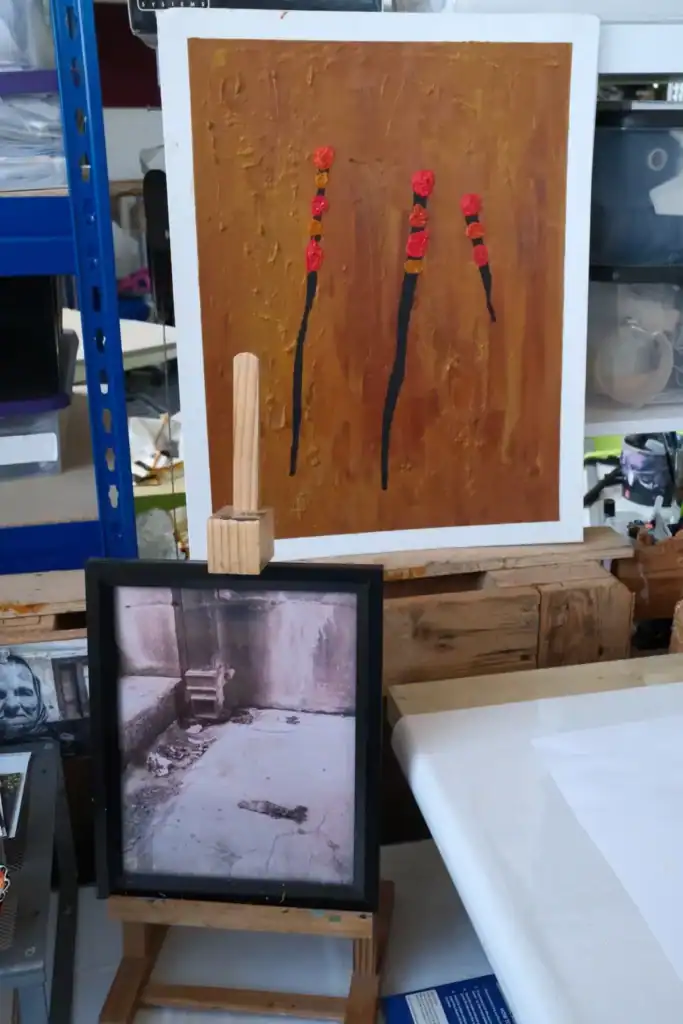
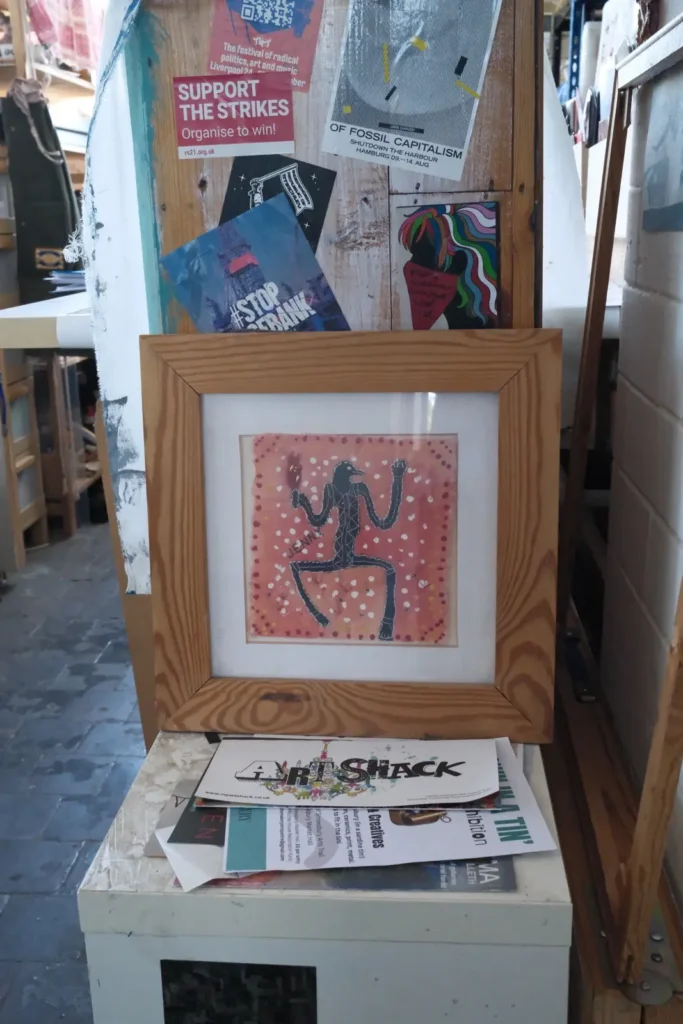
There are around ten artist spaces on the floor, and Steve gave a brief background to each one. His own studio held many fascinating paintings and pictures. Steve browsed through his back catalogue of pictures, and I enjoyed viewing his work, which combines deep, rich colours and textures. He has a wide-ranging back catalogue, examples of which are displayed on the ‘an 11.59 Production’ instagram account.

The Artist Steve Coel and the 11.59 Production Studio
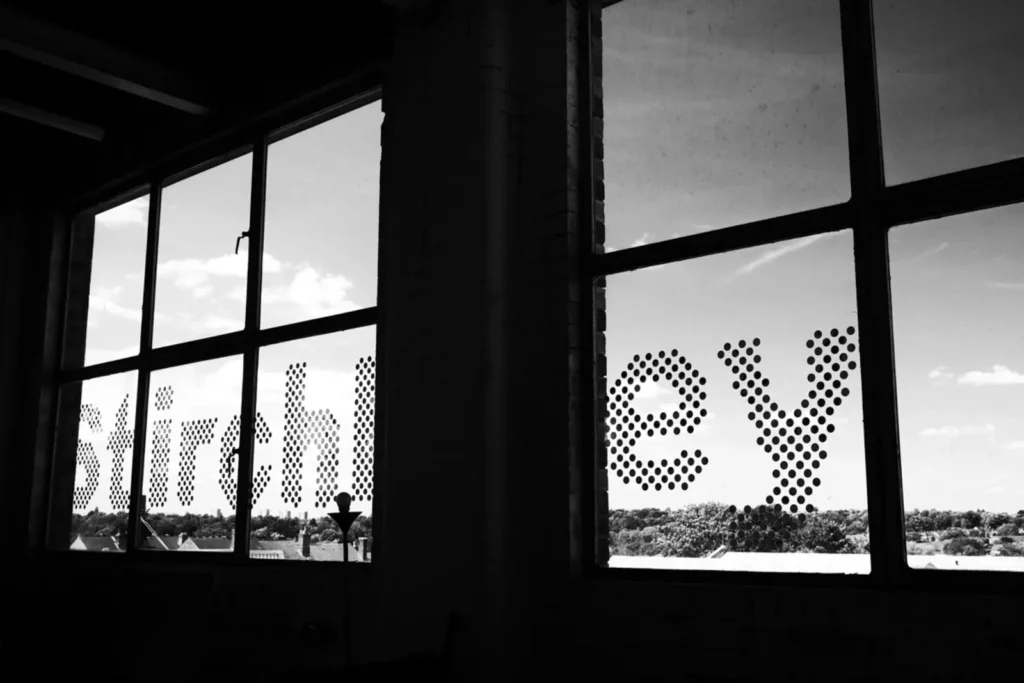
A view of Stirchley from Steve’s studio. (B&W flipped image)

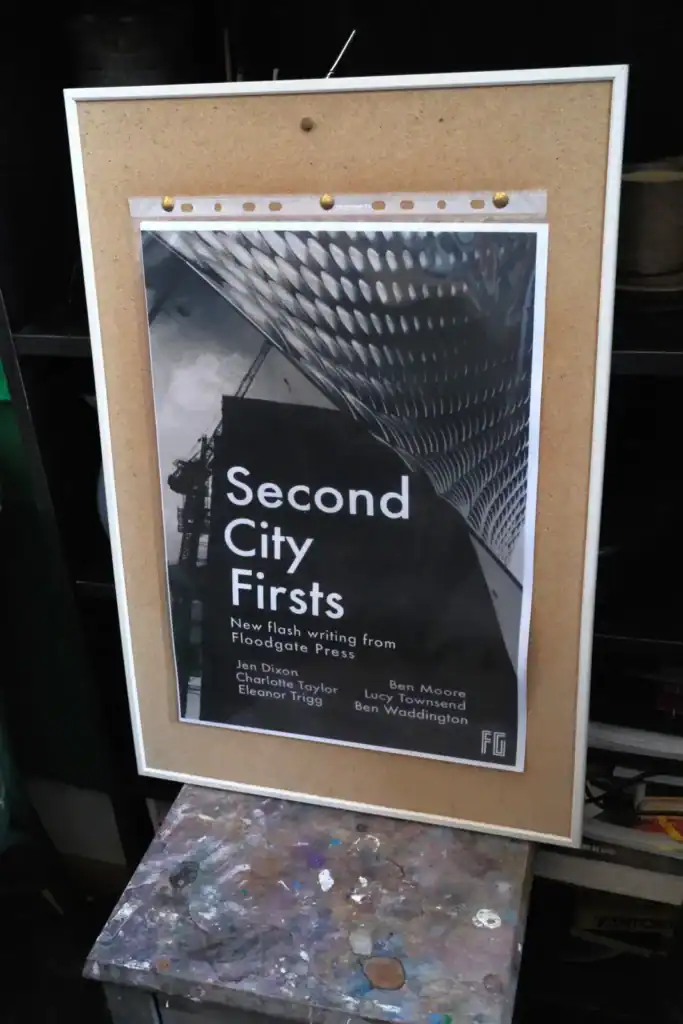
Steve is an artist first and foremost, but he is also an accomplished photographer. His recent pictures of the Selfridges building are excellent and formed the basis of a book cover for local artists. I enjoyed browsing through all the artwork and hearing Steve’s interpretation of how the different pieces of work came together. His artistic background allows him to push the boundaries of his work. Having a Welsh background means that many pictures have Welsh names, which adds intrigue to the interpretation of his work.

The Artist Steve Coel and the 11.59 Production Studio
Steve Coel, the artist, in the 11.59 Production Studio

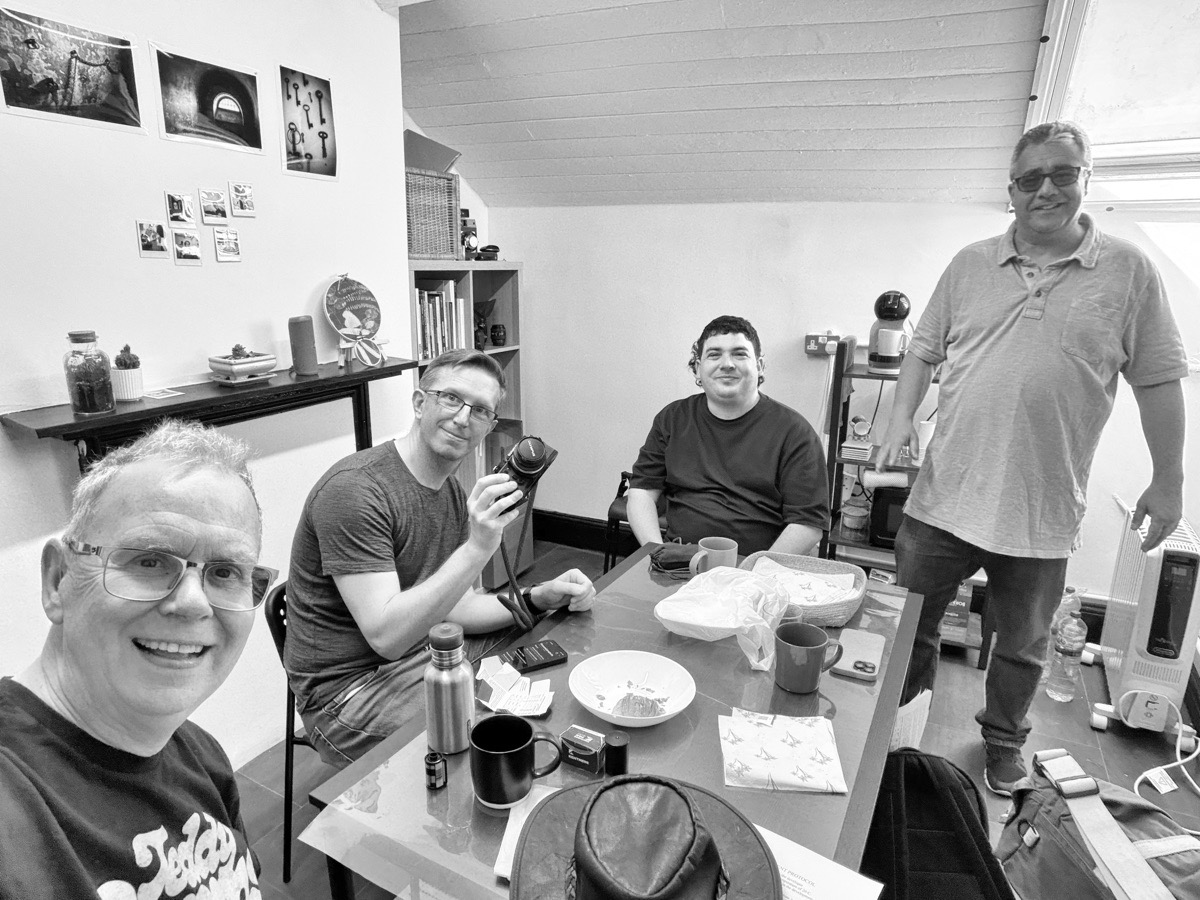
A chat over a cuppa

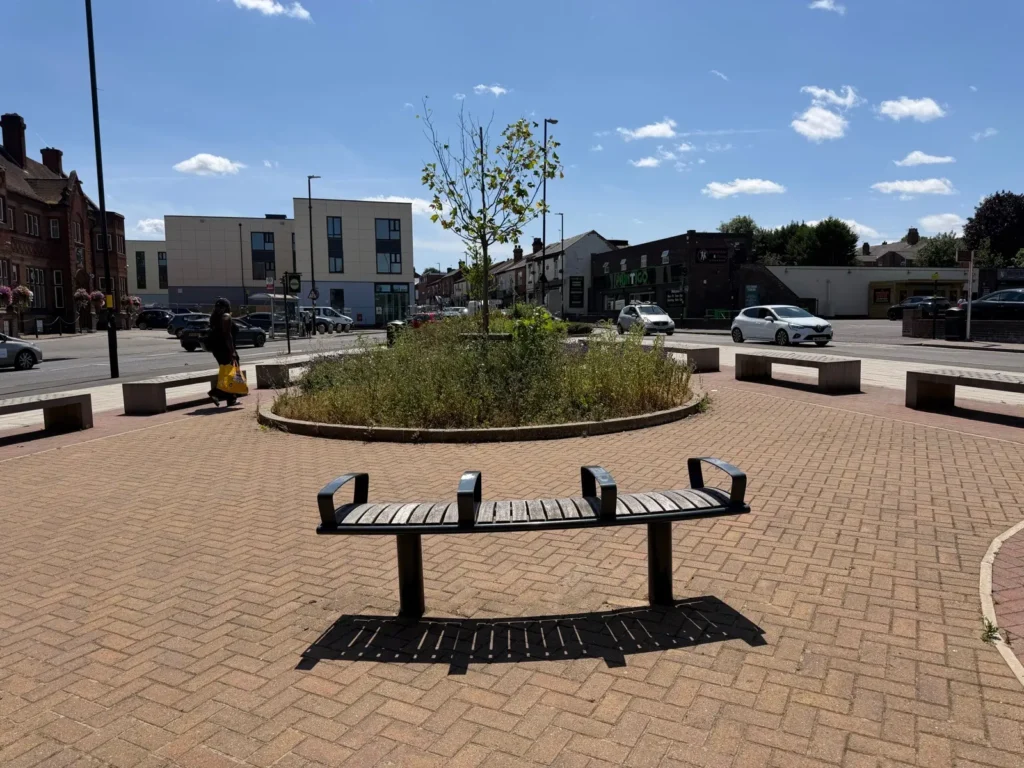
The afternoon finished with a cup of tea in the hot summer sun, on one of the wooden benches in the concrete Stirchley Triangle. We reflected about art, photography, Stirchley and life over a great cuppa, crafted by the Stirchley Spud Co.

The Artist Steve Coel and the 11.59 Production Studio
The Stirchley Triangle

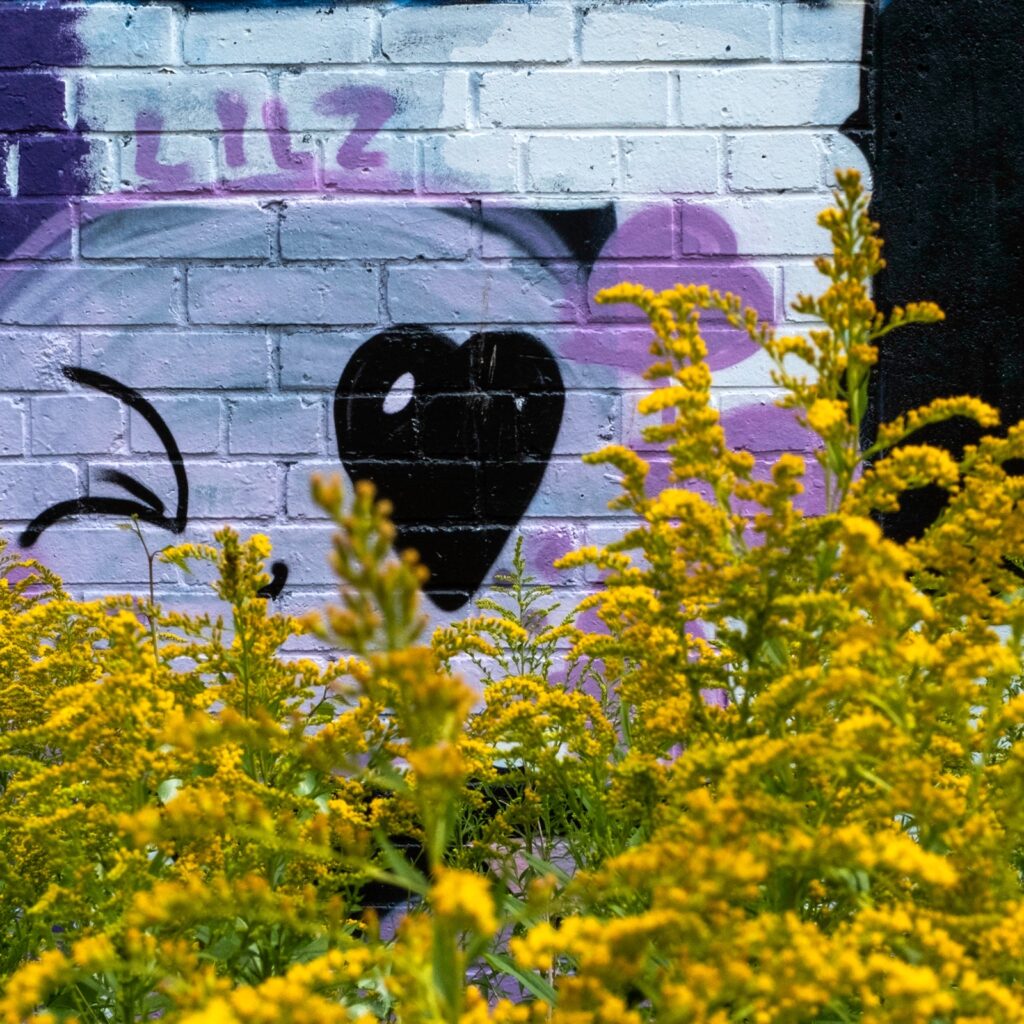
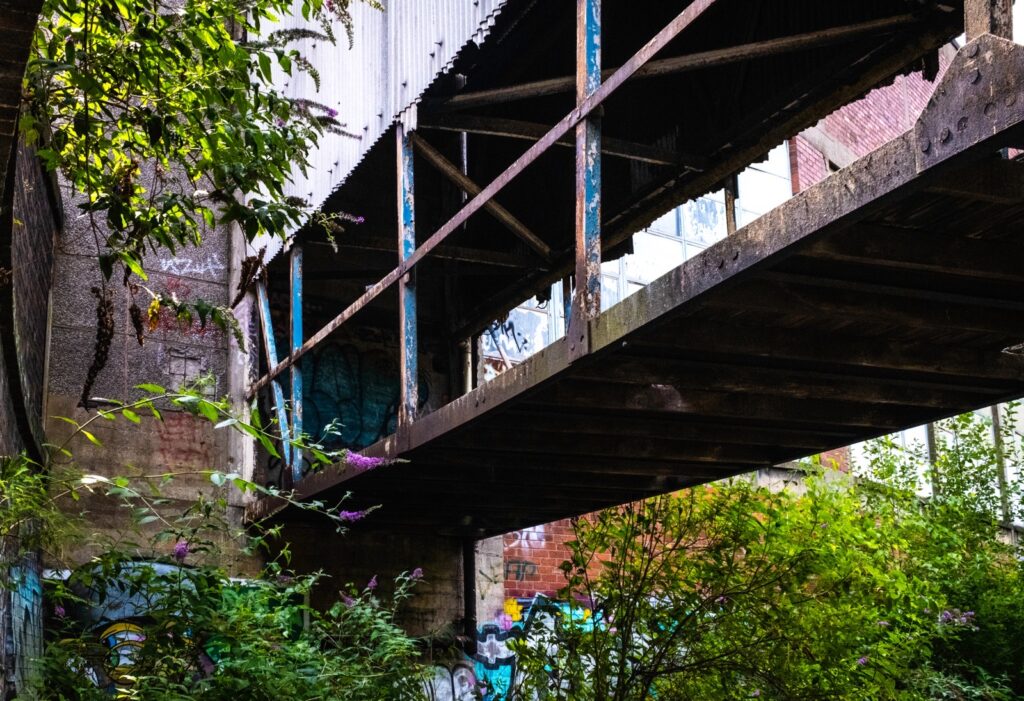
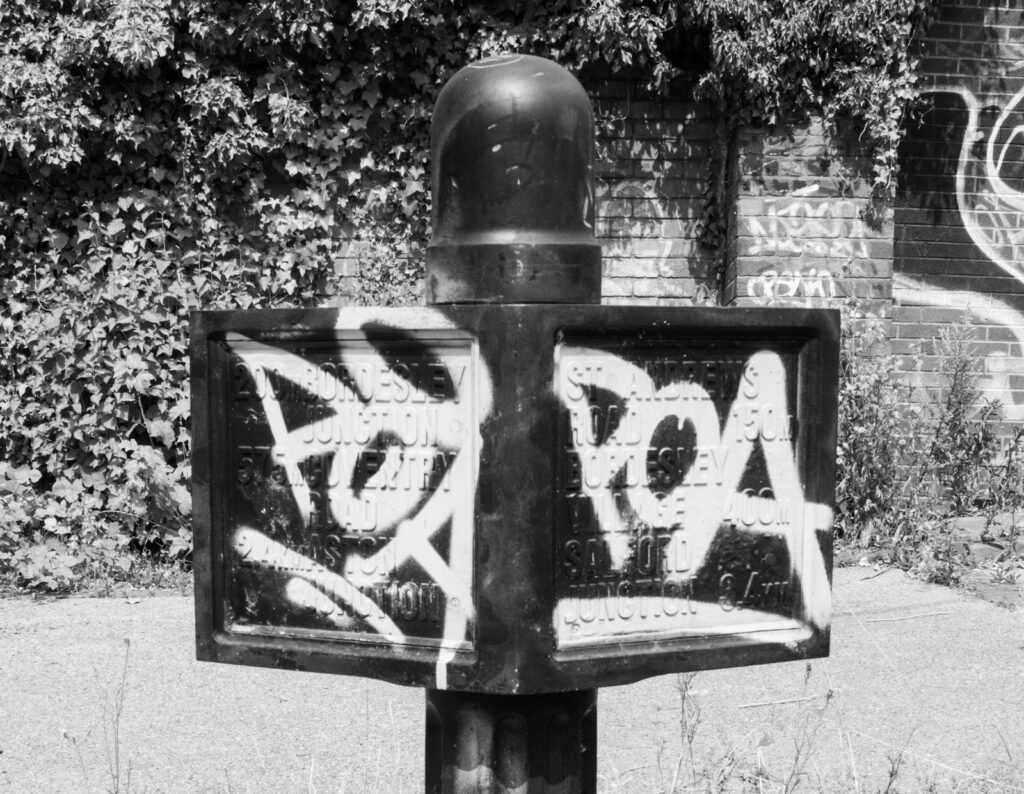
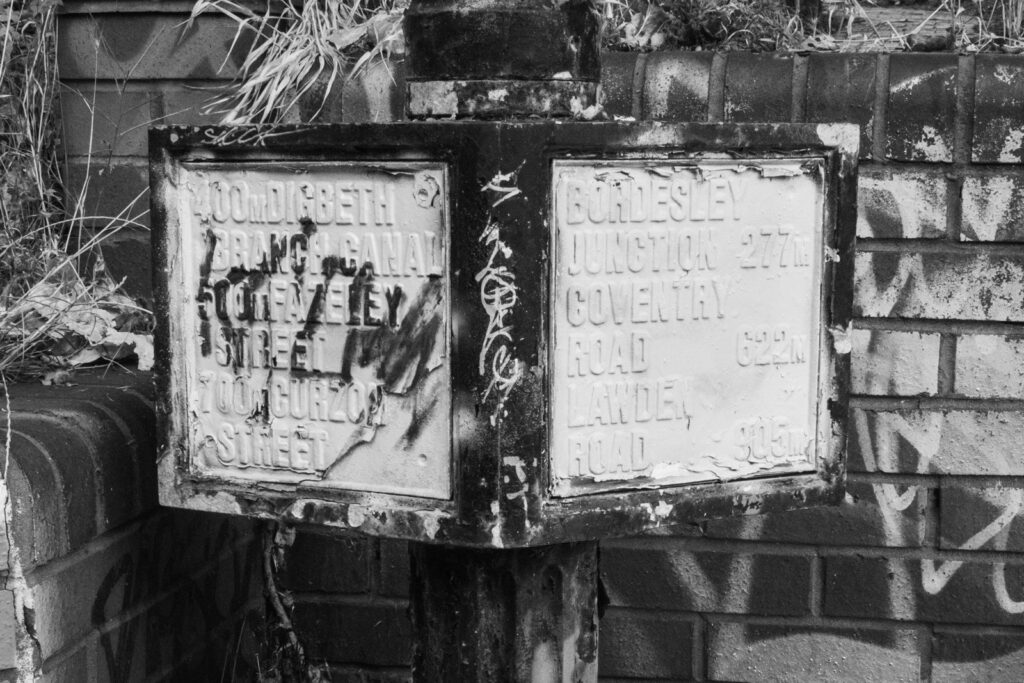
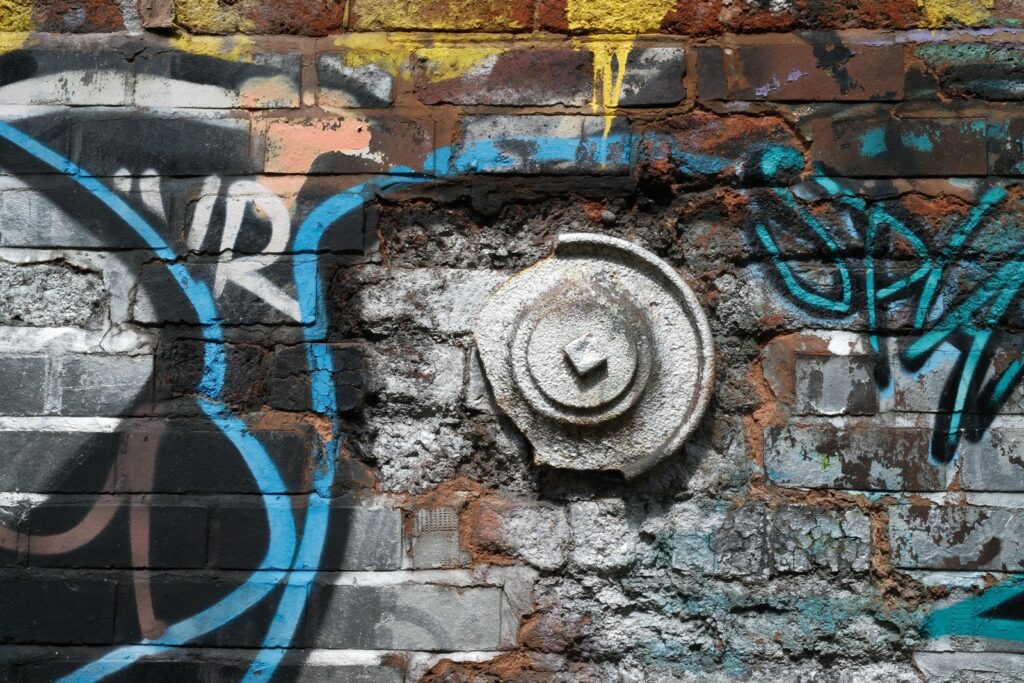
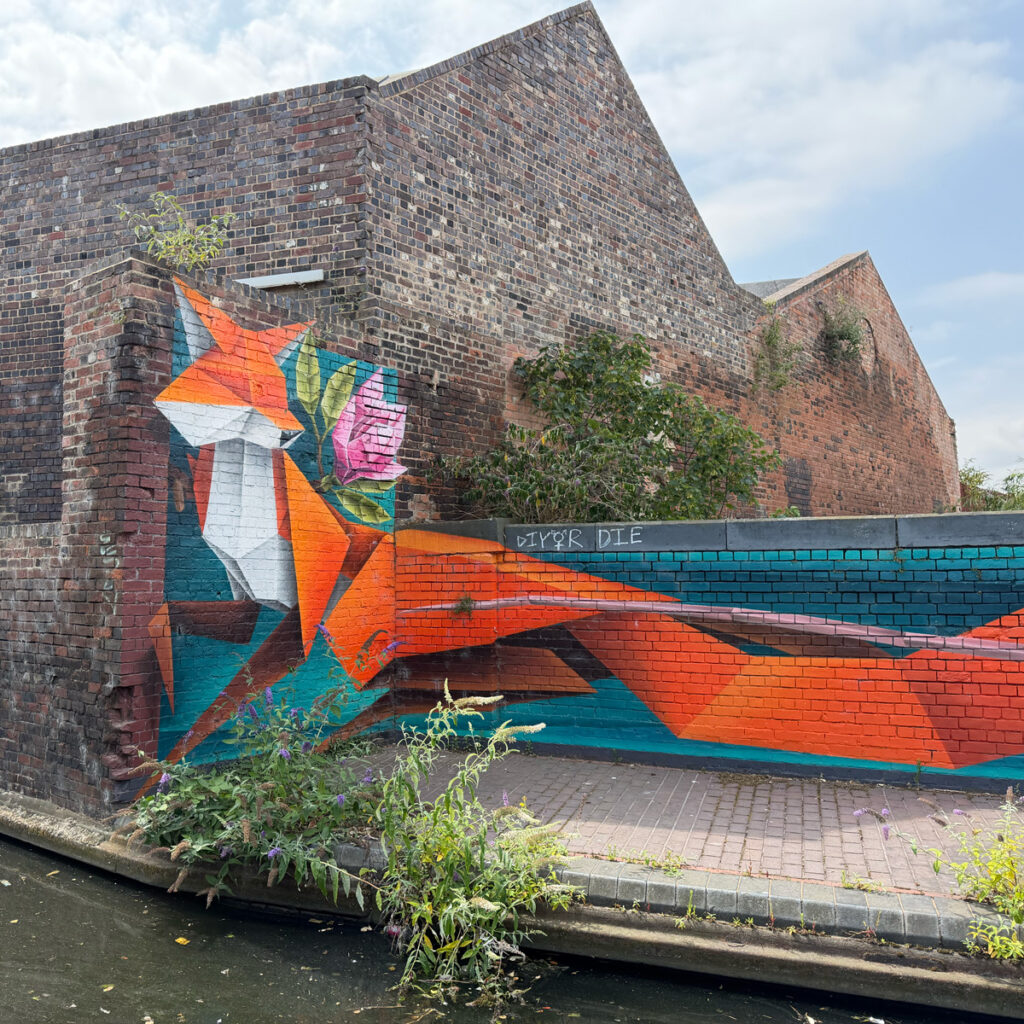
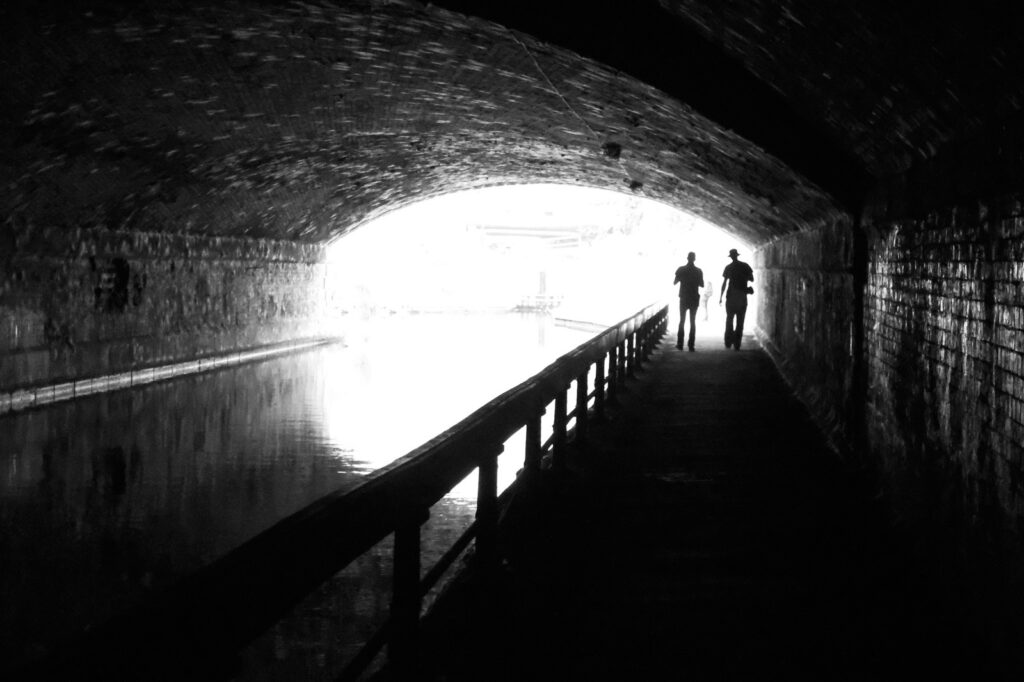
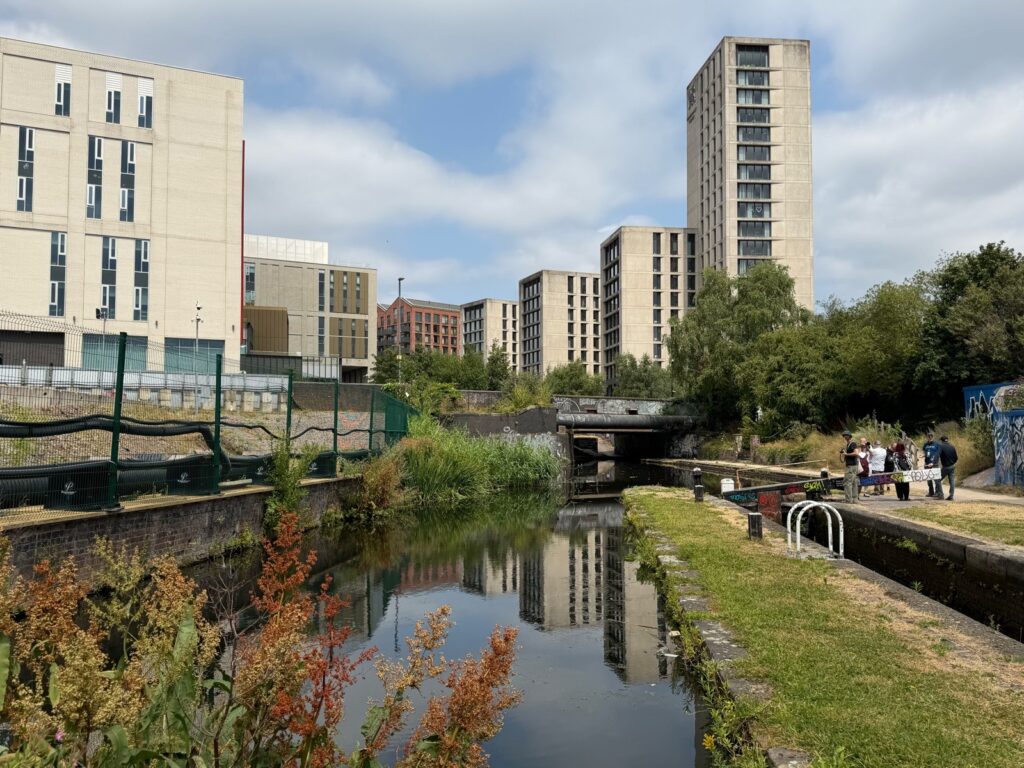
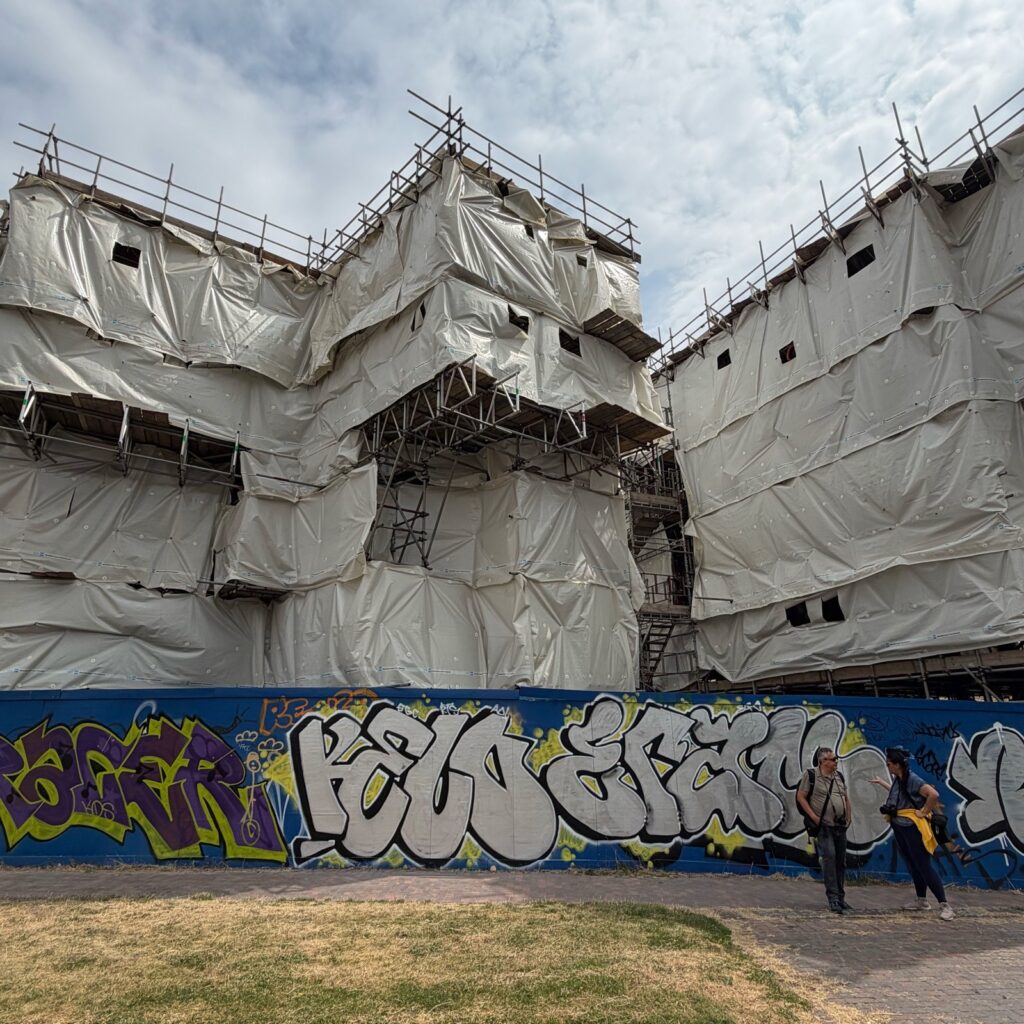
Finally here are a few pictures of Stirchley taken during my visit to Steve Coel’s studio.

The Artist Steve Coel and the 11.59 Production Studio
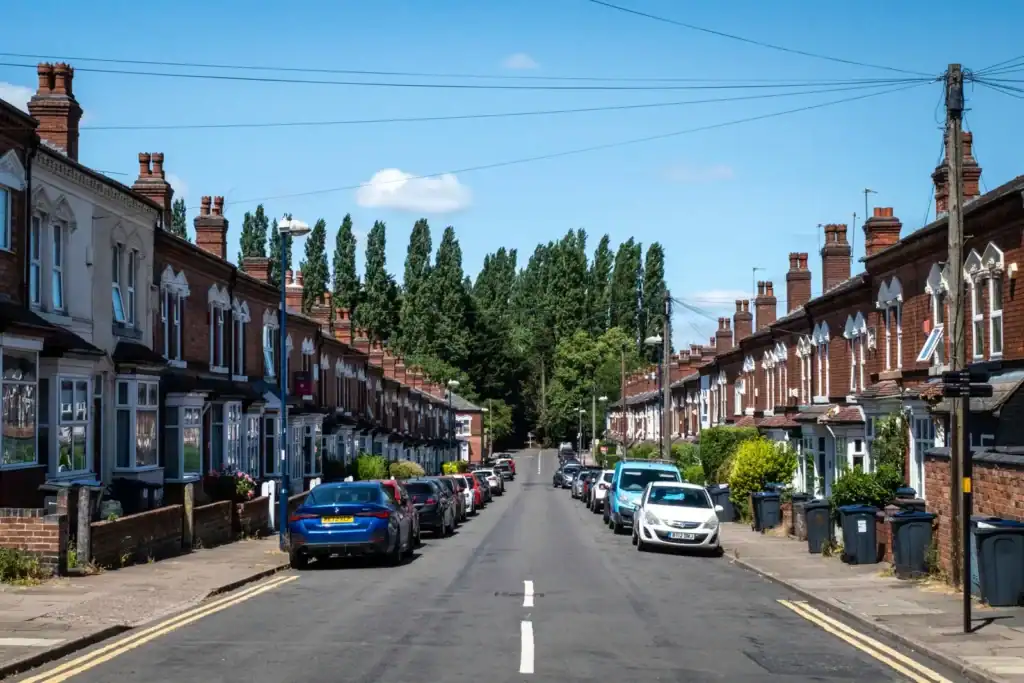
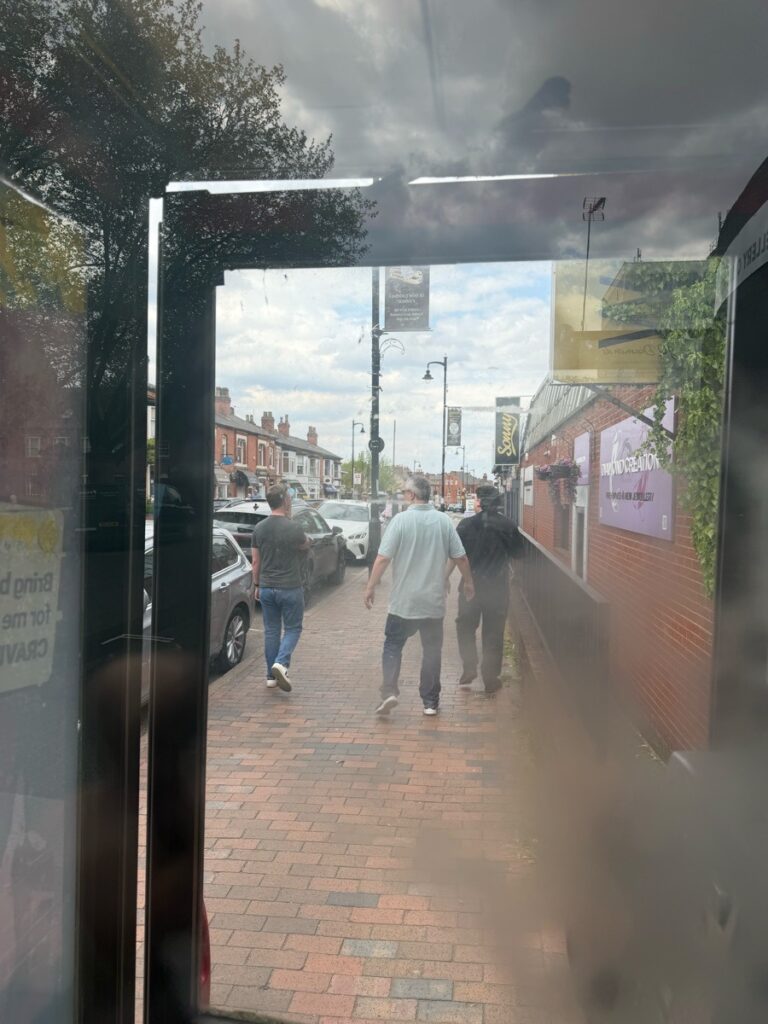
Is this the classic Stirchley street view?
The Artist Steve Coel and the 11.59 Production Studio
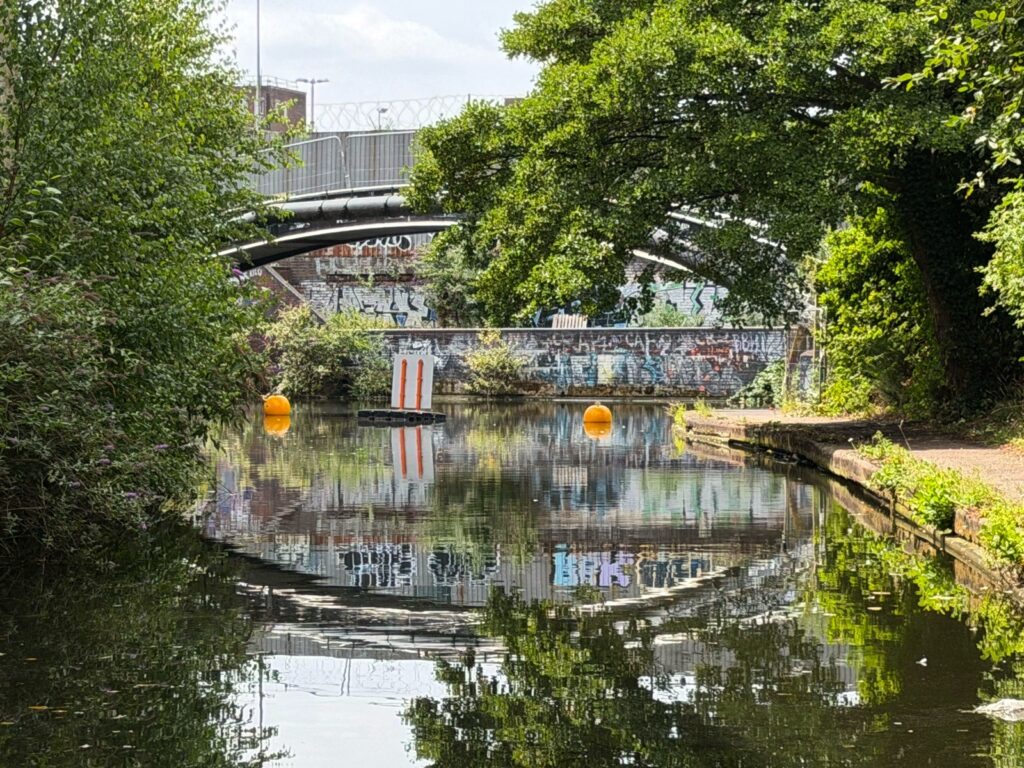
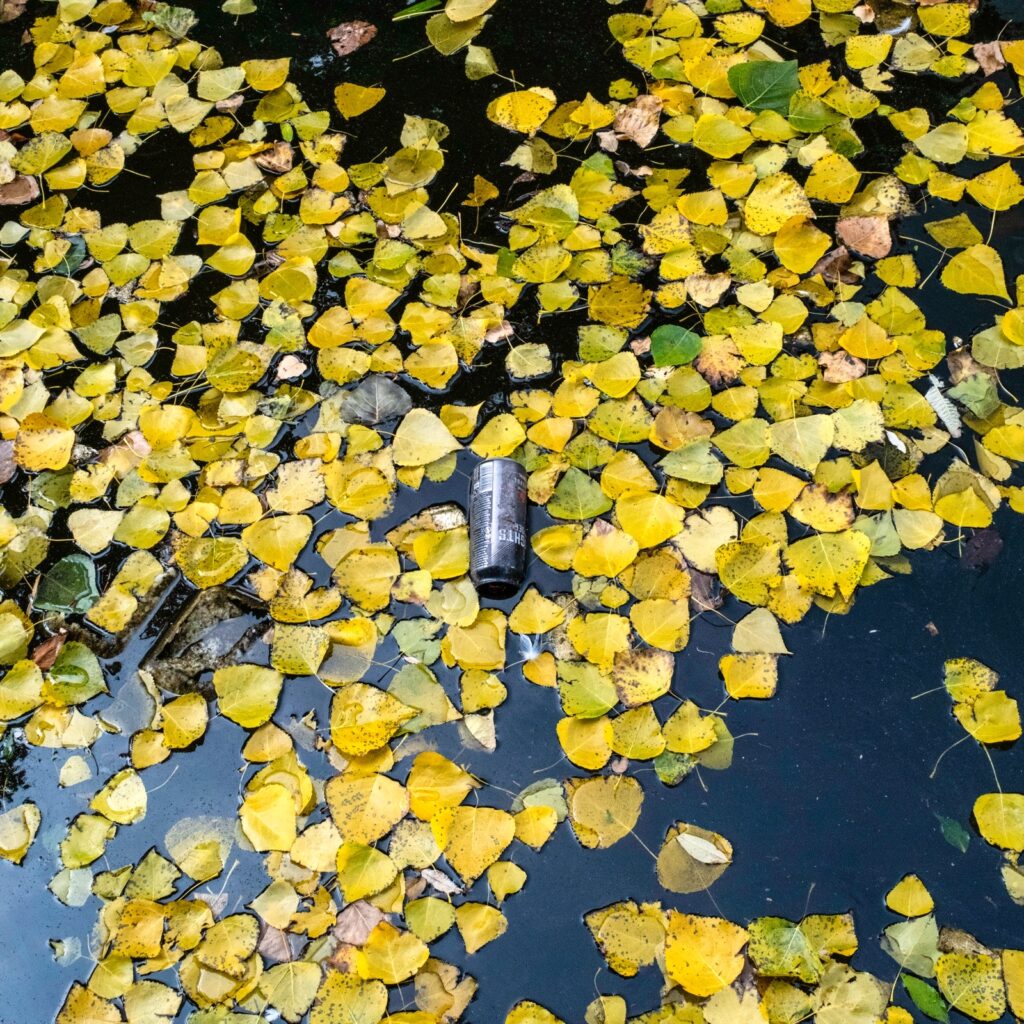
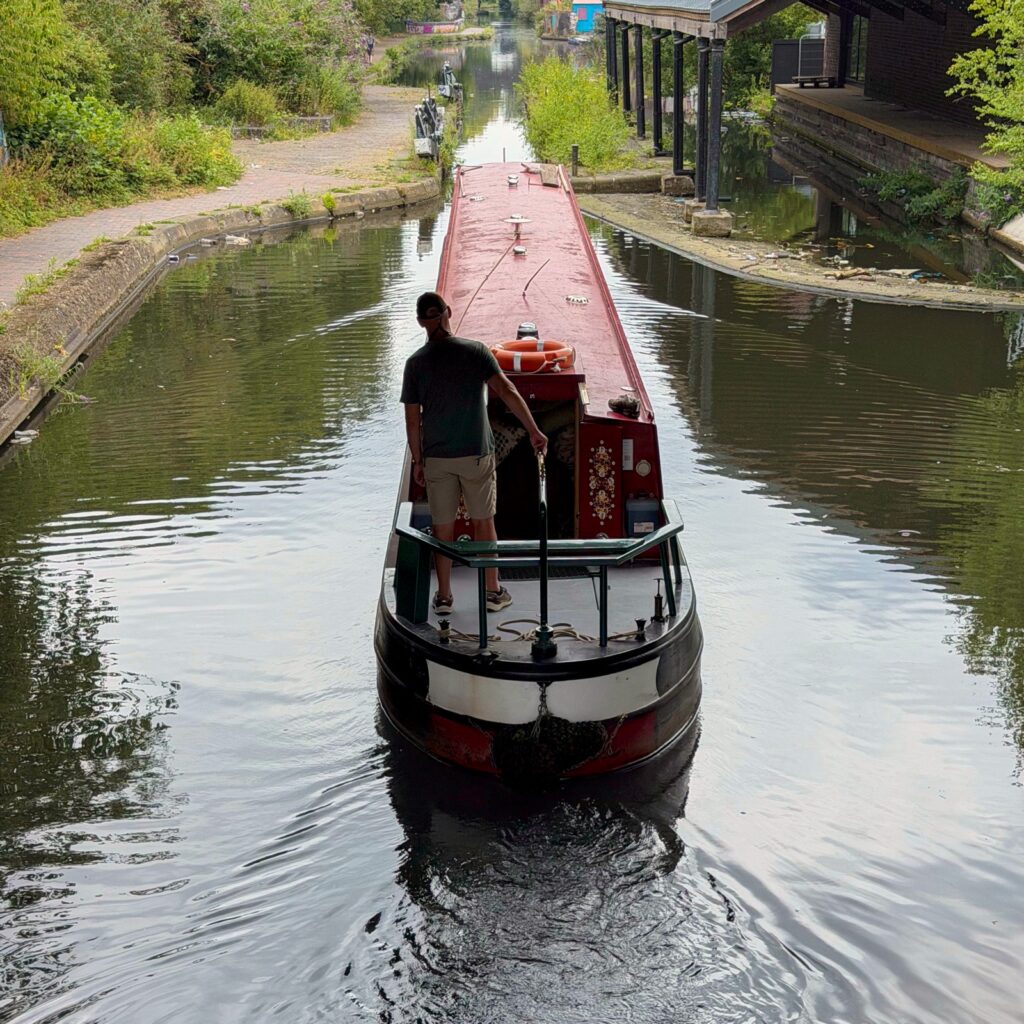
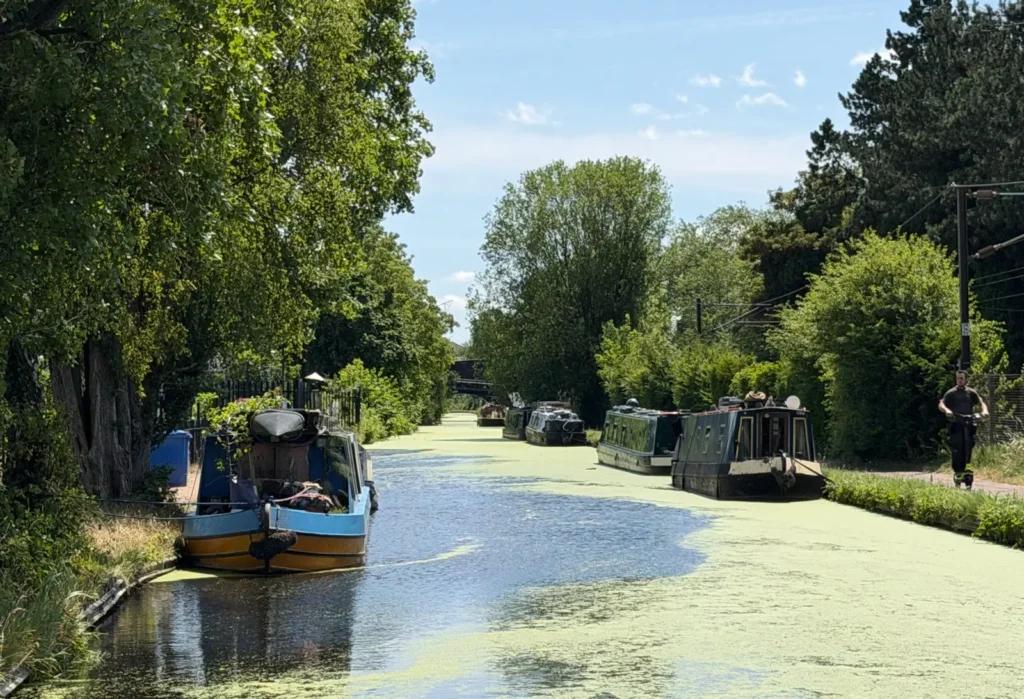
A view of the canal with algae

As always there is a chance to explore my previous blog entries and I include an account of my earlier visit to Stirchley.

Black and White Photography with PRISM

Black and white photography is reinventing itself in the analogue world. I had the opportunity to take part in an analogue photography day courtesy of PRISM Photography. The course was organised by Francesco Felcini, who has a studio in Stryx Gallery, where he has a darkroom set up. There were three of us booked onto the course with Francesco.

Black and White Photography with PRISM
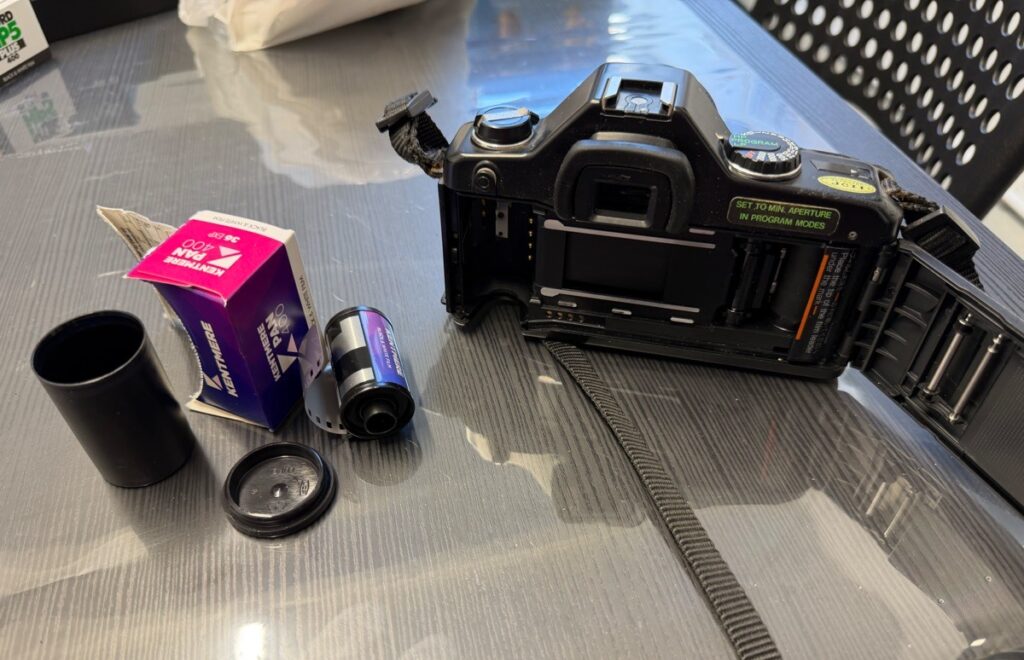
Getting my Yashica film camera ready for the shoot.

The day’s timetable started with a morning briefing and the preparation of our film cameras. I had brought along my Yashica 107 Multi Program camera, which has served me well over the years. With our black and white film locked and loaded, we headed off for a stroll around the Jewellery Quarter. There is always a certain anxiety when you know that you only have 36 pictures to shoot. We explored narrow alleyways, cemeteries, and the streets of the JQ. After an hour, we were back for the next stage.

Black and White Photography with PRISM
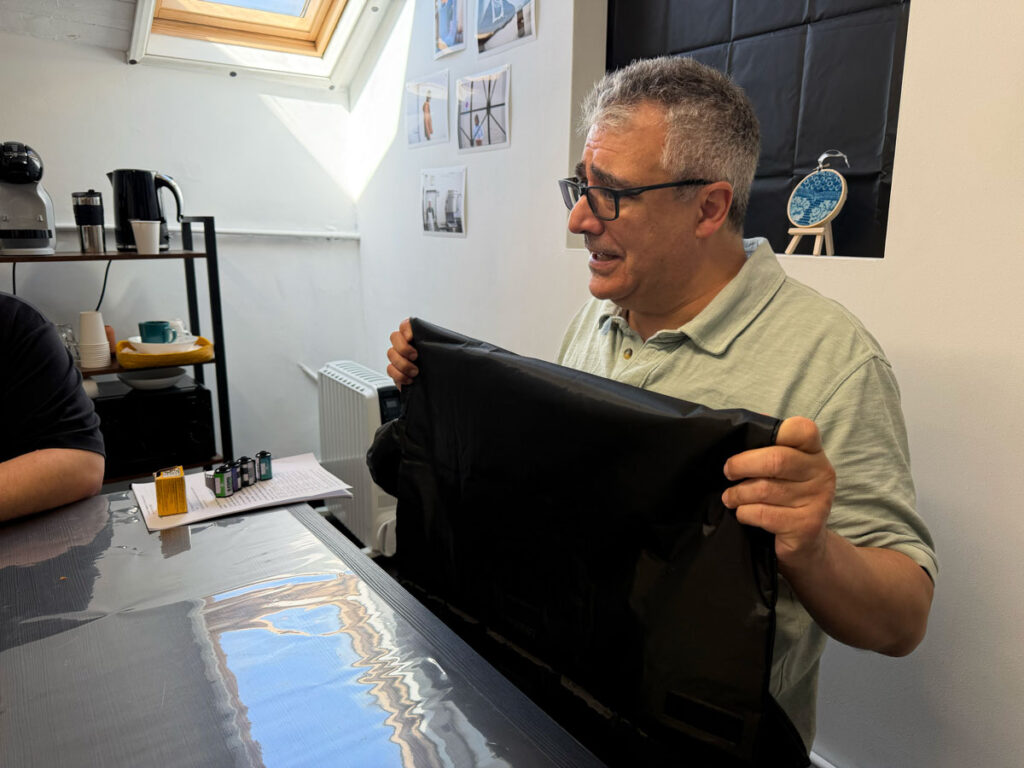
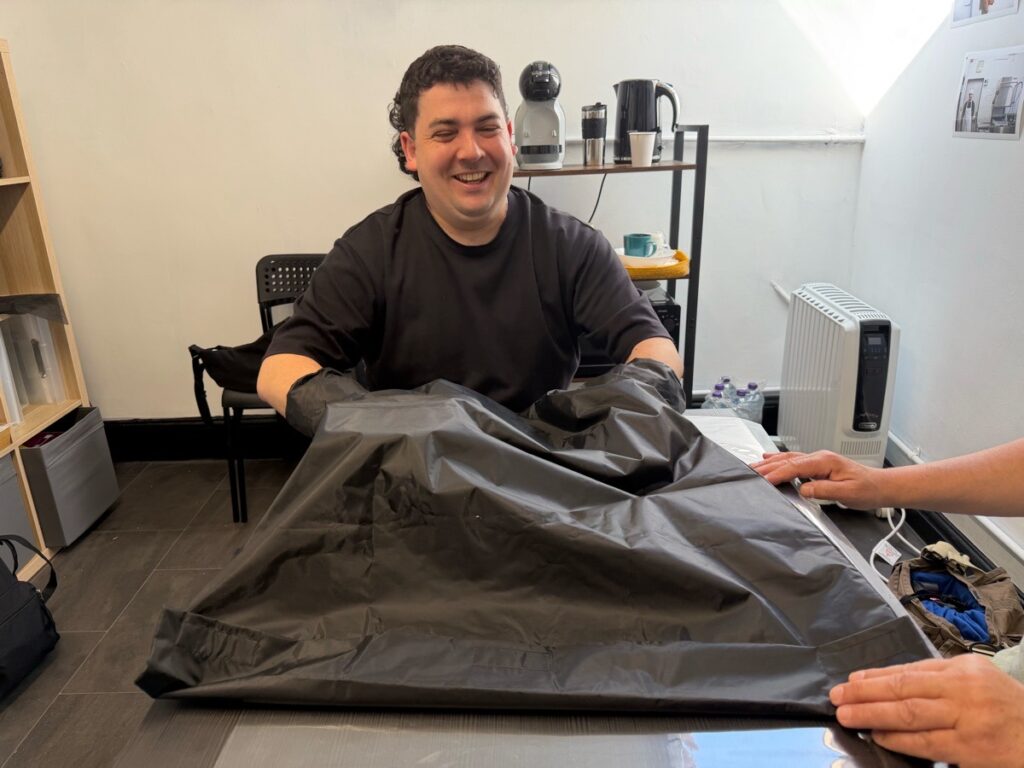
Francesco explains how to open the film in a developing bag.
Black and White Photography with PRISM
This looks easy as we practice loading already developed film onto the spool.
Black and White Photography with PRISM
Dom finds this is not so easy when working in the dark.
Black and White Photography with PRISM
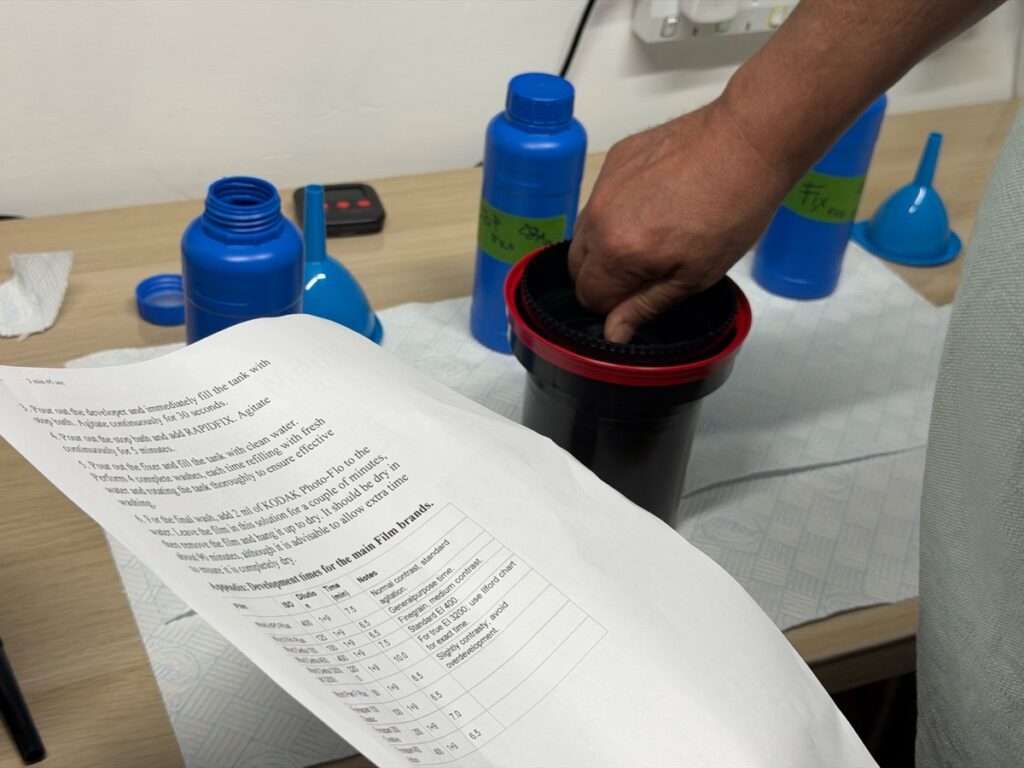
A set of instructions is useful to make sure the right steps are followed.
Black and White Photography with PRISM
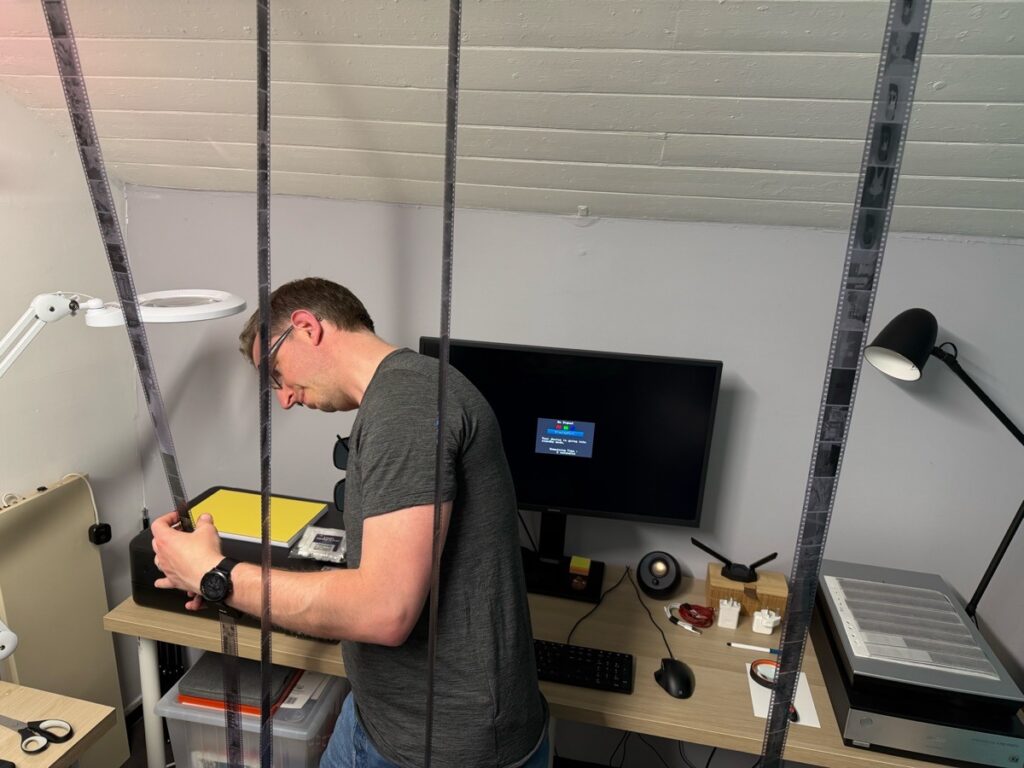
Strips of film are hanging from the ceiling to dry.

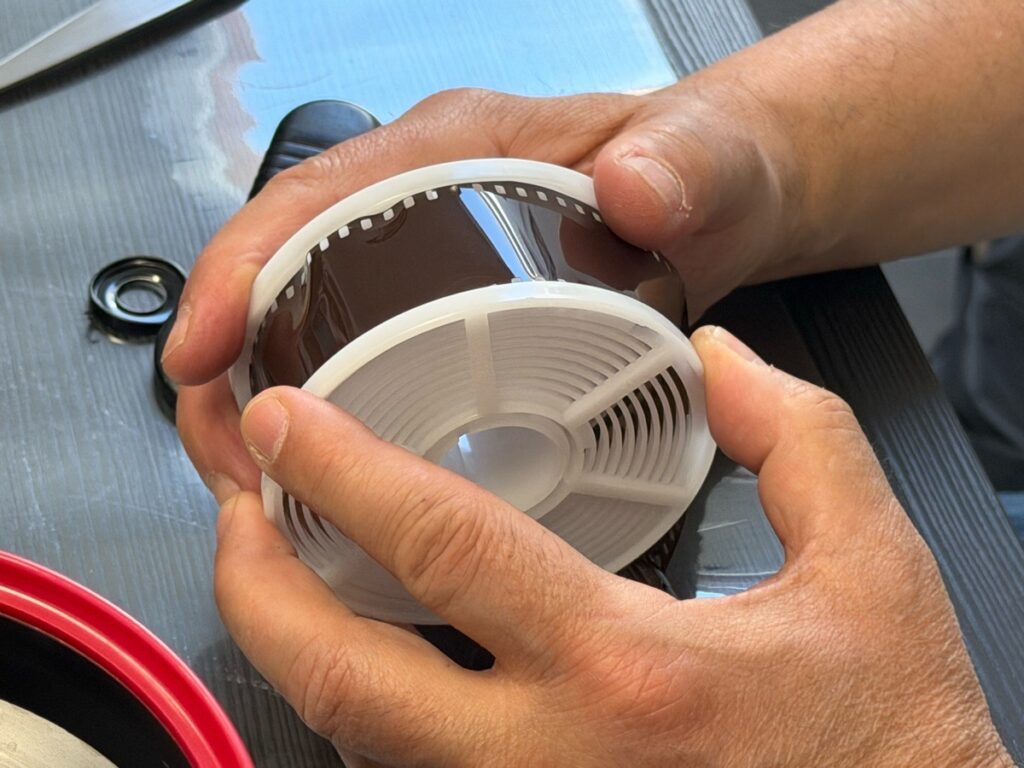
Developing the film was not straightforward for me. In the darkness of the changing bag, my sweaty hands nearly made a mess of loading the film onto the spools. Francesco came to the rescue and we were soon ready to pour the developing chemicals into the canisters. All went well and we hung the films up to dry.

Black and White Photography with PRISM
Heading back to the Stryx Gallery for a coffee after lunch.

When you are on a course with Francesco, lunch is an important fixture in the timetable. We had delicious food at the Urban Café, sitting in the sun-drenched front window. This was followed by coffee and cake back in the hidden garden of the Stryx Gallery café. The black and white negatives needed time to dry and, on our return to Francesco’s upstairs studio, we cut the strips and loaded them into archival sleeves.

Black and White Photography with PRISM
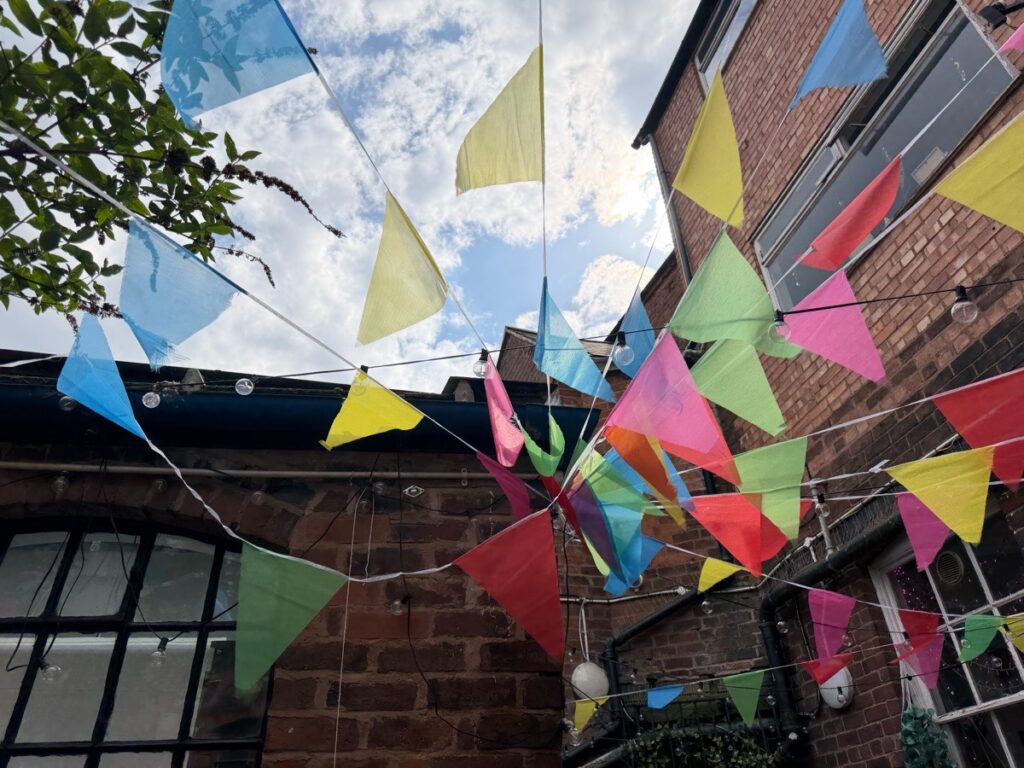
The hidden coffee garden at the Styrx Gallery.

Now it was time for printing, test strips, and eagerly awaiting the development of the photographs. There was a lot to take in and learn. I had developed films many years ago and had forgotten much of the technique involved. Francesco was patient with us and showed us how the enlarger worked, how to use the filters, and how to ensure that we achieved sharp images.
Black and White Photography with PRISM
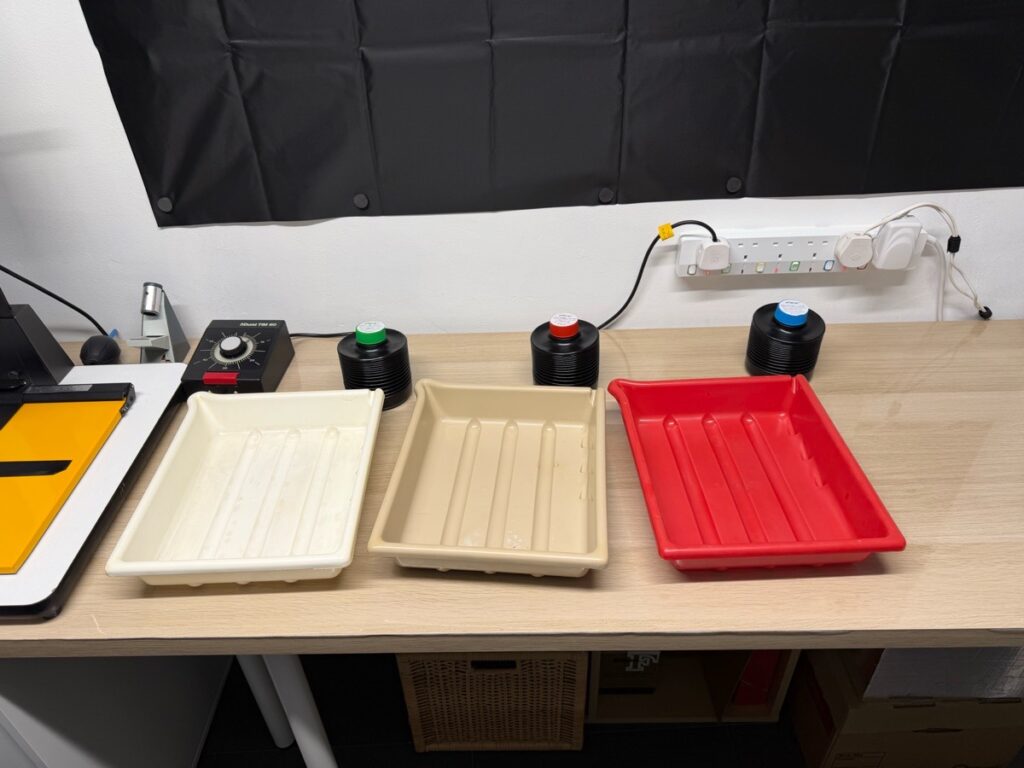
Setting out the developing trays.

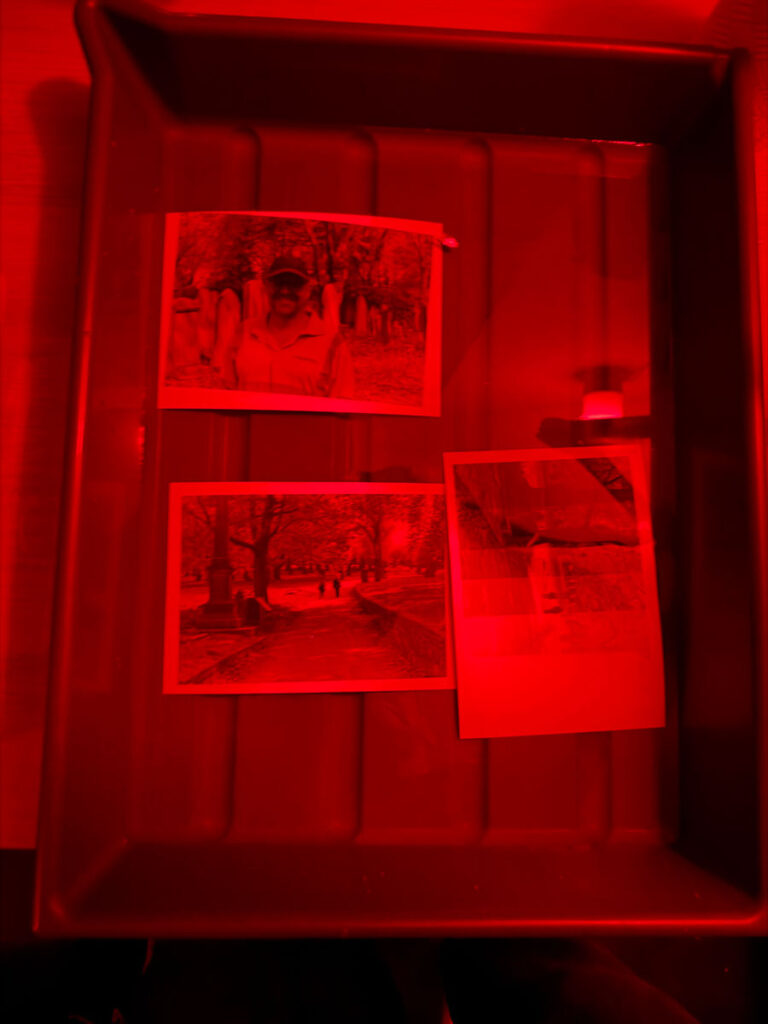
The lights went off and the red safelight came on. Test strips were made to determine the correct exposure time for the paper. We settled on 10 seconds and then off we went: light exposure followed by immersion in the developer and fixer solutions. Magically, the black and white image slowly revealed itself. We could finally switch the lights back on and see the finished print.

Black and White Photography with PRISM
The pictures reveal themselves and the test strip is shown for comparison.

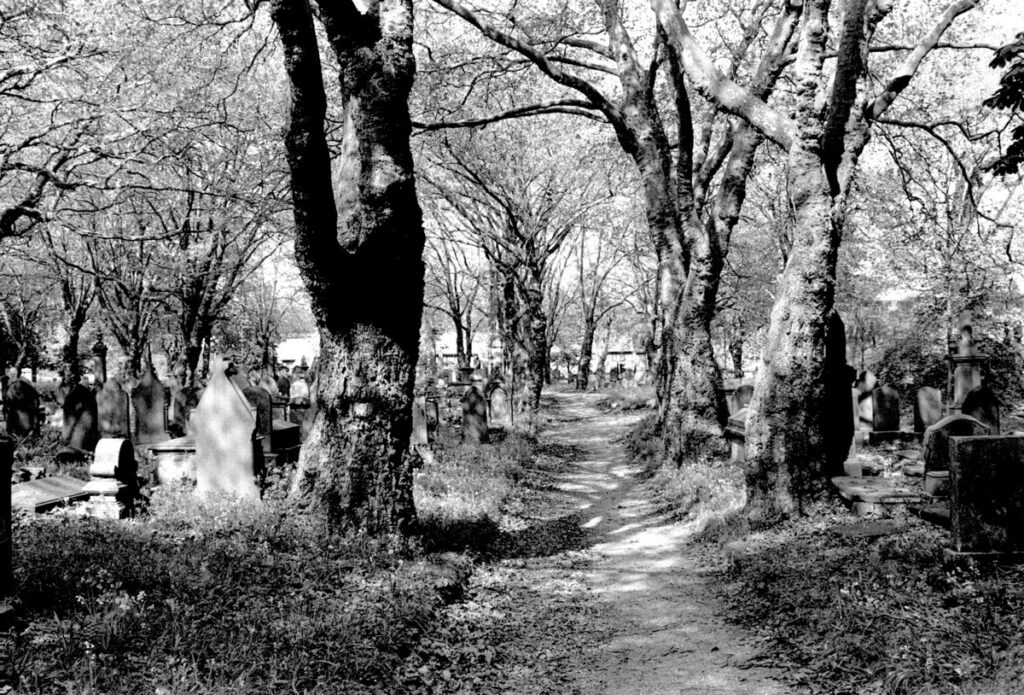
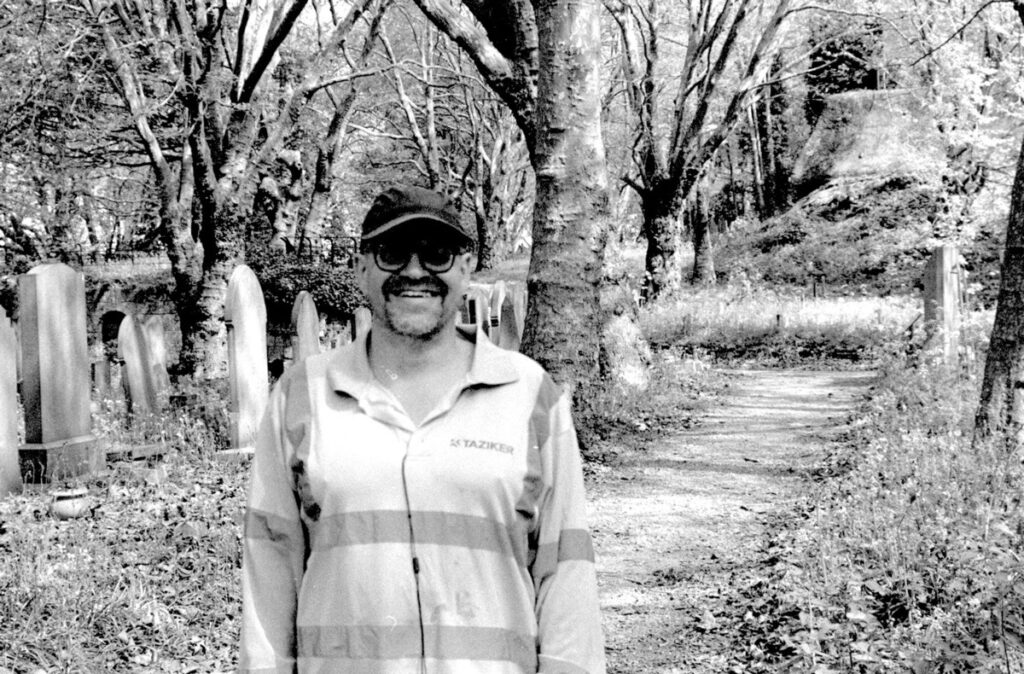
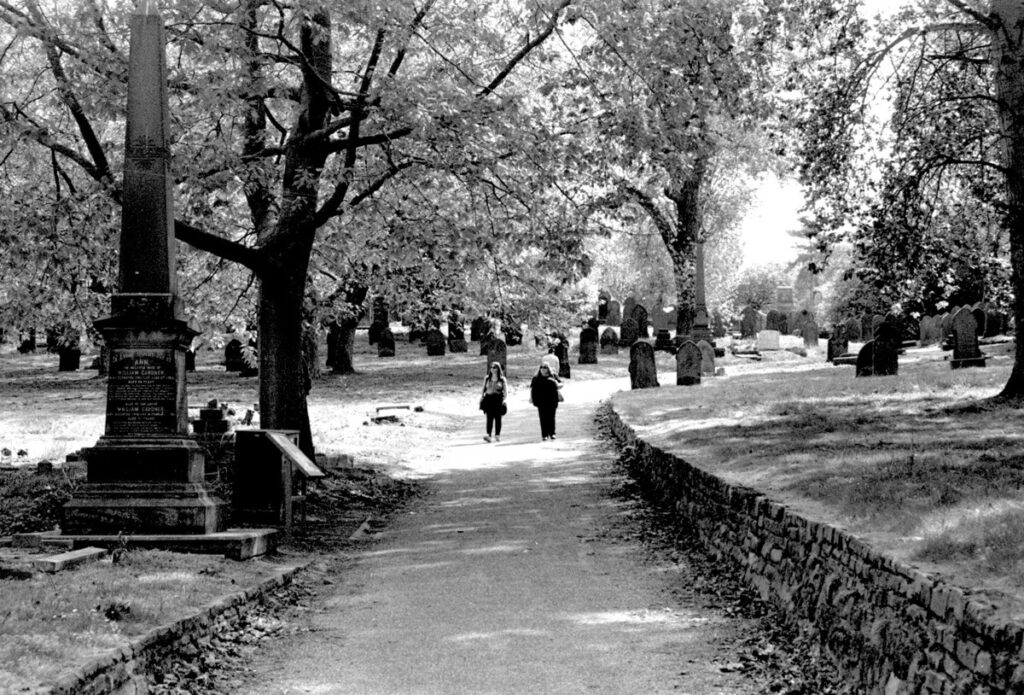
The black and white photograph of Warstone Lane Cemetery was not one that I had initially selected, so I was pleasantly surprised by how well it turned out. My portrait of John, the volunteer at Key Hill Cemetery, also came out well. John had been wearing a cap, which cast a dark shadow across his forehead, but I was still pleased with the result. The results of the pictures are the subject of the next blog post which may be accessed here.

By this point, the day had almost run its course for me as I had to get back for a football match. Dom was still printing his black and white photographs from his newly purchased analogue camera. His results were terrific and made me think seriously about updating my own film camera.

This was a five-star course and one well worth attending if you are thinking about returning to the world of analogue photography. I would recommend joining the PRISM Photography mailing list so that you hear about future workshops and talks over the coming months. PRISM Photography encourages a different way of thinking about how you use your camera. Most importantly, everyone involved in the network is welcoming, friendly, and helpful.

My Blog covers different photographic techniques and you may want to try out oil and water or cyanotype photography.

Black and White Jewellery Quarter

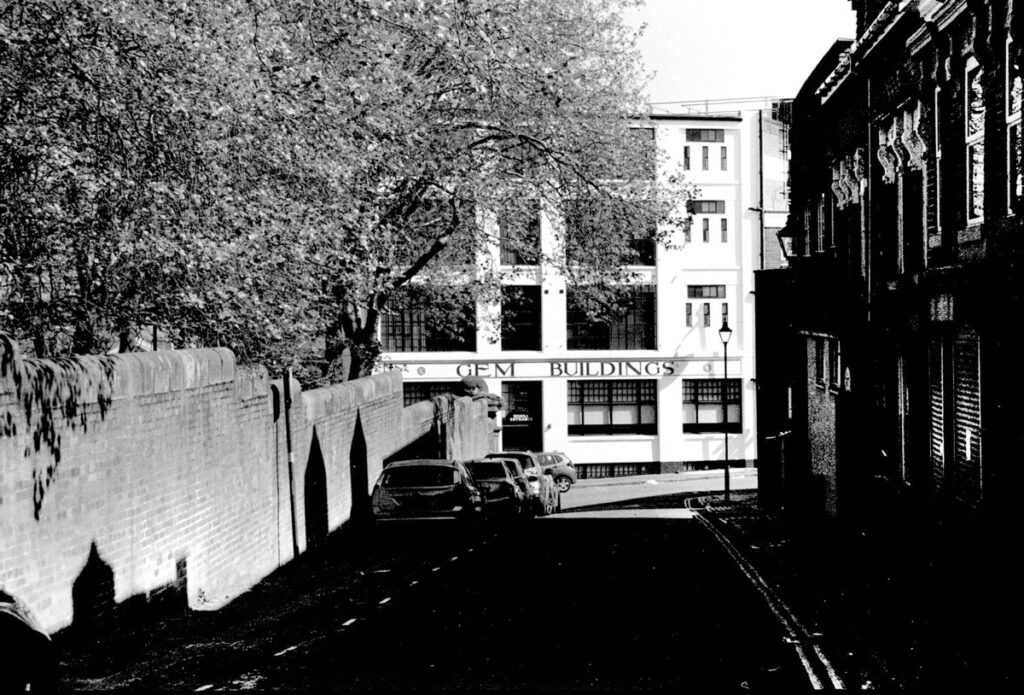
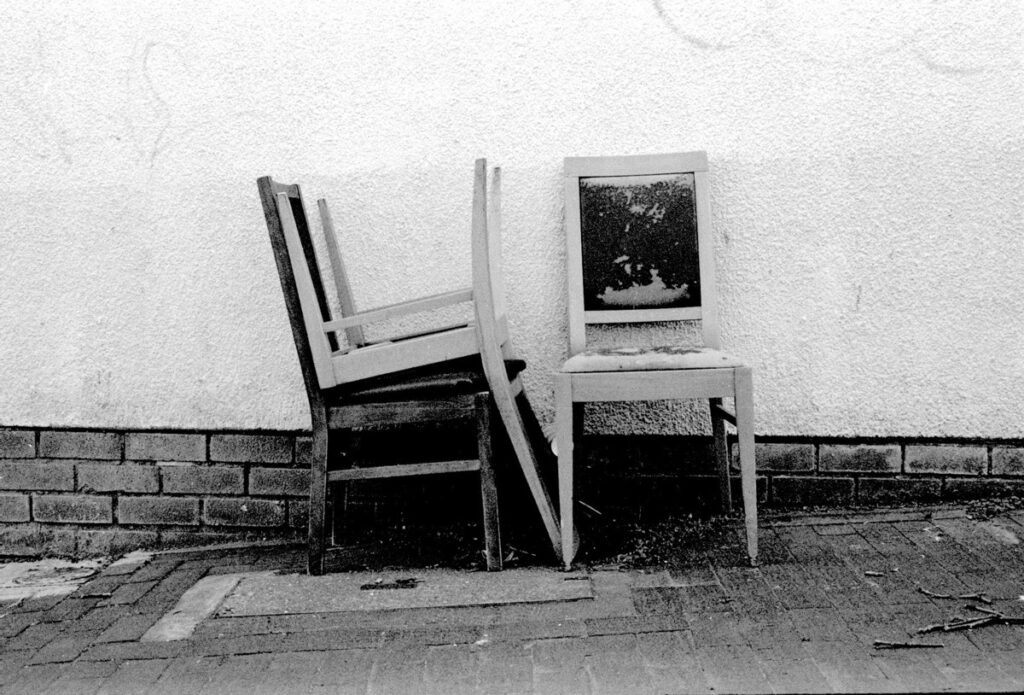
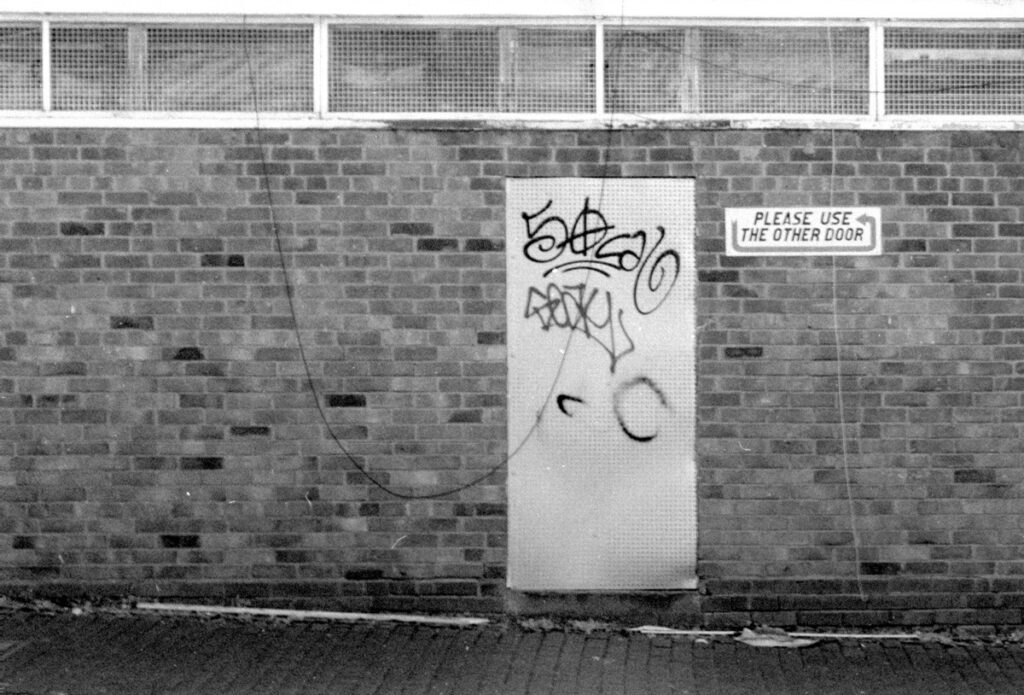
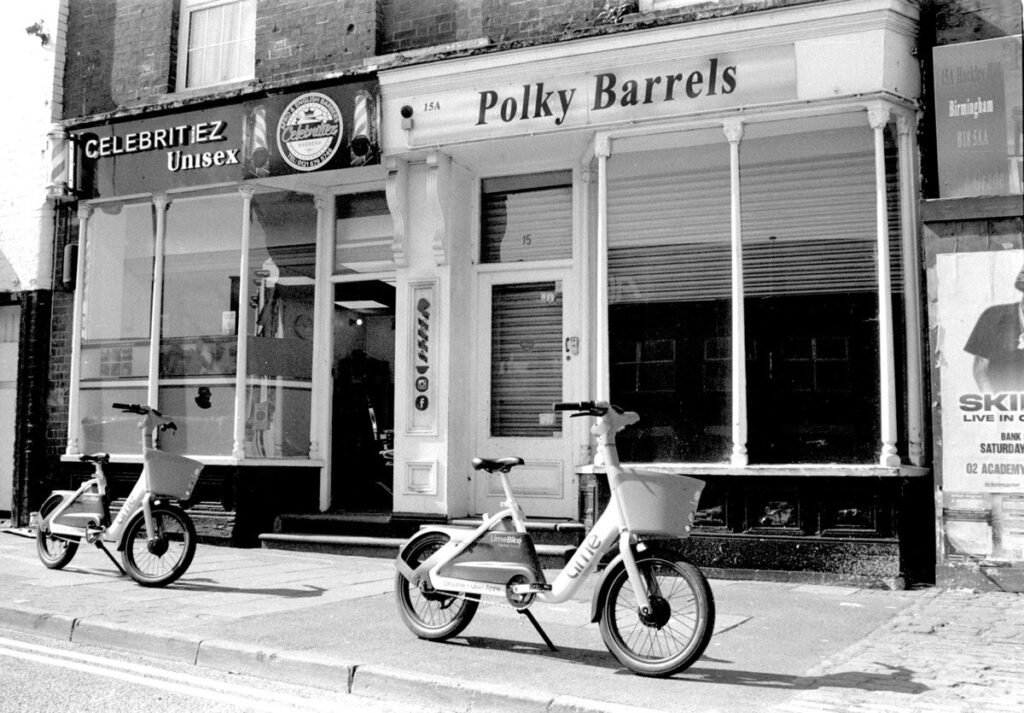
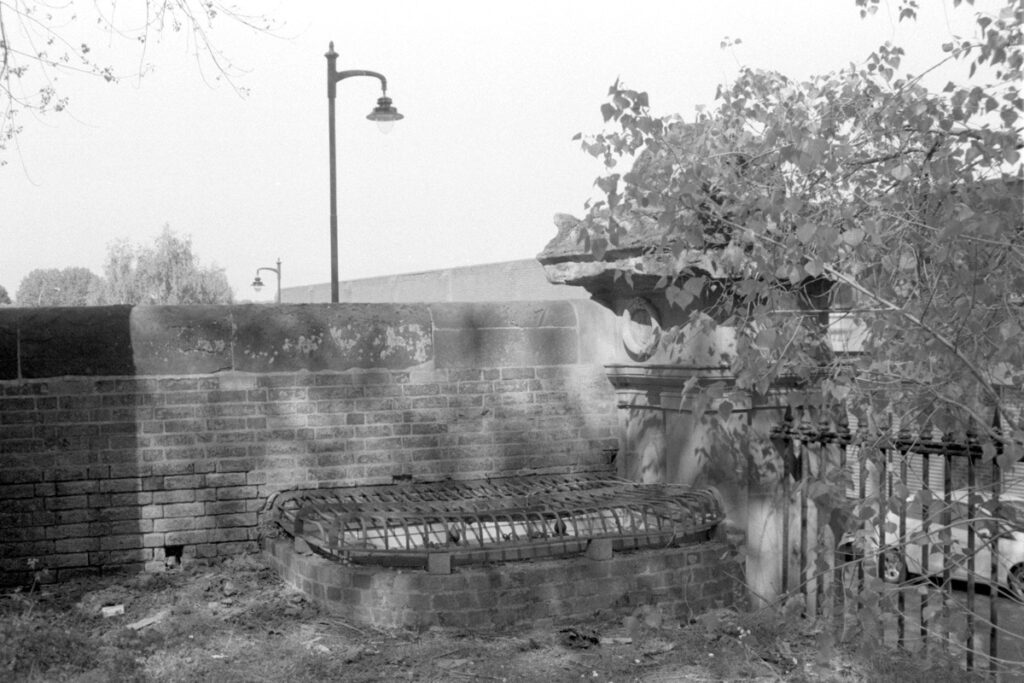
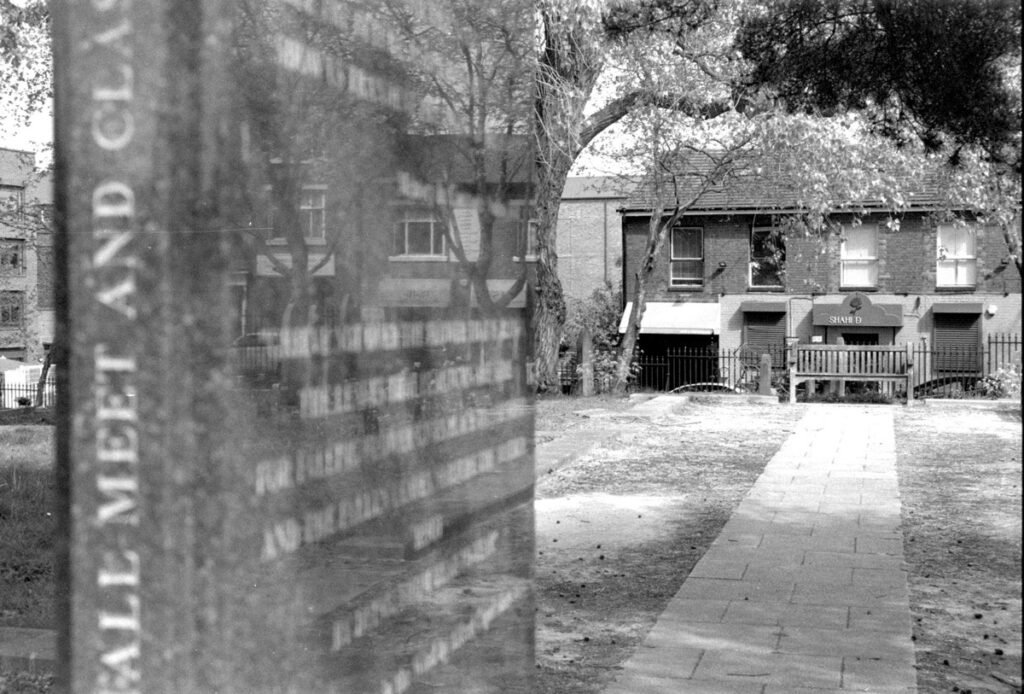
This post follows on from the “Developing a Black and White World” blog. I had a 36 black and white film in my camera as I set off around the Jewellery Quarter. As you will see not all the pictures made the Final Cut. Still we had great fun and this is a pictorial diary of our walk.

Black and White Jewellery Quarter
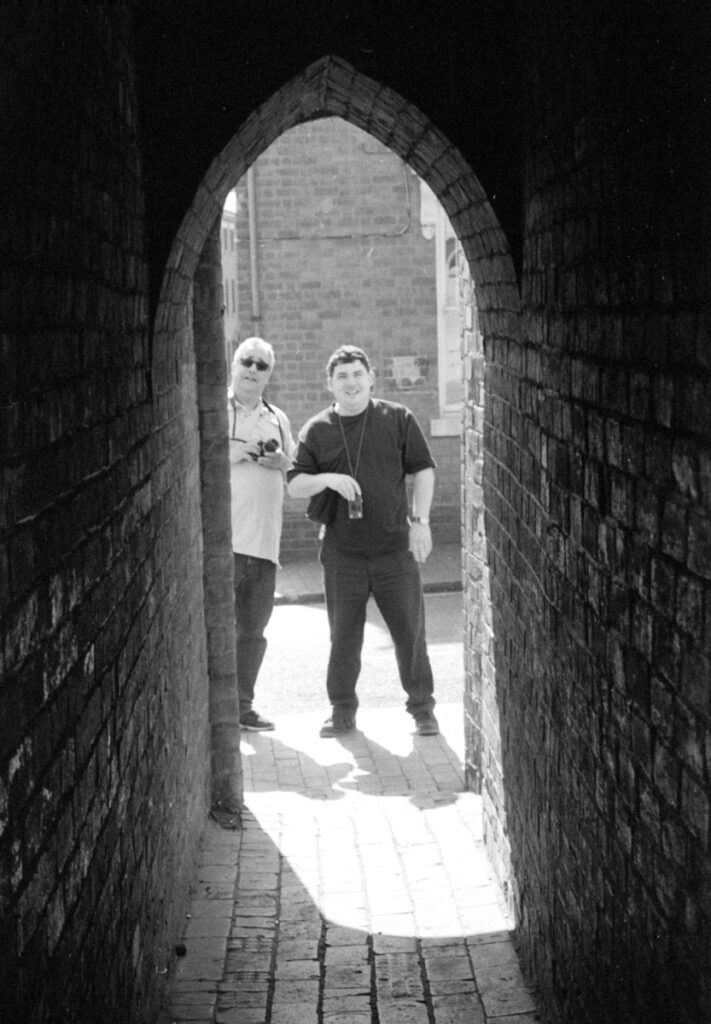
Passageway.
Black and White Jewellery Quarter
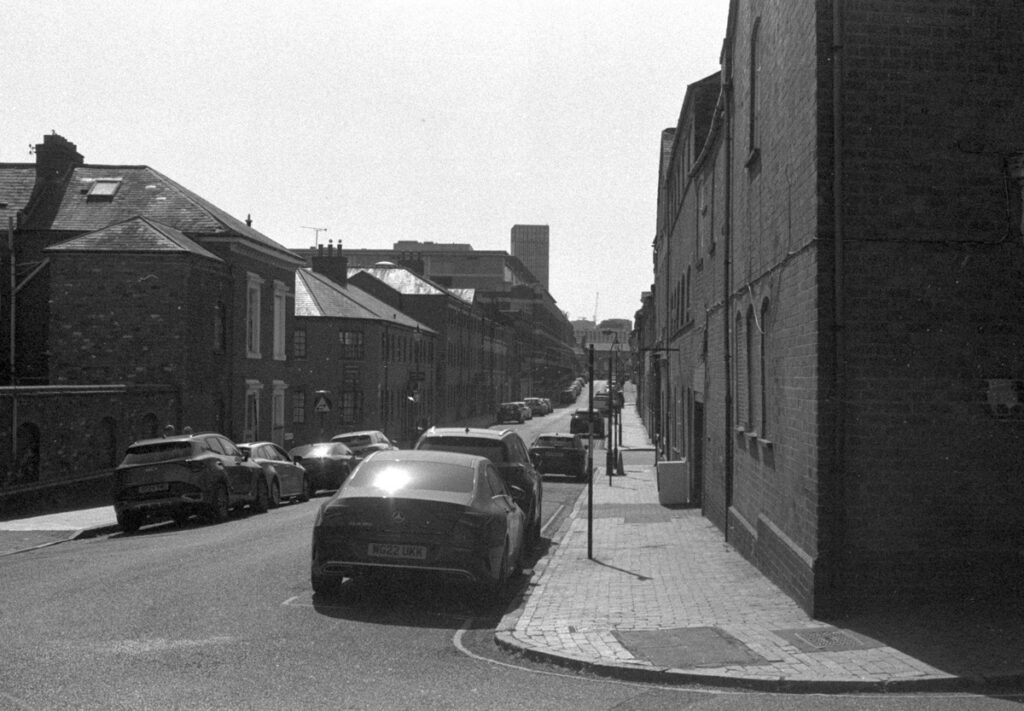
Hylton Street.
Black and White Jewellery Quarter
Key Hill Drive
Black and White Jewellery Quarter
Key Hill Drive.
Black and White Jewellery Quarter
Chairs.
Black and White Jewellery Quarter
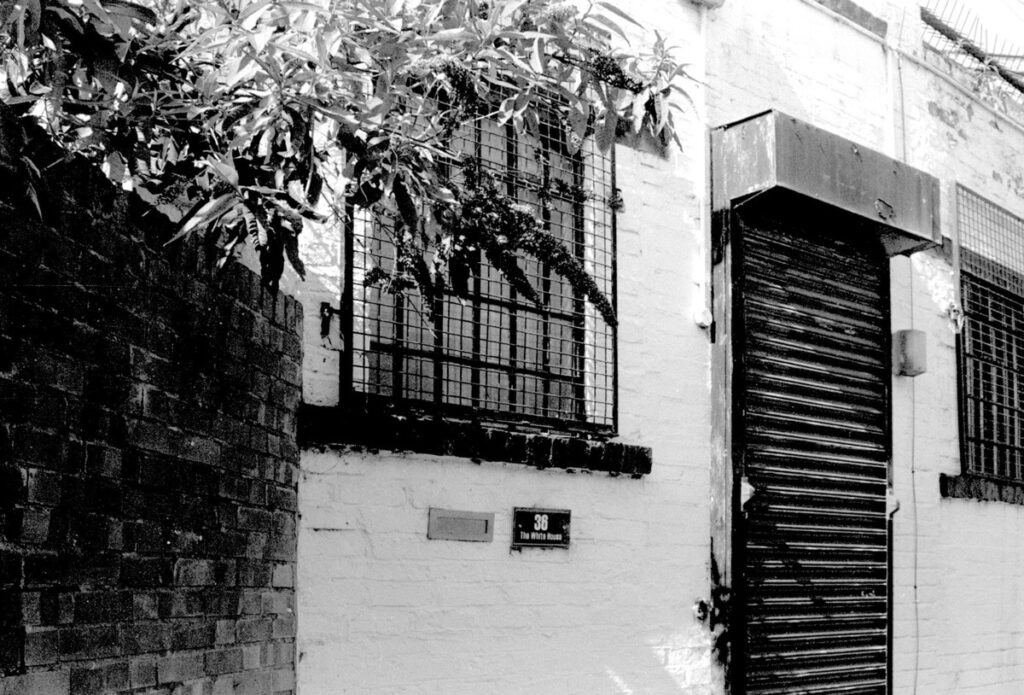
Door.
Black and White Jewellery Quarter
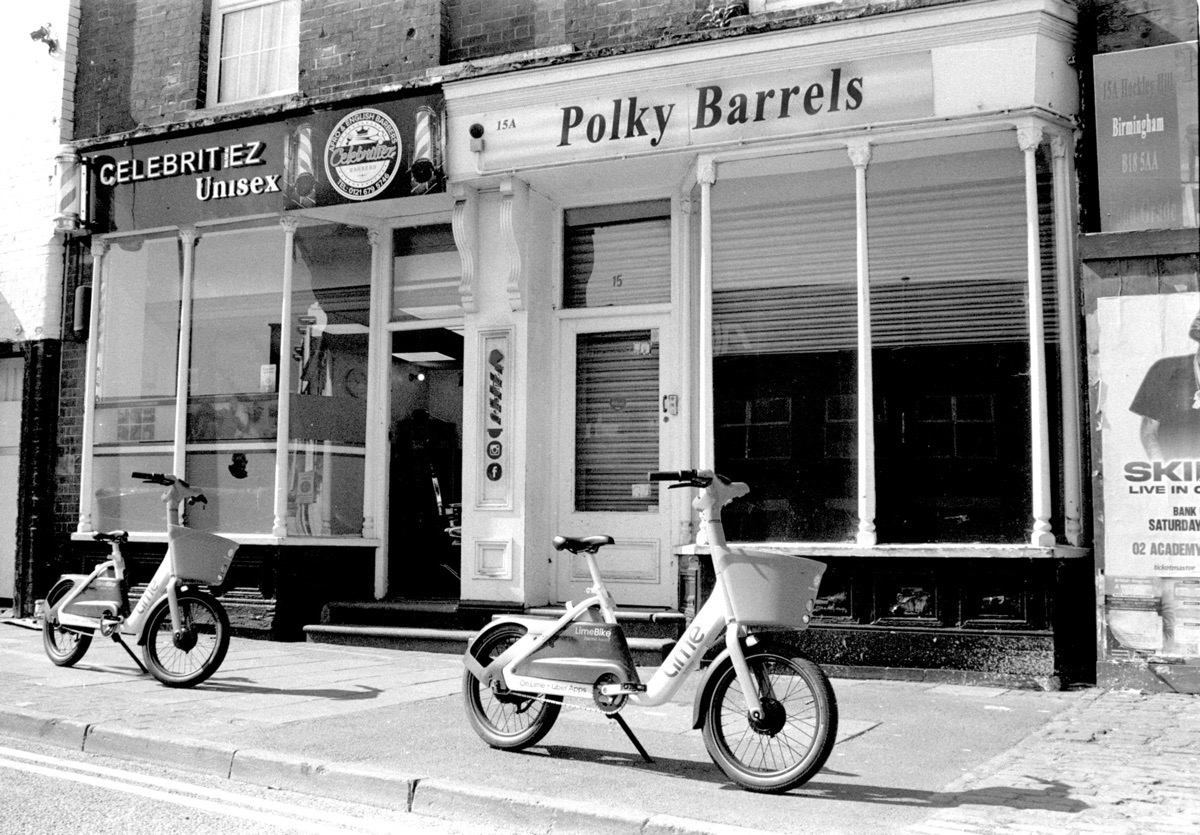
Lime Shopping.
Black and White Jewellery Quarter
Key Hill Cemetery.
Black and White Jewellery Quarter
Key Hill Cemetery.
Black and White Jewellery Quarter
Key Hill Cemetery.
Black and White Jewellery Quarter
John.
Black and White Jewellery Quarter
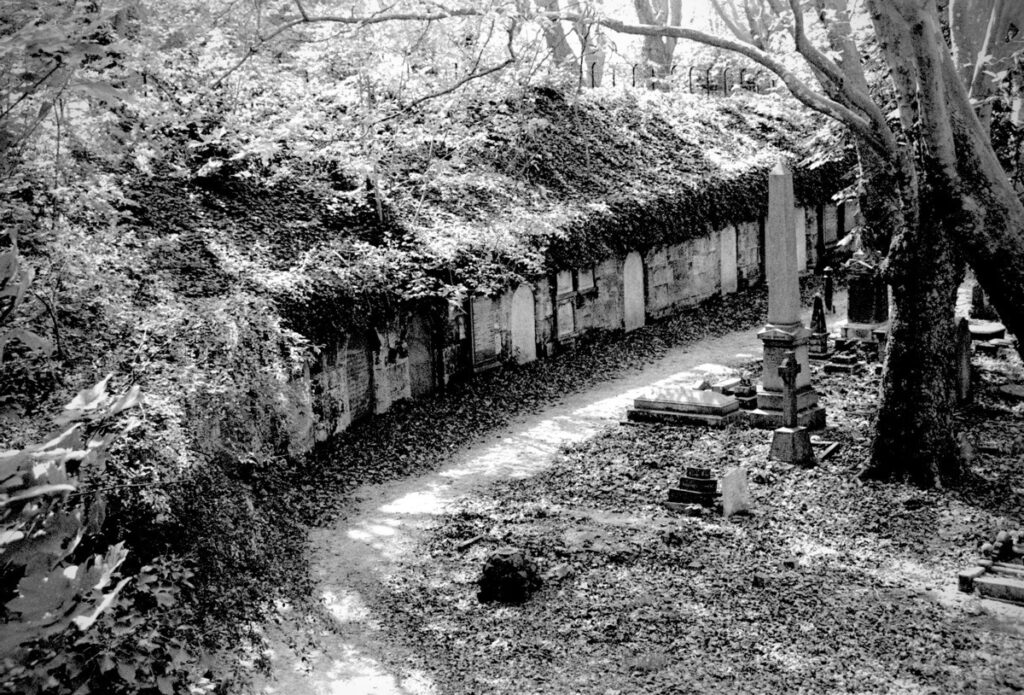
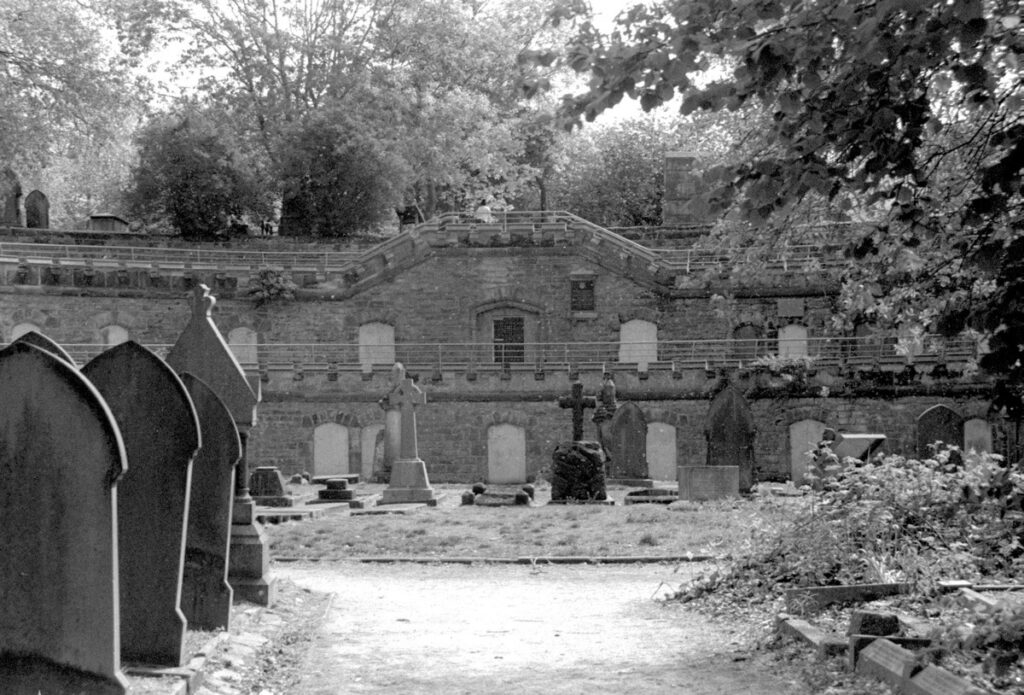
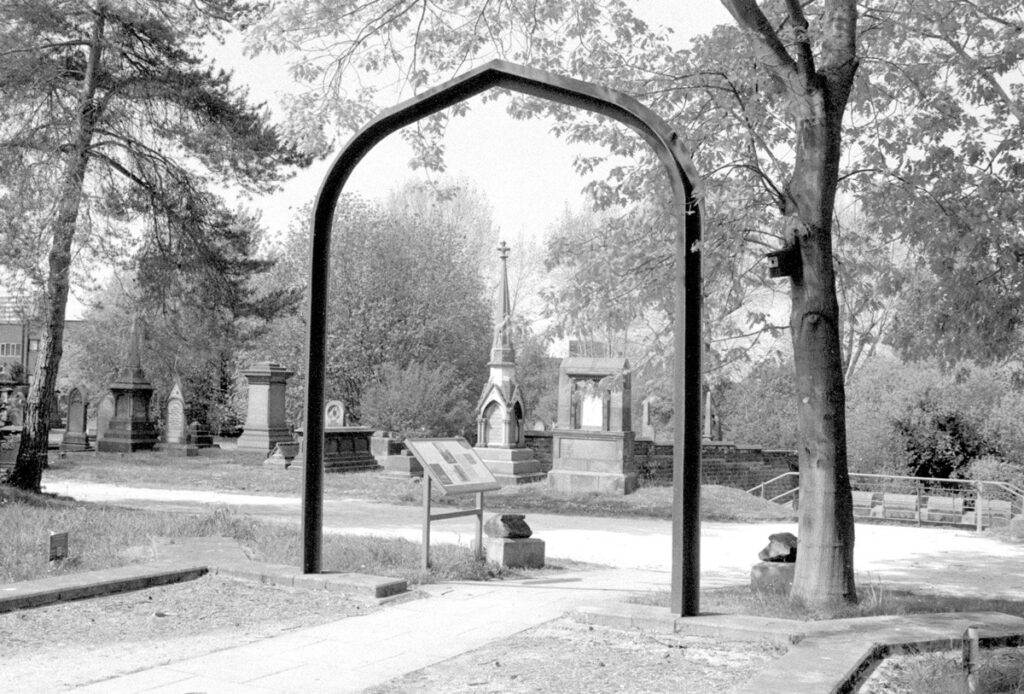
Warstone Lane Cemetery.
Black and White Jewellery Quarter
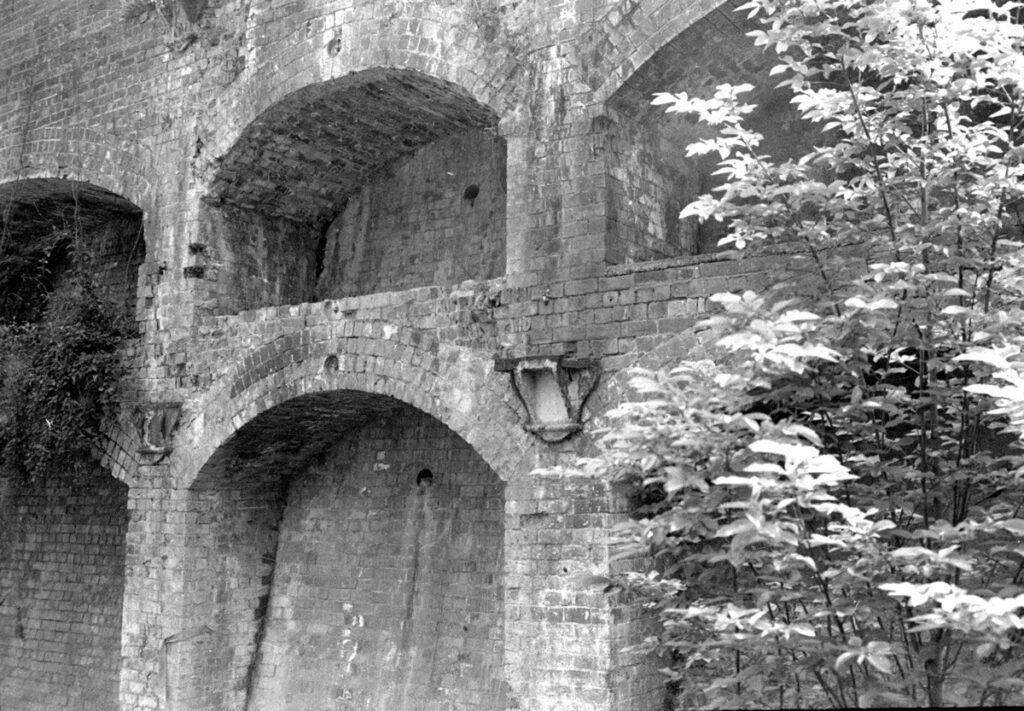
Catecombes.
Black and White Jewellery Quarter
Warstone Lane Cemetery.
Black and White Jewellery Quarter
Warstone Lane Cemetery.
Black and White Jewellery Quarter
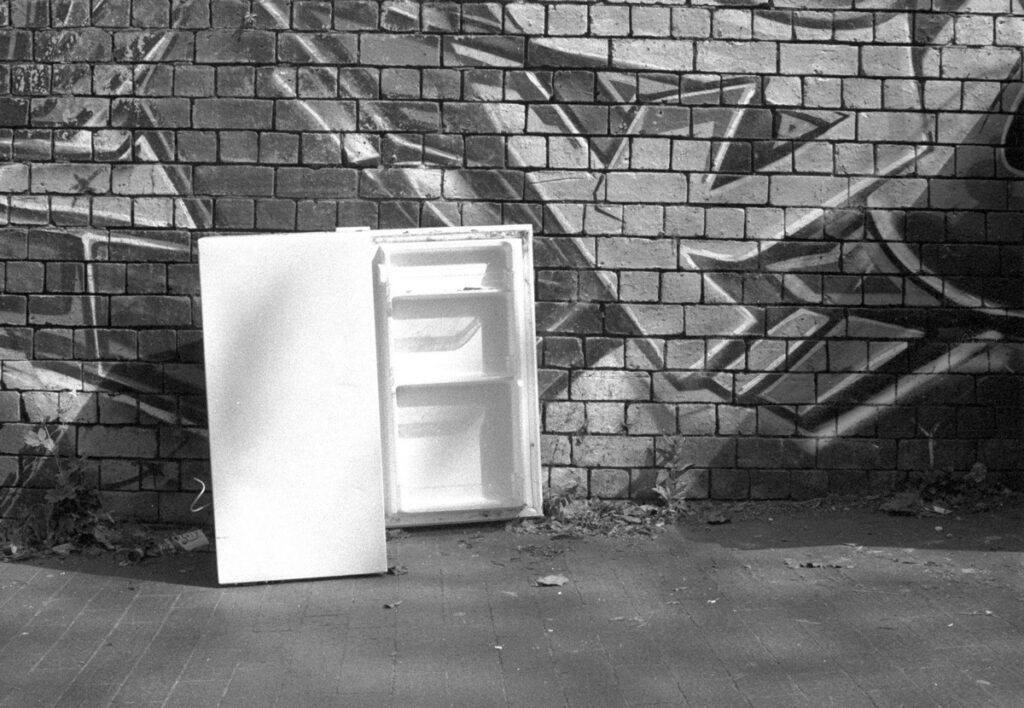
Pitsford Street.
Black and White Jewellery Quarter
Pitsford Street.
Black and White Jewellery Quarter
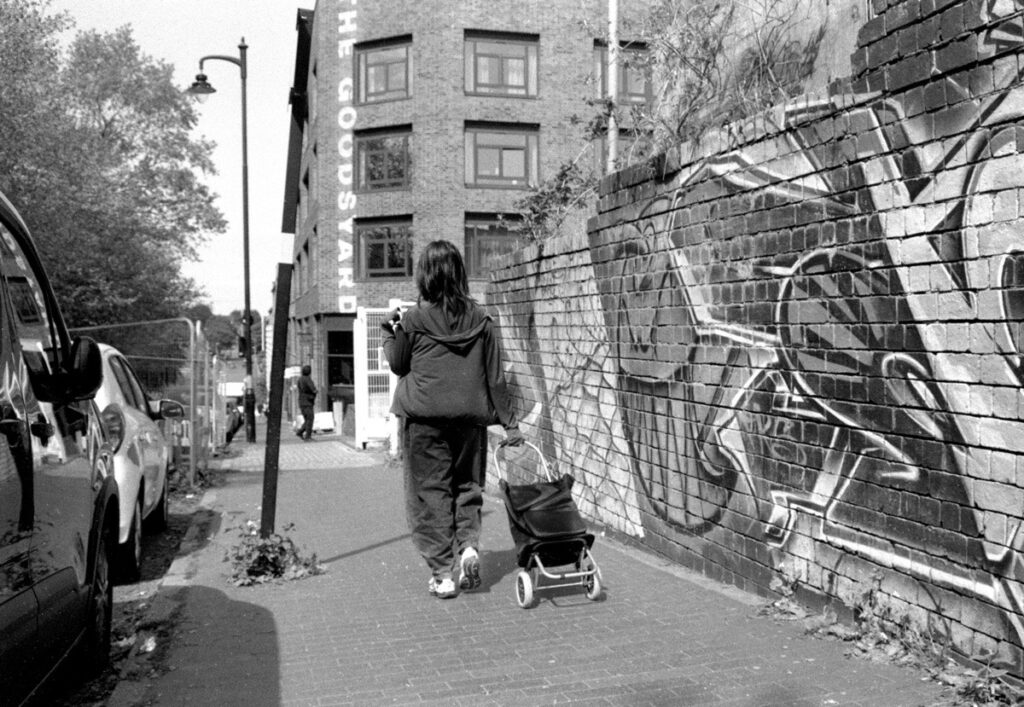
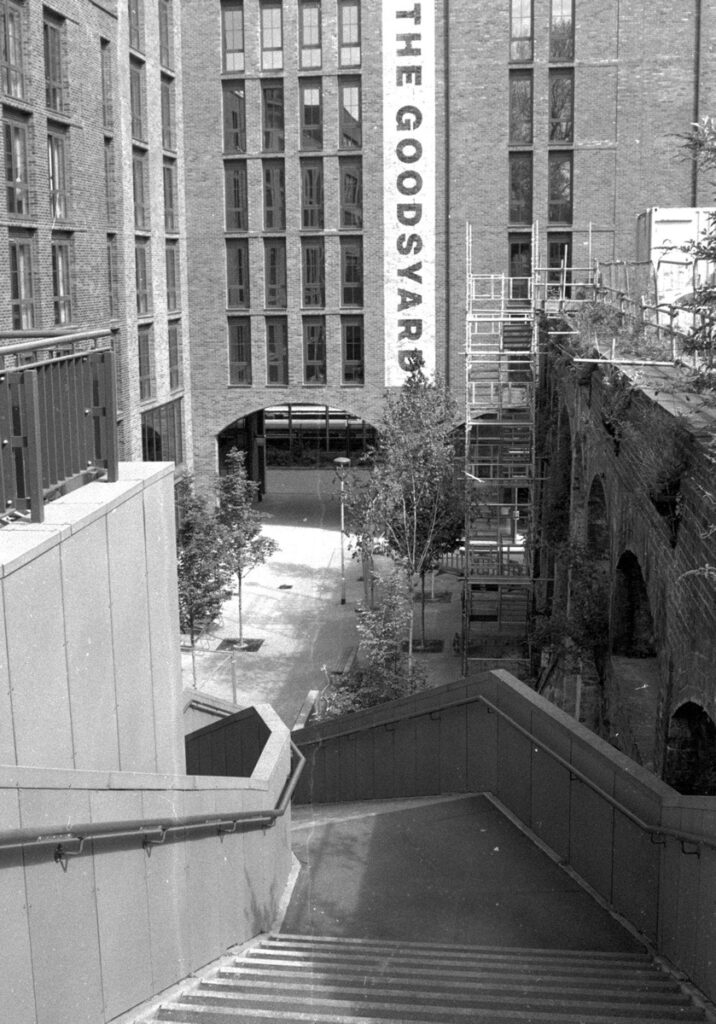
The Goodsyard.
Black and White Jewellery Quarter
The Goodsyard
0
    0
    Your Cart
    Your cart is emptyReturn to Shop