


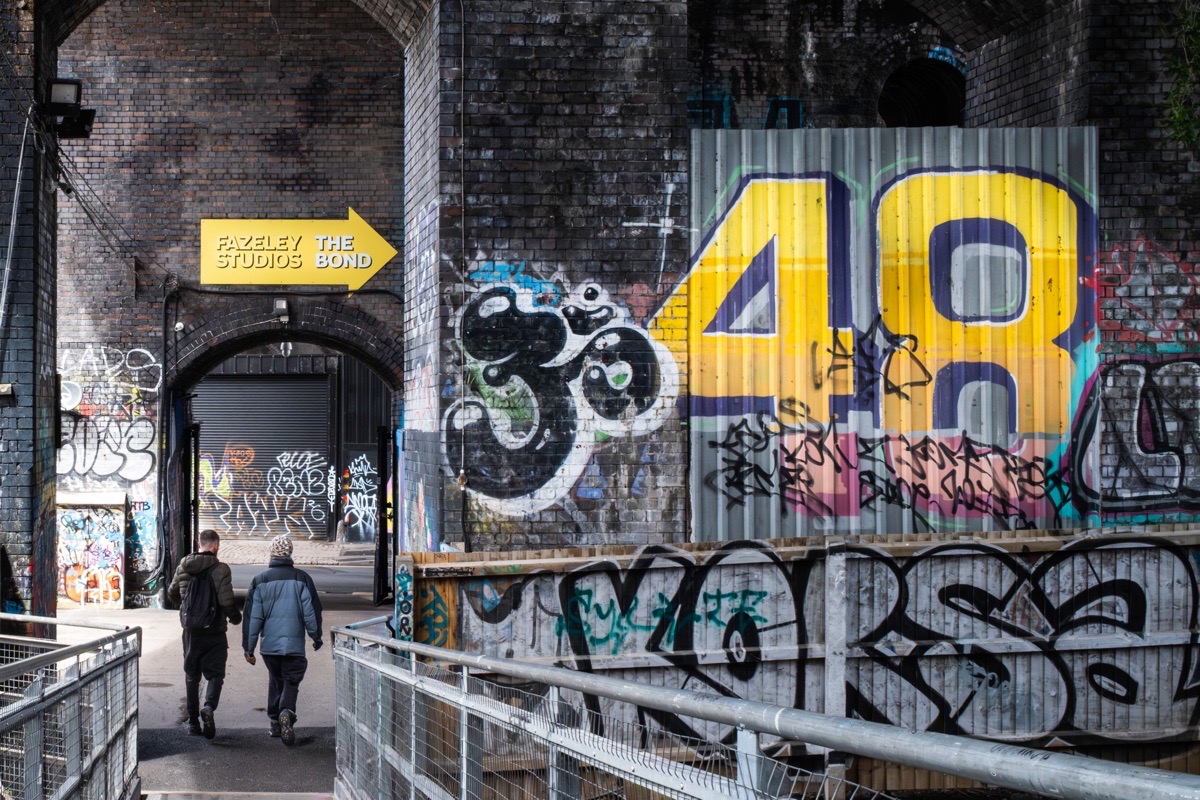
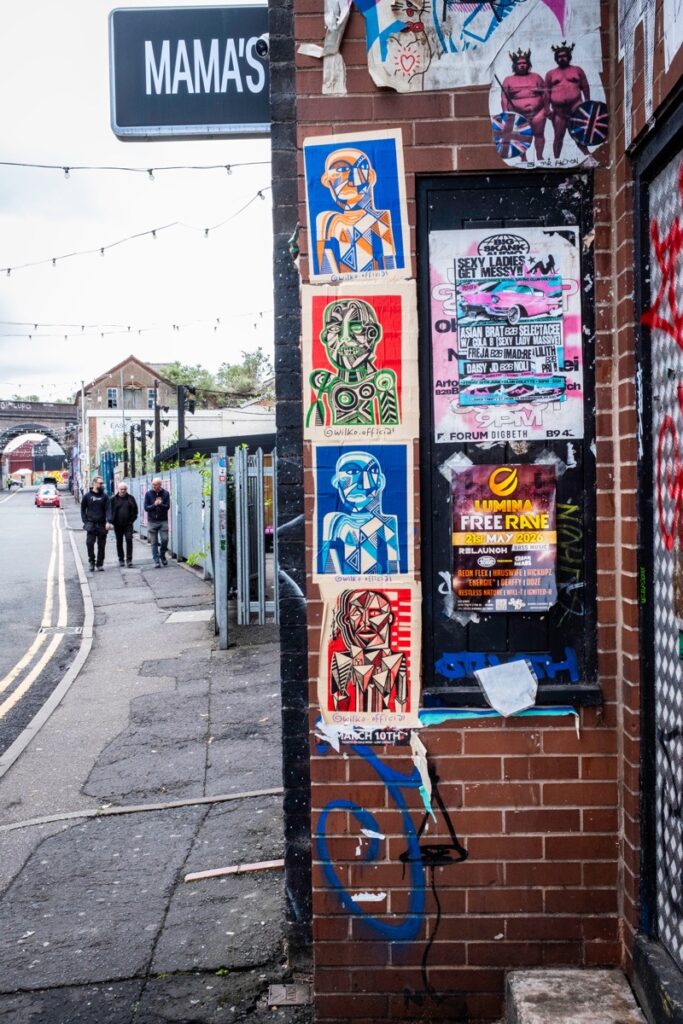
Photographing Digbeth is always a creative and enjoyable time. My first serious photographic journey through Digbeth was in 2018. Since then, I have photographed Digbeth and the surrounding area on numerous occasions.
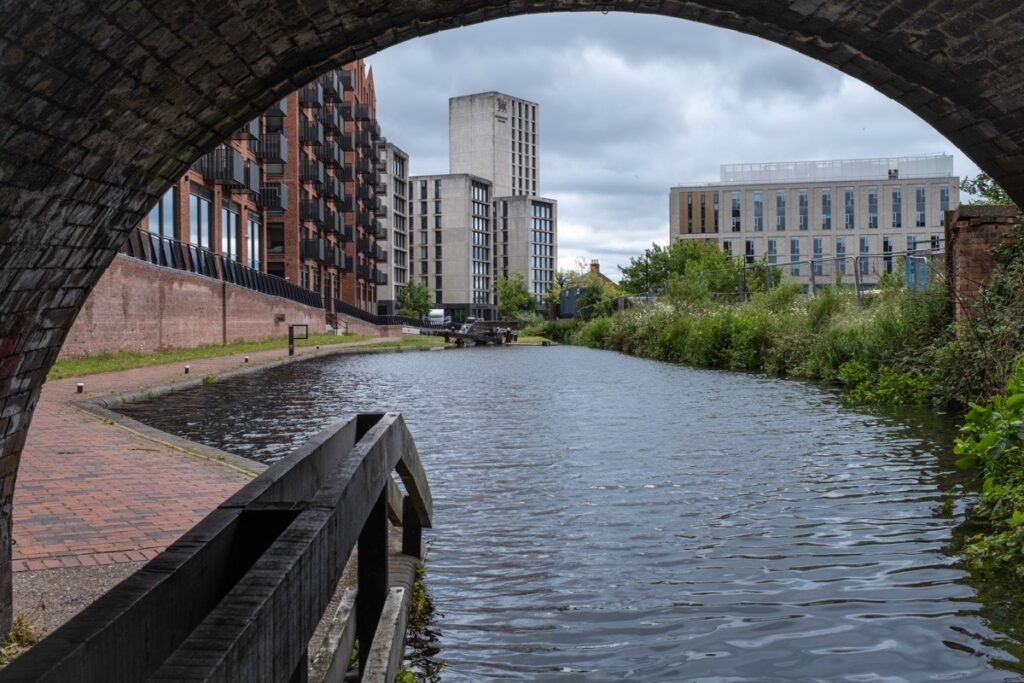
With the advent of the HS2 works, I wanted to see how construction was progressing near the Curzon Street canal towpath. The nearby Birmingham City University campus (BCU) is taking full advantage of the investment generated by the HS2 project. There is an incredible amount of building work taking place across the area. In spite of this, many problems still surround HS2, including repeated delays to its completion date.
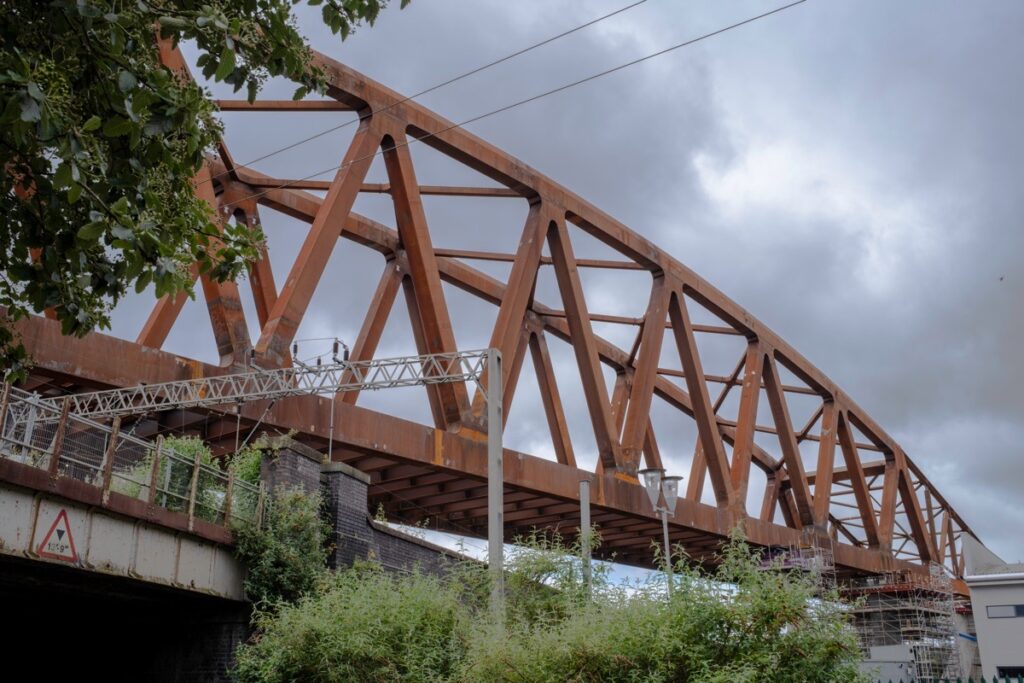
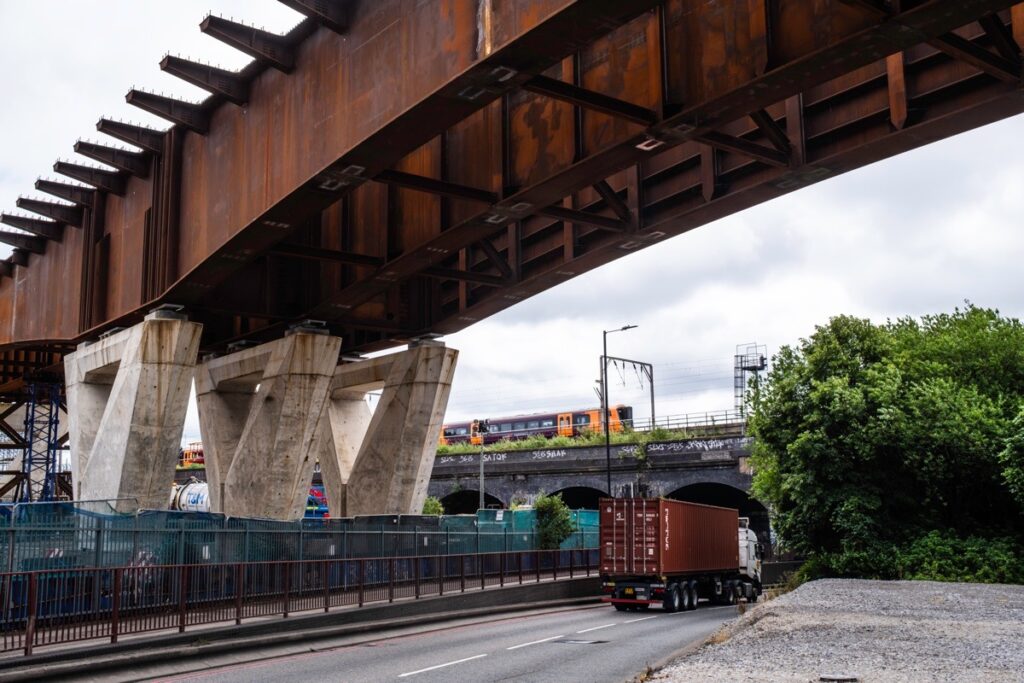
However, one cannot help but admire the engineering involved, and I was keen to photograph the large steel bridge that crosses the Birmingham to Lichfield railway on the approach into Curzon Street. To get close to the bridge, I walked down Northumberland Street behind the West Midlands Fire Service Headquarters. The bridge is tall and imposing, and the future trains will pass close to nearby apartment blocks. Walking across Lawley Middleway and looking up, the scale of the bridges dwarfs the surrounding roads and railways. The structures throughout the HS2 works are remarkable, although I do feel sorry for the nearby residents and businesses that have endured continual disruption during the construction.
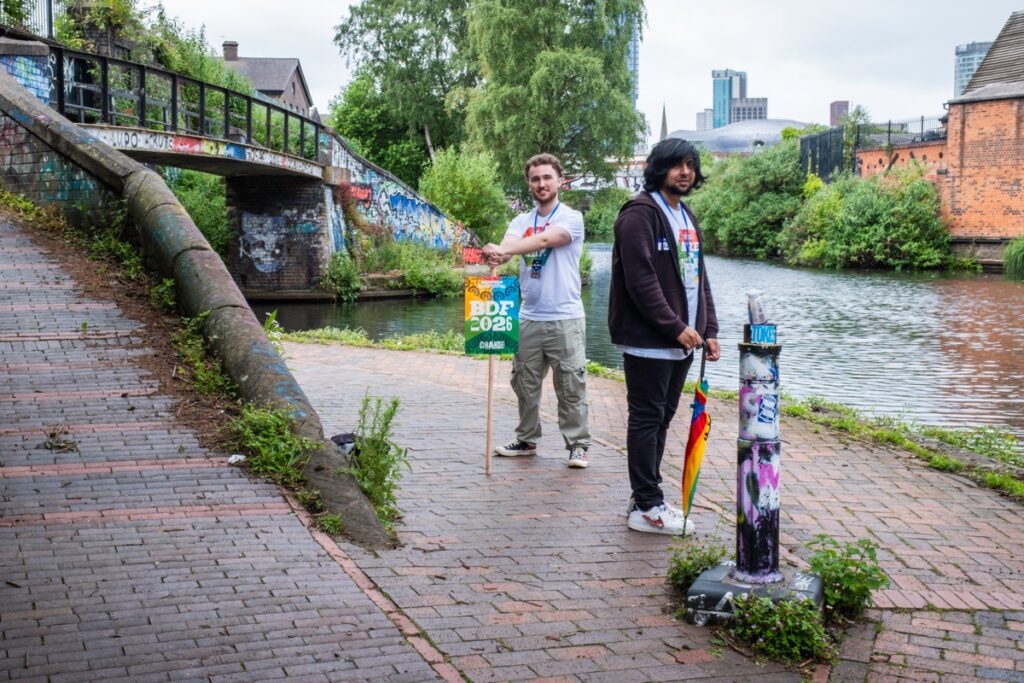
Another noticeable change is the slow but definite gentrification taking place around Digbeth’s canal network. The Curzon Street railway bridge creates a long tunnel where the Digbeth Branch Canal passes underneath. This was once, not an area you would walk through alone. Now there are cyclists, runners and students making their way to lectures at Birmingham City University or just commuting into the city. You also encounter interesting people. During my walk, I came across guides from Birmingham Design Festival, whose handheld placards were helping visitors explore the canals. There is also a definite increase in canal boats along the old industrial waterways, bringing the area to life.
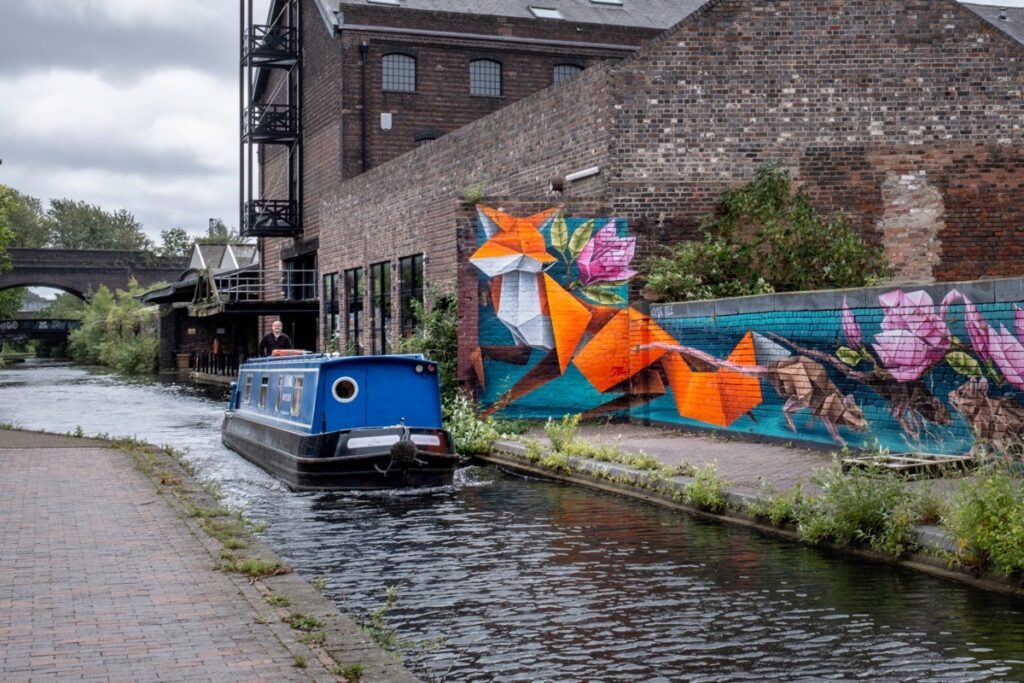
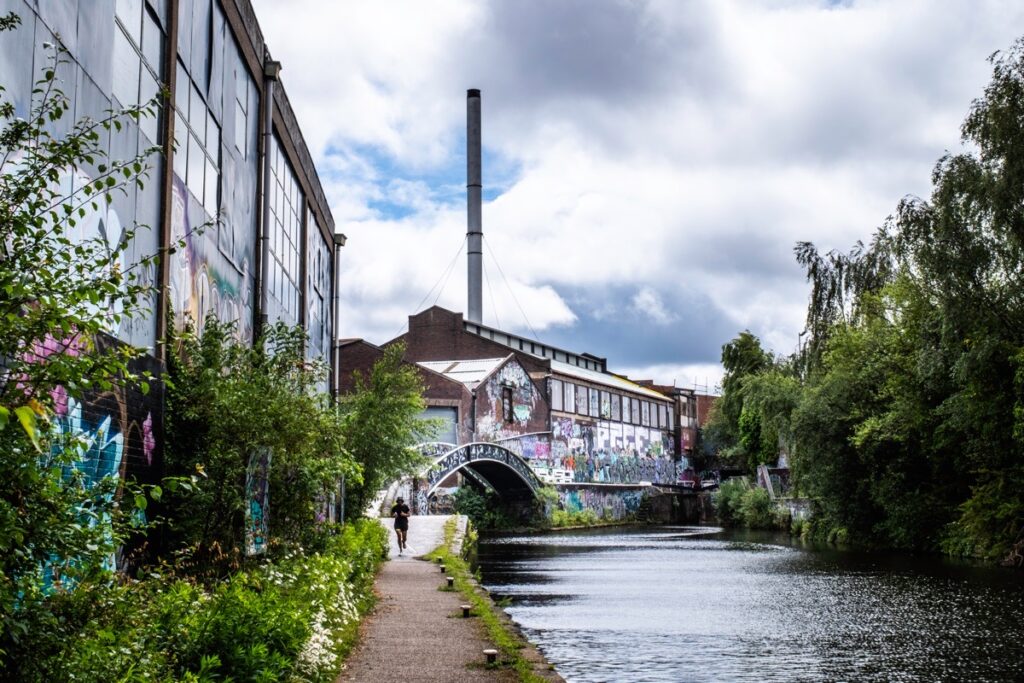
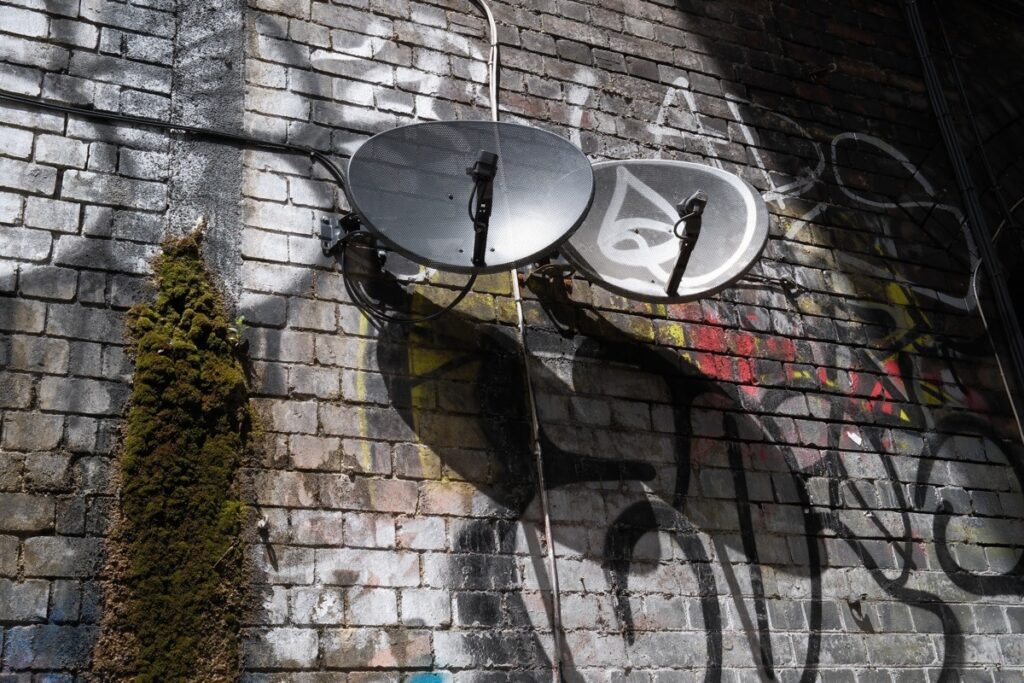
I continued on to Bordesley Junction, where the towpath becomes much quieter, yet even here I passed a runner. At the canal junction, the graffiti-covered walls provide a colourful backdrop, while the old industrial buildings tower above the waterways. Despite these changes, the area still feels uncertain and is not somewhere I would readily explore alone. No doubt the creeping gentrification will eventually reach this part of Bordesley as well.
Heading back into Digbeth, I soaked up the atmosphere created by the busy shops and cafés. Redevelopment continues, and high-rise apartment buildings are increasingly surrounding the area.
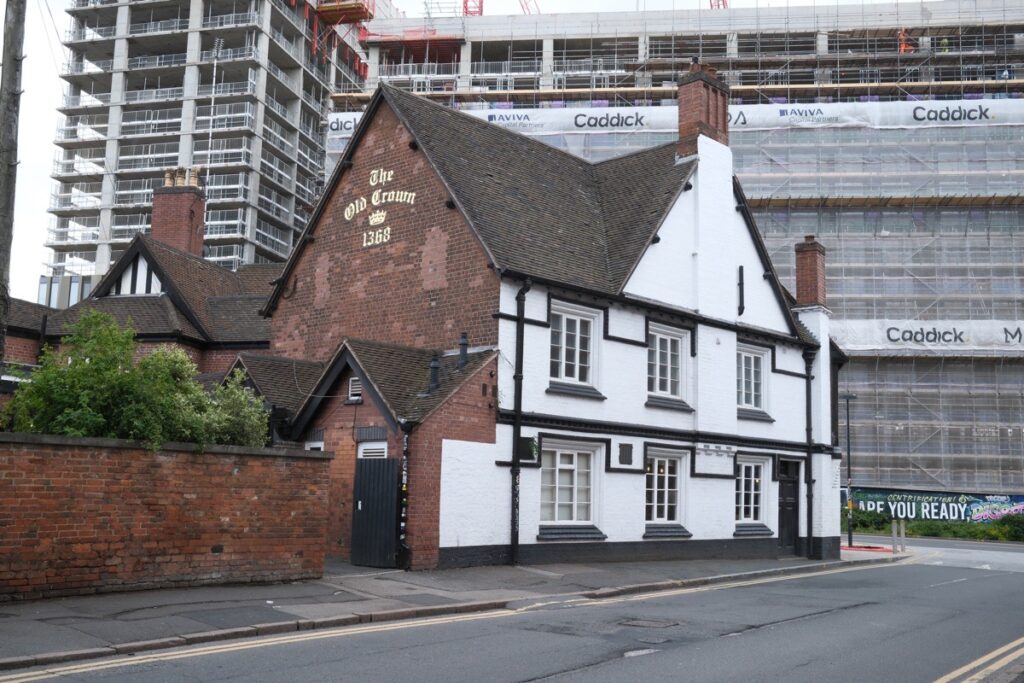
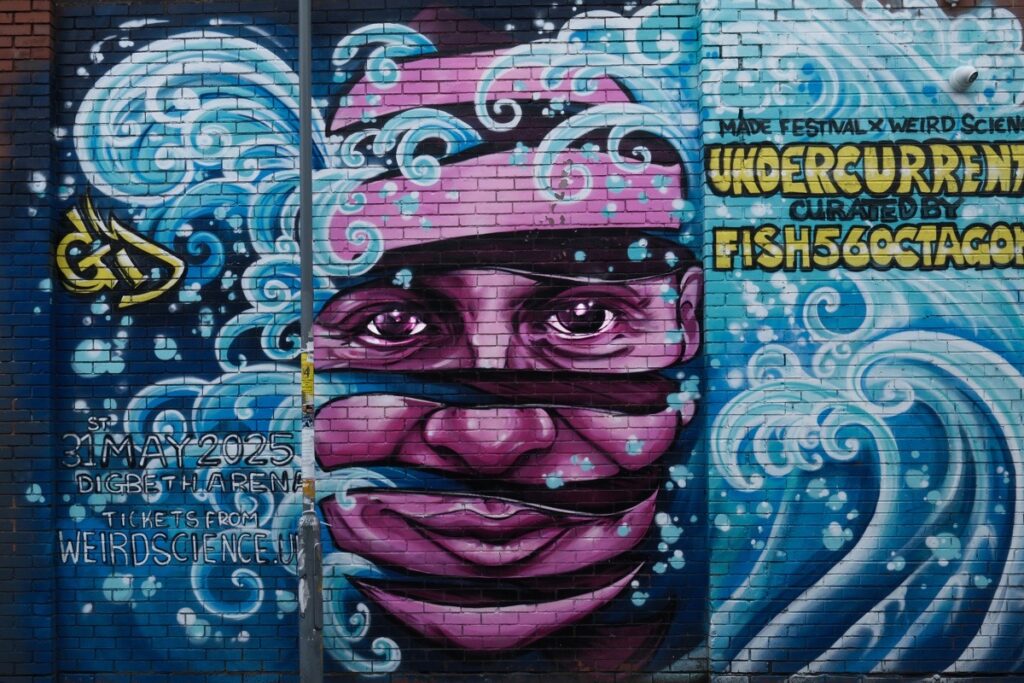
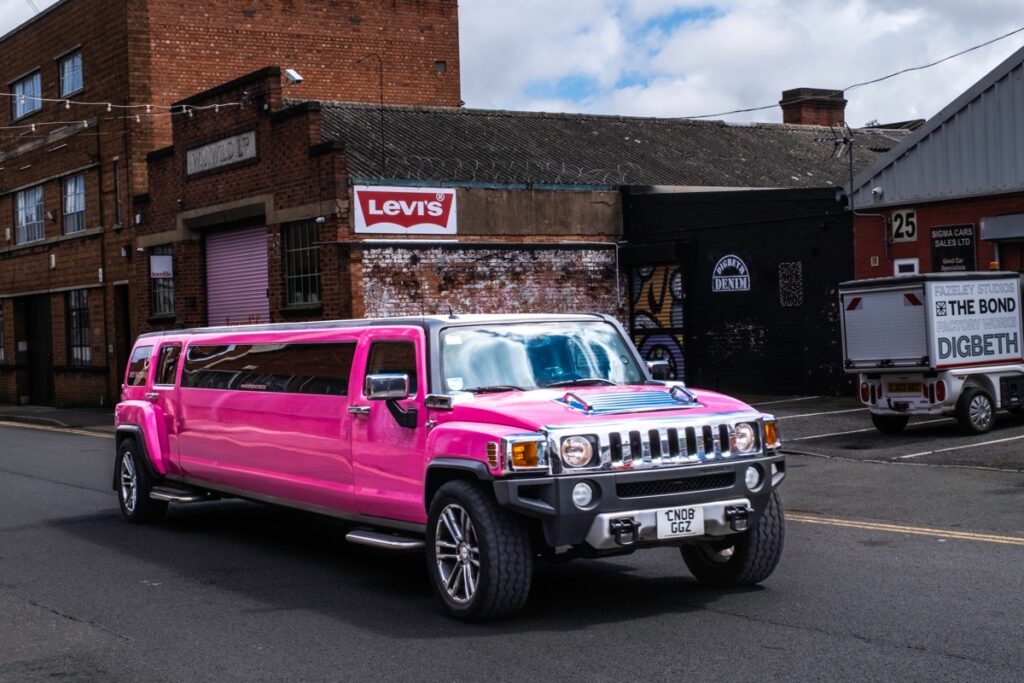
The streets around Gibb Street and Trinity Street are constantly evolving, with new businesses, nightclubs and street art appearing all the time. There are still a few artworks that I have to photograph, and I found this mural by @ginger_dan. Looking back at my photographs from 2018, the changes are striking. Old murals have disappeared beneath fresh paint, while new venues continue to emerge. Digbeth still retains its unique charm, and I hope it continues to preserve its distinctive character.
If you enjoyed this read then compare the changes in Digbeth to my first blog about the area. I have photographed Digbeth on several occasions so please review my index of articles to see more.