
Loading...
Photographing Canary Wharf 2006

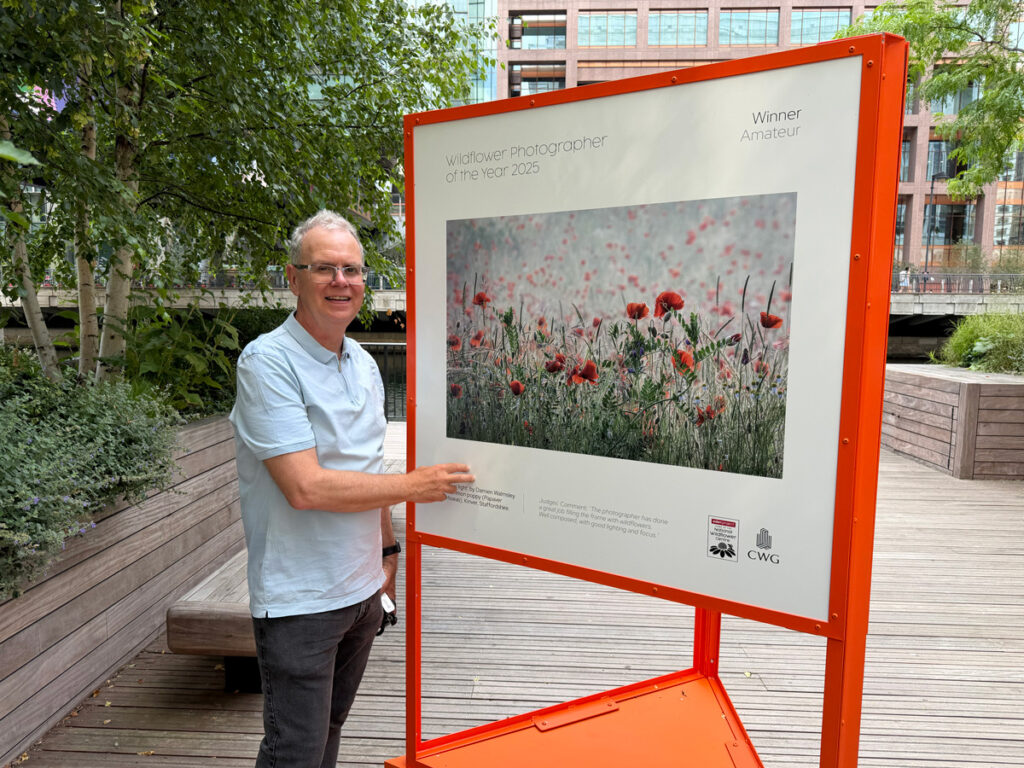
My wildflower of the year picture was displayed in Canary Wharf. Therefore, I set off to visit Eden Dock, where the exhibition was being shown. I met up with James, my webmaster, and Holly, his wife, who were in London for meetings, and we made our way to Canary Wharf.

Arriving in Canary Wharf: First Impressions

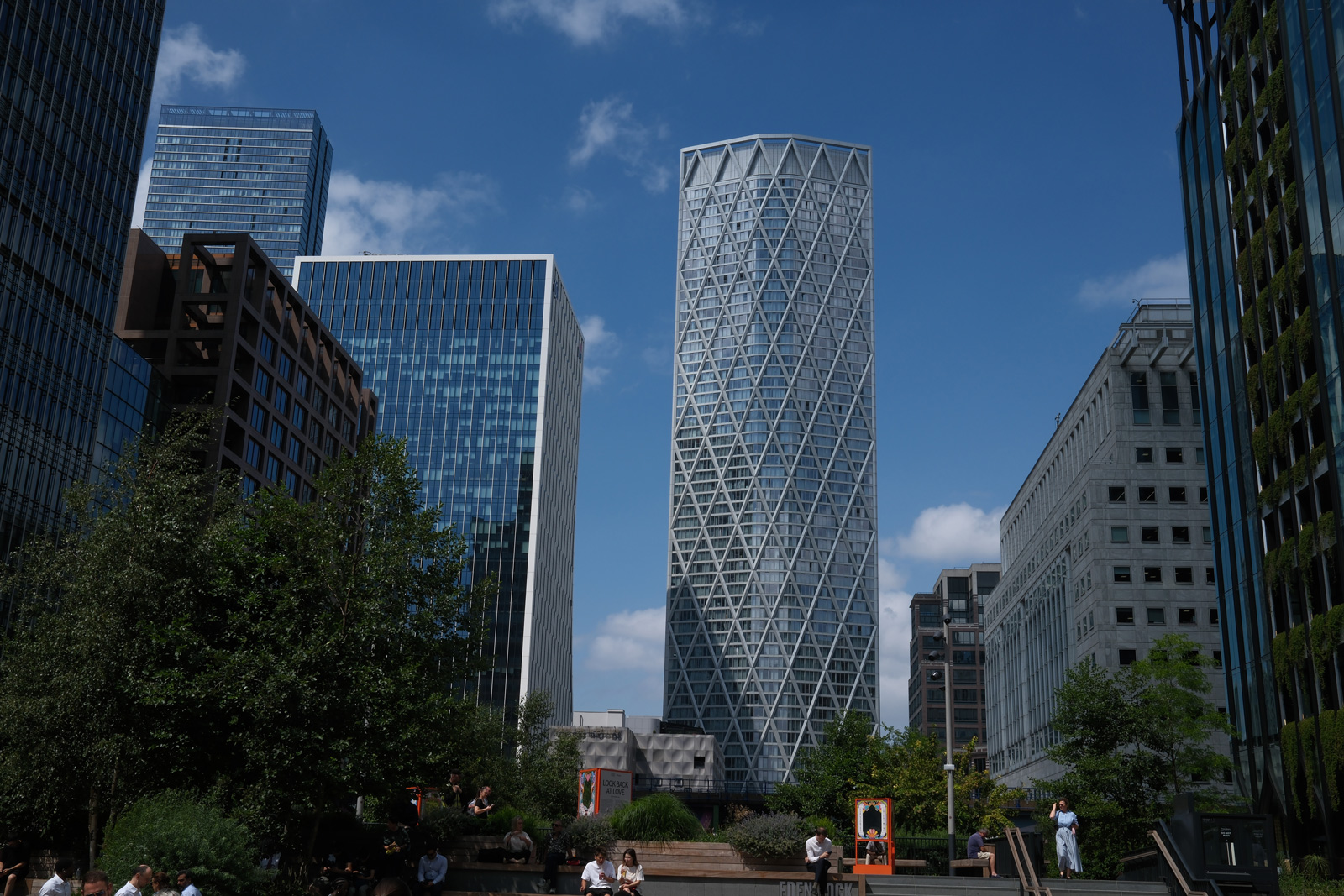
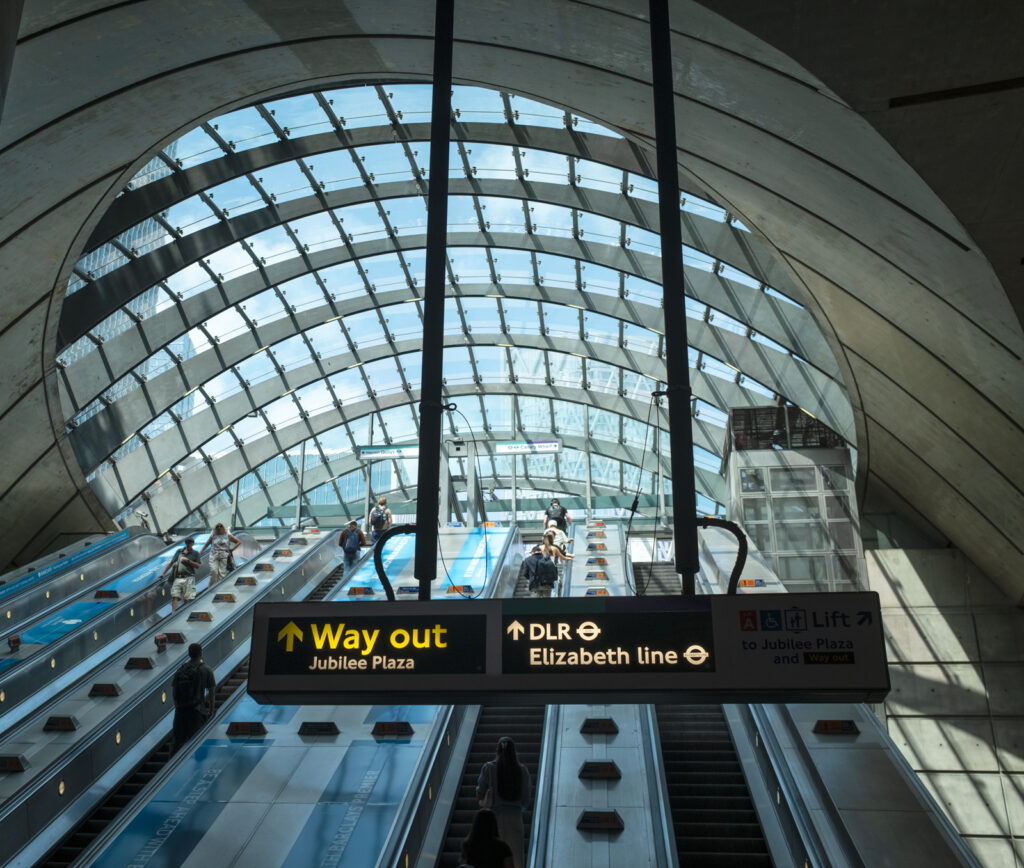
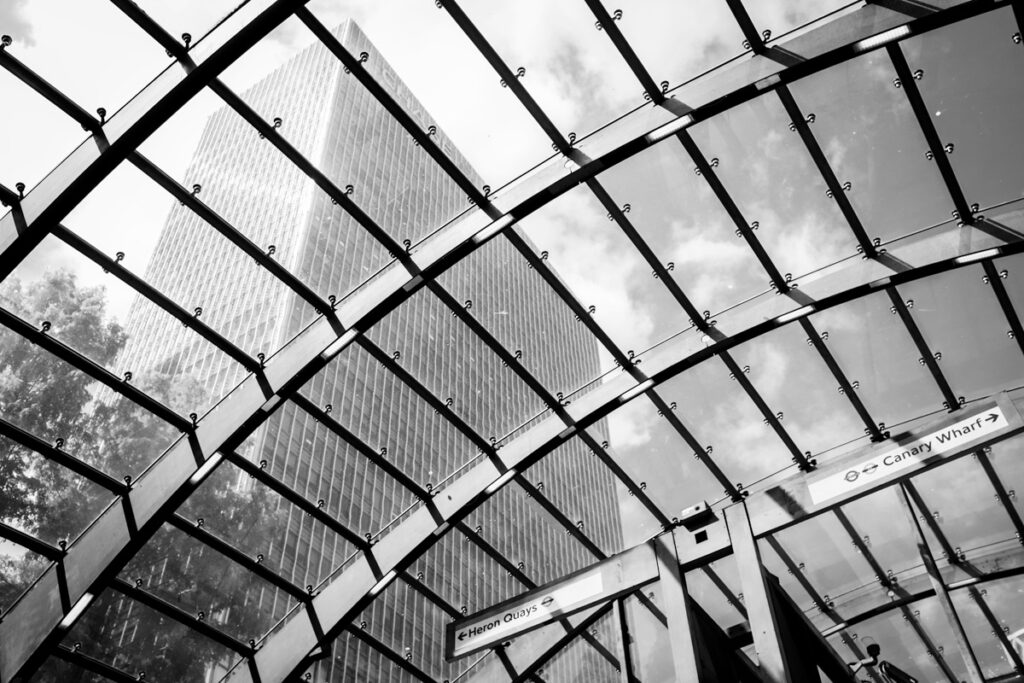
The tube station is an amazing piece of engineering, and I had to stop and take pictures of the escalators. We walked out into the sunshine, which was a contrast to our underground journey. We arrived around lunchtime. All around, there were office workers taking their lunch break, along with tourists taking in the sights of the area. Canary Wharf is an impressive cityscape of skyscrapers of different architectural designs. The red livery of the Docklands Light Railway darts through the gaps.
Photographing Canary Wharf 2006
The view upwards in Canary Wharf tube station.

My Wildflower of the Year Photo on Display at Eden Dock

My wildflower of the year picture was close to Canary Wharf tube station. Whilst I was pleased to see my winning entry, I was once again irritated that the one printed was the wrong colour balance. The correct picture has featured since, but the wrong one persists, as evidenced by the one on display at Eden Dock. Ah well, at least I did win a wonderful prize and enjoyed the accolades that came with it.
Photographing Canary Wharf 2006
Wildflower of the Year display with my winning picture.

Exploring the Adams Plaza Tunnel: A Photographer’s Dream

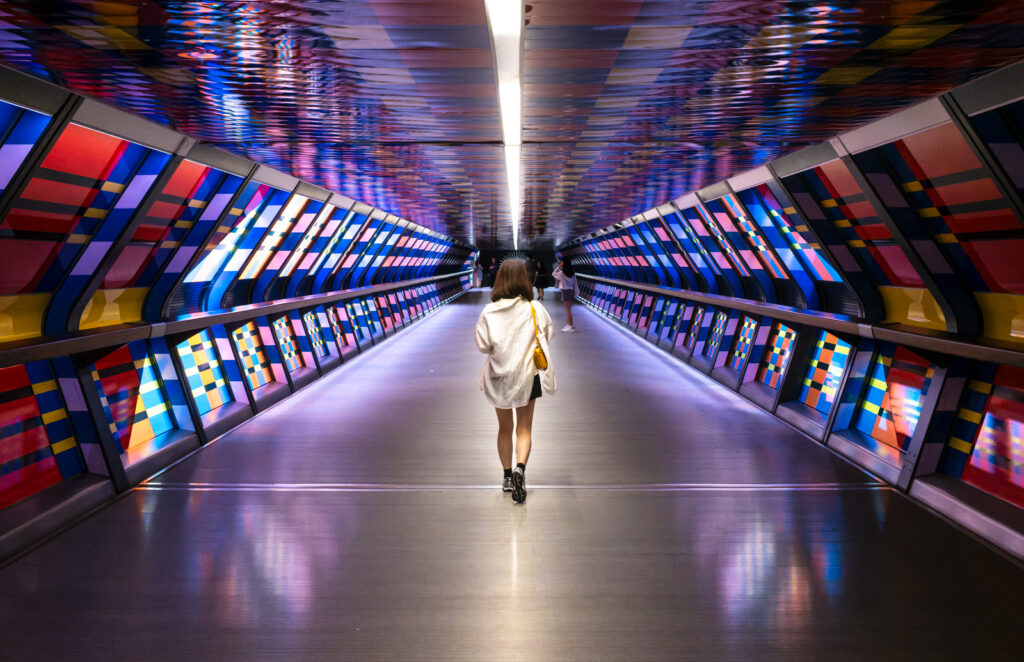
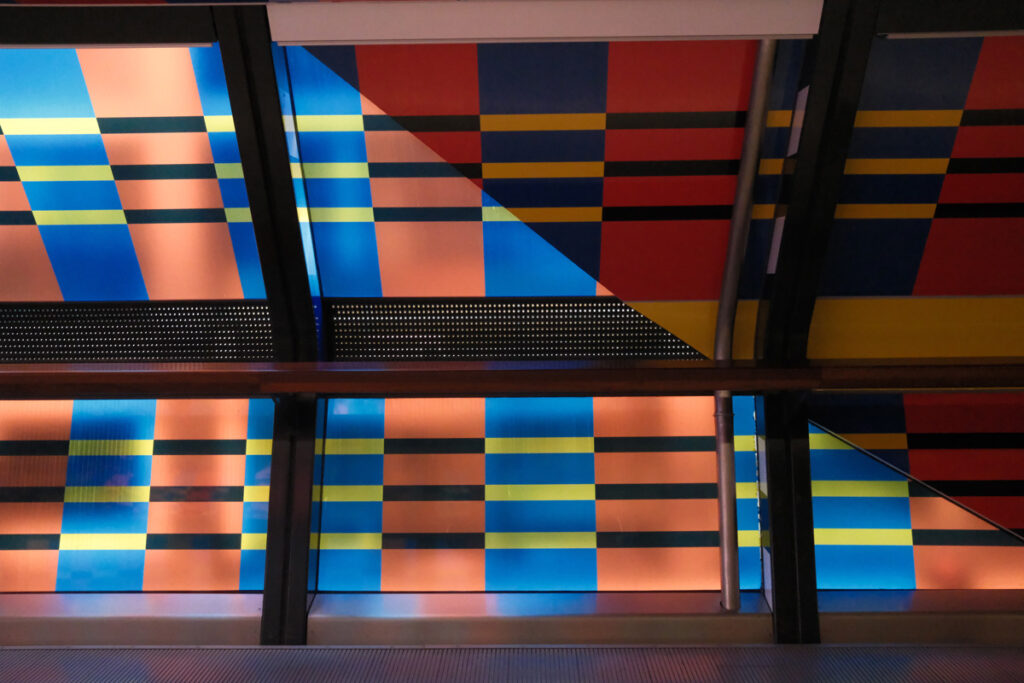
James, Holly and I then did some sightseeing of the artwork around Canary Wharf. I was keen to visit the Adams Plaza tunnel designed by Camille Walala. The blast of colour and light makes this a photographer’s dream. Whilst I was there, a young woman stood taking pictures in the centre of the tunnel and then walked slowly along. I could not resist taking a picture of her with the tunnel as a backdrop.
Photographing Canary Wharf 2006
The dramatic colours in the Adams Plaza tunnel.
Photographing Canary Wharf 2006
Geometry and colours on the bridge.

The Illusionaries Wall and the Roof Garden Umbrella Dance

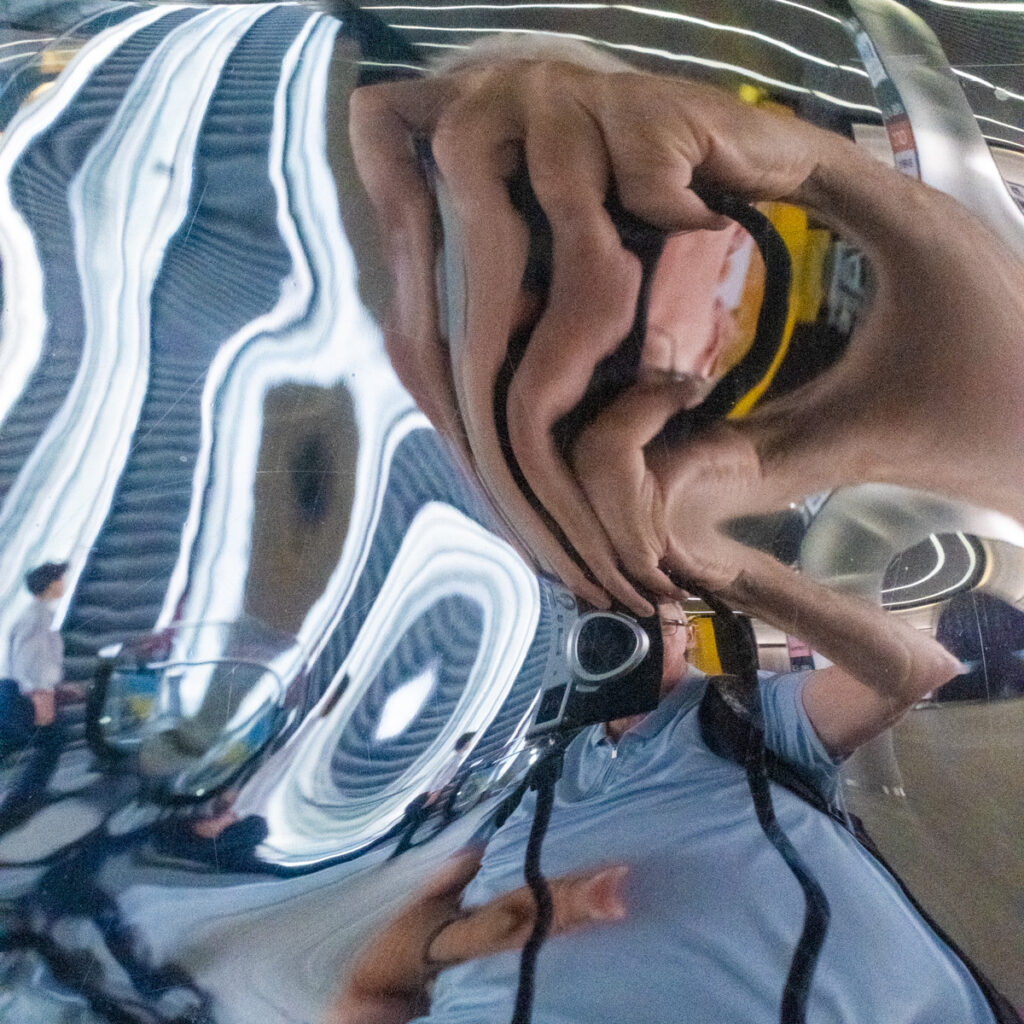
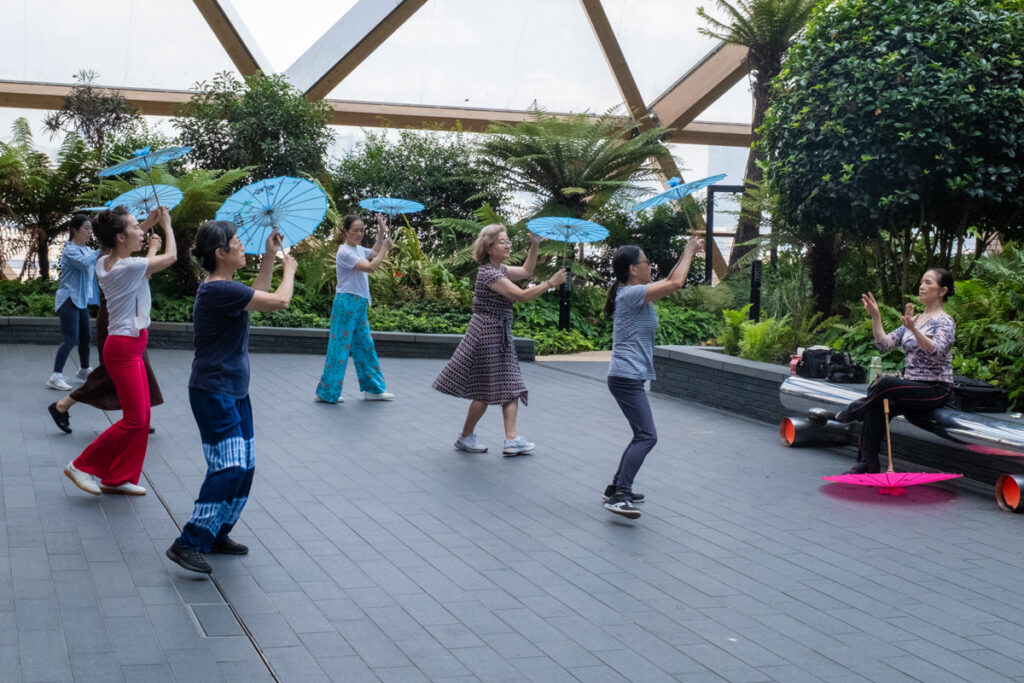
We made our way past the Illusionaries, and whilst we did not go into the installation we did stop for a few selfies on the distorted mirrored walls. I had not visited the Canary Wharf roof garden before. In one area of the garden, there was a group of Chinese ladies doing an umbrella dance. Unfortunately, even after taking lots of photographs, no rain was forthcoming.
Photographing Canary Wharf 2006
A distorted selfie.
Photographing Canary Wharf 2006
I loved the umbrella dance but there was no rain to go with it when I went outside.

Canary Wharf Photography: Capturing the Lunchtime Crowds

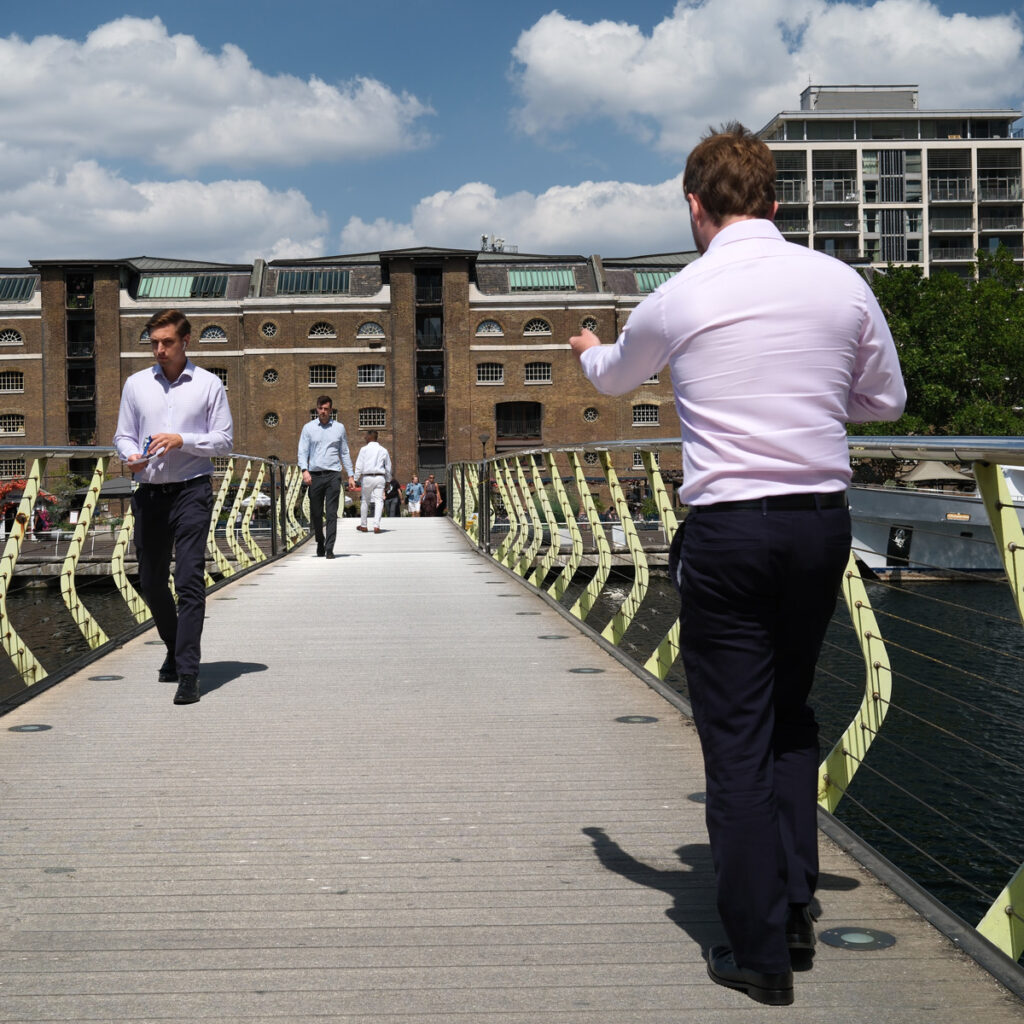
After lunch, James and Holly needed to get back to work in central London, which meant I had more time to spend with my camera. There were many opportunities for street photography amongst the office workers, who were more engrossed in enjoying their lunch break than in being photographed. So many of the men were wearing white or pink shirts, which made them stand out from the surrounding area.
Photographing Canary Wharf 2006
Office workers on the bridge.

Old Docks Meet New Skyscrapers: Contrasts in Architecture

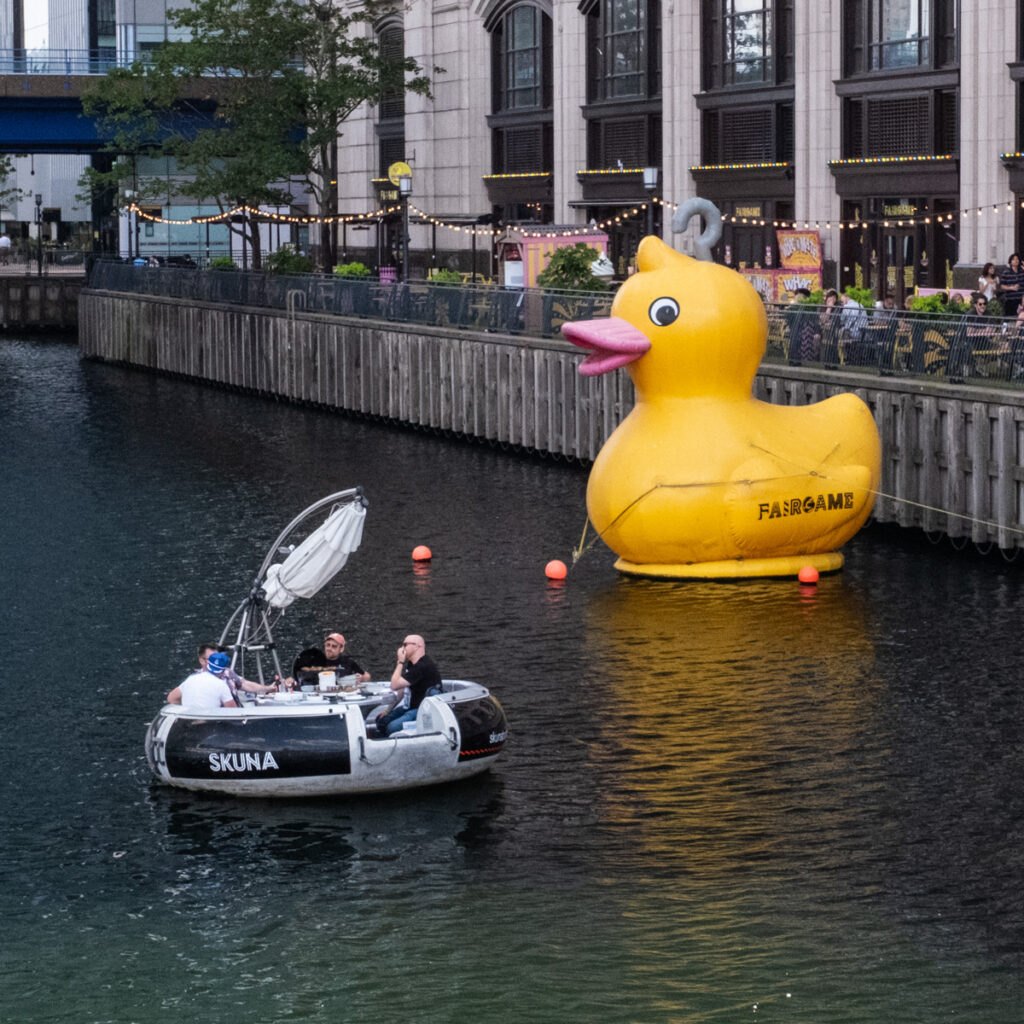
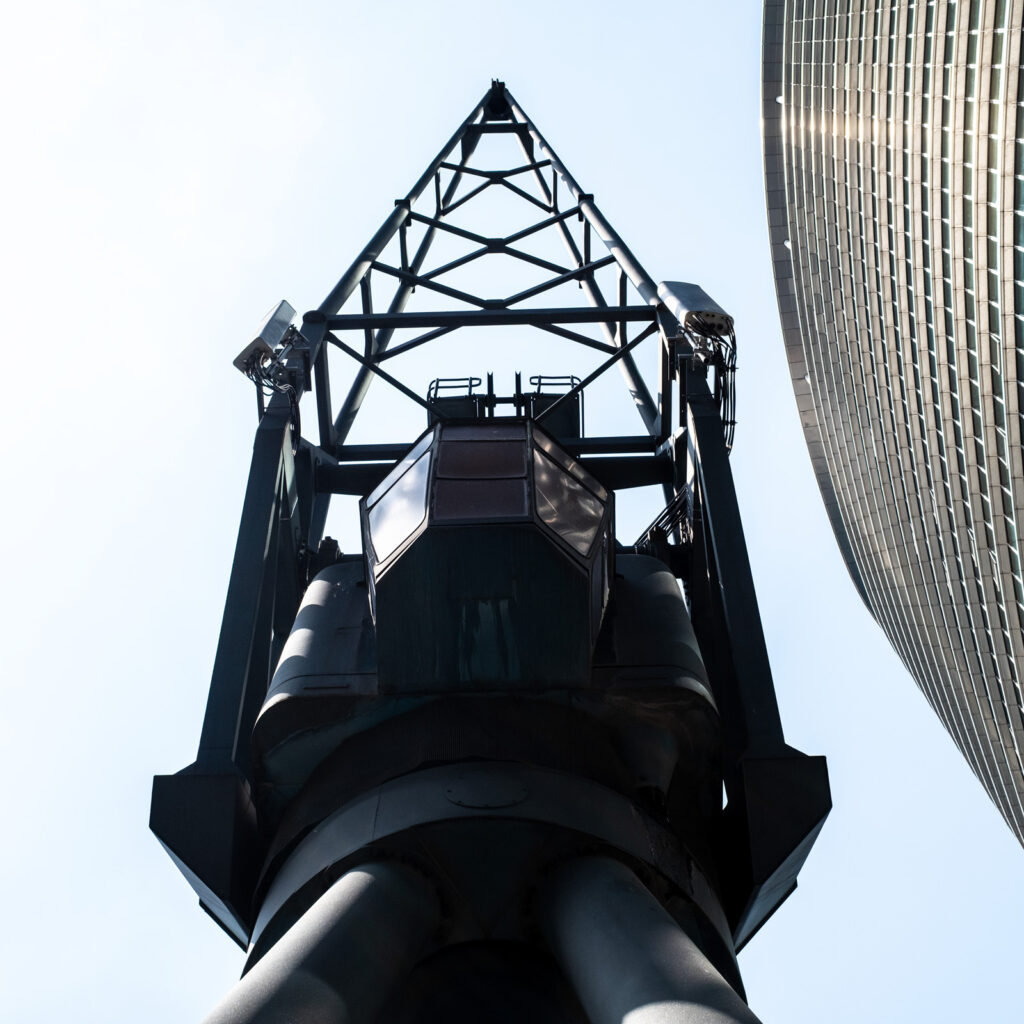
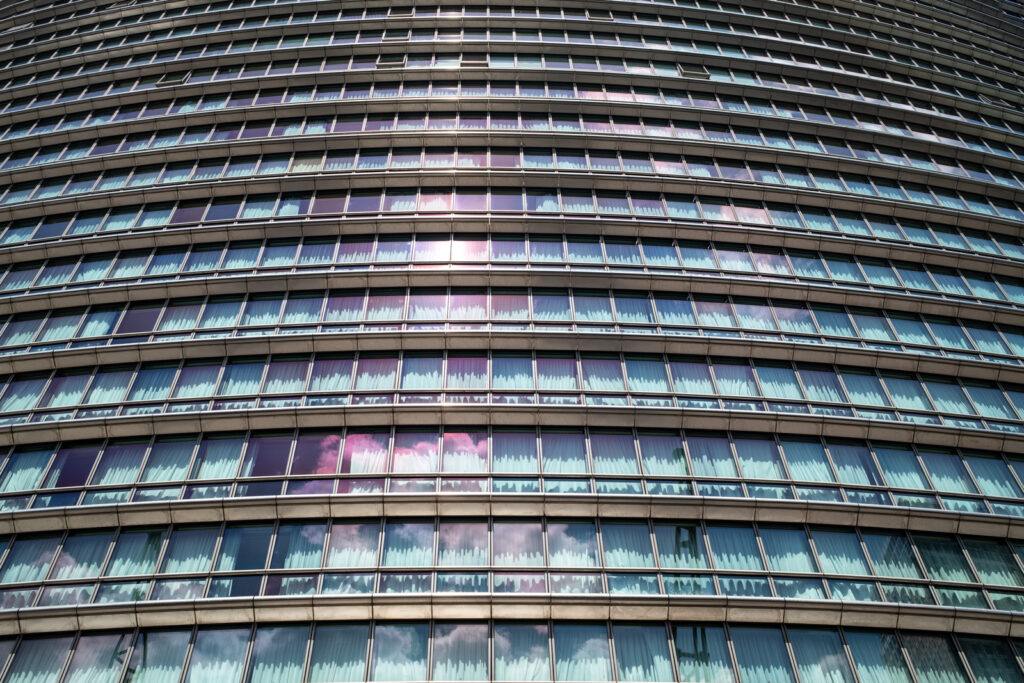
As I slowly moved through the area, there were many favourites, including the North Dock footbridge. Many office workers passed by, and it was a good vantage point to see a number of floating dinghies, each housing a table and food. The large duck sculpture was also fun to photograph. The remnants of the old docks contrasted with the new, shiny, reflective buildings. I liked the triangular shapes of the old cranes, and looking up, you could see the contrast between their sharp lines and the smooth outlines of the buildings.
Photographing Canary Wharf 2006
Contrasts between the old cranes and new buildings.
Photographing Canary Wharf 2006
The new shiny buildings offer several photographic opportunities.
Photographing Canary Wharf 2006
Lunchtime meals in a dinghy, which seem to be entertaining the yellow duck from Fairgame.

The artwork around Canary Wharf is amazing, and I found a useful guide to the main pieces of artwork. Free London Walks is by Anna Kmiecik and lists the artwork on show with maps on where to find them.

Sculptures: Standing Figures of a man and a woman and Two Men on a Bench

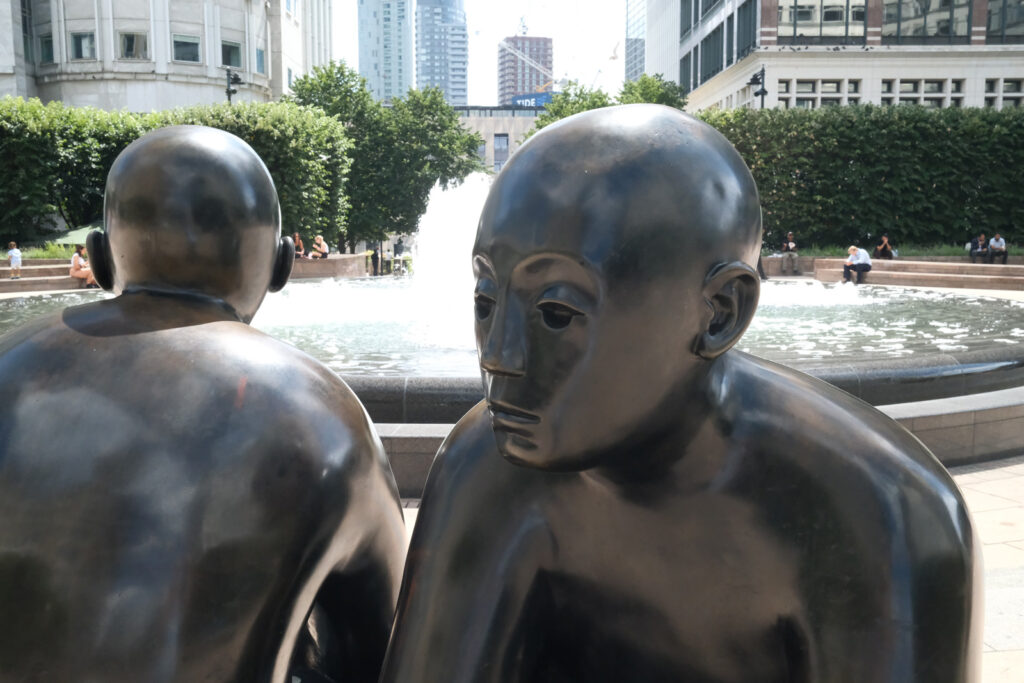
I passed several statues on my travels through the plazas of Canary Wharf, too many to mention, although taking pictures in the direct sunlight proved to be a challenge. One photo that came out well was of the ‘Two Men on a Bench’ sculpture by Sean Penny. Catching the expression of the men worked well.
Photographing Canary Wharf 2006
Two men on a bench and this shows they are ignoring each other.

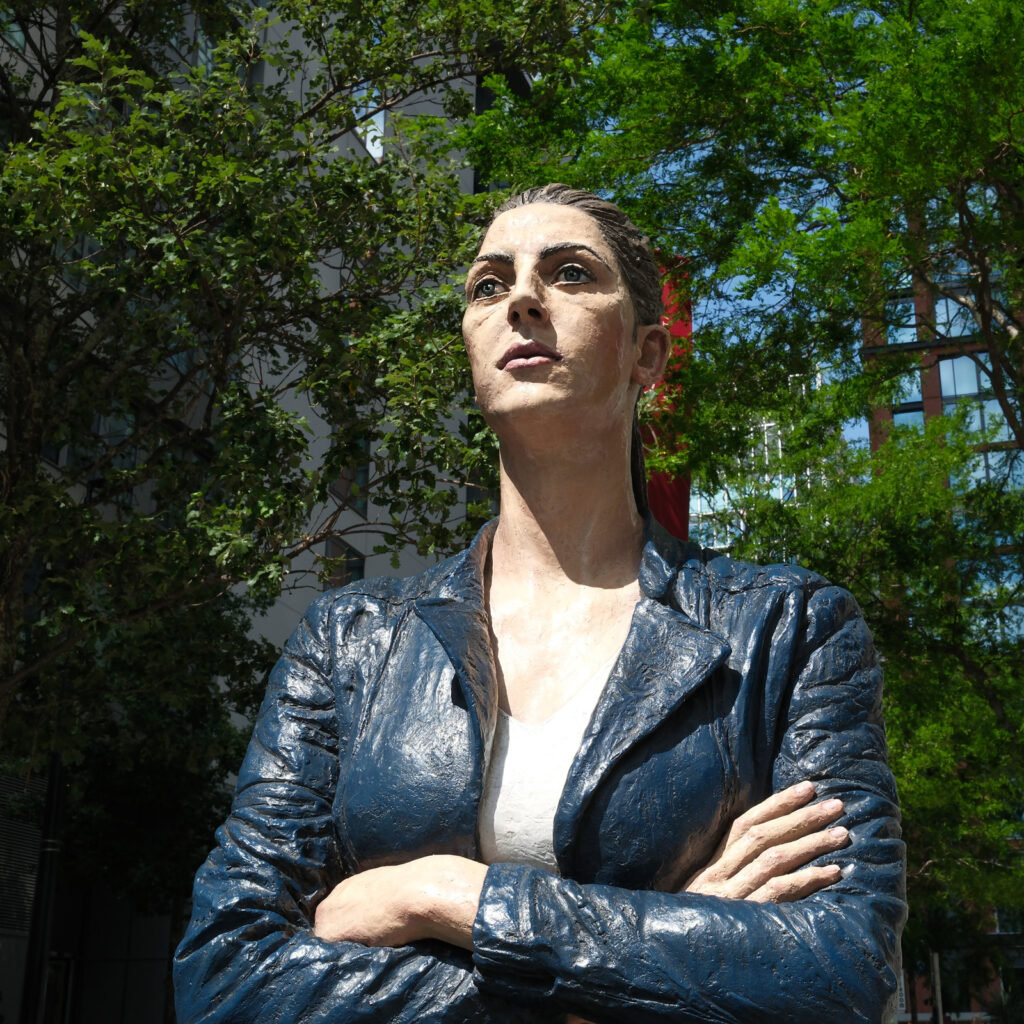
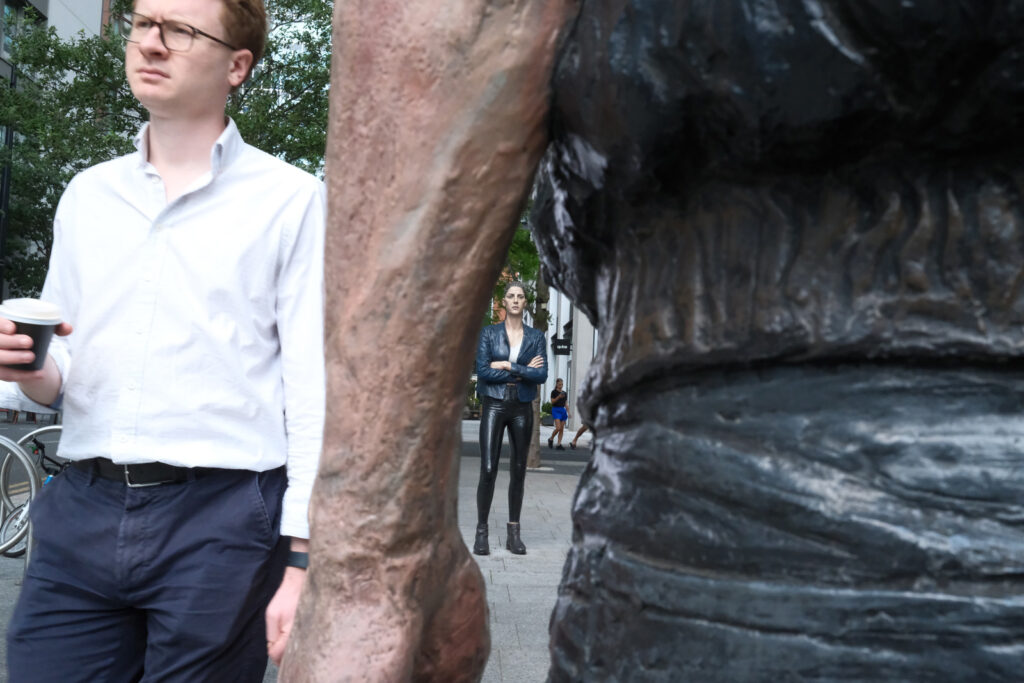
I love the sculptures by Sean Henry. He creates painted bronze statues that are either smaller or larger than life size. The two Standing Figures of a Man and a Woman stand on the pavement, gazing at each other. When you approach, you think at first that they are real people. Then the scale of the statues becomes apparent. I loved taking pictures of these two figures, using their hands to frame passers-by, with a measure of success.
Photographing Canary Wharf 2006
The women stands with arms crossed looking across at the man.
Photographing Canary Wharf 2006
A passerby pushes past the man whose open hand frames the woman.

The Tear by Richard Hudson: Canary Wharf’s Silver Teardrop

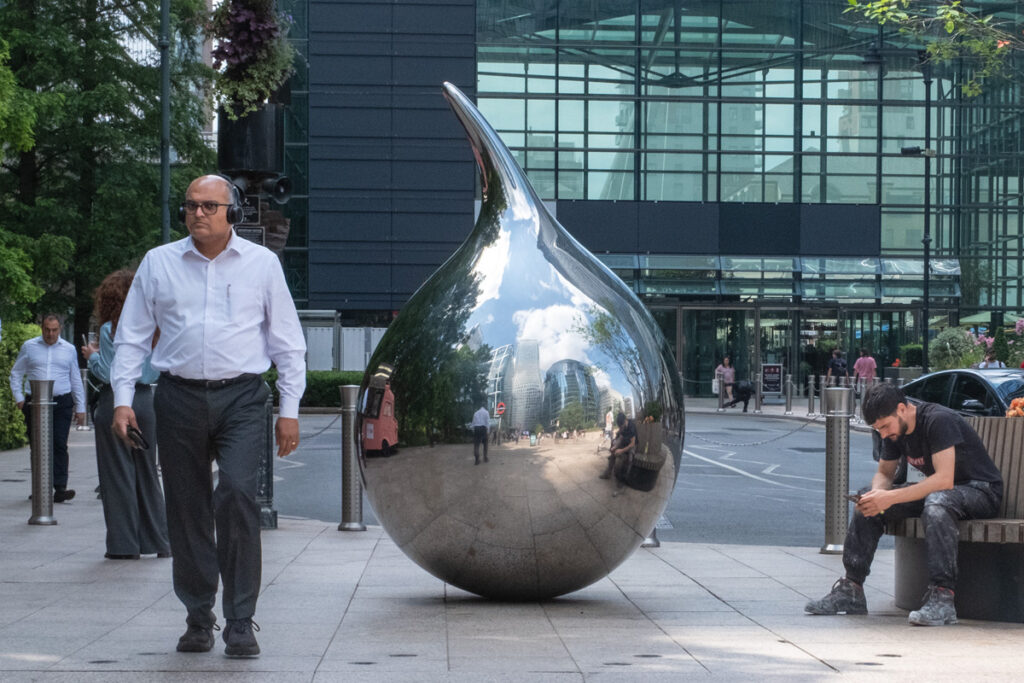
While there was plenty of other excellent artwork to encounter, I did need to get back home. There was one more piece to photograph: the Tear, by Richard Hudson. This sits near Canary Wharf tube station and is a large silver teardrop. The reflections are nicely distorted, so you can catch people and surroundings in your shot. The presence of a colourful food truck helped a great deal.
Photographing Canary Wharf 2006
The tear creates a story around anyone who passes nearby.

Final Shots at Canary Wharf Tube Station
Photographing Canary Wharf 2006
Looking back.

More photographs were taken of Canary Wharf tube station before heading home. I always enjoy Canary Wharf, as my previous blogs show. Please feel free to read my London Times blog on a walk along Regent’s canal which takes in Canary Wharf.
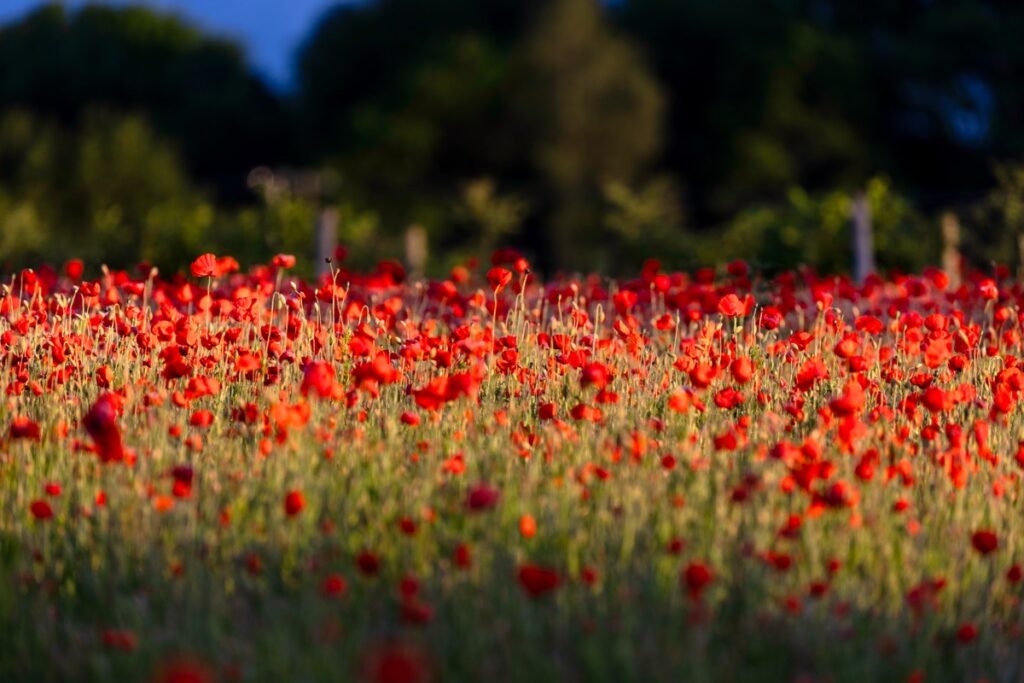
Bewdley Worcester poppy field

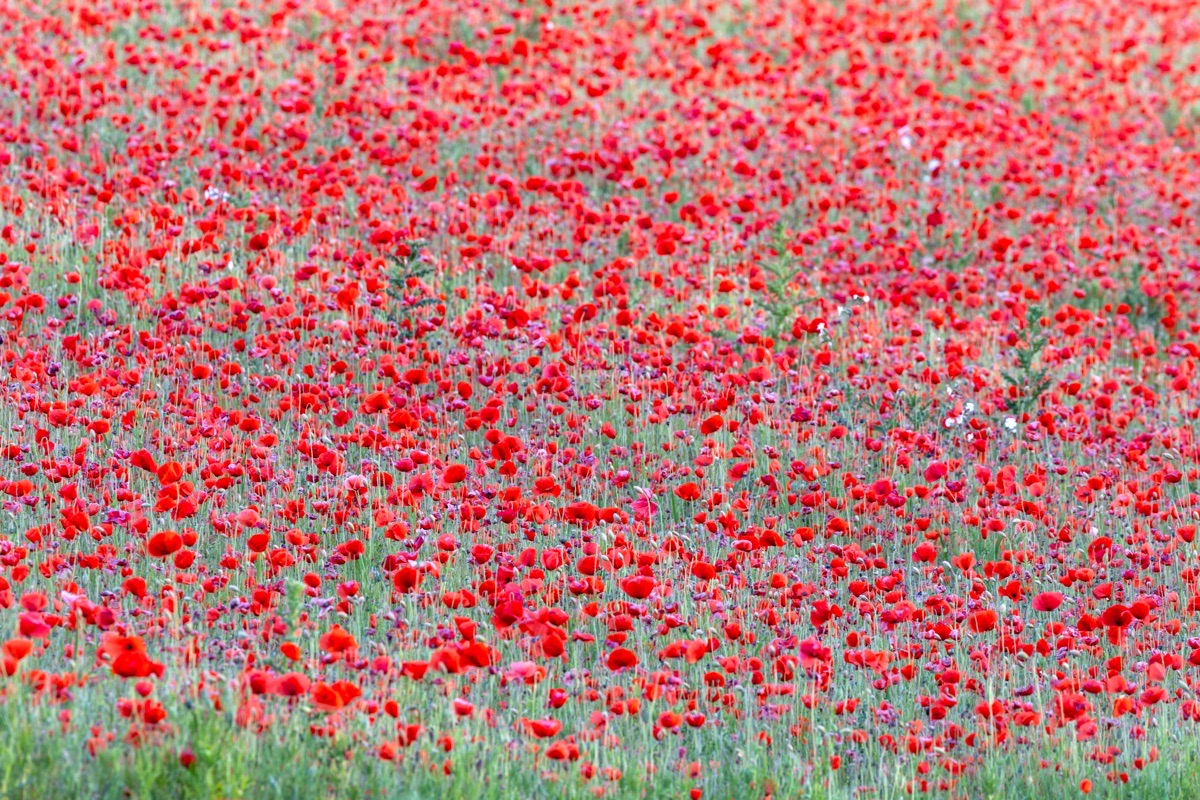
A poppy field in full bloom is a wonderful sight. A field of closely packed flowers creates a sea of red, often stretching as far as the eye can see. Around the end of May and into early June, poppy fields appear almost unannounced, much to the delight of seasoned poppy hunters. The common hotspots are generally found in Wiltshire, Norfolk and Worcestershire, but a poppy field can be found almost anywhere in the country.

The aim of this blog is to provide some tips on photographing a poppy field. Whether you use a smartphone or a dedicated camera, a few simple steps will help ensure you return home with some memorable images that will amaze family and friends and perhaps gain you a few extra likes on social media.

Bewdley Worcester poppy field
The use of thirds in the picture helps direct the viewer to the red line of poppies.

As a case study, I am going to use some recent pictures from a colourful poppy field that I visited near Bewdley. This was in a similar area to a popular blog that I posted a few years ago.

When photographing poppy fields, there is always an opportunity to practise on other wildflowers that appear earlier in the year. At the end of January there are snowdrops, while from late April into May there are bluebells and wild garlic. The latter flowers also offer advantages for those who enjoy foraging.

Bewdley Worcester poppy field
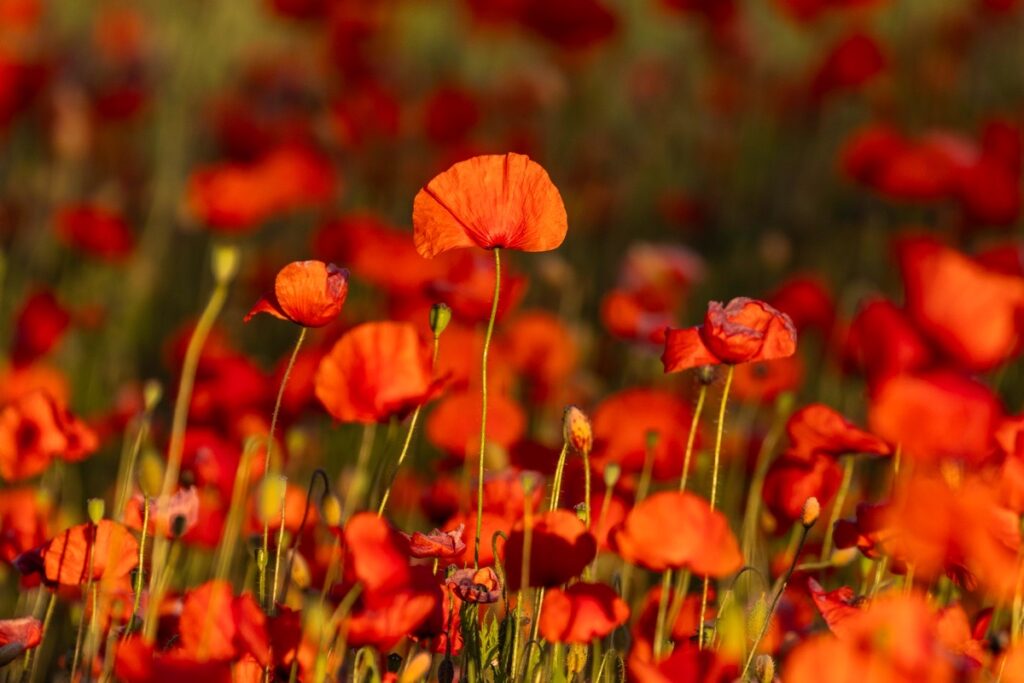
Poppies basking in the sun.

My advice is to keep an eye on social media posts that reveal where wildflower fields are appearing. Facebook searches for poppy fields will often reveal recent sightings. People rarely contain their enthusiasm when posting about these displays. Unless you know the person posting, however, I would refrain from asking for the exact location of the field. Part of the fun is carrying out your own research and discovering where the flowers are growing.

The ideal time to photograph a poppy field is either at sunrise or sunset. The soft light of the golden hour brings out the vibrant colours of the flowers. Planning your photographs is also important. You may read various forms of advice, but personally I like to create a visual story consisting of five to ten images.

Bewdley Worcester poppy field
This poppy looks as if it is addressing all the other poppies!

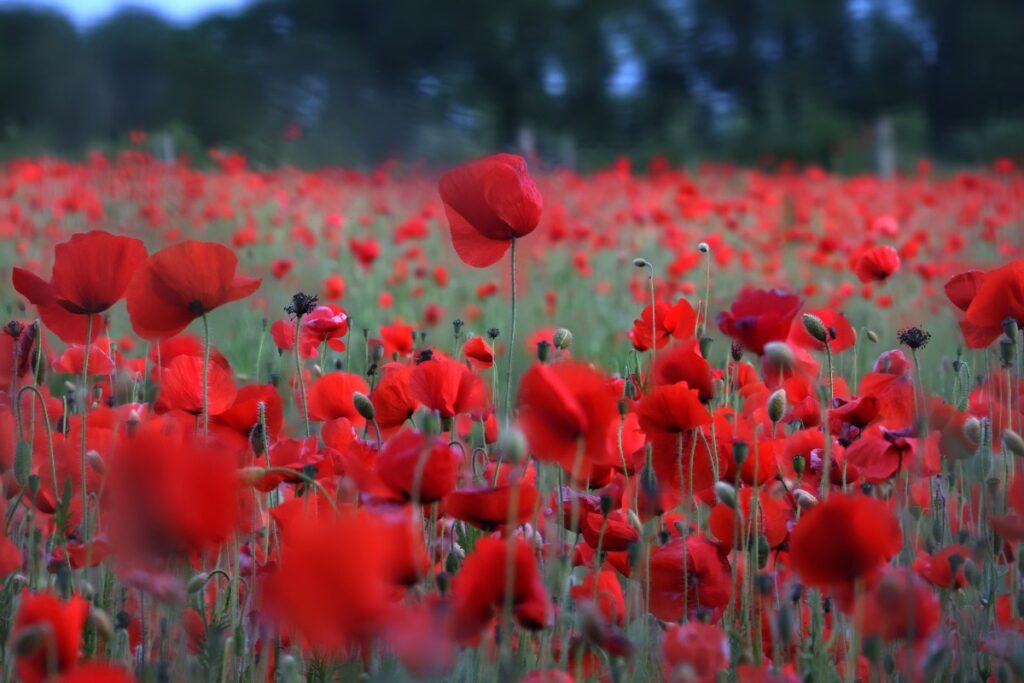
The set benefits from an overall photograph of the field, allowing the viewer to appreciate the scene as you first saw it. Often, this is the view that visitors remember most from their visit. Next, I take a series of medium-range images of the field. I think in thirds when composing these photographs and look for contrast. The lower third or two-thirds of the frame will often contain the poppies, while the upper portion will feature the sky or a line of trees. Contrast may come from colours or from different species of flowers growing together. A field will usually contain many other wildflowers and plants.

Bewdley Worcester poppy field
A medium range picture with a focus on one poppy.

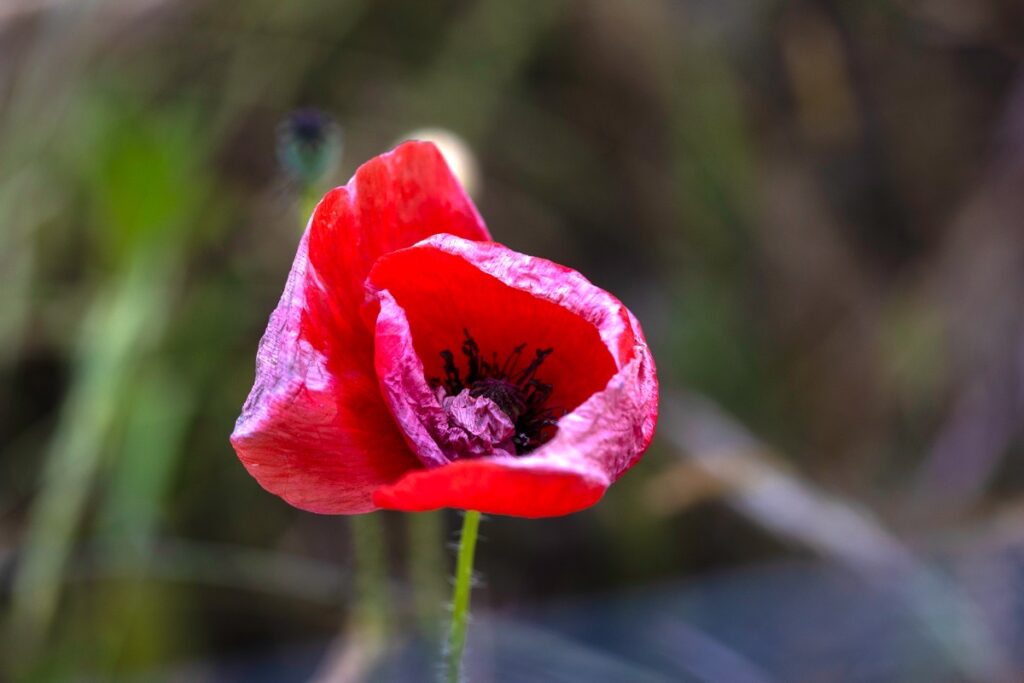
While taking these medium-range photographs, I begin looking for close-up images of individual flowers or petals. If you find other flowers or crops growing among the poppies, try incorporating them into the composition. They contribute to the story, showing why the poppies are there and what else is growing around them.

Bewdley Worcester poppy field
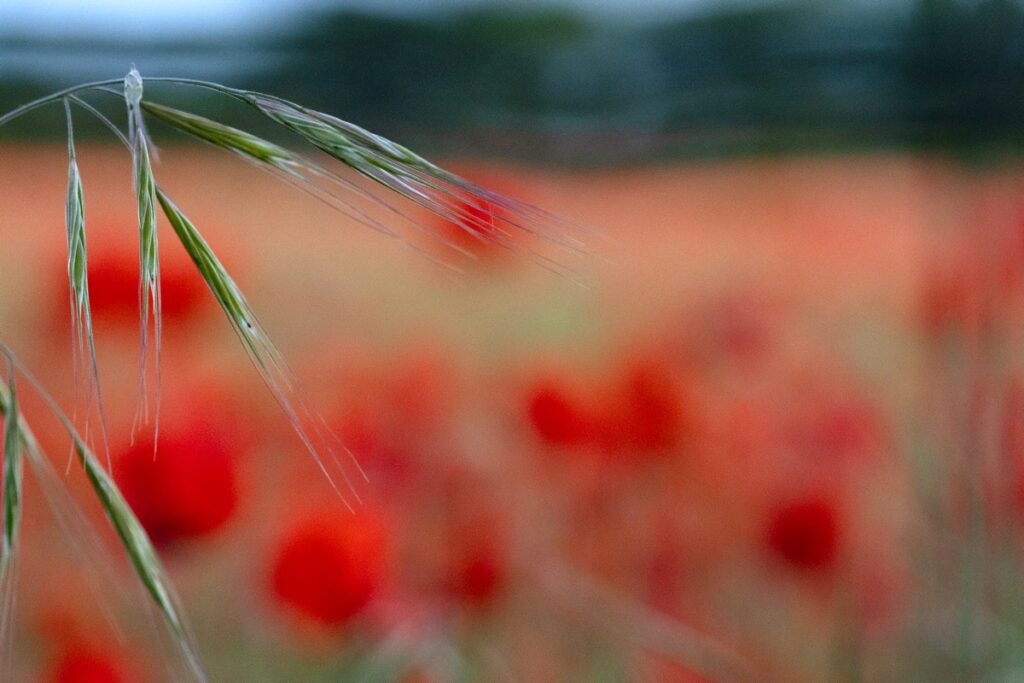
A fortunate mistake, My lens autofocus picked up the ear of corn throwing the poppies out of focus. The result is a pleasing and different picture.

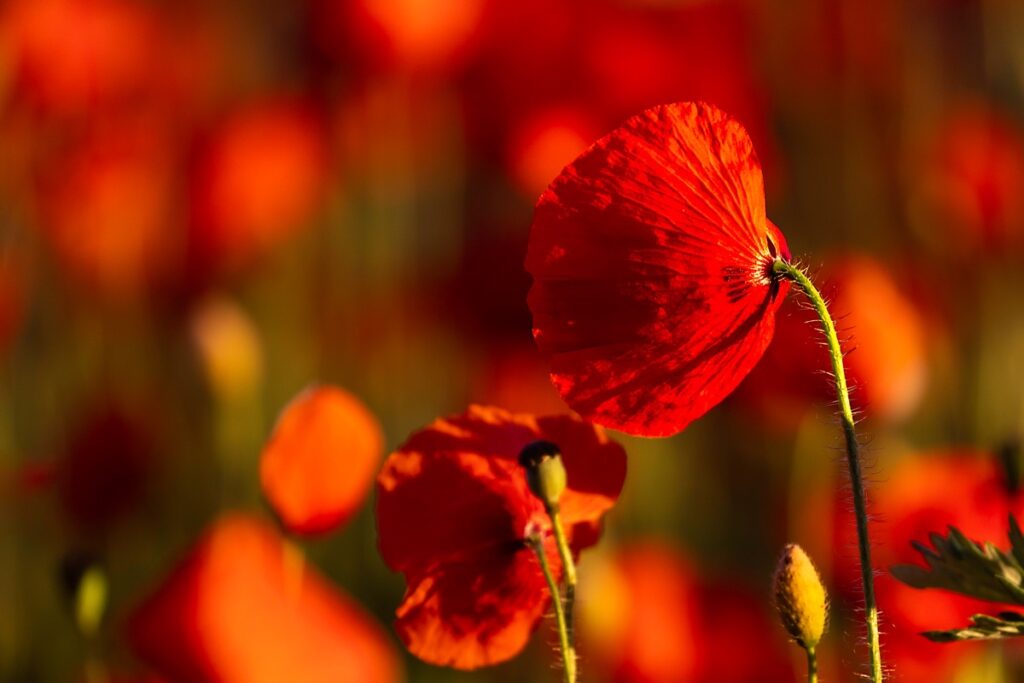
Finally, I start looking for something different that may help my pictures stand out. This is not straightforward and is not an easy task to do well. One technique is to throw the background out of focus using a wide aperture so that the viewer’s gaze is drawn to the flowers that remain sharp. This can be tricky to achieve.

Bewdley Worcester poppy field
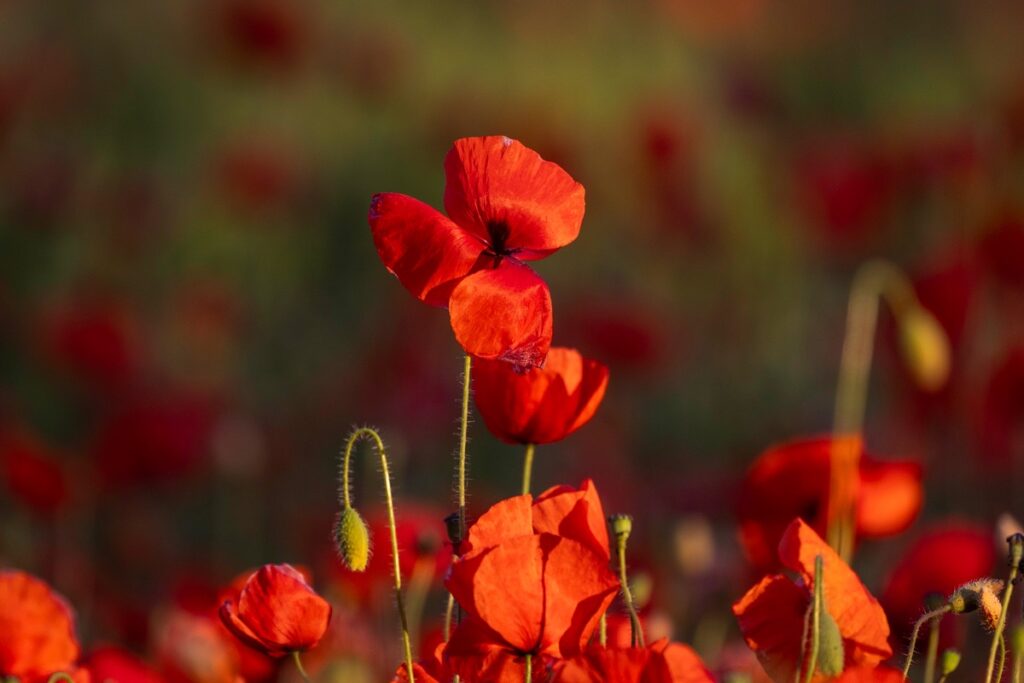
There are always poppies that are taller than the others.

When you move in close to the poppies, you will notice many chaotic patterns. Your skill as a photographer is to make sense of the sea of red before you. Look for patterns and observe how the flowers relate to one another. Are two poppies facing each other? Do they look as though they are talking? Is one poppy standing alone? You may find one that is taller than the others and naturally draws attention. Once you begin thinking in this way, you start to see photographs emerging from the apparent chaos. Isolate these subjects with a tight composition and a carefully chosen field of view.

Although I am always excited to discover a poppy field, I do not move around too much. Once I have selected a position, I tend to stay with it. After capturing a set of photographs, I may move to one or perhaps two other locations. After many years of photographing wildflowers, I do not walk into the flower fields. Doing so rarely leads to a better view and often results only in trampling the work of nature. Be respectful and consider the landowner by not trespassing.  Contain your enthusiasm and work around any limitations.  

Bewdley Worcester poppy field
A close up of a poppy.

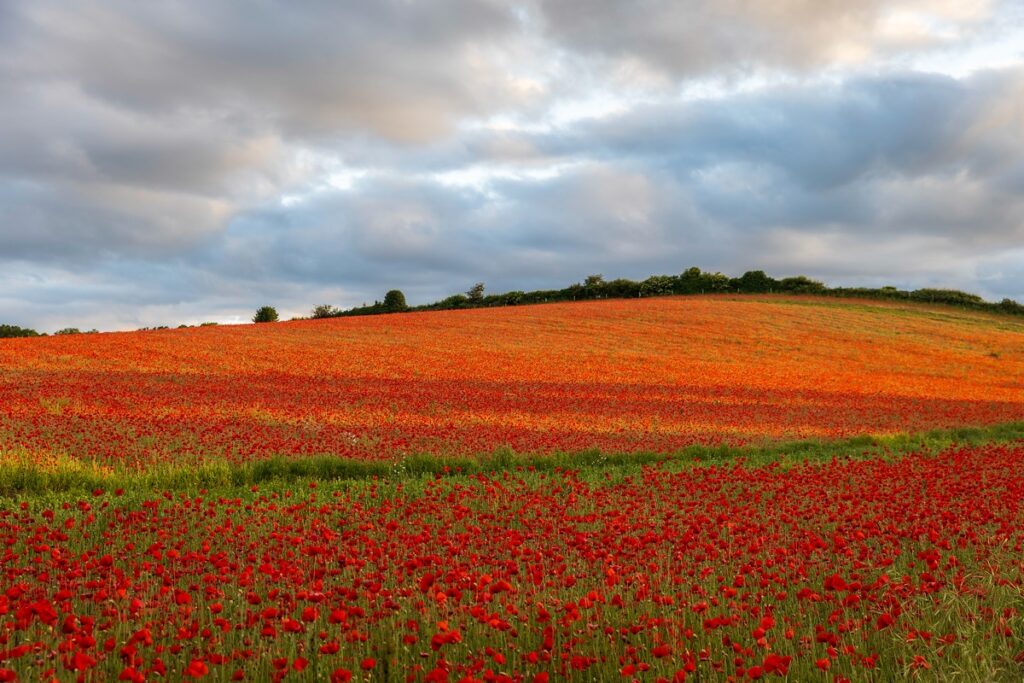
Which camera should you use? This is one of the most common questions photographers are asked. My answer is how you compose your photograph matters more than the camera you use. However, there are a few useful considerations. A telephoto lens compresses the scene and intensifies the impact of the colours, while a wide-angle lens shows the landscape surrounding the field.

Bewdley Worcester poppy field
Finally a landscape view of this amazing poppy field in Bewdley.

I also recommend carrying a tripod, regardless of which camera you use. A tripod allows you to experiment with slower shutter speeds, making it possible to create intentional camera movement (ICM) images and other creative effects.

This blog is intended as a starting point for photographing wildflower fields. While I have focused on poppy fields, the same techniques can be applied to many other wildflower displays. If you would like access to a colourful and reliable location in which to practise your photography, I strongly recommend visiting the annual Confetti Fields in Wick, near Pershore.

Here is another link to follow for ideas on photographing a poppy field.

If you work on your composition and follow the tips outlined in this blog, then one day you may be successful with your poppy field photographs.

0
    0
    Your Cart
    Your cart is emptyReturn to Shop