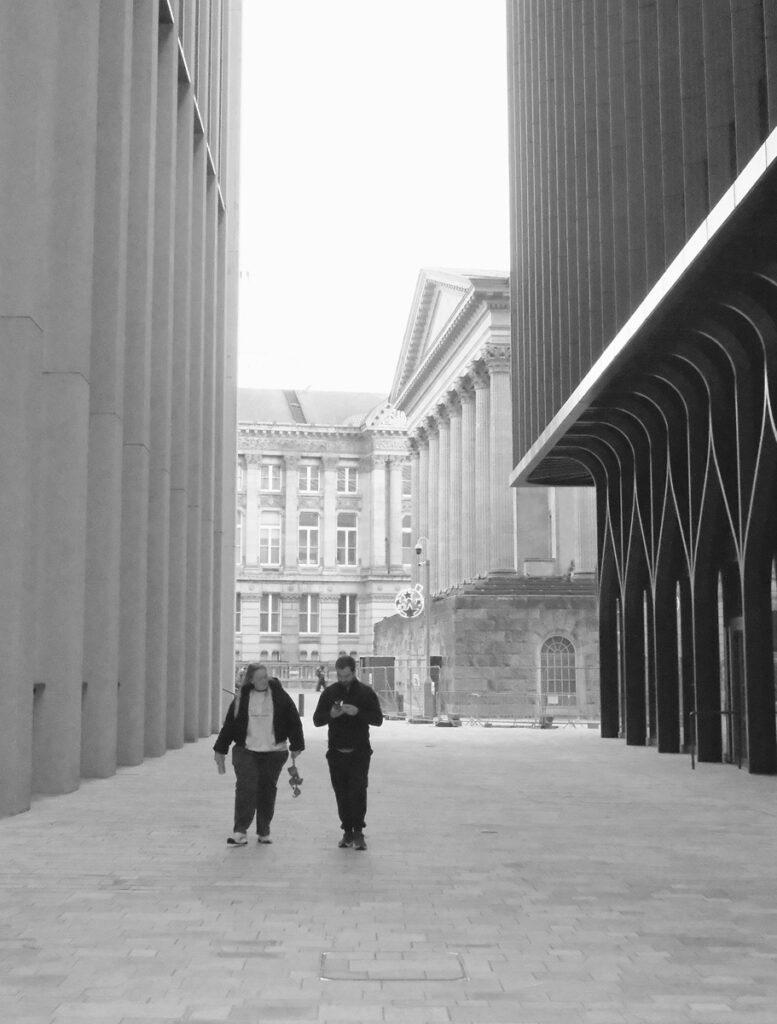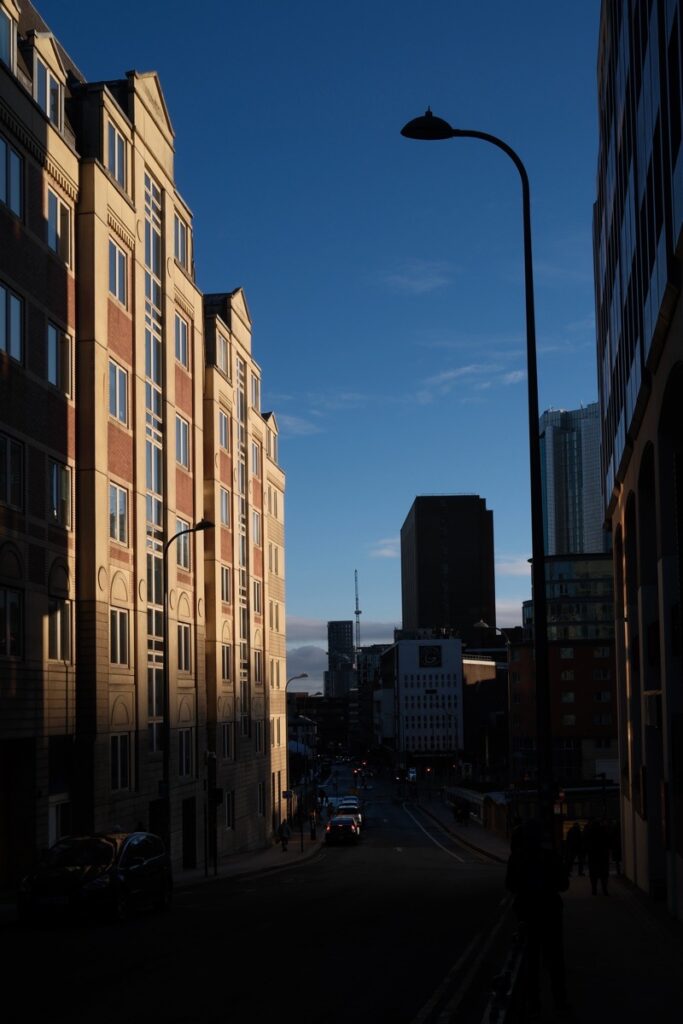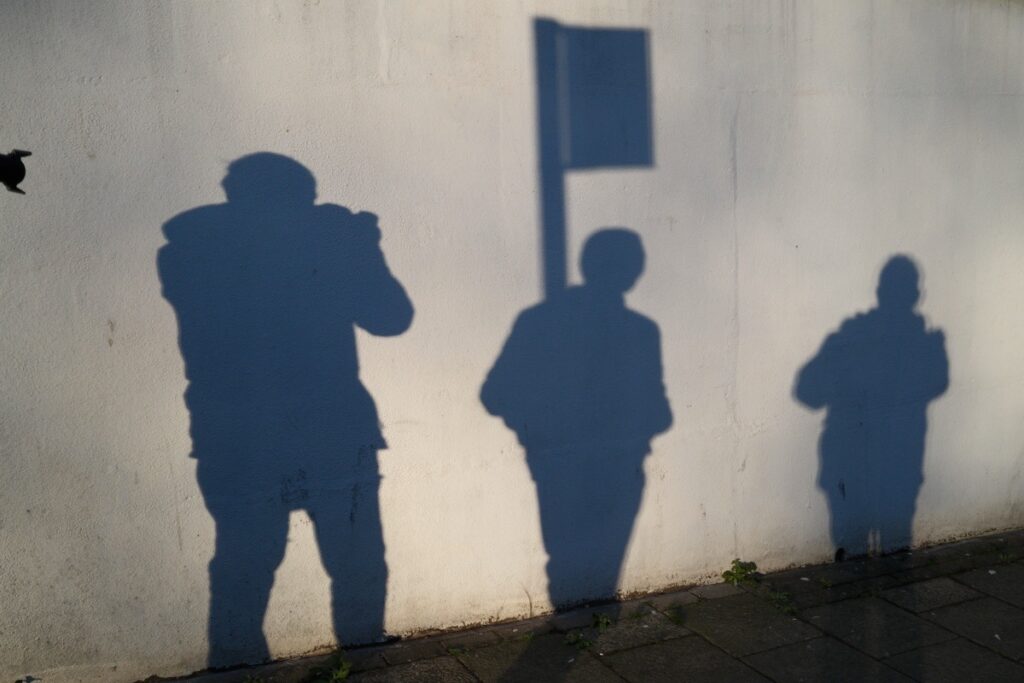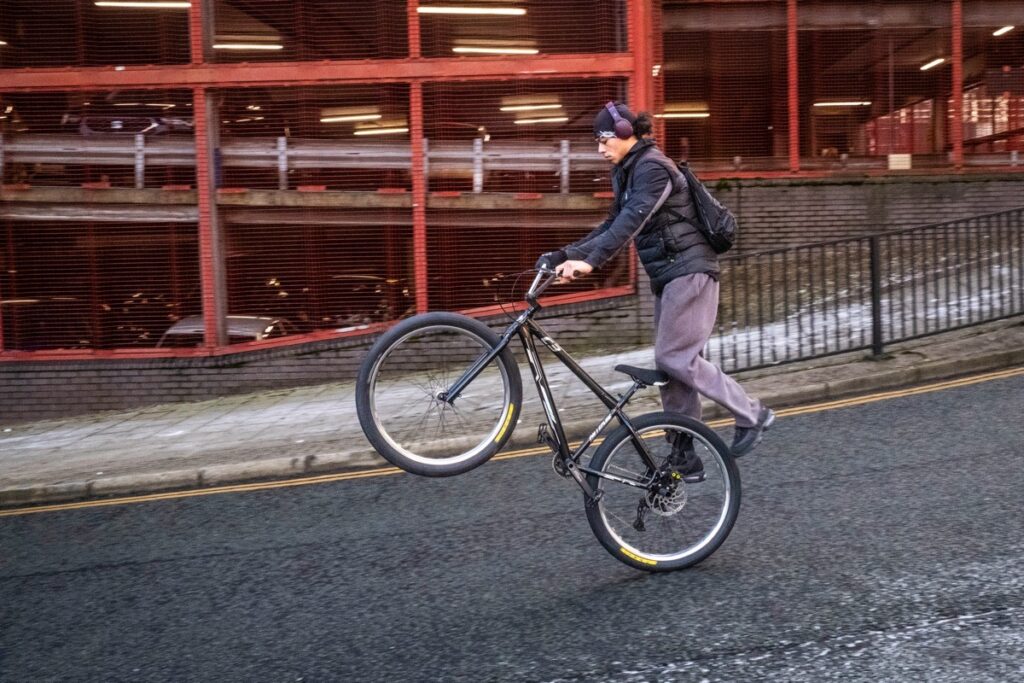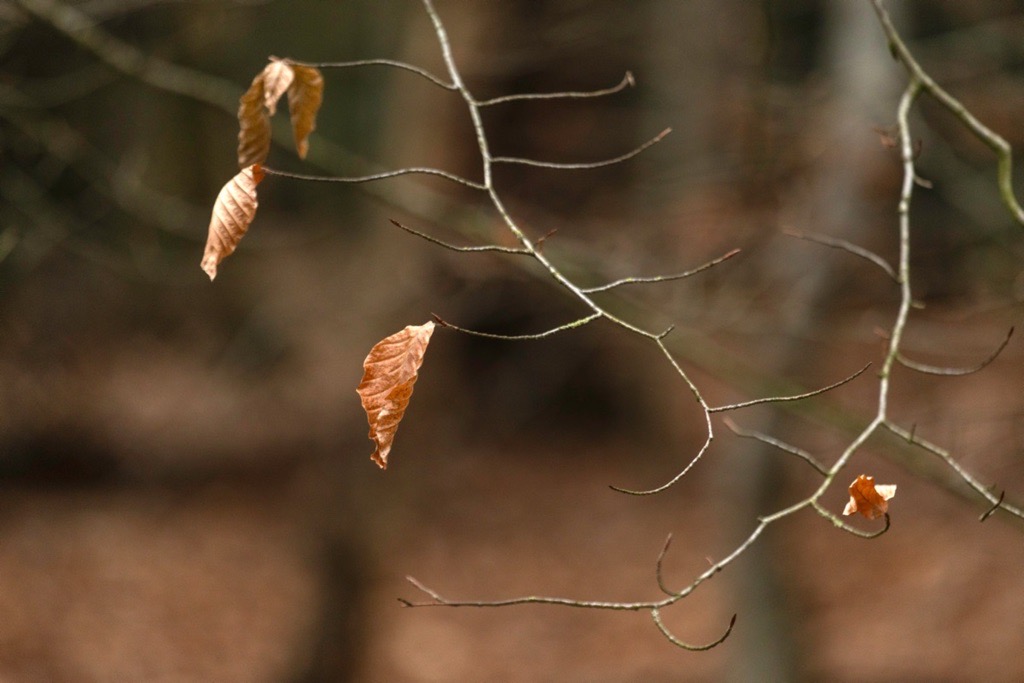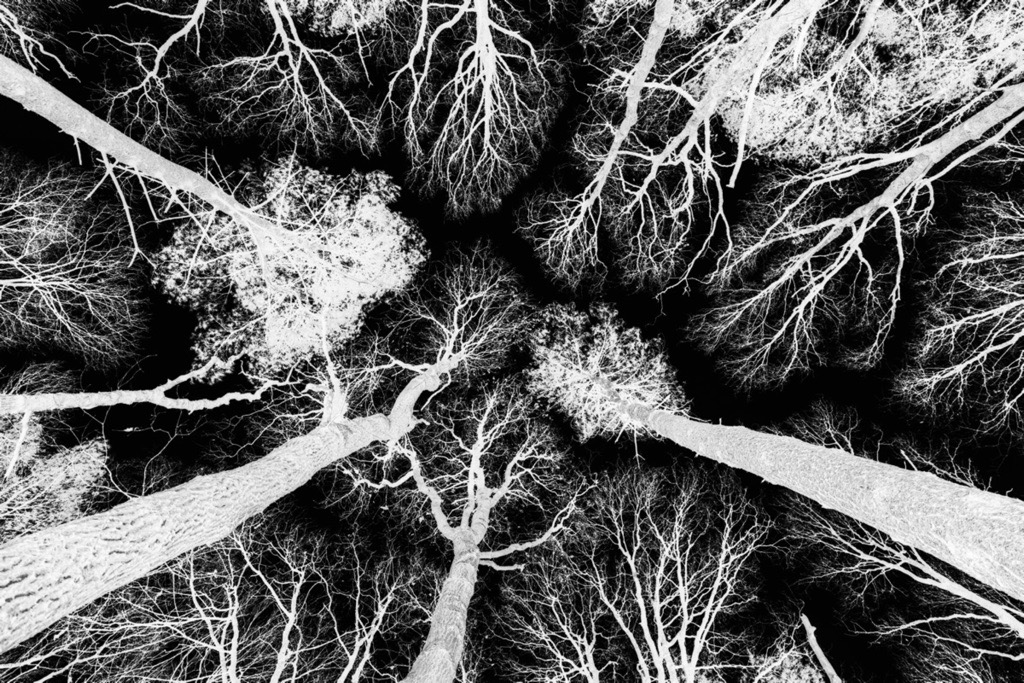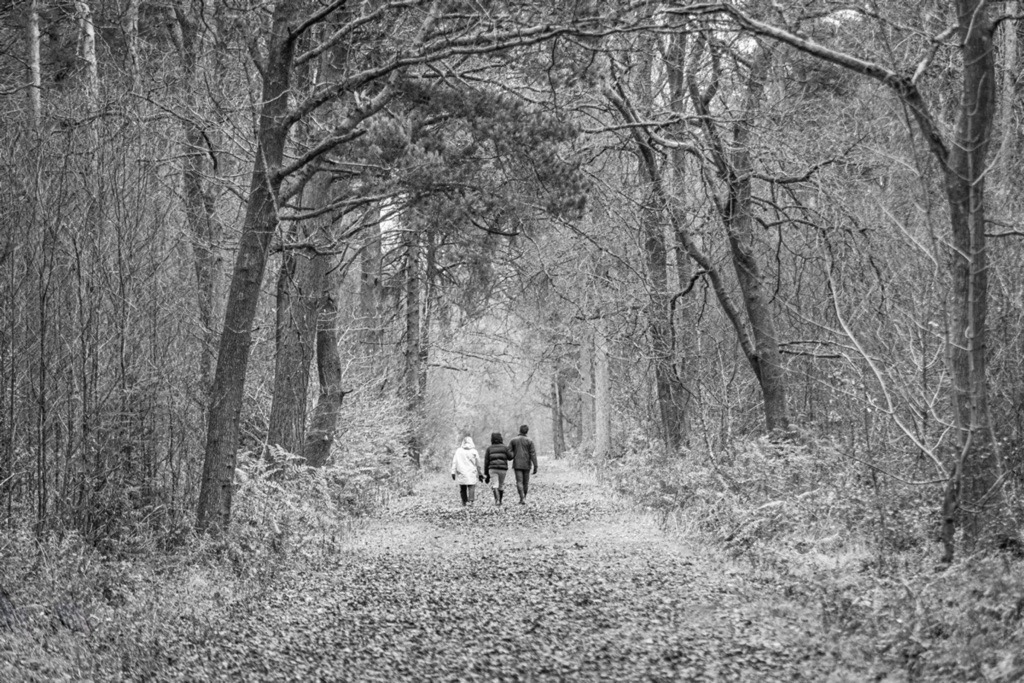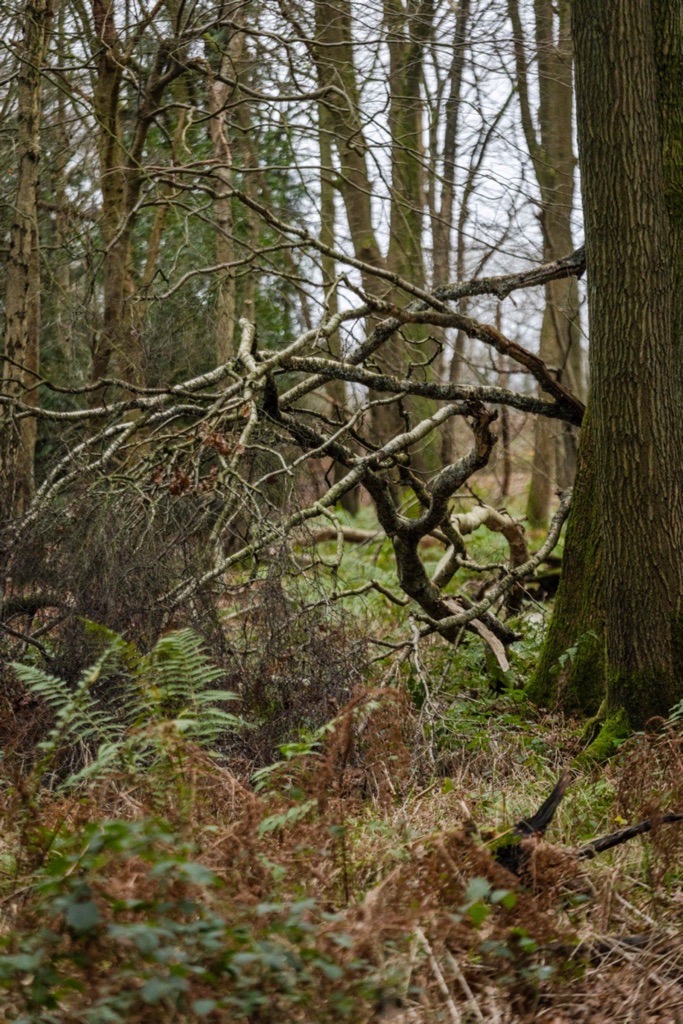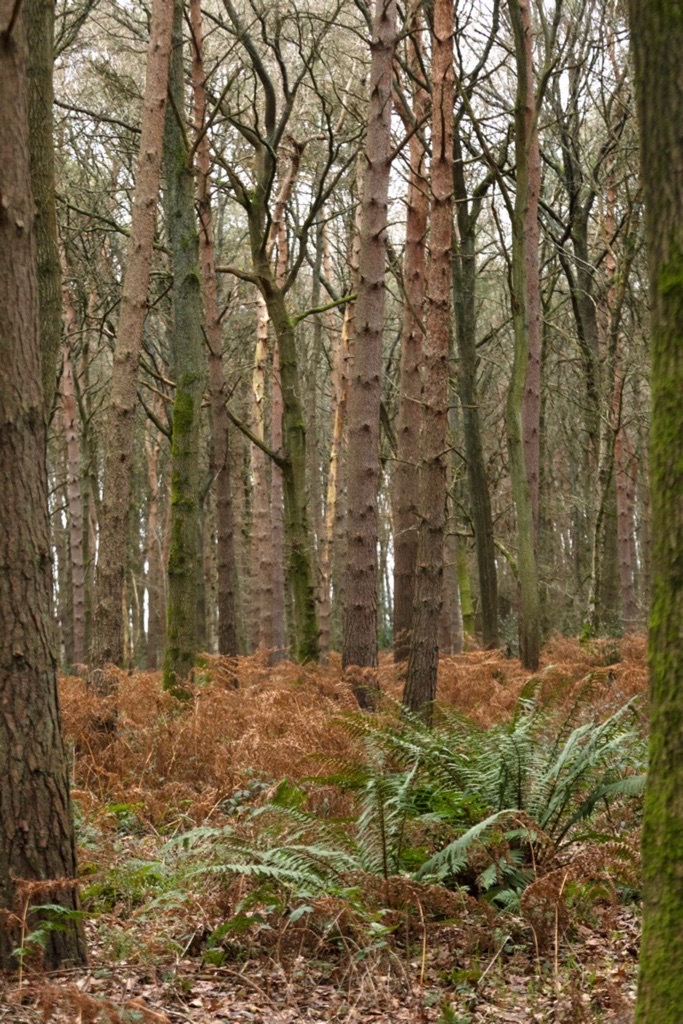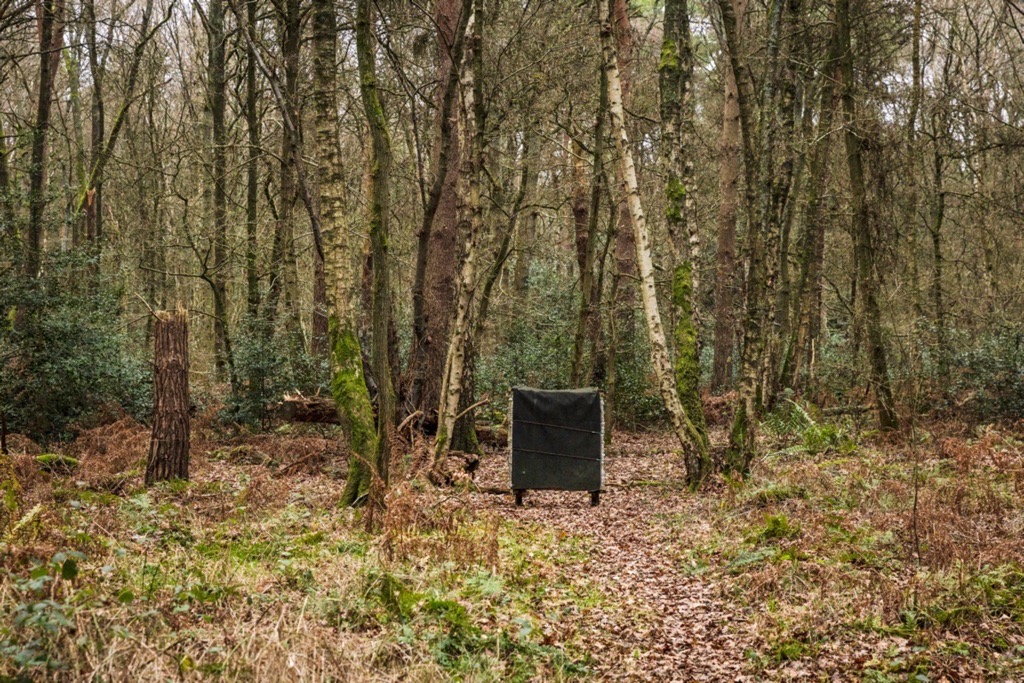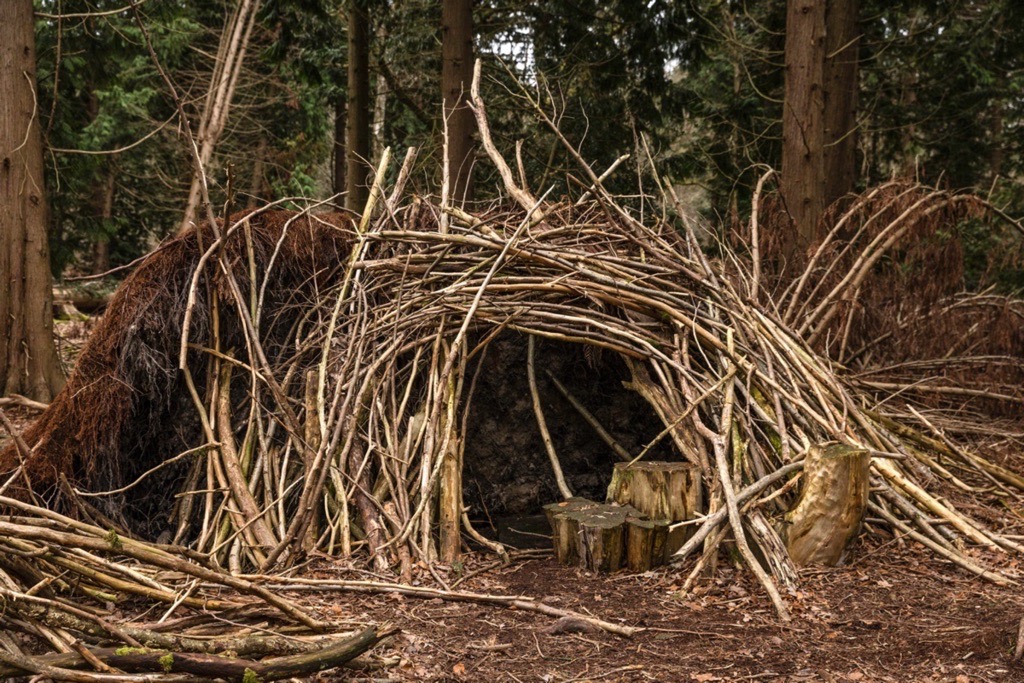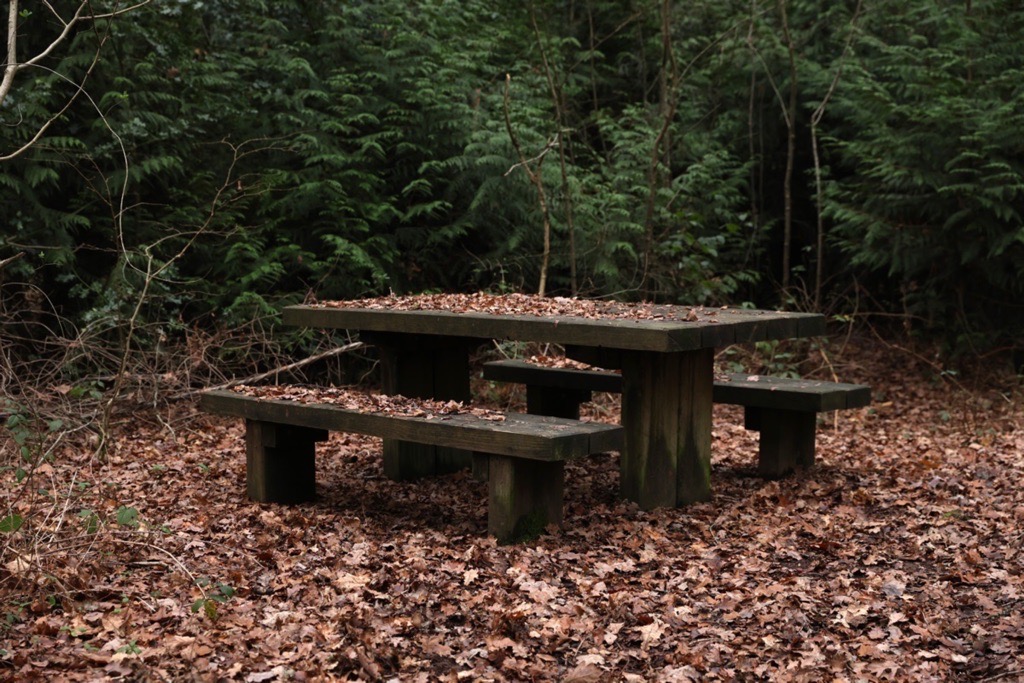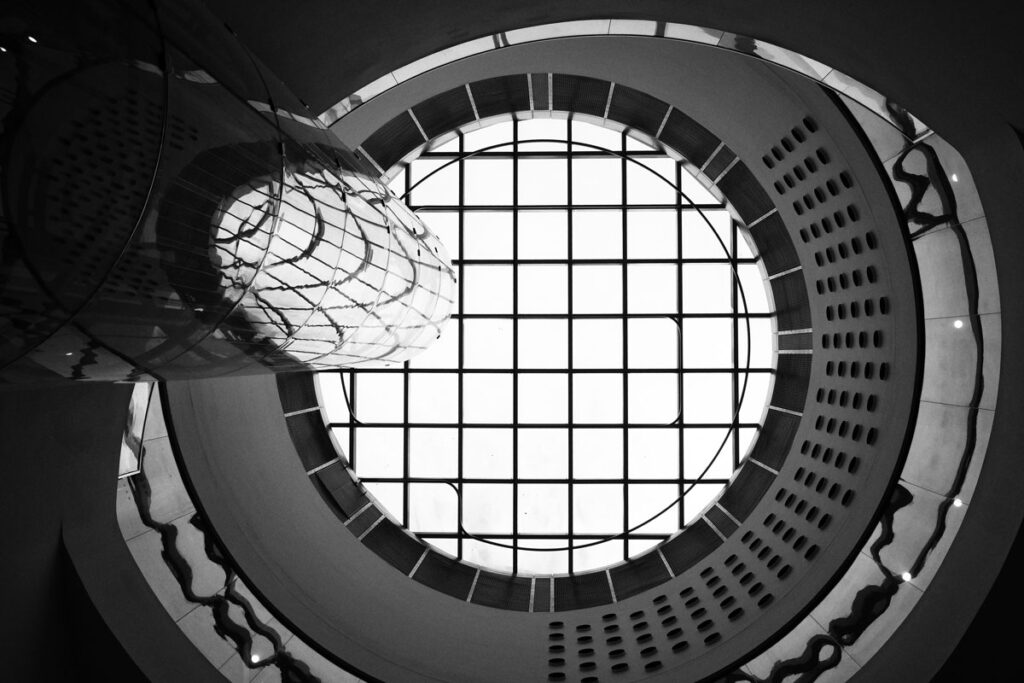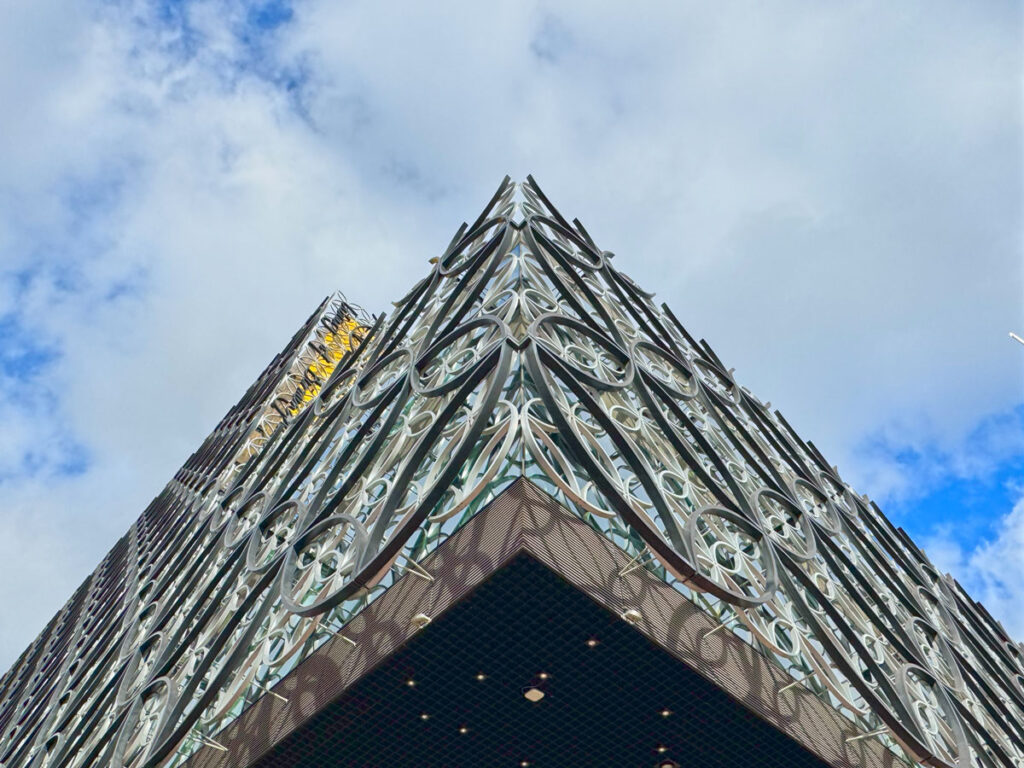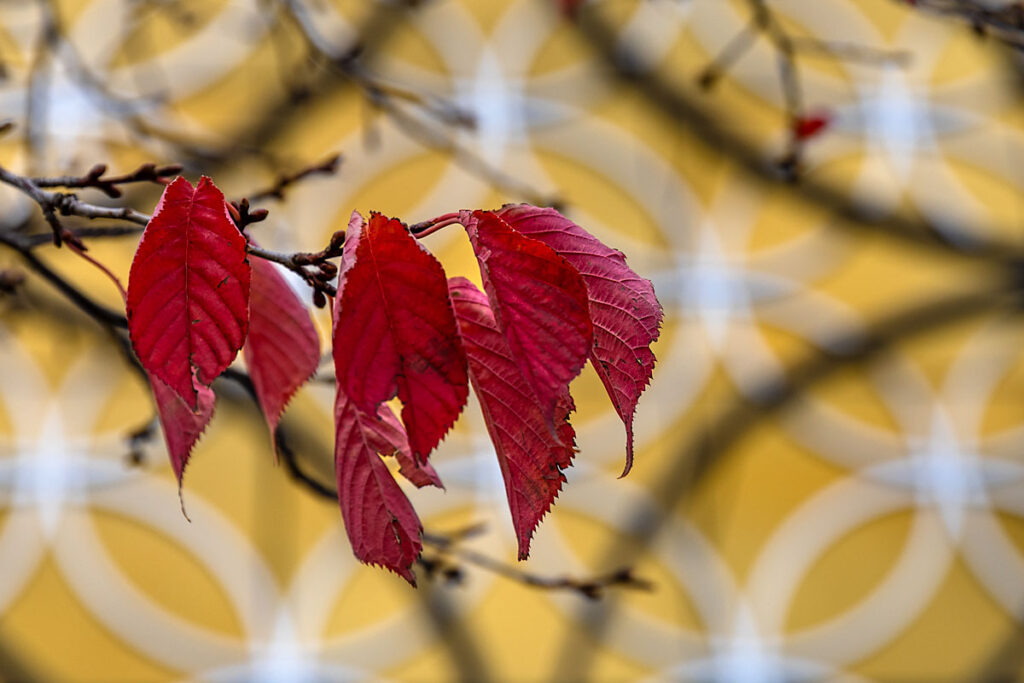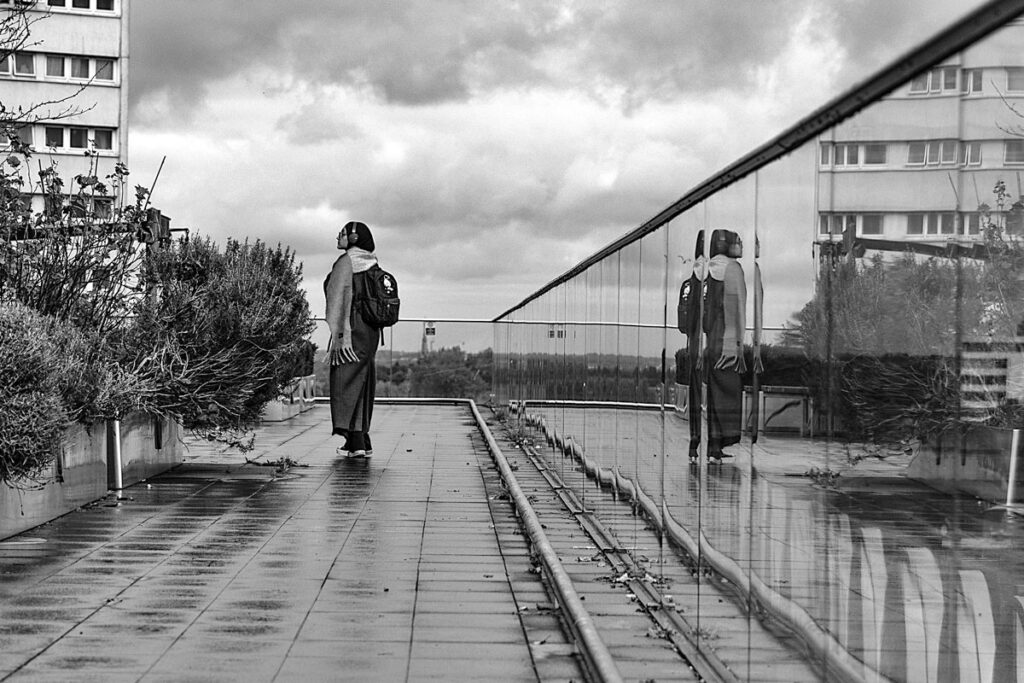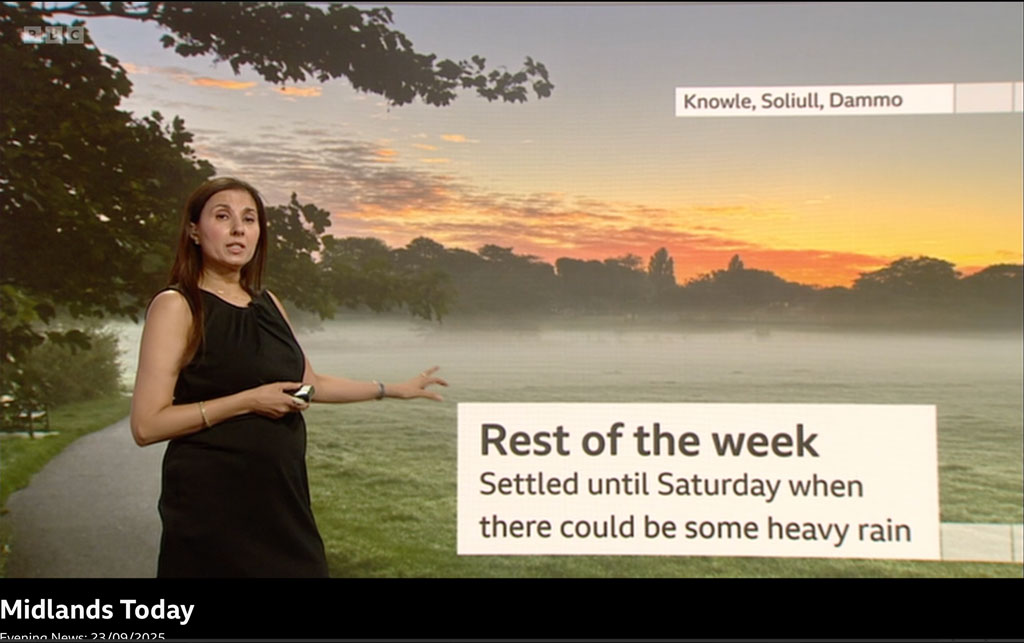
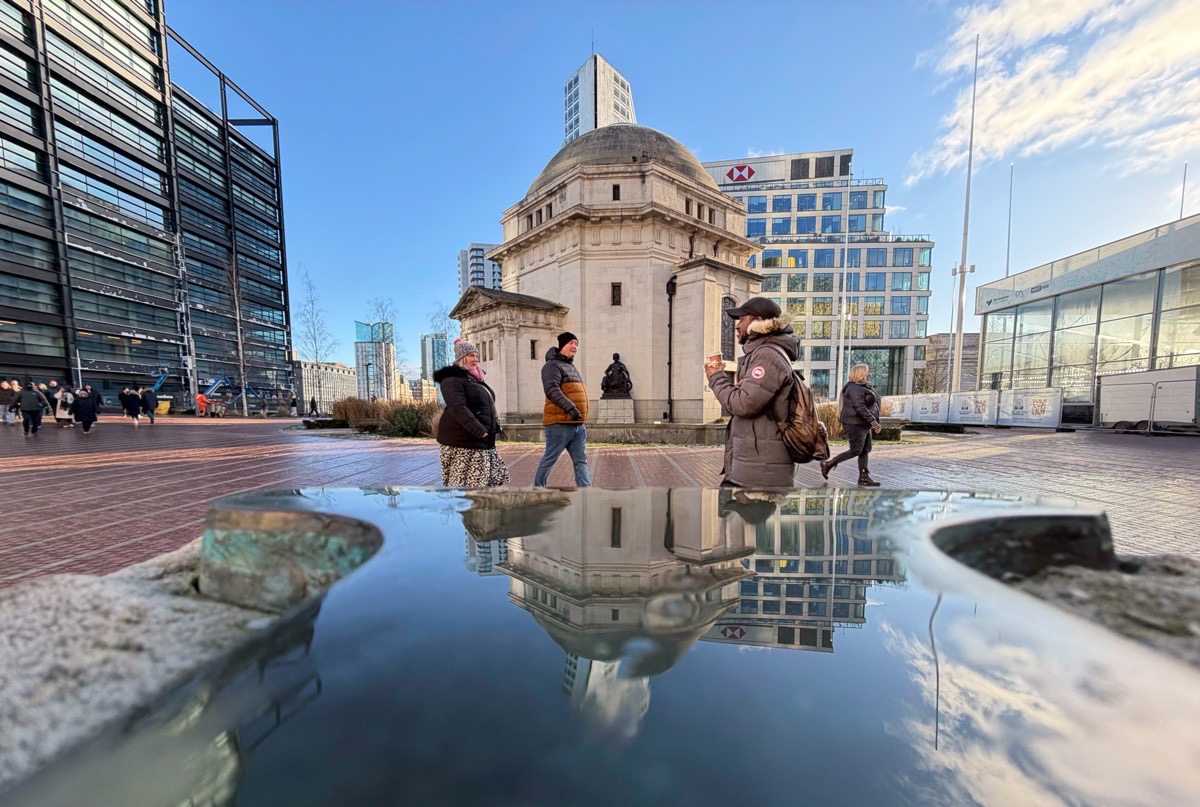
Elmdon Manor Walled Garden is hidden away behind Solihull Moors Football Club and is accessed via Damson Parkway. The roads are busy with large transporters and trucks carrying cars and supplies to and from Jaguar Land Rover Solihull. The lane to the gardens is signposted for Elmdon Park and St Nicholas’ Church, Elmdon. It is an easy turn to miss.
The wall is becoming overgrown.Passing through the entrance.
Elmdon House was once a large stately home that fell into disrepair after the second world war and was eventually demolished in 1956. The walled garden was part of the estate, supplying produce to the house. Today, it is managed by the Warwickshire Wildlife Trust. The original walls of the kitchen garden still stand, although they are in a poor state of repair. Clearly marked paths guide you through the site, and the highlights include the old orchard within the ruined walls, the adjacent woodland, and a meadow that opens up within the trees close to the Moors football ground. The pond, often covered with algae in summer, is usually much clearer during the winter months.
Fruit on the trees.Fences overgrown.Colours on the treesApples galore
. The area is a haven for wildlife and also offers many photographic opportunities. I usually visit once or twice a year with my camera and always come away with a set of images. I begin in the walled garden, where in late summer the trees of the old orchard are heavy with fruit. This year the area is very dry. The woodland adjoining the garden is ancient, filled with trees that form striking patterns. Fallen trunks lean against others, creating natural corridors of light. The atmosphere is shaped not only by nature but also by human presence: the sounds of warehouse workers drift through the trees, and the noise from Solihull Moors’ training pitches carries across the reserve.
Twisted overgrown trees.The woodland trees.Apple trees in the old orchid
The sudden appearance of a meadow within the woodland brings an unexpected openness and is a peaceful spot to pause and reflect. My photographs capture the abundance of fruit, the tangle of overgrown vegetation, and the play of light within the woodland. They also record the contrast between nature and modern development, as the reserve sits cheek by jowl with metallic warehouses and floodlights. Such an oasis is a delight to visit with the bonus of being close to home.
The meadow in the sun.Berries are ripened in the meadow area.Football lights between the trees.
Someone mentioned they would like to see the pictures of Elmdon Manor in the wintertime. I do not have pictures yet but I do have a blog entry showing Solihull woodland in the snow.
Collecting artwork through my photography is one of my long-running projects. My interest in Luke Jerram’s work began during the pandemic, when BBC Midlands, was filming his large-scale artwork In Memoriam. The installation, set next to Aston Hall, was the subject of one of my earlier blogs. Briefly, Luke used blue and white hospital bed sheets to create a circular medical logo that stretched across a field. I was fortunate not only to meet him but also to talk with him about how this work came about and even to take his portrait photograph.
Helios residing in the gardens of Charterhouse
Since then, whenever one of Jerram’s installations has come to the West Midlands, I have made a point of visiting and photographing the artwork. I have seen Gaia at Millennium Point, the Museum of the Moon in Lichfield Cathedral, and more recently, Helios at the historic Charterhouse in Coventry.
Enjoying the spectacleThe earth and Helios compared.
The Charterhouse, a former medieval monastic house with a long and varied history, is now run by the National Trust. On a hot sunny afternoon in August, we visited the property to view Helios. Jerram’s works are displayed against differing backdrops which provide a dramatic contrast to the art. This glowing sphere of the sun was set within the walled gardens, an ideal setting, as my photographs show.
Helios in the Garden
My grandson Noah suggested we lie down beneath Helios. This gave me an unusual perspective, and some striking photographs. After capturing several images, I paused to simply take in the artwork. Suspended within its metal frame, the sphere revealed breathtaking details of the sun’s surface. The inclusion of a scaled Earth nearby reminded viewers of just how vast the sun truly is.
Dramatic blue skies behind Helios
The Charterhouse itself is a place of calm beauty, with its tiered gardens and excellent coffee shop, a welcome stop after exploring. I doubt Richard II, who laid its foundations, could ever have imagined the many ways the property would be used over the centuries.
Noah with his football sphere.
Now, having photographed In Memoriam, Gaia, Museum of the Moon, and Helios, my next goal is to view Mars when it visits the West Midlands. That will complete my personal photographic record of Luke Jerram’s planetary installations.
These are my previous entries on Luke Jerram’s artwork.
We visited Gaia by Luke Jerram is in Millennium Point, Birmingham. This is adjacent to the ThinkTank Museum where the children had so much fun after visiting Gaia. The earth is something to see when you get up close and personal. Luke Jerram created the artwork which is 1.8 million times smaller than the real earth. The double exposure created in camera is of my daughter Natasha. My title of the picture is “Lost in her own world”. Interestingly my grandchildren cannot remember the visit so I am glad I have the pictures to show their enjoyment on the day.
My grandchildren together with Gaia in the background.Lost in her own world. A double exposure of my daughter with Gaia.
IgersbirminghamUK organised a walk around Spaghetti Junction on a warm Saturday afternoon at the beginning of August. For this blog entry, I have 24 frames which is the number of a roll of film. These pictures were taken with either my iPhone or Fujifilm x100vi. The stories and sights under the motorway are always changing and always surprising. Enjoy this photo essay.
Figures
People move around the complex concrete structures. They look apologetic for their presence as the concrete really does enjoy its own company.
Figure in the subwayA walk home with the noise of cars above.
Cyclists
People move quickly on the towpath nobody wants to stay too long as they may get lost in the concrete.
Cyclist between the pillars.There is light in the dark that guides the cyclist.
Pillars
The main feature of the concrete structures is the pillars. Reaching to the sky they hold the roads in place. If the pillars disappear then there so will the roads.
Reaching for the skyThe height of the pillars dwarfs the people who dare wander next to them.The cathedral pillars of Salford circus.Gaps between the Pillars.
So easy to lose your way under the motorway.There is signage to help.Colourful signs break through the concrete monotones.A scrawled sign lets you know where you are.
Traces of humanity
There are examples that humans have passed through the area.
Real MagicBirmingham, EnglandA smashing time.Walk this way
Nature fights back
Nature is slowly eroding the concrete jungle. Trees and greenery have established themselves amongst the pillars.
Greenery lines the paths.Trees in the sunlight.Concrete vs nature standoff.
I hope you enjoyed this photo essay of my recent visits to Spaghetti Junction. If you ever have the chance to visit the area then do take up the opportunity. There are regular tours that take in Aston Reservoir and the more interesting parts of the canal network. The interchange does become very quiet at the weekends. During the week, there is construction activity focused on maintaining the pillars that are essential to holding the motorway network together. The highs and lows of a visit around the Gravelley Hill interchange are illustrated below. The highlights include the wonders of the construction and architecture. The lows are the faceless nature of the area which has areas that are not particularly inviting.
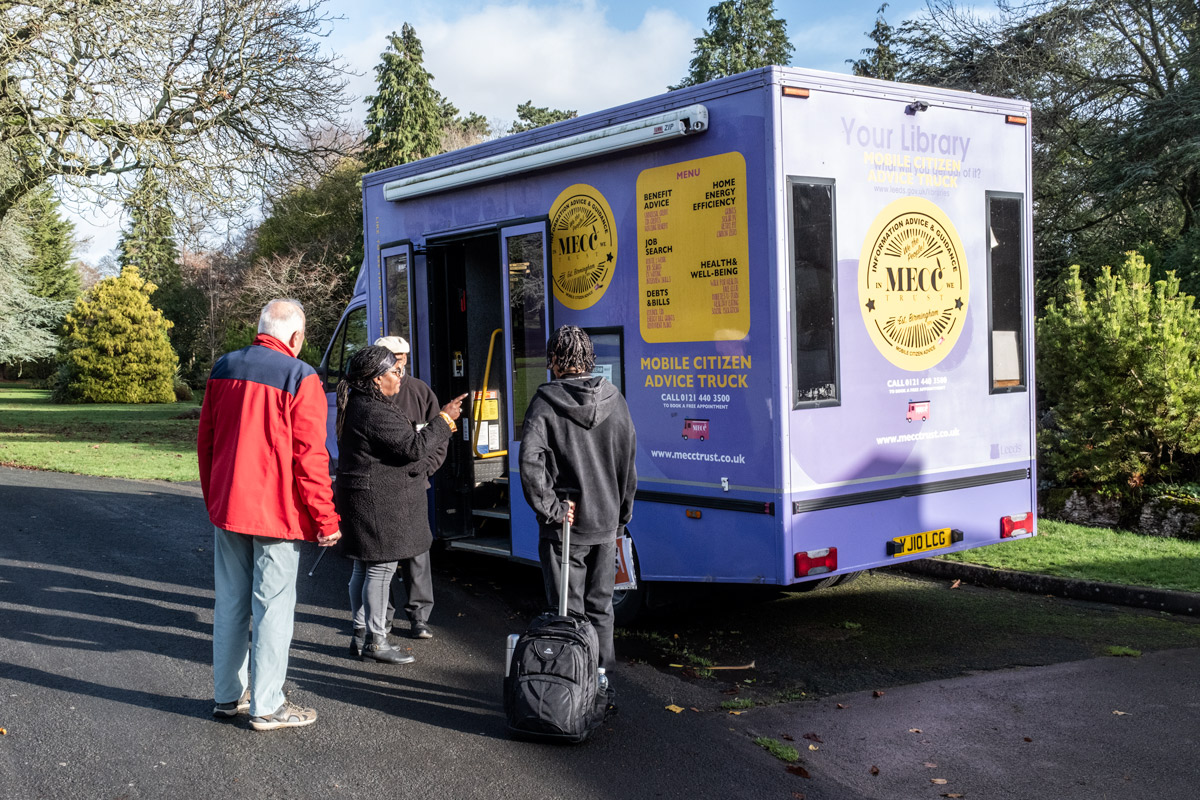
The classical view of the pillars lined up along the river Rea.Barbed wire and undistinguished areas of the Junction.
Are you wanting to read more about Spaghetti Junction then here are more of my visits about what lies beneath the M6. I recommend starting with this blog post that sets the scene for my photo essay.
The passing of Ozzy Osborne leaves a large imprint on the people of Birmingham. The band Black Sabbath are very much loved and their Birmingham origins are celebrated throughout the city. Back in 1974, I remember “Paranoid” blasting out loudly through the student common room speakers. I loved the Black Sabbath album covers which stood out from others at the time with their own distinctive take on the early seventies. Even as my musical tastes moved towards glam rock, punk and new wave, I still had fondness for the distinctive Tony Iommi guitar riffs from “Iron Man,” and “Paranoid”. Black Sabbath and Ozzy Osbourne still connect with me especially as their influences are all around Birmingham.
The shrine to Ozzy outside the Crown pub on Station Street.
Getting caught up in the emotion around the city from the reunion concert and people gathering to honour Ozzy, I went in the day before his funeral to visit the notable Black Sabbath sites in the city and pay my respects.
The Crown pub, Station St.
My first stop was the Crown pub often known as the birthplace of legends. Many famous bands played there including the early Black Sabbath concerts. Closed since 2014, the building is now protected by its Grade II listed status although what the future will be is uncertain. The Crown has had a lick of paint and the boarded-up windows now have pictures of the band. A small shrine has taken shape below the picture of Ozzy. There are a few candles, flowers and fan messages set out. Pedestrians entering New Street rail station glance curiously at all the commotion.
Ozzy the Bull at New Street station.
Then there is Ozzy the Bull. Towering above the concourse of New Street Station, this animatronic sculpture was a massive success during the Commonwealth Games. Once forgotten, now restored, much like the man himself, Ozzy the Bull is a great symbol of the City.
Ozzy’s signature on the wall in Navigation Street.
Outside the front of the station, Navigation street has attracted the City’s attention where Mr Murals, a local artist has created a striking Black Sabbath mural. Along the wall facing the station are photorealistic spray can pictures of the four band members. The Black Sabbath logo looms large beside them. Less than a month ago, the group came to look at the murals and each signed their name against their picture. The signatures have been protected with Perspex glass. The length of the street has become another shrine for Ozzy with flowers lined up against the wall.
More floral tributes along the Black Sabbath mural.
The focus of the outpouring of grief for Ozzy was taking place at the Black Sabbath Bridge on Broad Street. In 2019, the city dedicated this space to the band with a bench featuring the faces of Ozzy, Tony, Geezer, and Bill. Now, the bench is transformed with flowers, tributes, hand-written notes, empty Jack Daniels bottles, and even a guitar. The tribute has taken over the pavement and security are required to keep a semblance of order. On the day of the funeral, this was the place where the hearse bearing Ozzy stopped and the family paid their respects. The news and pictures from the BBC and Rolling Stone magazine show how much he will be missed.
This is the day before the funeral at Black Sabbath Bridge.A guitar with inscription amongst the tributes.More details of the tributes.
Next I find myself in the Birmingham Museum and Art Gallery. Here a special tribute holds centre stage. The ” Ozzy Osbourne (1948-2025): Working Class Hero” exhibition celebrates the lead singer’s astonishing career. Videos play on loop; photographs of his successful career adorn the walls. The many gold and platinum records are displayed. At the entrance, The civic book of condolence for Ozzy waits. I stood in the queue, looking up at all the artwork around waiting my turn to add my condolences.
The working class hero exhibition.
On my way home, I pass through Victoria Square where there is an exhibition of Black Sabbath with many posters arranged to tell the history of the band that will forever be associated with Birmingham.
The Black Sabbath poster board exhibition in Victoria Square.
Even at Selfridges, the modern temple of retail, screens shimmered with Black Sabbath’s images. Pictures of the band and Ozzy great you at the store entrance. A place is set aside to stand and watch a continual loop of the greatest Black Sabbath songs.
Tributes to Black Sabbath.A mini theatre inside the store.
There is much to take in and the legacy of Ozzy and Black Sabbath is celebrated on the streets. He is a hero not only of the working class but everyone who looks to make a better future for themselves. Ozzy with his charismatic personality will forever symbolise the City of Birmingham.
Ozzy at the Commonwealth Games in 2022. (picture from the Working class hero exhibition).
There are a few Ozzy images in my past blogs. See if you can spot one in this blog.
As readers will know, I regularly post oil and water pictures on my blog. I have completed a couple of sessions and now have a new set of pictures to share. The differences in these photos lie in the various backgrounds I have used. These backgrounds come from several sources, including magazines, children’s books, and abstract colour pictures that I have created in Photoshop.
The use of LED lights in the background has worked in this picture
I am also improving how I use the light source and am working to prevent the reflections that occasionally compromised the quality of previous photos. LED lights were used in some of the pictures. Although they mostly overpowered the images of the oil drops, though there was the occasional success. Switching to another brand of oil may have helped but, again I am unsure whether this is truly critical to the success of the pictures.
A colourful black hole.A background of some lips from a magazine cover was used for this picture.Compartments of colour.An exposed centre.
I use a spirit level app on my iPhone placed on the top to ensure the lens is at 90 degrees to the surface of the water. A large open aperture ensures that the maximum light is hitting the sensor. However, at f/2.8 your depth of field becomes narrow so focussing and positioning of the lens is critical to a sharp picture. Good technique helps reduce ISO noise and allows more information to be retained in the image which again will undergo cropping to get the desired photograph.
A cluster of moons around larger planets.
I hope you enjoy the current crop of pictures (pardon the pun).
Here are a few more oil and water pictures to enjoy.
As it happened, my car windscreen needed replacing in Nechells, so I had time to explore the canals. I headed for the Birmingham and Fazeley Canal and walked along it to the lock below Holborn Hill. Turning left, I arrived at Aston train station. It is a five-minute walk from there to Spaghetti Junction and then a short descent to the Tame Valley Canal.
The classic view of the Tame Valley Canal underneath the motorway.
Repairs are currently being carried out on the supports of the motorway, and there were many workers in and around the area. This made it relatively safe to stroll around. I stopped to view the art project run by Bill Drummond, former drummer of the KLF rock group and now an influential artist. He paints a line at regular intervals on the concrete walls opposite the towpath. The line currently displayed reads, “Are you lost yet?”
Directions on the tow path
Luckily, I knew exactly where I was on the canals, and I walked further along to take pictures of the motorway pillars reflected in the canal water. There is some rubbish around, but also many opportunities for interesting photographs.
Reflections and rubbish.Men at work.Ongoing repair work under the motorway.The old road and the M6 motorway.
Retracing my steps, I explored the junction where the Birmingham canals meet the Tame Valley Canal. This was also the site where most of the repair work was taking place. I then made my way to Aston Reservoir, accessing it just past a sports centre. The elevated sections of the motorway rise in the distance and overlook the water. I always find it amazing that speedboat races once took place on this small area of water.
Aston or sometimes known as Salford reservoir with the M6 link road to the Aston Expressway in the background.
I have visited the Junction several times before and here are some of my accounts of my previous visits.
This photography exhibition celebrated the work of Henry Chalfant Living in New York City in the early seventies and eighties. Chalfant befriended the newly emerging Graffiti artists who were painting the subway trains. The city was run down and there was rampant crime and homelessness. Businesses left the city leaving behing areas with problems of drugs and homelessness. The subway system reflected this period of decay with fewer people willing to risk journeys due to crime and train breakdowns. Young people started spray painting the trains in the depots. This upset New Yorkers who did not like the tagging of the subway trains as to them it epitomised the depth of decay.
The Exhibition Entrance featured the photography of Henry Chalfont.
I remember visiting Manhattan in 1980 and 1988. There were still no-go areas such as the area around Alphabet City and I visited St Patrick’s cathedral the day after a killing in the church. But I do remember the exciting and energetic Greenwich Village gay parade that took place during my visit in 1988. There was a feeling of new life and the city was regenerating and rediscovering itself.
The details of the subway carriages. Many of these designs are gone but recorded as pictures.
Roll forward 40 plus years and the young spray painters are now world-renowned artists. The exciting music scene of Hip Hop sprung out from this period.
The set out and curation of the pictures was cleverly done.
The Epic Story of Graffiti was held in one of the empty department stores in the Bullring. This was brought to Birmingham by Birmingham Hippodrome and Soul City Arts. On opening night, this colourful exhibition brought Chalfont to Birmingham and the pictorial history of graffiti and hip hop was celebrated. The exhibition was curated by one of our very own street artists, Muhammed Ali Aerosol. I visited on a quiet mid-week morning and had the place to myself. A visually striking display of countless trains tagged with graffiti was on a long display board. I found it fascinating looking at all the artistic designs sprayed on the trains. Chalfont had paid attention to small details such as lining up all the trains in numerical order.
Watching the video on Hip Hop.
There were pictures of the young artists and moving displays that made you feel as if you were in an underground station. I sat and watched a video about hip hop and interviews with the young New Yorkers excitedly telling the interviewer about their life. I also enjoyed reading the quotes that were placed around the exhibition.
Ready for Hip HopThis quote is so true.
I had spent time before the exhibition opened photographing the Graffiti in Digbeth so I was in the right space to appreciate the brilliant photography of Henry Chalfont and what the exhibition had to offer. There is a further in depth review by BBC Birmingham.
Finally a nostalgic view of the streets of NYC from 1980 when I visited as I student.
Streets of NYC, August 1980.
I love to photography Graffiti and Digbeth offers the best of the street art in the City. Here is one of my blogs on Digbeth.
The poppy season does throw up surprises. Most poppy fields in the West Midlands are found around Bewdley and Kidderminster. Last year, there was a spectacular field in Kinver. Occasionally, a field appears closer to home, such as in Leamington Spa. This year’s surprise poppy field which was initially photographed by Jack March, a fellow weather watcher based around Nuneaton. He had posted some striking pictures taken in a poppy field in Leicestershire which were featured on the BBC.
The dramatic red of the poppies at dusk.
After some internet detective work, it became clear that the field was in Witherley, a charming village just outside Atherstone — only a 30-minute drive from home. As soon as I discovered the location, I checked the weather forecast. The month of May had brought good weather, though a change was expected later in the month. Fortunately, the forecast looked promising for the evening and the following morning. It was time for action. I packed my camera kit and tripod into the car and set off for Witherley to catch the evening light.
Sunset on the poppy field.
Finding the field was straightforward compared to some other locations I have written about. It was both easy to find and to access. When I arrived, two photographers were already there, focusing on close-ups of the poppies. I parked at the top of the field, and walked down towards the village along the side of the poppies. I found a good vantage point and began taking photographs. I captured some lovely images of the church bathed in the warm evening light. Looking back up the field, I noticed the sun setting beautifully over the crest. I quickly reset my camera to catch several shots of the golden sunset. The poppies glowed, their paper-thin red petals shimmering with life and shadows of nearby flowers. Poppy fields lend themselves both to sweeping landscapes and intimate portraits of individual flowers. Time passed quickly, and soon dusk settled in. I stayed to capture the colours of the clouds and the twilight. As the temperature dropped sharply, I was grateful for the warmth of the car once it had heated up.
One of many close ups of the flowers. Panorama of the field
It was a superb poppy field. I had enjoyed the evening session so much that I decided to return the next morning. With sunset at 9:00 pm in late May, I knew sunrise would be early — at 5:00 am. After just a few hours of sleep, I was up again and back with the poppies before dawn. This time, I parked closer to the village and entered the field via the footpath. I made my way to the opposite side and settled in to await the sunrise. The field is bordered on the west by the River Anker. As the sun began to rise, the scene transformed. Mist started to rise from the river and slowly spread across the field. For a surreal five to ten minutes, the entire field was shrouded in mist. Just as suddenly as it appeared, the mist lifted as the sun’s warmth burned it away.
The rise of mist from the river Anker.Sunlight bursting through the poppies.Close ups of the different poppies taking in the sunrise.Mist hanging over the poppy filed.
The sunrise was glorious, and I took many photographs with the cameras I had brought. The iPhone, always a reliable companion, captured some great shots as well. Eventually, there comes a point where you know you have taken enough pictures. Unbeknown to me, Jack March, the weather watcher himself, had been observing me and taking photos. I was so engrossed in my work that I had not realised he was there. At the end of the session, as I returned to my car, I met Jack, who had been waiting. Jack is an excellent photographer, and I have long admired his work. We had a fantastic chat about the poppy field, weather watching, and photography in general. I even took a selfie of us with the poppy field in the background. After saying our goodbyes, I set off home to review and post my pictures.
Selfie with Jack March, BBC Weather WatcherThe poppy field capital
Epilogue
There was another benefit from this trip to Witherley. On my way home after the evening session, I took a short detour to Church End Brewery. I found it tucked away behind Ridge Lane in a small village near Nuneaton. The tap room was open, and I came away with bottles of Fallen Angel and Goat’s Milk pale ale. It was a perfect photographic outing — capturing poppies at both sunset and sunrise, and returning home with some excellent beers for the evenings to come.
A few bottles brought at Church End Brewery to help during editing of my pictures.
If you enjoyed the latest addition to my poppy field journey then please read last year’s visit to Kinver. There are many other places I have visited and sadly some of these fields are no more. However, there are good memories of these places.
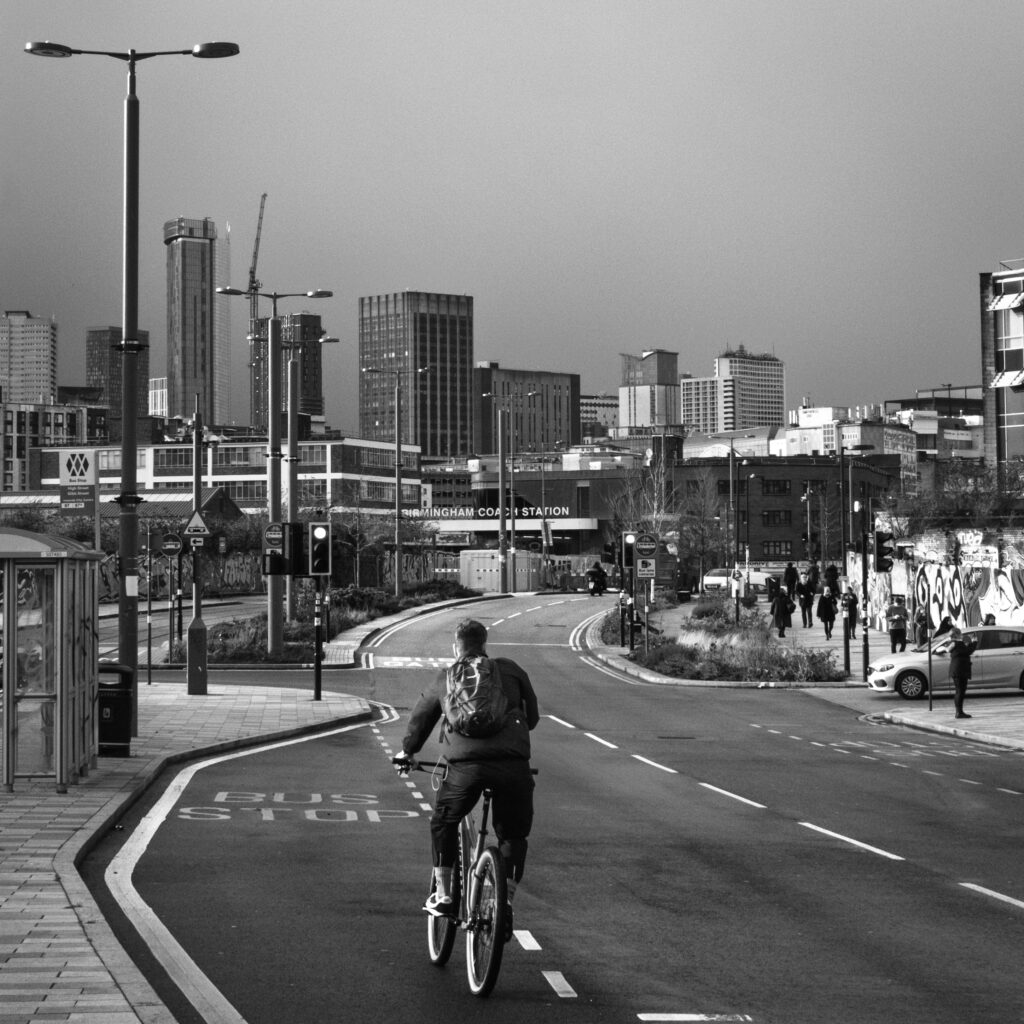
I took a walk from Snow Hill train station up towards Edgbaston village where I had a meeting. This is a collection of 10 images in black and white from my walk. All taken with my Fujifilm x100vi and converted to monochrome.
Brutilistic designCube 20Tagged windowsBusy towpathBnW not blueFive ways HouseForgotten entranceBroken WindowsEdgbaston Village
Enjoyed this, then read some more about Birmingham in Black and White.
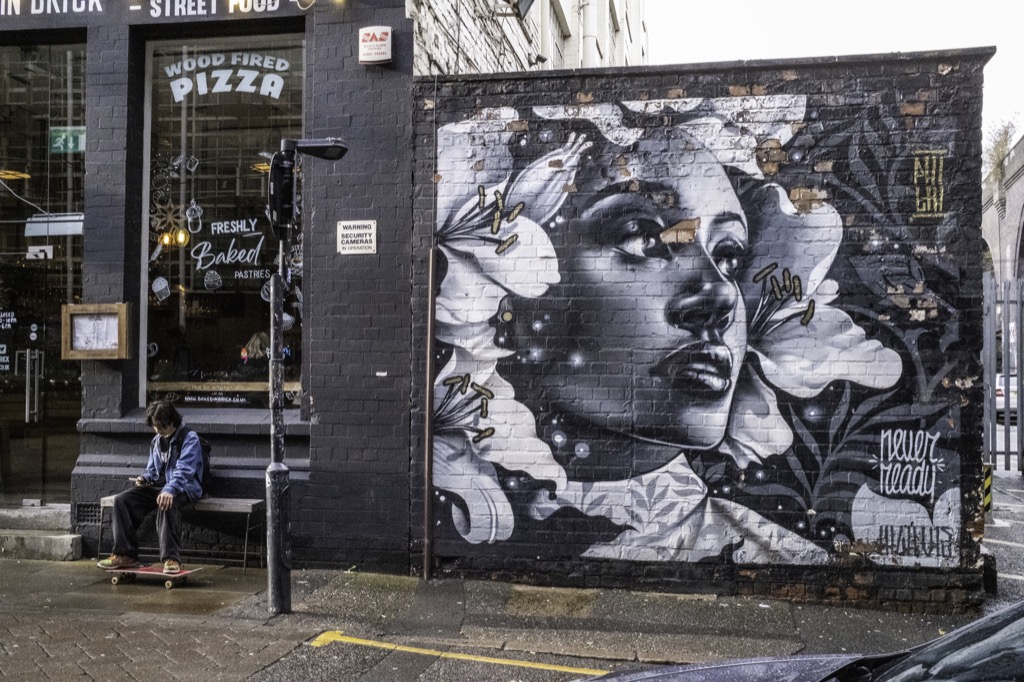
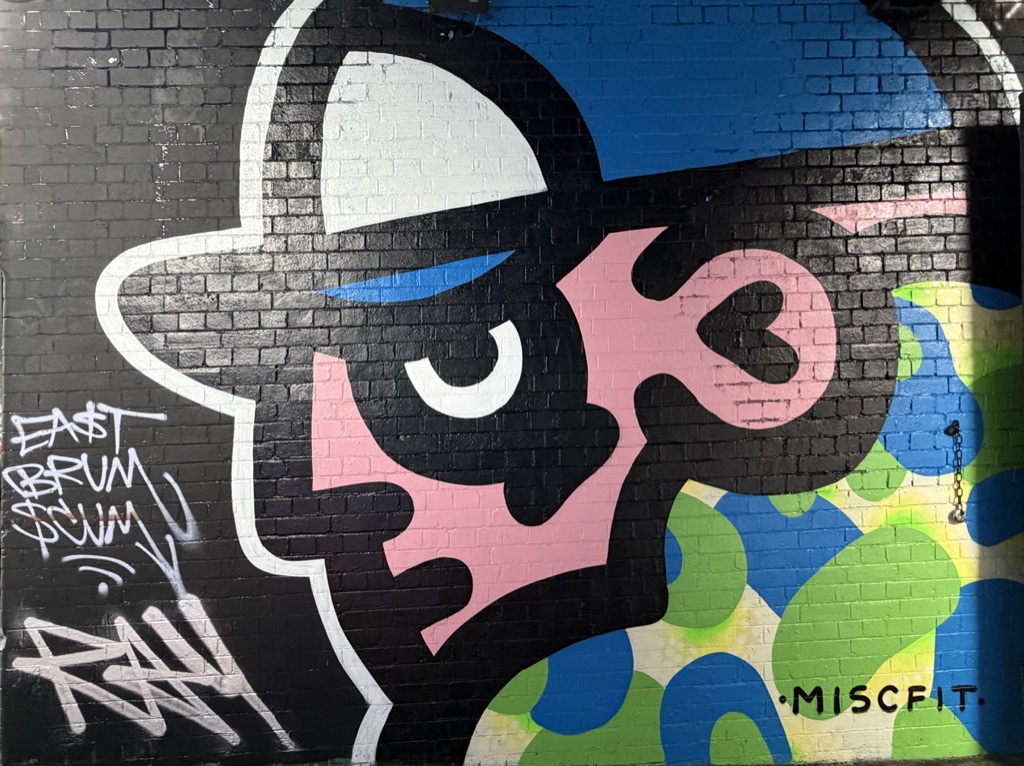
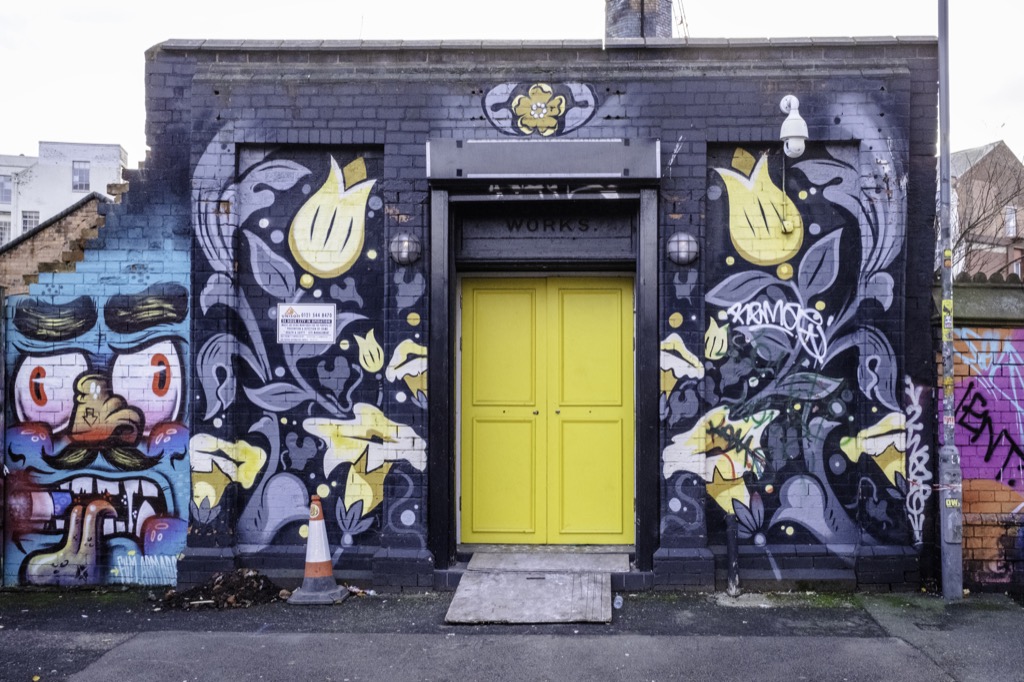
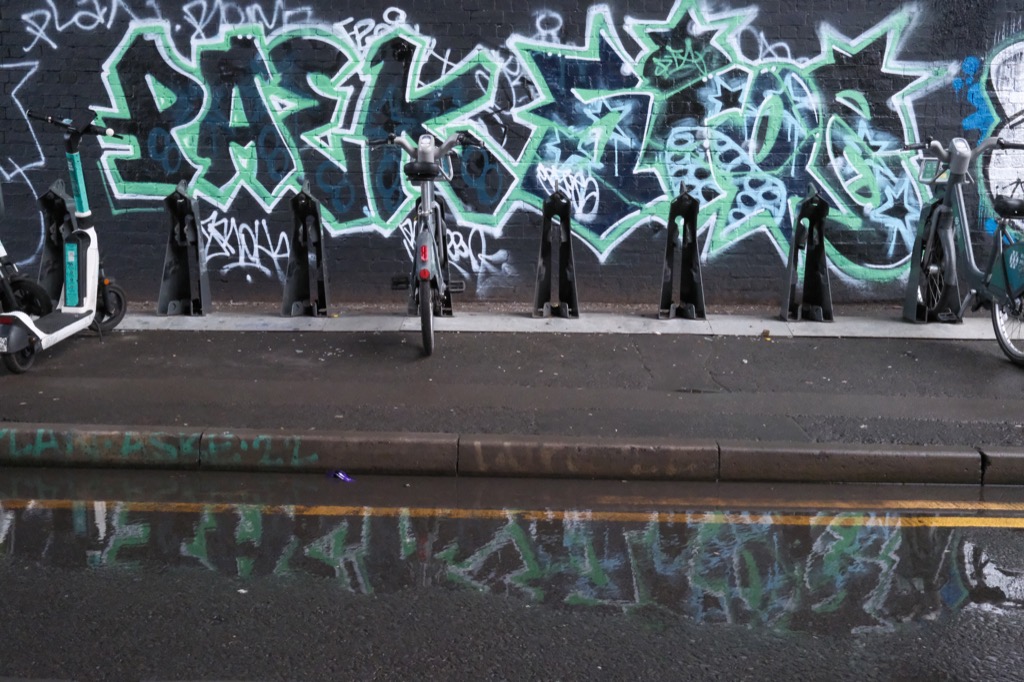
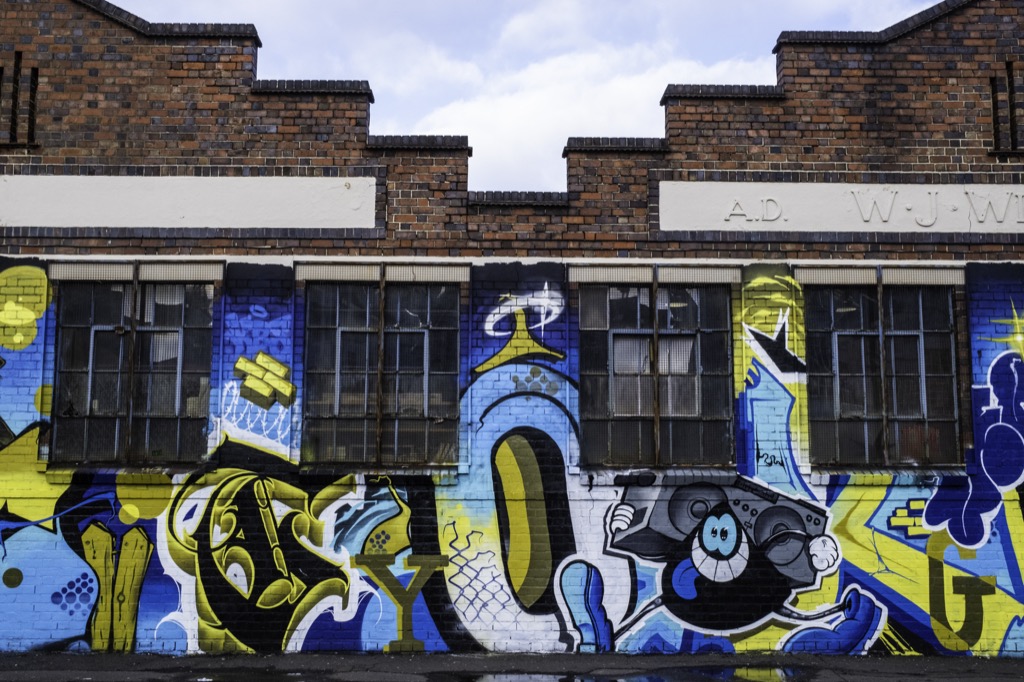
I am always on the lookout for new street art in Digbeth and on social media I learnt that there was new artwork by Fokawolf under one of the railway arches. Another popular street artist, Gent48 frequently puts out vibrant murals and his new artwork was mentioned in recent instagram posts. My third reason for a visit was to take a look at the Colour Palette of Digbeth by Stacey Barnfield. This made it the perfect time for one of my regular visits to Digbeth, giving me the chance to refine my street photography techniques. I have experimented with different ways of capturing people, and a recent visit to London had proved quite successful. Now it was time to see whether the streets of Digbeth would be just as receptive.
Story by the arches.
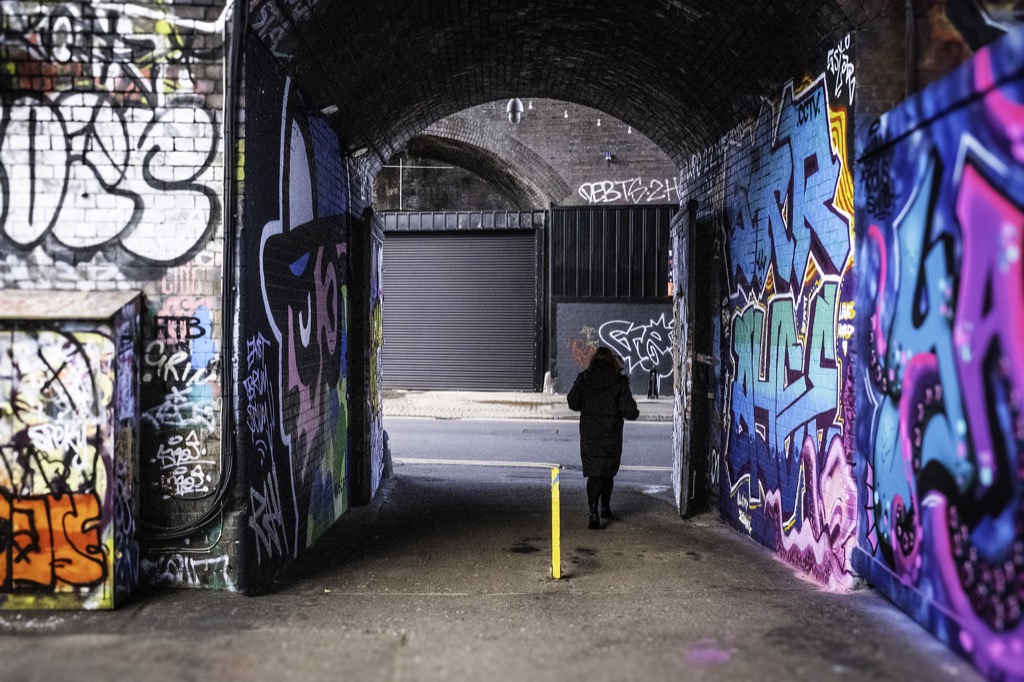
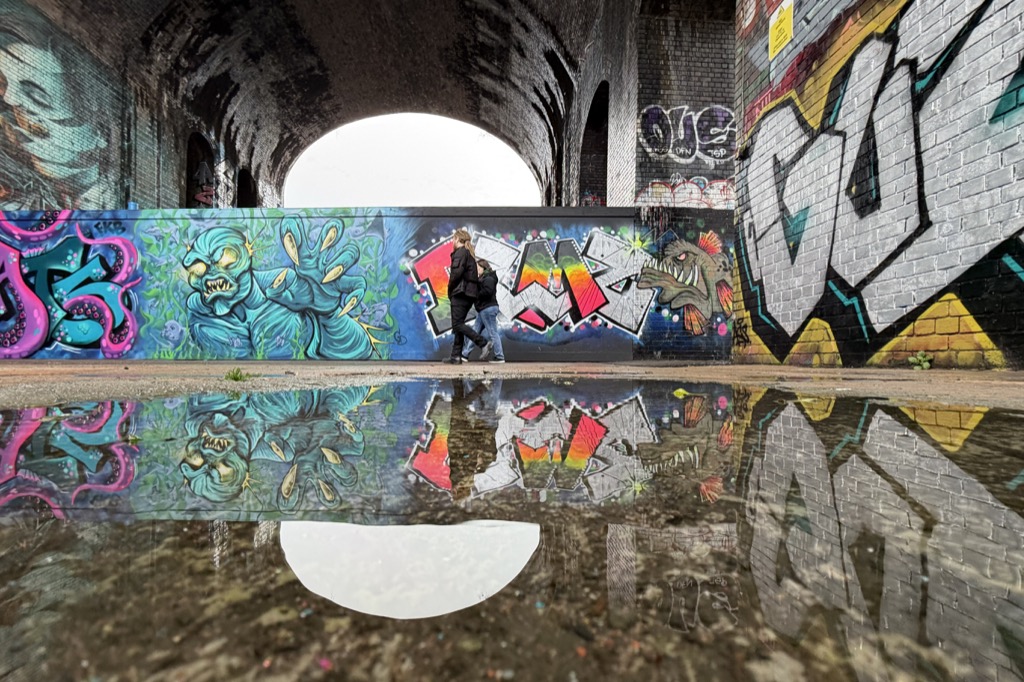
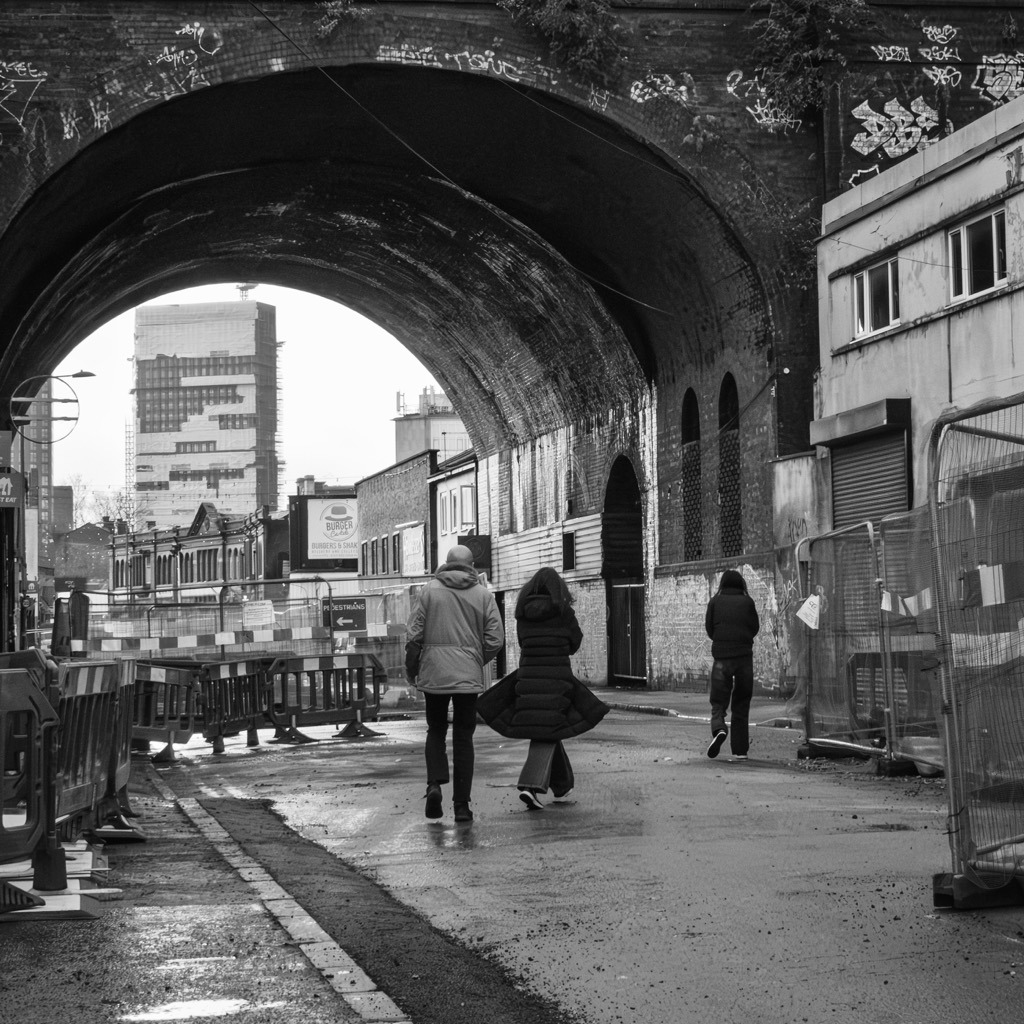
The railway arches are a defining feature of Digbeth and often make a strong impression in photographing the area. I took the opportunity to capture the stories that unfolded beneath them. My Fujifilm X100VI was set up with back-button focusing, and as the sun was shining, I attached my Urth polarising filter to cut down on glare. The resulting images tell distinct stories, and I was pleased with how they turned out.
Twist again and again.
When searching for street photography opportunities, the combination of artwork and typography is incredibly helpful. Timing is everything. I try to blend into the background. Focusing away from the subject while drawing them into the story is often a delicate balancing act.
Let us sort the city out.Red Brick Market soaking up the sun.The colours of Gent48
Eventually, I found the Fokawolf piece—a large printout of the Chuckle Brothers pasted under the arches on Heath Mill Lane. Although I took many shots of people passing by the artwork, I was not satisfied with the initial results. Then I noticed someone approaching down the road. I waited in position. This is a useful technique: appearing to photograph the artwork and then capturing the subject as they enter the frame. I pretend I am still waiting for the right moment, even though I have already taken the shot. This approach only works in certain situations, but when it does, it can be very effective.
The chuckle brothers by Fokawolf.
I also took some close-ups and other images of the surrounding streets. Digbeth naturally lends itself to photography. The colours of the street art are vibrant, and the architectural features add depth and texture. Messages on the walls and passing people add narrative and character to the photographs.
The colour palette of Digbeth.Close ups of Digbeth.The dentist in me appreciated this close upThe green heart of Digbeth
Enjoy my latest venture into Digbeth, and there are more adventures and photography in Digbeth in my blog.
We use cookies on our website to give you the most relevant experience by remembering your preferences and repeat visits. By clicking “Accept”, you consent to the use of ALL the cookies.
This website uses cookies to improve your experience while you navigate through the website. Out of these, the cookies that are categorized as necessary are stored on your browser as they are essential for the working of basic functionalities of the website. We also use third-party cookies that help us analyze and understand how you use this website. These cookies will be stored in your browser only with your consent. You also have the option to opt-out of these cookies. But opting out of some of these cookies may affect your browsing experience.
Necessary cookies are absolutely essential for the website to function properly. These cookies ensure basic functionalities and security features of the website, anonymously.
Cookie
Duration
Description
cookielawinfo-checkbox-analytics
11 months
This cookie is set by GDPR Cookie Consent plugin. The cookie is used to store the user consent for the cookies in the category "Analytics".
cookielawinfo-checkbox-functional
11 months
The cookie is set by GDPR cookie consent to record the user consent for the cookies in the category "Functional".
cookielawinfo-checkbox-necessary
11 months
This cookie is set by GDPR Cookie Consent plugin. The cookies is used to store the user consent for the cookies in the category "Necessary".
cookielawinfo-checkbox-others
11 months
This cookie is set by GDPR Cookie Consent plugin. The cookie is used to store the user consent for the cookies in the category "Other.
cookielawinfo-checkbox-performance
11 months
This cookie is set by GDPR Cookie Consent plugin. The cookie is used to store the user consent for the cookies in the category "Performance".
viewed_cookie_policy
11 months
The cookie is set by the GDPR Cookie Consent plugin and is used to store whether or not user has consented to the use of cookies. It does not store any personal data.
Functional cookies help to perform certain functionalities like sharing the content of the website on social media platforms, collect feedbacks, and other third-party features.
Performance cookies are used to understand and analyze the key performance indexes of the website which helps in delivering a better user experience for the visitors.
Analytical cookies are used to understand how visitors interact with the website. These cookies help provide information on metrics the number of visitors, bounce rate, traffic source, etc.
Advertisement cookies are used to provide visitors with relevant ads and marketing campaigns. These cookies track visitors across websites and collect information to provide customized ads.