
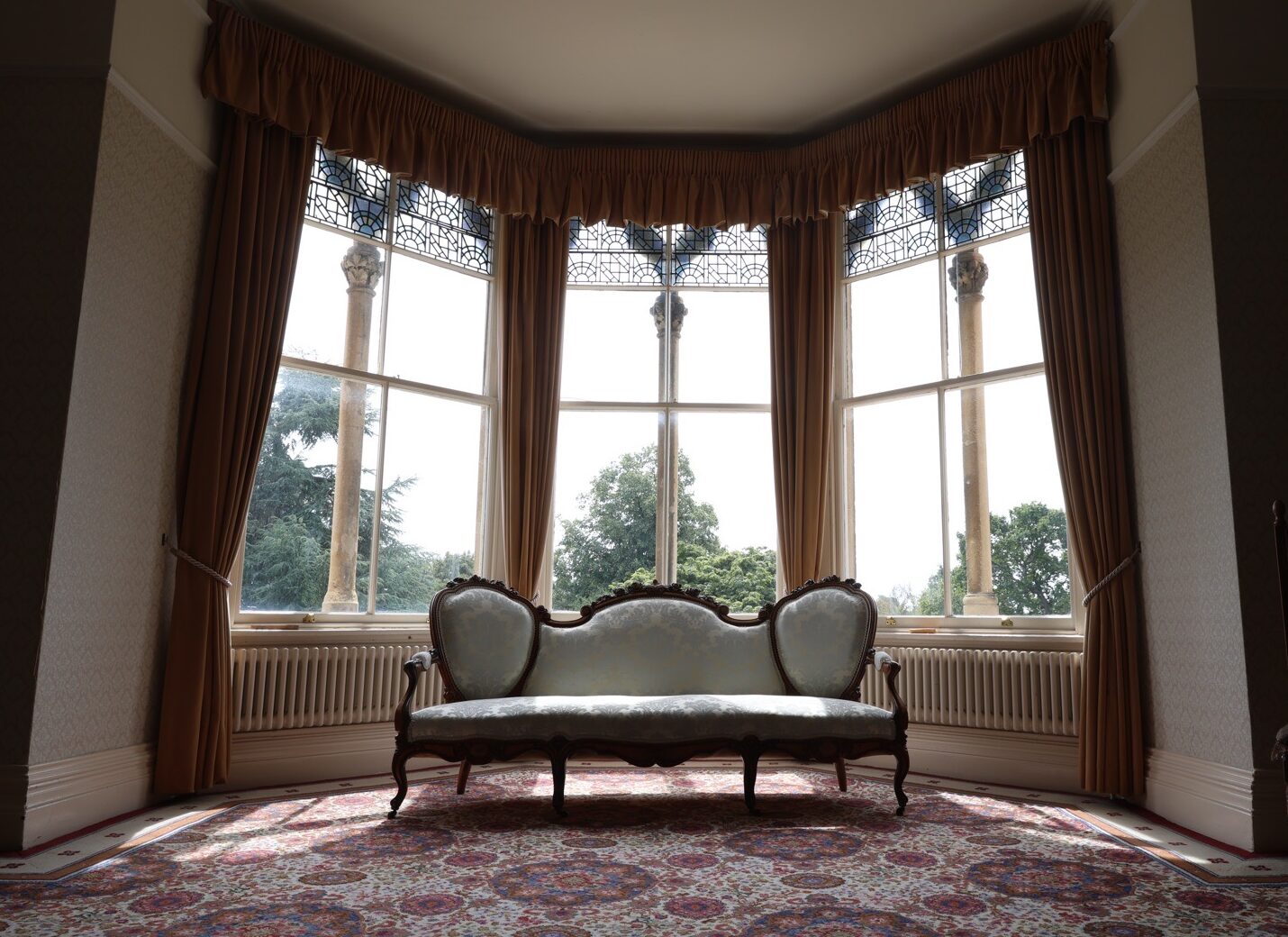


A Morning at Highbury Hall
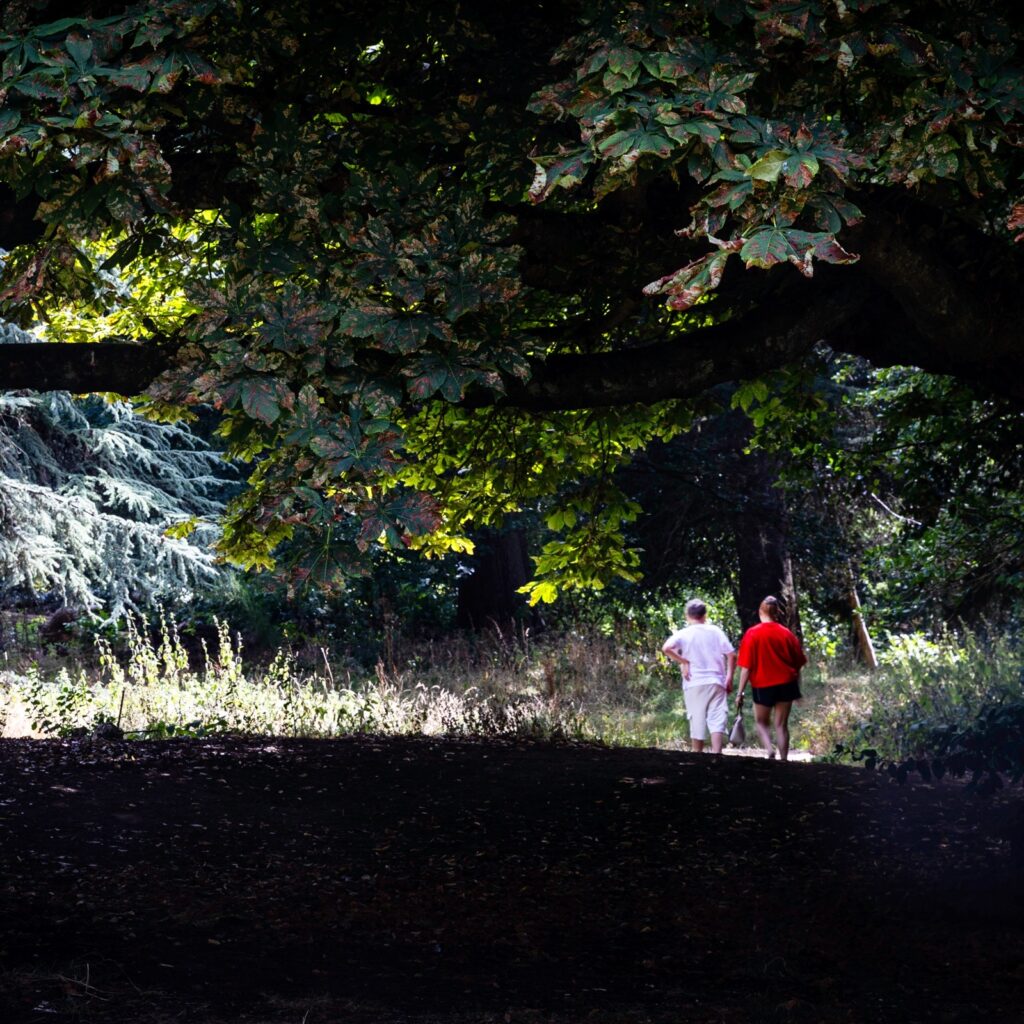
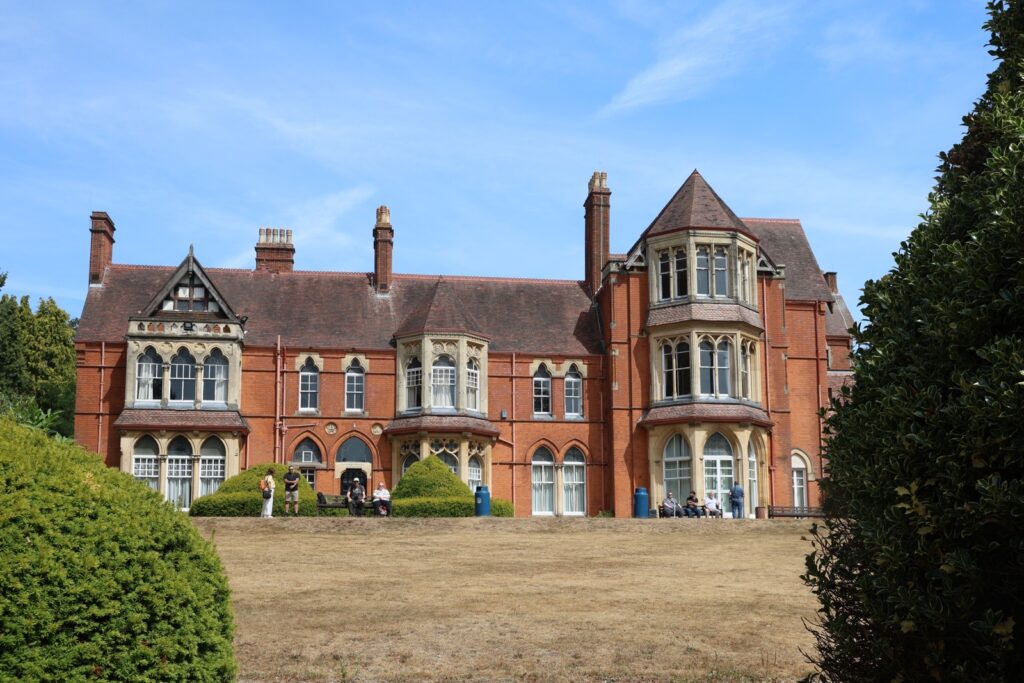
Highbury Hall is yet another place that I have not visited during my time at Birmingham. Fortunately, IgersbirminghamUK provided the opportunity and our visit coincided with an open day at Highbury Hall and Trust. The day was going to be warm and sunny. I arrived early and took the opportunity to have a few minutes moving around the front of the house and taking pictures from the end of the parched lawn. The grounds are extensive and many people were out walking through the paths beneath the trees.
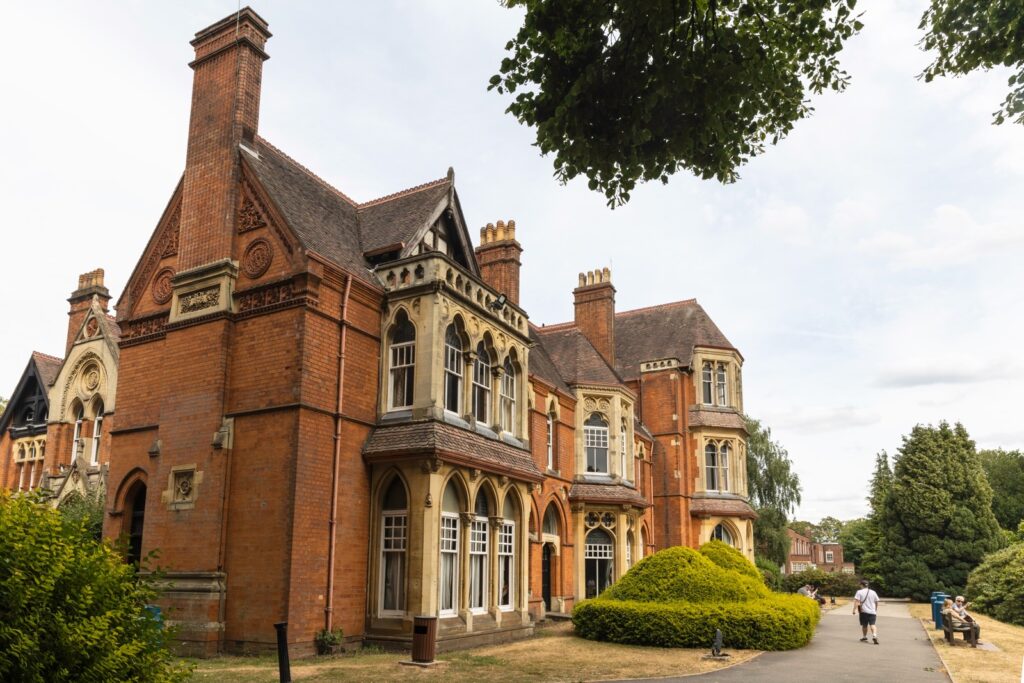
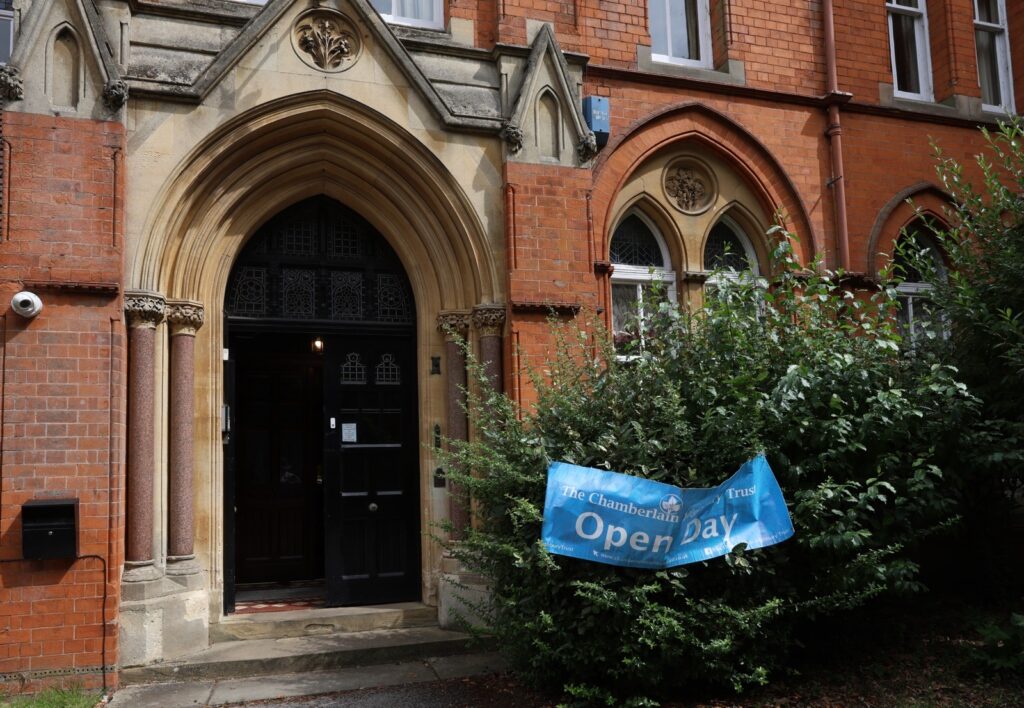
Soon it was time to enter Highbury Hall where the IgersbirminghamUK team greeted us and we were then given a brief background of Highbury Hall by Lucy Bailey‑Wright, who is the activities planner for the Trust. The photographers were given an hour to explore the Hall before the official start of the open day.
Inside Highbury Hall: The Library and Main Hall
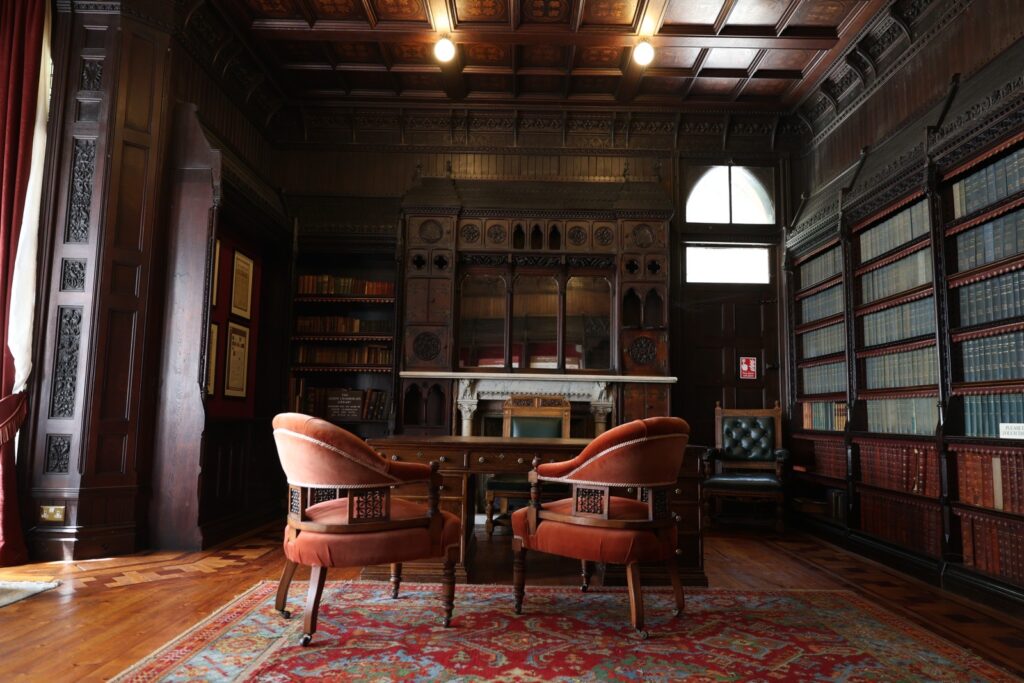
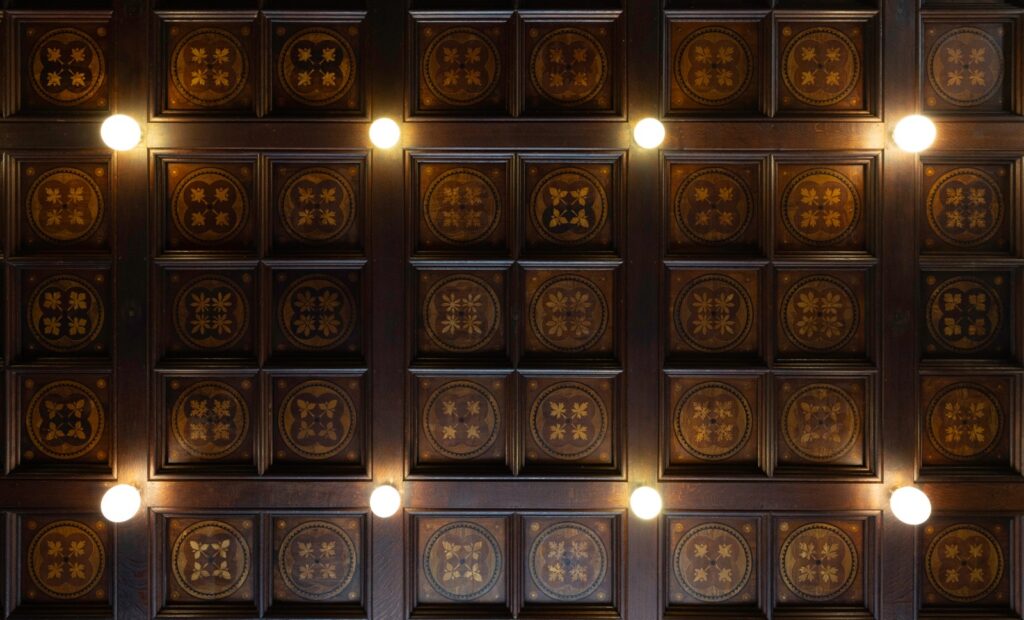
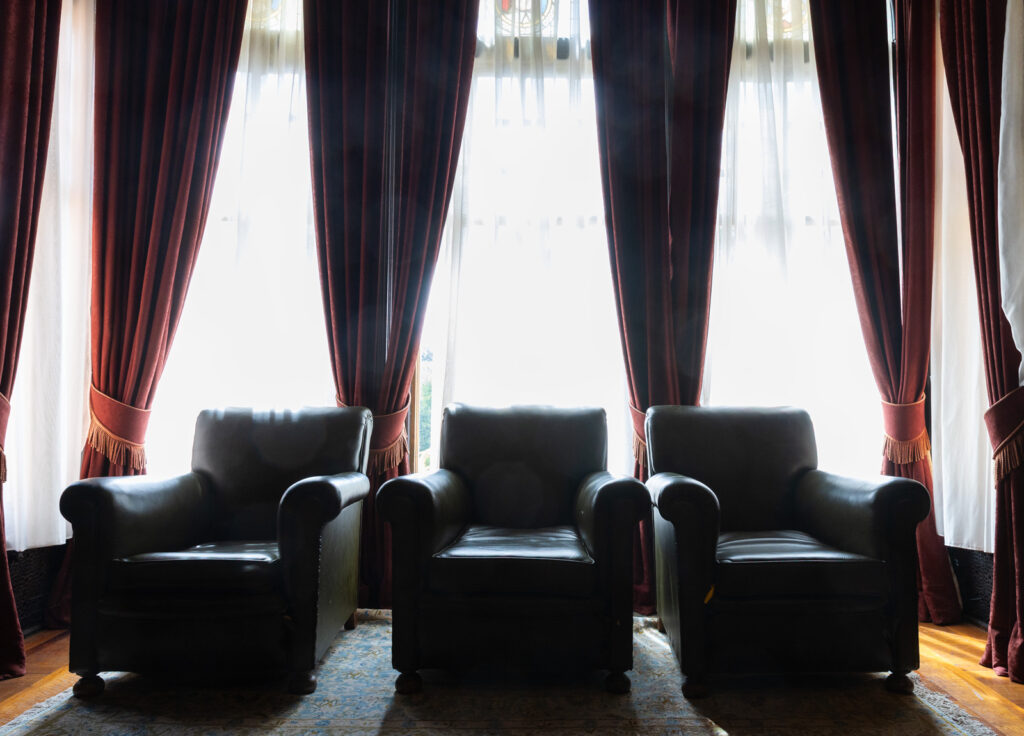
The main rooms of Highbury Hall are south facing and therefore the large rooms were bathed in sunlight. Lots of window light provides ideal lighting conditions for photography. We were encouraged to visit the library where Joseph Chamberlain worked and met visitors. This was an impressive room with books lining one wall and wood-line panelling on the other walls and ceiling. The feature of the room was three leather chairs set up against the net curtains that diffused the light.

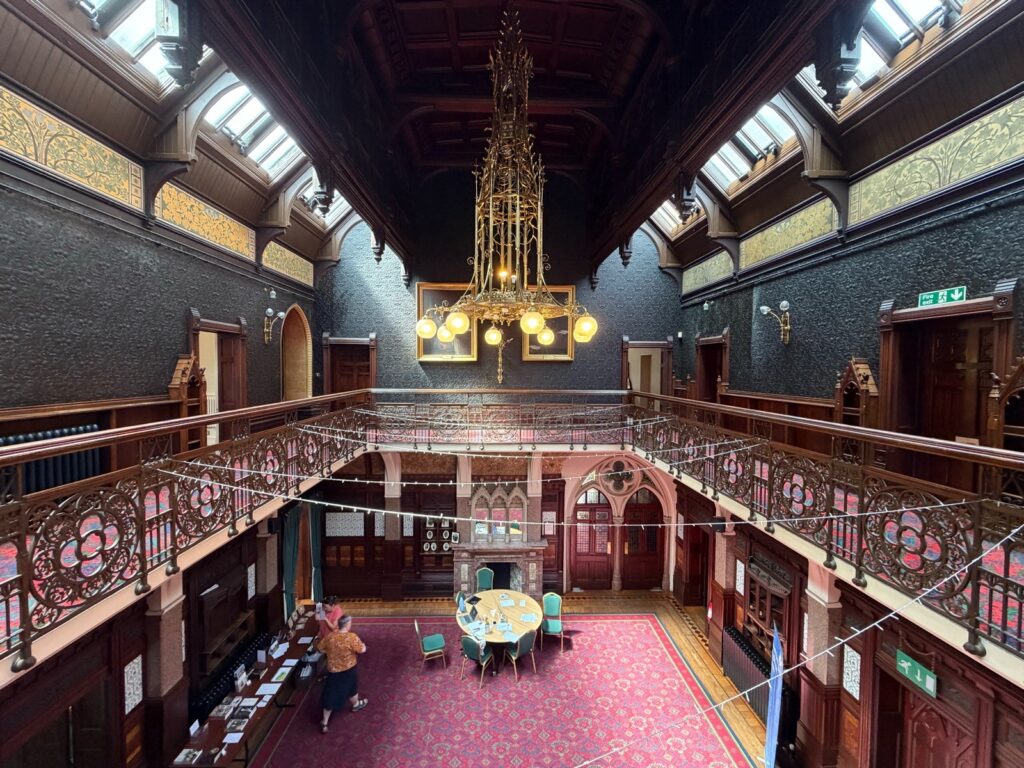
Whilst other rooms had minimal furniture, they still looked magnificent with the midday sun entering in through the large windows. The dominant feature of the building is the main hall area with a staircase leading to a balcony that allows viewing down into the area. Birmingham City Council hire out the hall and this is a spectacular setting for weddings and civil partnerships.
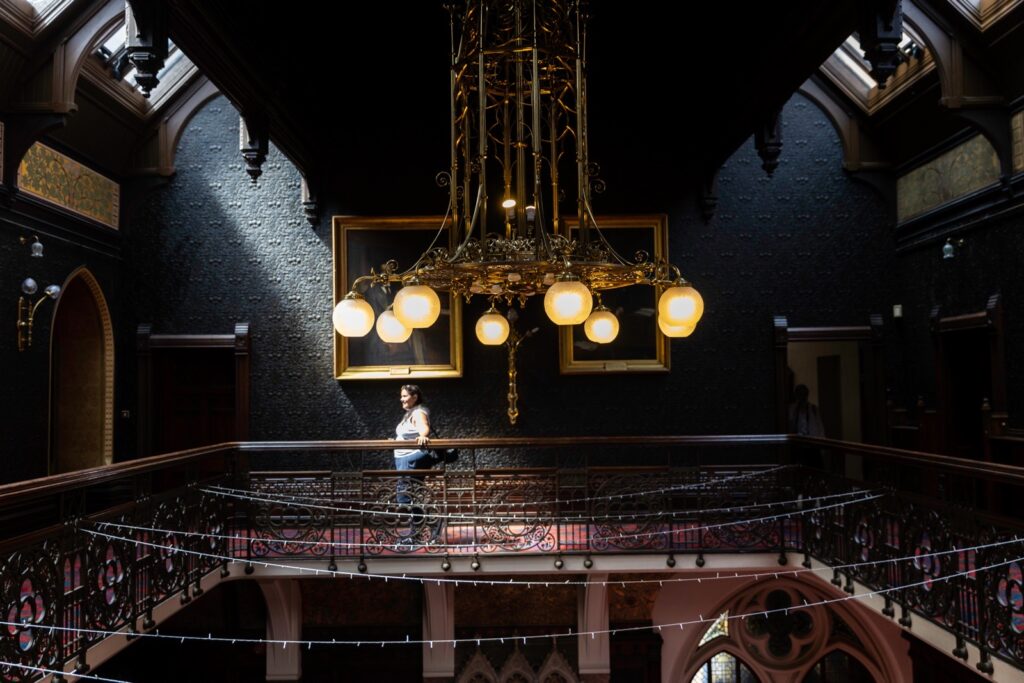
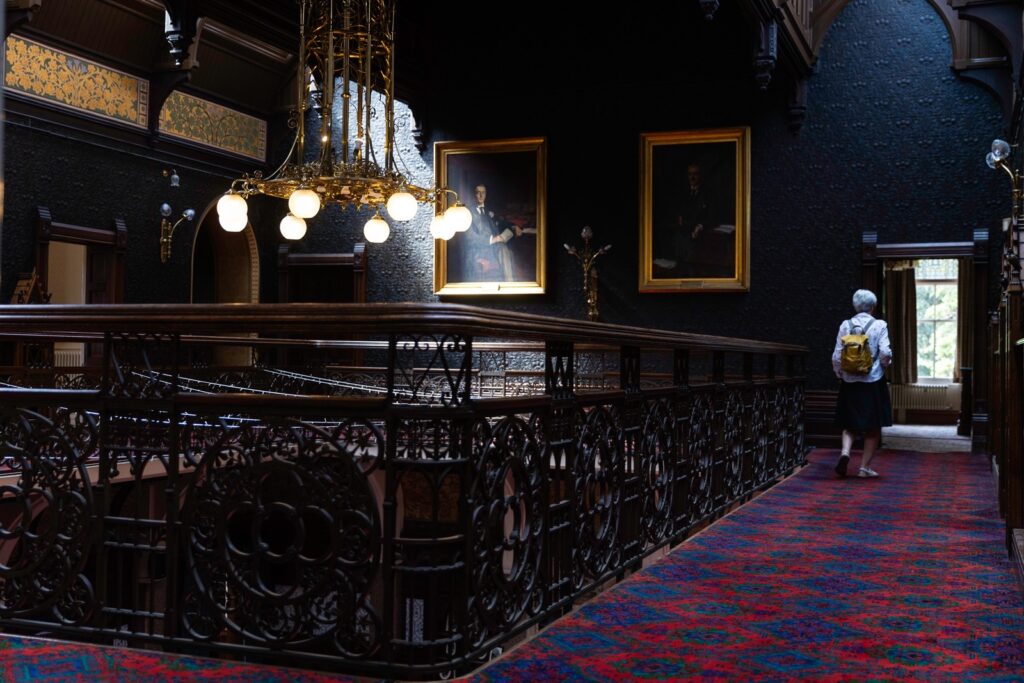
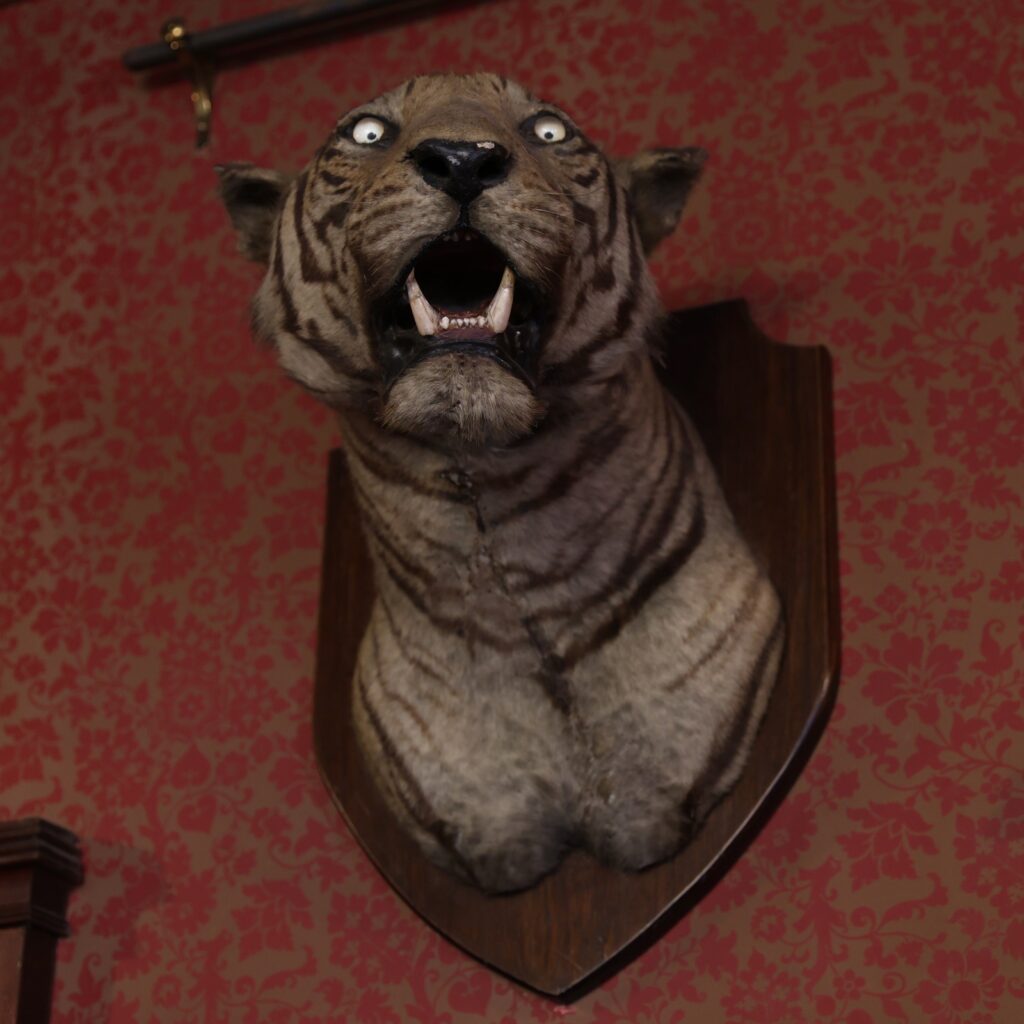
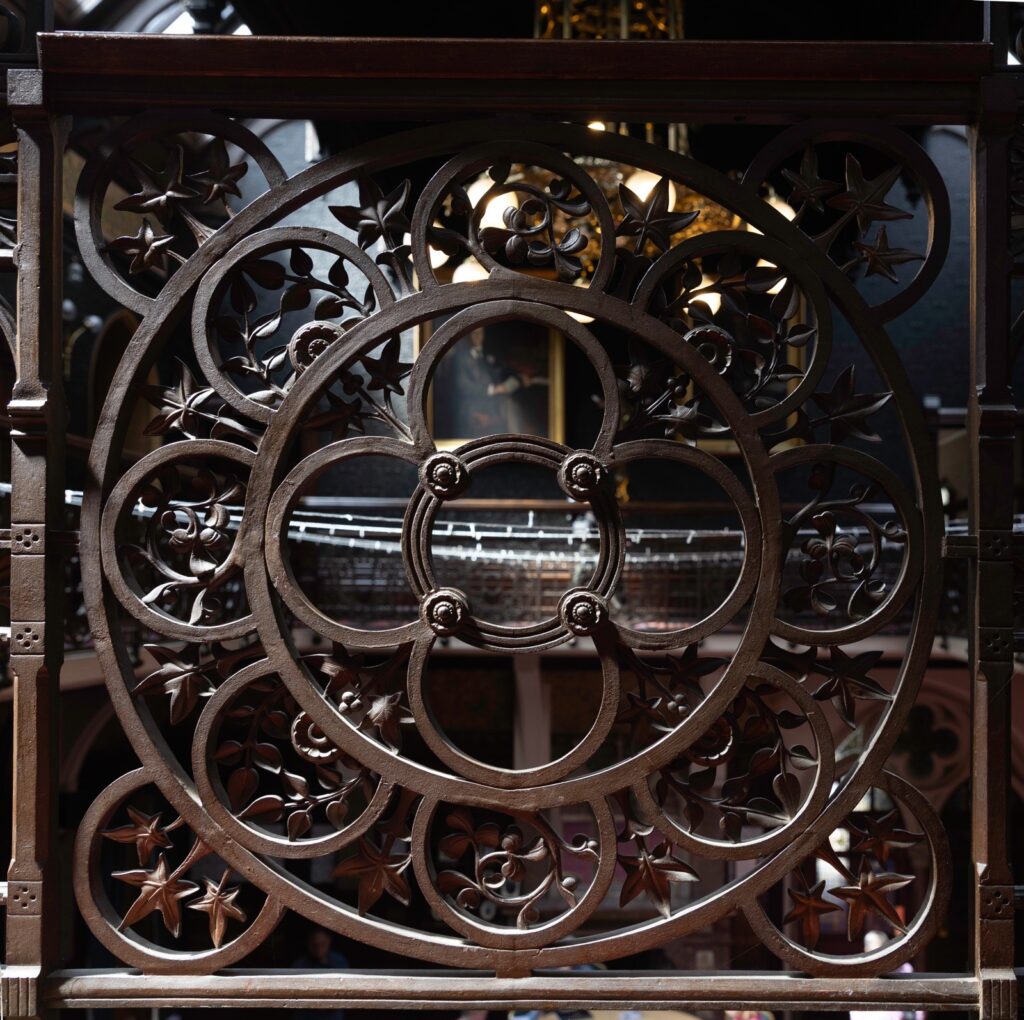
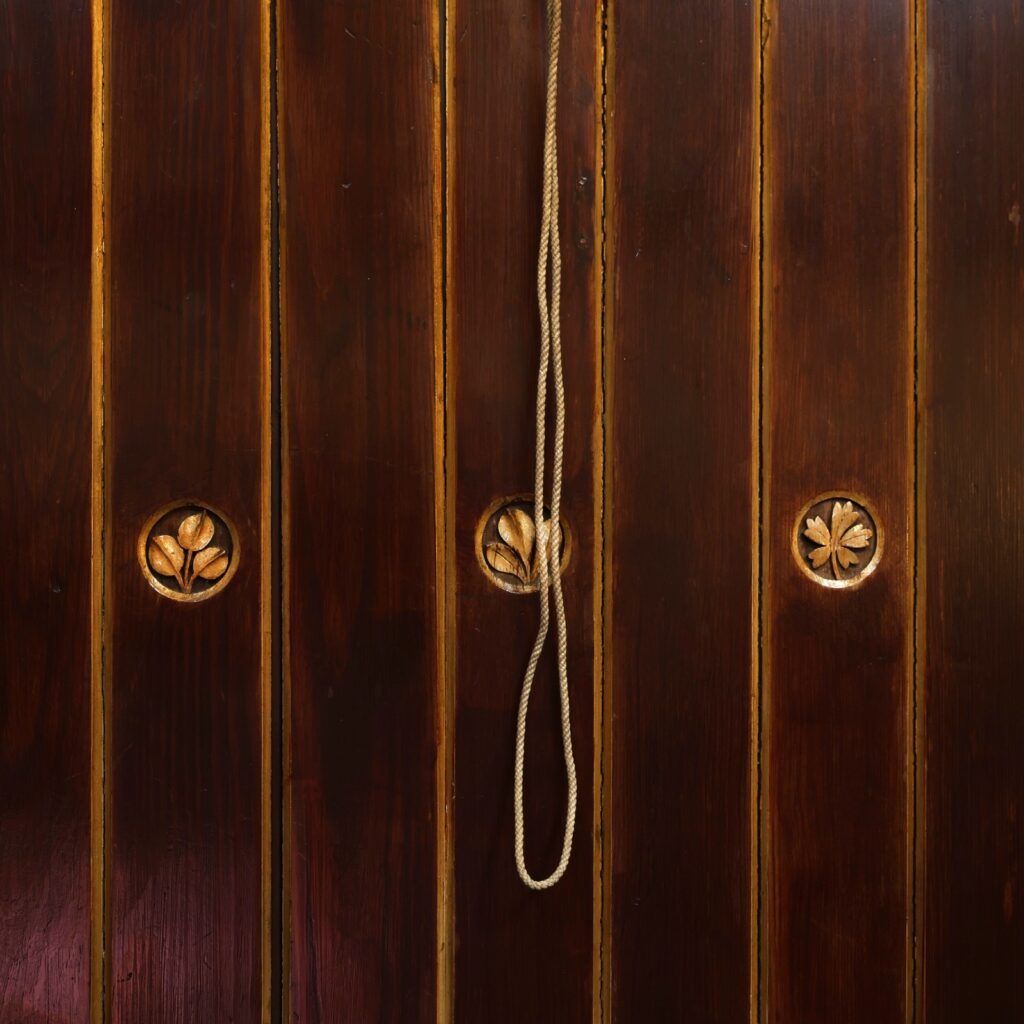
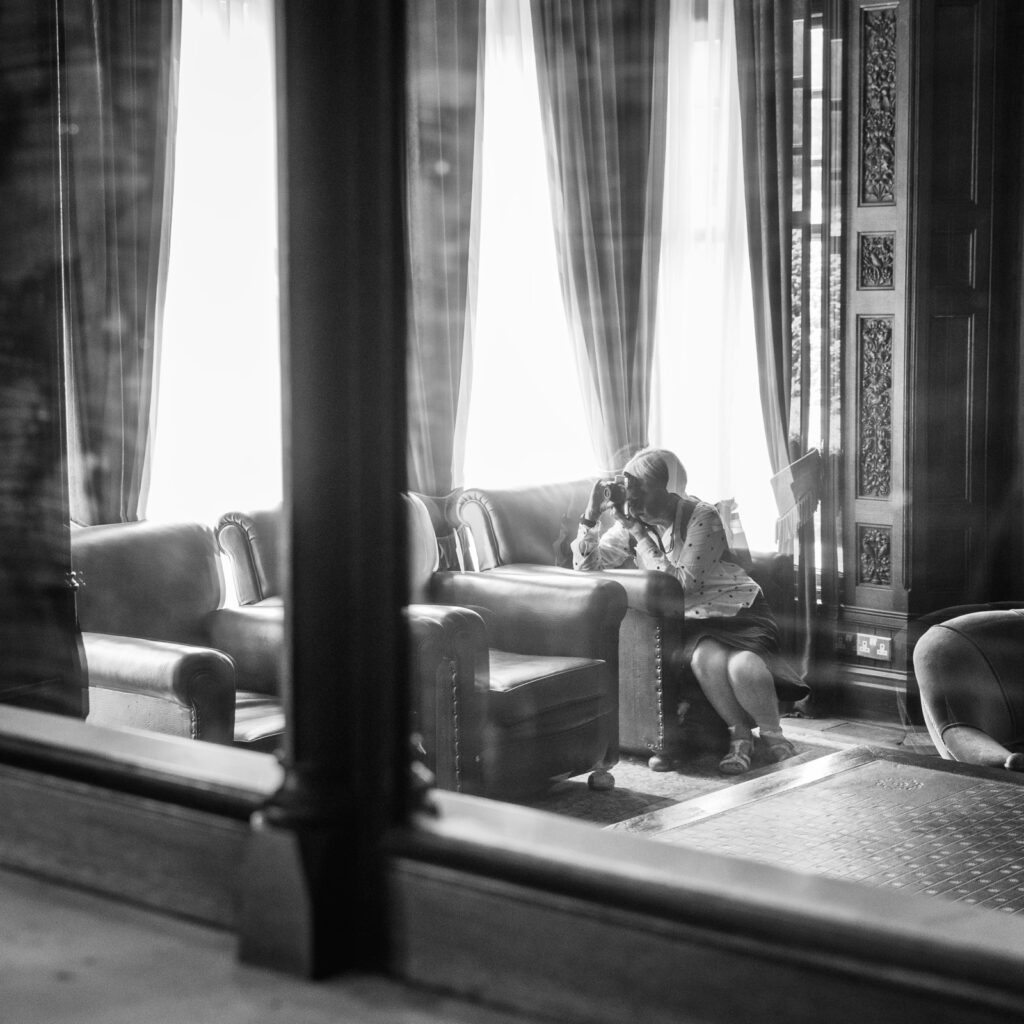
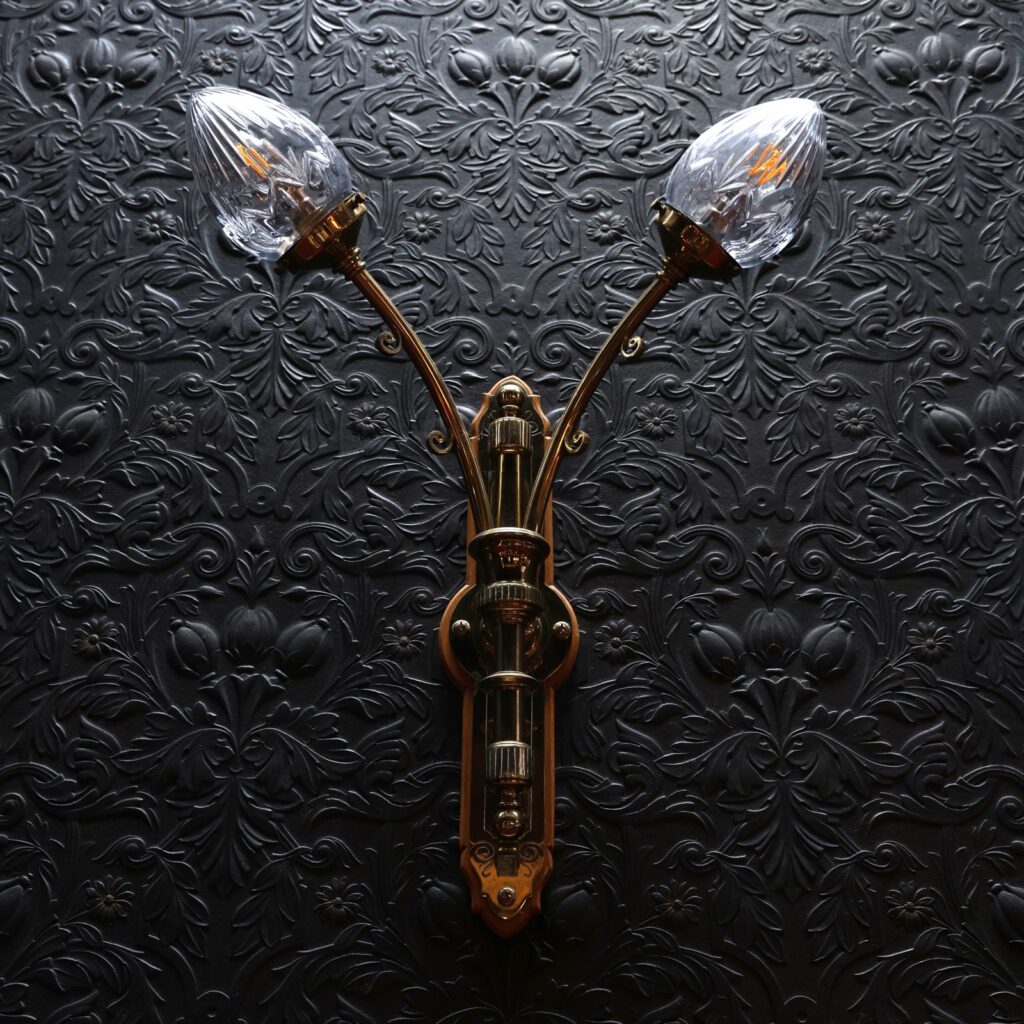
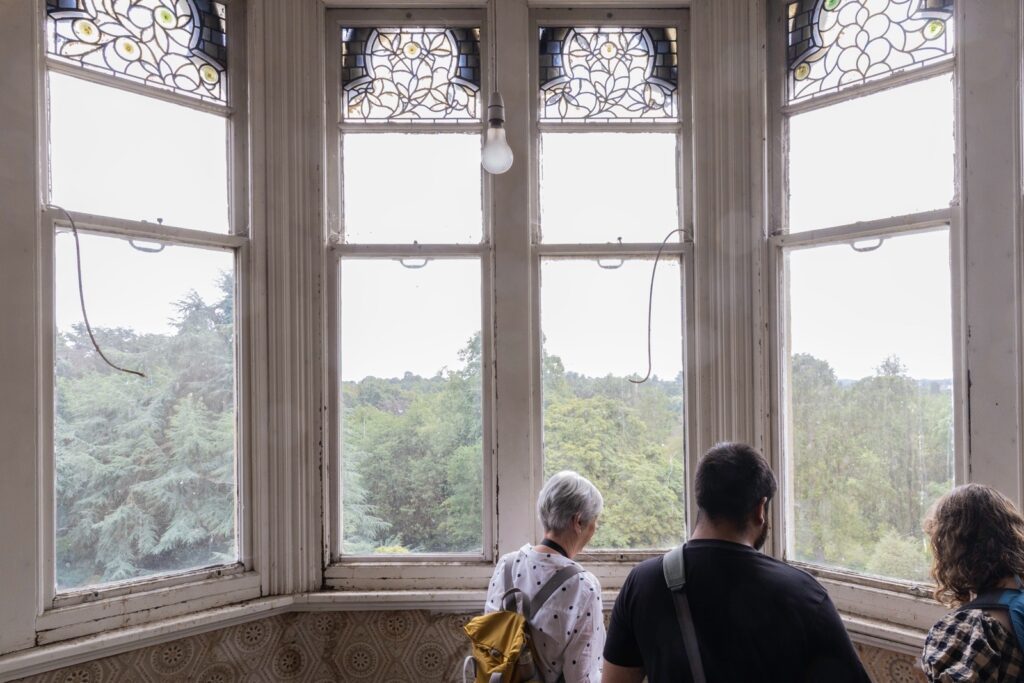
There are several upstairs rooms where you can look out over the gardens and see the expanse of woodland. Talking to Lucy, I learnt that only around 12 of the rooms are open to the public whilst the house has 60 rooms. There was to be a tour at 1.30pm to explore the hidden part of the house and I signed up to see and find out more.
The Hidden Rooms of Highbury Hall
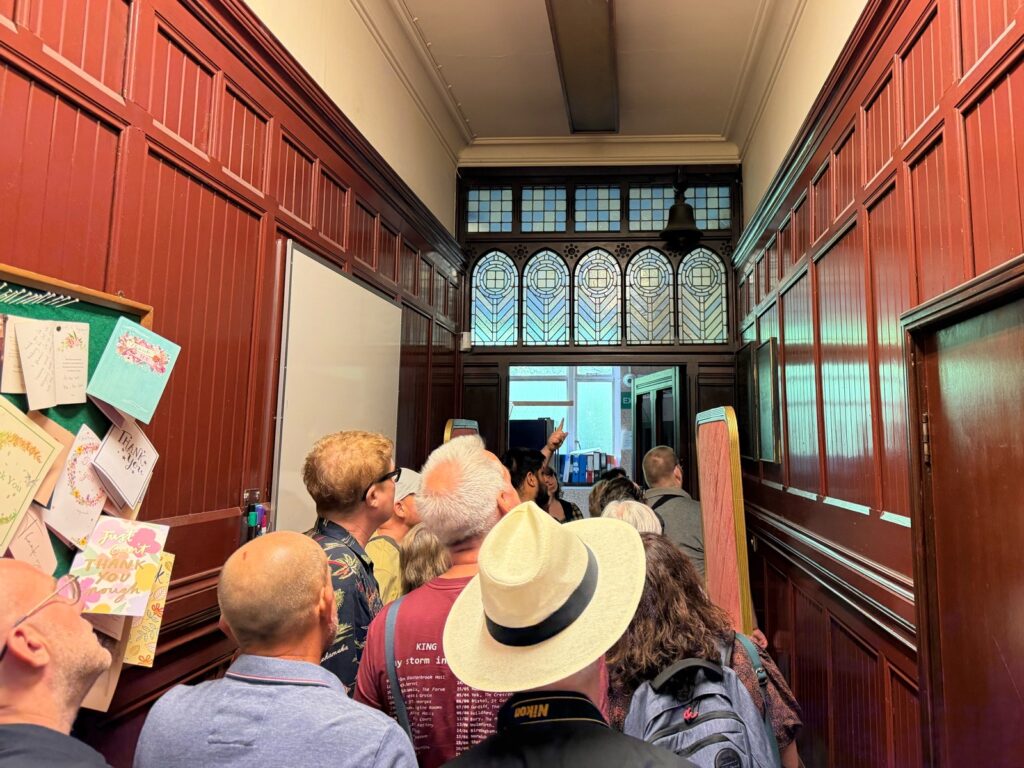
Around 20 of us gathered in the great hall and Lucy explained that we would be entering into part of the house that is not maintained to the same extent as the front part. We entered via the servant quarters and kitchens and started to explore the many rooms of Highbury Hall. Lucy gave a background to how the Hall had been used over the years since the Chamberlains had moved out and given the buildings and land to the city.
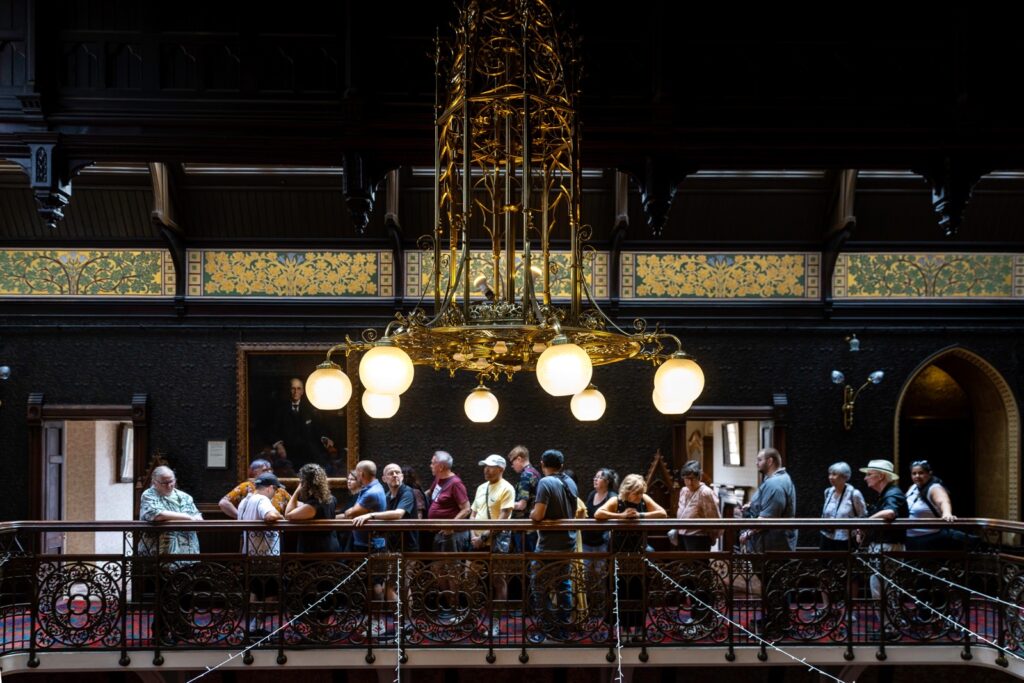
There had been different residents over the years including a convalescent home for soldiers recovering from the trauma of the first world war. For 50 years it was a care home for the elderly up to the 1980s. Hundreds of women were housed by social services in the hall. The remnants of their time in the many rooms at the northern side of the house are reflected by the different wallpapers in each room. There is a plan to restore and renovate these rooms to make them a community asset. I found them all to be full of objects or views that demanded to be photographed.
For the Instameet I had the following camera with me, Canon R6m2 with the EF24-70mm f/2.8L II USM lens. The camera worked admirably with the ambient light. Most of the rooms had large windows that allowed the light to show such details and the IBIS in the Canon found there was enough light to work with. As Lucy took us from room to room, I marvelled at the architecture and planning that had gone into the house. Whilst there was neglect present, the rooms still showed much dignity and I could understand why Lucy is so enthusiastic about the restoration of the house. The female residents had left memories of their time in the house via different wall paper designs and a montage of old photographs.
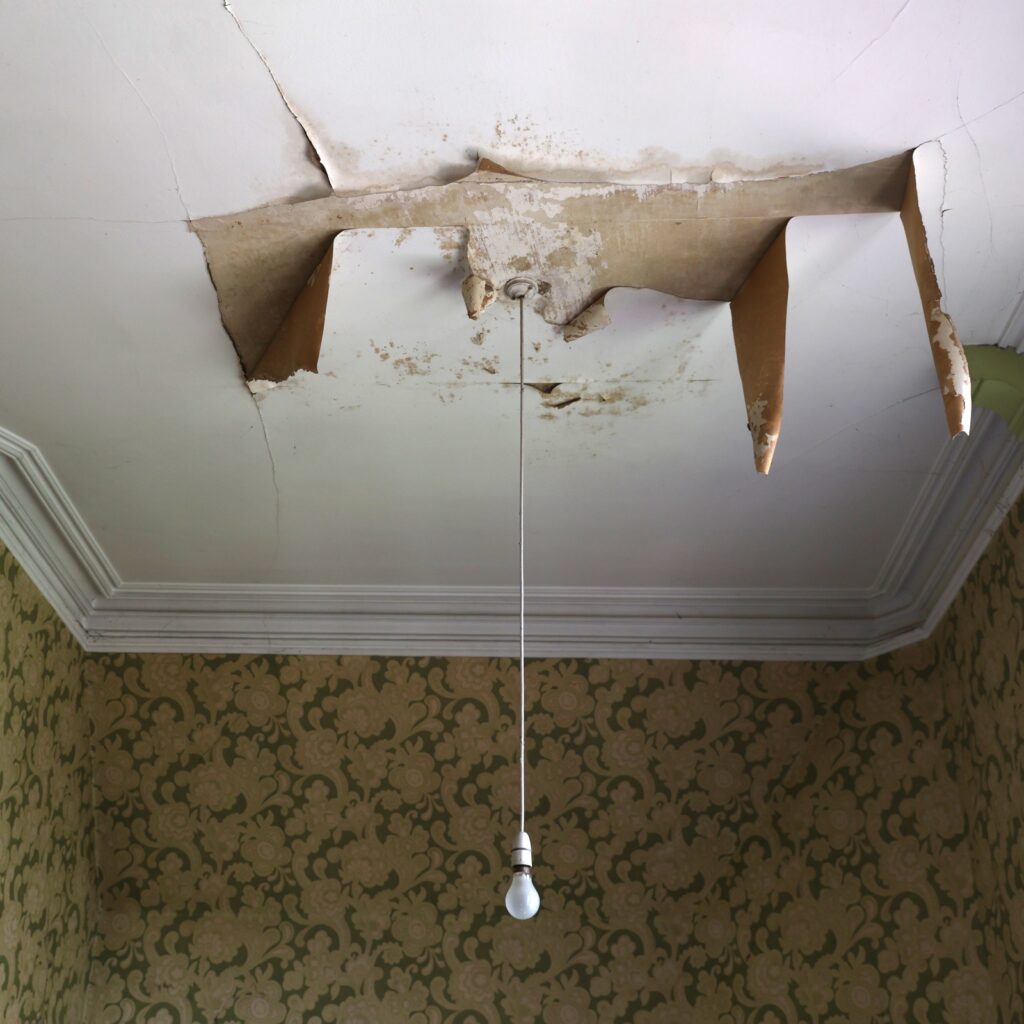
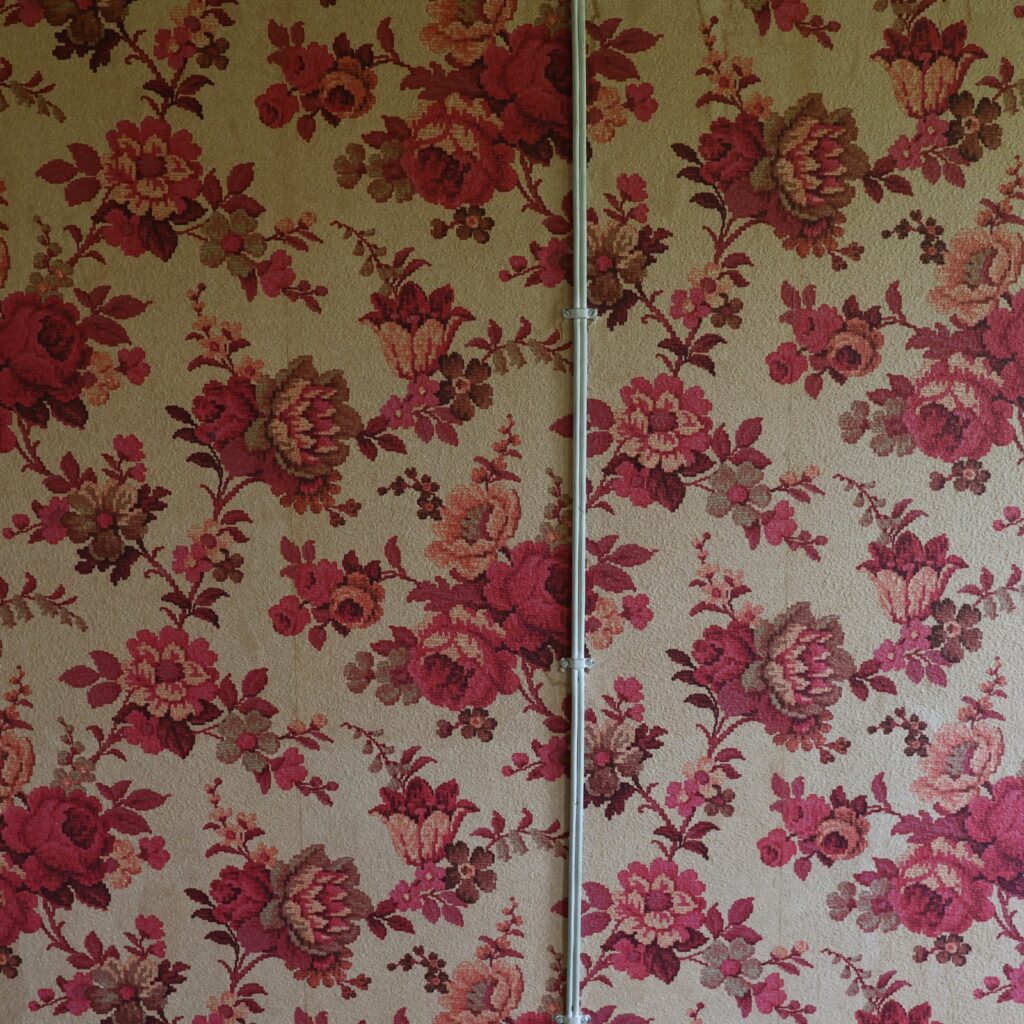
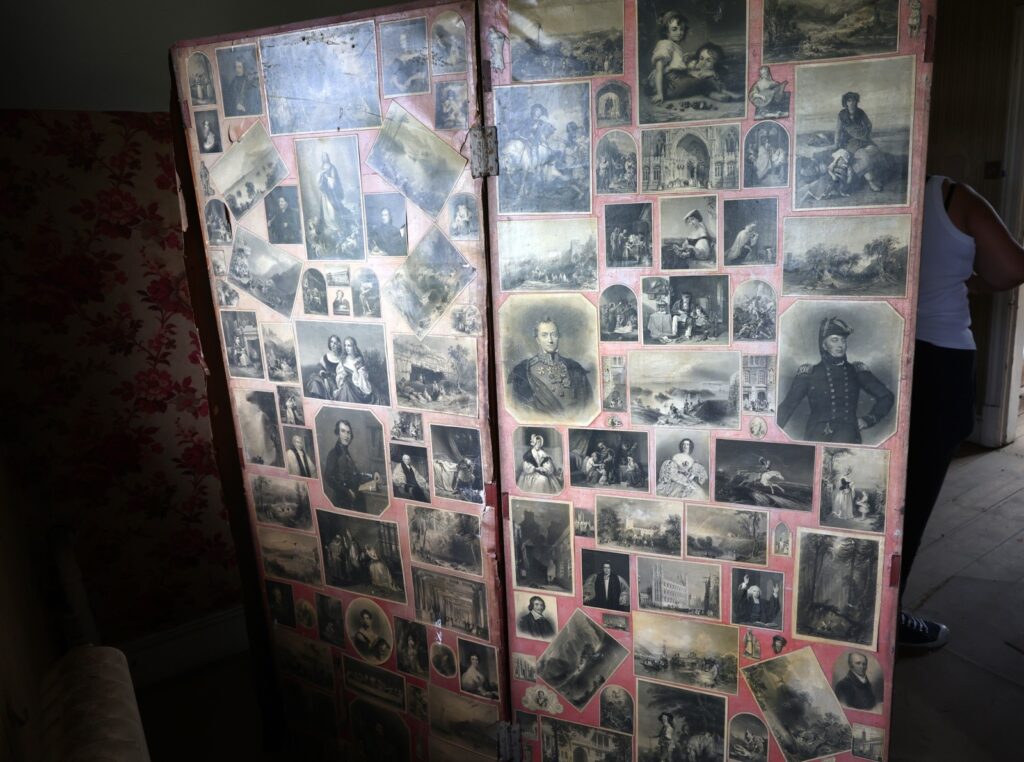
We then moved back to the balcony and explored the hidden rooms at the front of the house. Again, these spaces were beautiful and the views of the surrounding woodland added to the magic. I understand that such views would be spectacular in the Autumn, so I will have to return! I was captivated by the house and the rooms, especially hearing about their history and the plans on how they will be brought back to life.
Highbury Hall’s Grounds and Gardens
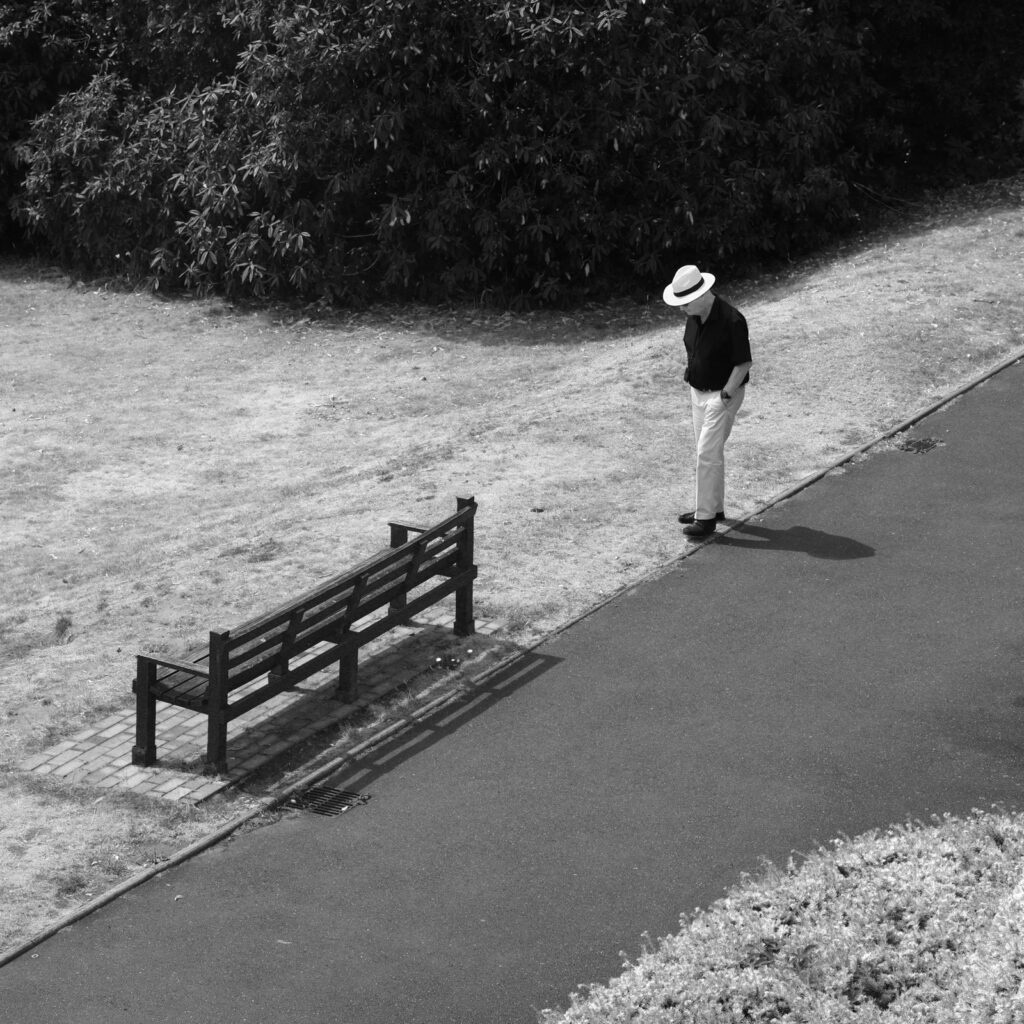
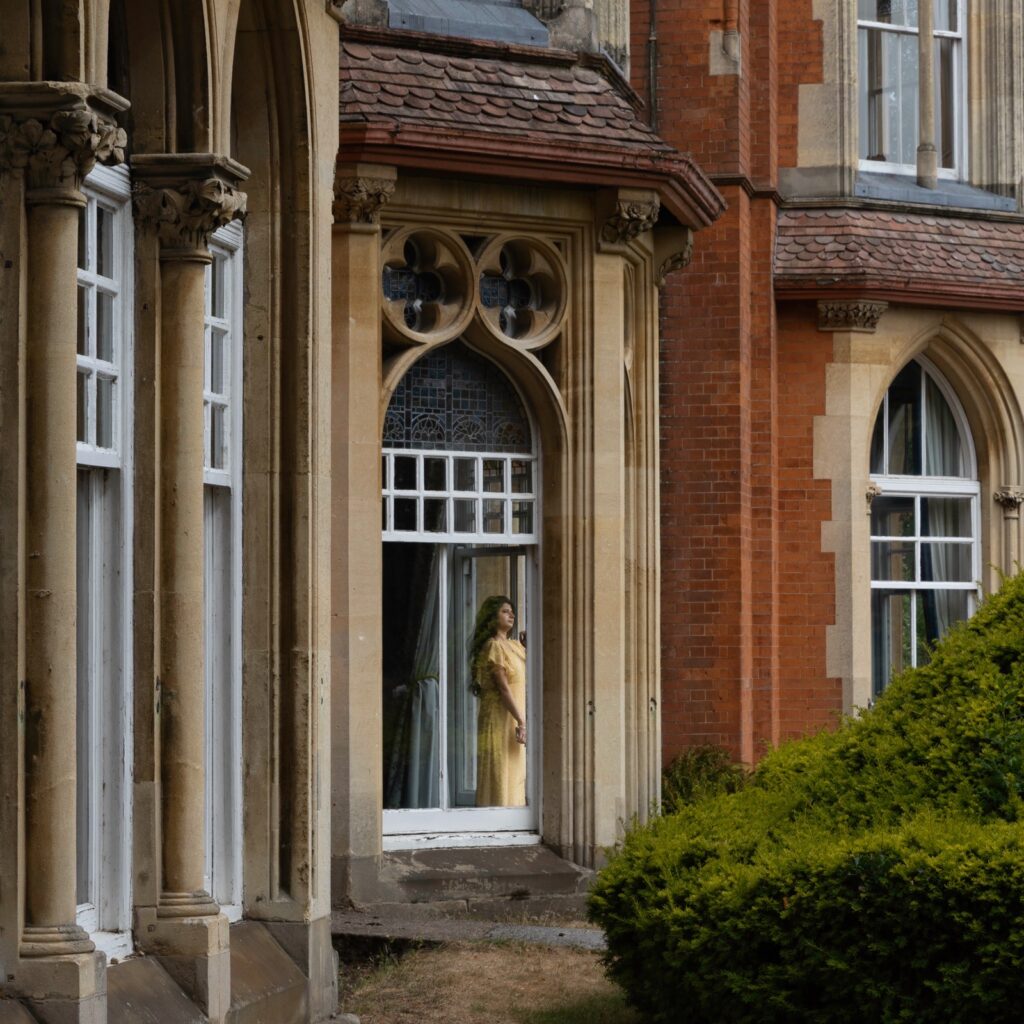
The outside is just as wonderful to photograph. I spent time walking around the grounds in and out of the trees, taking pictures of the house and the parklands. Despite the parched lawn due to the recent lack of rain, the house remains very photogenic. There are many open days planned and I would encourage people to visit. If you are a photographer, then you will so enjoy the play of light and shadows around the house.
If you enjoyed this blog then please fee free to read some other entries such as my visit to the Coffin Works in the Jewellery Quarter.
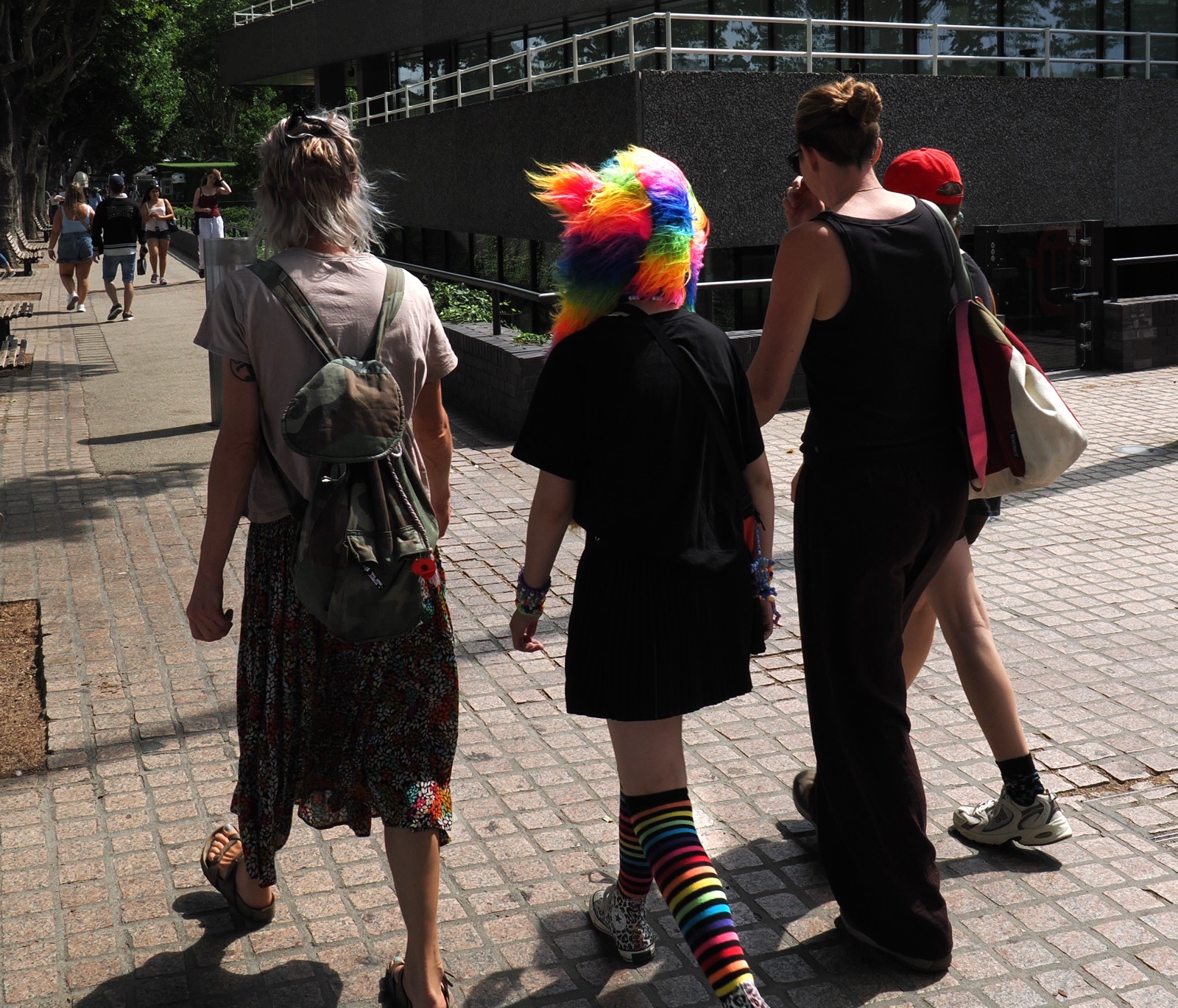
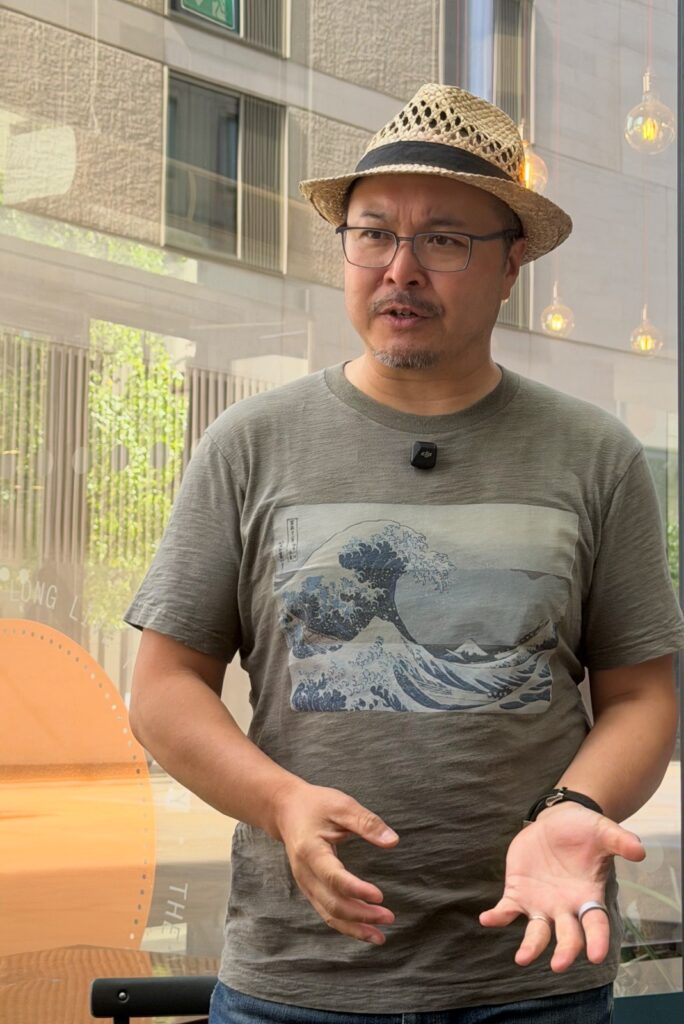
This blog is about a South Bank Street Photography walk with Jimmy Cheng. The walk was organised by Amateur Photographer in conjunction with OM-System. Is there a secret recipe to good street photography? Have a read to find the answer.
(All photographs taken with the OM system-3 except where stated).
How I Got onto this South Bank Street Photography Walk
An Amateur Photographer Instagram story caught my eye. The story was advertising the chance to go on a photowalk with Jimmy Cheng. There was also an opportunity to try out the OM-System 3 camera. Immediately I sent an email to Geoff at AP magazine. His reply was that I was booked in.
Meeting the Group at Black Penny Cafe
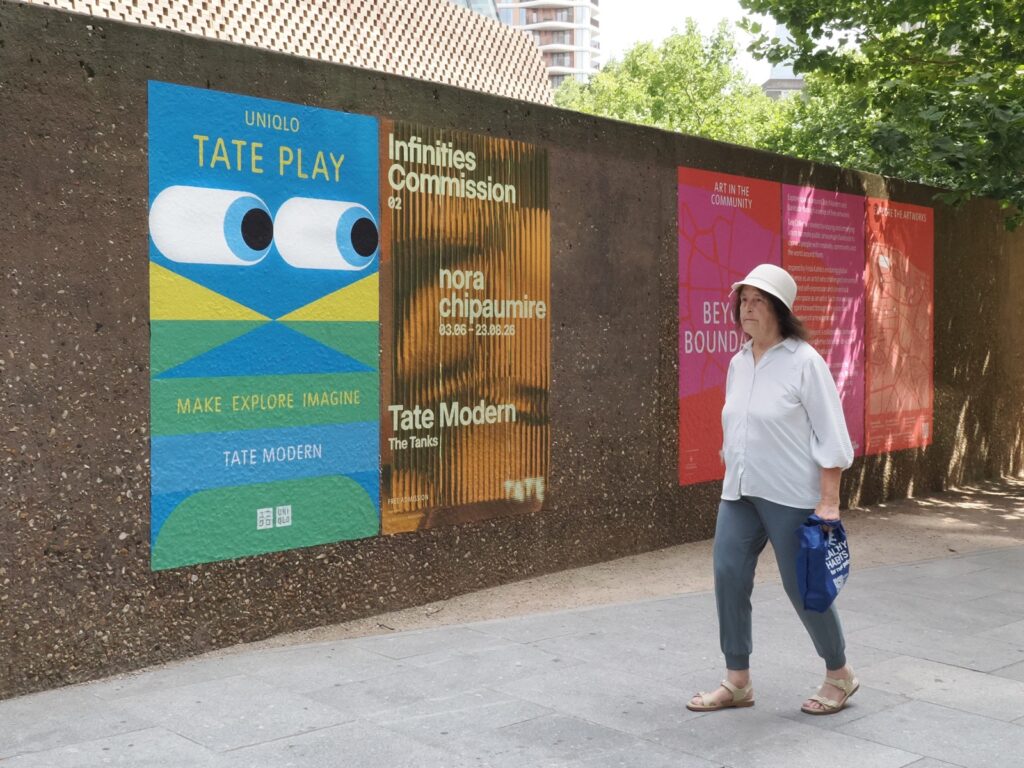
London was warm when I ventured out of my air-conditioned hotel in Bankside. Coffee and croissant in the morning sun near the Tate Modern, then a walk over the Millennium Bridge to drop off my bags in a lock-up. A quick bus ride to Waterloo to join the street photography group at Black Penny Cafe. The hosts were so friendly and after introductions we all started chatting away.

Geoff introduced Jimmy, our photography guide, and Luke from OM-System who provided cameras for those that were interested. I had a spare SD card with me and was able to use an OM-System 3 camera with two lenses: a 14-150mm and a 7-14mm. The first part of the walk was with the 7-14mm lens, and I will comment on both lenses during the blog.
Jubilee Gardens and the Modified Social Benches
Our route began in Jubilee Gardens with the London Eye in the background. After a group photograph we walked under the Hungerford and Golden Jubilee bridges, arriving at Festival Hall. Our walking pace was leisurely, which gave us time to soak in the atmosphere and become aware of the people moving around us.

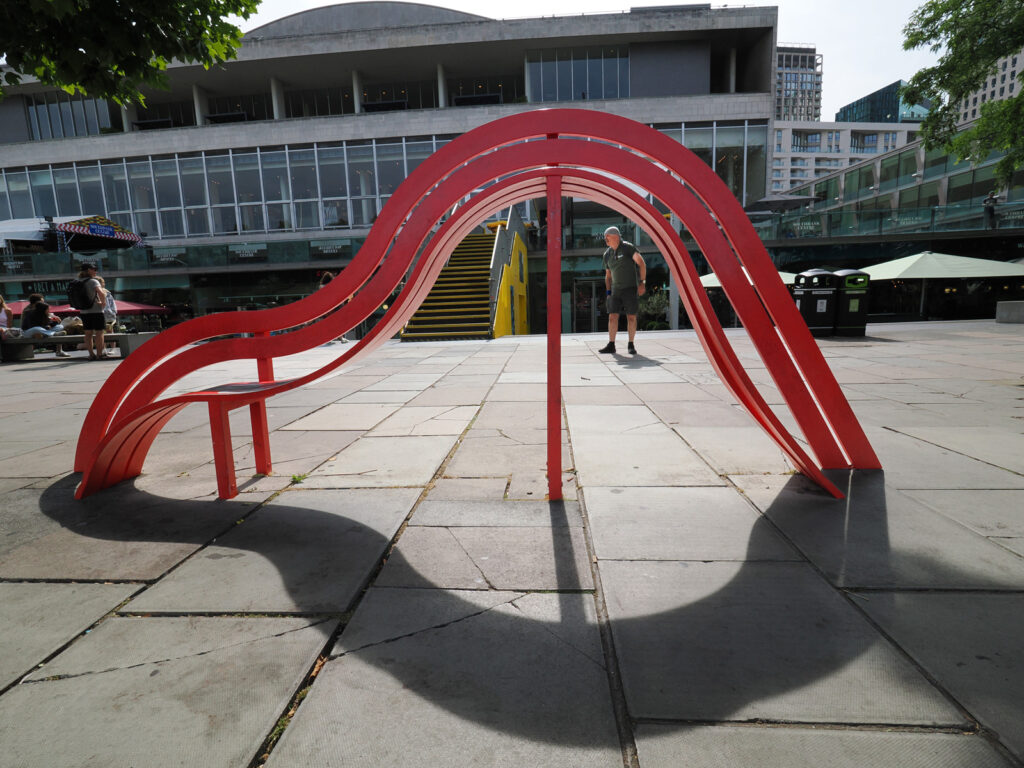
It was here that we came across the “Modified Social Benches” by Jeppe Hein, who has reimagined the humble park bench. They are designed to challenge the space and distance we keep between others. They are ideal for street photography. You can look as if you are taking pictures of the bench and then you are able to frame people around them.

The secrets to Jimmy Cheung’s Approach to Street Photography
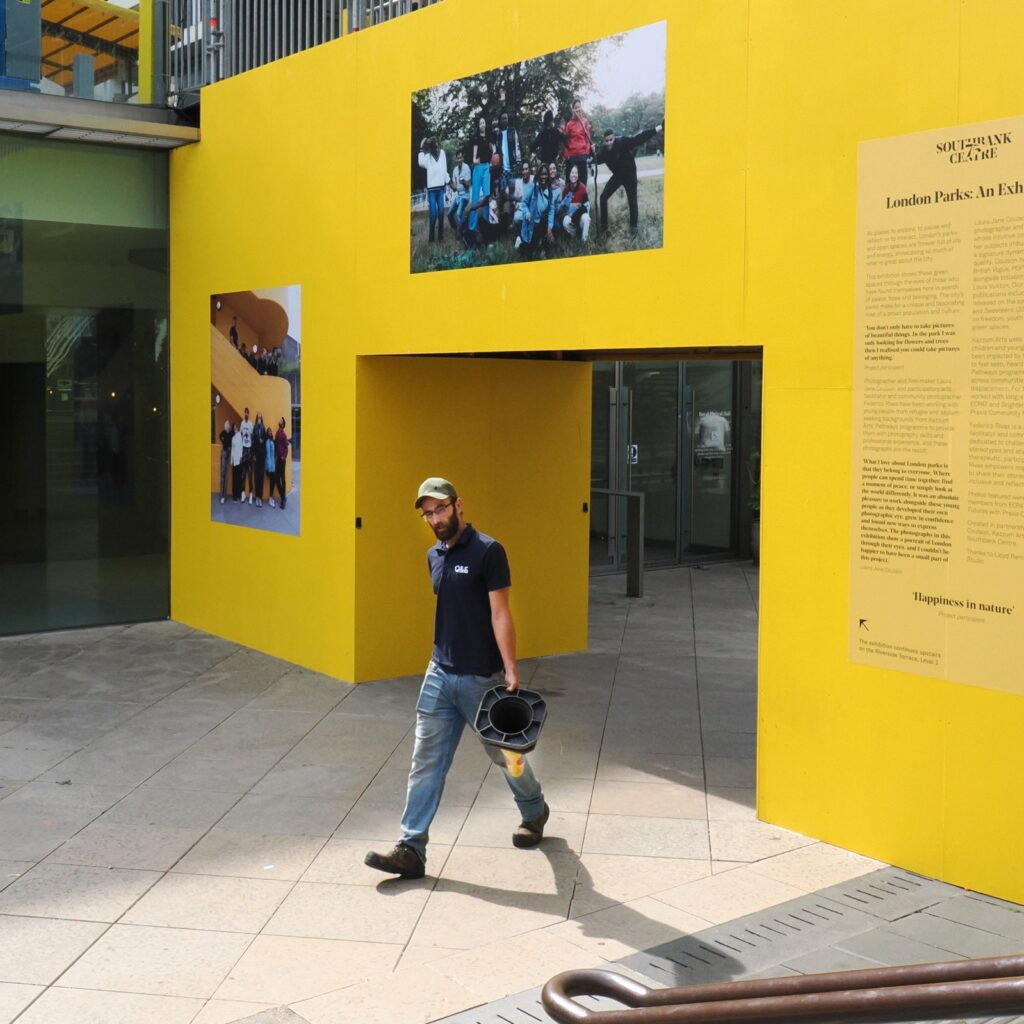
I wanted to spend a few minutes with Jimmy observing his photography and how he finds his street scenes. The first thing I learned is patience: Jimmy will spot the location, then wait for the right person to enter the scene. Once he has that picture, he will look for variations such as colours or space. The two pictures I took whilst shadowing Jimmy echo what he was seeing and assessing for his photographs. He carefully shifts his position to get the right viewpoint whilst not moving far from his location. I was also beginning to enjoy the OM-System 3 camera. It felt good in my hands and the wide angle lens gave some nice views.

Ice Cream Vans, Skaters and Graffiti Artists
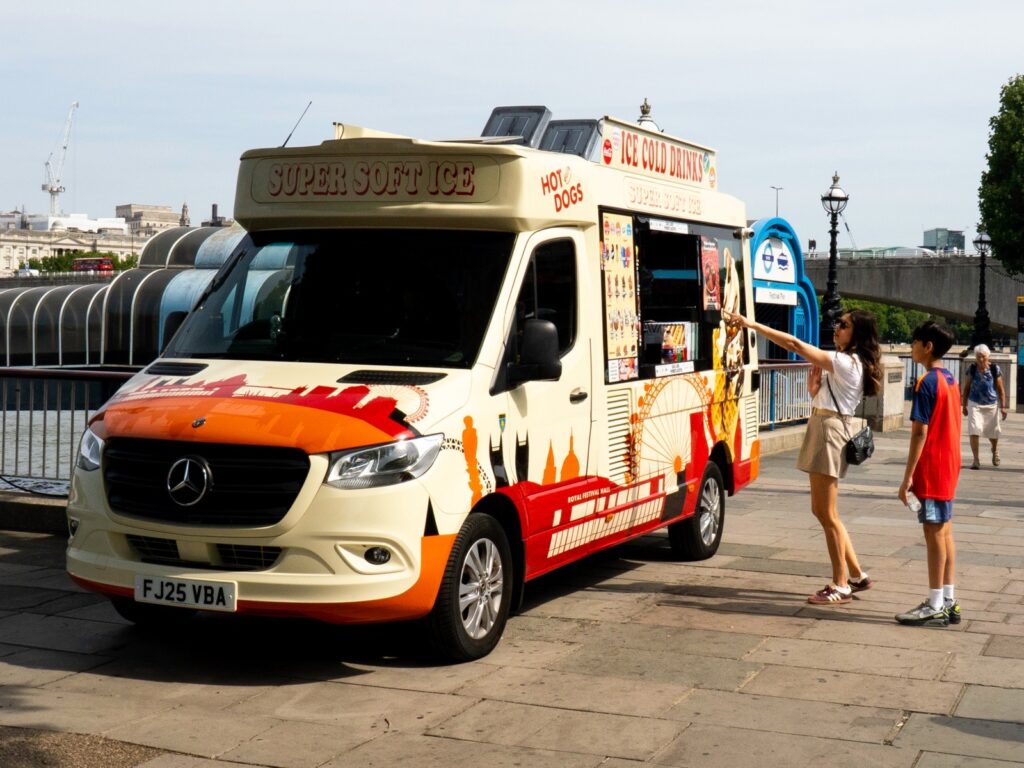
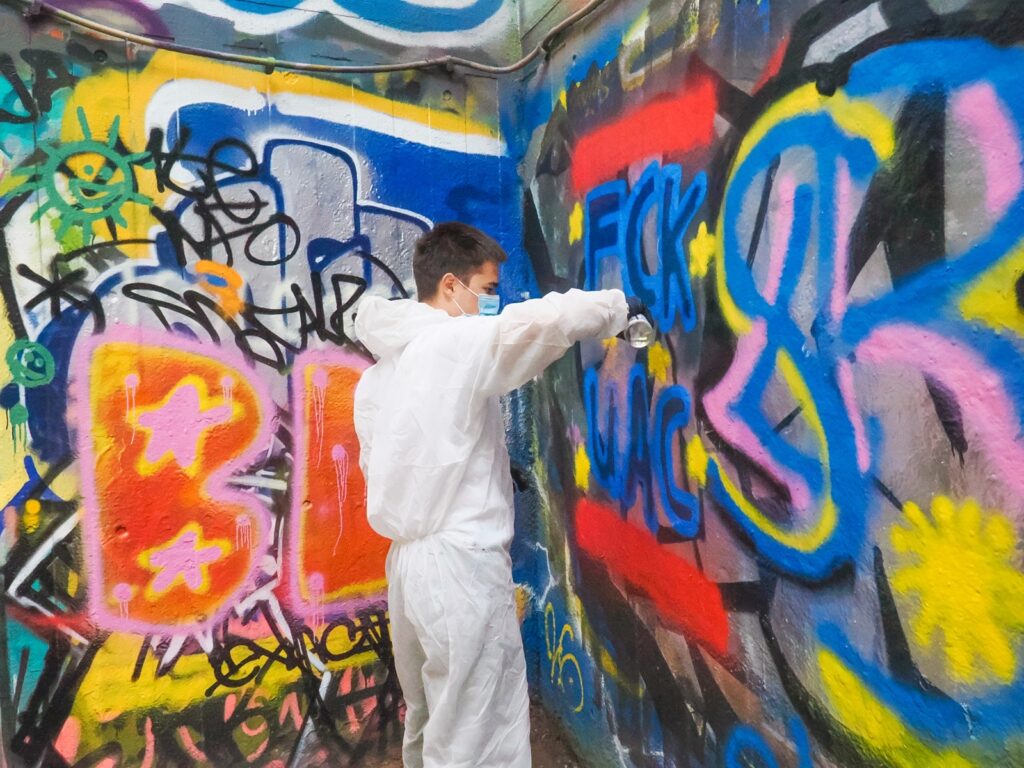
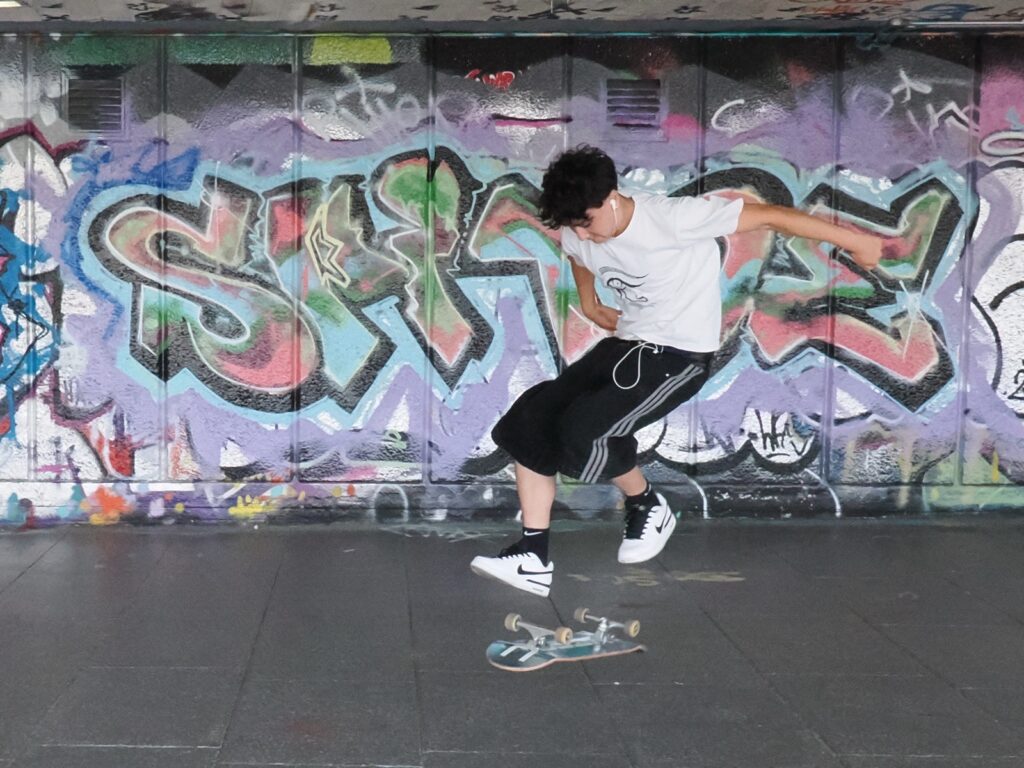
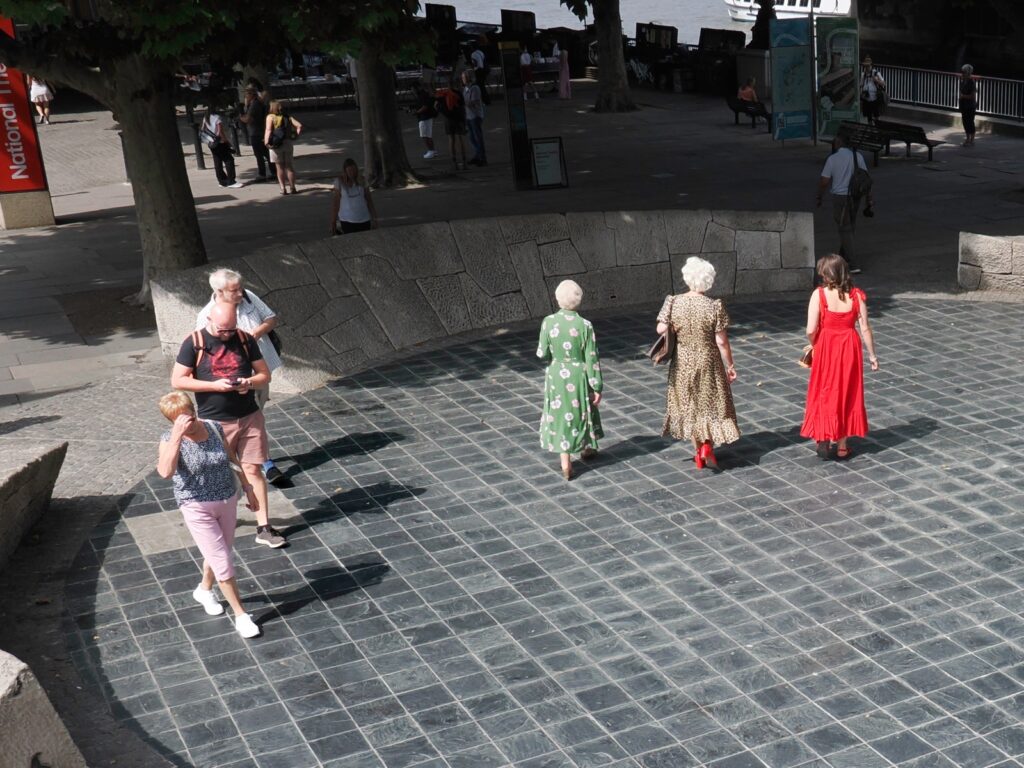
I love street vendors, and an ice cream van provides a rich stream of photography opportunities. So does the South Bank skate space. There were a few skaters plying their trade, but what was most interesting, deep in the undercroft, was a gang of graffiti artists. Dressed in their white protective suits and wearing masks, they looked intimidating. When I approached them, they were all smiles and relieved that I was not the police! The mix of colours and white suits made for great photographs.


Photography around the National Theatre
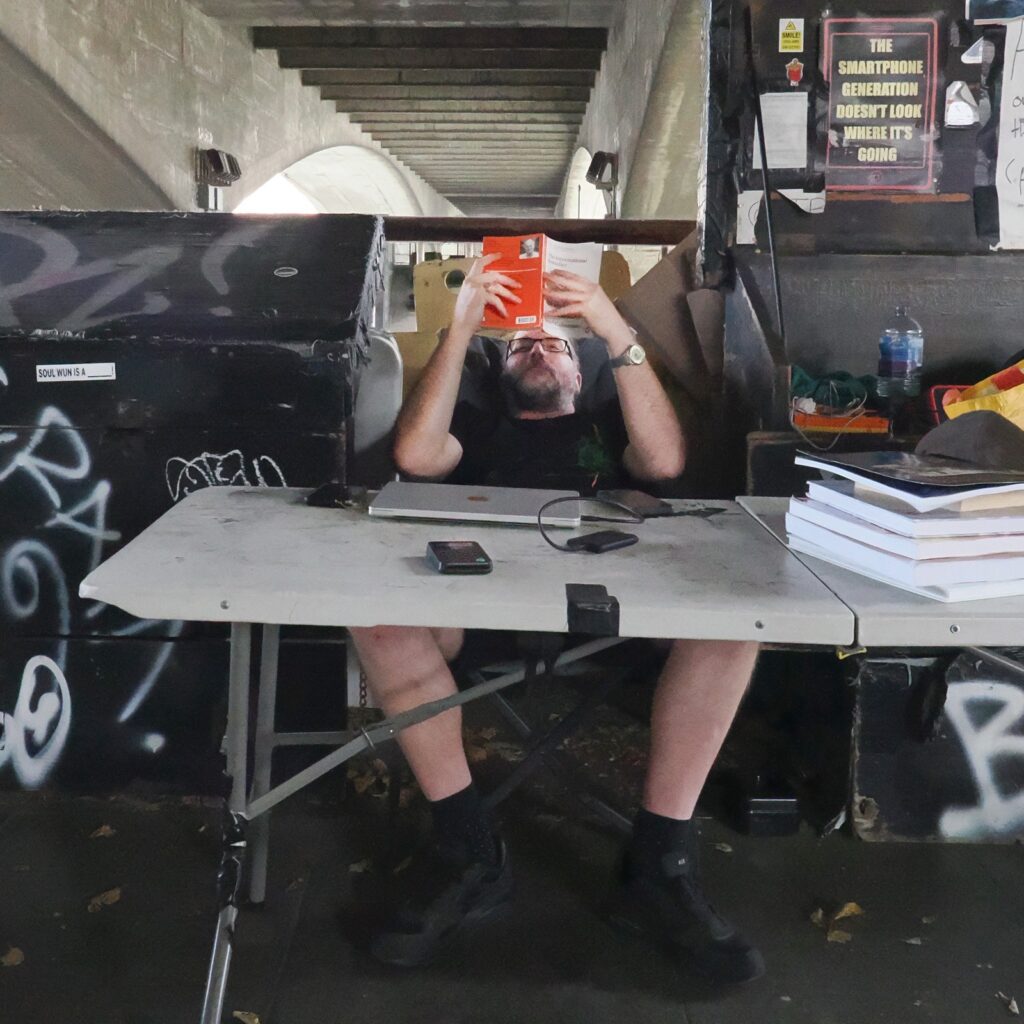
We passed under Waterloo Bridge, arriving at the dramatic brutalist architecture of the National Theatre. There is always a second-hand book sale taking place in this area. The arrangement of the books provides opportunities for geometric pictures. Fortuitously there was a person slumped on a chair reading a book in an orthodox fashion. He was distracted, making it possible to get a close view of his deep interest in the book.


Exploring the Thames Beach
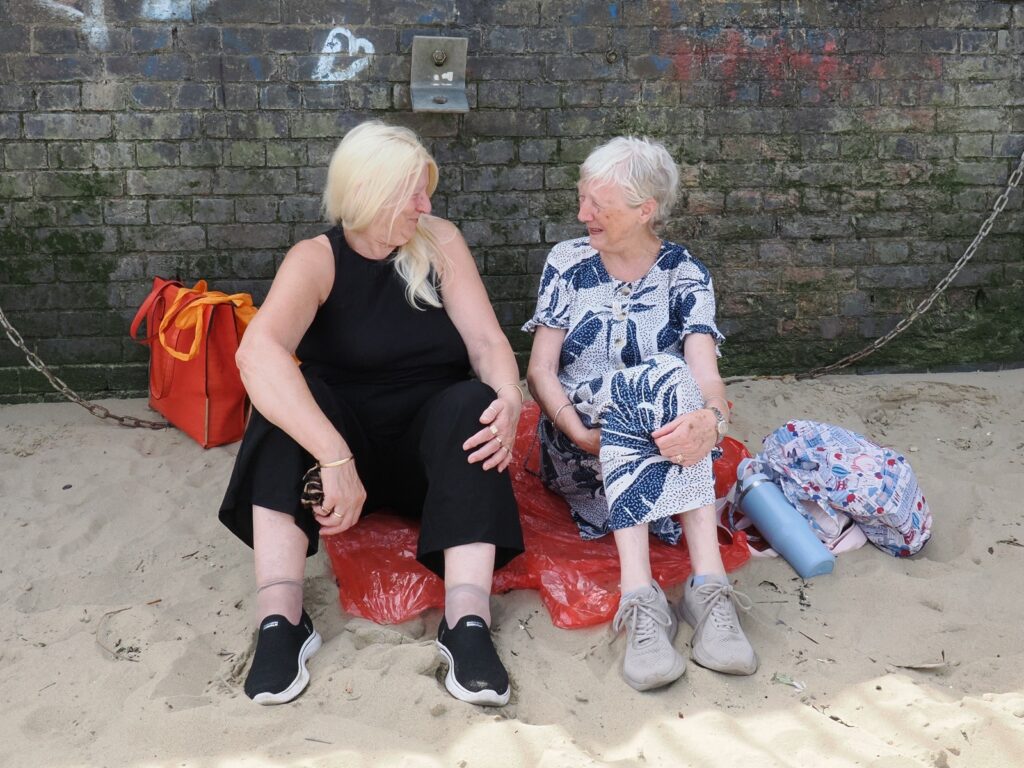
The number of people on the Southbank boardwalk increased as we headed towards what is popularly known as the Thames beach. People were on the sand enjoying the sunshine. Sandra and Elaine were two Londoners enjoying the day, and we struck up a conversation. They were fun to talk to and allowed me to take a picture of them on the sand. I found a lucky cat keyring that Jimmy enjoyed photographing. Then, as photographers do, we huddled under the pier taking photographs of all the textures and shapes that could be found.


Queen’s Walk, the Oxo Tower and Switching Lenses
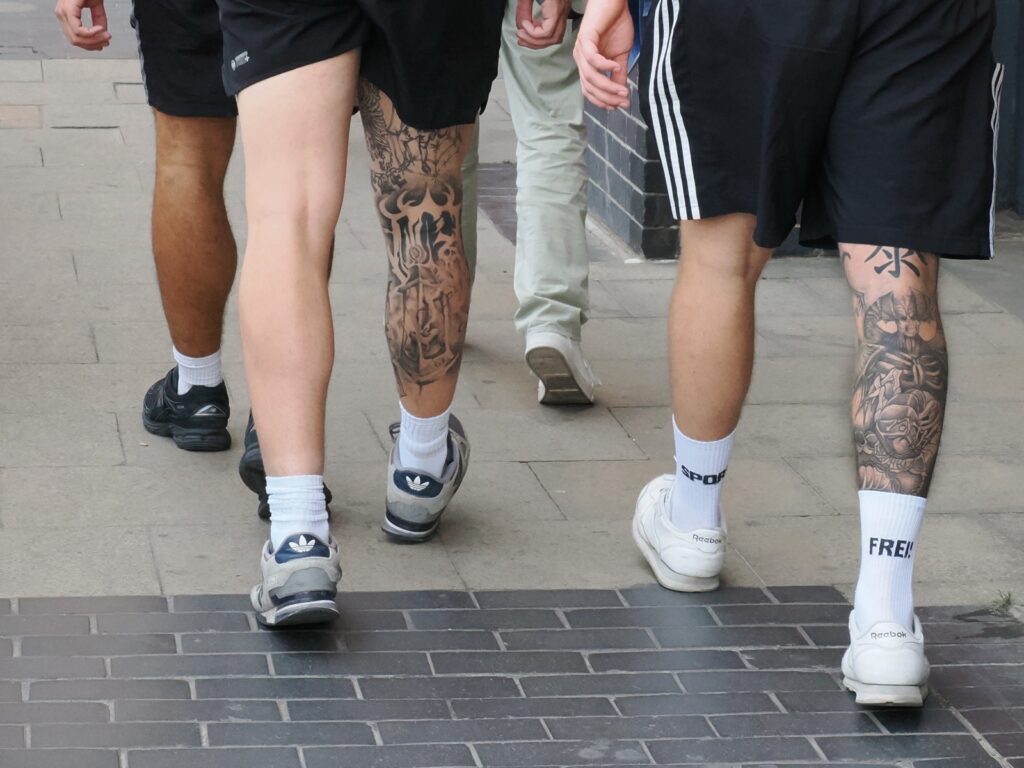
Our South Bank Street Photography journey was progressing slowly. The Queen’s Walk is where the passageway narrows and becomes especially busy. We stopped in at the Oxo Tower for coffee and a rest from the sun. Here I changed lenses on my OM-3 to the 14-150mm. This lens was light and easy to use. My first picture was of legs. I was fascinated by a group of young men who were similarly dressed in dark shorts and vests. They appeared to be army personnel on shore leave. Two of them had tattoos only on their right leg. The zoom on my OM-3 gave me the ability to capture the differences.

Blackfriars Bridge and the City Skyline
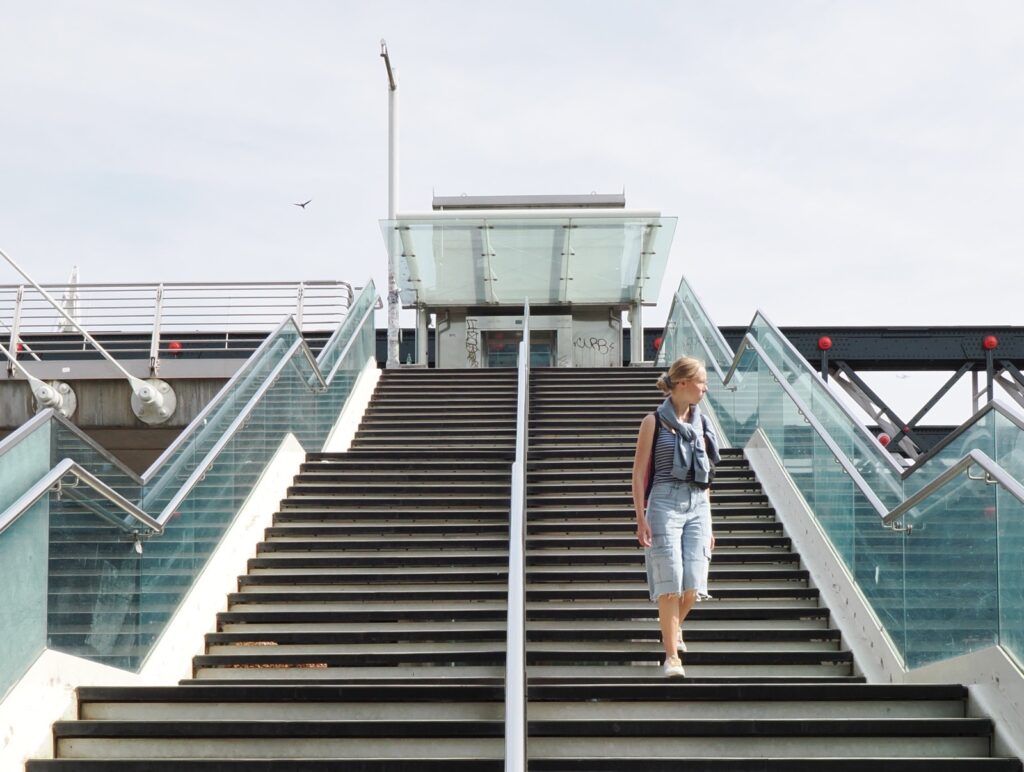
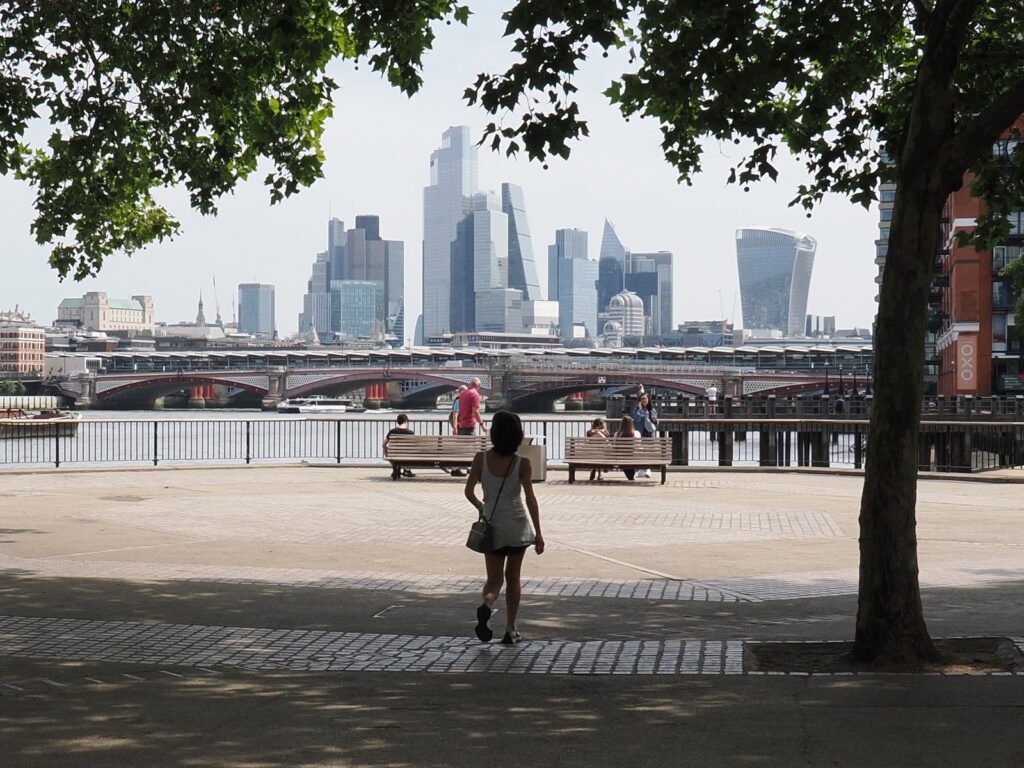
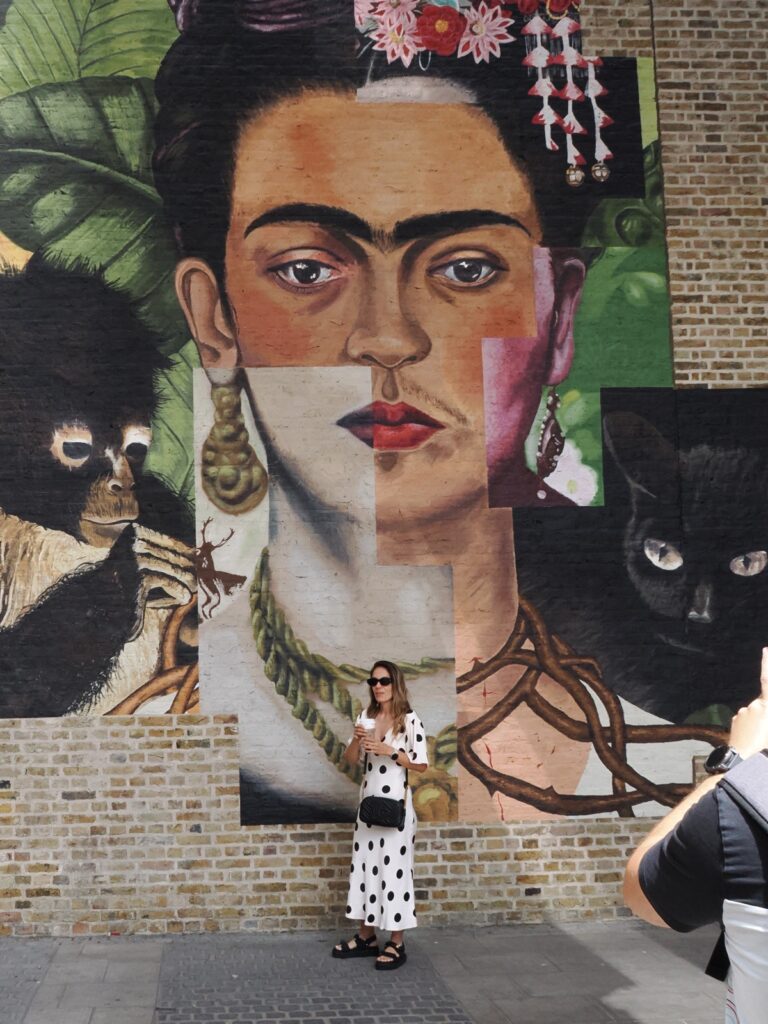
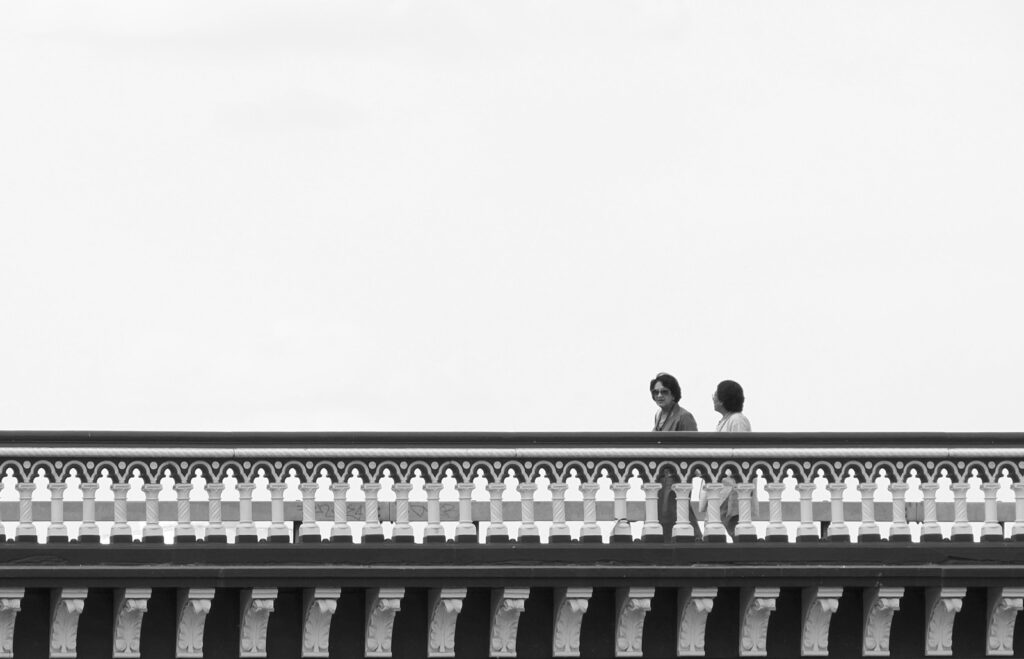
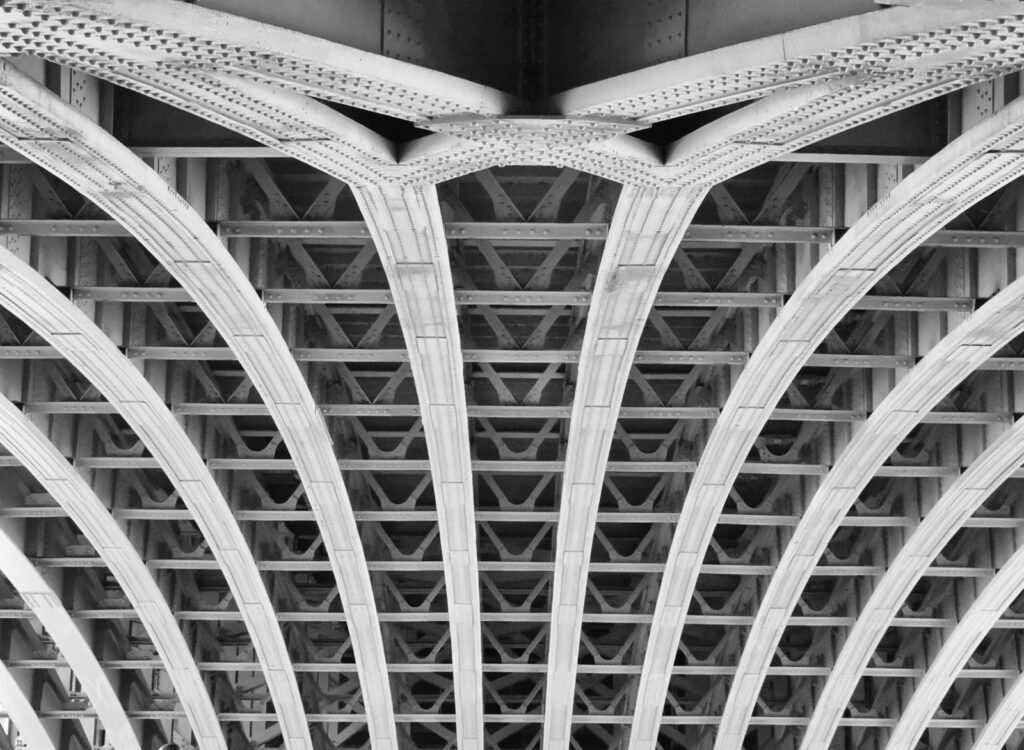
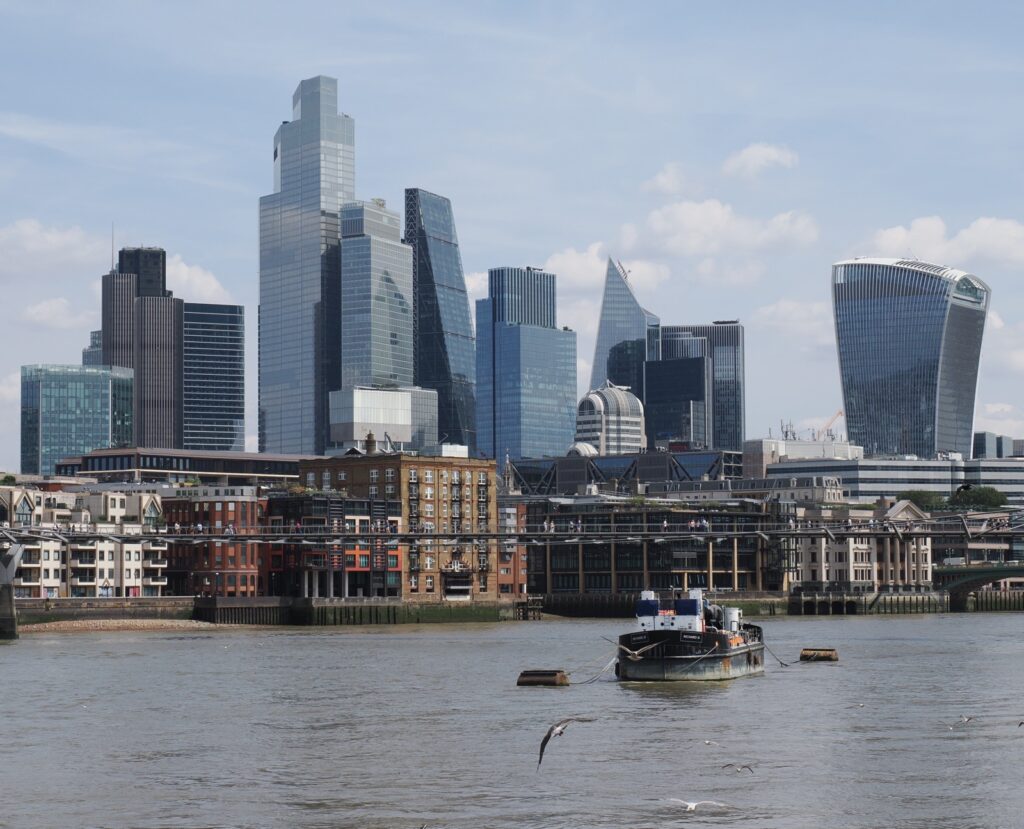
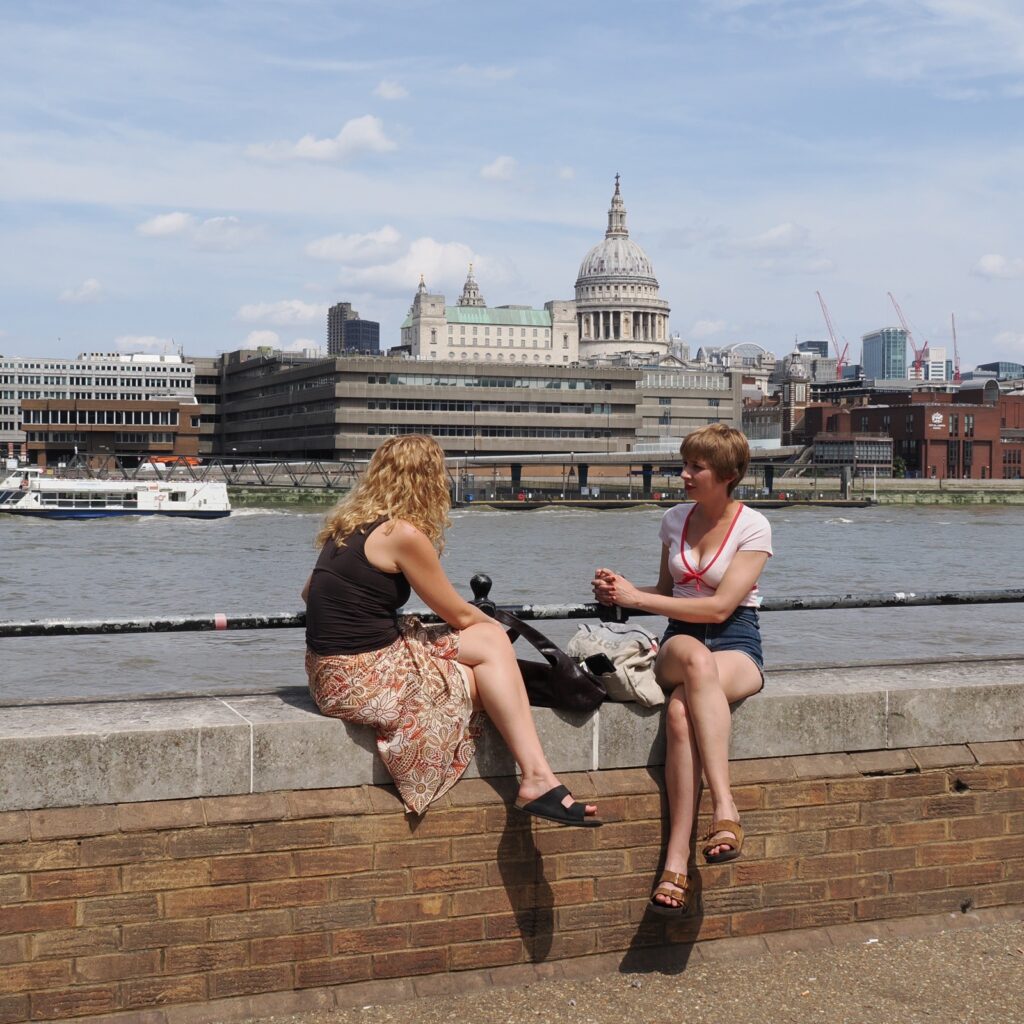
We were walking under Blackfriars Bridge and Bankside pier where there are street murals. Then there are opportunities to view the architecture and the city. This was a honeypot location for street photography. People were either on the beach or milling around trying to enter the Blackfriars Bridge entrance. Then there was the architecture of the bridge itself. My zoom lens captured several features around this spot. There was a great view of the skyscrapers of the City, which we used as a backdrop for street photography.


Lunch, Reflections on using the OM-3, and Thanks
Our restaurant was behind the Tate Modern was to be our final stop on our South Bank Street Photography walk. We took several pictures just before sitting down to lunch. The group was buzzing with enthusiasm and there was a chance to share photographs. Jimmy quickly showed us the pictures he had taken, and these emphasised his technique of utilising spaces and colours that are enhanced when the right person enters the scene.

Sadly, it was also time to hand back the OM-System 3 camera that I had used. The OM-3 made a lasting impression, and I will be considering buying one in due course. I will write a short piece about my thoughts on the camera, which will be overwhelmingly positive. A big thank you to Luke at OM System for the loan of the camera and lens for the walk.
Thanks must also go to Amateur Photographer for organising the day, which was a memorable experience. I learnt a lot talking to the AP team of Geoff, Jessica and Andy, so thank you for your time. Finally, thank you to Jimmy Cheng for leading the walk, sharing your thoughts on street photography and allowing us to see how you creates your pictures.
If you enjoyed this blog on South Bank Street Photography then please read my street photography visit to Canary Wharf. This area is also a great place to visit with your camera when in London.

Meeting at Centrala Space for a Digbeth Canal Walk
PRISM Photography linked up with the Canal and River Trust and organised a Digbeth Canal walk along the towpaths of the Birmingham Canal Navigations. Our guide for the photographic walk was Tom Hicks, of Black Country Type fame. We met at Centrala, which has a canal side location. The group of photographers included a mix of familiar and new faces, and soon there were friendly discussions between us.
Tom Hicks and Black Country Type: A Colourful Presentation
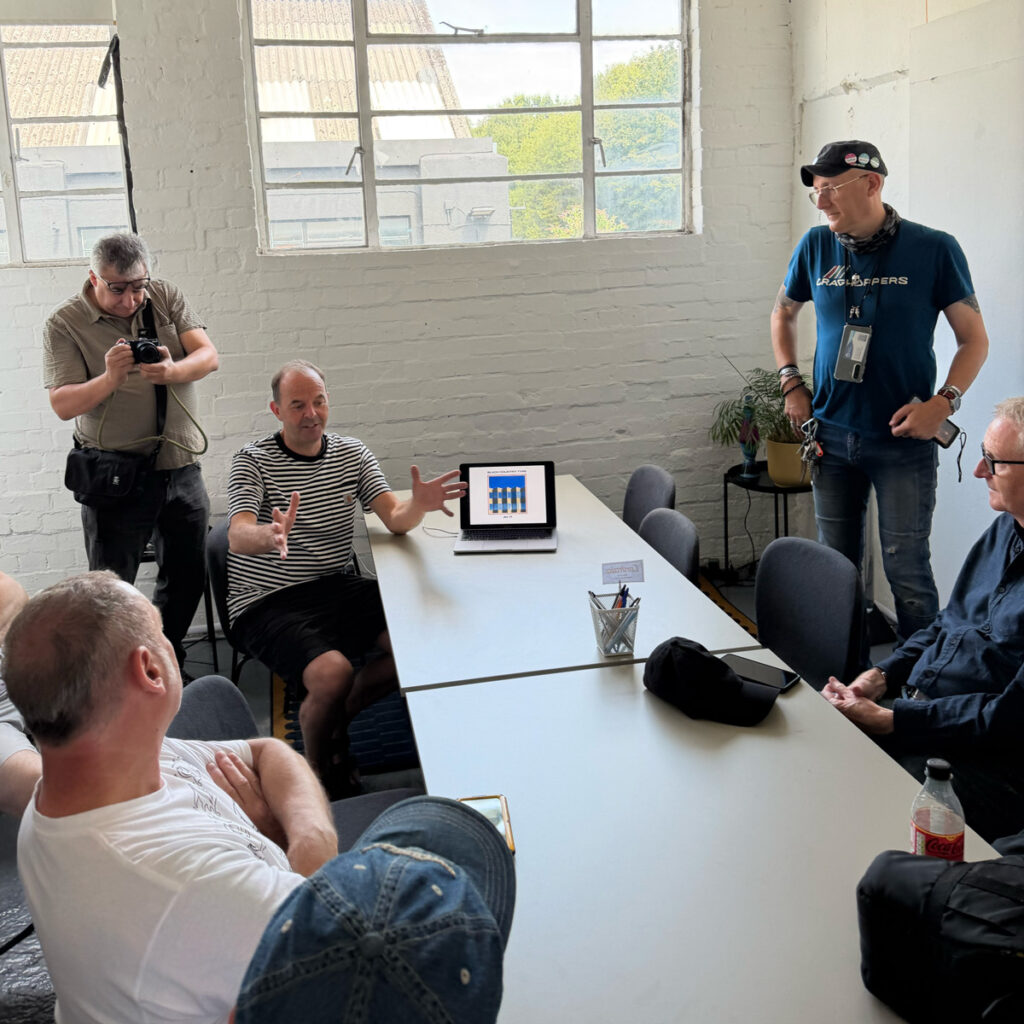
Francesco Falciane from PRISM Photography welcomed us and introduced Nick Cleaver, community engagement officer from the Canal and River Trust West Midlands. Next, Tom Hicks gave us a short presentation about his photographic work with Black Country Type. His pictures are full of colour and display a humorous take on life in the Black Country.

Onto the Towpath: Graffiti and Wild Foliage at Bordesley Junction
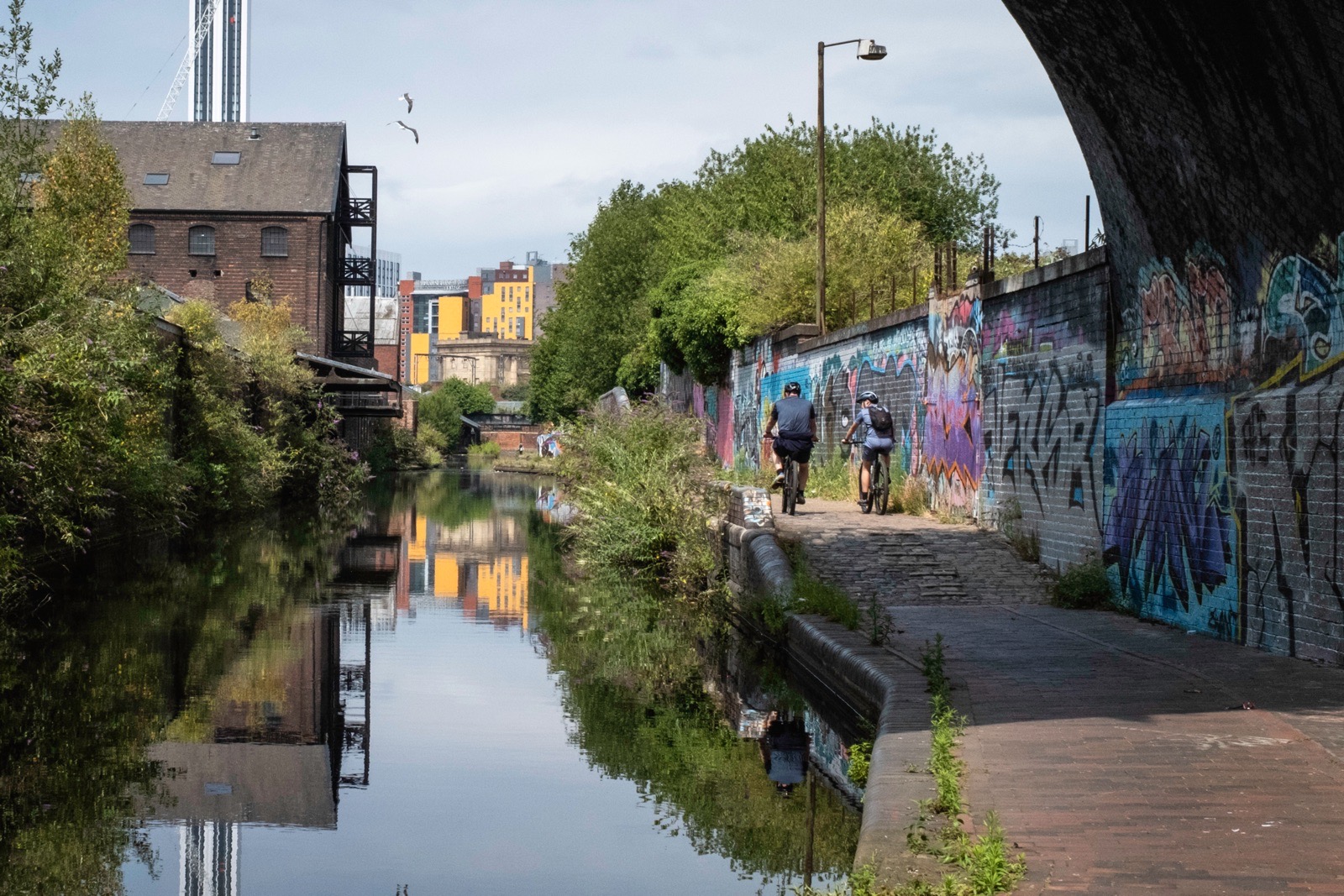
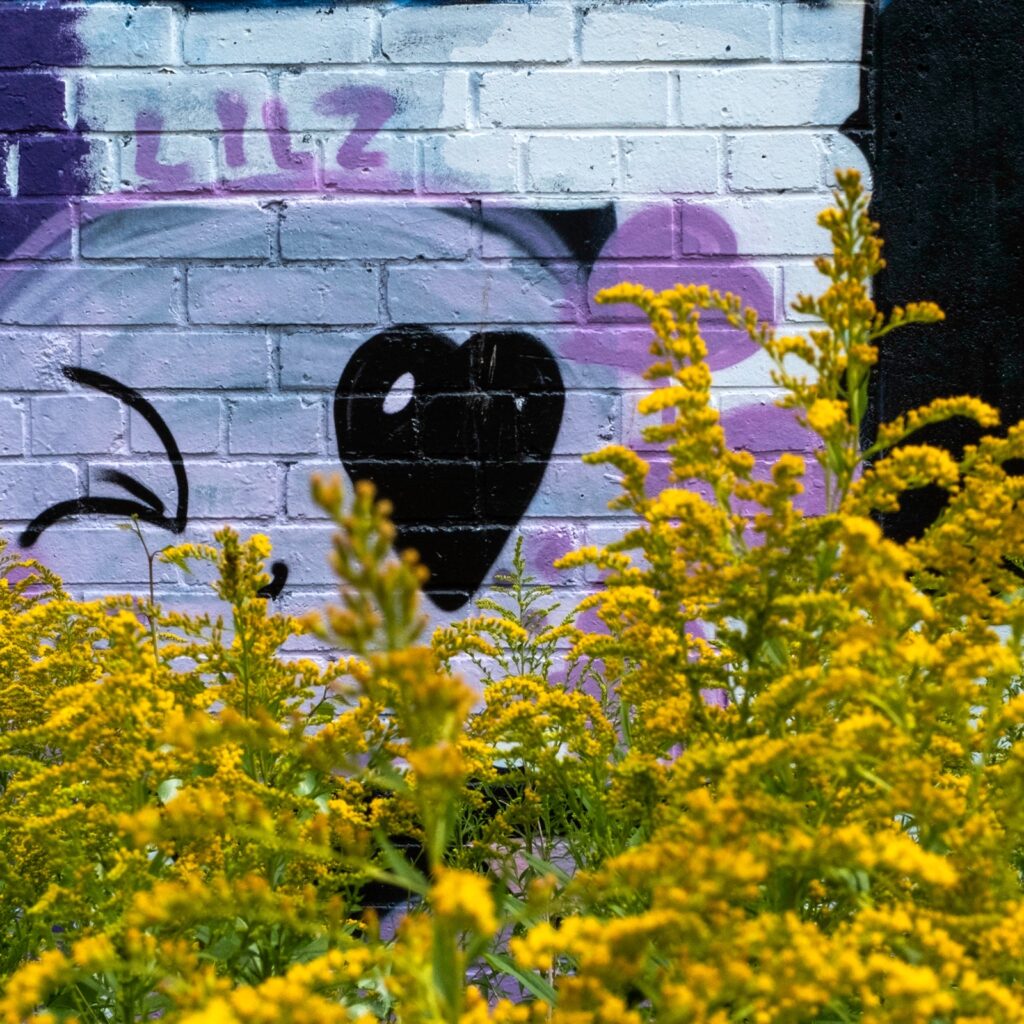
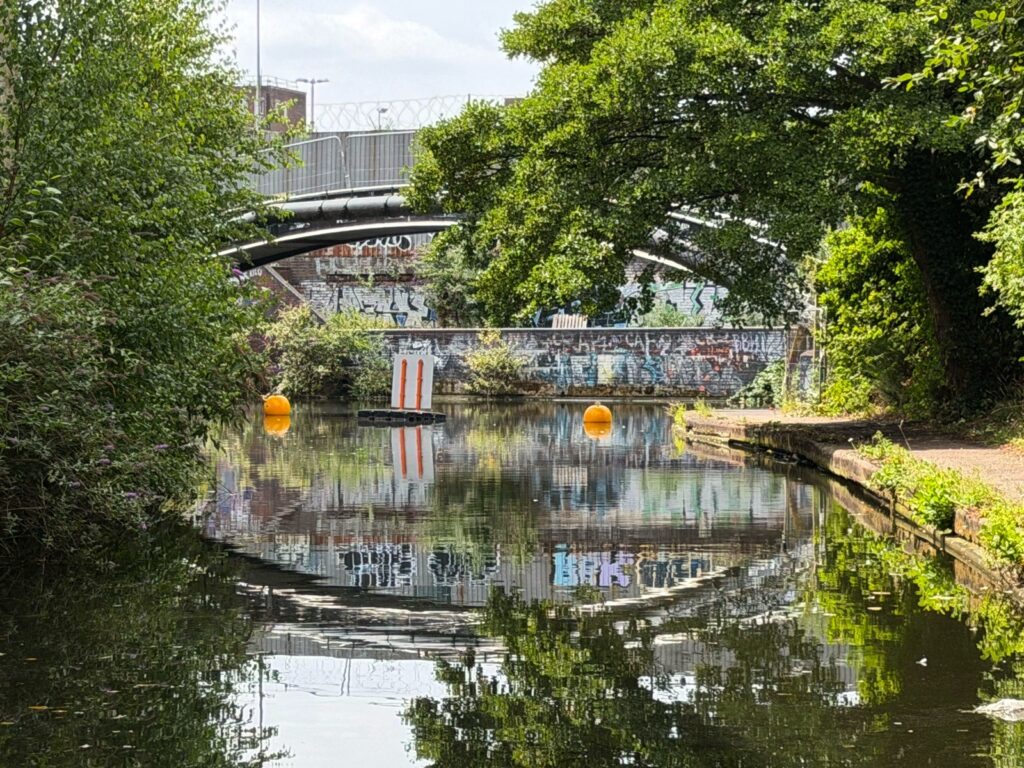
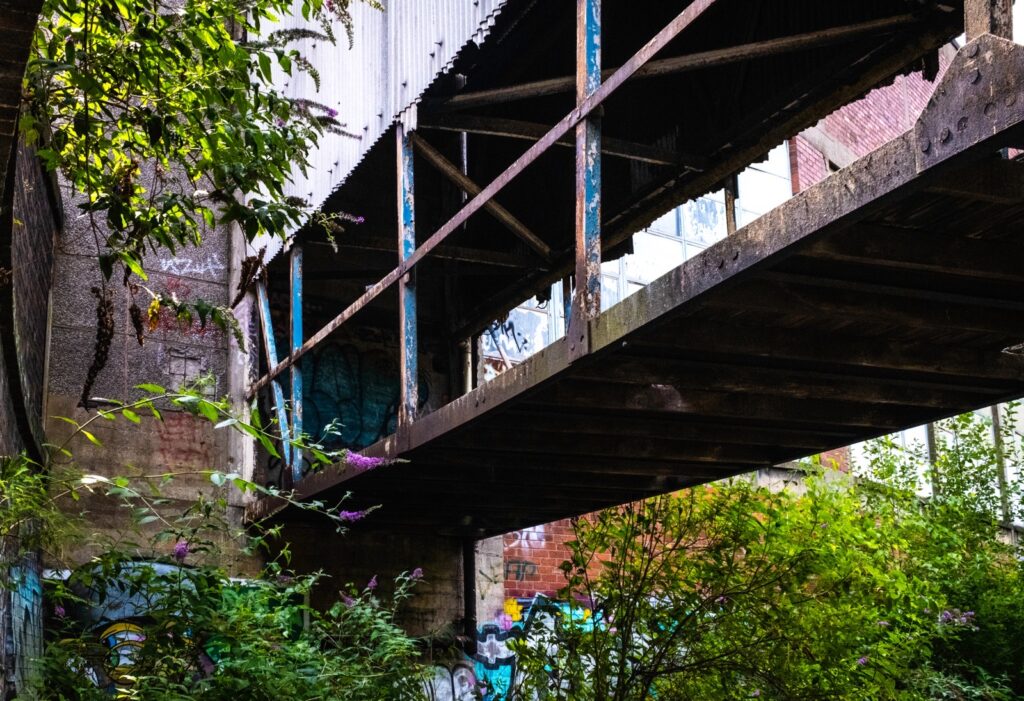
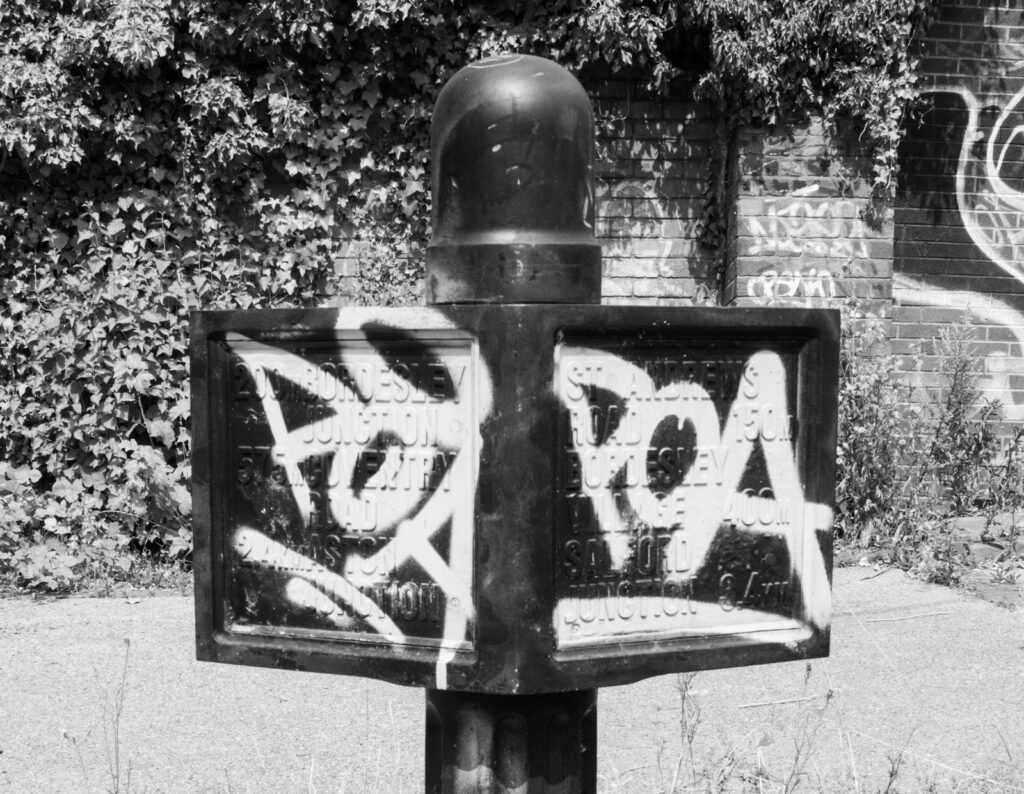
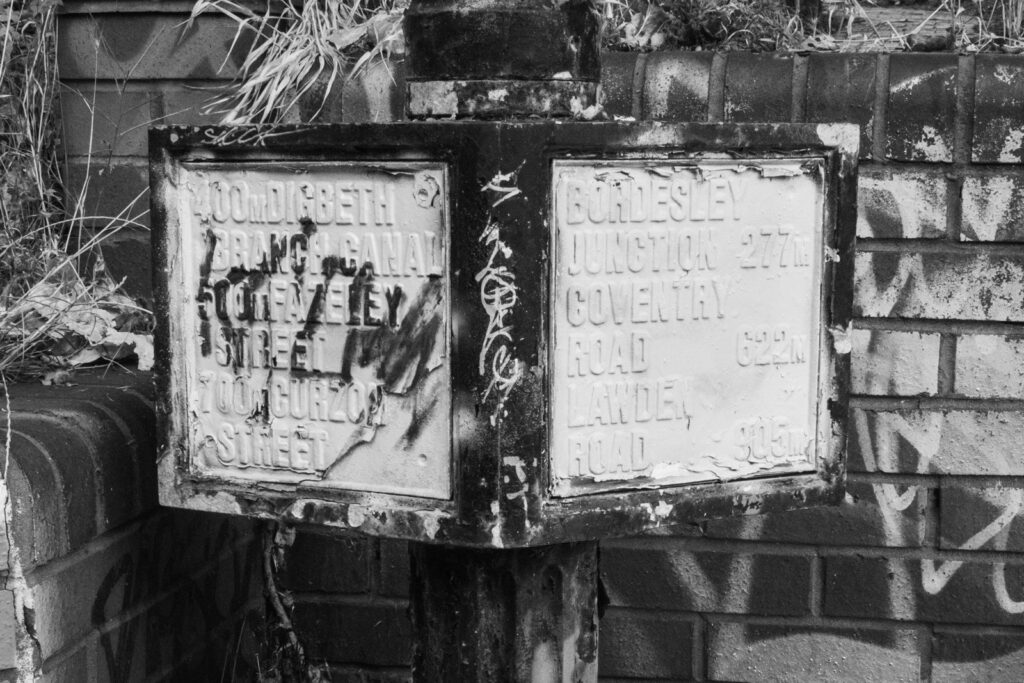
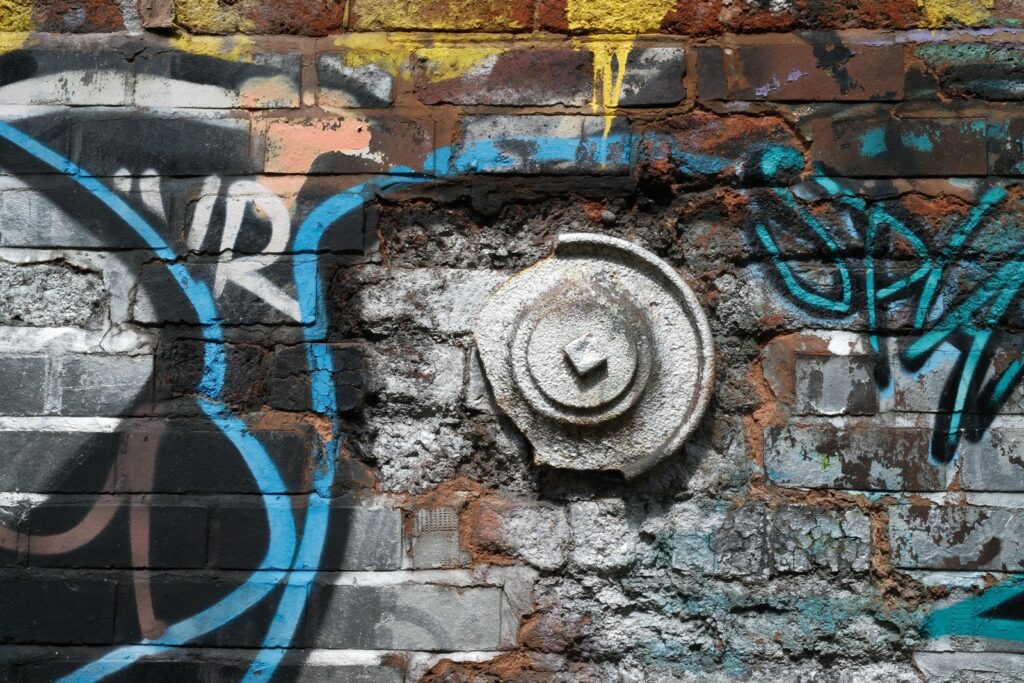
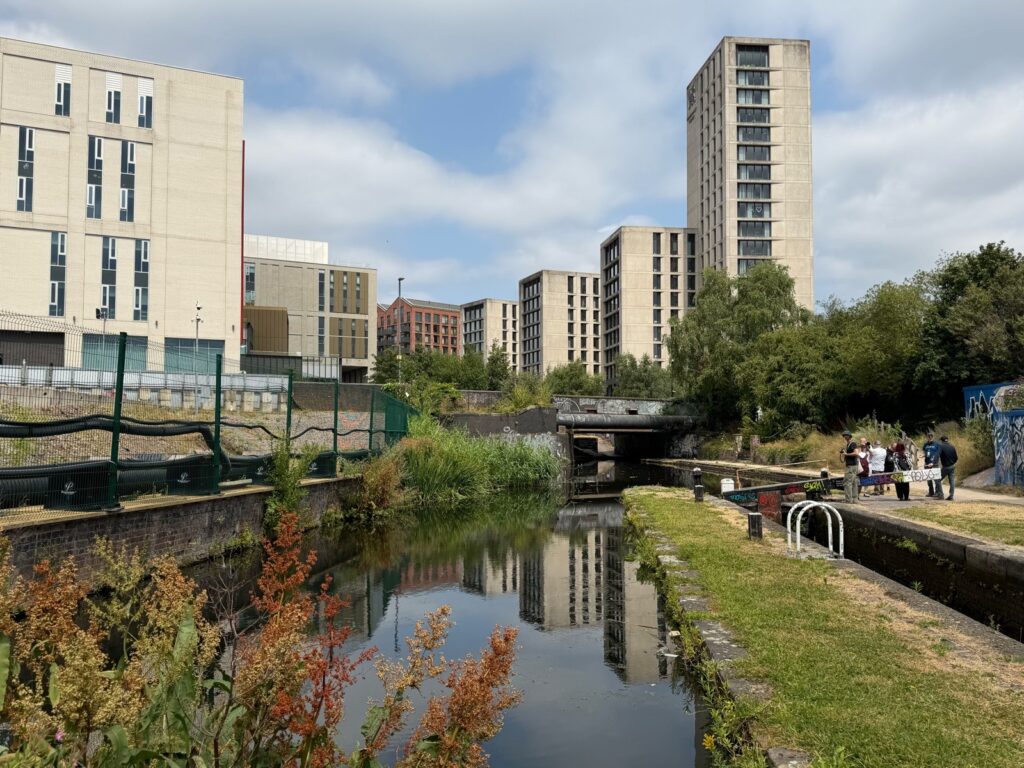
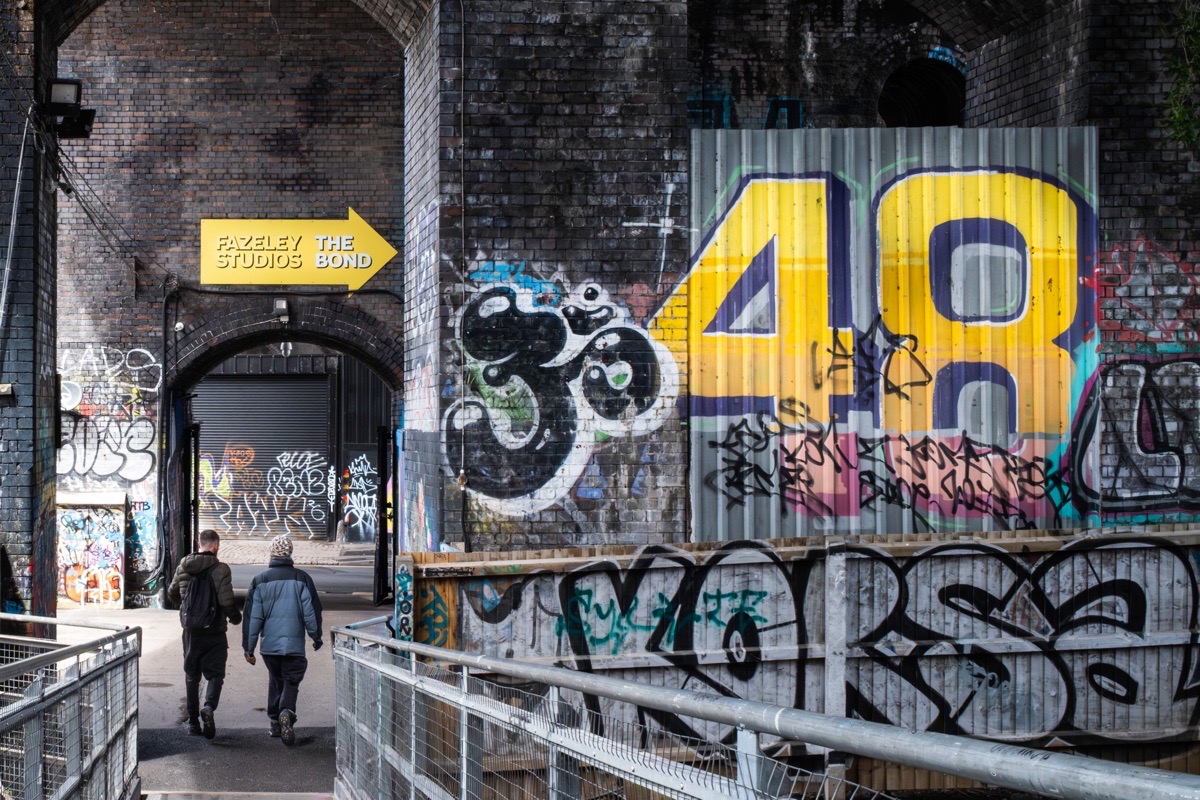
For the start of our Digbeth Canal Walk, Tom and Nick led us onto the canal via Great Barr Street. Immediately we were on the towpath, and the area became quiet, with the busy traffic fading to a low hum. We walked up to Bordesley Junction and explored the area. The walls are covered with bright, colourful graffiti, and the foliage had grown wild, escaping the constraints of the towpath. Old industry dominated the sides of the canal. Broken windows and missing drainpipes reflected its rundown nature.


Rubbish in the Canal: A Conversation with the Canal and River Trust
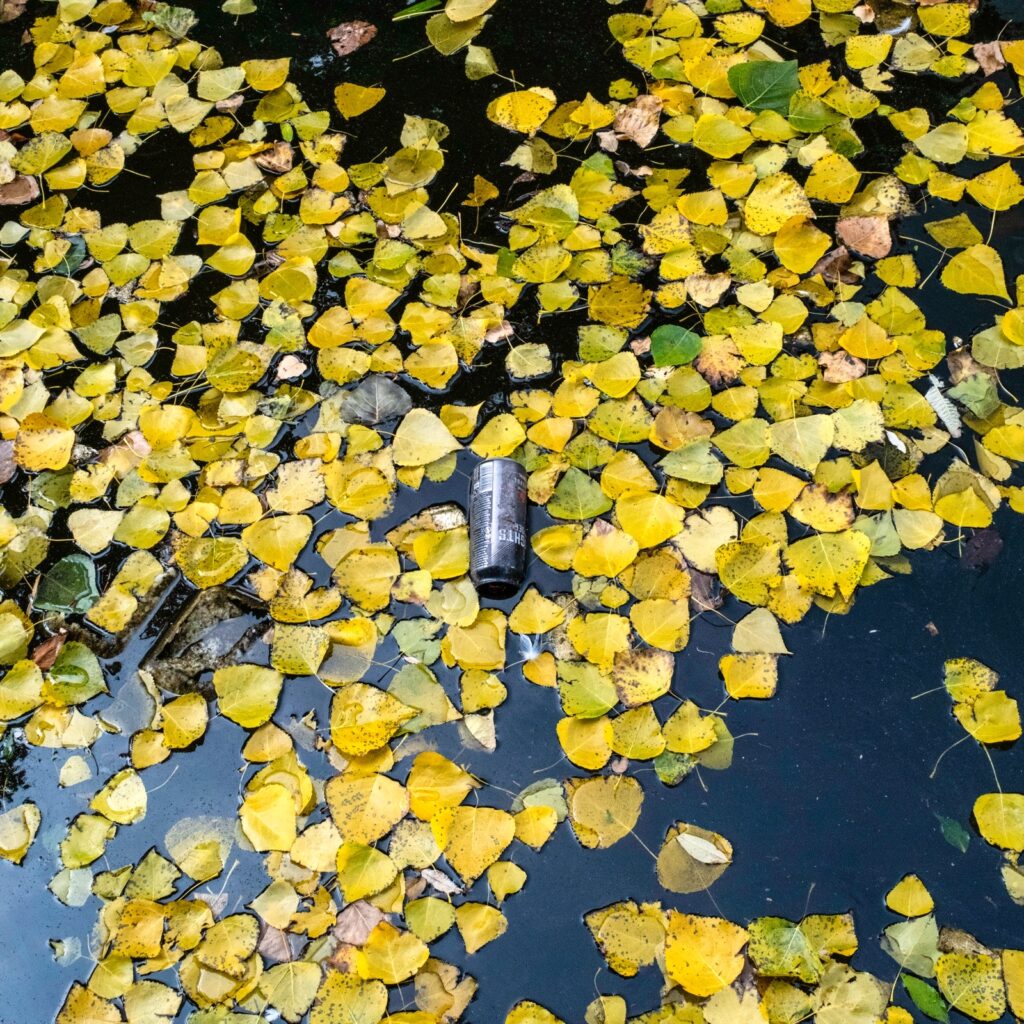
Rubbish was present both in and around the canal, much to Nick Cleaver’s disgust. “Why do people persist in dropping rubbish in the canal?” he asked. He went on to tell us that the Canal and River Trust spends much of its budget on keeping the canals clean. If people looked after the canals, then the money could be spent on more worthwhile projects.

The Bond, Peaky Blinders Studios and MasterChef’s Warehouse
Tom Hicks was on hand to talk about his work, but what was most fascinating was watching what he photographed. I learnt a great deal just from watching Tom take pictures and seeing how he composed them. All his photographs were taken with his phone camera.

We retraced our steps along the towpath. The Bond centre looked neat and tidy from our side of the canal. We were also next to the film studios of Stephen Knight, creator of Peaky Blinders. The studios were just behind the graffiti on the canal walls.
Beneath Curzon Street Bridge: Digbeth Canal Photography Meets HS2
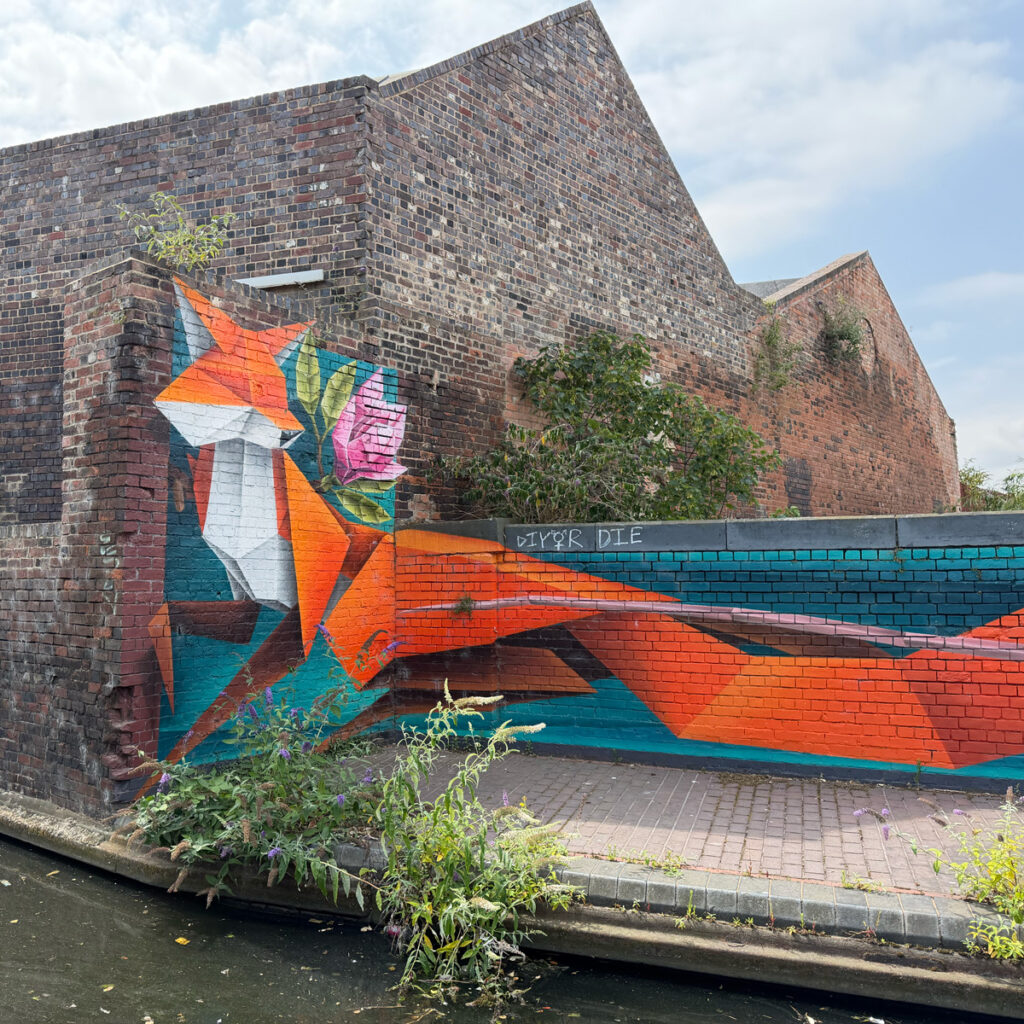
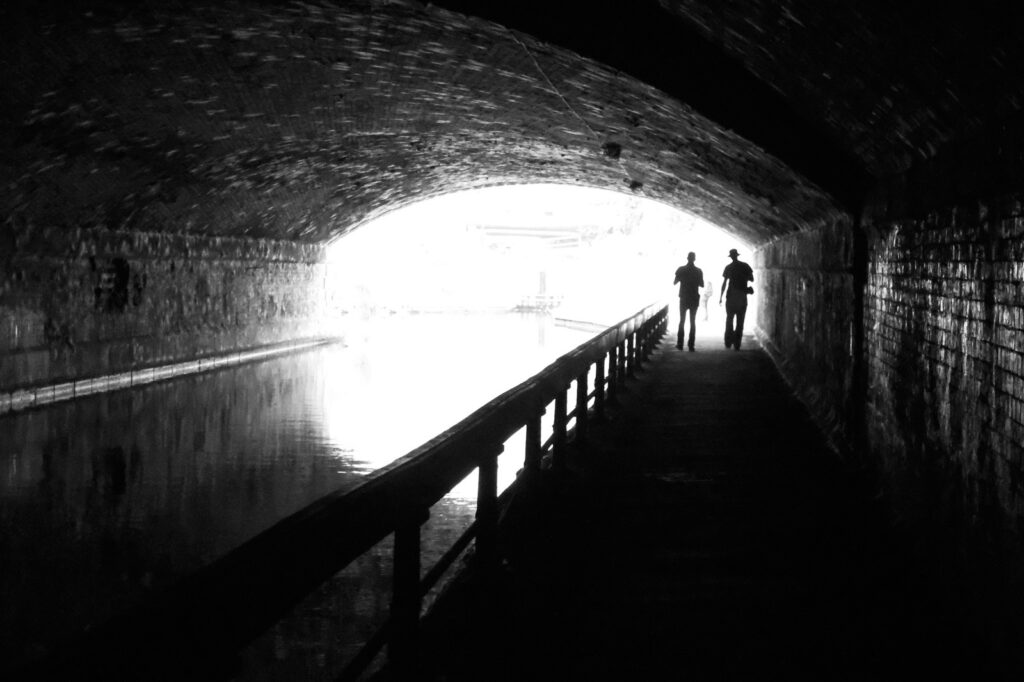
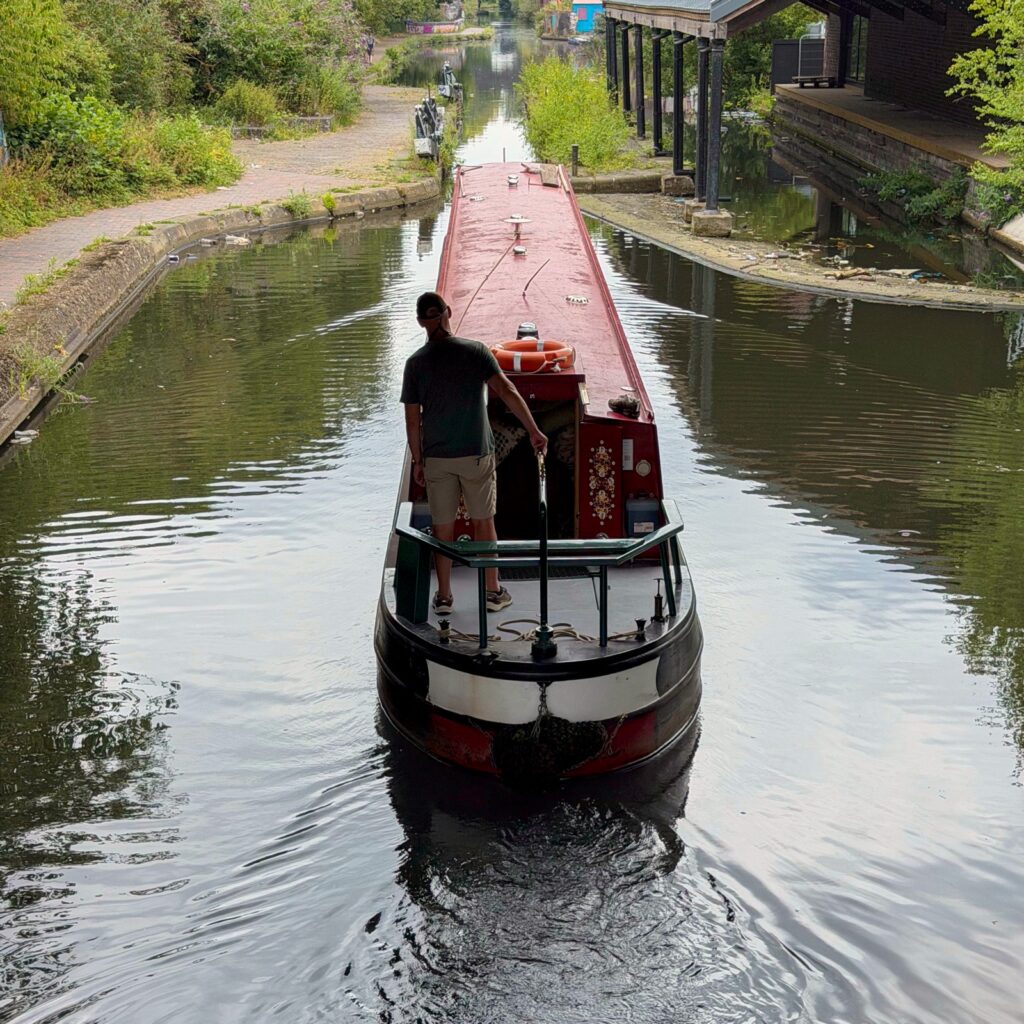
We passed artwork by Annatomix on Our Digbeth Canal Walk and then the warehouse where MasterChef is filmed. In comparison to the Bond, the area alongside the canal looked ill-kempt. Canal boats passed through as we entered the magical underworld beneath Curzon Street railway bridge. We had now left Digbeth as we emerged on the other side of the bridge and were immediately greeted by the high steel pillars of the HS2 works.

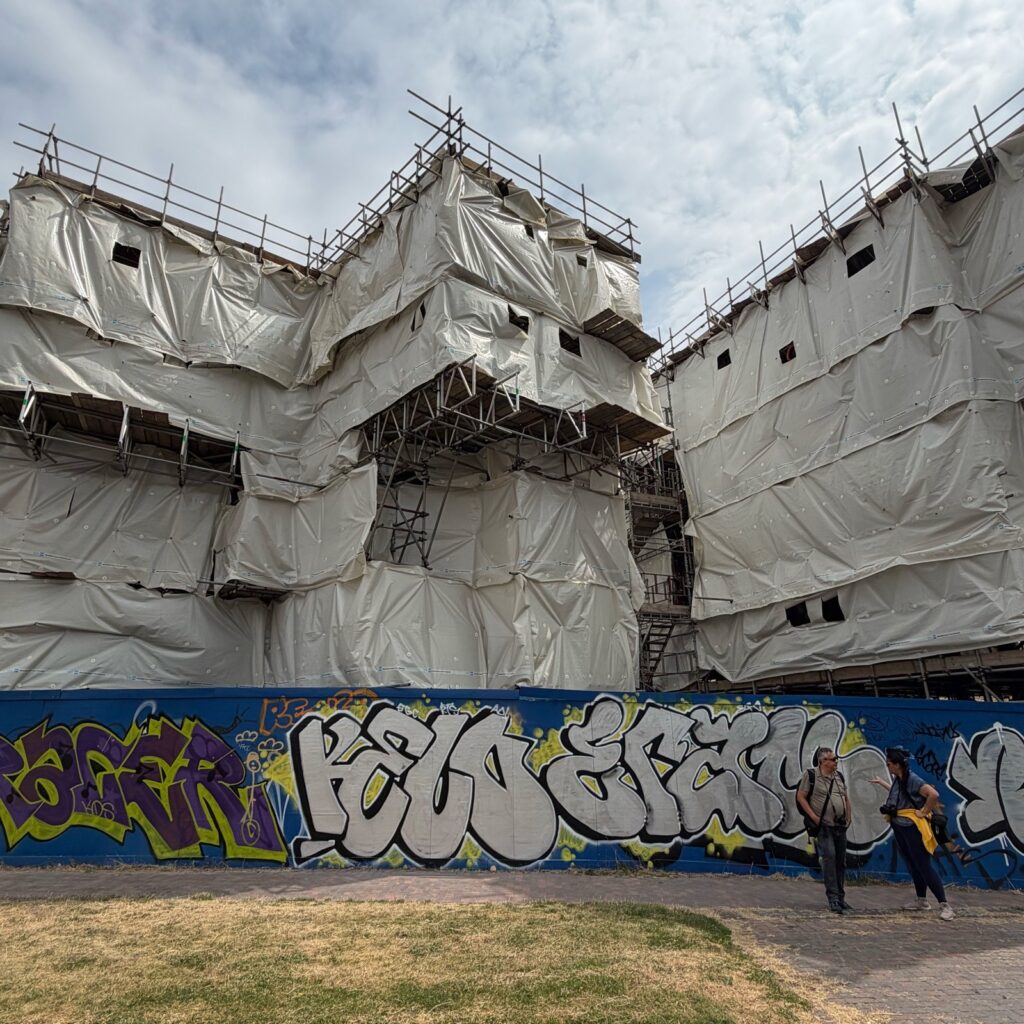
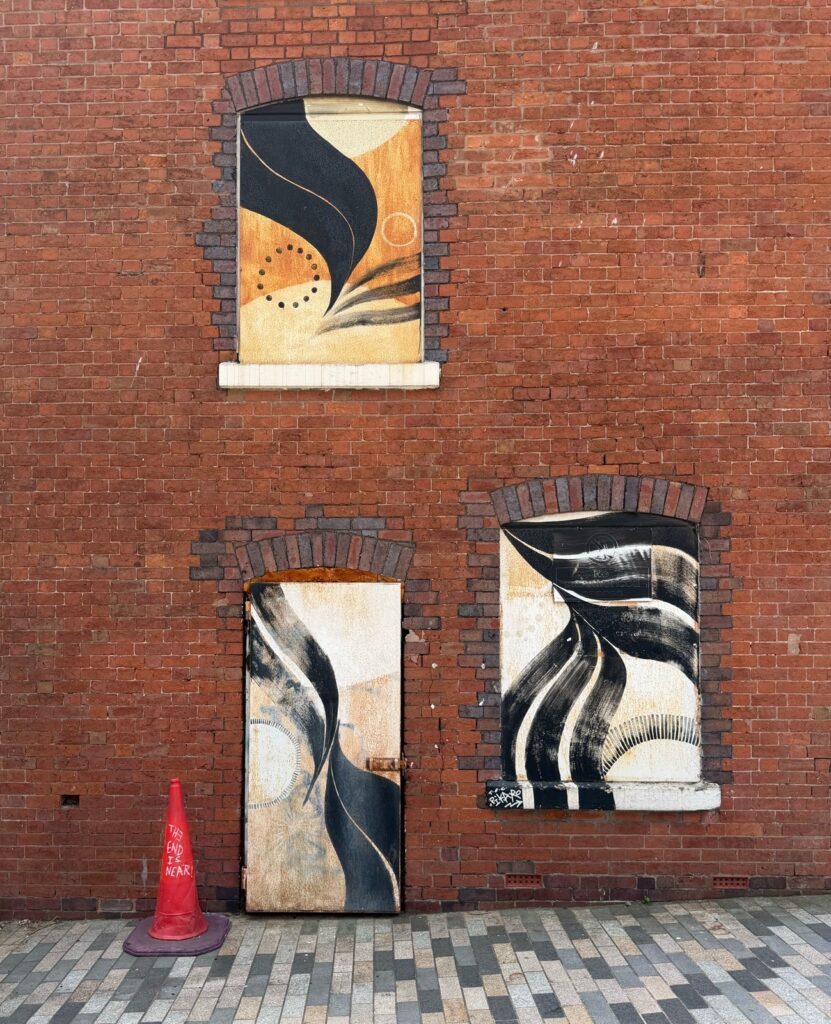
White plastic sheeting covered the large engineering statues, which would soon become part of the HS2 terminal for Birmingham. We moved on to the Birmingham City University campus and photographed the new developments taking place there. One of my favourite buildings is the lockmaster’s cottage, with its boarded door and windows decorated with Lucy McLauchlan’s artwork.


Back to Centrala Space: Reflections and What’s Next
It was time to make our way back to Centrala for a debrief and refreshments. This was the third and final instalment of the recent canal walks run by PRISM Photography in conjunction with the Canal and River Trust. I was pleased that I was able to join one of the walks. Of the three the Digbeth Canal walk was the one that I wanted to join most. Next, we submit three photographs from the day and wait to see which of these is selected for the exhibition at Centrala in August. More details to follow.

Digbeth has been covered in my blog and here is a link to get you started. As a member of the Canal and River Trust, I enjoy walking along the canals and I have covered other cities including Manchester and the Regents Canal, London.

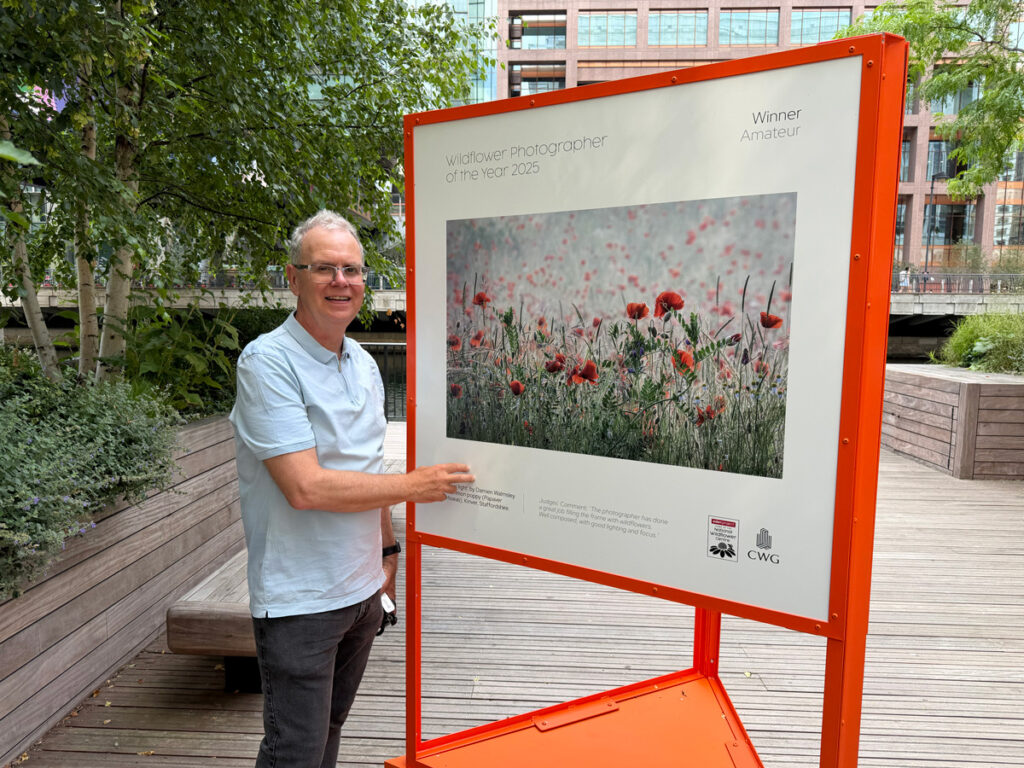
My wildflower of the year picture was displayed in Canary Wharf. Therefore, I set off to visit Eden Dock, where the exhibition was being shown. I met up with James, my webmaster, and Holly, his wife, who were in London for meetings, and we made our way to Canary Wharf.
Arriving in Canary Wharf: First Impressions
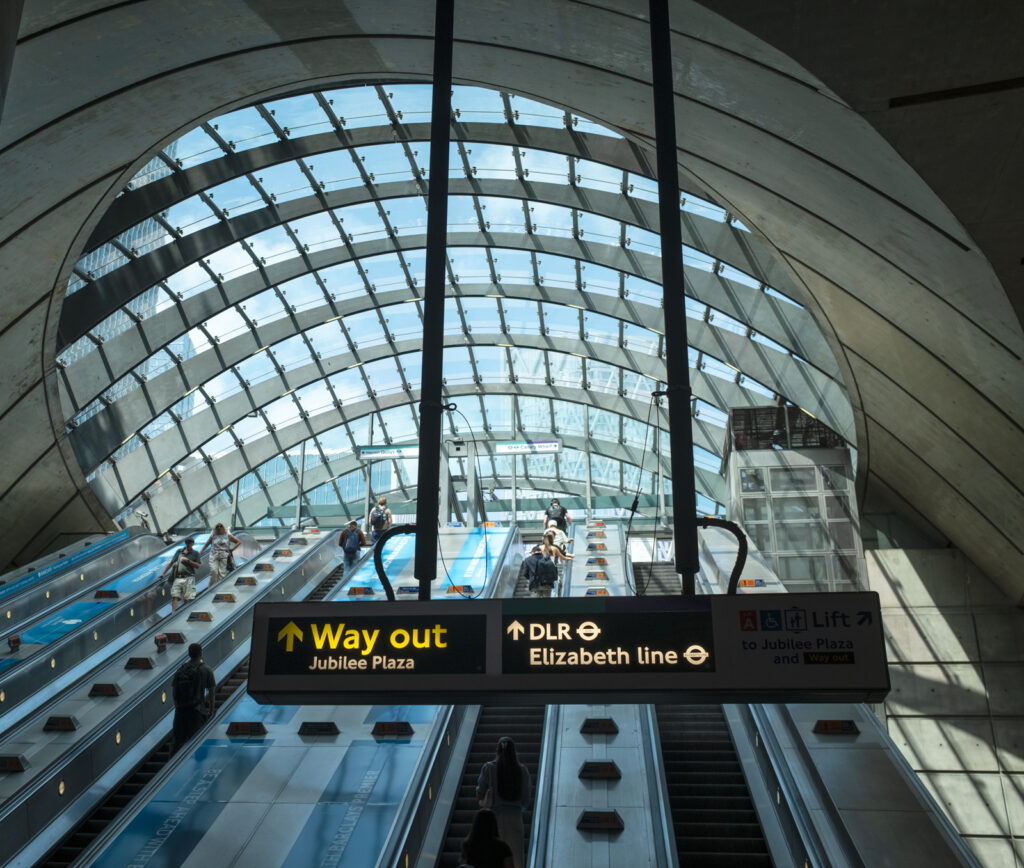
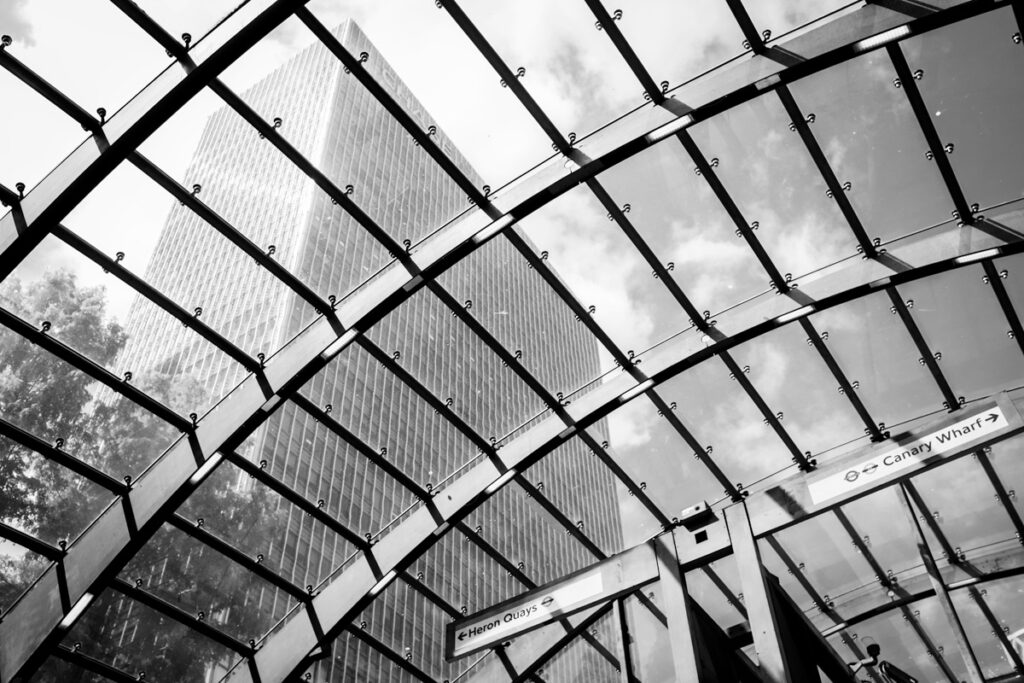
The tube station is an amazing piece of engineering, and I had to stop and take pictures of the escalators. We walked out into the sunshine, which was a contrast to our underground journey. We arrived around lunchtime. All around, there were office workers taking their lunch break, along with tourists taking in the sights of the area. Canary Wharf is an impressive cityscape of skyscrapers of different architectural designs. The red livery of the Docklands Light Railway darts through the gaps.

My Wildflower of the Year Photo on Display at Eden Dock
My wildflower of the year picture was close to Canary Wharf tube station. Whilst I was pleased to see my winning entry, I was once again irritated that the one printed was the wrong colour balance. The correct picture has featured since, but the wrong one persists, as evidenced by the one on display at Eden Dock. Ah well, at least I did win a wonderful prize and enjoyed the accolades that came with it.

Exploring the Adams Plaza Tunnel: A Photographer’s Dream
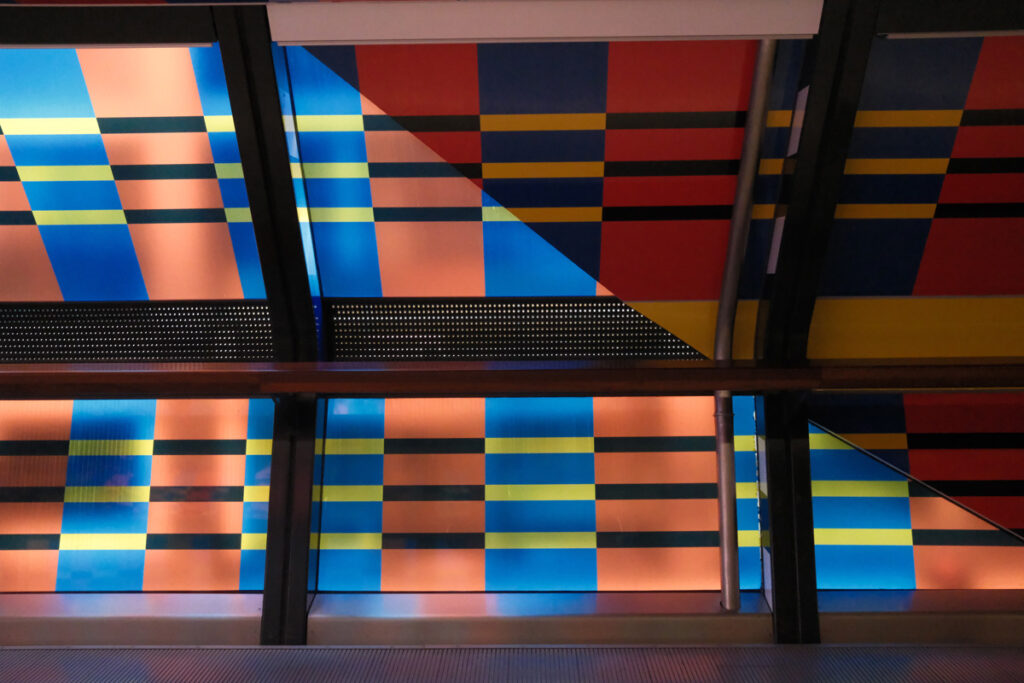
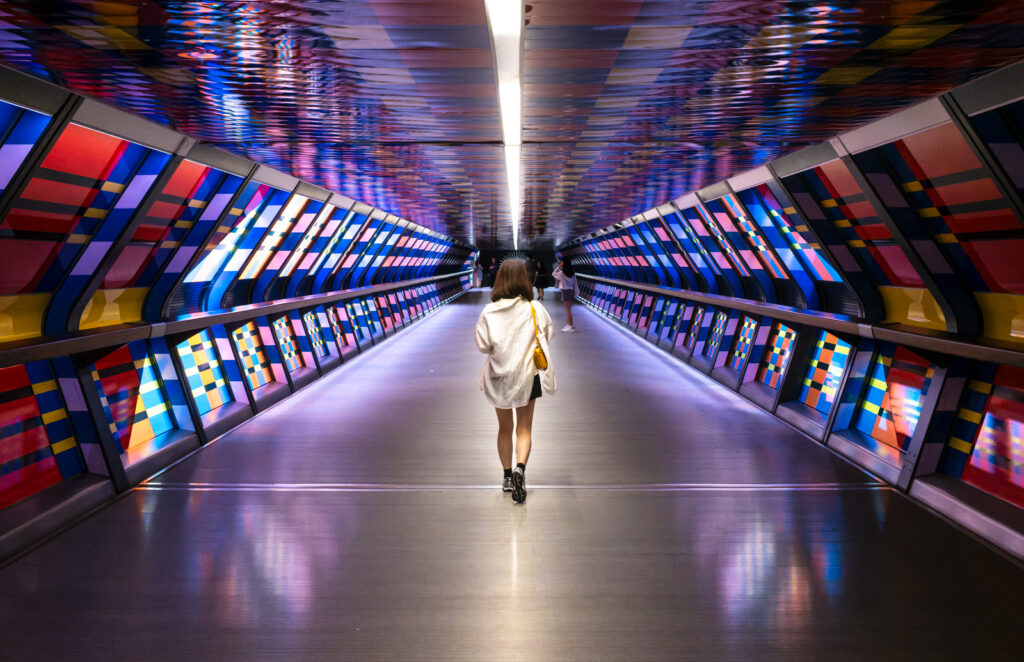
James, Holly and I then did some sightseeing of the artwork around Canary Wharf. I was keen to visit the Adams Plaza tunnel designed by Camille Walala. The blast of colour and light makes this a photographer’s dream. Whilst I was there, a young woman stood taking pictures in the centre of the tunnel and then walked slowly along. I could not resist taking a picture of her with the tunnel as a backdrop.


The Illusionaries Wall and the Roof Garden Umbrella Dance
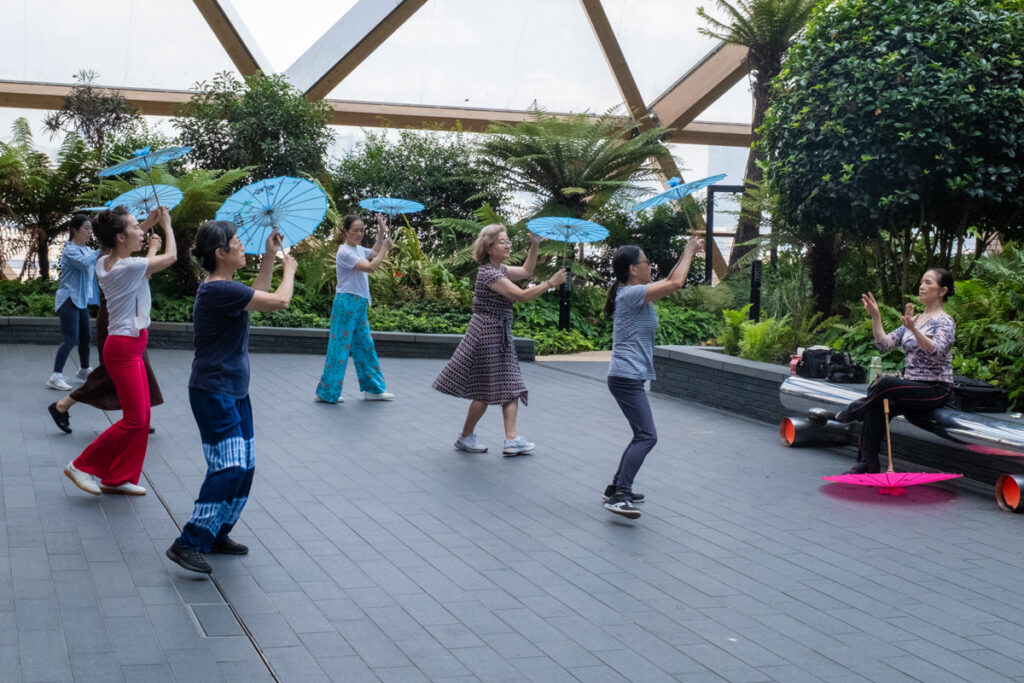
We made our way past the Illusionaries, and whilst we did not go into the installation we did stop for a few selfies on the distorted mirrored walls. I had not visited the Canary Wharf roof garden before. In one area of the garden, there was a group of Chinese ladies doing an umbrella dance. Unfortunately, even after taking lots of photographs, no rain was forthcoming.


Canary Wharf Photography: Capturing the Lunchtime Crowds
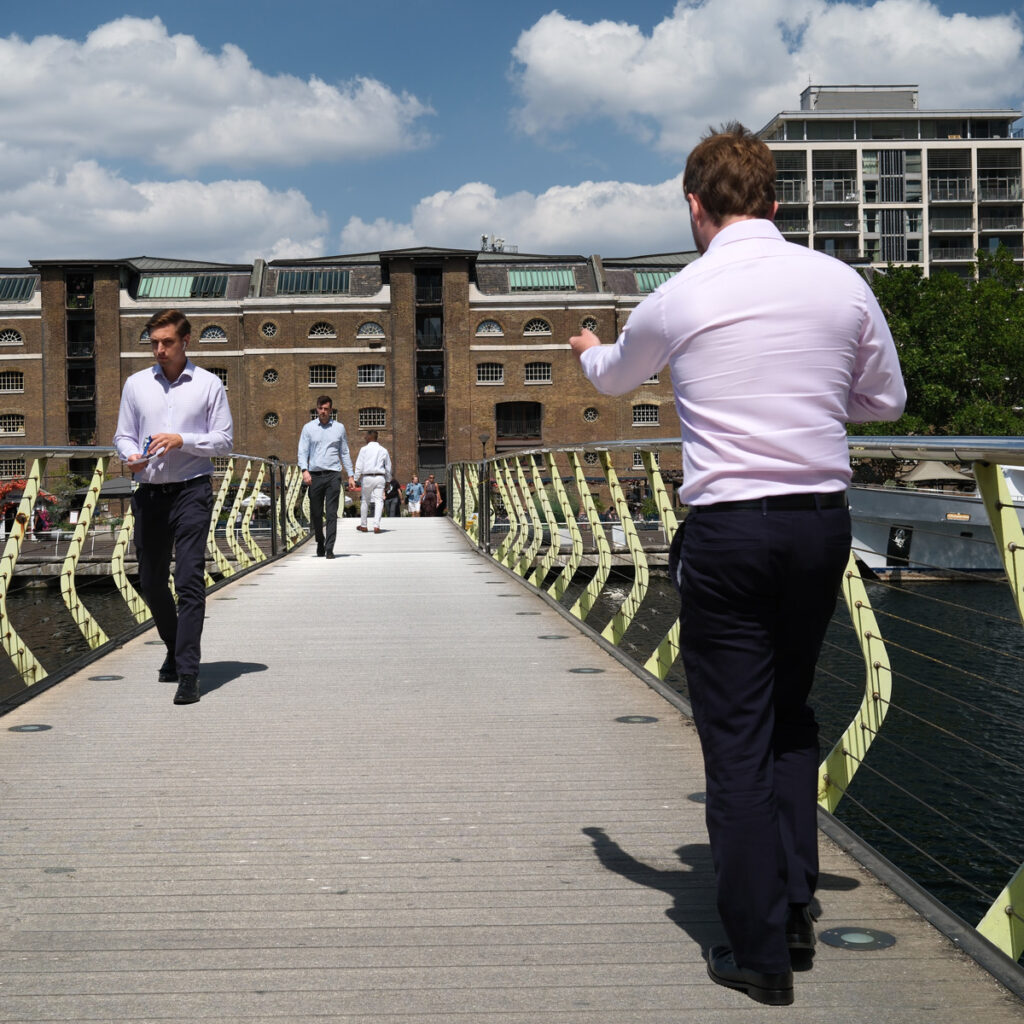
After lunch, James and Holly needed to get back to work in central London, which meant I had more time to spend with my camera. There were many opportunities for street photography amongst the office workers, who were more engrossed in enjoying their lunch break than in being photographed. So many of the men were wearing white or pink shirts, which made them stand out from the surrounding area.

Old Docks Meet New Skyscrapers: Contrasts in Architecture
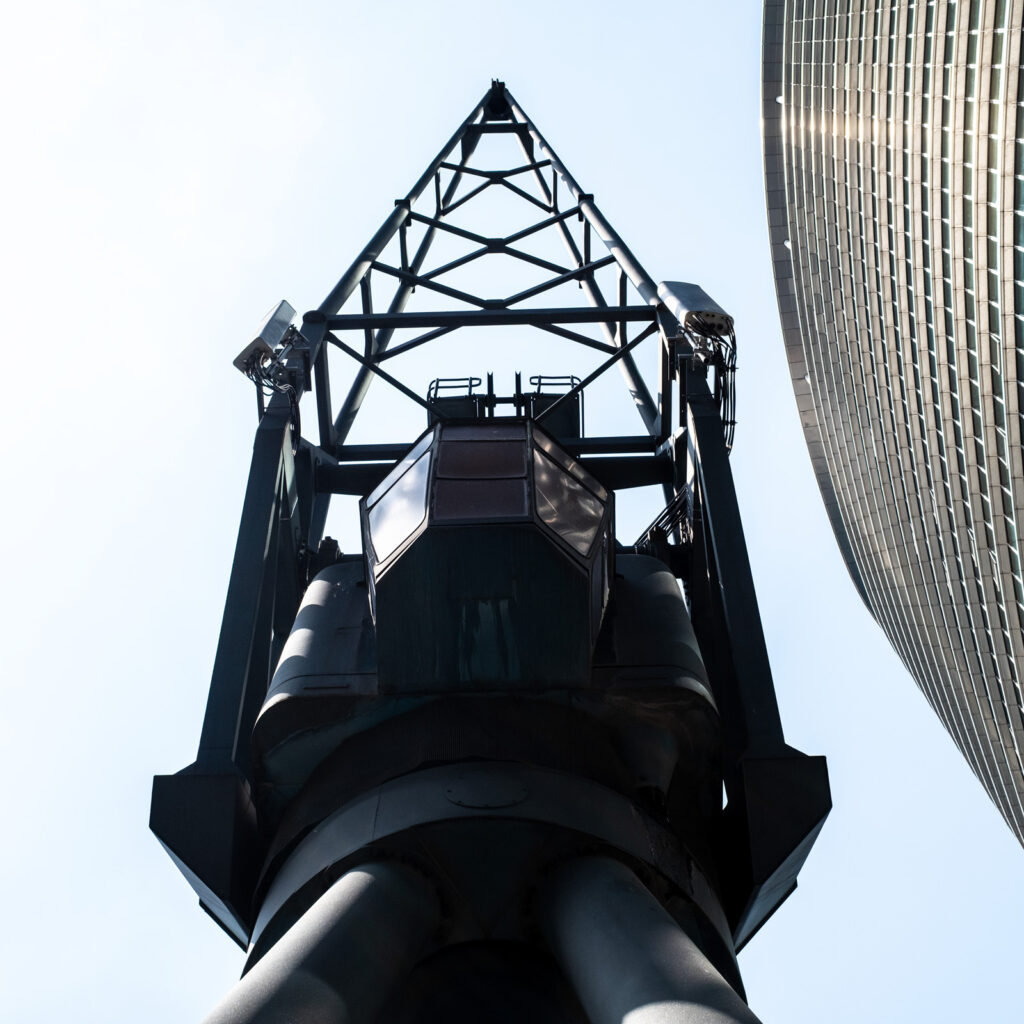
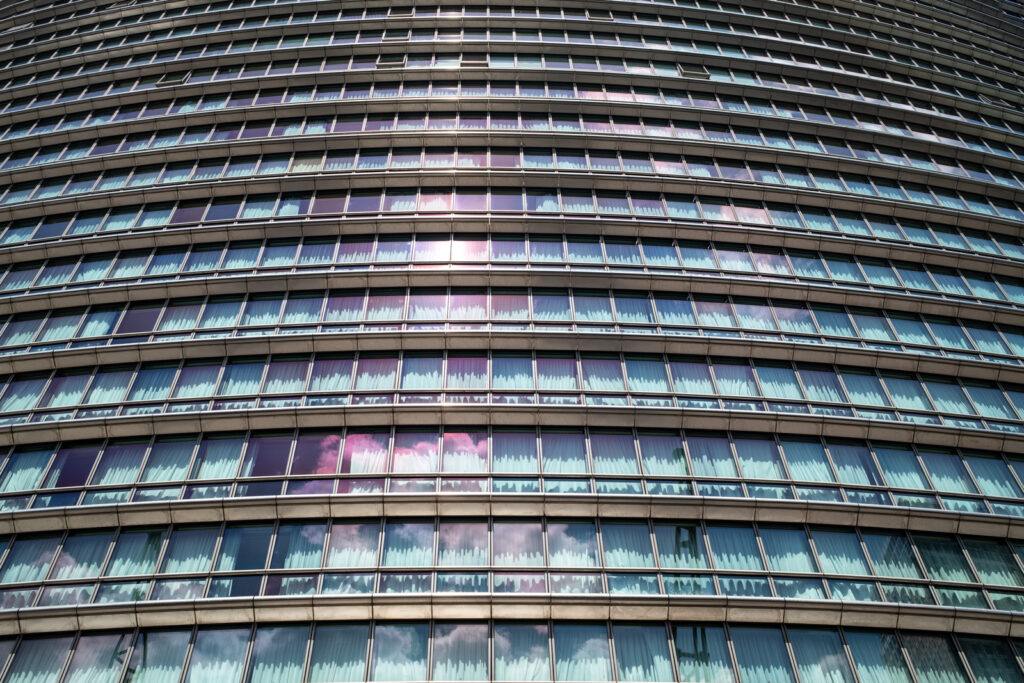
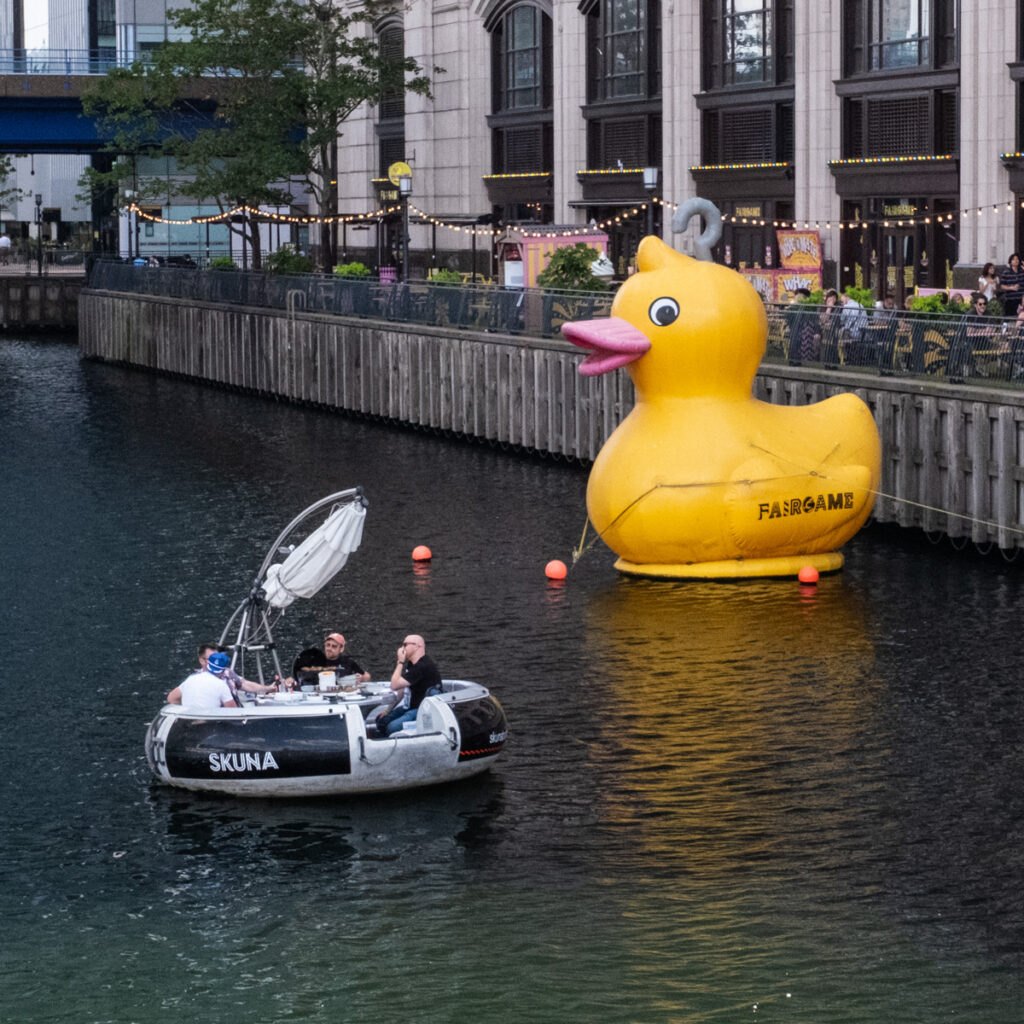
As I slowly moved through the area, there were many favourites, including the North Dock footbridge. Many office workers passed by, and it was a good vantage point to see a number of floating dinghies, each housing a table and food. The large duck sculpture was also fun to photograph. The remnants of the old docks contrasted with the new, shiny, reflective buildings. I liked the triangular shapes of the old cranes, and looking up, you could see the contrast between their sharp lines and the smooth outlines of the buildings.


The artwork around Canary Wharf is amazing, and I found a useful guide to the main pieces of artwork. Free London Walks is by Anna Kmiecik and lists the artwork on show with maps on where to find them.
Sculptures: Standing Figures of a man and a woman and Two Men on a Bench
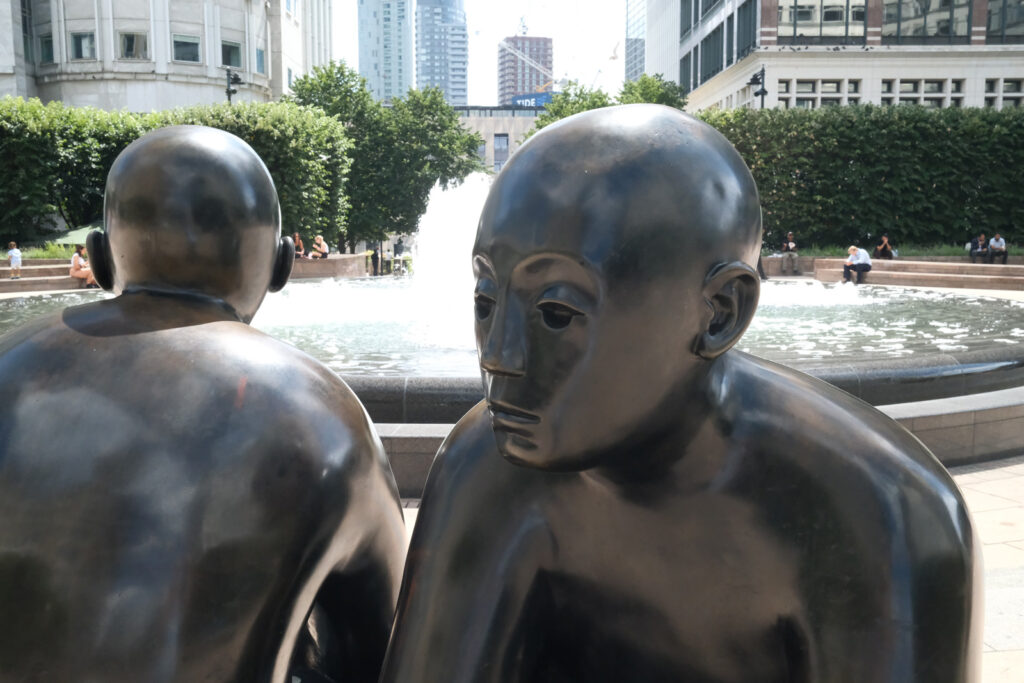
I passed several statues on my travels through the plazas of Canary Wharf, too many to mention, although taking pictures in the direct sunlight proved to be a challenge. One photo that came out well was of the ‘Two Men on a Bench’ sculpture by Sean Penny. Catching the expression of the men worked well.

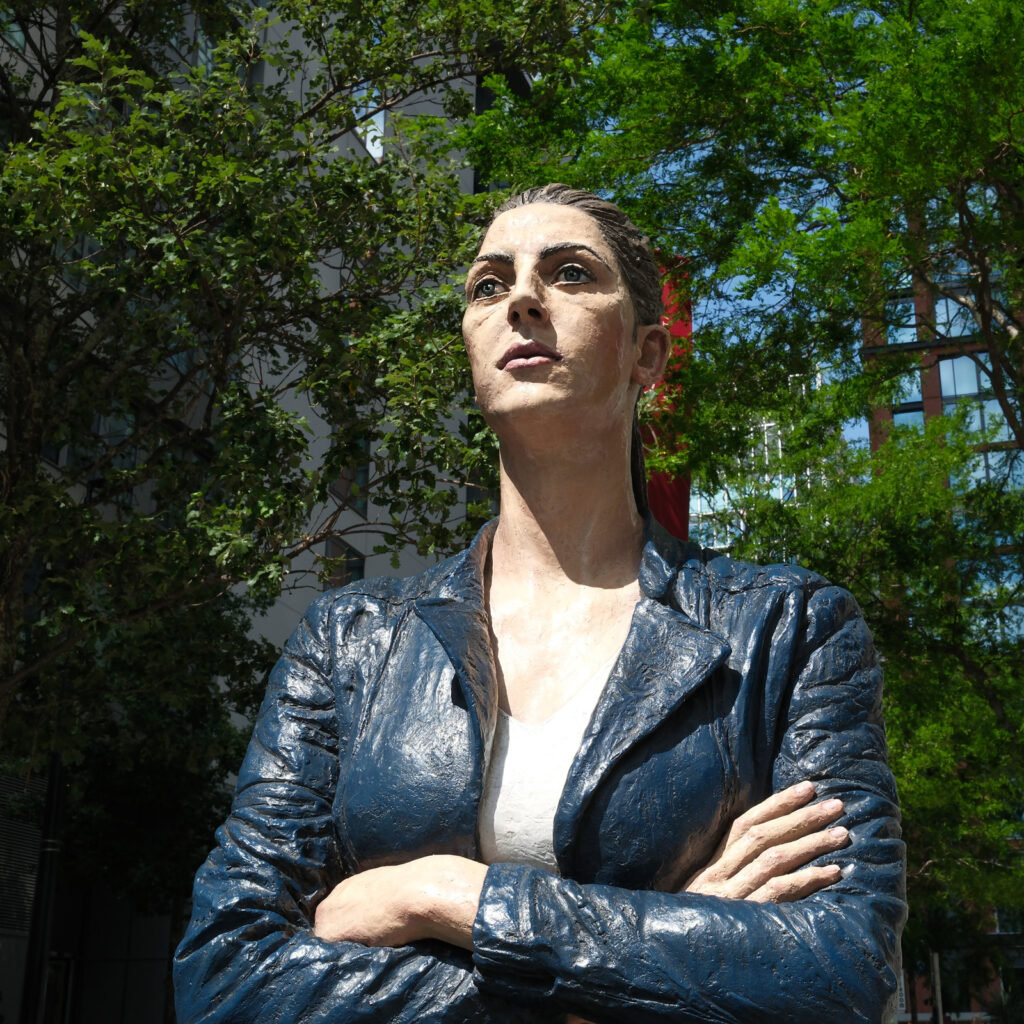
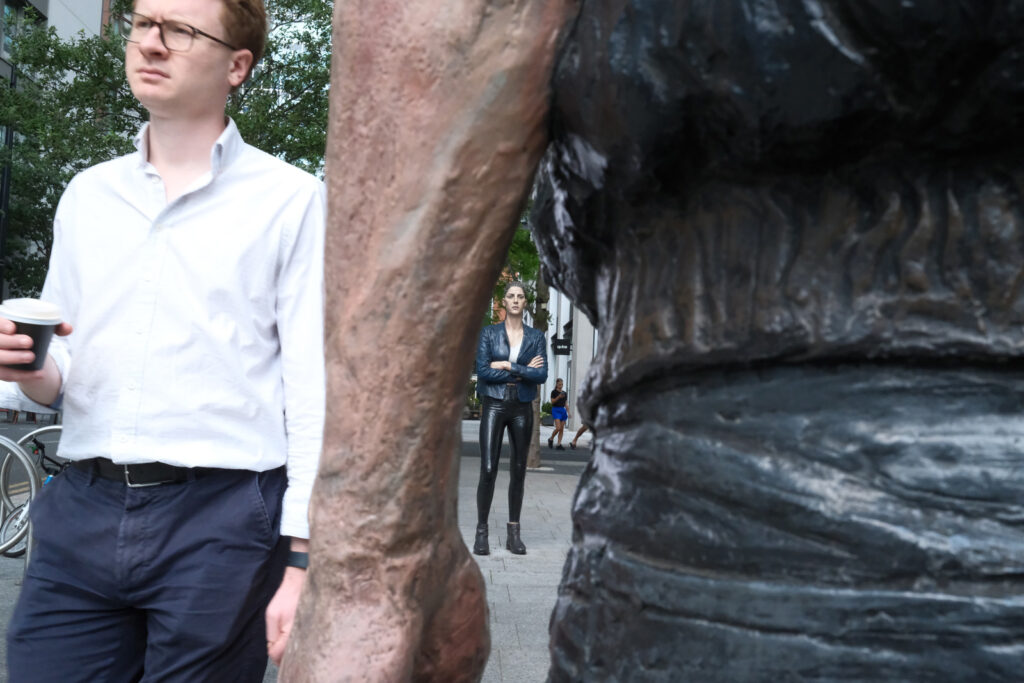
I love the sculptures by Sean Henry. He creates painted bronze statues that are either smaller or larger than life size. The two Standing Figures of a Man and a Woman stand on the pavement, gazing at each other. When you approach, you think at first that they are real people. Then the scale of the statues becomes apparent. I loved taking pictures of these two figures, using their hands to frame passers-by, with a measure of success.


The Tear by Richard Hudson: Canary Wharf’s Silver Teardrop
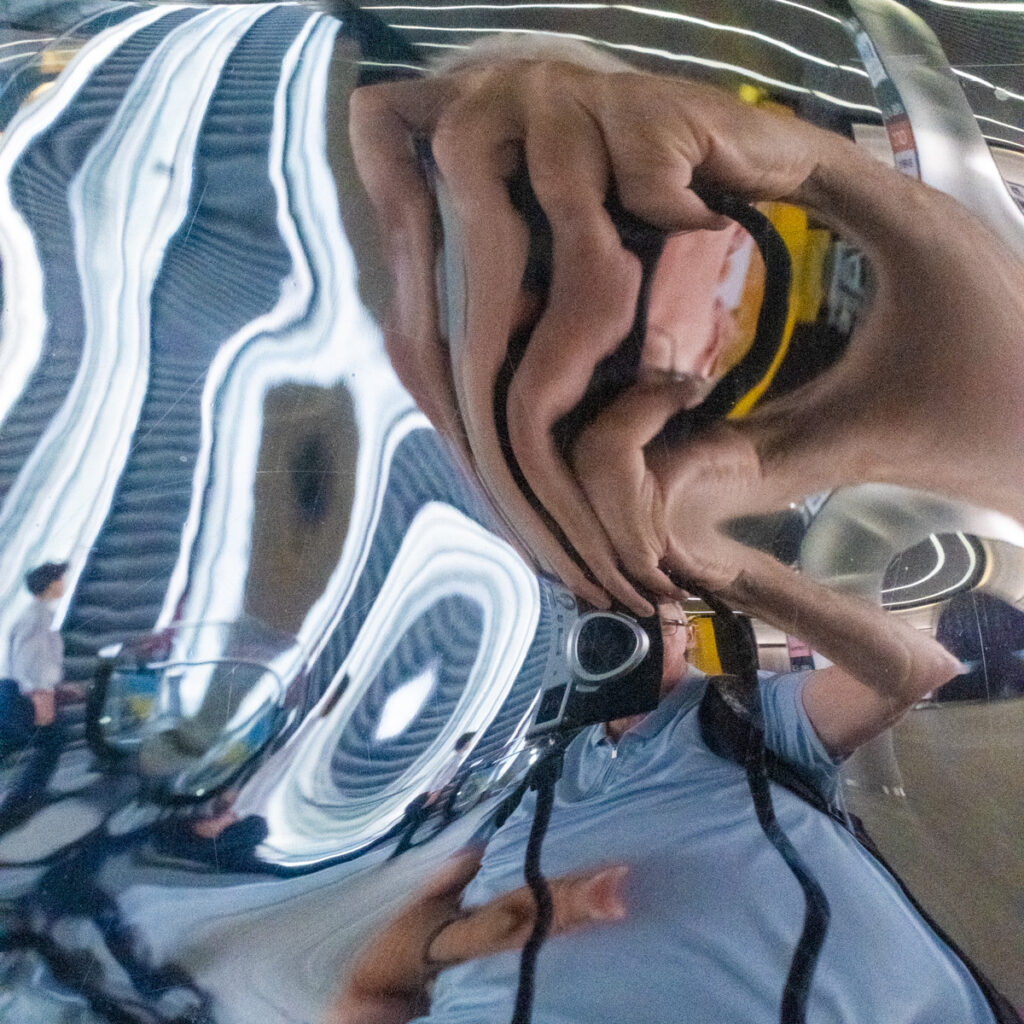
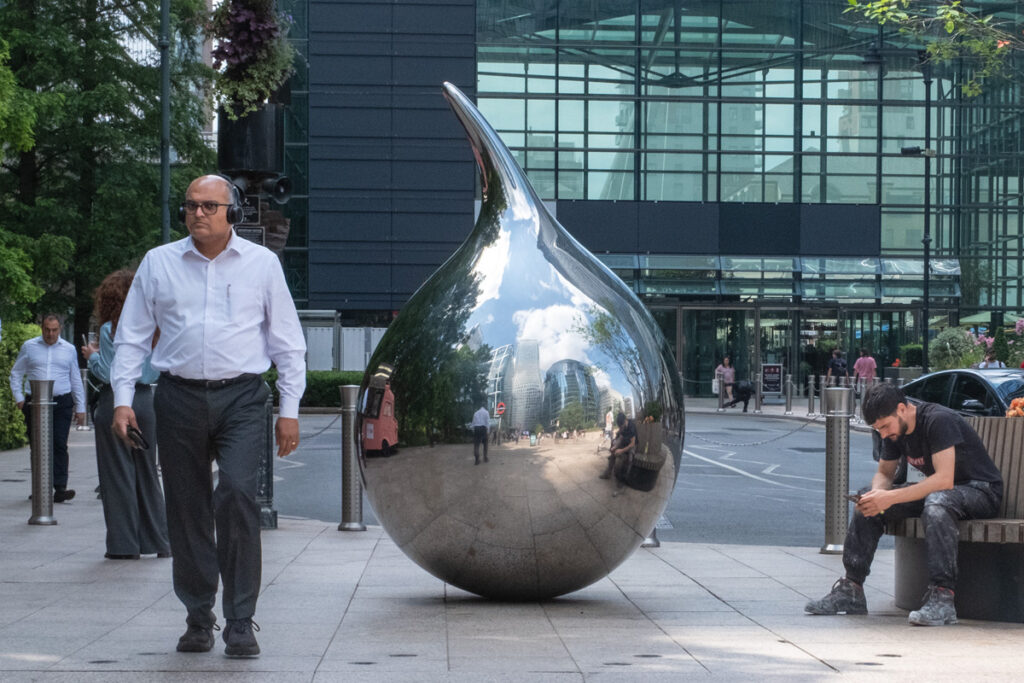
While there was plenty of other excellent artwork to encounter, I did need to get back home. There was one more piece to photograph: the Tear, by Richard Hudson. This sits near Canary Wharf tube station and is a large silver teardrop. The reflections are nicely distorted, so you can catch people and surroundings in your shot. The presence of a colourful food truck helped a great deal.

Final Shots at Canary Wharf Tube Station

More photographs were taken of Canary Wharf tube station before heading home. I always enjoy Canary Wharf, as my previous blogs show. Please feel free to read my London Times blog on a walk along Regent’s canal which takes in Canary Wharf.

The Coffin Works Birmingham sits on the edge of the Jewellery Quarter and is a place that I have wanted to visit for some time. On the spur of the moment, I booked a ticket, and the next day I was at the Coffin Works, where I met Robin, who was to be my guide for the morning.

A One-to-One Tour
I was the only one booked in for the early tour, so I was fortunate to have a one-to-one tour of the museum. Robin, who is a member of the Church Monuments Society, has a deep knowledge of the Coffin Works, and throughout the tour he provided a fascinating history.

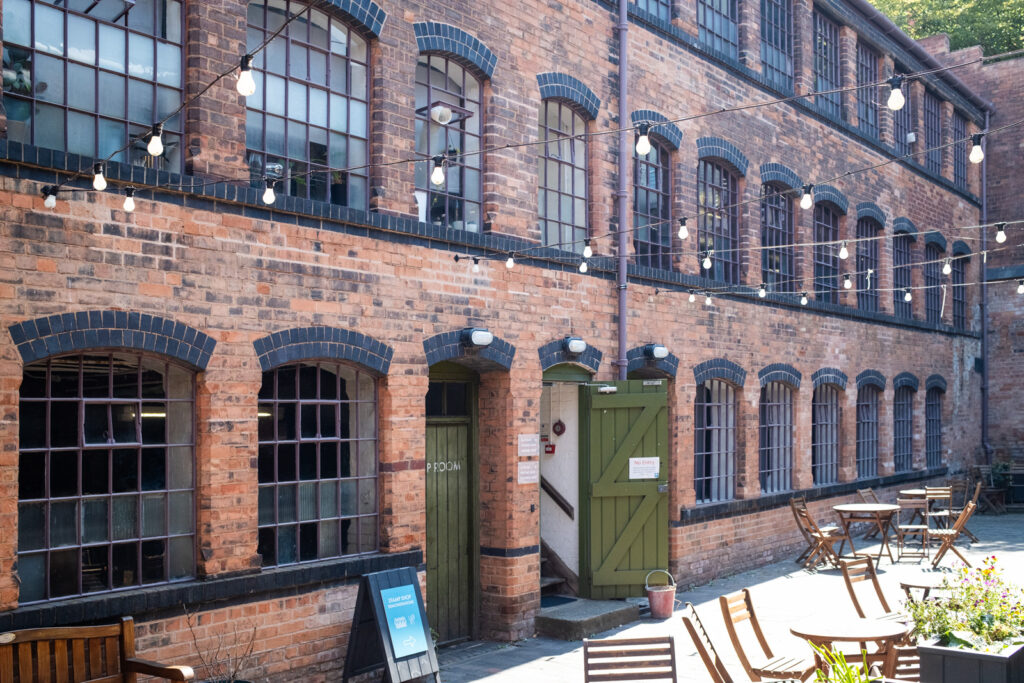
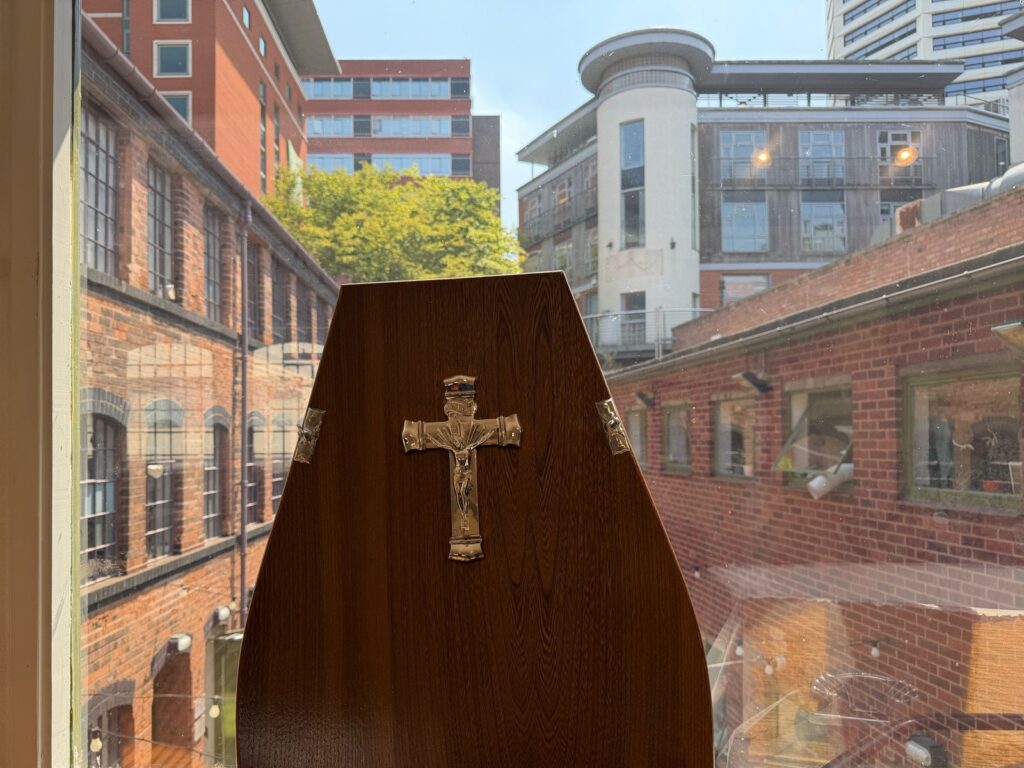
We started in the courtyard. Looking up and around, the new Birmingham towers looked down at us. The traditional architecture of the building is in direct contrast to the new surrounding buildings.
The Workshop Floor
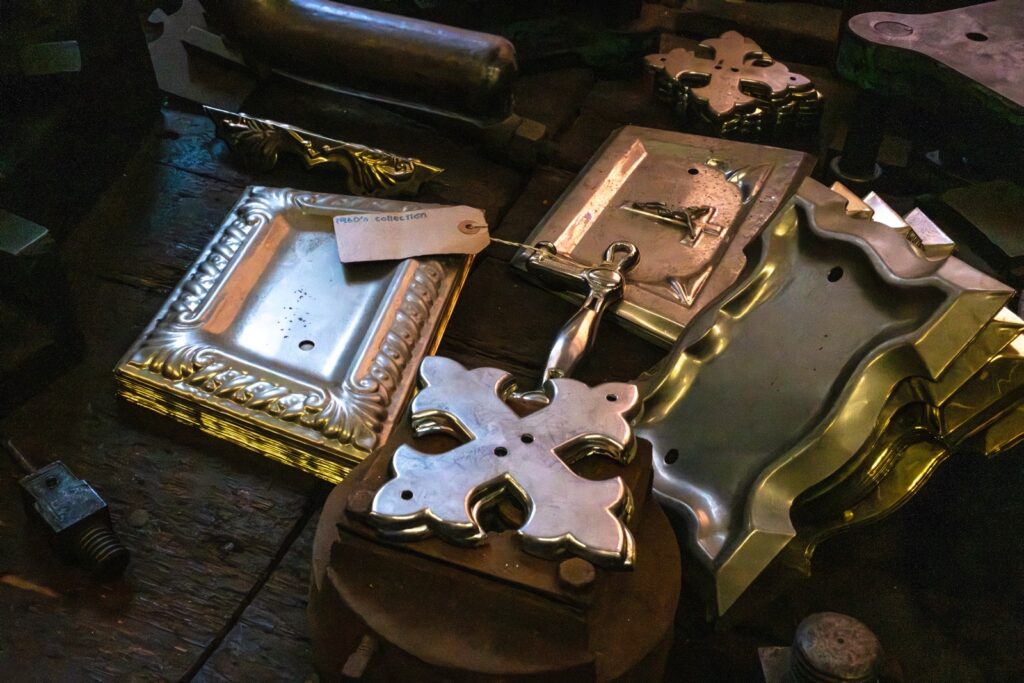
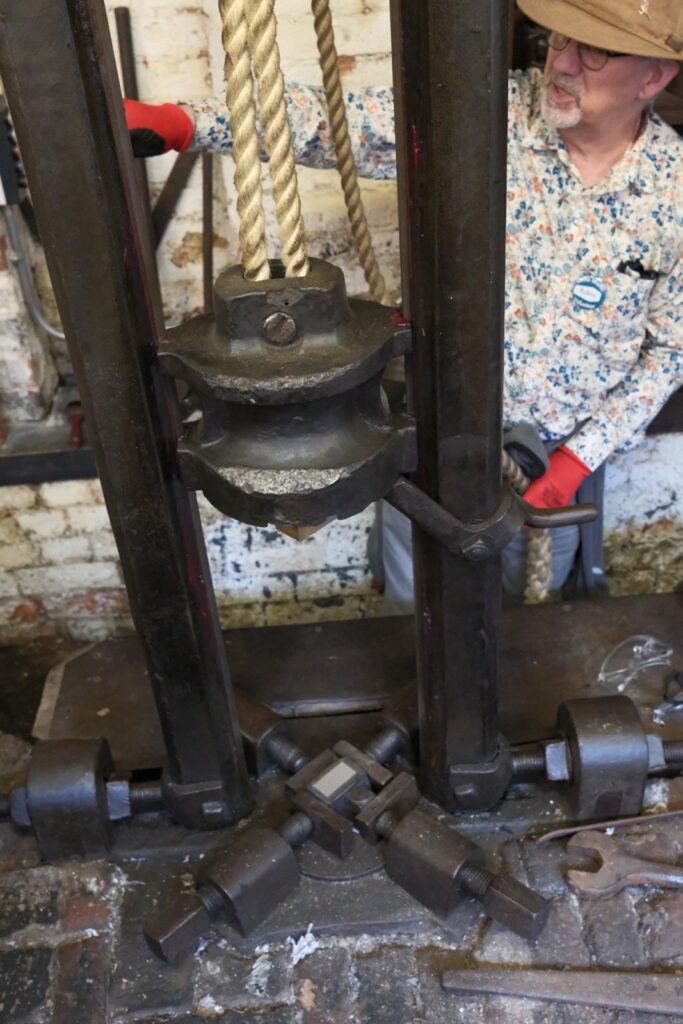
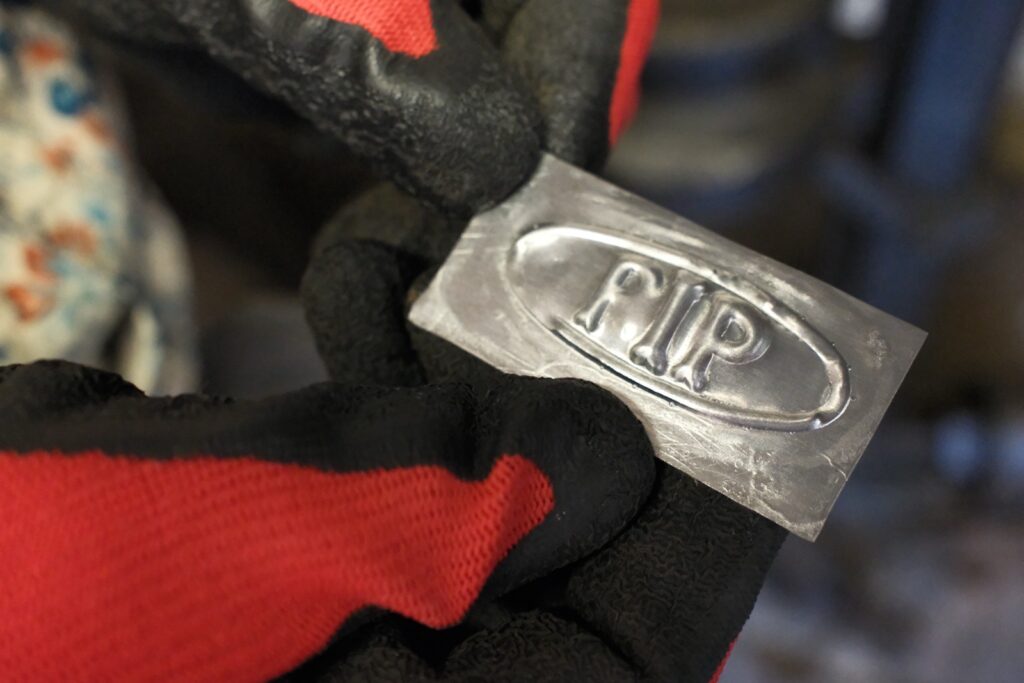
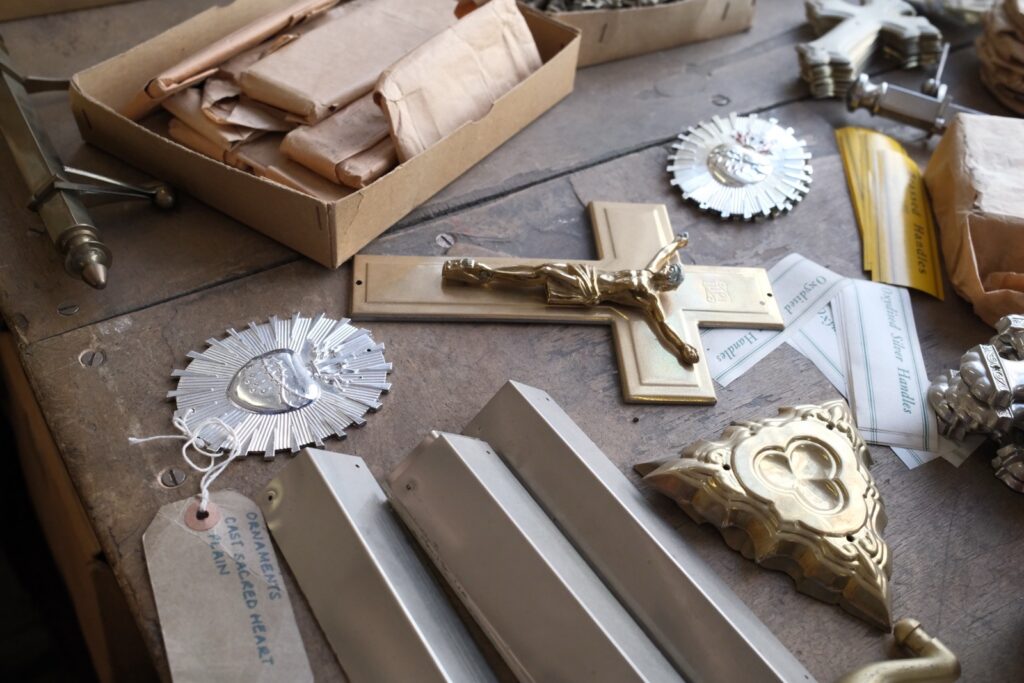
I learnt that coffins were not made in the factory. The Coffin Works manufactured the brass fittings and other metal work that is attached to coffins otherwise know as Coffin furniture. Robin took me into one of the workshops with the heavy metal machinery that was used to mould and cut out the coffin fixtures. There was a demonstration of one of the working machines, and an “RIP” metal label was produced.


Fittings Fit for Royalty
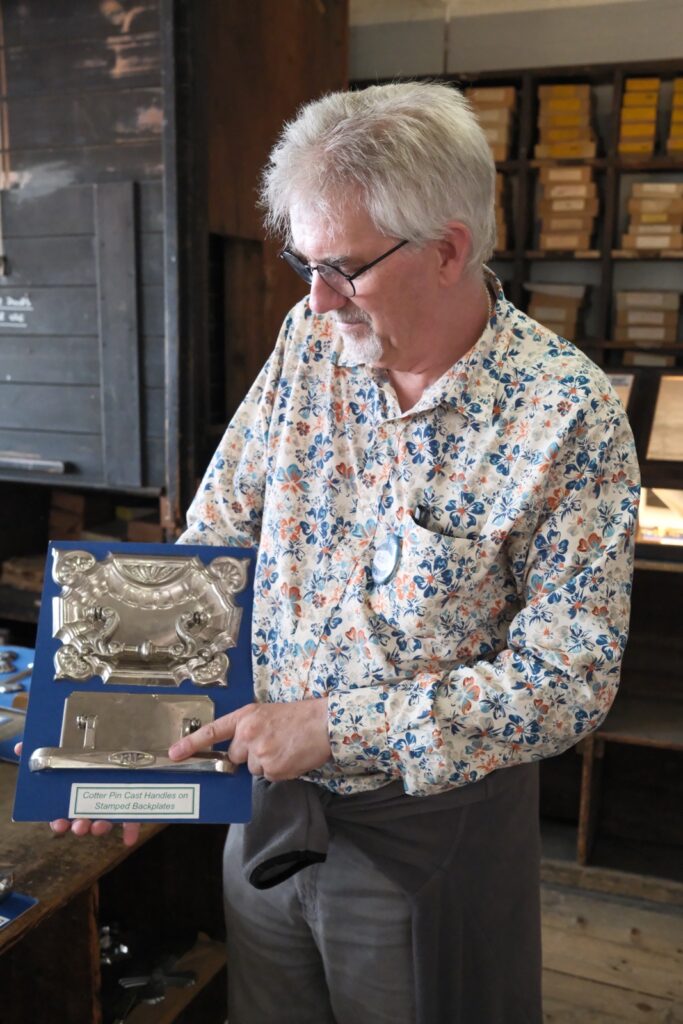
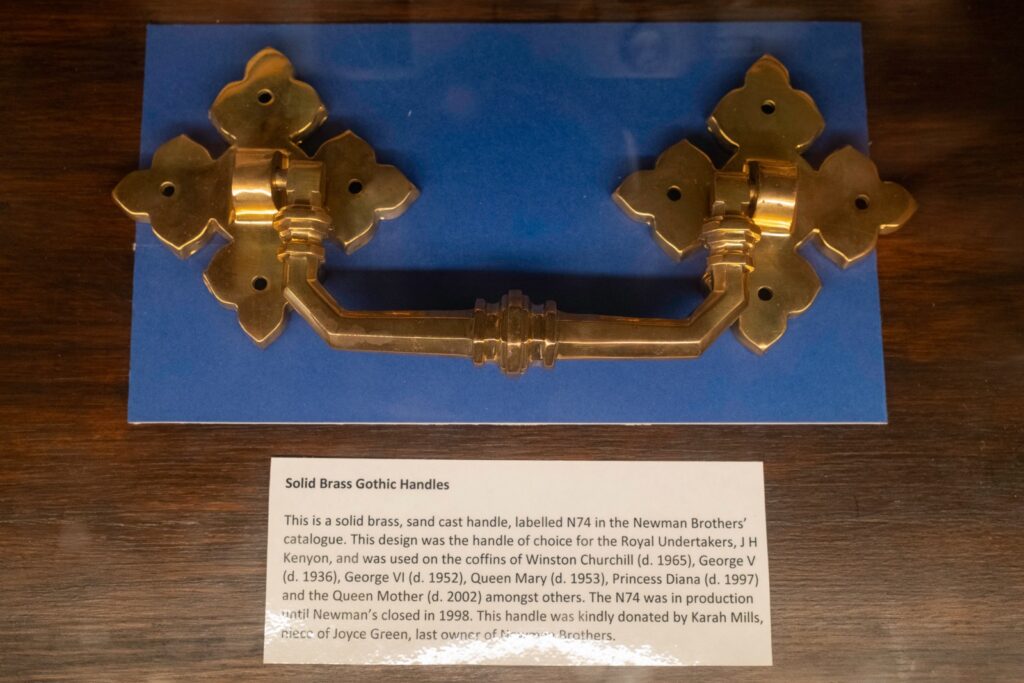
We left the workshop to climb to the first floor at the front of the building, where there was a timeline of many of the elaborate funeral fixtures that had been made during the operation of the Coffin Works. I was most impressed with the coffin handles that had been made for distinguished people over the years, including Joseph Chamberlain, Cardinal John Newman, Winston Churchill and members of the Royal Family. Robin provided a background story to the items on display. The mixture of industrial craftsmanship backed up with human stories made my visit memorable.


The Shroud Room
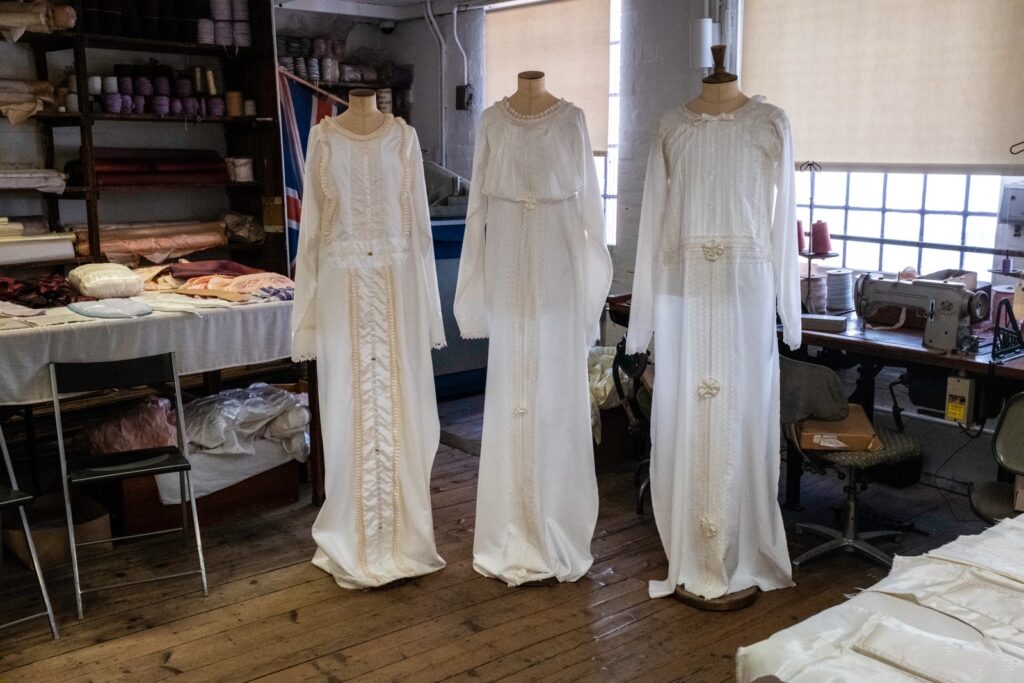
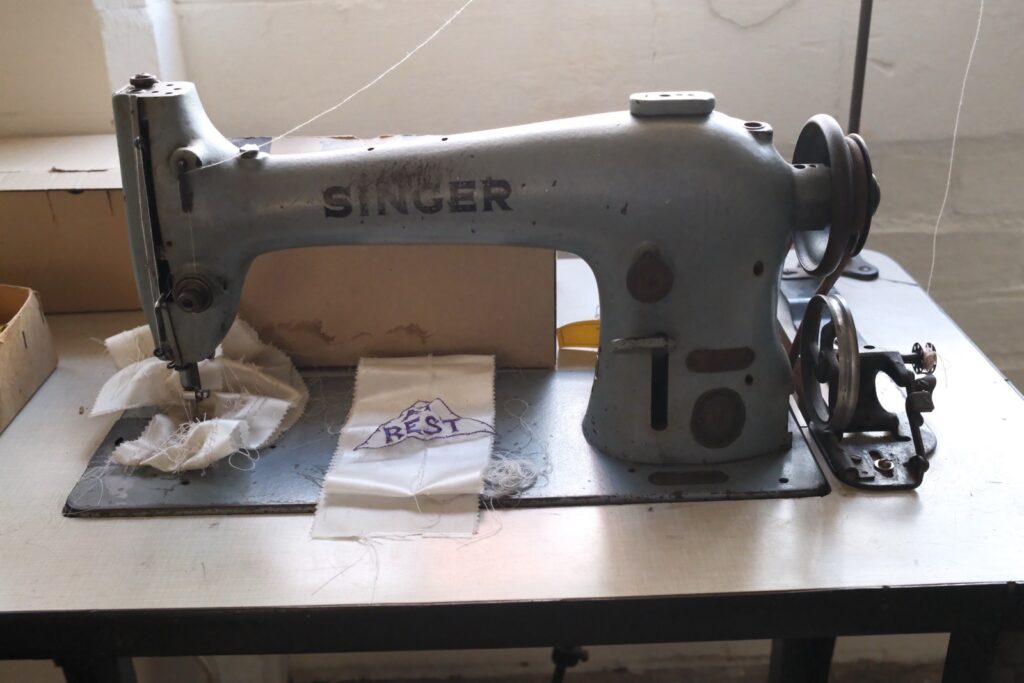
The second floor of the Coffin Works is where they made shrouds. The room had a bank of Singer sewing machines along the window, and three mannequins were dressed in shrouds at the end of the room. Examples of the intricate work involved in making the shrouds were on display, including shrouds made for the local football teams, Aston Villa and Birmingham City.


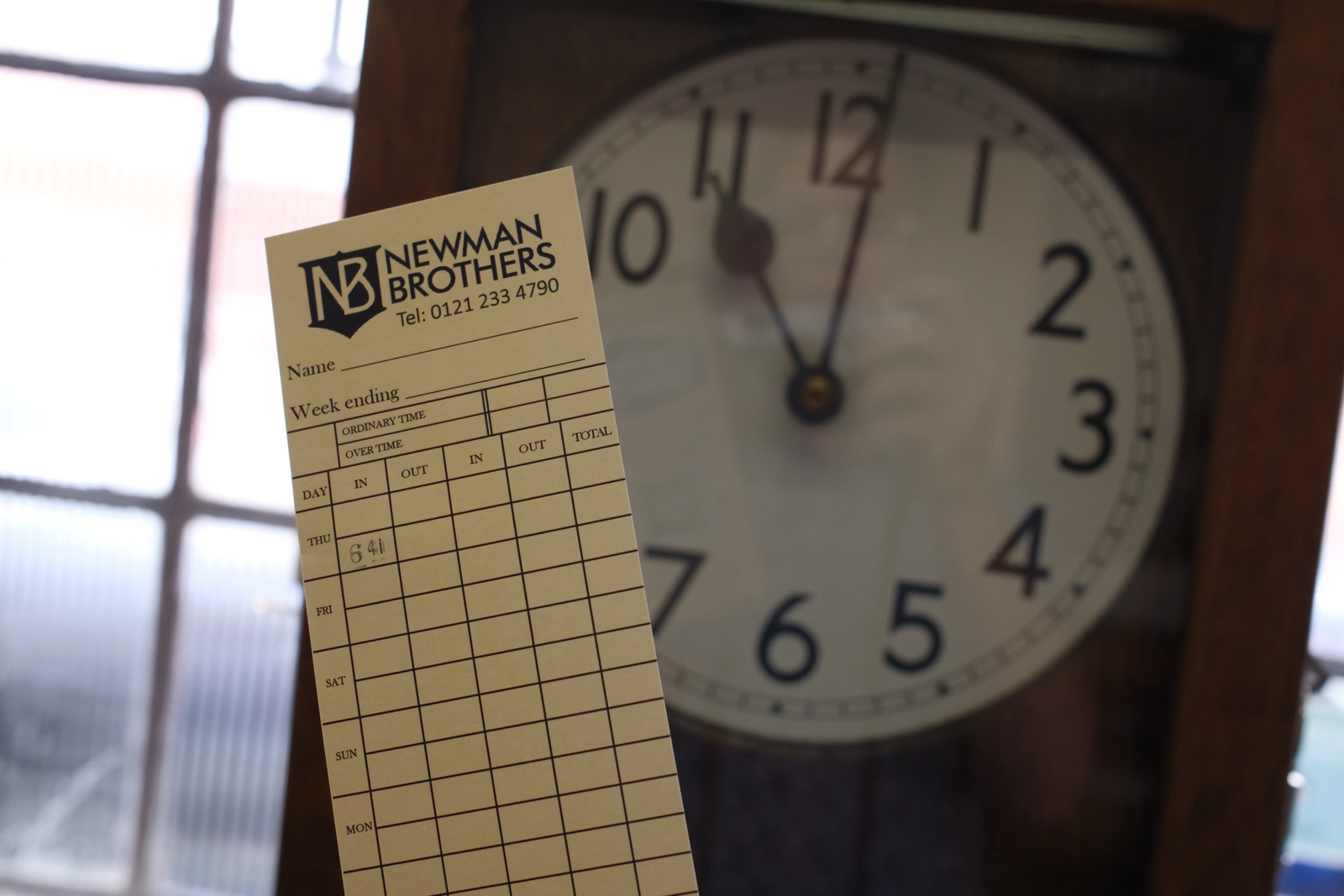
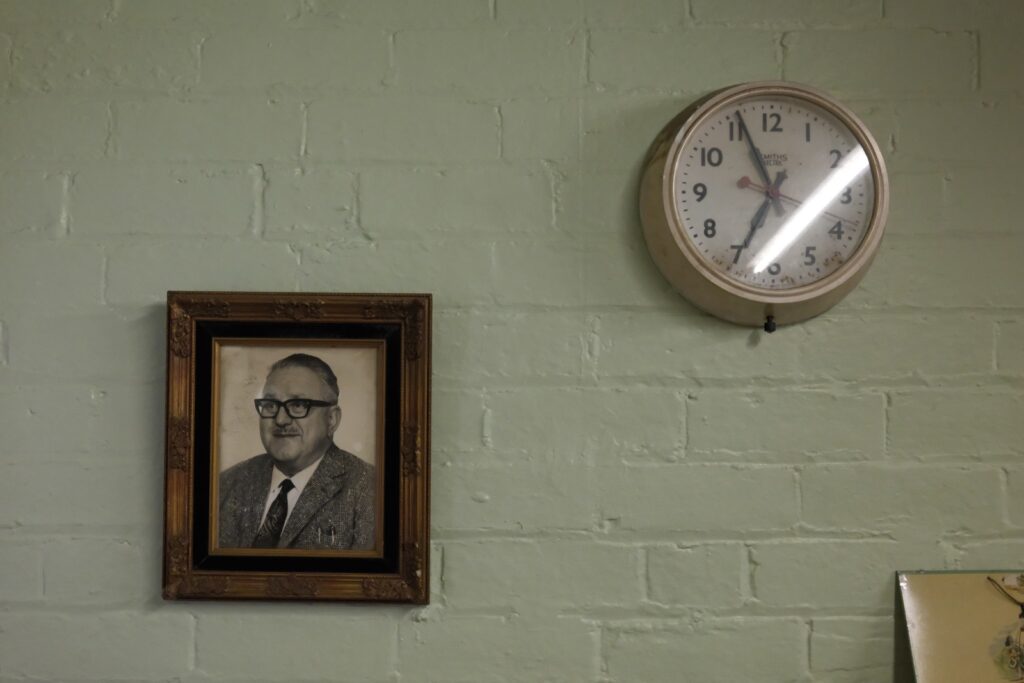
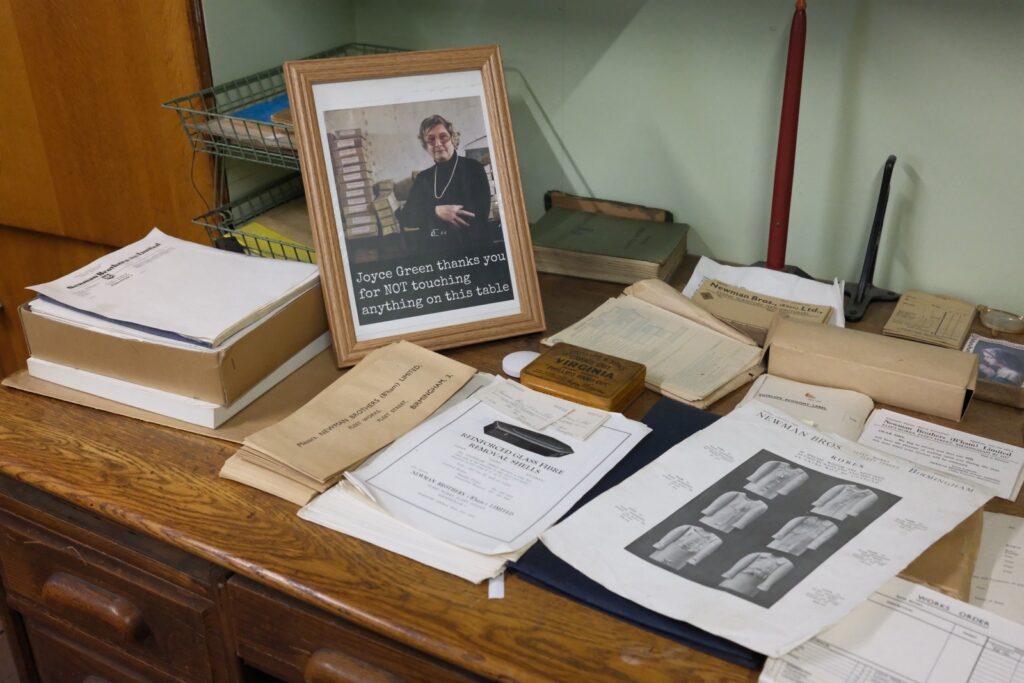
The room was set up with examples of the working day, and even the cups and teaspoons plus the tea rota were on display. The administration offices were neatly laid out with the paperwork and included the latest typewriters of the day.


The End of an Era
Robin informed me that the Coffin Works eventually succumbed to the national requirement for plastic fittings, which were ideal for cremations. Over the last century, the number of cremations outstripped the number of burials. Slowly but surely, the traditional metal fixtures were phased out. The Coffin Works closed but then reopened as a museum under the ownership of the Birmingham Conservation Trust.

The Coffin Works – Final thoughts

The tour was finished, and I made my way downstairs to the entrance. I chatted to Paul, who had initially greeted me at the start of the tour, and had time to thank Robin for taking me around the Coffin Works.
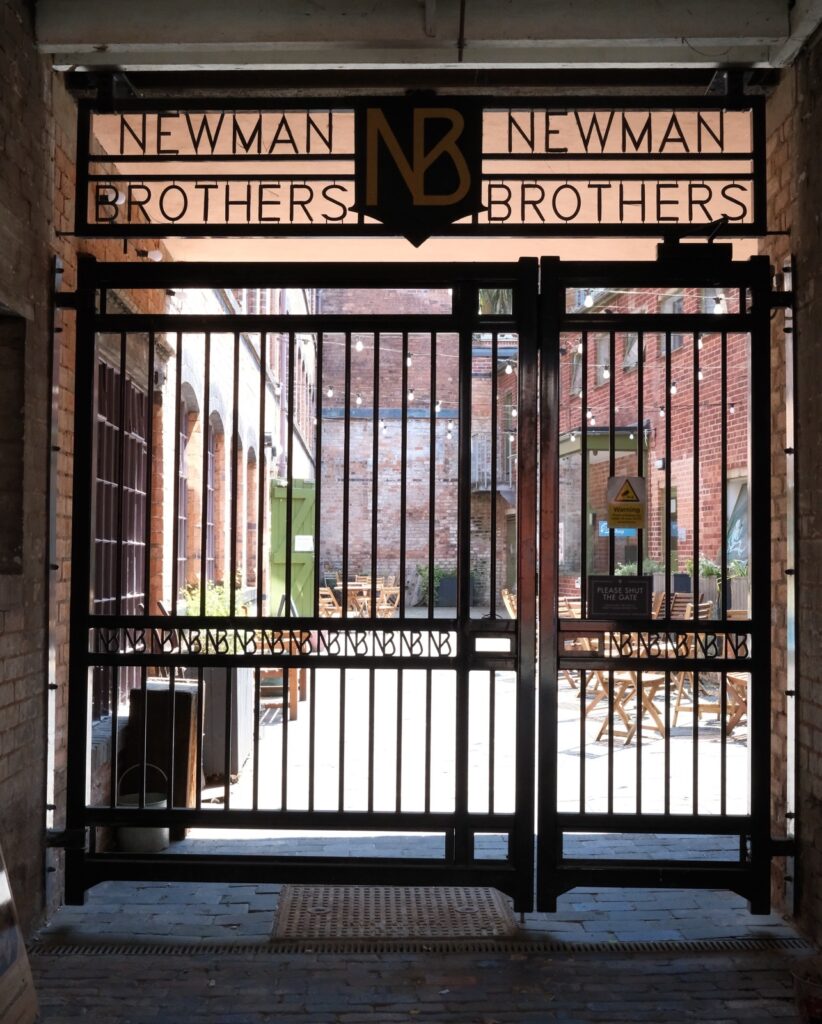
The museum provides a history of Victorian Birmingham and the enterprise and vision of the Newman Brothers. There are many other similar places to visit, and the Whistle Factory is still open for business and offers group visits by prior arrangement. Please read my account of my visit there.

Meeting Steve Coel
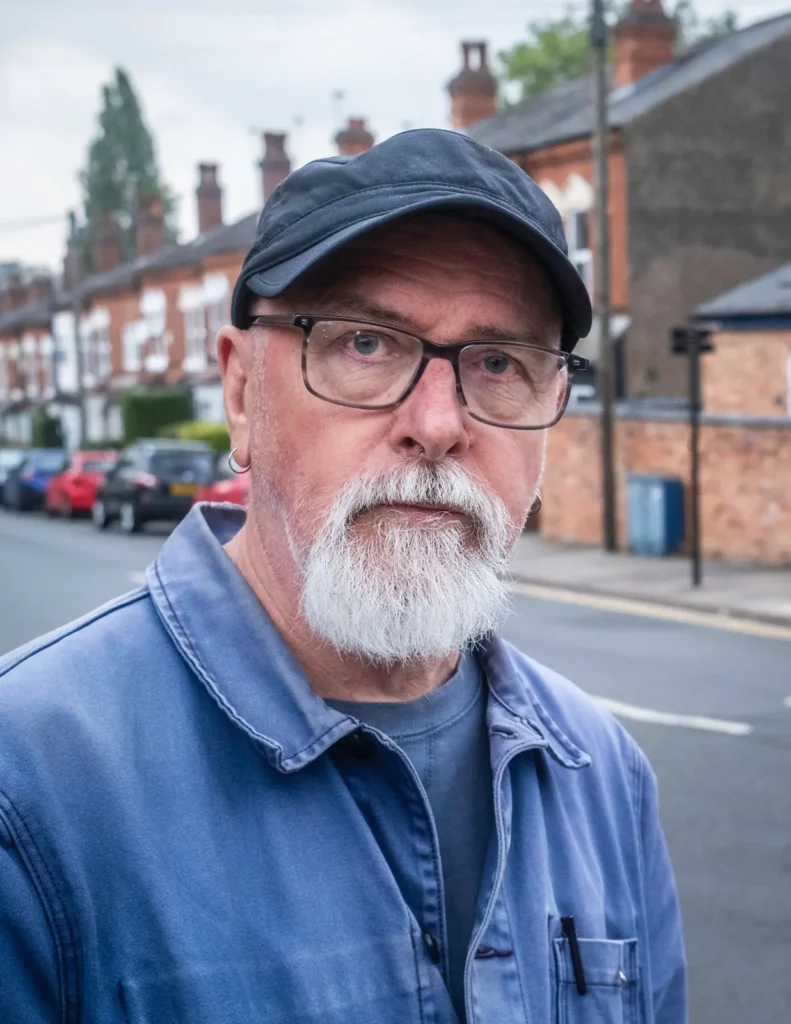
I first met Steve Coel on the streets of Stirchley during the “Stirchley Observation Project” in 2024. I took his picture and we started talking. He mentioned his artist background, but I did not fully connect that he was interested in photography as well. We next met at the Tom Hicks exhibition at Birmingham City University and have since met on a regular basis at the PRISM photography talks at 1000 Trades in the Jewellery Quarter.
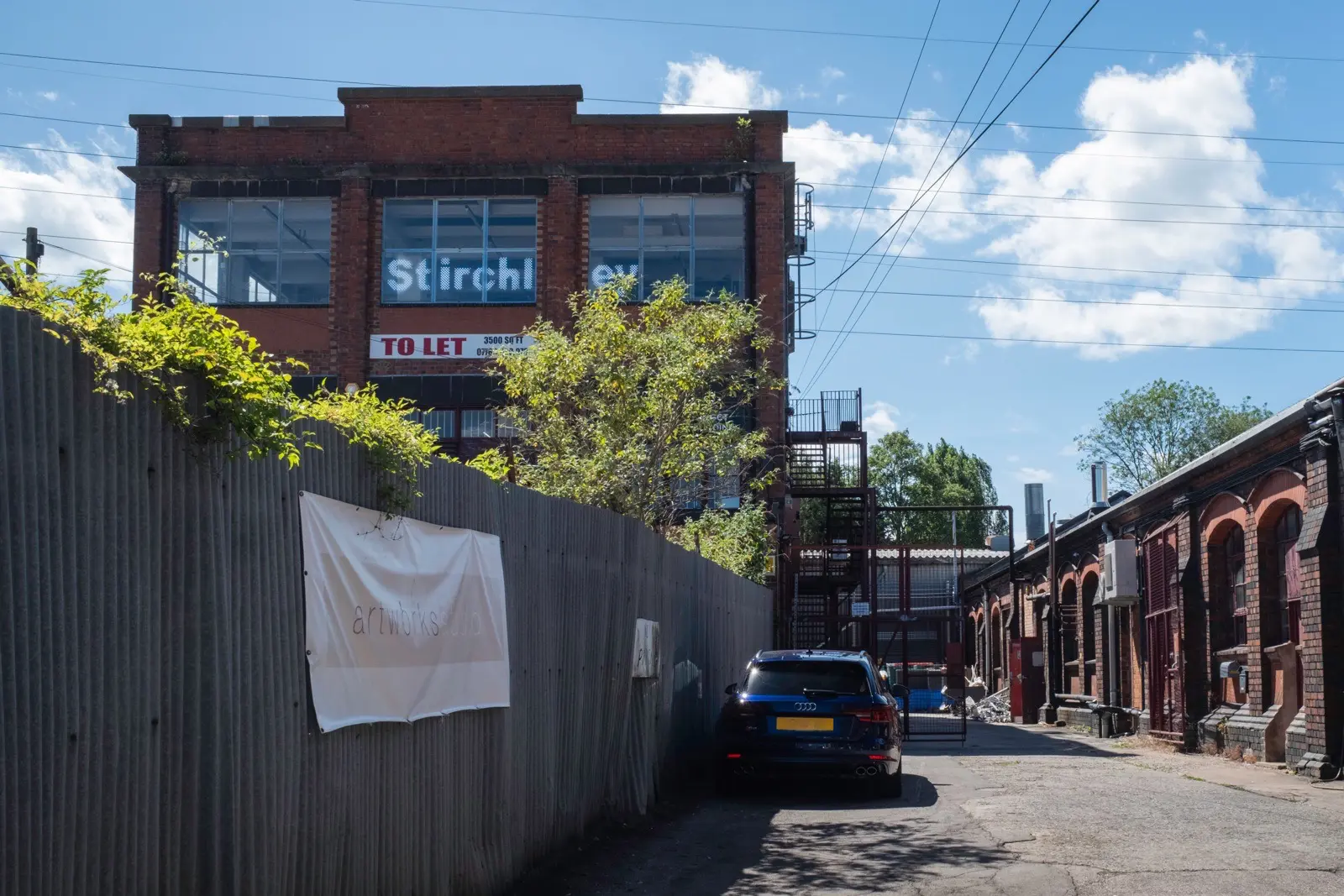
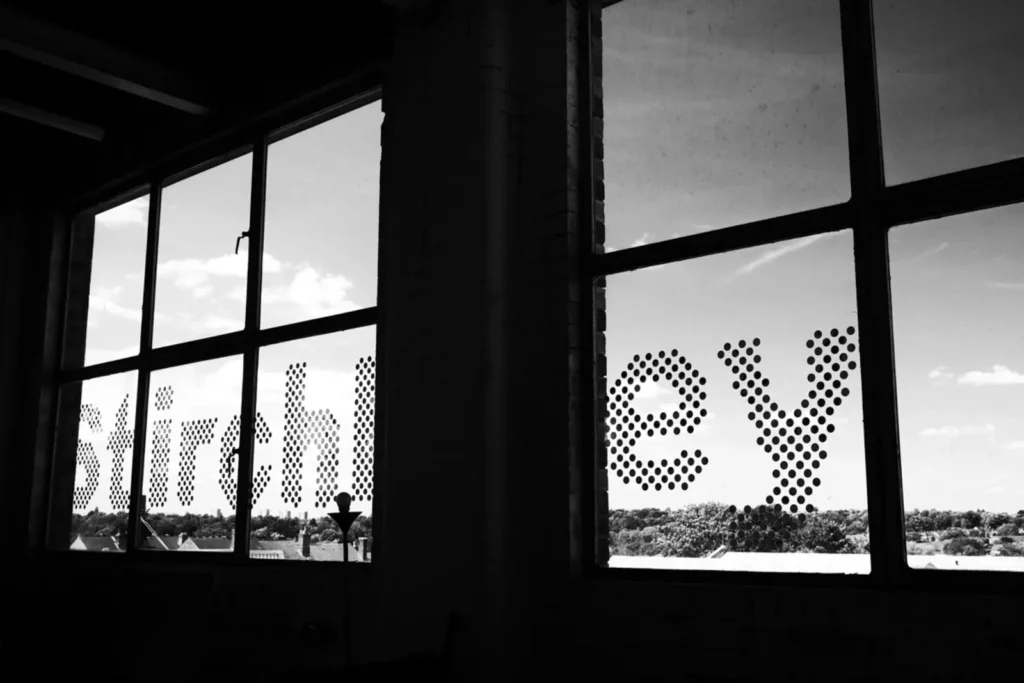
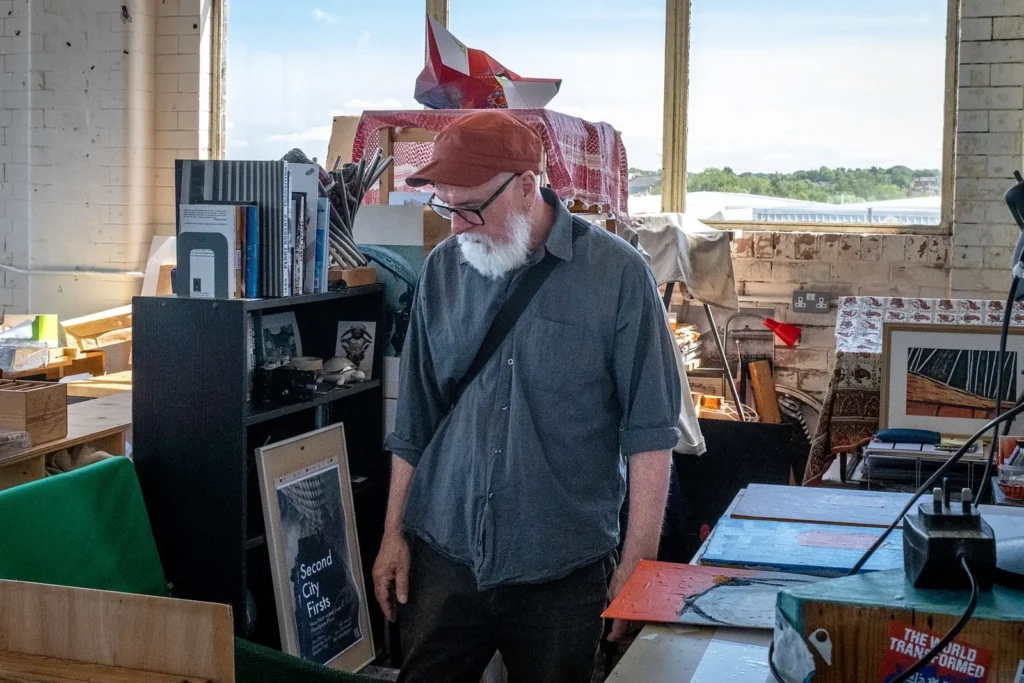
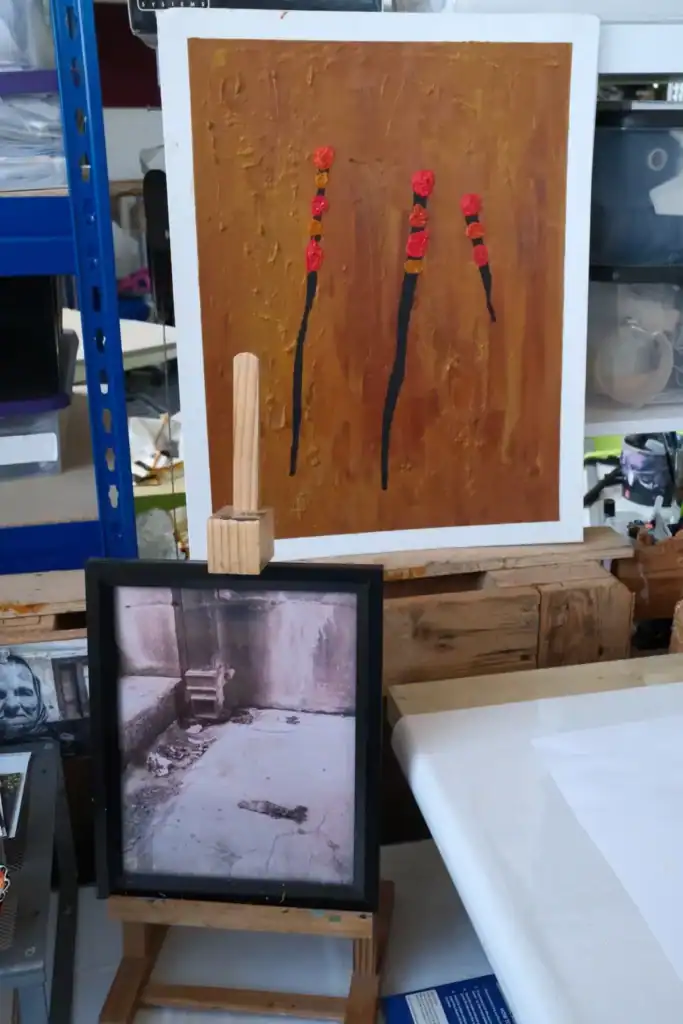
Steve Coel’s work is produced under the name ‘an 11.59 publication’. He invited me to his studio in Stirchley to view examples of his artwork. I arrived early so that I could take a few pictures of Stirchley, then met Steve on the road bridge on the border of Stirchley and Bournville. Steve took me to his studio, which is behind the Attic Brewery. The old industrial estate houses several thriving businesses, the majority of which have artistic inclinations.

Imbue’s Workshop
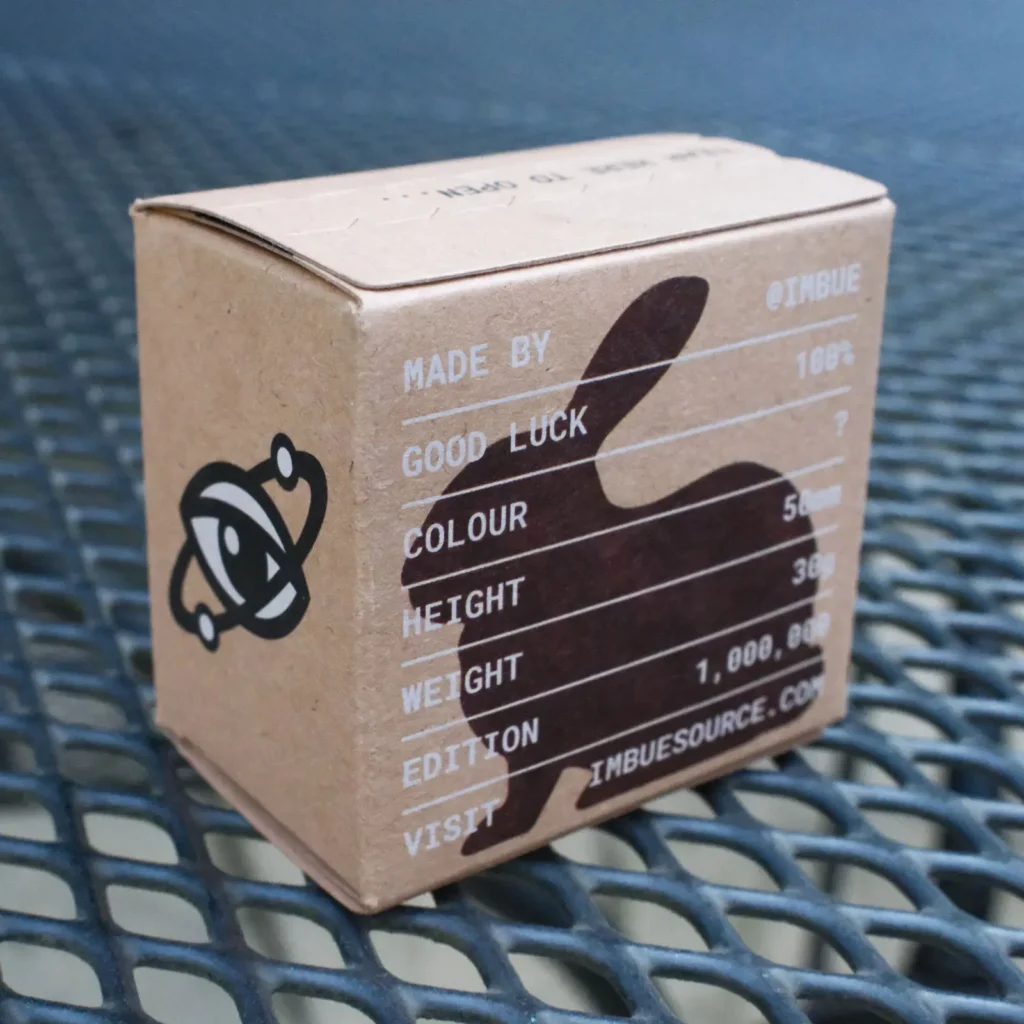
On the way up to the second floor, we passed Imbue’s studio. This was a chance to meet the artist and see his workshop. I have written about Imbue’s work before, and I enjoy the combination of digital scanning with his thought-provoking vision of everyday life. After a look around his workplace, and the generous gift of one of the Imbue lucky rabbits (the plastic variety, not the gold ones), we went up to Steve’s studio.

Inside the 11.59 Publication Studio
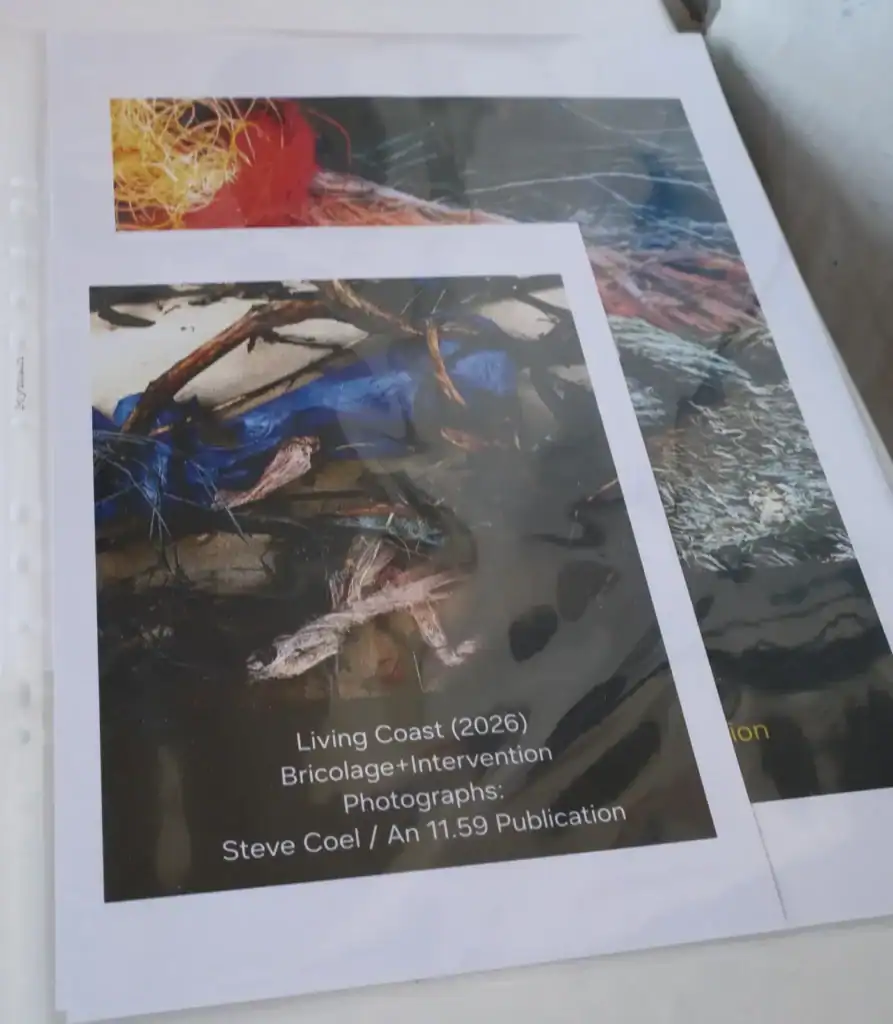
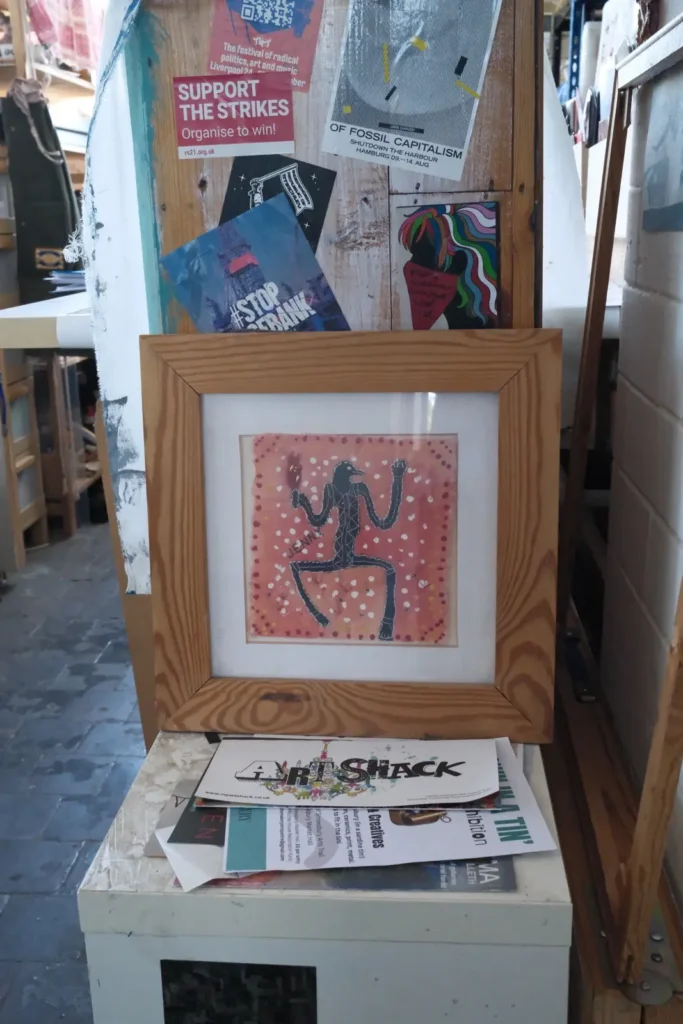
There are around ten artist spaces on the floor, and Steve gave a brief background to each one. His own studio held many fascinating paintings and pictures. Steve browsed through his back catalogue of pictures, and I enjoyed viewing his work, which combines deep, rich colours and textures. He has a wide-ranging back catalogue, examples of which are displayed on the ‘an 11.59 Publication’ instagram account.

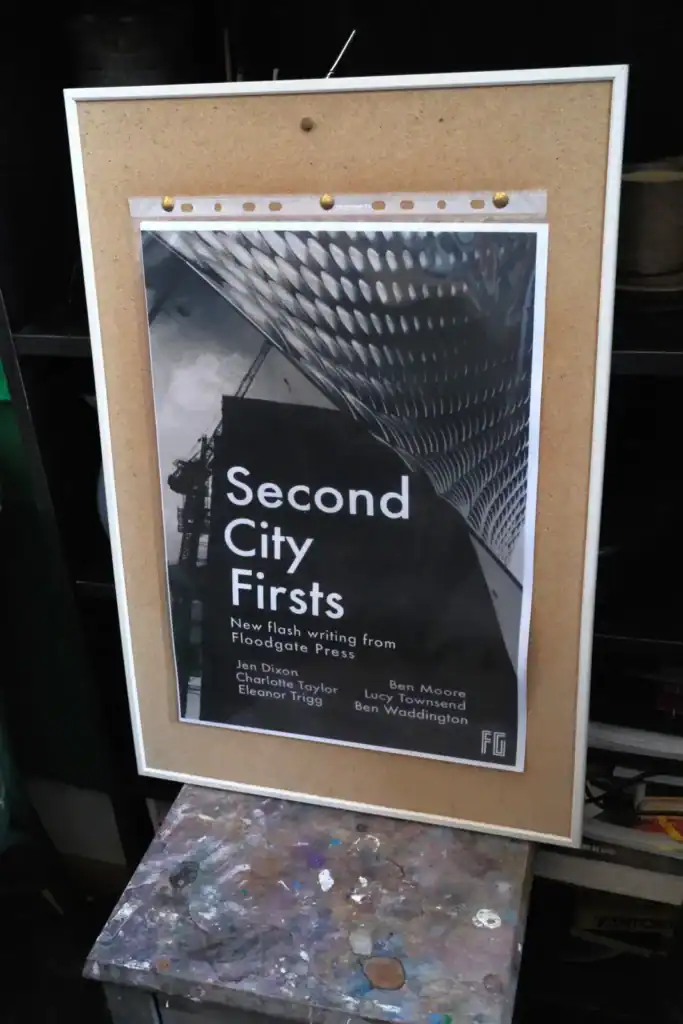
Steve is an artist first and foremost, but he is also an accomplished photographer. His recent pictures of the Selfridges building are excellent and formed the basis of a book cover for local artists. I enjoyed browsing through all the artwork and hearing Steve’s interpretation of how the different pieces of work came together. His artistic background allows him to push the boundaries of his work. Having a Welsh background means that many pictures have Welsh names, which adds intrigue to the interpretation of his work.


A chat over a cuppa
The afternoon finished with a cup of tea in the hot summer sun, on one of the wooden benches in the concrete Stirchley Triangle. We reflected about art, photography, Stirchley and life over a great cuppa, crafted by the Stirchley Spud Co.

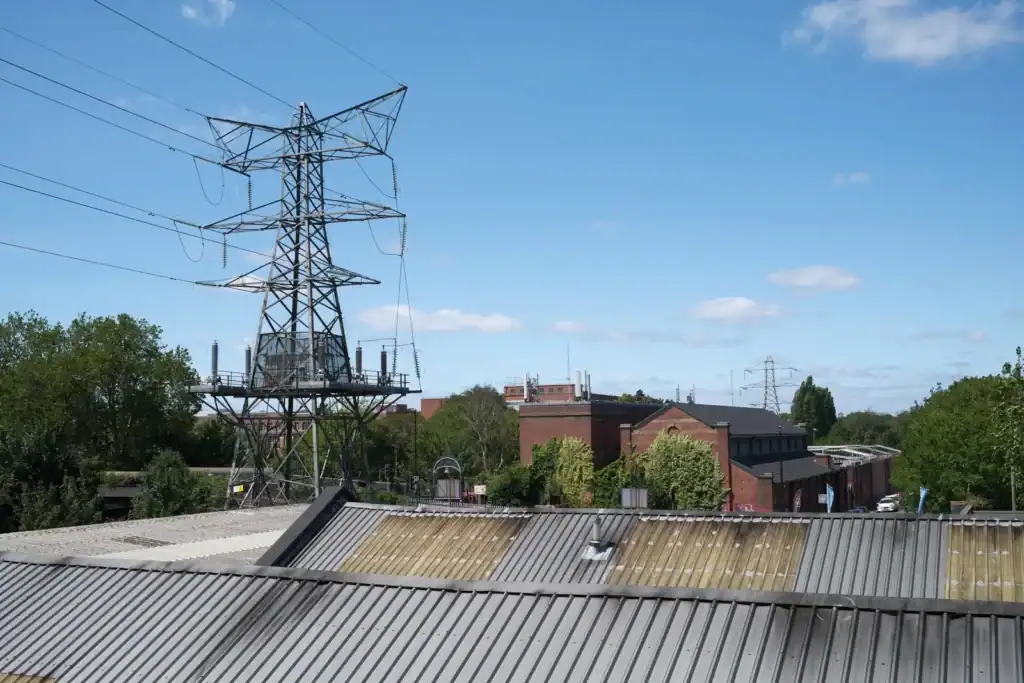
Finally here are a few pictures of Stirchley taken during my visit to Steve Coel’s studio.


As always there is a chance to explore my previous blog entries and I include an account of my earlier visit to Stirchley.

Visiting Sarehole Mill
Sarehole Mill is not far from where I live but, surprisingly, I had never visited it despite living in Birmingham for many years. Every time I passed the mill, I made a mental note to return. This blog post came about when the opportunity finally presented itself.
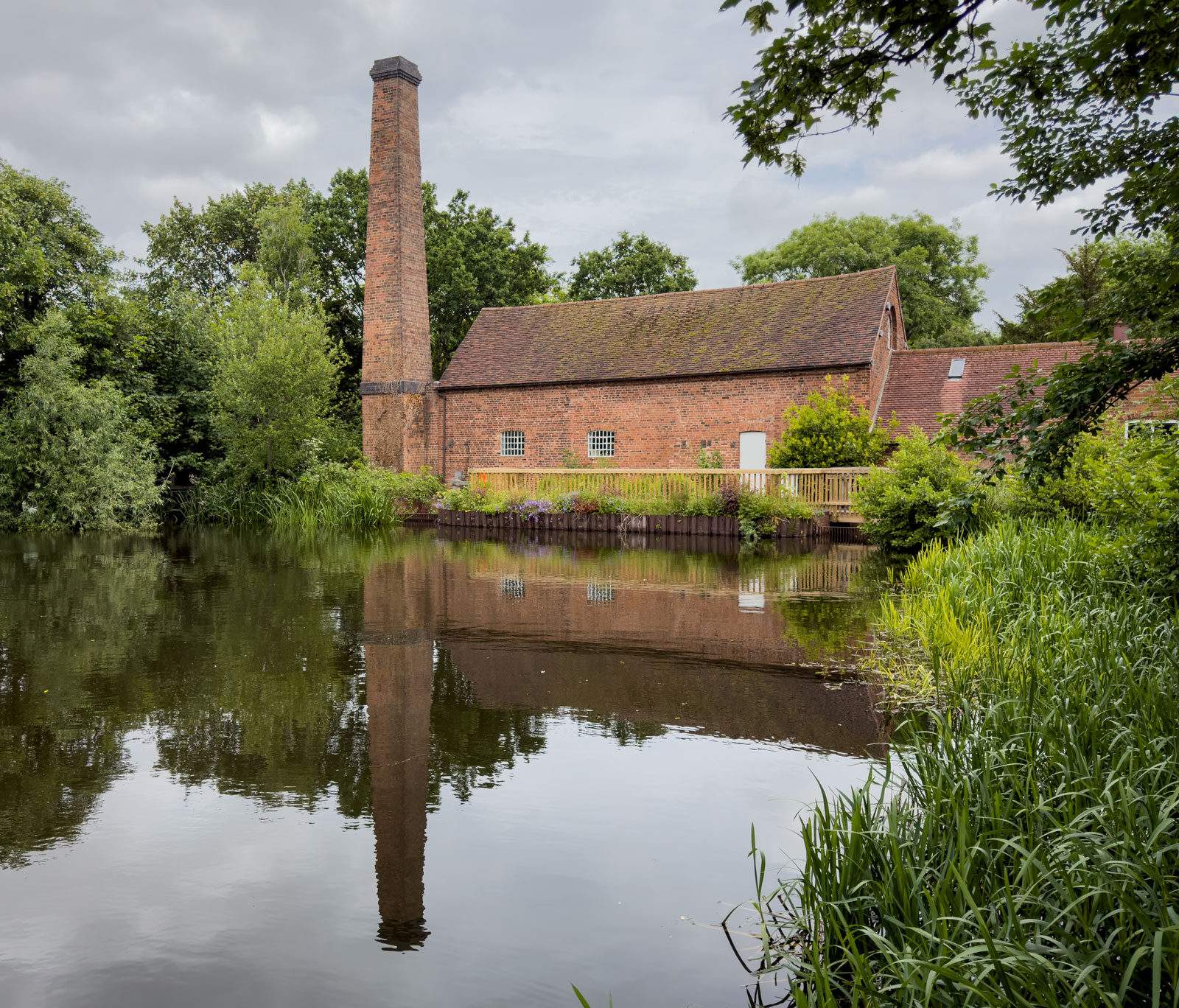
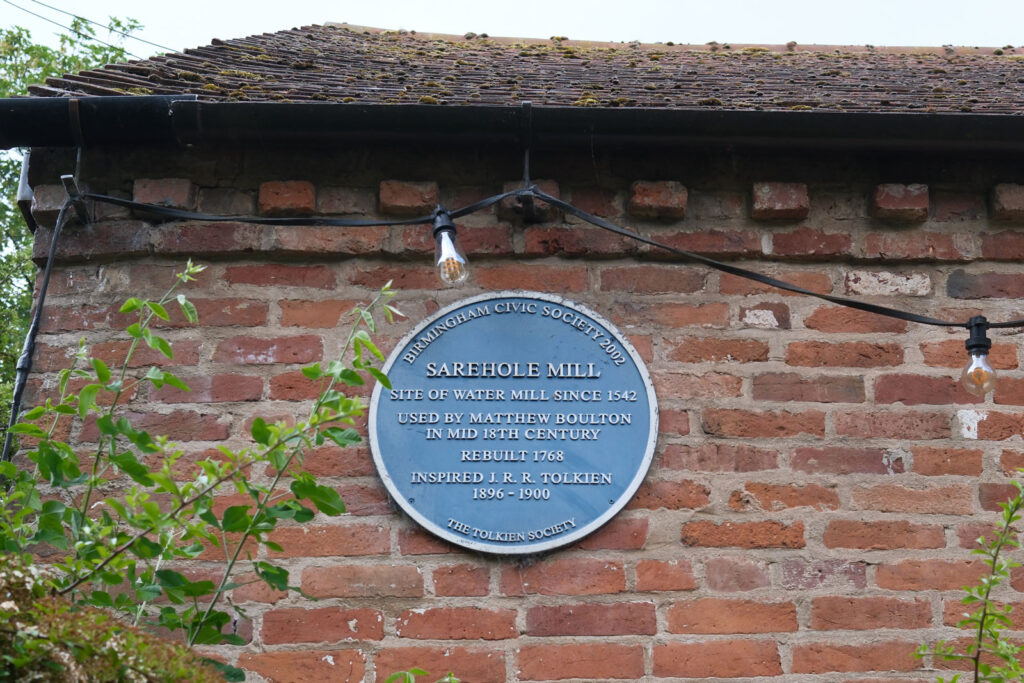
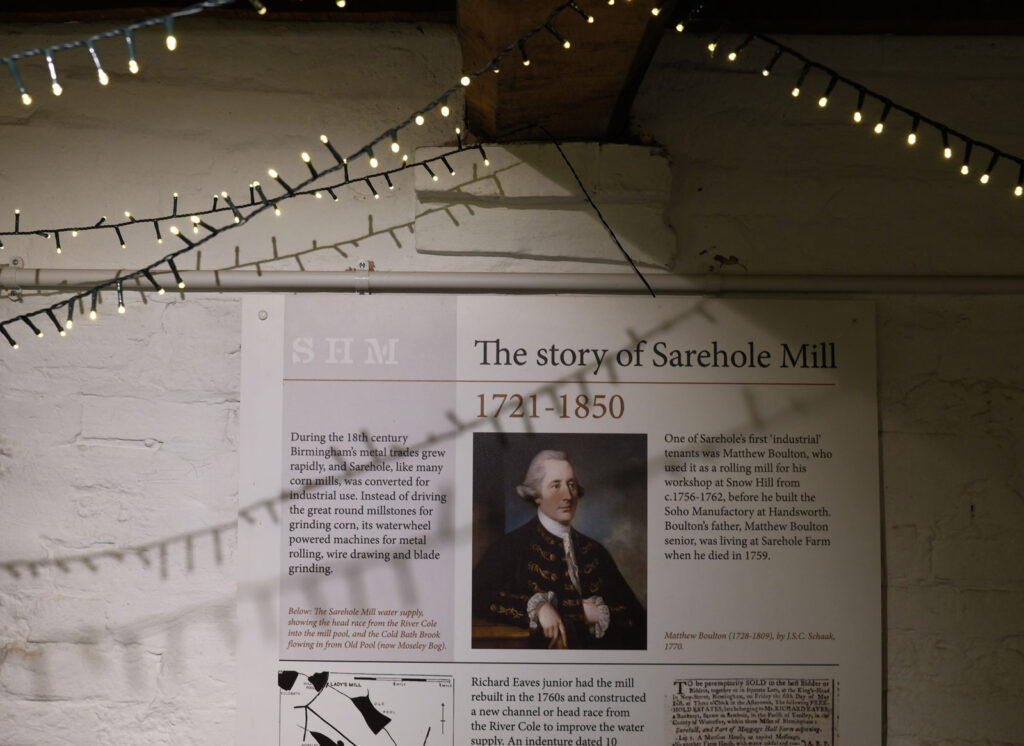
There has been a mill beside the River Cole for more than 250 years. Originally used to grind grain into flour, Matthew Boulton later converted the mill to power machinery for his metalworking business. By the end of the nineteenth century, the mill had returned to producing flour.

J.R.R. Tolkien
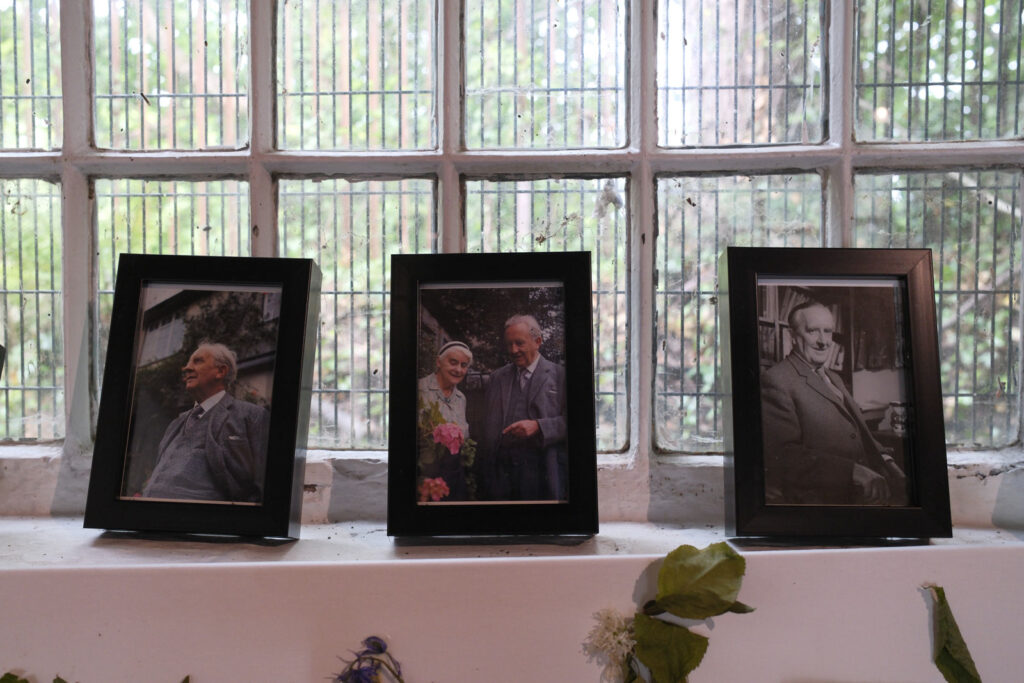
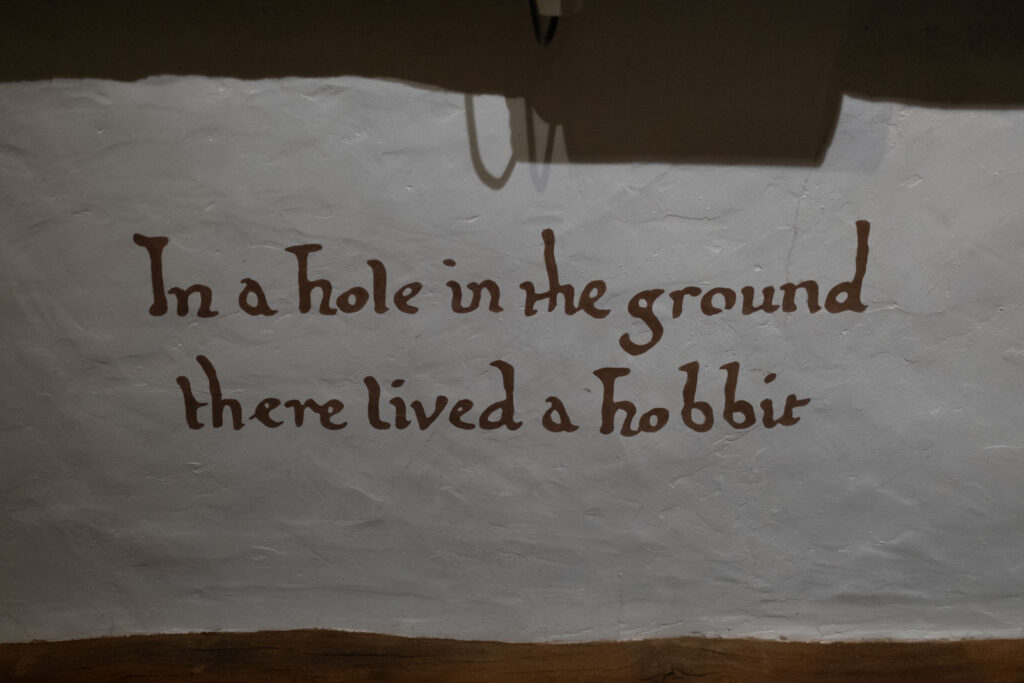
Around this time, a young family moved into the area, and two brothers frequently explored the mill and the surrounding countryside. One of those brothers was J. R. R. Tolkien. The story of Sarehole Mill is now closely intertwined with The Hobbit, The Lord of the Rings, and Tolkien’s other works. The mill and the surrounding landscape helped inspire the Middle-earth that he created. The mill’s distinctive tower dates from the period when Matthew Boulton installed a steam engine to support his metalworking operations, and it is thought to have influenced some of Tolkien’s illustrations of Middle-earth.


History of Sarehole Mill
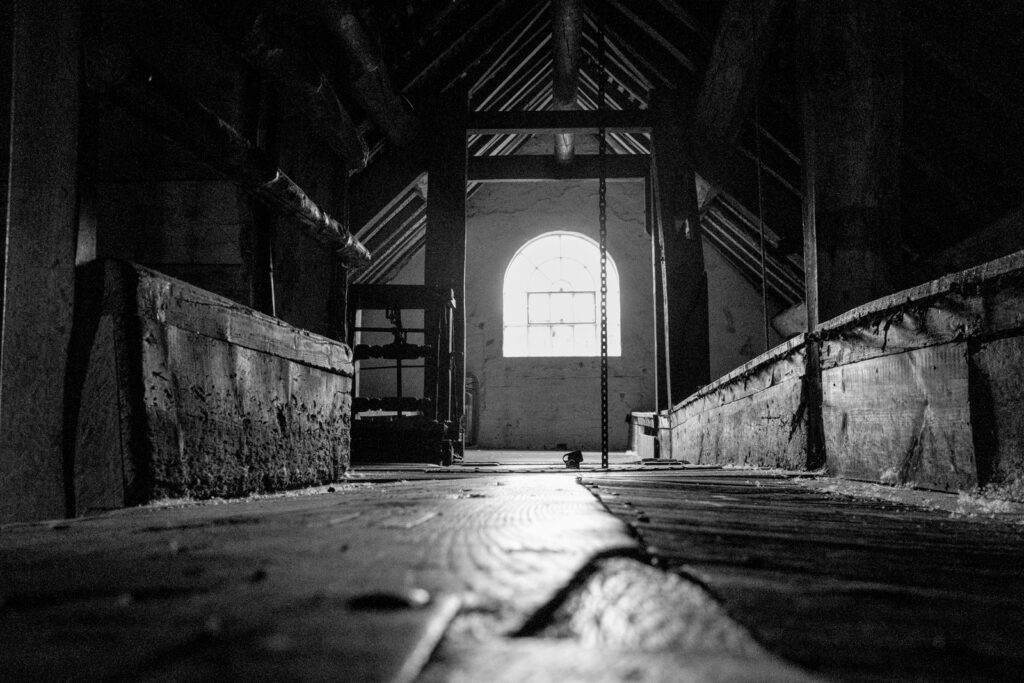
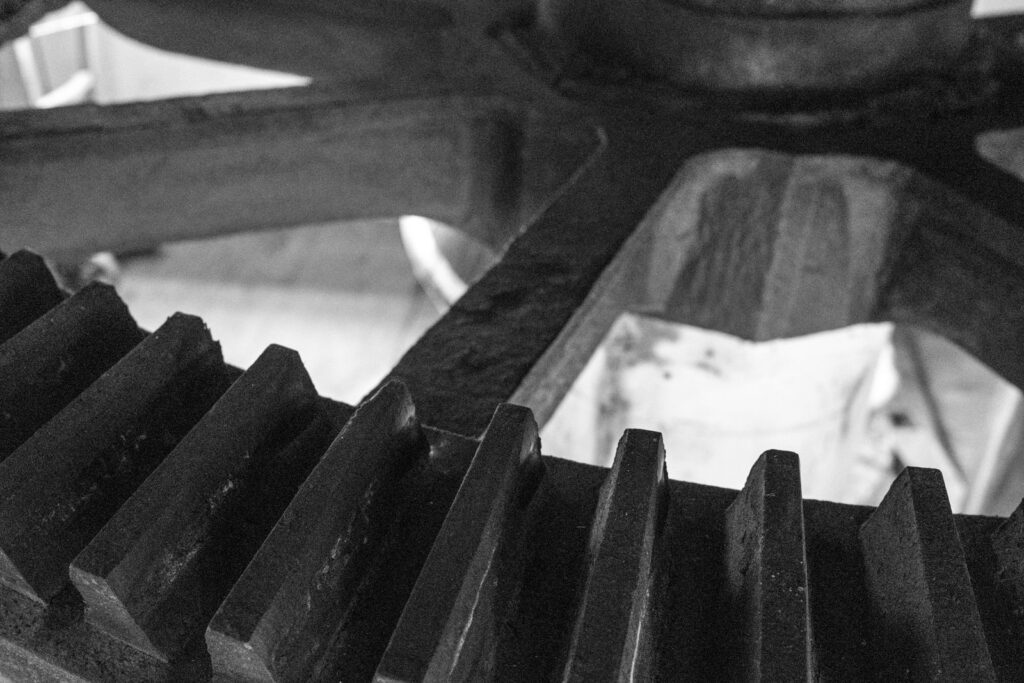
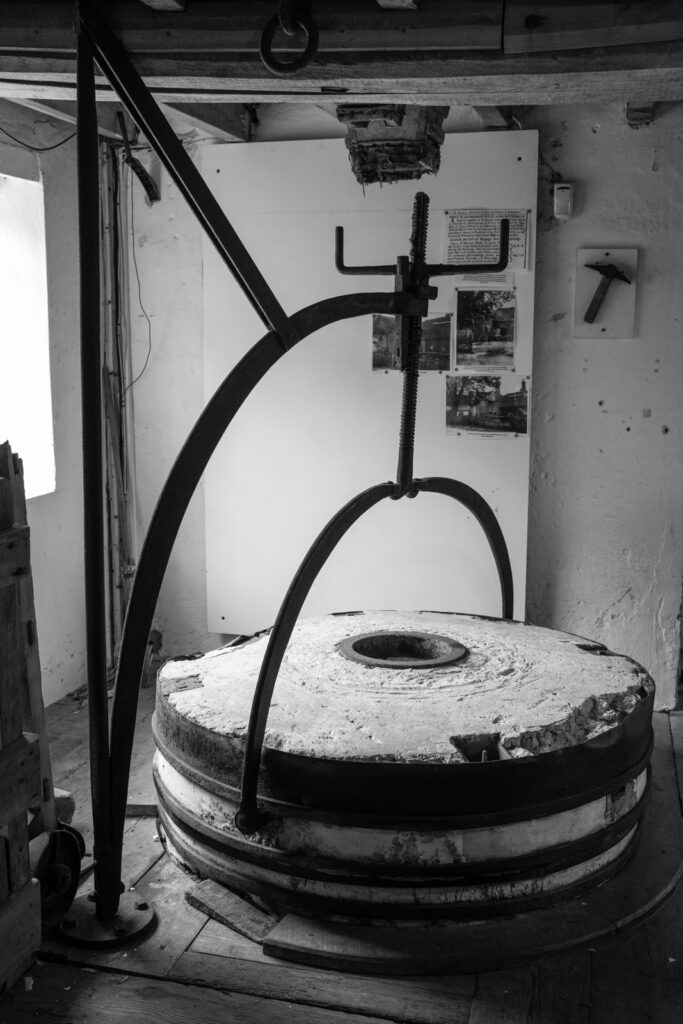
Today, Sarehole Mill is managed by Birmingham Museums, and there is a modest admission charge to visit the building. The fee is well worth paying, as the historical displays provide a fascinating insight into how the mill operated and what life was like in the surrounding area. I had not realised that Matthew Boulton had briefly used the mill for his metalworking business. There are also numerous references to Tolkien and the influence that Sarehole Mill had on his writing. I particularly enjoyed exploring the upper floors, where the various types of machinery used over the centuries are displayed. The morning light streamed through the windows, casting beautiful shadows across the wooden floors and ceiling, creating plenty of photographic opportunities.


The mill and the surrounding area
After exploring the mill, I wandered through the garden before searching for the classic view of the building across the mill pond. The viewing platform provides an excellent vantage point. Two herons stood nearby, so motionless that I initially thought they were statues. Unfortunately, I had not brought my telephoto lens, so I could not capture a close-up photograph. Instead, I left them to continue their silent vigil, patiently waiting for the perfect moment to catch a fish.

Leaving Sarehole Mill, I walked through the adjacent park towards the ford and road bridge, enjoying the remainder of the peaceful morning. Although the surrounding area has long since been developed, the tranquillity of the park on a Sunday morning made it easy to imagine what this landscape must have been like before the arrival of urban development.

Links to follow
If you wish to see more of Tolkien’s Birmingham then the two towers feature in my blog about Port Loop. The Tolkien family worshipped at the Birmingham Oratory and I have a blog describing this Birmingham landmark.

Photographing Digbeth is always a creative and enjoyable time. My first serious photographic journey through Digbeth was in 2018. Since then, I have photographed Digbeth and the surrounding area on numerous occasions.

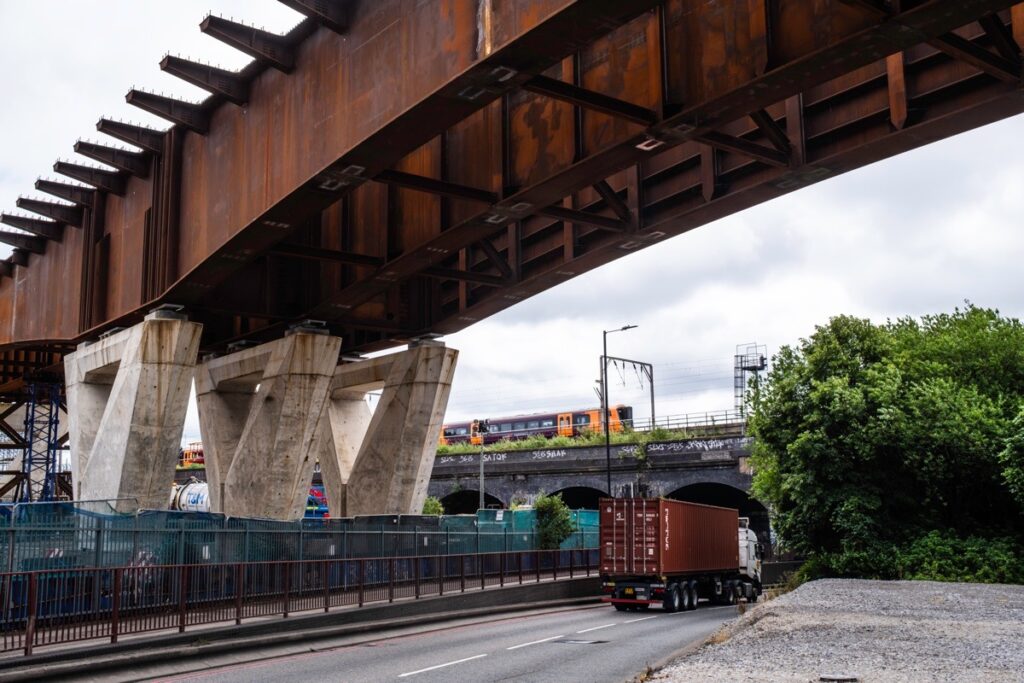
With the advent of the HS2 works, I wanted to see how construction was progressing near the Curzon Street canal towpath. The nearby Birmingham City University campus (BCU) is taking full advantage of the investment generated by the HS2 project. There is an incredible amount of building work taking place across the area. In spite of this, many problems still surround HS2, including repeated delays to its completion date.

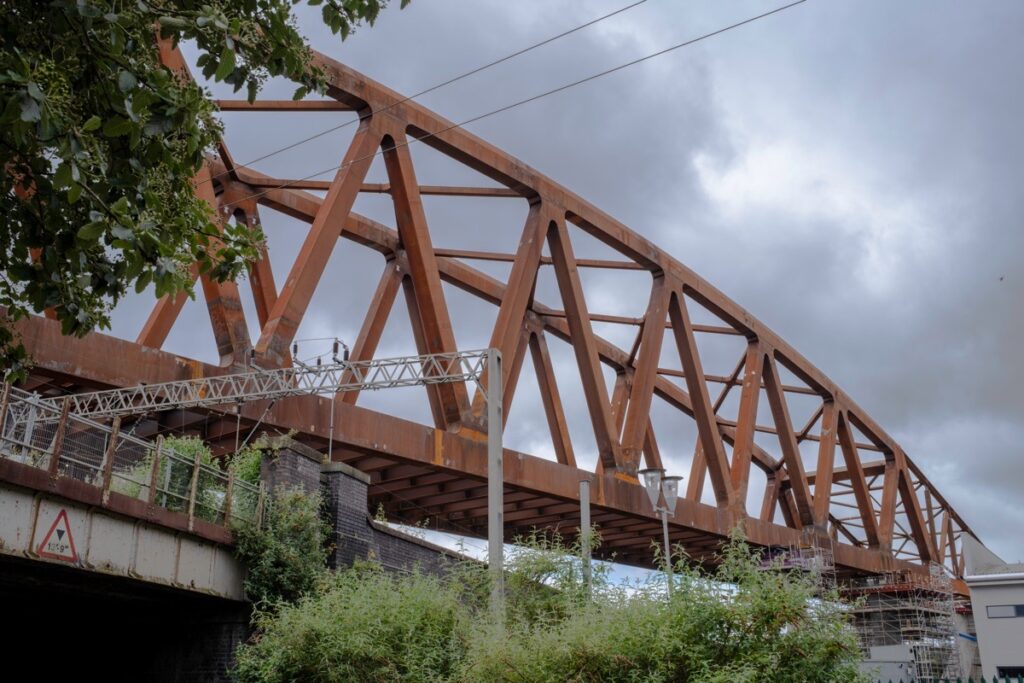
However, one cannot help but admire the engineering involved, and I was keen to photograph the large steel bridge that crosses the Birmingham to Lichfield railway on the approach into Curzon Street. To get close to the bridge, I walked down Northumberland Street behind the West Midlands Fire Service Headquarters. The bridge is tall and imposing, and the future trains will pass close to nearby apartment blocks. Walking across Lawley Middleway and looking up, the scale of the bridges dwarfs the surrounding roads and railways. The structures throughout the HS2 works are remarkable, although I do feel sorry for the nearby residents and businesses that have endured continual disruption during the construction.


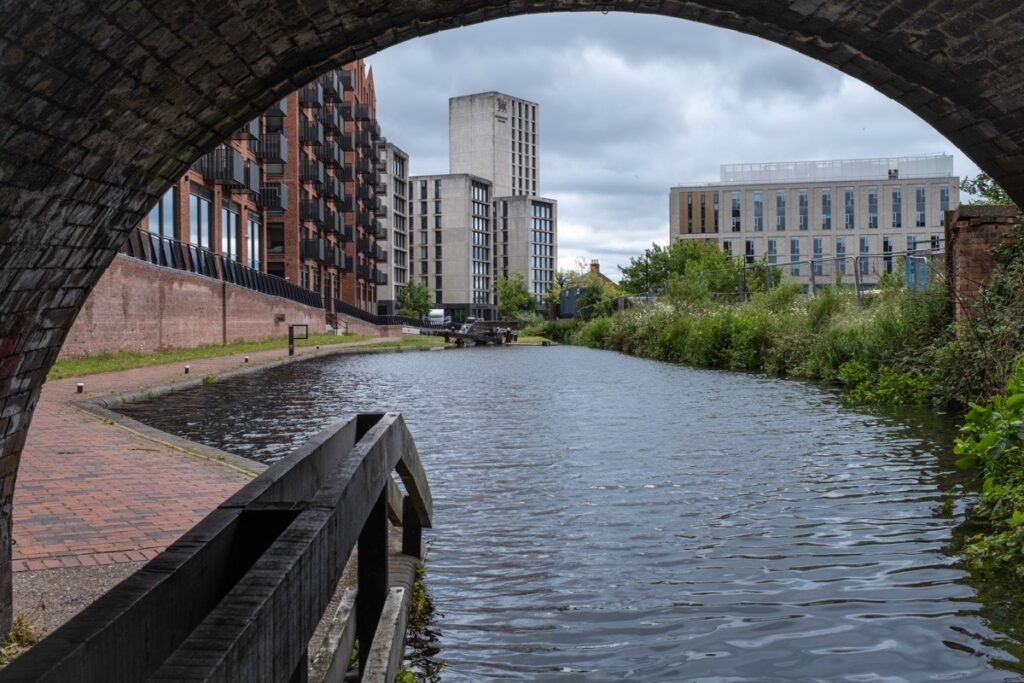
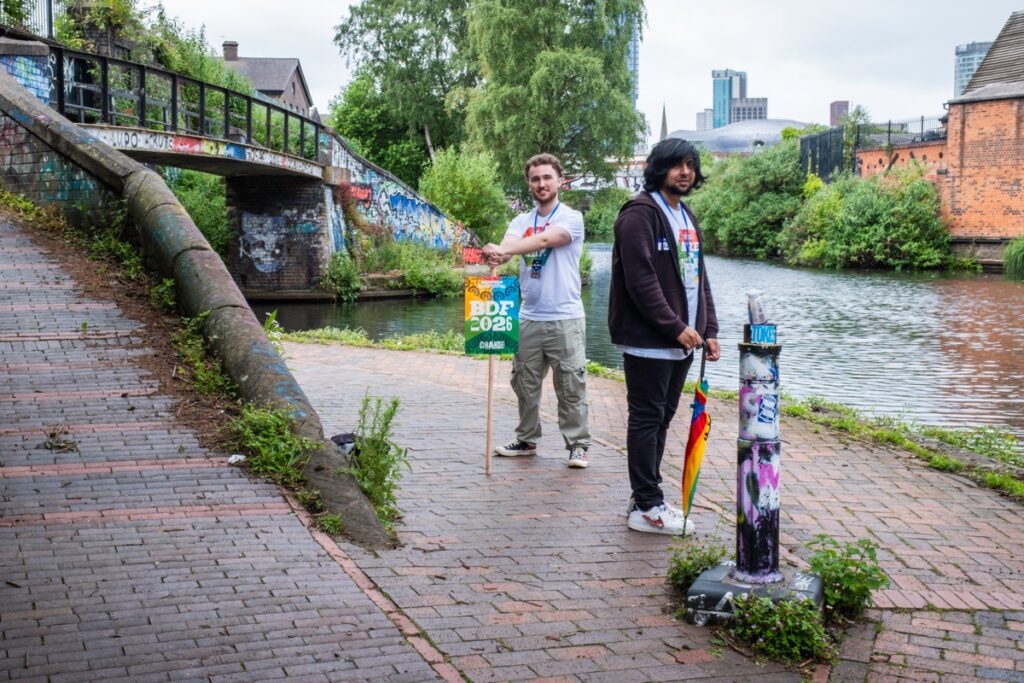
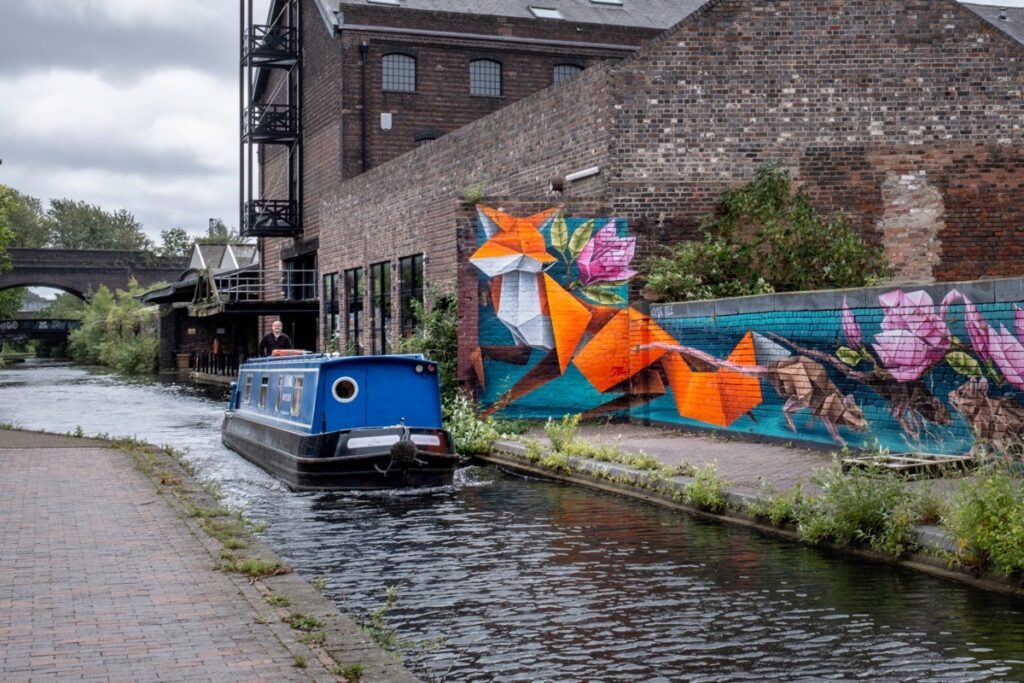
Another noticeable change is the slow but definite gentrification taking place around Digbeth’s canal network. The Curzon Street railway bridge creates a long tunnel where the Digbeth Branch Canal passes underneath. This was once, not an area you would walk through alone. Now there are cyclists, runners and students making their way to lectures at Birmingham City University or just commuting into the city. You also encounter interesting people. During my walk, I came across guides from Birmingham Design Festival, whose handheld placards were helping visitors explore the canals. There is also a definite increase in canal boats along the old industrial waterways, bringing the area to life.


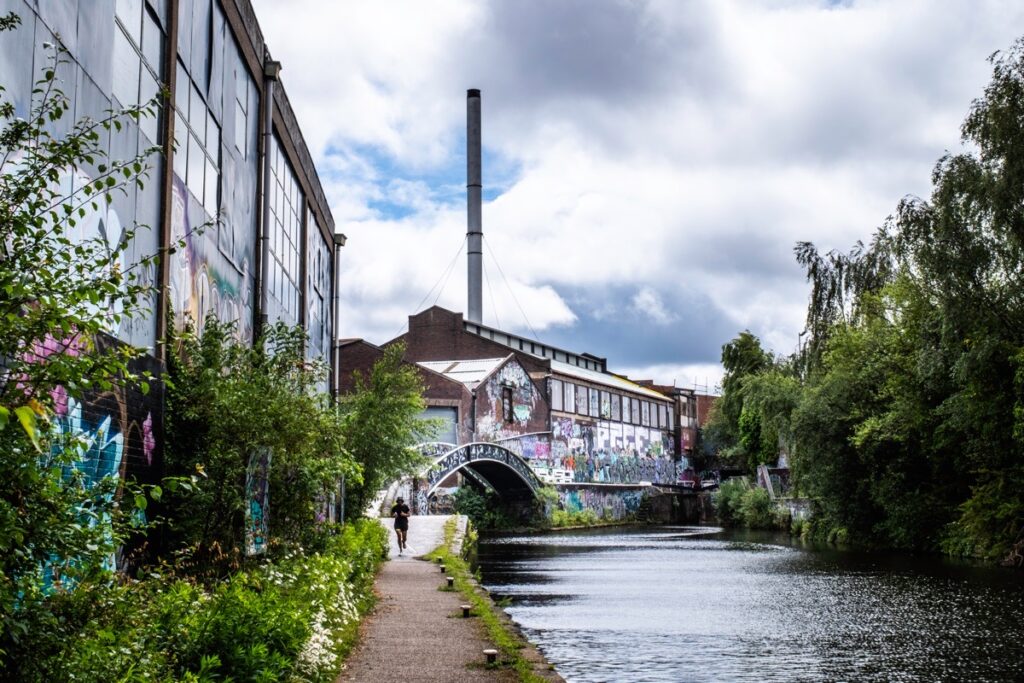
I continued on to Bordesley Junction, where the towpath becomes much quieter, yet even here I passed a runner. At the canal junction, the graffiti-covered walls provide a colourful backdrop, while the old industrial buildings tower above the waterways. Despite these changes, the area still feels uncertain and is not somewhere I would readily explore alone. No doubt the creeping gentrification will eventually reach this part of Bordesley as well.

Heading back into Digbeth, I soaked up the atmosphere created by the busy shops and cafés. Redevelopment continues, and high-rise apartment buildings are increasingly surrounding the area.

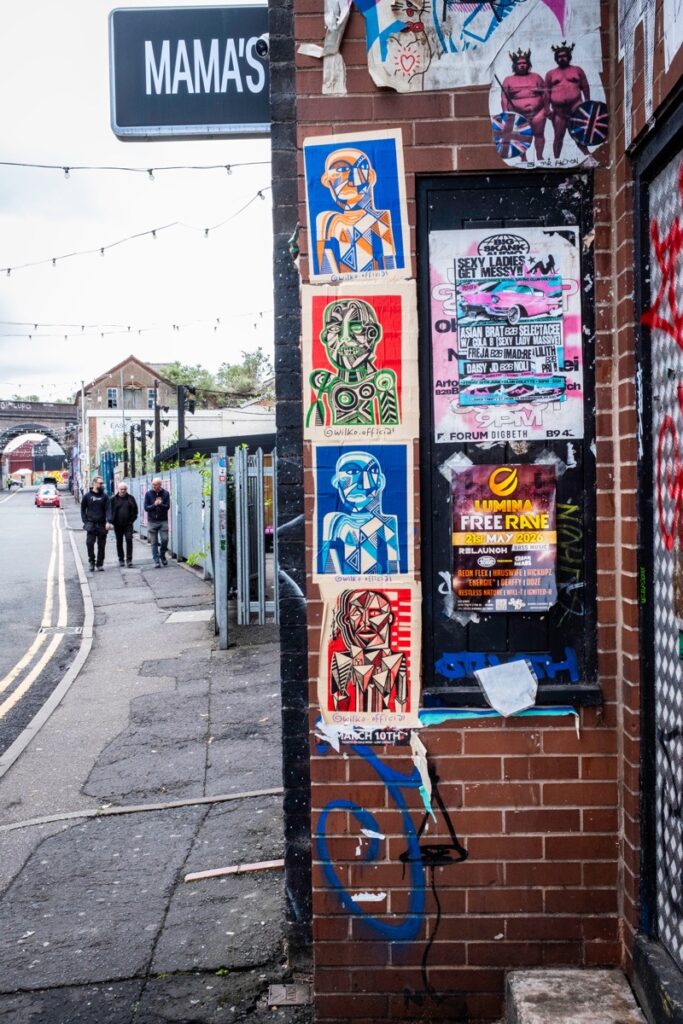
The streets around Gibb Street and Trinity Street are constantly evolving, with new businesses, nightclubs and street art appearing all the time. There are still a few artworks that I have to photograph, and I found this mural by @ginger_dan. Looking back at my photographs from 2018, the changes are striking. Old murals have disappeared beneath fresh paint, while new venues continue to emerge. Digbeth still retains its unique charm, and I hope it continues to preserve its distinctive character.
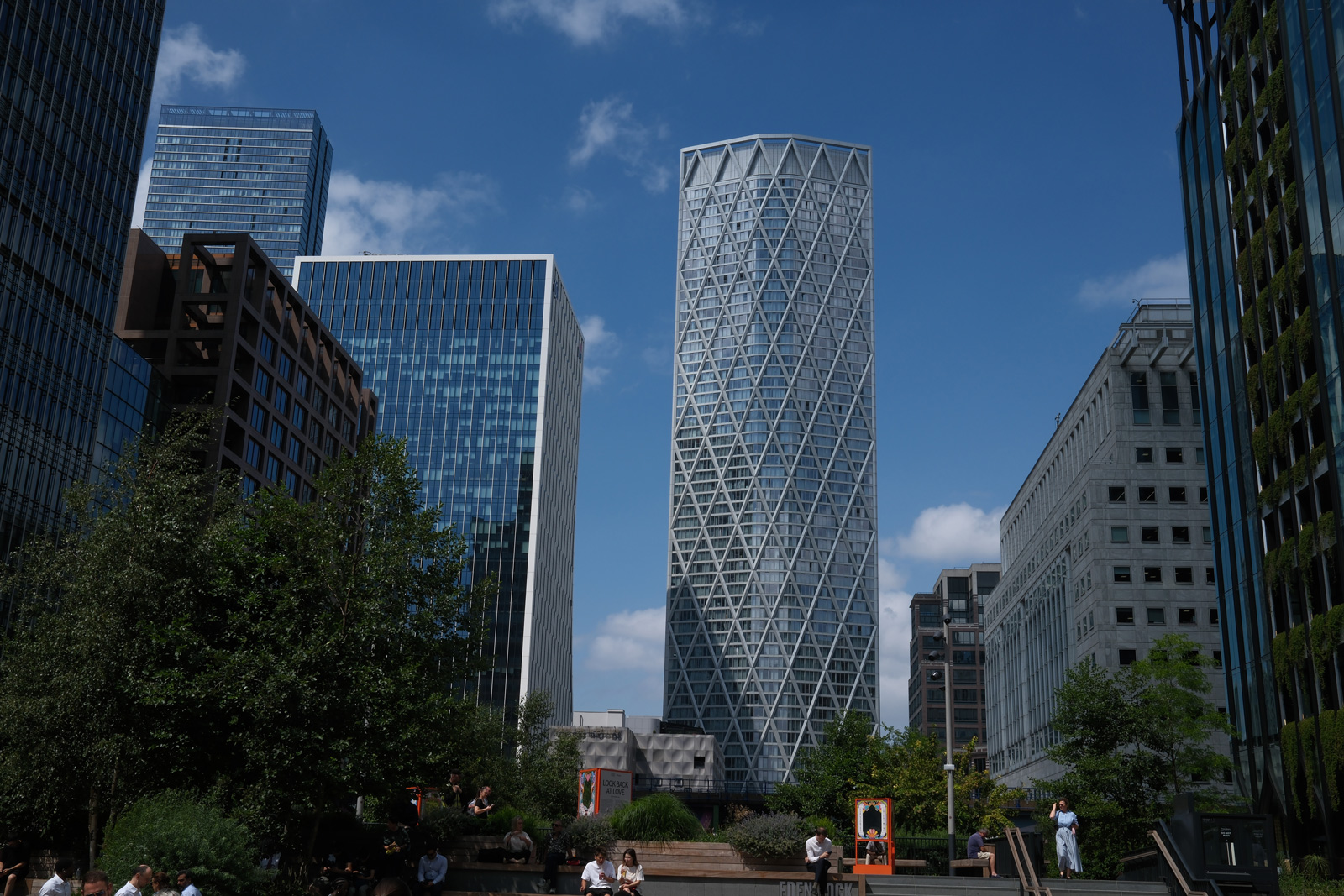


If you enjoyed this read then compare the changes in Digbeth to my first blog about the area. I have photographed Digbeth on several occasions so please review my index of articles to see more.
Knowle is 750 years old and what an excellent reason to have a party to celebrate the occasion.
I have lived in Knowle for over 40 years, which means I have been here for approximately 5% of the village’s life. There have been many changes over the years, but it still retains the quiet charm of an English village.


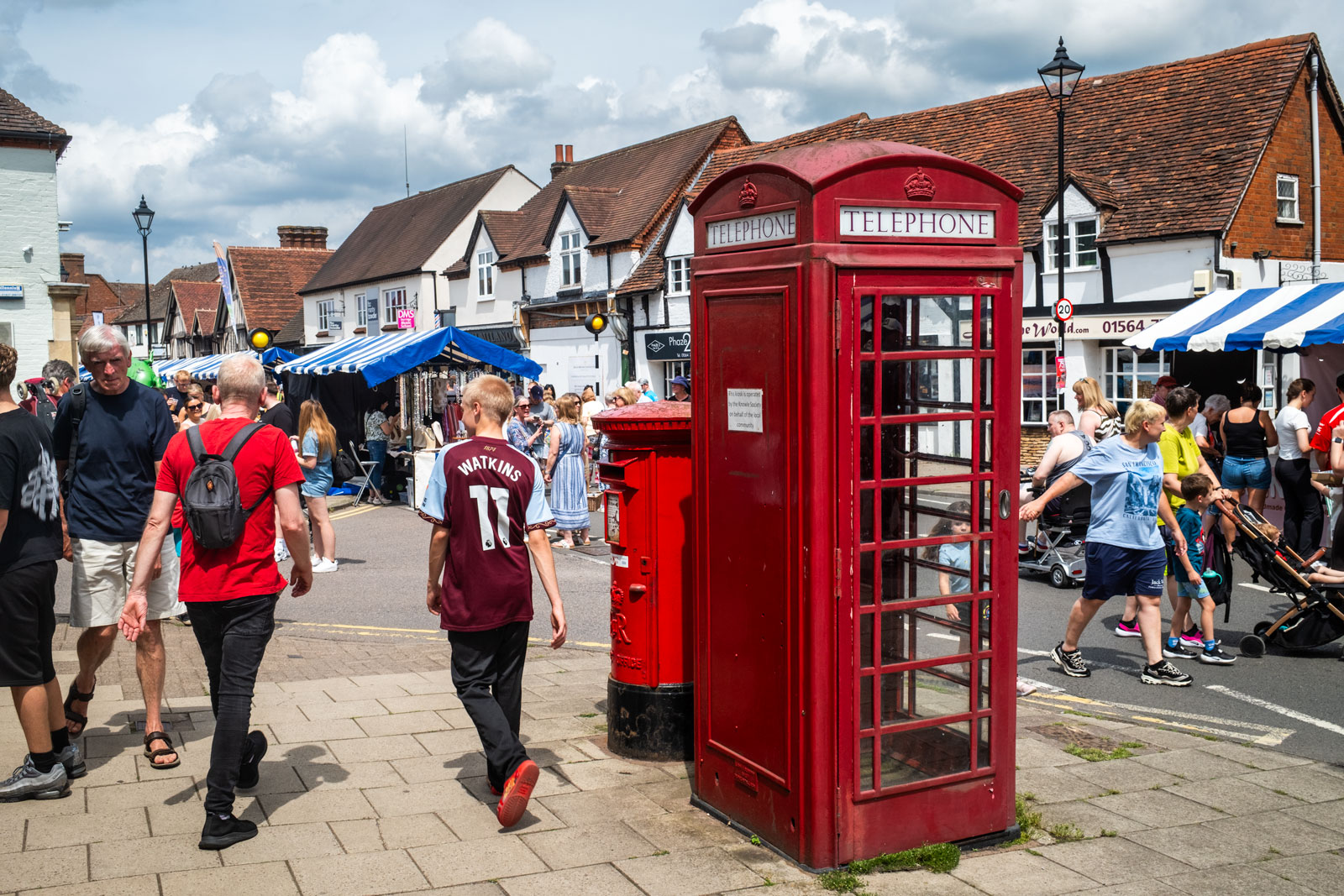
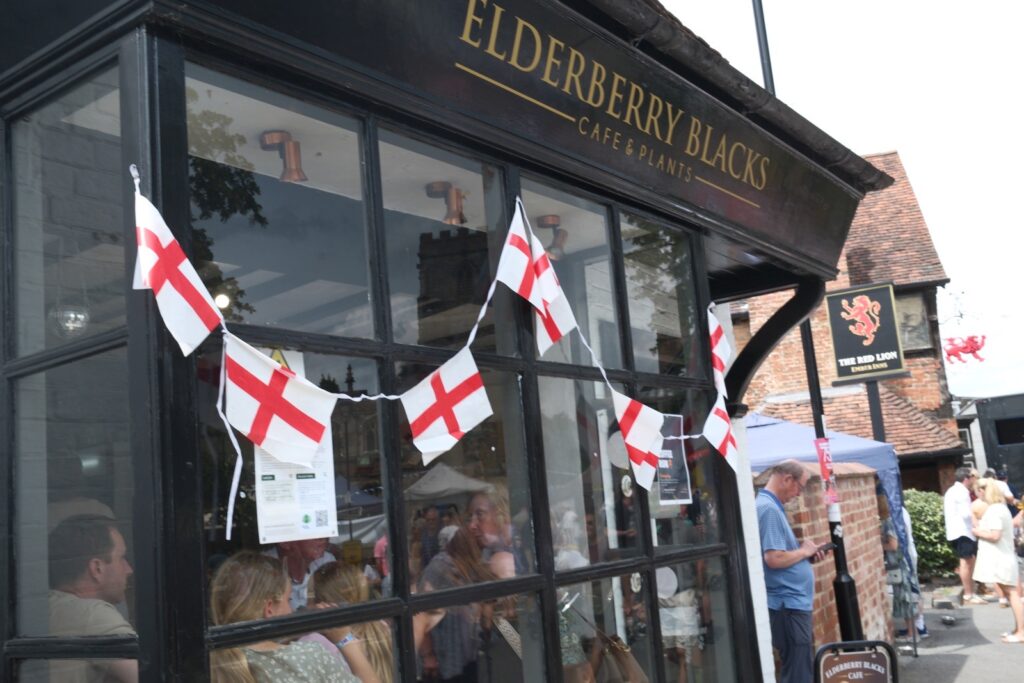
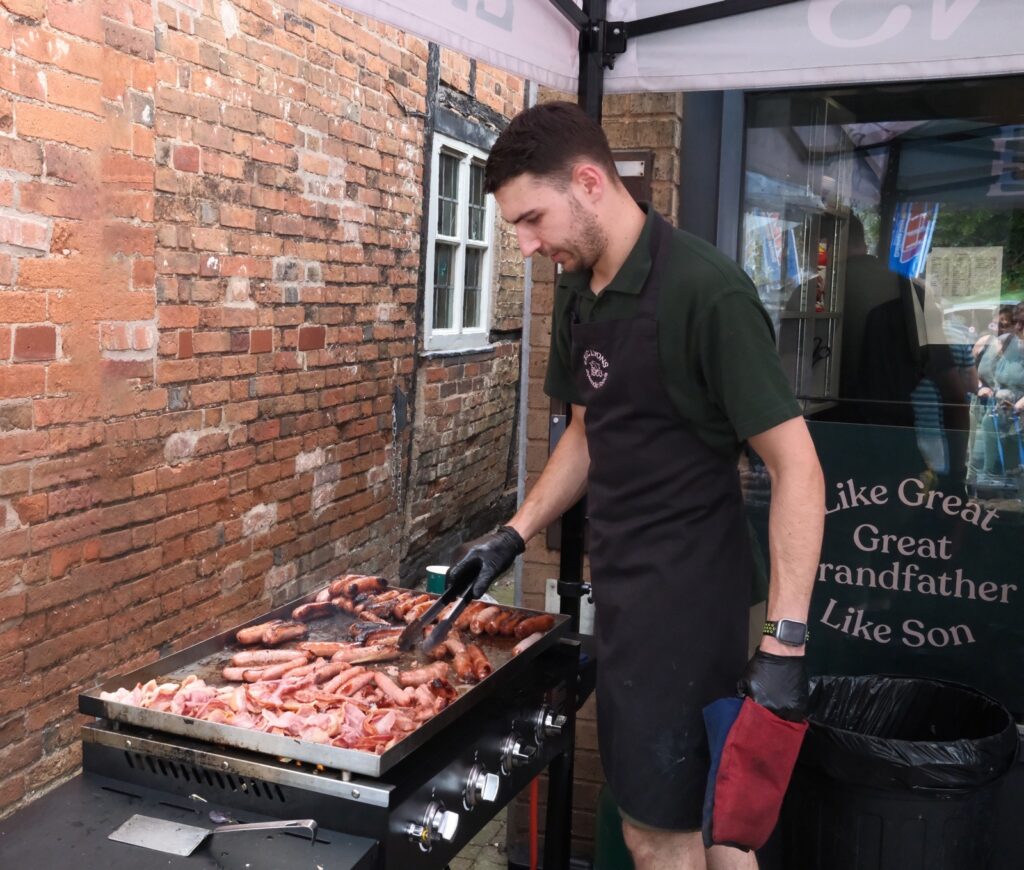
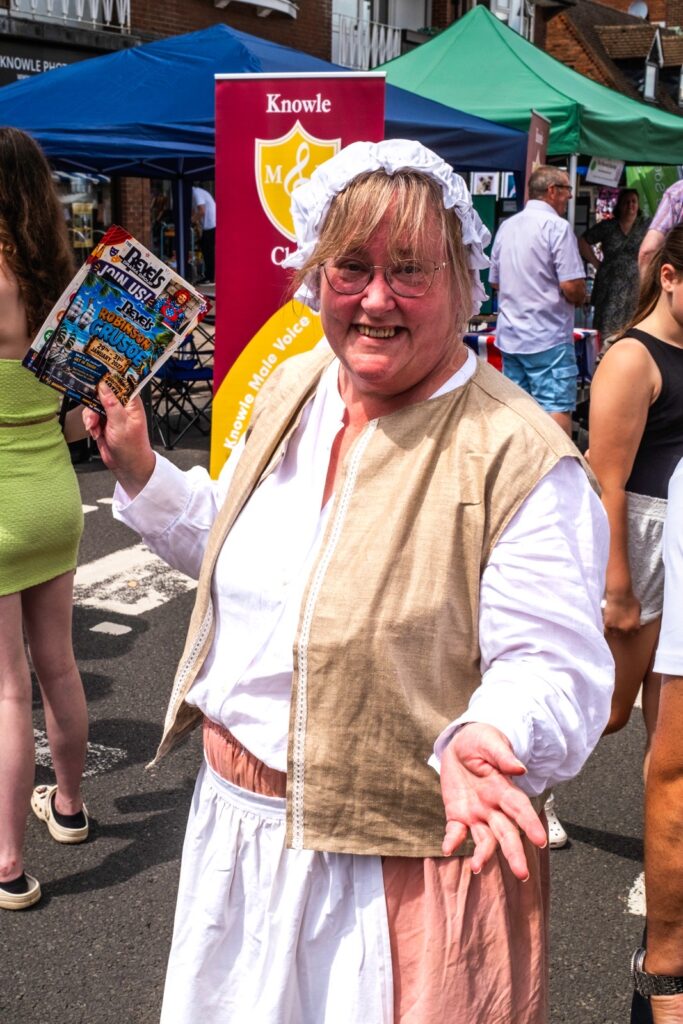
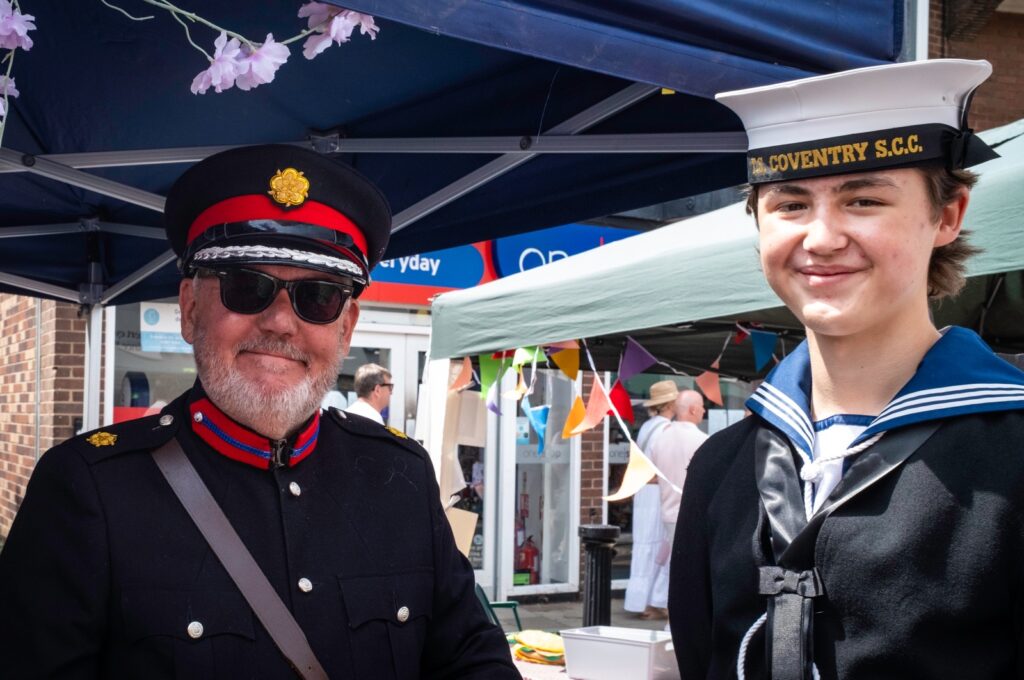
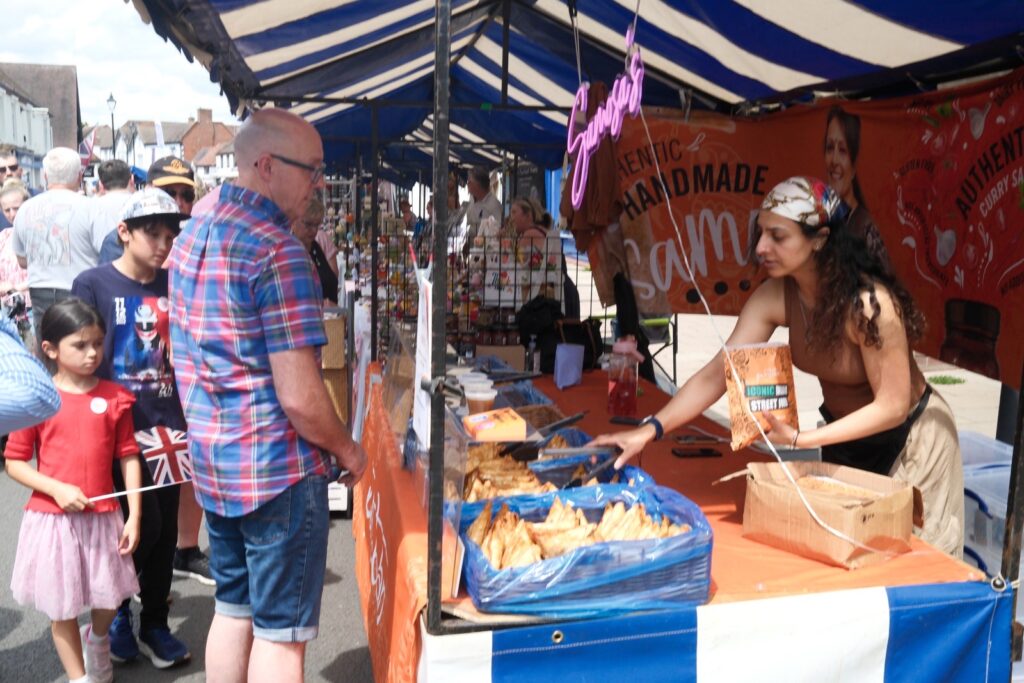
Kim is the face of Visit Knowle and was the lead organiser of the festivities, which took place on a Sunday in June, just before the heatwave. The High Street was closed to traffic, allowing artisan stalls and local interest groups to take over the space. Lyons, the butchers, hosted a BBQ, and dignitaries, including the Lord Mayor and the Deputy Lord-Lieutenant of the West Midlands, were in attendance.


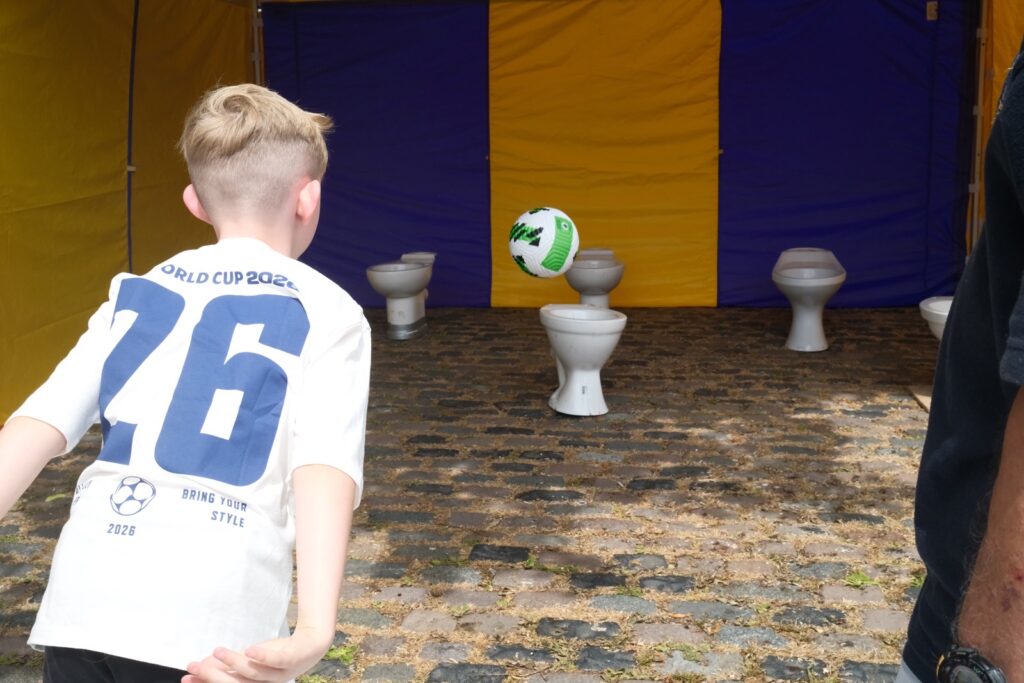
When I arrived, the birthday party was in full swing. My grandson had heard about a game that involved throwing footballs into a toilet. He found the challenge difficult and, after six attempts, had still not managed to land a football in the loo. How do you pick yourself up after that? With a hot dog from the Lyons BBQ, of course.


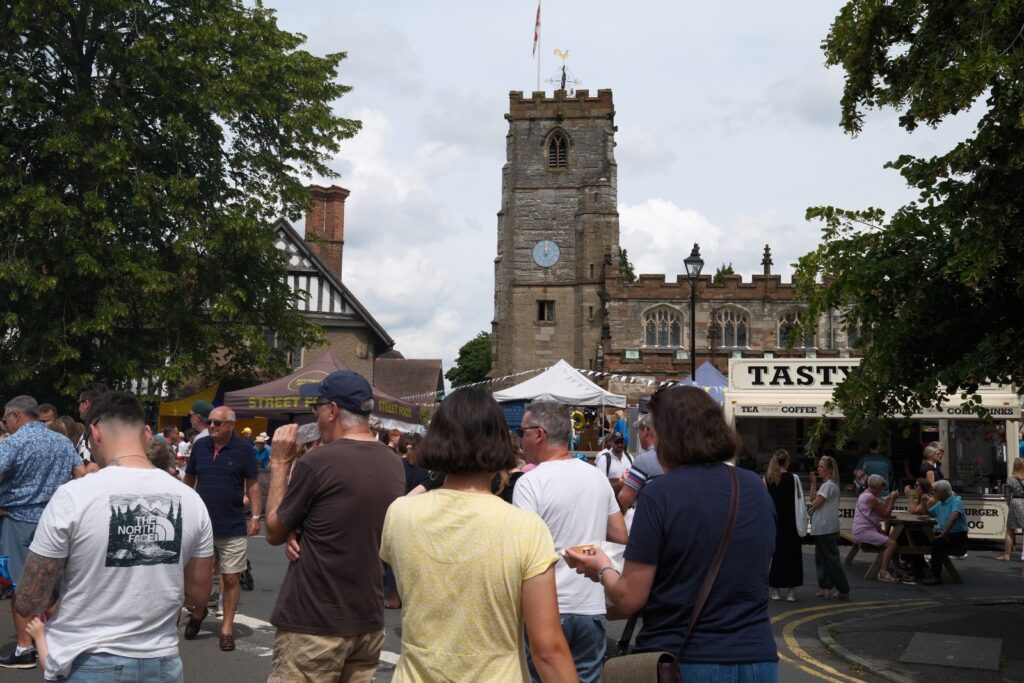
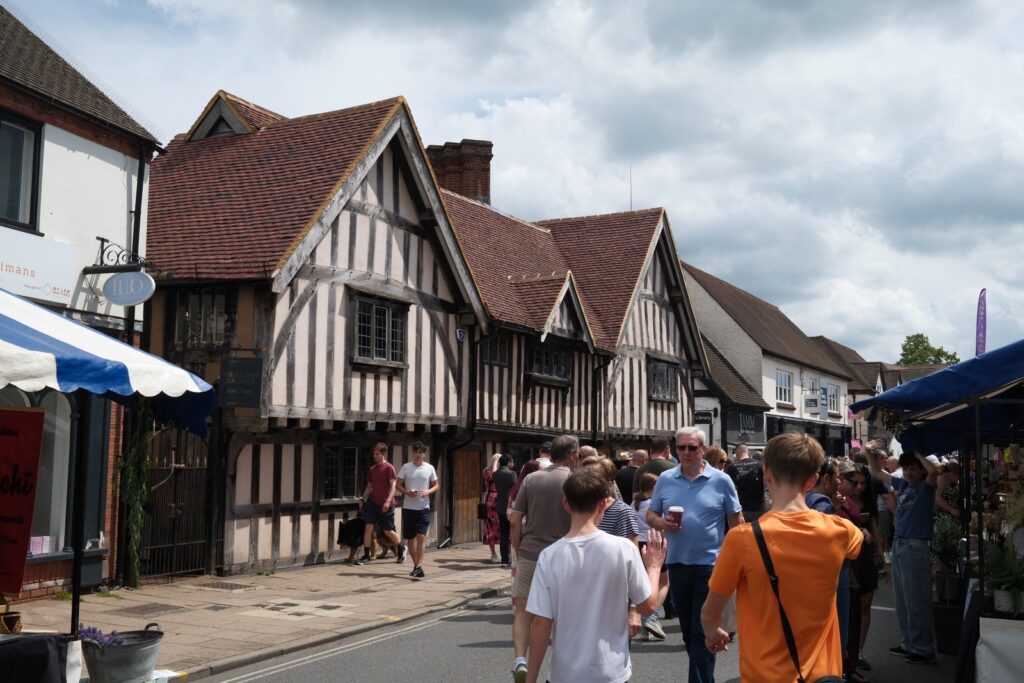
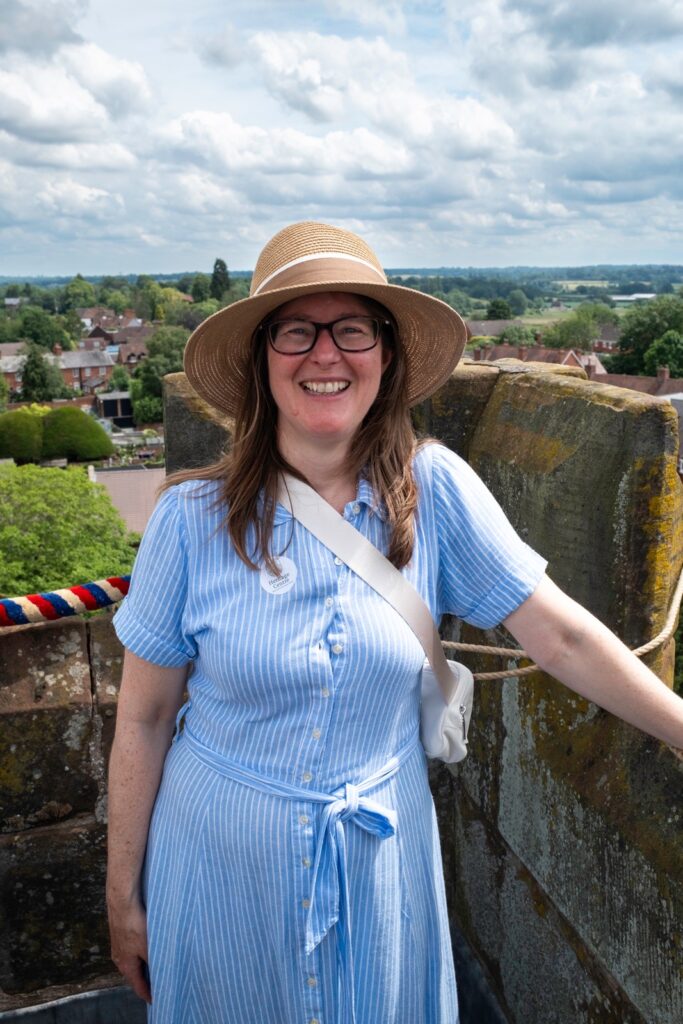
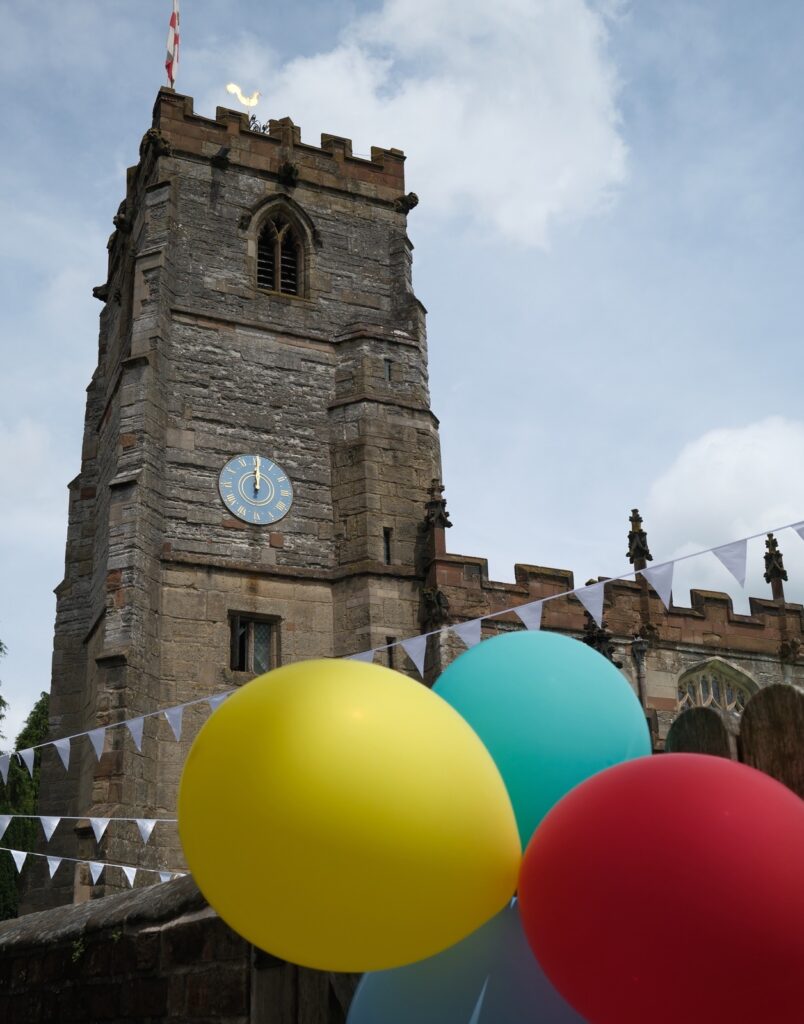
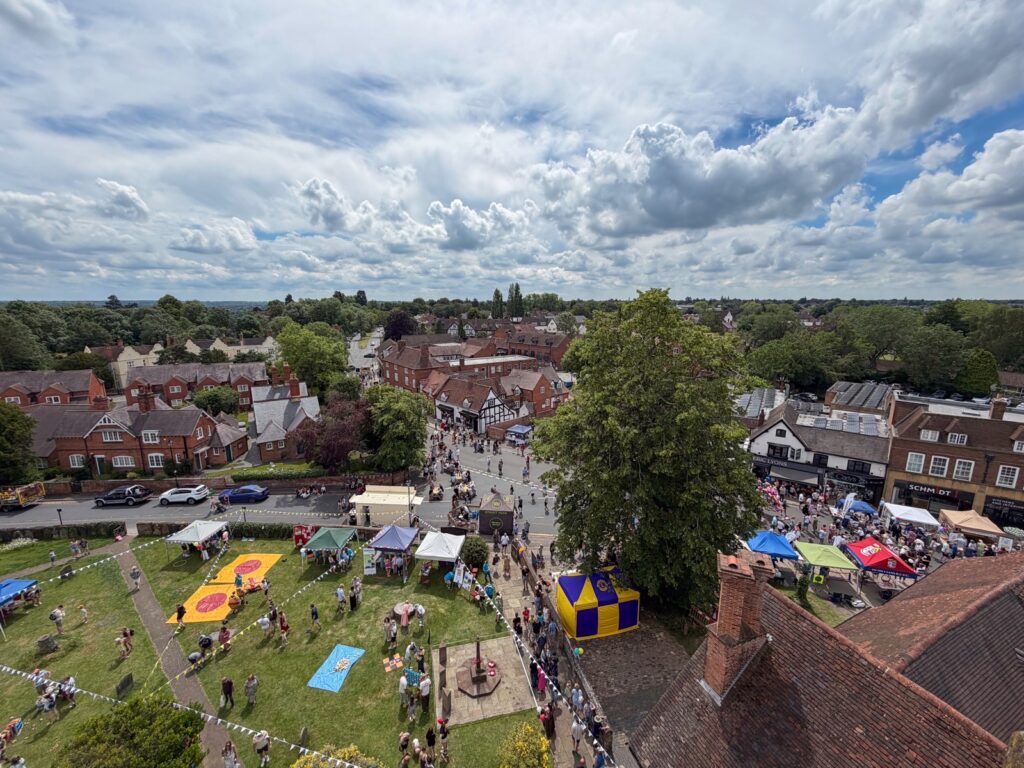
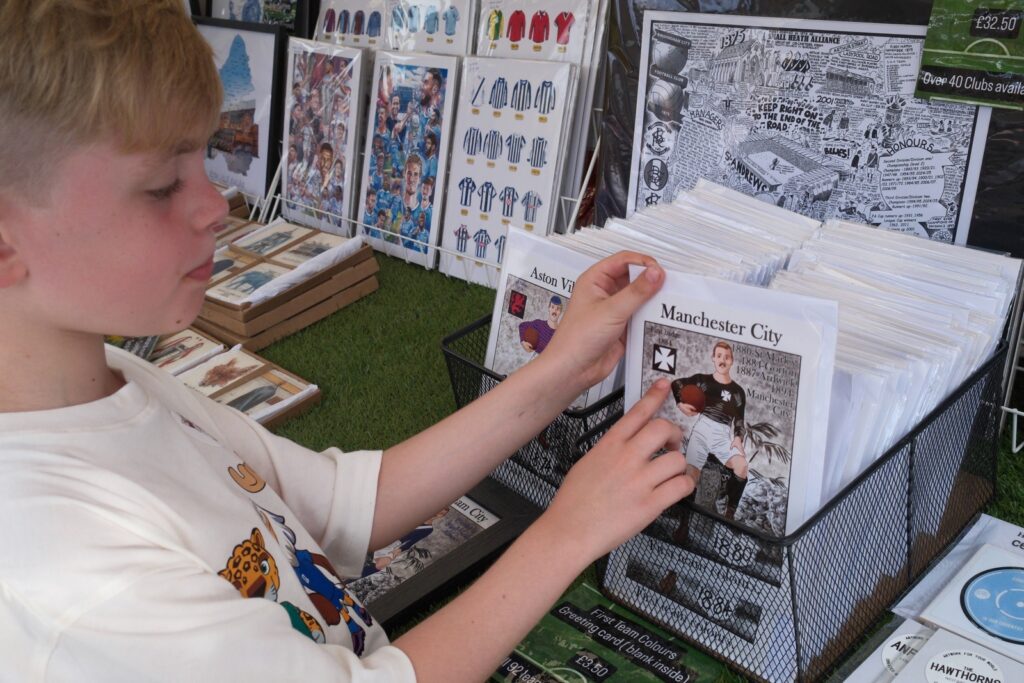
The High Street was full of people, with not a car in sight. My favourite stall was the football prints display, although there were many others worthy of mention. I was particularly keen to climb the tower at Knowle Church. I had previously visited the bell-ringing room but had never made it to the very top. After negotiating the narrow stairs, the magnificent view was a wonderful reward.


As I looked out across the Warwickshire landscape, I could almost hear The Who singing, “I Can See for Miles.”Unfortunately, I could not see my own house because of the many trees surrounding the village. By this time, I had lost track of my daughter and grandson, so I wandered down the High Street to see what else was happening.


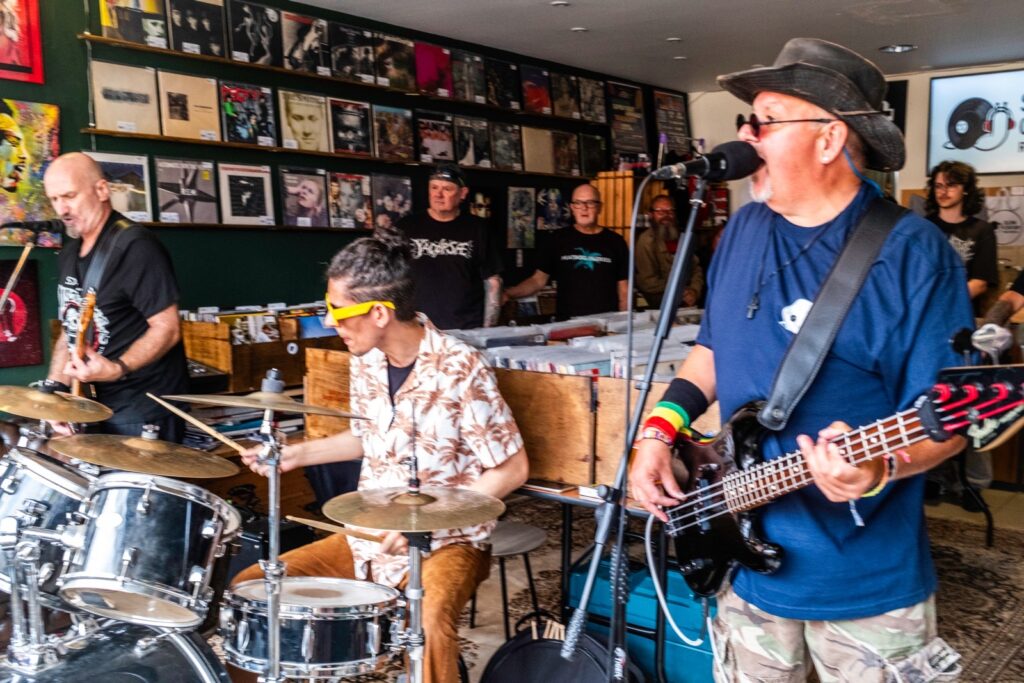
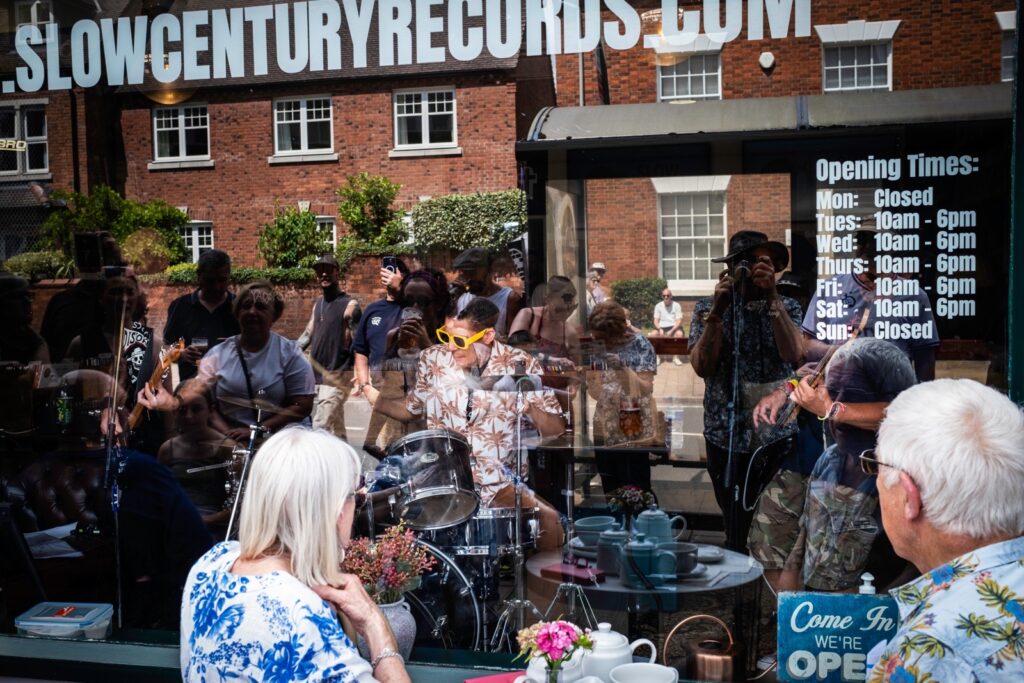
As I approached the Ale Rooms, Viola and Slow Records, I was in for a pleasant surprise. Playing in the window of Slow Records were Chipsum Gravy a lively three-piece high octane punk rock band who were not only rattling the windows but also rocking the High Street.


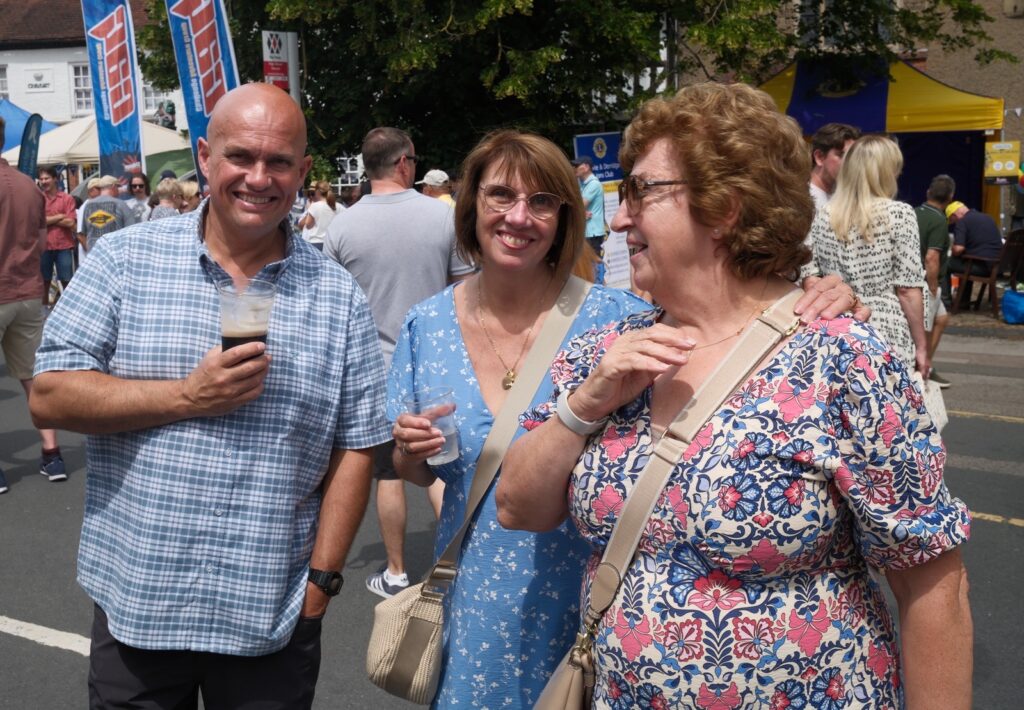
I know there was much more to take part in, and I did not have time to explore the precinct or visit many of the buildings that were open to the public, such as the library and the church. From what I did see, Knowle was enjoying a wonderful birthday celebration, and both residents and visitors were clearly having a great day.

Well done to everyone who helped organise the event, and I look forward to the 751st birthday party next year!