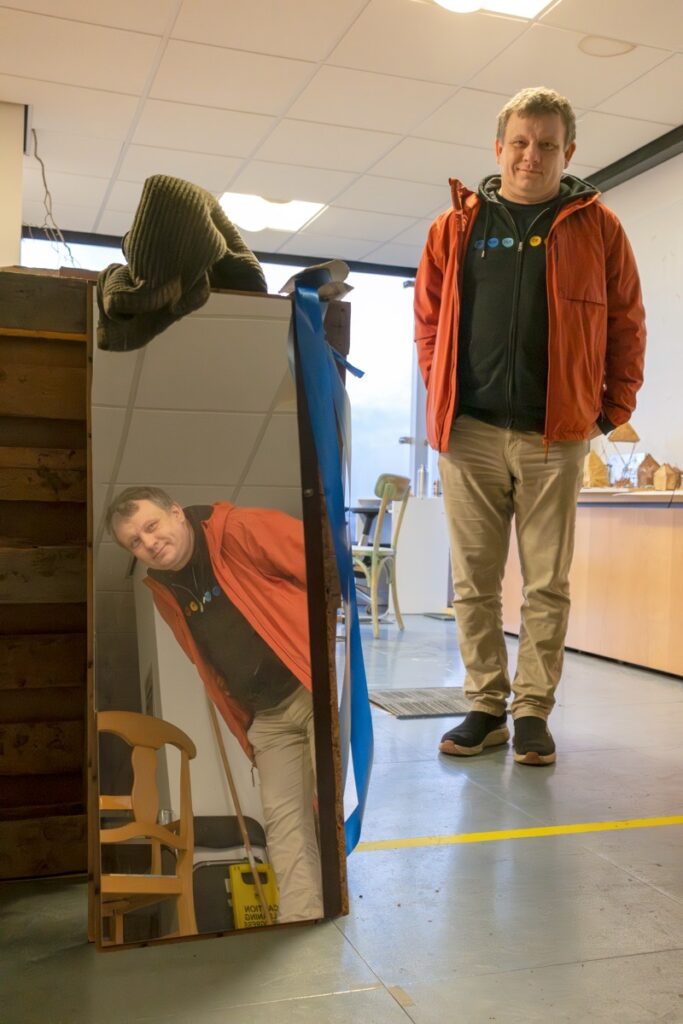

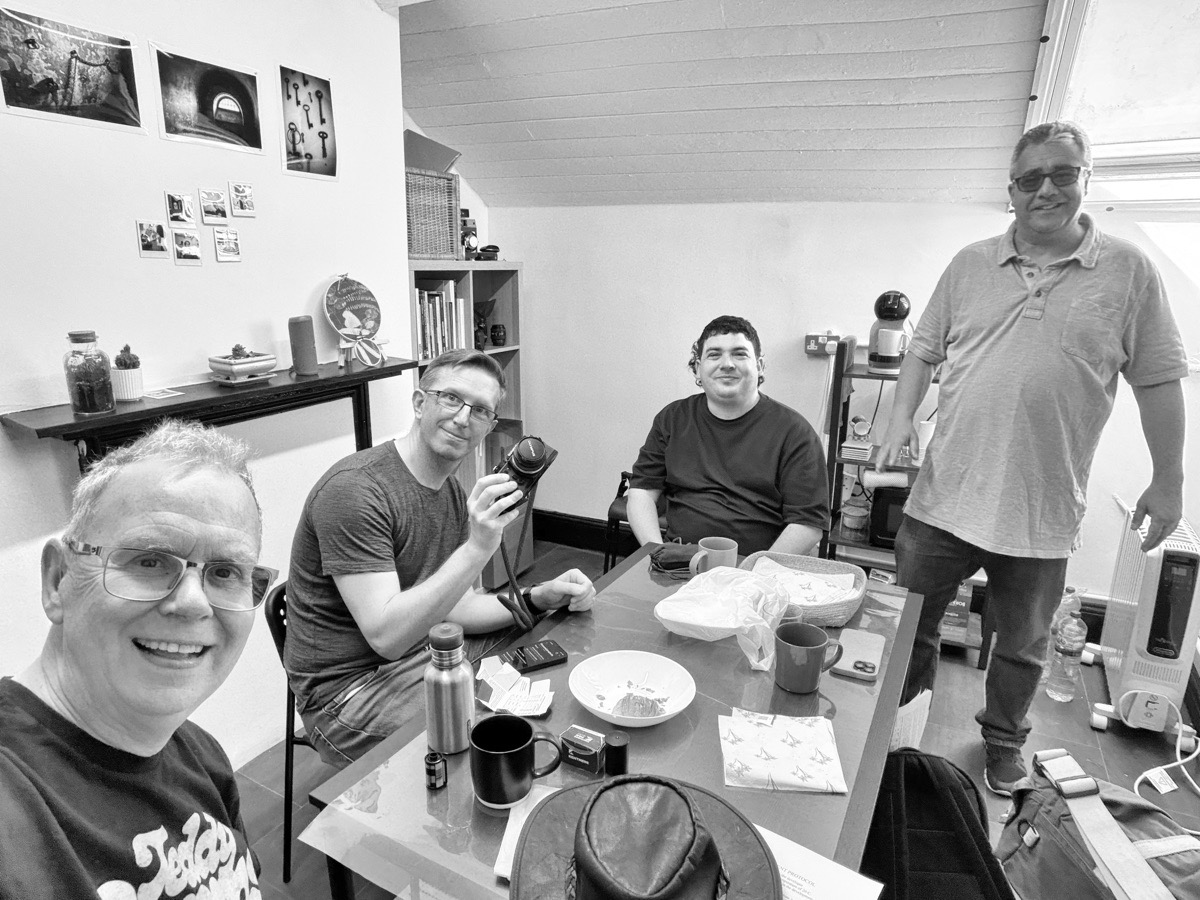


Marcin SZ has been leading Birmingham photowalks since 2020. An accomplished photographer, he shares his work on Instagram under Birmingham_Photography, capturing the city during the golden and blue hours in vibrant colour and bold black and white.

As part of my New Year’s resolution to explore new photographic opportunities, I joined one of Marcin’s photowalks. We met outside the Library of Birmingham, where a small group of photographers gathered before heading out to explore the city.


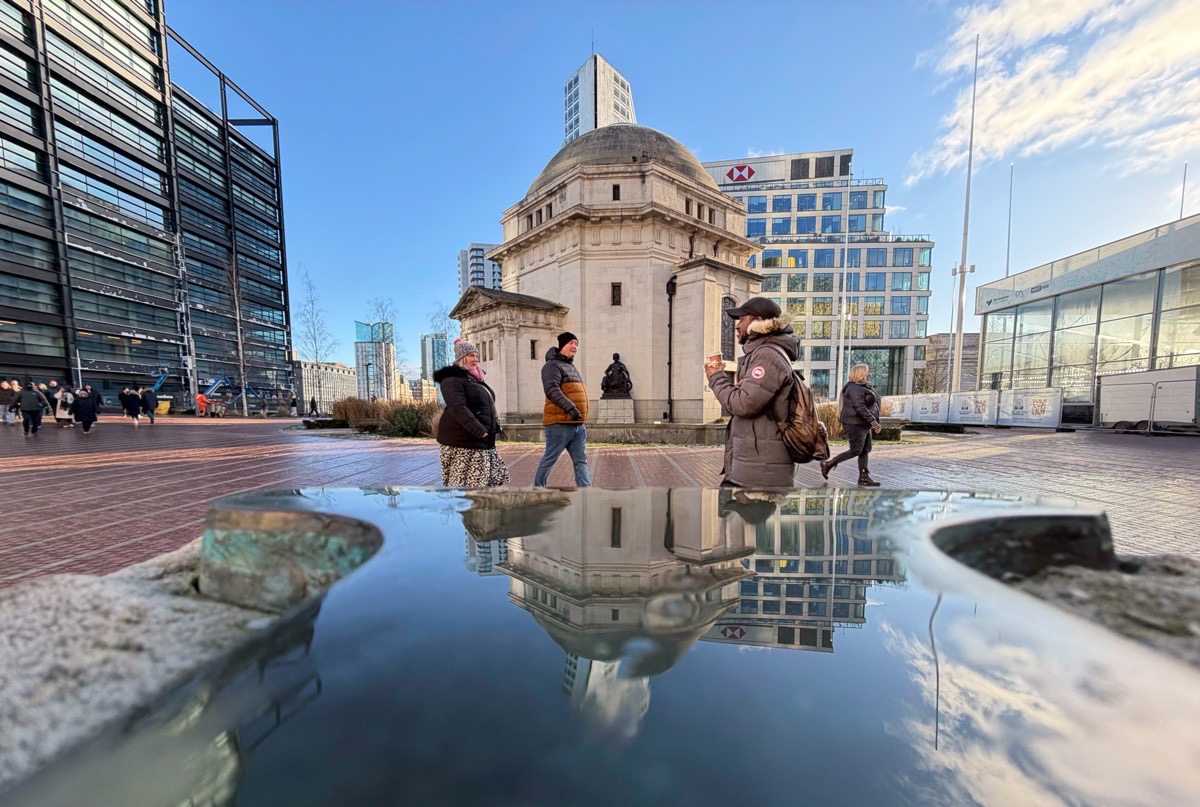
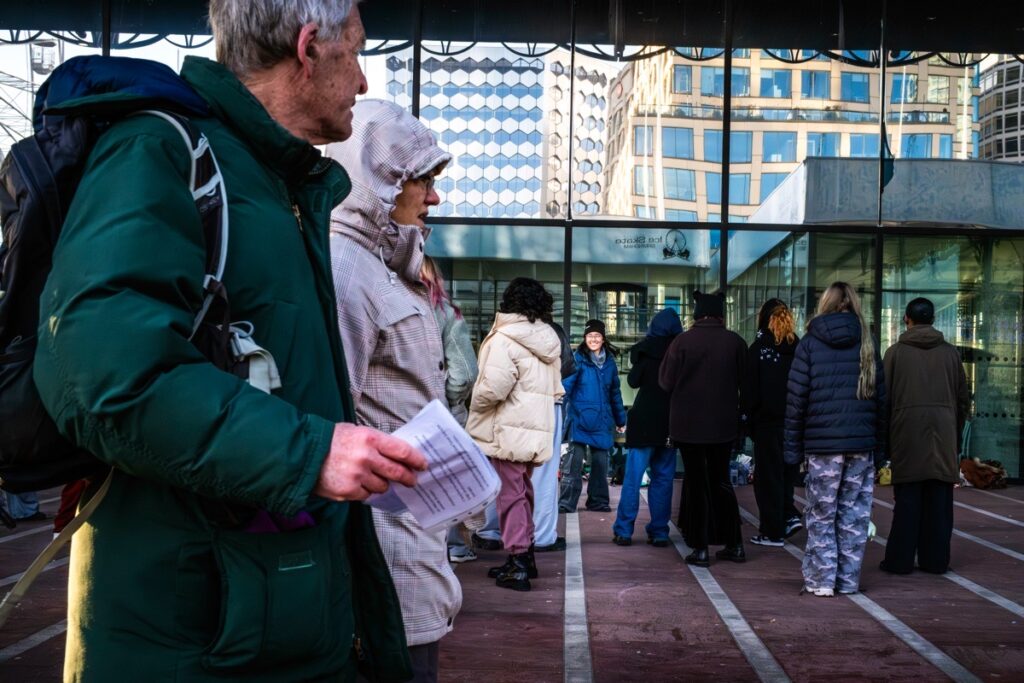
Despite the cold winter weather, Centenary Square was full of activity. The low afternoon sun reflected off the Library’s glass façade, creating long shadows and strong contrast—ideal conditions for street photography in Birmingham.


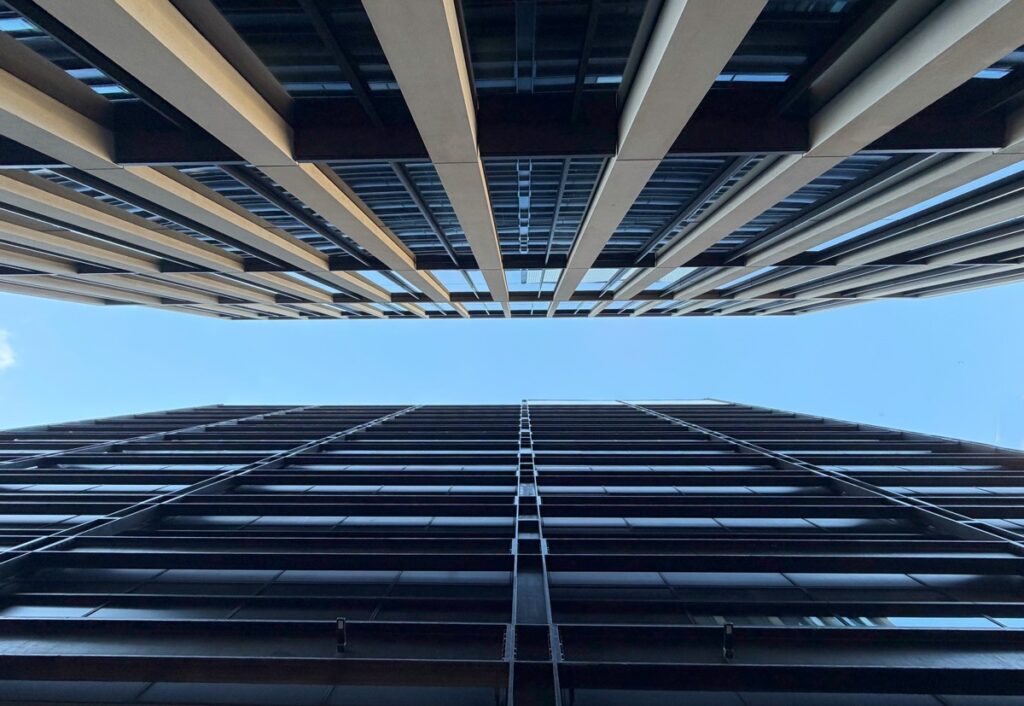
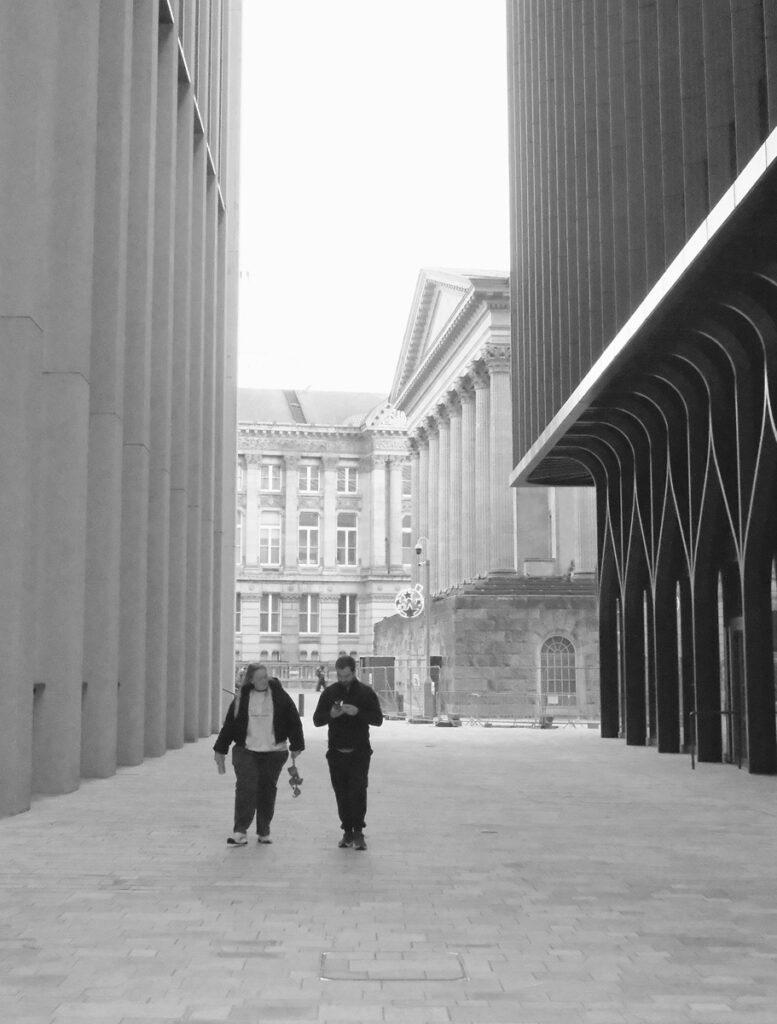
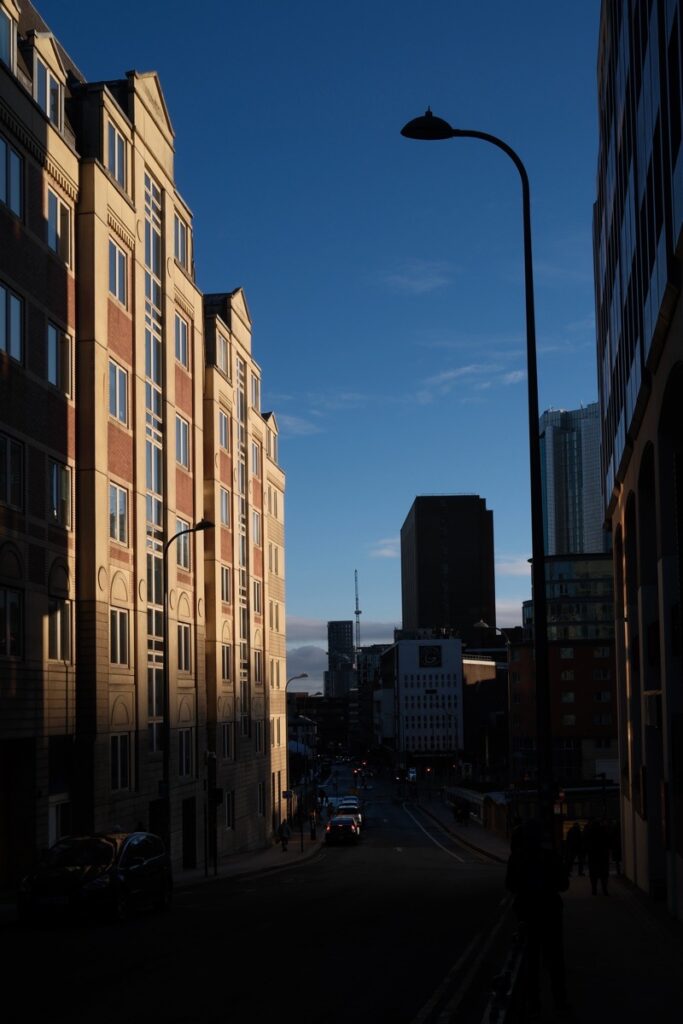
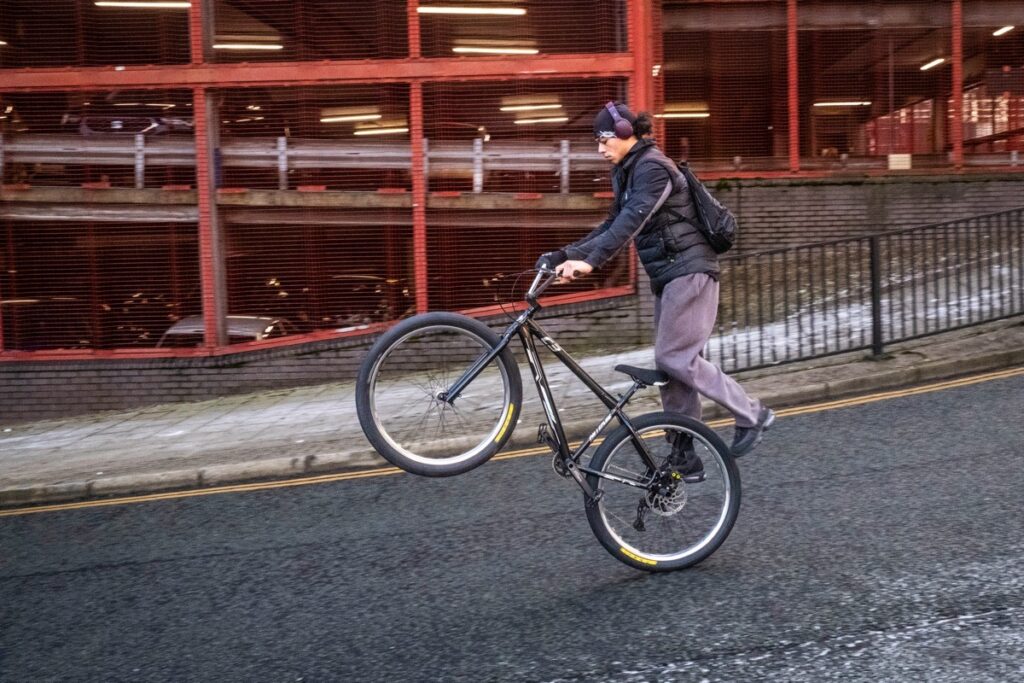
Our Birmingham photowalk took us through Chamberlain Square and past the Town Hall, where Marcin encouraged us to look for architectural details and light patterns often overlooked. Hill Street, bathed in winter light, offered compositions reminiscent of New York. Along the way, spontaneous moments appeared, including a group of cyclists performing wheelies near Brunel Street.


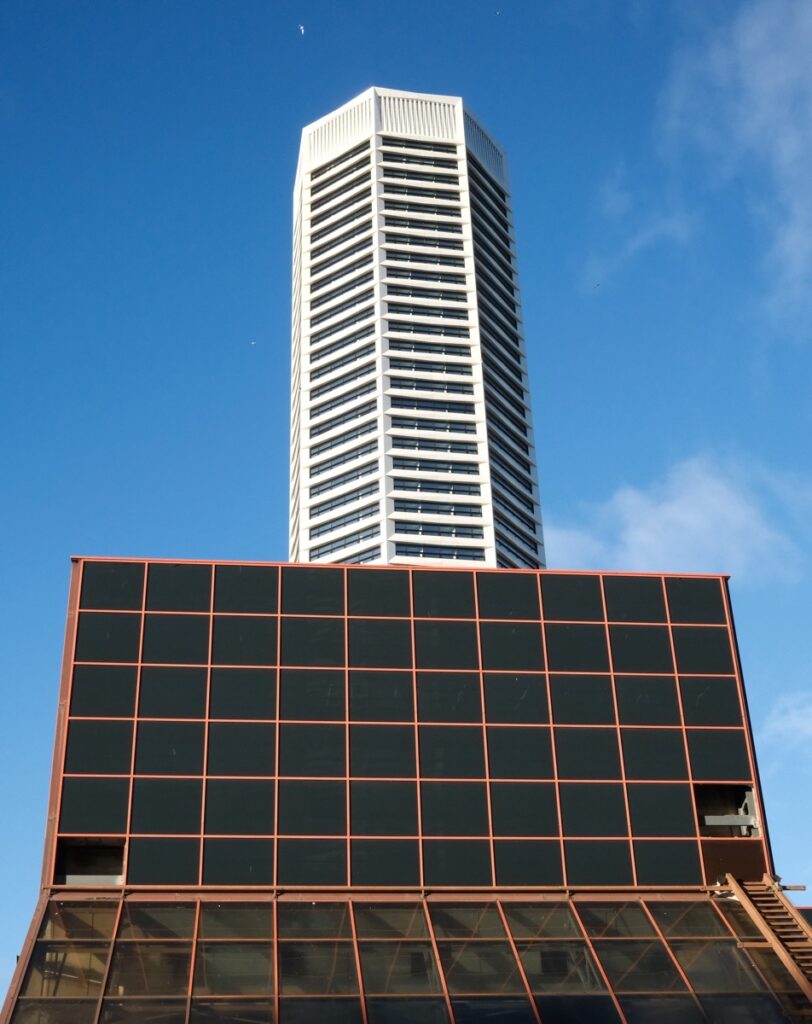
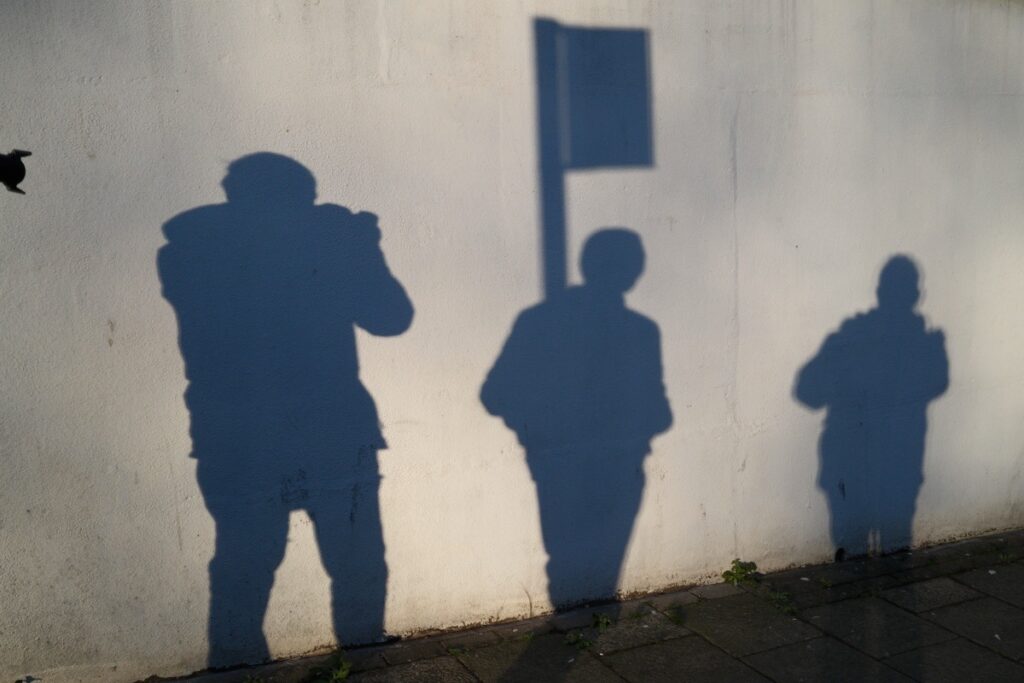
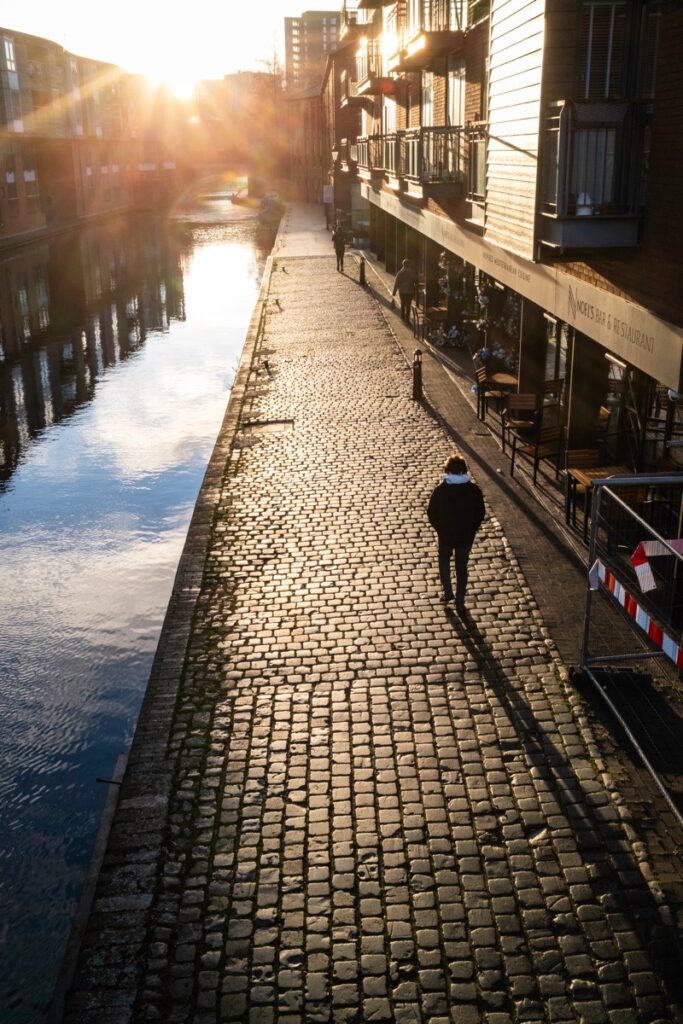
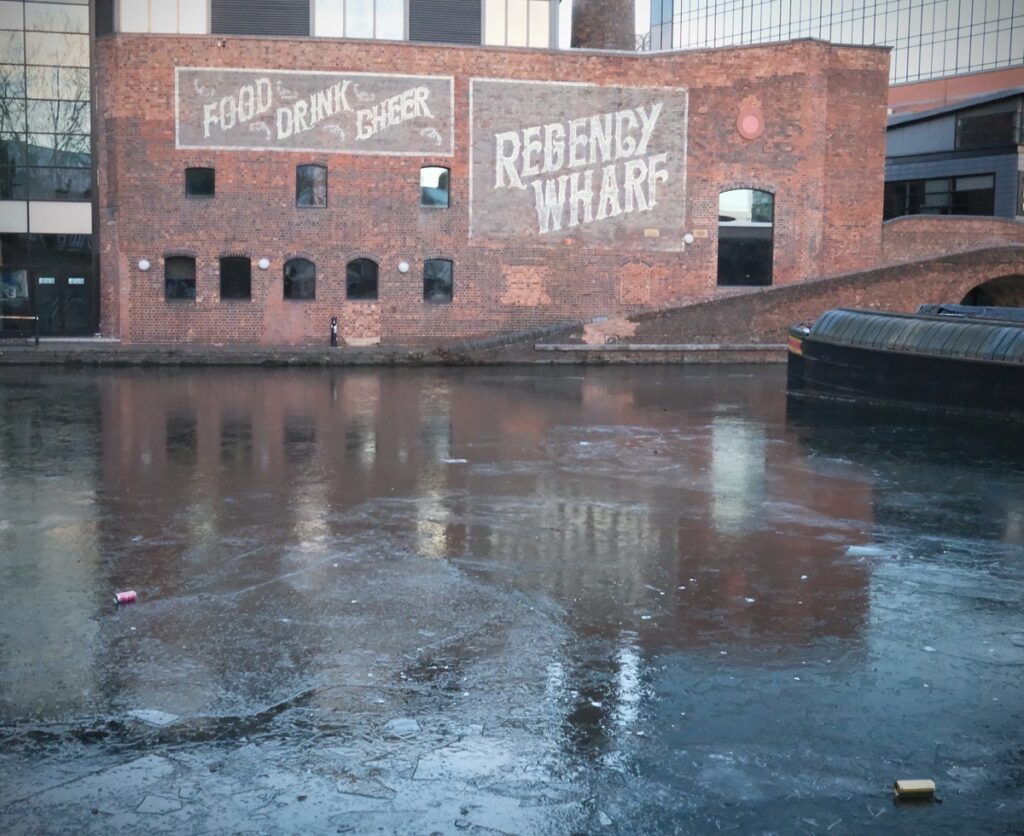
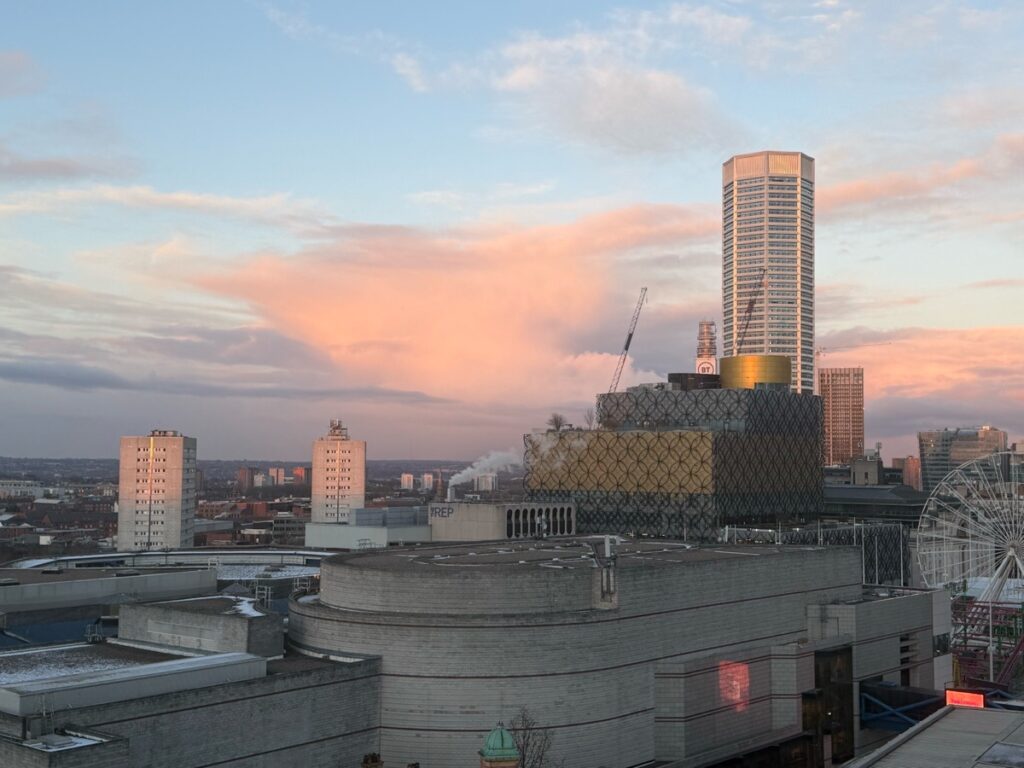
We continued towards the Mailbox and the Cube, where intense horizontal light produced striking graphic shadows. After photographing the frozen waters of Gas Street Basin, Marcin invited us to his studio on the 10th floor of Quayside Tower. From there, we enjoyed panoramic views across Birmingham as the setting sun filled the sky with warm tones and soft pink clouds.


Birmingham Photowalk reflections
I highly recommend joining such a Birmingham photowalk with Marcin SZ. He is genuinely passionate about photography and has a natural ability to guide people towards compelling scenes. The atmosphere is relaxed, welcoming, and suitable for all experience levels. It was a memorable afternoon, made even better by beautiful winter light and inspiring company.
If you enjoyed this account of a Birmingham photowalk then here are some links to previous walks done in Manchester and London.

Digbeth Photography and Constant Change
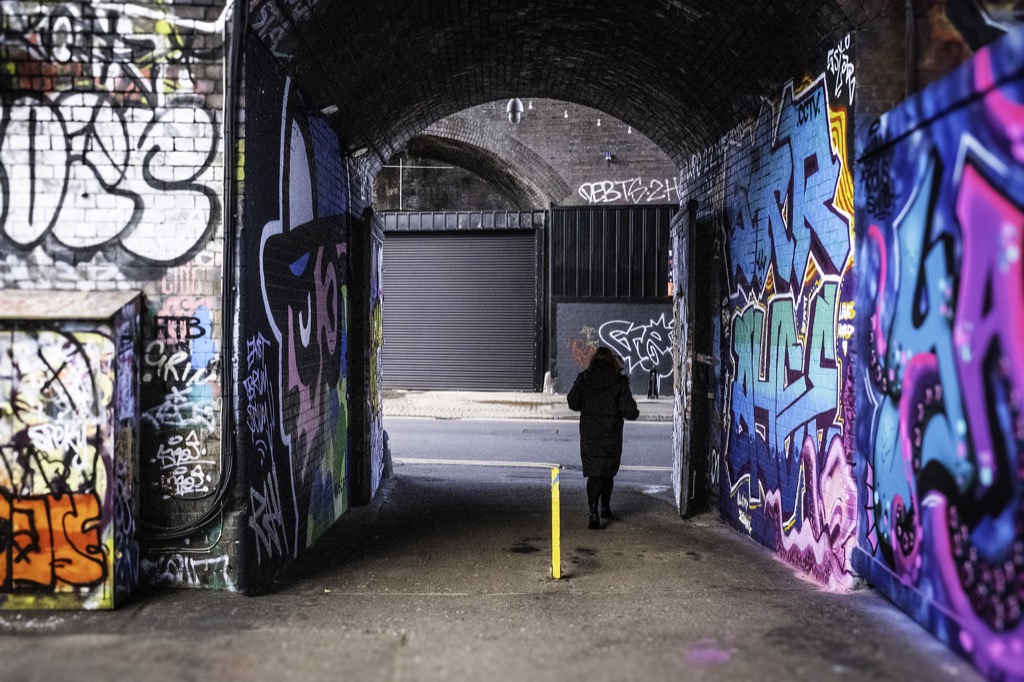
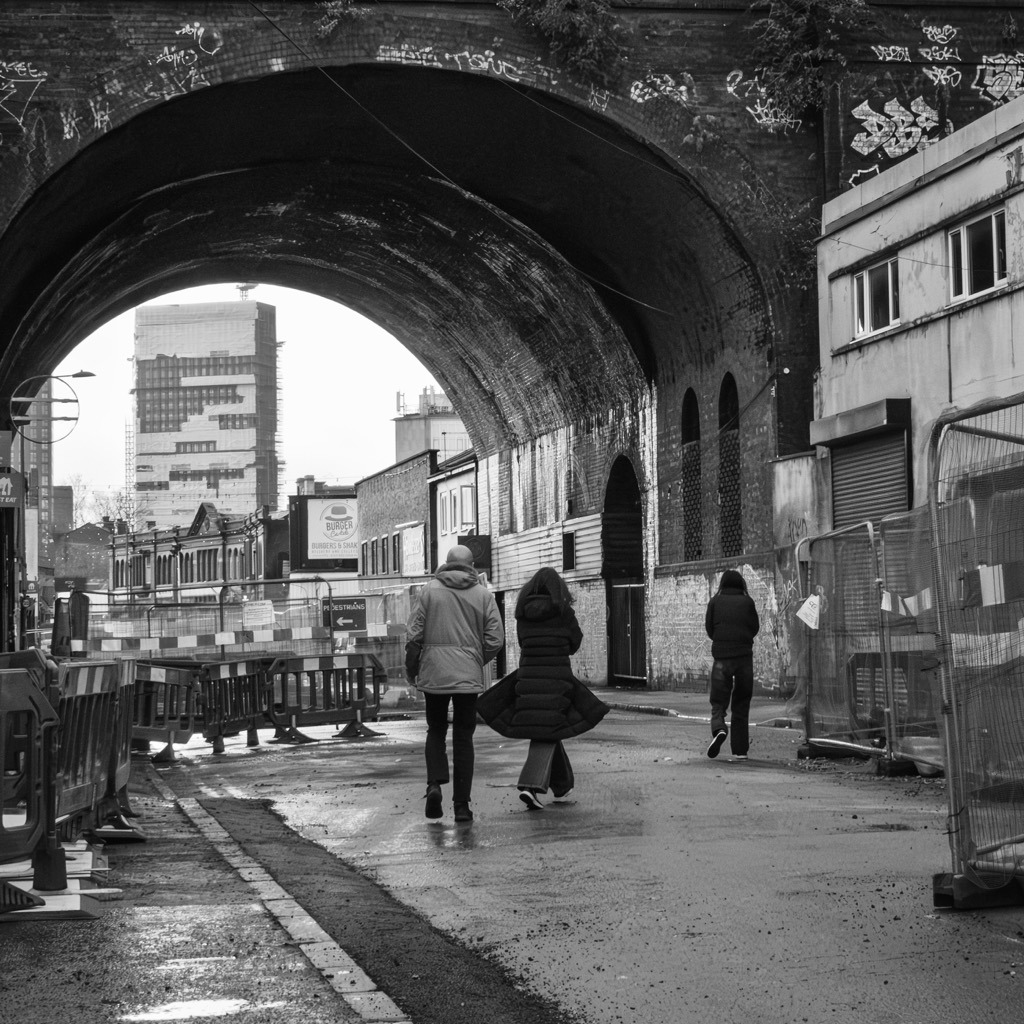
There is one certainty in Birmingham: Digbeth always changes. For anyone interested in Digbeth photography, this makes the area endlessly fascinating. New buildings appear, artwork evolves, and the streets never look the same from one visit to the next.
New Buildings Transforming Digbeth
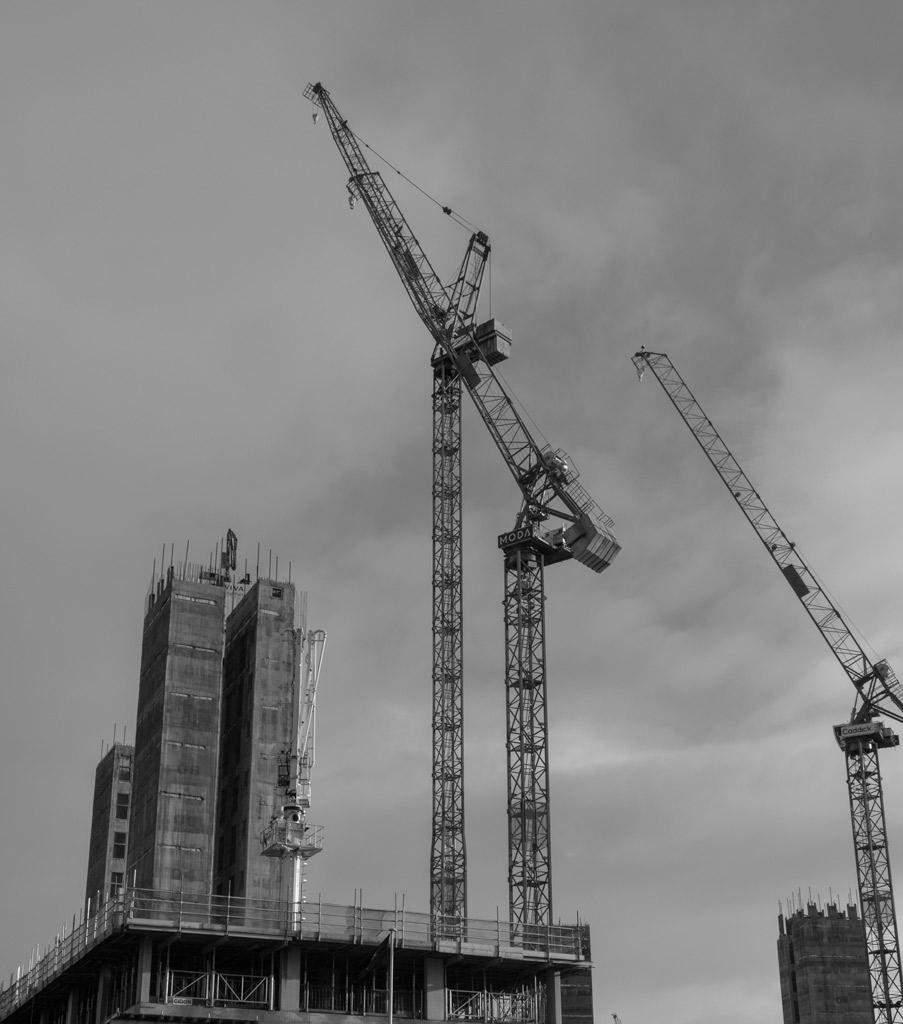
One of the most noticeable recent developments is the new block of flats being built opposite the Custard Factory. The building stands on the former site of the old Peugeot Garage and Irish Centre. From a photography point of view, this construction is already changing sightlines and creating new contrasts between old and new Digbeth. We wait and see if these contrasts are really beneficial to the area.

As more people live closer to the city centre, Digbeth continues to evolve into a place where work, culture, and residential life sit side by side.

Street Art Through a Photographer’s Lens
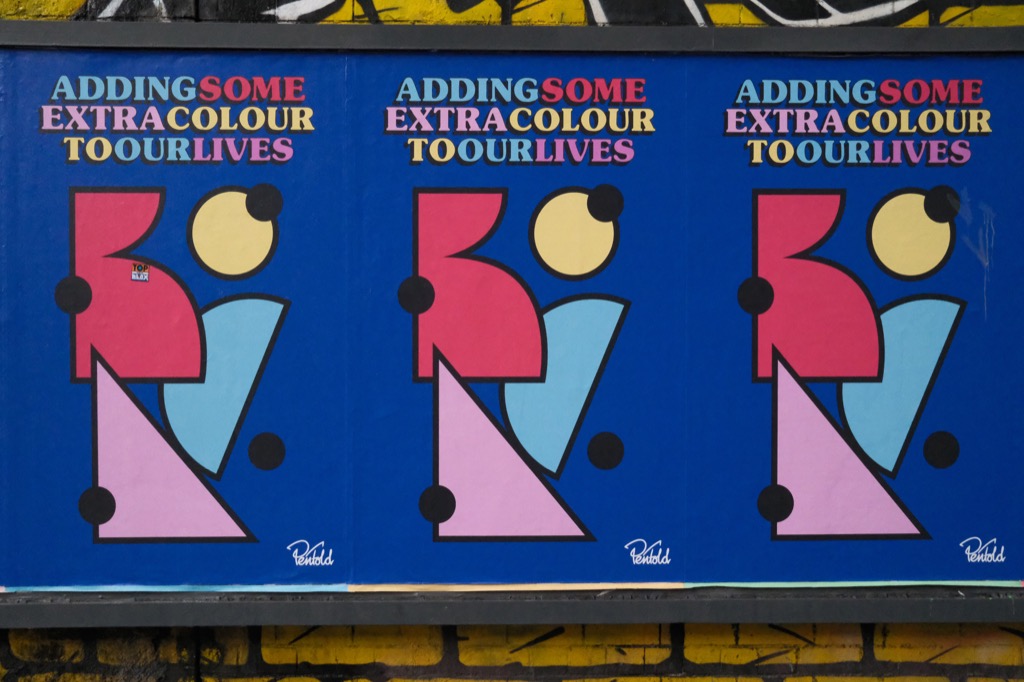
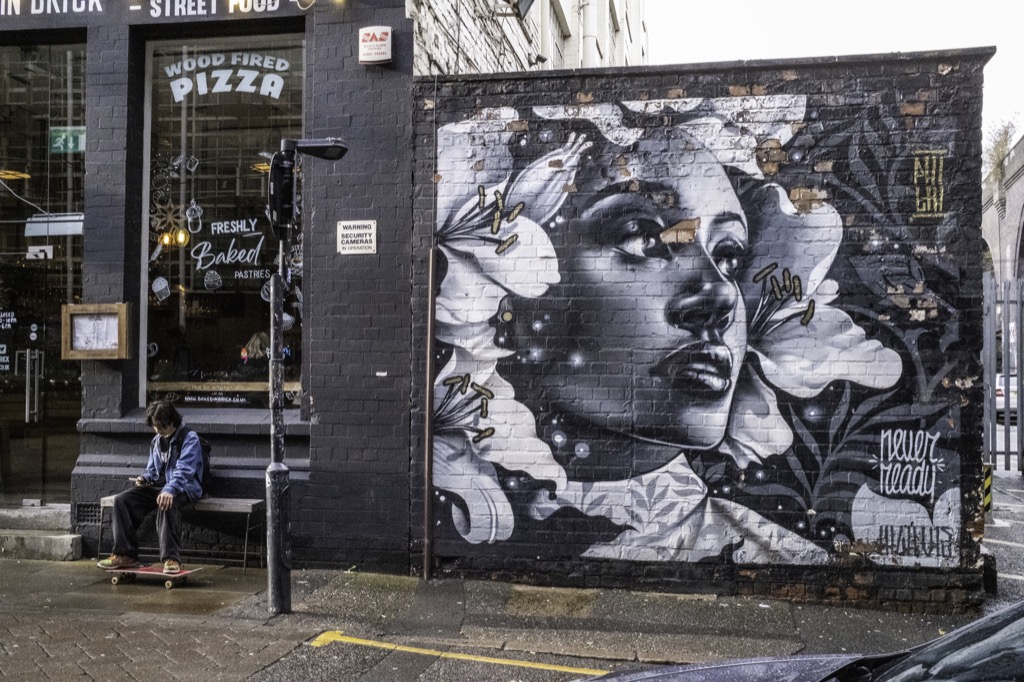
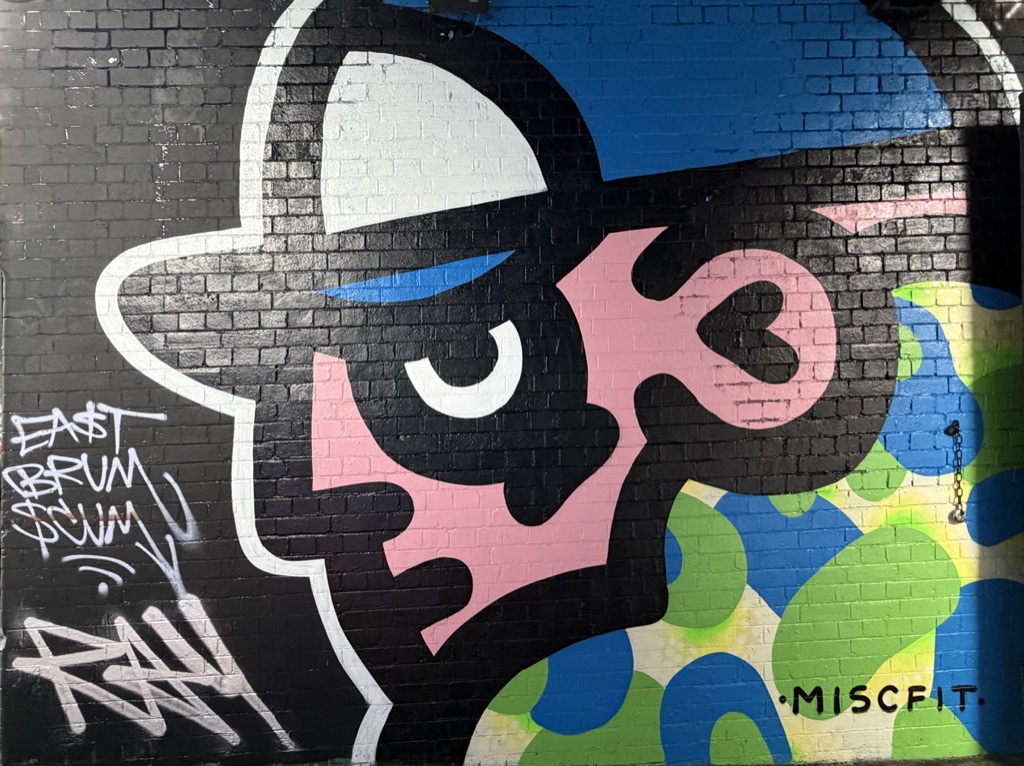
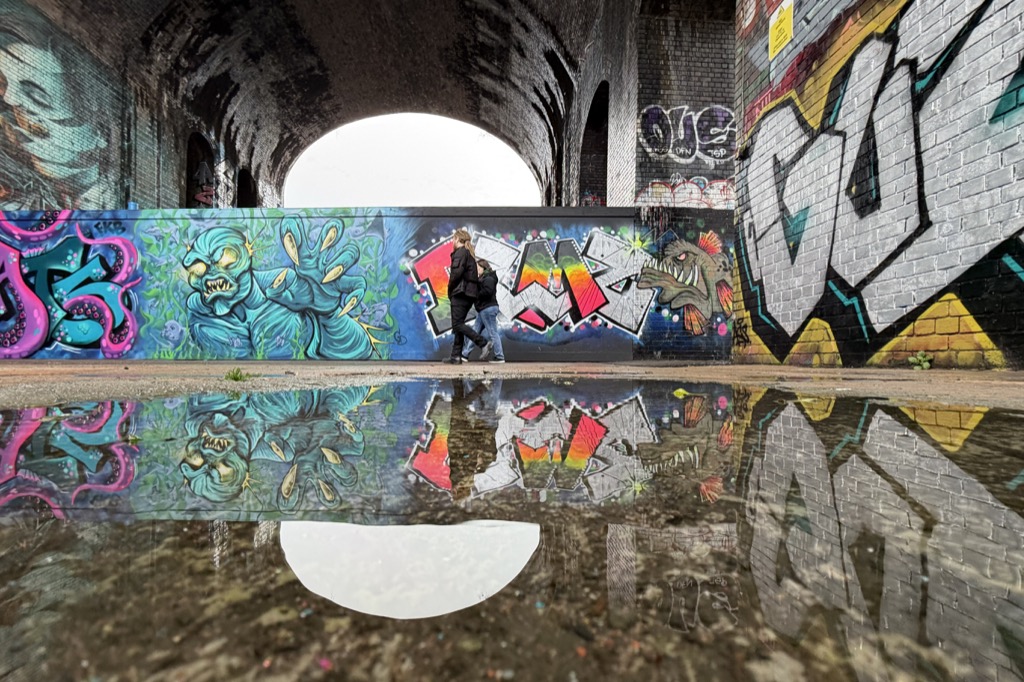
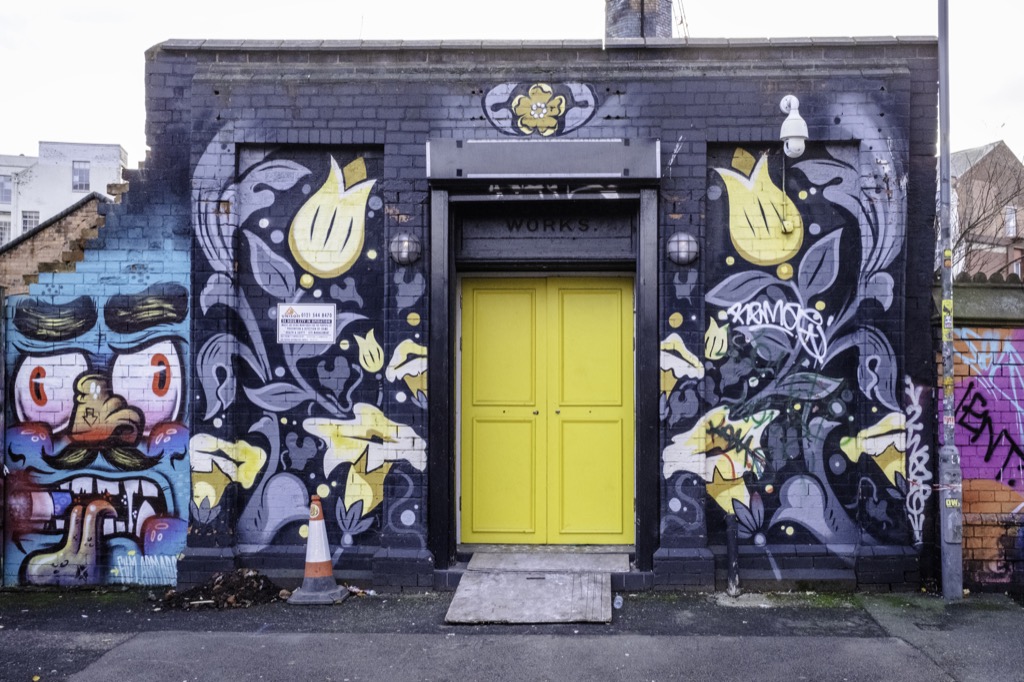
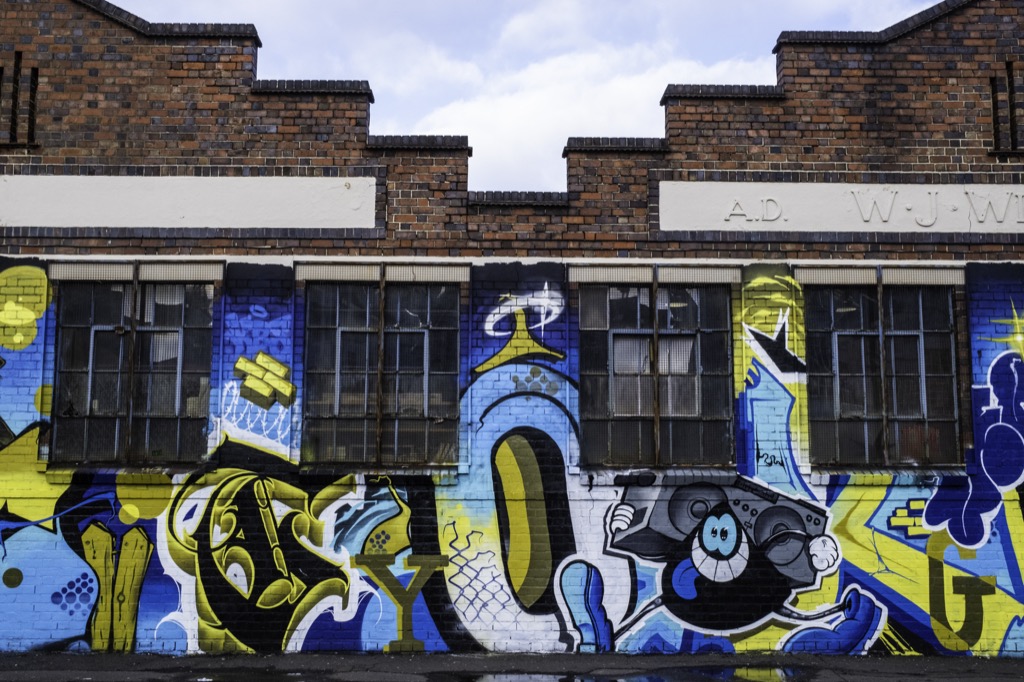
For Digbeth photography, the street art is a major draw. New shops and restaurants continue to open, while the artwork on the walls constantly changes. Because there are only a limited number of spaces, older murals are often painted over to make way for new designs. Some murals stay the same.

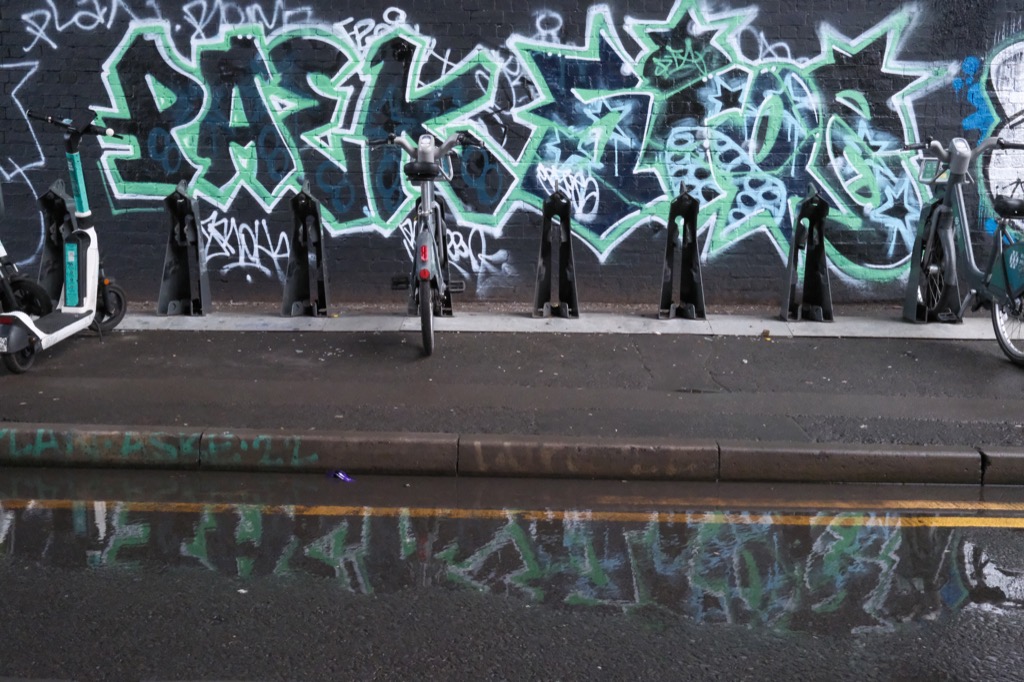
Fresh graffiti now sits alongside long-standing pieces. In some areas, heavy tagging covers earlier murals in a more random style. Even so, bold colours and striking shapes continue to dominate, making Digbeth a living canvas for urban photography.


Photographing a Changing District
This post is a roundup of some of the new scenes and artwork I’ve photographed recently. Wherever possible, I’ve credited the artists. If any credits are missing, please leave a comment and I’ll update the post.


I’ll be back in the new year to focus once again on Digbeth photography during the blue hour, which is one of my favourite times to capture the light and shadows in this changing part of Birmingham. One thing remains true — Digbeth always changes.


Links

This is my 500th blog post — a remarkable milestone in my blogging journey. I first began writing my blog on this website on 27th December 2016, although my experience with online storytelling stretches back much further. Since 2006, I ran a work blog for the School of Dentistry, and even before that, in the early nineties, I was exploring websites and digital storytelling. I have always enjoyed keeping a diary of photographs, recording important years and events alongside my images. Social media gave me the opportunity to bring words and photos together, sharing my personal blog reflections and photographic stories with a wider audience. Now, 500 posts later, I am still passionate about blogging.

My first post in December 2016 and included this reflection of one of the entrances to the then recently opened New Street station. I was very proud of this picture and is one of my trademark reflections. I still come here to take pictures as you can get many varied and interesting street photography views.

Post 100 – I was at a conference in Vancouver in July, 2019. On one of the evenings, I went out to Stanley Park and sat with many other local residents to see the Sun set. The experience was memorable and the picture does not fully convey the atmosphere of the evening.

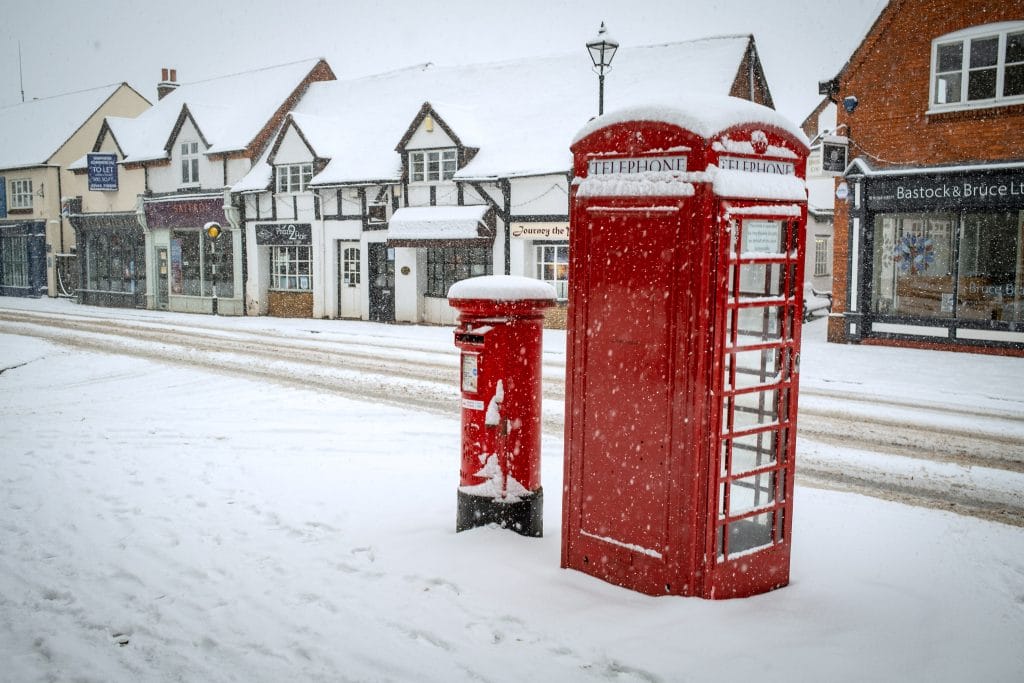
Post 200 – January 2021 and we had lived through Covid19 but we were still in one of the many lockdowns. Luckily waking up one morning, I saw that it had snowed. My village, Knowle, is very photogenic and the red postbox and phonebox stand out against the white background.

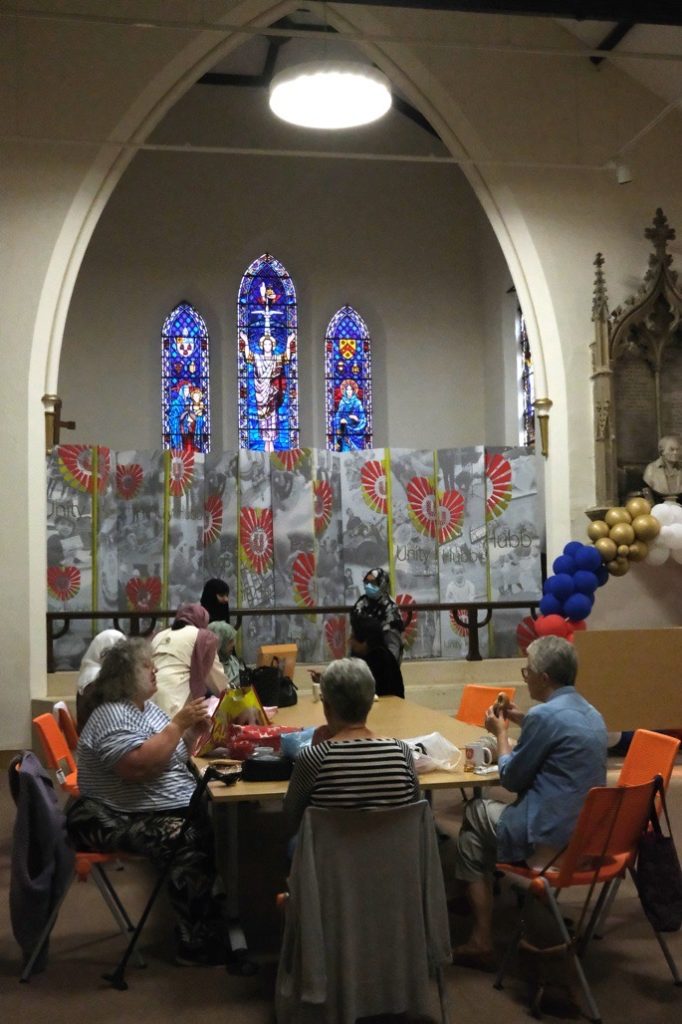
Post 300 – The Commonwealth Games in Birmingham was a magical time and there was so much going on. There was an art project called “Keys to City” which open locks around Birmingham. I visited several venues with my key. This is St Margaret’s Church, Ward End, Birmingham. No longer a church, the place is a community centre. What was special about the Church were the stained glass windows which were created by pre-Raphaelite artist Edward Burne-Jones.

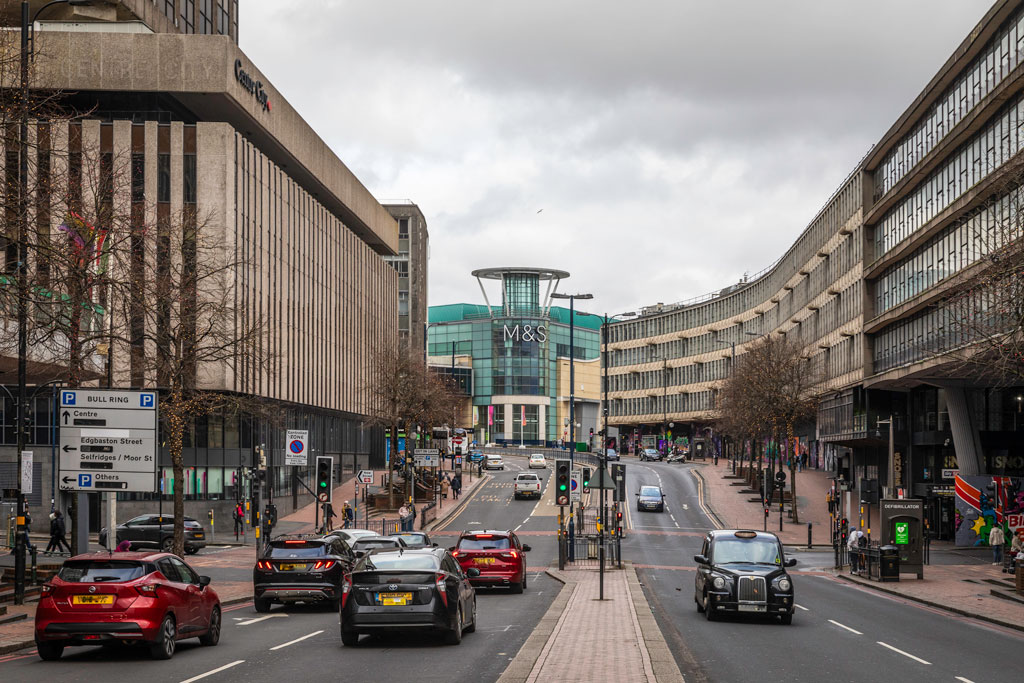
Post 400 – The Ringway Centre which is to the right of the picture is earmarked to be demolished. There is opposition to this proposal and therefore the bulldozers are so far silent. The planners wish to take down what they say is a building with concrete sickness and replace it with new shiny residential towers. I am unsure if this is progress but we wait and see what the outcome will be.


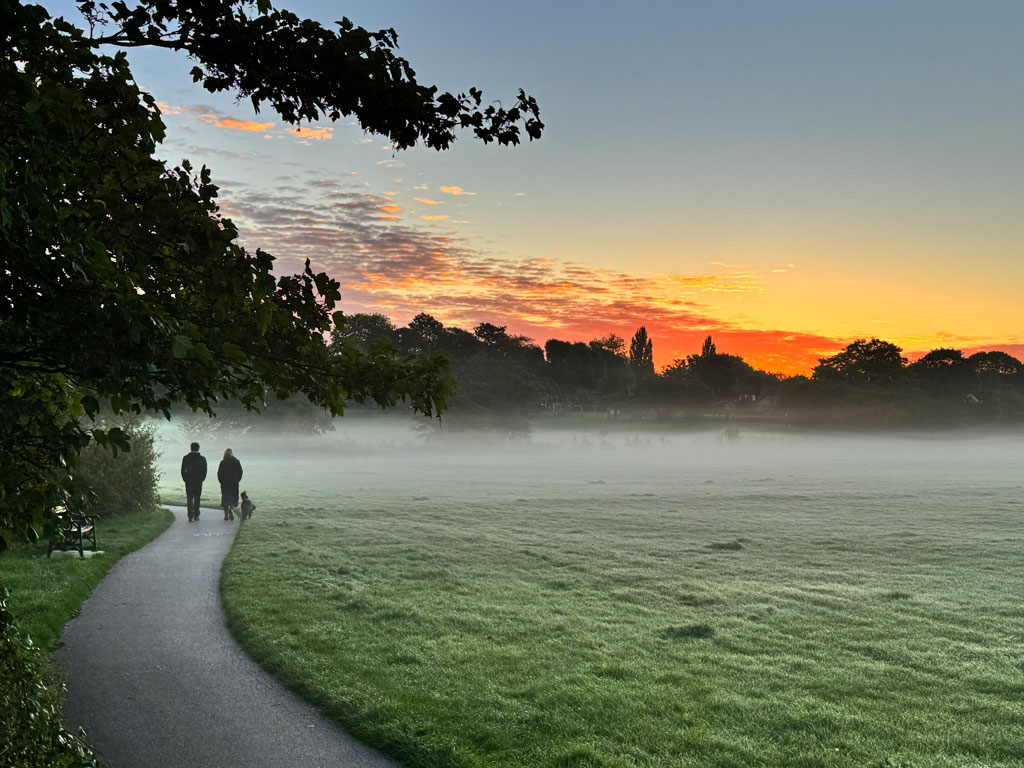
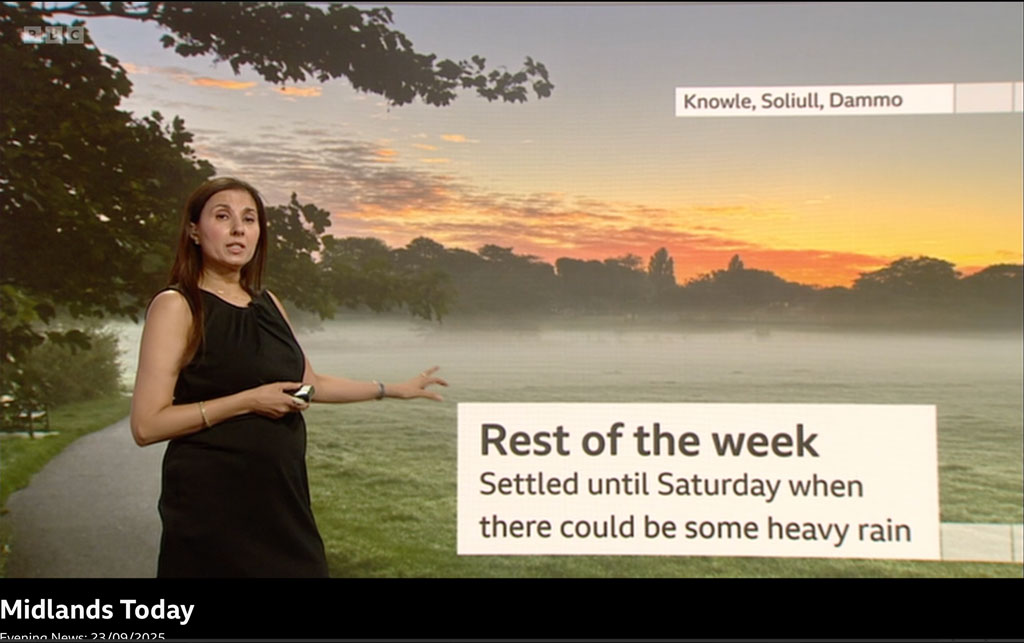
Post 500 – This is Knowle Park on a cold Tuesday morning in September. The figures walking along the path are entering the mist with the fiery sunrise beyond the trees. This was featured by Shafali Ozer on the BBC weathers. I always receive kind comments on social media when a picture is featured.
So we have reached 500 posts and I would like to thank James Kelly, who has been instrumental in setting up my website back in 2016. Little did we know back then that this blog would still be thriving 500 posts later. My very first post was about Birmingham Gems, an annual calendar at that time featuring my photographs. That first image, the entrance to New Street Station with ceiling reflections creating a surreal scene, remains one of my proudest photographs.
Finally, thank you to all my readers over these 500 posts. Some of you may have joined for just one or two views, whilst others have followed the entire blogging journey. I appreciate every single reader.
Here is to many more blog posts, more photography inspiration, and perhaps even a few books drawn from the stories I have shared over the years.
Please check out James Kelly and his web site Burst of Fruit.
And check out more in my blog!

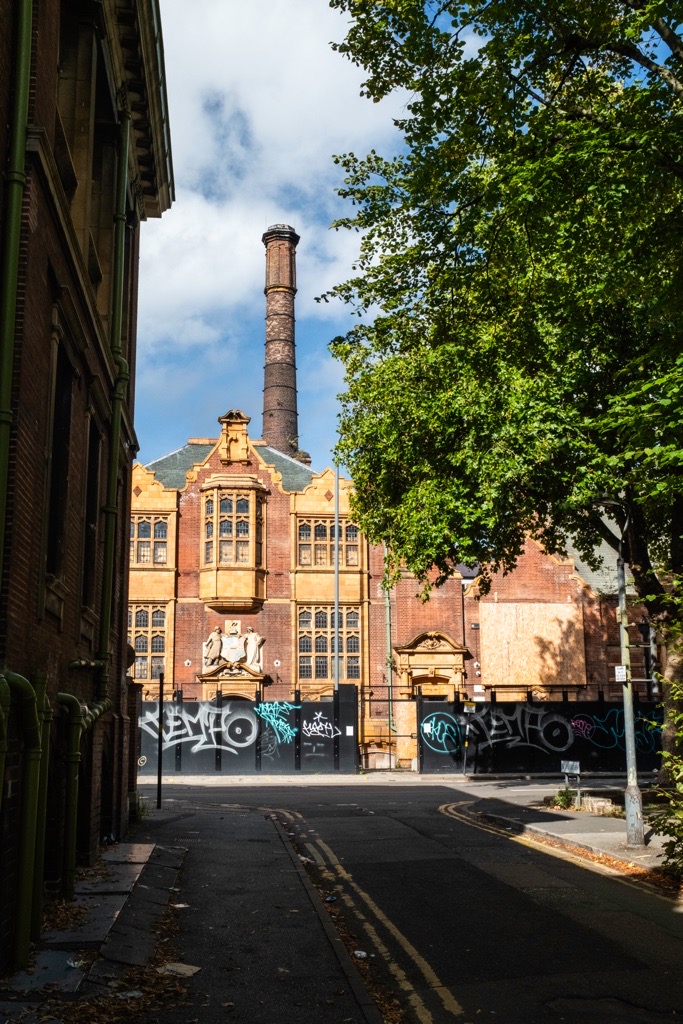
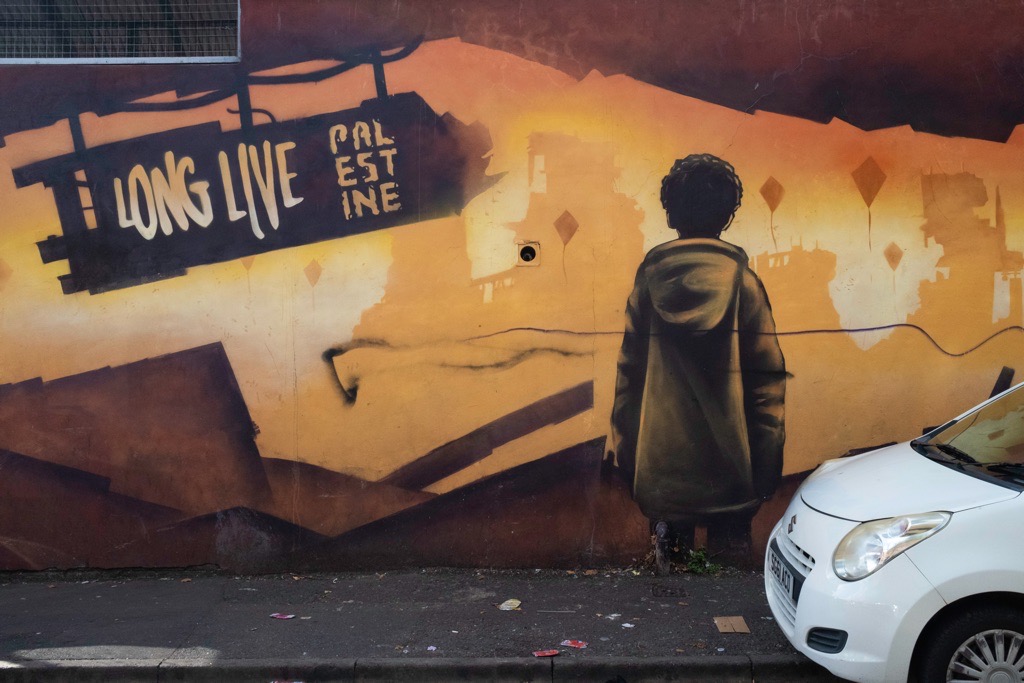
Balsall Heath – Balti Triangle, the Number 50 bus, Alcester Road, Ladypool Lane, Moseley Road Baths, and the Home Secretary, Shabana Mahmood. The diversity of Balsall Heath is renowned, which provides an insight into its character. The area does not stand still, with a rich history reflecting the growth and wealth of the city. Whilst Balsall Heath was initially an affluent area, over the years it has faced many difficulties with poor housing and social deprivation. The area is now undergoing a revival, and house prices are similar to those in other parts of the city. This brings its own share of challenges, as young people strive to set foot on the housing ladder.


Last year, I became involved with the PRISM photographic network, who organised a photographic project around Stirchley. The Stirchley Observation Project proved to be a very successful venture where I met and interacted with a group of talented photographers. We took pictures, we discussed them, and then we exhibited our best work. Now, a year later, we are turning our attention to Balsall Heath.


Before the course starts, I decided that I needed to have a brief walkabout the area to acquaint myself with the streets, the architecture, and the character of the neighbourhood. I have eaten many times in the Balti Triangle, and I have often driven down the Alcester Road towards Moseley. More recently, I have got to know the Old Print Works and attended photographic workshops there.


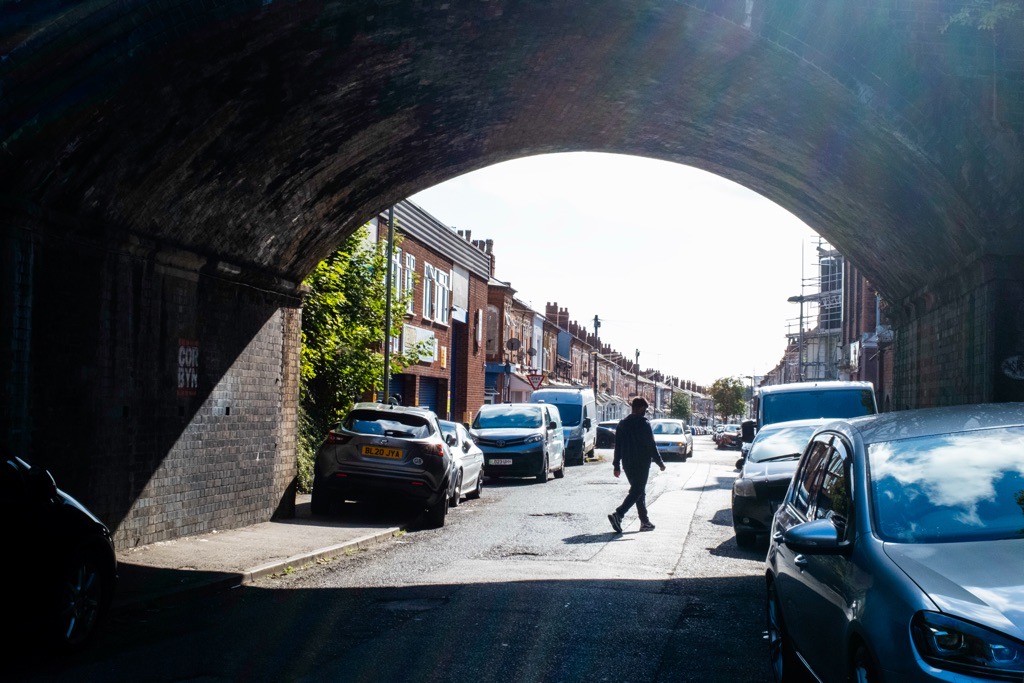
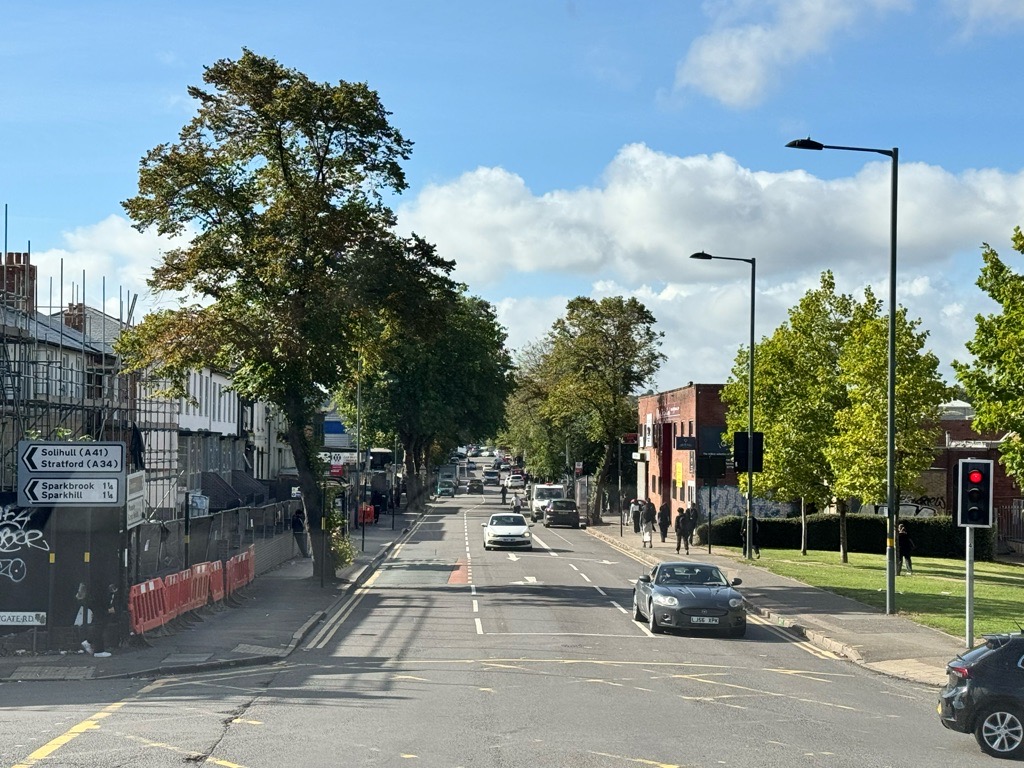
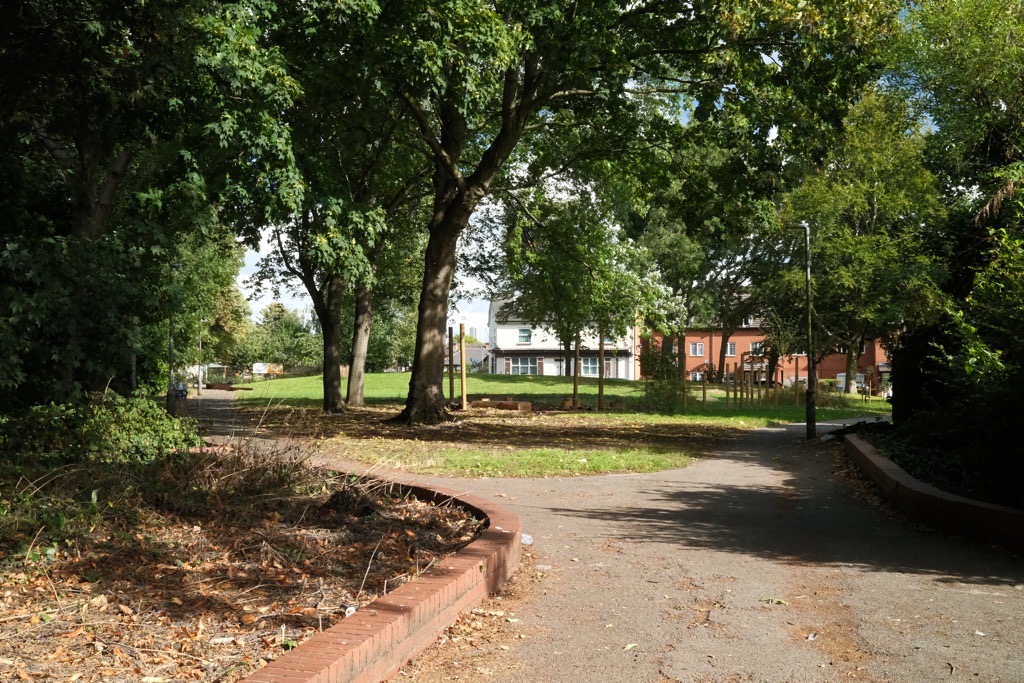
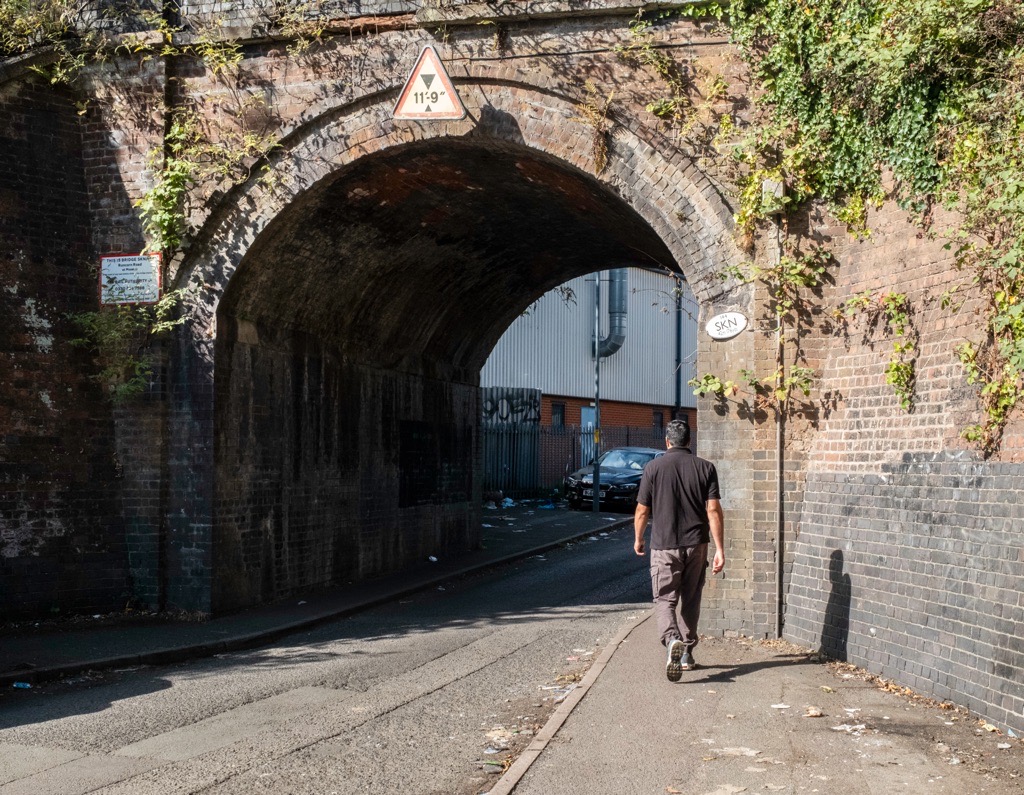
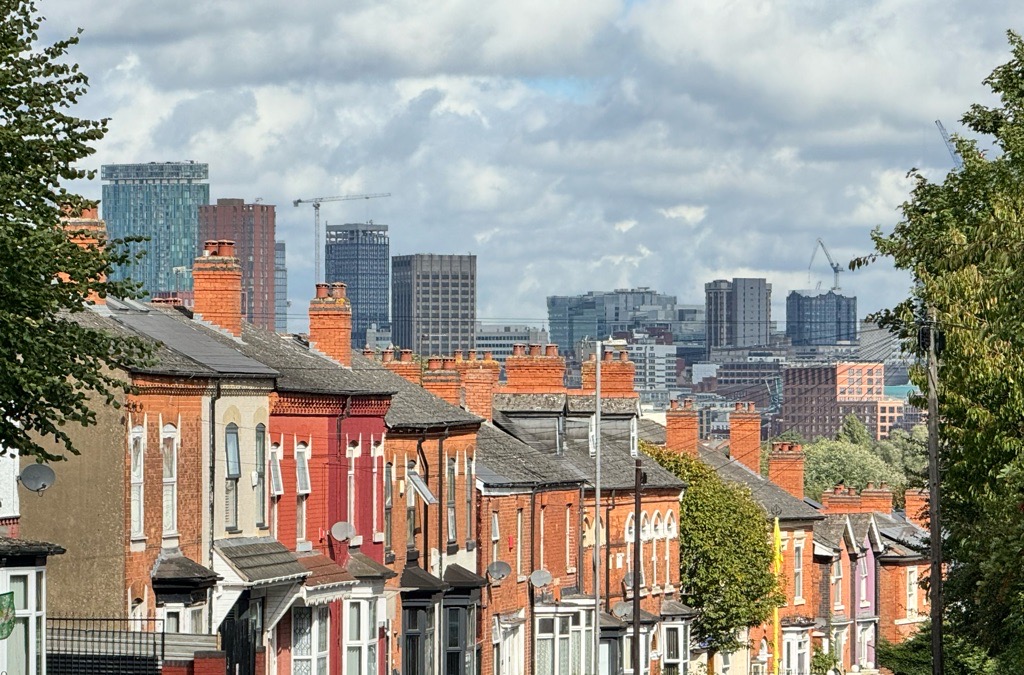
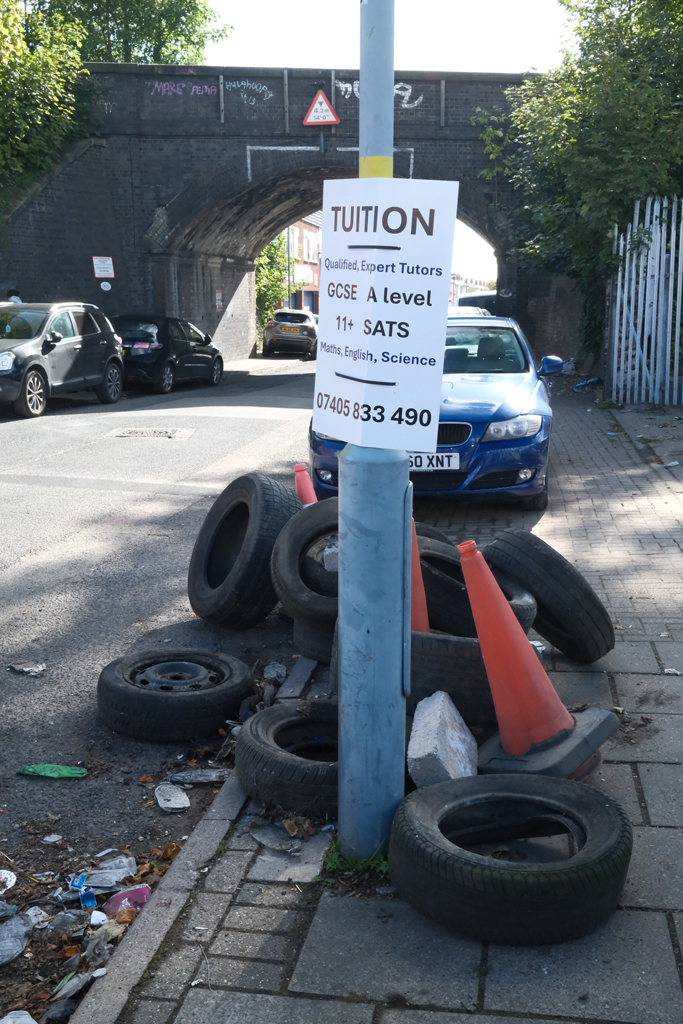
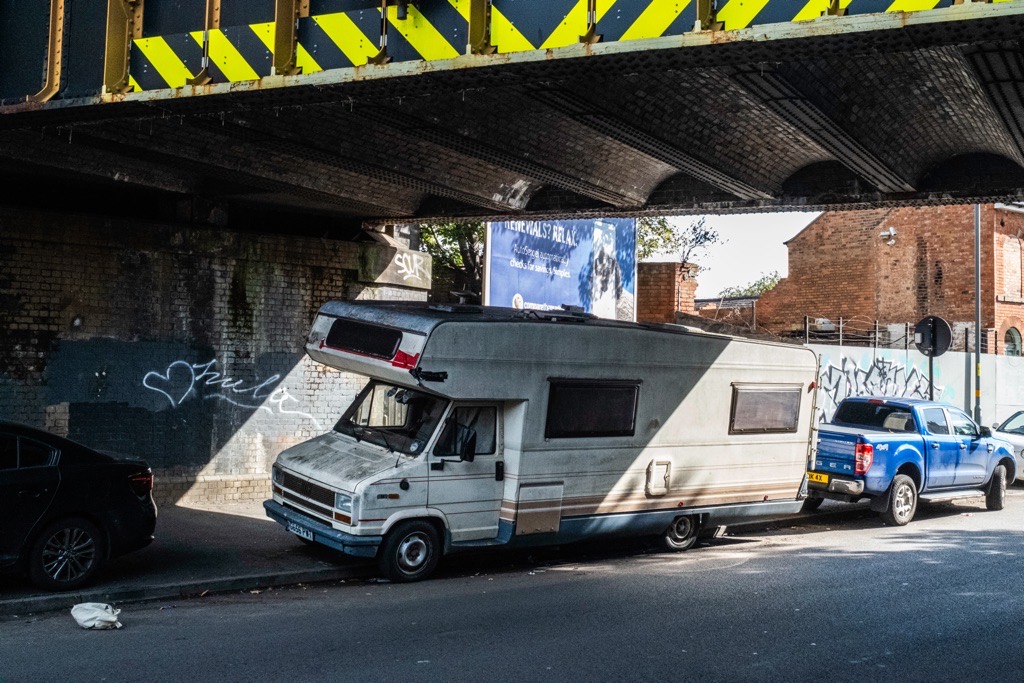
Taking the Number 50 bus from the town centre, I got off near the Castle and Falcon pub. I love cityscapes, and my eye was drawn to the railway arches that connect the west and east wards of Balsall Heath. During the day, the area is busy as traffic moves along the Alcester Road. Students travel to and from Joseph Chamberlain Sixth Form College, and the coffee shops are lively. Walk along the side streets, and you immediately notice how quiet it becomes. There is still activity in these secluded area, and the nature of the urban landscape throws up countless photographic views.


These photographs are a small selection of my observations from my walk around Balsall Heath. I am looking forward to the forthcoming project, and you can follow my adventures on my blog.


.

If you wish to learn more about our Stirchley Observation project, I wrote a short blog at the beginning and there will be more material being published from our work. I also provide an account of one of the courses on cyanotype that we undertook during the Stirchley course.

The Birmingham Light Festival has brightened up the city as look to the end of winter. Light festivals have been held previously, and this year, the company Opus supplied 11 imaginative light installations. Although many other activities were taking place, the BBC was planning a feature on the lights. I tagged along with John Bray, and we systematically tracked down most of the installations. It was also an opportunity to try out my night lens filter for my Fujifilm X100vi which was a present by my daughters. I was eager to try it out.
‘The Roof of Stars’ lights up Thorp Street, and transforms the area around Birmingham Hippodrome’s Stage Door. It was fun trying to capture both the cars and the reflections of the stars. Near to the main entrance of the Hippodrome, there is a peace poem – the words are very much needed at present.


‘The Light Door’ at New Street Station was very bright. There were also many people around and catching either a clear shot or getting one where they were interacting with the light was not straight forward. I soon realised that taking pictures of these light installations was going to be tricky due to their placement and the challenge of capturing the atmosphere of people interacting with the displays.

The Mailbox featured a fruit machine installation, “Positive spin”. My Fujifilm did not have the wide angle view and I should have reached for my iPhone for a wide angled view. As we walked towards Gas Street Basin and Centenary Square, we spotted a light boat passing by on its way to the Mailbox, allowing us to capture the scene at just the right moment. There were volunteers from the Canal and River Trust who had been involved with the lights on the narrow boat.


Centenary Square had two installations: “Dance on Lava” Floor is LAVA x Silent Disco and “Night Badminton.” People were having fun especially on the dance floor. The badminton installation had a purple shuttlecock which was difficult to follow against the city lights and the dark night sky. The people playing the game did not seem to mind.


I was not disappointed with the last three installations we visited. The first was “Ideas happen here” in Newhall Square, where the fountains and water reflections provided plenty of opportunities for great pictures. Saint Paul’s Square had a bioluminescent fungus display in lights, offering numerous leading lines and a quieter setting that made it easier to capture images. The final installation was “Flux” in Snow Hill Square. Fortunately, I found a display board where I could rest my camera, allowing me to take a long exposure shot of the bars of light as they whirled around.


The one I missed was Alright Bab but as this is a legacy installation, I have time on my side to take pictures of it. I returned on the Monday and took pictures of this iconic phrase.

Tracking down the light installations made for an super night of photography. I was pleased with how my lens filter performed, as it cut down on light pollution and allowed for very small apertures, resulting in some nice starbursts. Winter is almost over, and spring is just around the corner, but I always enjoy these light installations.
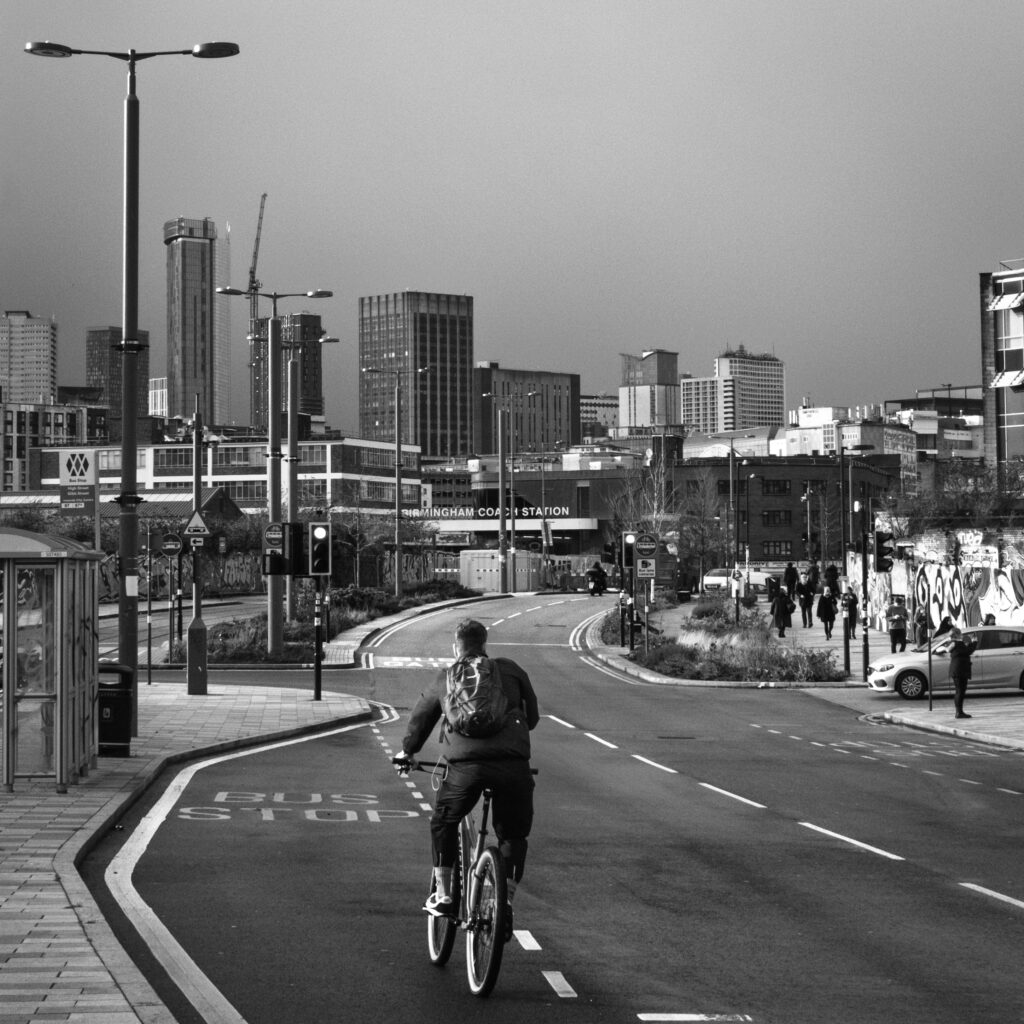
Here are my blog entries from previous light festivals in Birmingham to enjoy.