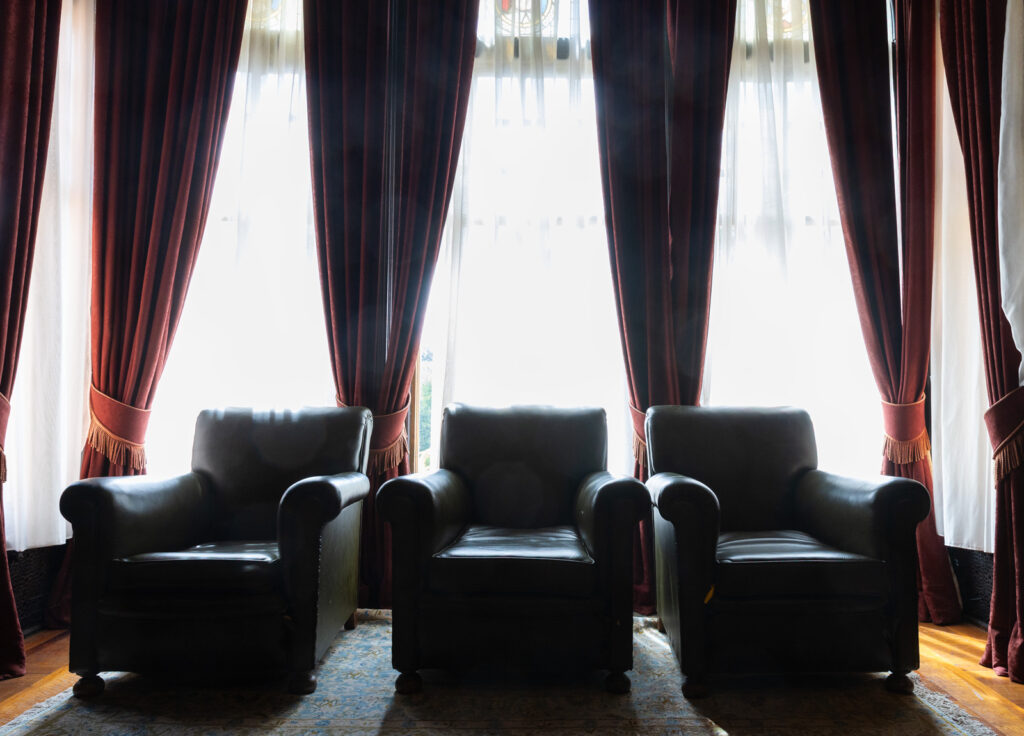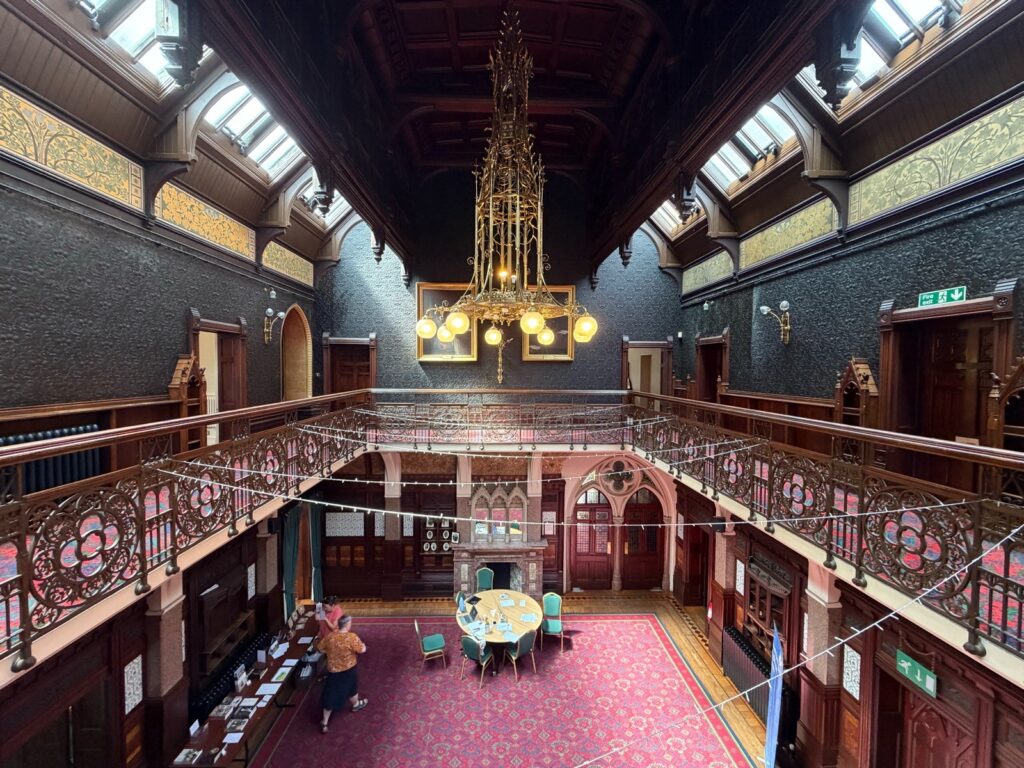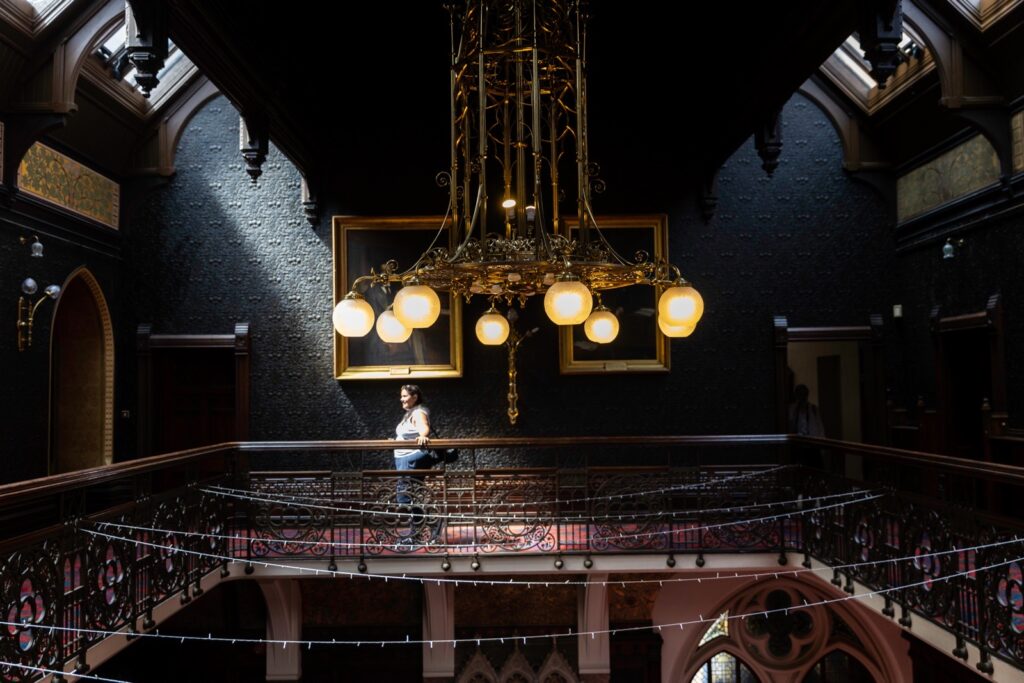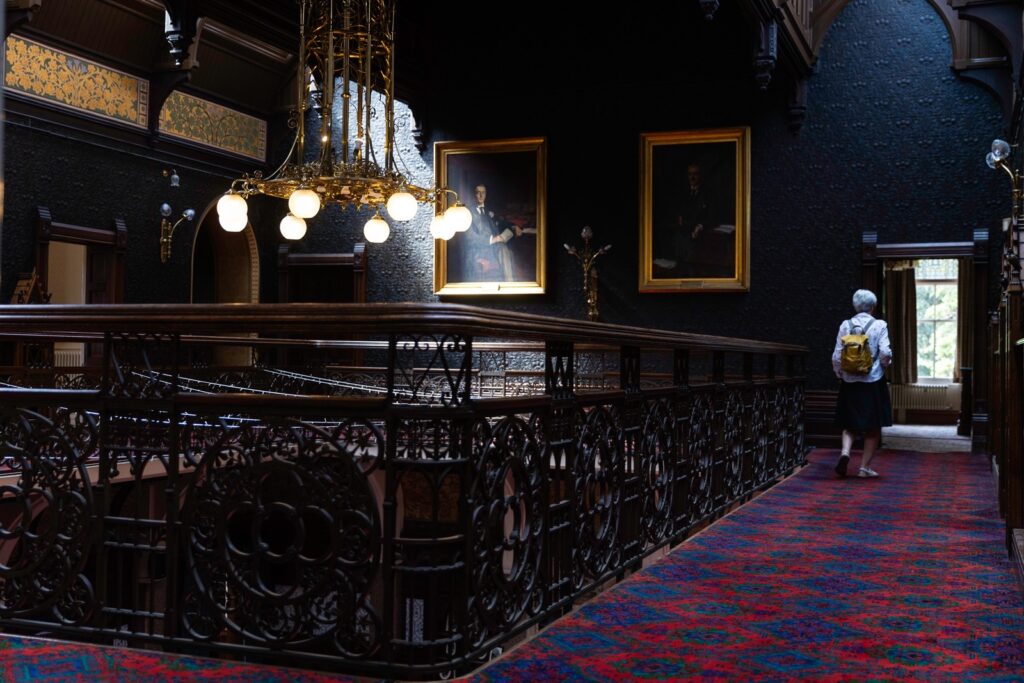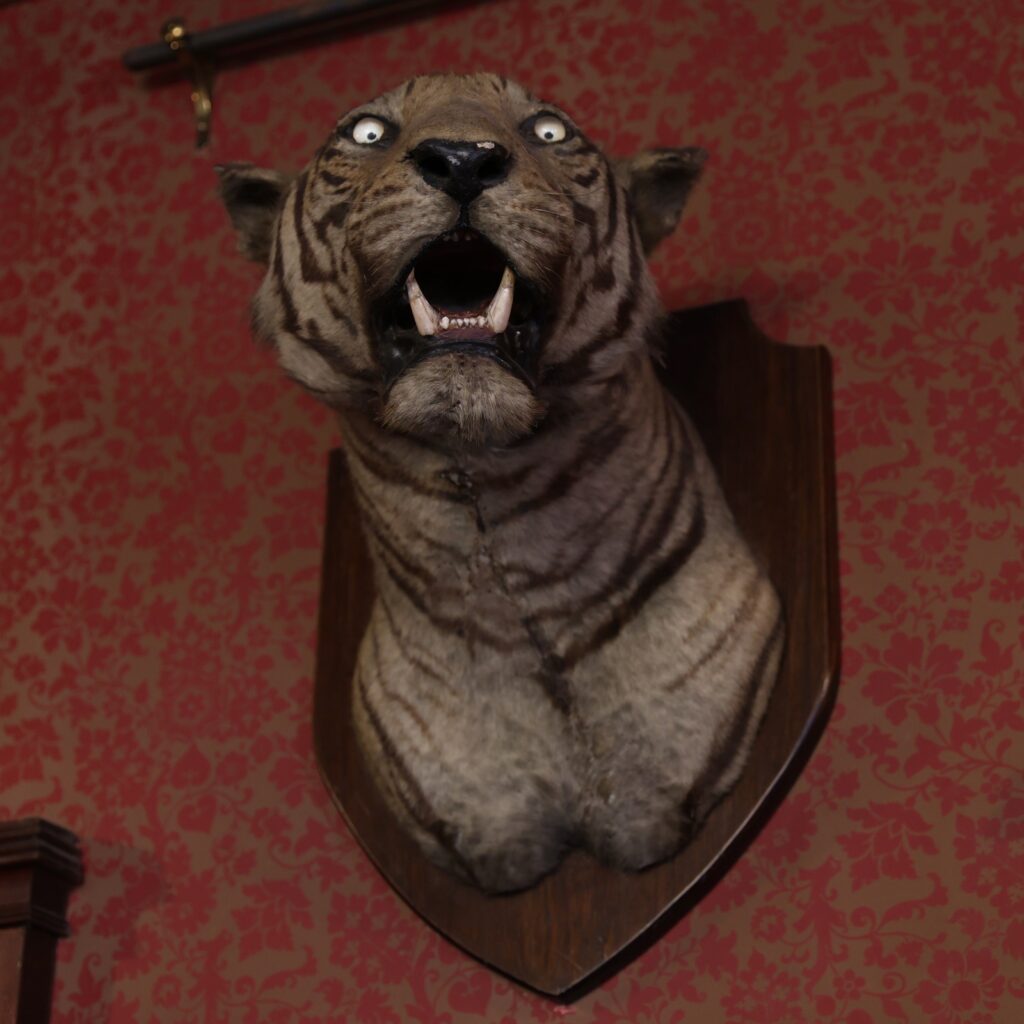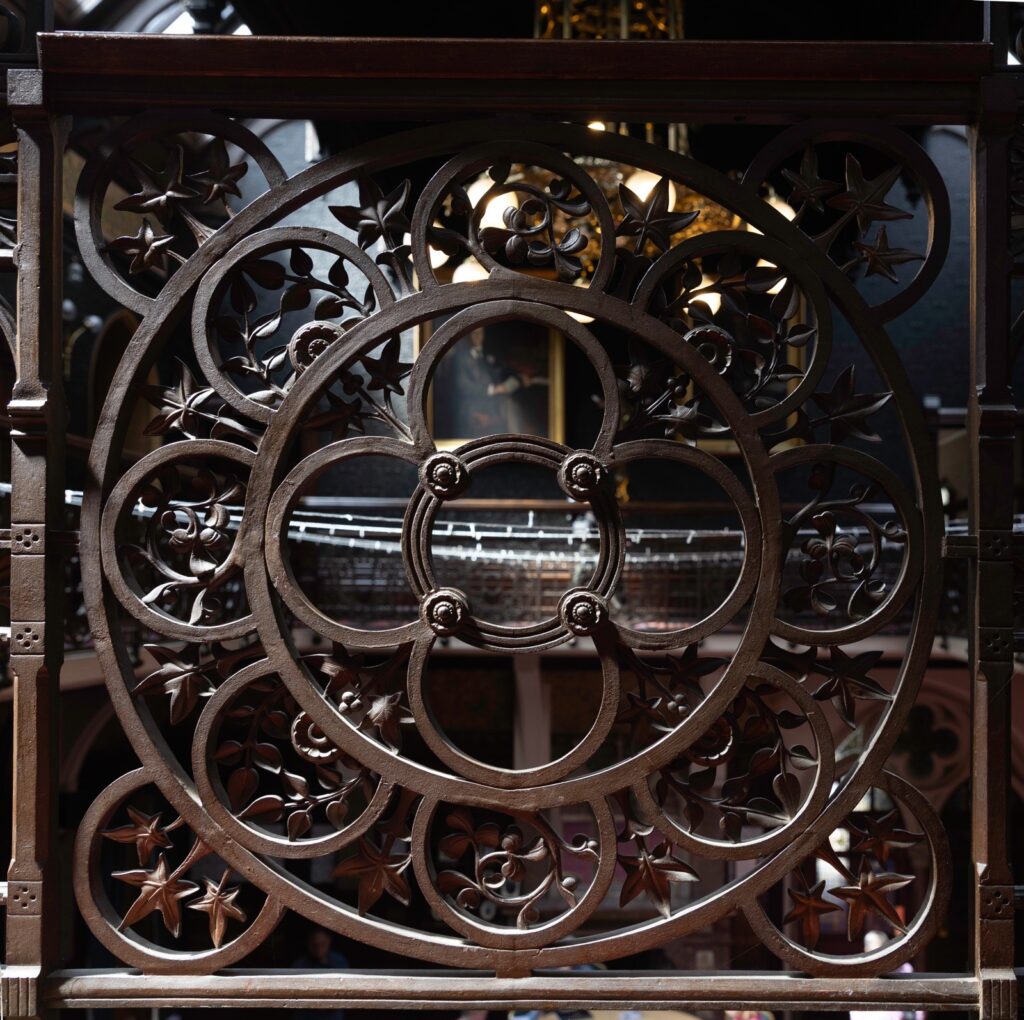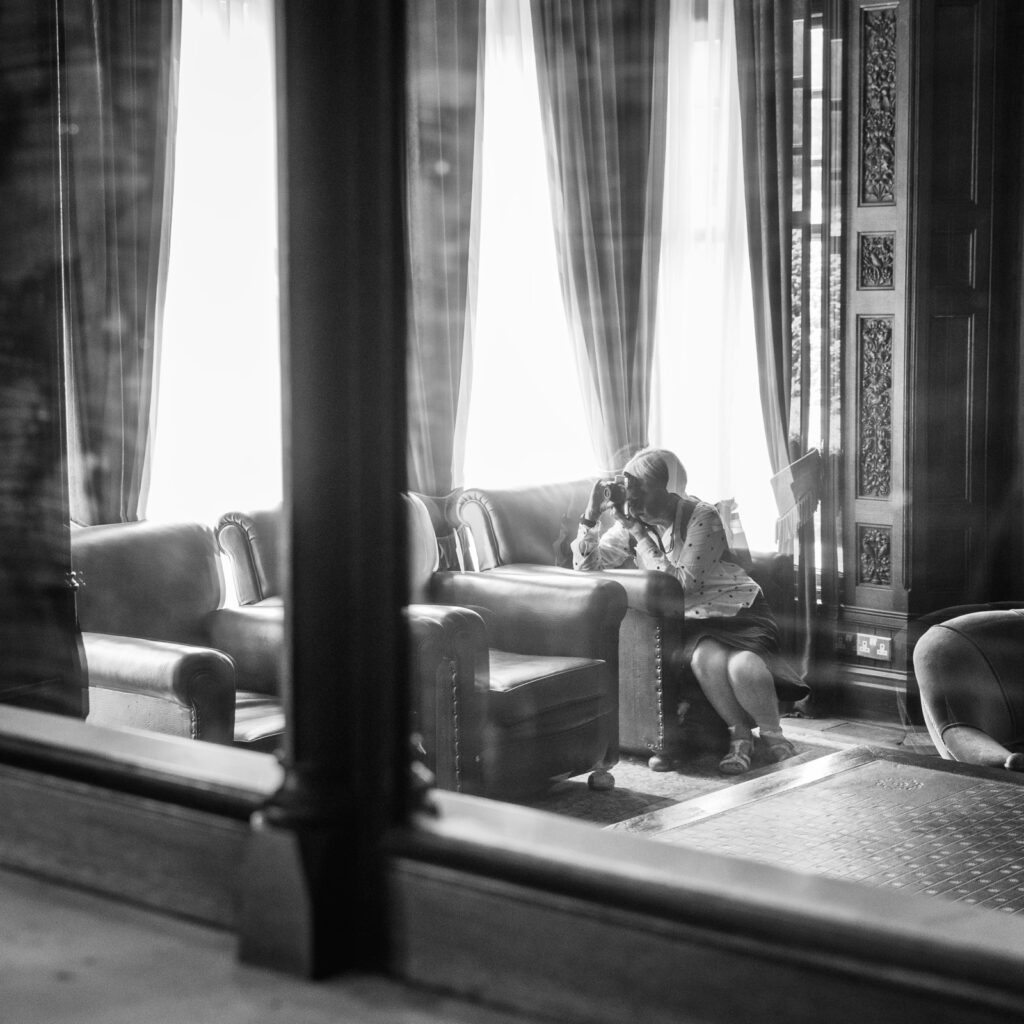

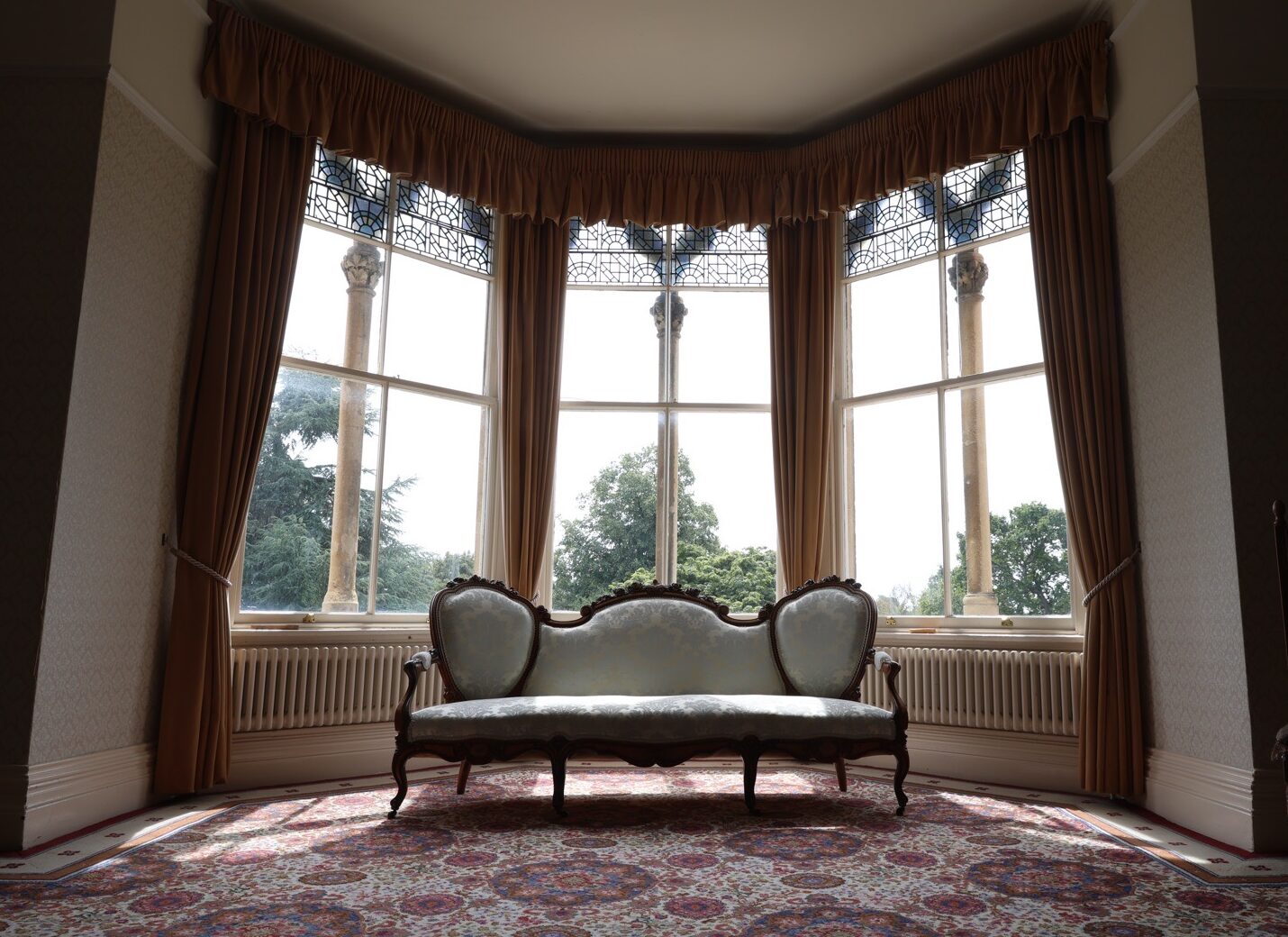
Baddesley Clinton staged the Twelve Days of Christmas with a difference. The story was told by twelve Snowmen who were placed in strategic positions around the National Trust property. I made the mistake of counting down the Twelve Days rather than starting at the first day and moving forward. I must remember this when I bring the grandchildren to visit!
A cheeky grin from one of the snowmen.On the third day of Christmas….I find myself at Baddesley Clinton.
I set myself a photographic challenge: to capture images of the Snowmen and tell the story in a slightly different way. The Snowmen were very cooperative, and I had no trouble persuading them to pose for the camera, although they did struggle when it came to turning around.
Someone is dancing on the Snowman.I love those legs they are eggcellent.
I wondered how the Snowmen would look against the beautiful gardens and the historic, grand moated house. To my pleasant surprise, the combination worked wonderfully, and the designs on the twelve Snowmen were beautifully painted. This artistic element was created by Wild on Art, who are always brilliant at imagining unique and engaging artwork. They have taken their Snowman to previous Christmas National Trust displays at Sheffield Park, and Knole Park.
Look out – the swans are behind you.Here’s looking at you.
The exhibition is well worth a visit and a delight for both young and old. Just remember to follow the route the right way round, anticlockwise, otherwise youβll find yourself counting down to the first day of Christmas. Although, thatβs not such a bad idea either!
I feel a little overdressed for the weather.
BTW not all the twelve snowmen are photographed so you will have to go and see them for yourself. The National Trust are excellent and creating magic at Christmas. Here is a blog about Baddesley Clinton and Packwood House when I visited the properties two years ago.
Everywhere I look, there are signs. There are warning signs, diversion signs, public right of way signs. They puncture the landscape, each one a reminder that HS2 is reshaping the countryside in ways both visible and invisible.
HS2 make sure you stay on the official footpath.
Since my last visit, the HS2 works have progressed. The path where the trains will run is now clearly defined, bridges have risen across the fields, and yet the disruption continues. Earthmovers, fences, and machinery still dominate what was once quiet farmland and woodland.
One of the major bridges on this part of the HS2 track. A sign indicates where to go.Concrete pipes ready to be laid.Metal fences protect the HS2 works.
As I walked along the public path, I met Tony and Louise, out for a weekend stroll. We chatted about the project. Tony focussed on the endless metal fencing, the slow pace of construction, and the sense that someone, somewhere, must be profiting handsomely from all this upheaval. Then Bill passed by, shaking his head. He said that HS2 was βDisastrous for the countryside.β He told me how heβd recently brought his daughter to see the area near Sixteen Acre Wood, and how shocked she had been by the scale of the destruction.
Tony and Louise pictured by the steel HS2 fences.Bill looking out on HS2 path that has destroyed the farmers field.
What strikes me most, though, is the sheer number of signs. They seem to compete with the landscape itself for attention. The public path winds past a tired-looking environmental pond. Then further down there is the original pond still clinging to its place amid the diggers and debris. The woodland here is sparse. Trees have been toppled, stripped back and scarred, but still they hang on waiting for the construction to finish.
Pedestrian lights control the construction traffic.Beware heavy plants.A new pond is out of bounds.
Walking across the path of the future train tracks.Β Β I took in the scene.Β Β The HS2 line is still dirt for now, awaiting concrete and steel. Machinery parts, pipes, fencing, and plastic weights litter the area. It is difficult to imagine what this place will look like when everything is complete.Β Β Will nature ever fully reclaim it?
The high speed train track is just dirt and compacted soil. The tracks await.
Tony asked me what I thought of it all. His question caught me off guard. The truth is, I am somewhere in the middle rather like the metal fence that separates one side from the other. I am dismayed at how easily nature is cast aside, yet I cannot deny the appeal of improved transport and connectivity. Still, the pace and the cost weigh heavily on any sense of progress.
An autumnal path leads to the HS2 works.A bleaker path takes you over the HS2 track.
Taken in 2011, it shows a dark, dense woodland. The scene is peaceful and the field is ploughed ready for planting. This is an image from another age.
Progress, it seems, may be efficient but it is rarely kind.
This is the latest in a long line of Blogs about the HS2 construction taking place around 16 Acre Wood near Berkswell. If you found this interesting then please read my last blog which will then lead you along to all the others on this subject.
I had been feeling a little jaded and in need of some new inspiration for my photography. To spark a fresh way of seeing, I decided to give myself a challenge: to photograph the Library of Birmingham without showing any books. It sounded simple, but it pushed me to look at the building differently and find views that have not already been captured a thousand times.
Looking up at the patterns in the skylights.
The Library of Birmingham never fails to surprise me. Its striking architecture, spacious interiors, futuristic escalators and sweeping balconies all have a story to tell. Although it is, of course, a library filled with books, I wanted to focus on its atmosphere and design rather than what sits on the shelves.
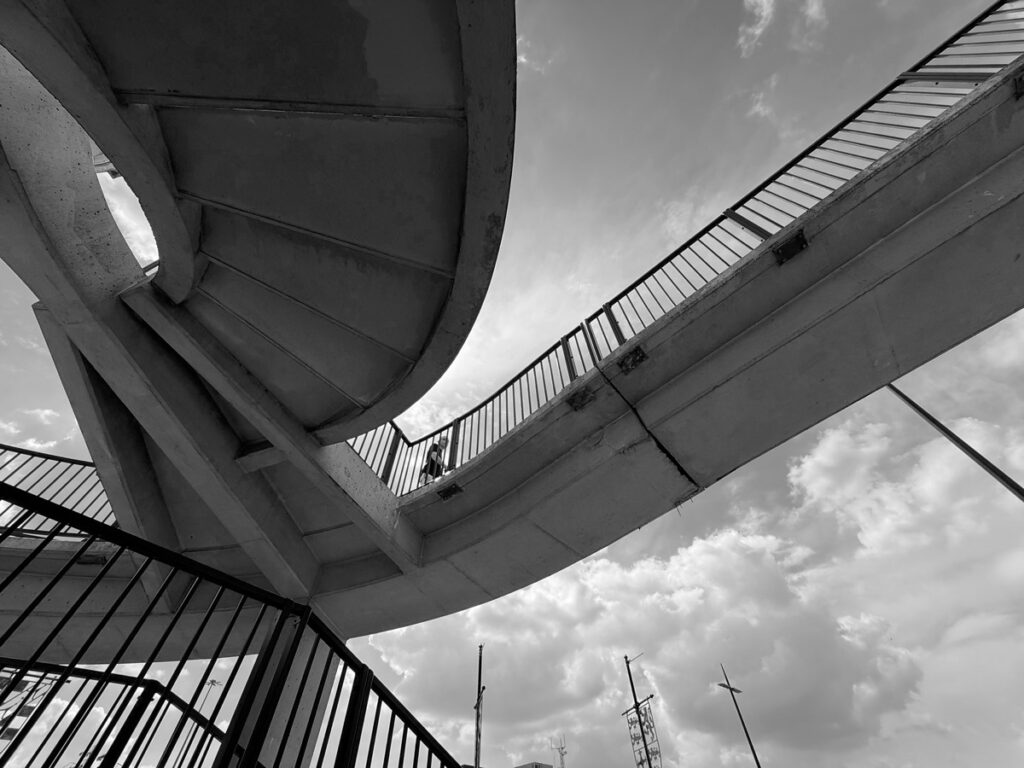
The sharp angles against the cloud filled sky.
Autumn had arrived and the leaves on the trees were a deep contrasting red colour. The outside gardens are a peaceful place to visit. Visitors to the library enjoy finding quiet spots to reflect and relax from the busy City below.
The colours of Autumn against the backdrop of the library.Finding a quiet place to reflect and take time out.
For this project, I used three cameras: my Canon 5D Mark IV, my Fujifilm X100VI, and my iPhone. Each one encouraged a different way of seeing. The Canon, with its wide-angle lens, delivered crisp and detailed shots. The Fujifilm, which has a fixed 50 mm lens, performed beautifully in the softer light but required a slower, more considered approach. The iPhone proved surprisingly powerful when capturing reflections, as its lens can be placed right up against a surface to create playful and unexpected effects.
A place to meet and look out over the square below.
This collection of photographs shares what I discovered on that visit. It is my attempt to show the Library of Birmingham from a new angle and to remind myself that inspiration often appears when you look at familiar places in unfamiliar ways.
An example of the futuristic design of the interior.A reflective window to the outside world.Colour contrasts on the balcony.
This is not the first time that I have photographed the library and you may well enjoy this earlier account. Be warned a few library books creep into the pictures.
This is my 500th blog post β a remarkable milestone in my blogging journey. I first began writing my blog on this website on 27th December 2016, although my experience with online storytelling stretches back much further. Since 2006, I ran a work blog for the School of Dentistry, and even before that, in the early nineties, I was exploring websites and digital storytelling. I have always enjoyed keeping a diary of photographs, recording important years and events alongside my images. Social media gave me the opportunity to bring words and photos together, sharing my personal blog reflections and photographic stories with a wider audience. Now, 500 posts later, I am still passionate about blogging.
My first post in December 2016 and included this reflection of one of the entrances to the then recently opened New Street station. I was very proud of this picture and is one of my trademark reflections. I still come here to take pictures as you can get many varied and interesting street photography views.
Watching the sun set whilst sitting on the edge of Stanley Park
Post 100 – I was at a conference in Vancouver in July, 2019. On one of the evenings, I went out to Stanley Park and sat with many other local residents to see the Sun set. The experience was memorable and the picture does not fully convey the atmosphere of the evening.
Red post and telephone box in the snow
Post 200 – January 2021 and we had lived through Covid19 but we were still in one of the many lockdowns. Luckily waking up one morning, I saw that it had snowed. My village, Knowle, is very photogenic and the red postbox and phonebox stand out against the white background.
The interior of St Margaretβs Church, Ward End, Birmingham.
Post 300 – The Commonwealth Games in Birmingham was a magical time and there was so much going on. There was an art project called “Keys to City” which open locks around Birmingham. I visited several venues with my key. This is St Margaretβs Church, Ward End, Birmingham. No longer a church, the place is a community centre. What was special about the Church were the stained glass windows which were created by pre-Raphaelite artist Edward Burne-Jones.
A view along Smallsbrook Queensway.
Post 400 – The Ringway Centre which is to the right of the picture is earmarked to be demolished. There is opposition to this proposal and therefore the bulldozers are so far silent. The planners wish to take down what they say is a building with concrete sickness and replace it with new shiny residential towers. I am unsure if this is progress but we wait and see what the outcome will be.
Knowle sunrise in September and featured on BBC Midlands today weather.My picture on BBC Midlands today – note the spelling of Solihull.
Post 500 – This is Knowle Park on a cold Tuesday morning in September. The figures walking along the path are entering the mist with the fiery sunrise beyond the trees. This was featured by Shafali Ozer on the BBC weathers. I always receive kind comments on social media when a picture is featured.
So we have reached 500 posts and I would like to thank James Kelly, who has been instrumental in setting up my website back in 2016. Little did we know back then that this blog would still be thriving 500 posts later. My very first post was aboutΒ Birmingham Gems, an annual calendar at that time featuring my photographs. That first image, the entrance to New Street Station with ceiling reflections creating a surreal scene,Β Β remains one of my proudest photographs.
Finally, thank you to all my readers over these 500 posts. Some of you may have joined for just one or two views, whilst others have followed the entire blogging journey. I appreciate every single reader.
Here is to many more blog posts, more photography inspiration, and perhaps even a few books drawn from the stories I have shared over the years.
Birmingham Heritage Week always reveals intriguing places to explore. Each year, the programme goes live at the end of summer, and tickets for the most popular destinations are quickly snapped up. For this yearβs Birmingham Heritage week, I set my sights on two churches I had not previously visited, along with a guided walk in Birmingham.
The front entrance.
The first of these visits took me to the Serbian Church of the Holy Prince Lazar, a striking Orthodox church situated in Bournville. Renowned for its ornate ceilings and rich decoration, the church stands proudly on a hill overlooking the area. Arriving from Bristol Road, via the number 61 bus, I made the short walk uphill to the gates, where I was warmly welcomed by a member of the congregation.
The image of the Virgin Mary behind the alter.Close up details from the side alters.
Stepping inside, the splendour of the Byzantine design is immediately apparent. The ceiling is dominated by a powerful image of Christ, while the dome above the altar features a serene depiction of Mary. Stone pillars draw the eye across the space, emphasising the churchβs harmonious proportions.
Icons of the Madonna and Child.The balcony with details at the back of the Church.
Unlike many Western churches, the Serbian Church has few seats. This open design is characteristic of Orthodox worship and allows visitors to move freely around. I spent much time admiring the icons and intricate details on the walls. The murals are painted in fresco, a technique where pigment is applied directly onto wet plaster, creating luminous images that glow in the light. I found myself mesmerised, pausing often to steady my concentration so that my photographs might capture even a fraction of the beauty that was before me.
Candles light up the Church.
The exterior holds equal charm. In the gardens, a golden crucifix stands proudly, while the churchβs architectural form blends gracefully with its leafy surroundings. Time was against me, and with the church busy that day, I was unable to explore or photograph the adjacent hallβan omission I intend to rectify on a future visit.
The side entrance to the Church.The imposing domes of the church against the sky.The crucifix in the gardens of the church.
The newest addition to Paradise Birmingham, Three Chamberlain Square, is close to opening. This distinctive building sits next to the historic Town Hall and is stoneβs throw from Victoria square. Its exterior design incorporates natural terracotta tones, giving a warm red ochre glow to the rows of vertical lines. Walking past the building, I often wondered what it would be like to look around inside and longed to visit the terrace on the top floor.
Three Chamberlain Square.
I was therefore delighted when an invitation arrived from Core, the marketing team promoting Paradise Birmingham. They were hosting a special Photographersβ Event at Three Chamberlain Square to mark World Photography Day.
The BT Tower framed by the red beams.
On a warm but initially cloudy afternoon, a collective of photographers gathered in Chamberlain Square near the new building. There were many familiar faces amongst the group, and we did not have to wait long before being taken into the foyer of Three Chamberlain Square. The entrance is impressive, with a large, open multipurpose area. After a short introduction, we went straight up to the ninth floor and the terrace.
The Birmingham skyline
The terracotta design was an instant hit with the photographers, and we all had to be careful not to photobomb each otherβs shots. The photographic talent among the group was very high, and I knew their images would be excellent. My own thought was, try something different, easier said than done when surrounded by such skilled photographers.
Inside looking out.
Reaching the ninth floor, the sun broke through the clouds. Before stepping onto the terrace, I paused to capture the light as it streamed into the room. Then it was time for the terrace itself, which offered stunning views across the city. The red support beams provided a perfect frame for iconic landmarks. I was able to capture the Octagon, BT Tower, the Rotunda, 103 Colmore Row, and the Town Hall clock, each neatly framed by the beams. Using my telephoto lens I was able to capture the street scenes below. The terrace was undoubtedly the highlight of the visit and will be an instant favourite for those working in the building.
Framing the Octagon.Framing the BT TowerFraming the Council HouseFraming 103 Colmore Row.Framing the Rotunda
We then moved down to the eighth floor to view the open-plan offices. I took several pictures, and while the space itself was impressive, my eyes kept drifting to the windows. People working there will certainly not be boredβthe passing trams and other activities below may prove to be quite a distraction.
Colmore Row stories.
Although I had to leave before the full tour was over, the terrace remained the highlight of my photographic journey through the building. On my way back to the car, I captured a few final shots outside. What struck me most was the contrast of styles: the terracotta of Three Chamberlain Square set against the Roman revival elegance of the Town Hall, with the towering Octagon rising in the background.
Different Styles
Birmingham looks splendid with its mix of bold new buildings complementing the cityβs historic landmarks. Thank you to Paradise Birmingham for allowing us to photograph this beautiful building.
Picture of me taken by Ell Brown on the terrace. Thanks Ell.
If you like tall buildings then I have highlighted more reading about my photographic visits on my blog.
Elmdon Manor Walled Garden is hidden away behind Solihull Moors Football Club and is accessed via Damson Parkway. The roads are busy with large transporters and trucks carrying cars and supplies to and from Jaguar Land Rover Solihull. The lane to the gardens is signposted for Elmdon Park and St Nicholasβ Church, Elmdon. It is an easy turn to miss.
The wall is becoming overgrown.Passing through the entrance.
Elmdon House was once a large stately home that fell into disrepair after the second world war and was eventually demolished in 1956. The walled garden was part of the estate, supplying produce to the house. Today, it is managed by the Warwickshire Wildlife Trust. The original walls of the kitchen garden still stand, although they are in a poor state of repair. Clearly marked paths guide you through the site, and the highlights include the old orchard within the ruined walls, the adjacent woodland, and a meadow that opens up within the trees close to the Moors football ground. The pond, often covered with algae in summer, is usually much clearer during the winter months.
Fruit on the trees.Fences overgrown.Colours on the treesApples galore
. The area is a haven for wildlife and also offers many photographic opportunities. I usually visit once or twice a year with my camera and always come away with a set of images. I begin in the walled garden, where in late summer the trees of the old orchard are heavy with fruit. This year the area is very dry. The woodland adjoining the garden is ancient, filled with trees that form striking patterns. Fallen trunks lean against others, creating natural corridors of light. The atmosphere is shaped not only by nature but also by human presence: the sounds of warehouse workers drift through the trees, and the noise from Solihull Moorsβ training pitches carries across the reserve.
Twisted overgrown trees.The woodland trees.Apple trees in the old orchid
The sudden appearance of a meadow within the woodland brings an unexpected openness and is a peaceful spot to pause and reflect. My photographs capture the abundance of fruit, the tangle of overgrown vegetation, and the play of light within the woodland. They also record the contrast between nature and modern development, as the reserve sits cheek by jowl with metallic warehouses and floodlights. Such an oasis is a delight to visit with the bonus of being close to home.
The meadow in the sun.Berries are ripened in the meadow area.Football lights between the trees.
Someone mentioned they would like to see the pictures of Elmdon Manor in the wintertime. I do not have pictures yet but I do have a blog entry showing Solihull woodland in the snow.
Collecting artwork through my photography is one of my long-running projects. My interest in Luke Jerramβs work began during the pandemic, when BBC Midlands, was filming his large-scale artworkΒ In Memoriam. The installation, set next to Aston Hall, was the subject of one of my earlier blogs. Briefly, Luke used blue and white hospital bed sheets to create a circular medical logo that stretched across a field. I was fortunate not only to meet him but also to talk with him about how this work came about and even to take his portrait photograph.
Helios residing in the gardens of Charterhouse
Since then, whenever one of Jerramβs installations has come to the West Midlands, I have made a point of visiting and photographing the artwork. I have seenΒ GaiaΒ at Millennium Point, theΒ Museum of the MoonΒ in Lichfield Cathedral, and more recently,Β HeliosΒ at the historic Charterhouse in Coventry.
Enjoying the spectacleThe earth and Helios compared.
The Charterhouse, a former medieval monastic house with a long and varied history, is now run by the National Trust. On a hot sunny afternoon in August, we visited the property to view Helios. Jerramβs works are displayed against differing backdrops which provide a dramatic contrast to the art. This glowing sphere of the sun was set within the walled gardens, an ideal setting, as my photographs show.
Helios in the Garden
My grandson Noah suggested we lie down beneath Helios. This gave me an unusual perspective, and some striking photographs. After capturing several images, I paused to simply take in the artwork. Suspended within its metal frame, the sphere revealed breathtaking details of the sunβs surface. The inclusion of a scaled Earth nearby reminded viewers of just how vast the sun truly is.
Dramatic blue skies behind Helios
The Charterhouse itself is a place of calm beauty, with its tiered gardens and excellent coffee shop, a welcome stop after exploring. I doubt Richard II, who laid its foundations, could ever have imagined the many ways the property would be used over the centuries.
Noah with his football sphere.
Now, having photographed In Memoriam, Gaia, Museum of the Moon, and Helios, my next goal is to view Mars when it visits the West Midlands. That will complete my personal photographic record of Luke Jerramβs planetary installations.
These are my previous entries on Luke Jerram’s artwork.
We visited Gaia by Luke Jerram is in Millennium Point, Birmingham. This is adjacent to the ThinkTank Museum where the children had so much fun after visiting Gaia. The earth is something to see when you get up close and personal. Luke Jerram created the artwork which is 1.8 million times smaller than the real earth. The double exposure created in camera is of my daughter Natasha. My title of the picture is “Lost in her own world”. Interestingly my grandchildren cannot remember the visit so I am glad I have the pictures to show their enjoyment on the day.
My grandchildren together with Gaia in the background.Lost in her own world. A double exposure of my daughter with Gaia.
IgersbirminghamUK organised a walk around Spaghetti Junction on a warm Saturday afternoon at the beginning of August. For this blog entry, I have 24 frames which is the number of a roll of film. These pictures were taken with either my iPhone or Fujifilm x100vi. The stories and sights under the motorway are always changing and always surprising. Enjoy this photo essay.
Figures
People move around the complex concrete structures. They look apologetic for their presence as the concrete really does enjoy its own company.
Figure in the subwayA walk home with the noise of cars above.
Cyclists
People move quickly on the towpath nobody wants to stay too long as they may get lost in the concrete.
Cyclist between the pillars.There is light in the dark that guides the cyclist.
Pillars
The main feature of the concrete structures is the pillars. Reaching to the sky they hold the roads in place. If the pillars disappear then there so will the roads.
Reaching for the skyThe height of the pillars dwarfs the people who dare wander next to them.The cathedral pillars of Salford circus.Gaps between the Pillars.
So easy to lose your way under the motorway.There is signage to help.Colourful signs break through the concrete monotones.A scrawled sign lets you know where you are.
Traces of humanity
There are examples that humans have passed through the area.
Real MagicBirmingham, EnglandA smashing time.Walk this way
Nature fights back
Nature is slowly eroding the concrete jungle. Trees and greenery have established themselves amongst the pillars.
Greenery lines the paths.Trees in the sunlight.Concrete vs nature standoff.
I hope you enjoyed this photo essay of my recent visits to Spaghetti Junction. If you ever have the chance to visit the area then do take up the opportunity. There are regular tours that take in Aston Reservoir and the more interesting parts of the canal network. The interchange does become very quiet at the weekends. During the week, there is construction activity focused on maintaining the pillars that are essential to holding the motorway network together. The highs and lows of a visit around the Gravelley Hill interchange are illustrated below. The highlights include the wonders of the construction and architecture. The lows are the faceless nature of the area which has areas that are not particularly inviting.
The classical view of the pillars lined up along the river Rea.Barbed wire and undistinguished areas of the Junction.
Are you wanting to read more about Spaghetti Junction then here are more of my visits about what lies beneath the M6. I recommend starting with this blog post that sets the scene for my photo essay.
The passing of Ozzy Osborne leaves a large imprint on the people of Birmingham. The band Black Sabbath are very much loved and their Birmingham origins are celebrated throughout the city. Back in 1974, I remember βParanoidβ blasting out loudly through the student common room speakers. I loved the Black Sabbath album covers which stood out from others at the time with their own distinctive take on the early seventies. Even as my musical tastes moved towards glam rock, punk and new wave, I still had fondness for the distinctive Tony Iommi guitar riffs from βIron Man,β and βParanoidβ. Black Sabbath and Ozzy Osbourne still connect with me especially as their influences are all around Birmingham.
The shrine to Ozzy outside the Crown pub on Station Street.
Getting caught up in the emotion around the city from the reunion concert and people gathering to honour Ozzy, I went in the day before his funeral to visit the notable Black Sabbath sites in the city and pay my respects.
The Crown pub, Station St.
My first stop was the Crown pub often known as the birthplace of legends. Many famous bands played there including the early Black Sabbath concerts. Closed since 2014, the building is now protected by its Grade II listed status although what the future will be is uncertain. The Crown has had a lick of paint and the boarded-up windows now have pictures of the band. A small shrine has taken shape below the picture of Ozzy. There are a few candles, flowers and fan messages set out. Pedestrians entering New Street rail station glance curiously at all the commotion.
Ozzy the Bull at New Street station.
Then there is Ozzy the Bull. Towering above the concourse of New Street Station, this animatronic sculpture was a massive success during the Commonwealth Games. Once forgotten, now restored, much like the man himself, Ozzy the Bull is a great symbol of the City.
Ozzy’s signature on the wall in Navigation Street.
Outside the front of the station, Navigation street has attracted the Cityβs attention where Mr Murals, a local artist has created a striking Black Sabbath mural. Along the wall facing the station are photorealistic spray can pictures of the four band members. The Black Sabbath logo looms large beside them. Less than a month ago, the group came to look at the murals and each signed their name against their picture. The signatures have been protected with Perspex glass. The length of the street has become another shrine for Ozzy with flowers lined up against the wall.
More floral tributes along the Black Sabbath mural.
The focus of the outpouring of grief for Ozzy was taking place at the Black Sabbath Bridge on Broad Street. In 2019, the city dedicated this space to the band with a bench featuring the faces of Ozzy, Tony, Geezer, and Bill. Now, the bench is transformed with flowers, tributes, hand-written notes, empty Jack Daniels bottles, and even a guitar. The tribute has taken over the pavement and security are required to keep a semblance of order. On the day of the funeral, this was the place where the hearse bearing Ozzy stopped and the family paid their respects. The news and pictures from the BBC and Rolling Stone magazine show how much he will be missed.
This is the day before the funeral at Black Sabbath Bridge.A guitar with inscription amongst the tributes.More details of the tributes.
Next I find myself in the Birmingham Museum and Art Gallery. Here a special tribute holds centre stage. The ” Ozzy Osbourne (1948-2025): Working Class Hero” exhibition celebrates the lead singer’s astonishing career. Videos play on loop; photographs of his successful career adorn the walls. The many gold and platinum records are displayed. At the entrance, The civic book of condolence for Ozzy waits. I stood in the queue, looking up at all the artwork around waiting my turn to add my condolences.
The working class hero exhibition.
On my way home, I pass through Victoria Square where there is an exhibition of Black Sabbath with many posters arranged to tell the history of the band that will forever be associated with Birmingham.
The Black Sabbath poster board exhibition in Victoria Square.
Even at Selfridges, the modern temple of retail, screens shimmered with Black Sabbathβs images. Pictures of the band and Ozzy great you at the store entrance. A place is set aside to stand and watch a continual loop of the greatest Black Sabbath songs.
Tributes to Black Sabbath.A mini theatre inside the store.
There is much to take in and the legacy of Ozzy and Black Sabbath is celebrated on the streets. He is a hero not only of the working class but everyone who looks to make a better future for themselves. Ozzy with his charismatic personality will forever symbolise the City of Birmingham.
Ozzy at the Commonwealth Games in 2022. (picture from the Working class hero exhibition).
There are a few Ozzy images in my past blogs. See if you can spot one in this blog.
We use cookies on our website to give you the most relevant experience by remembering your preferences and repeat visits. By clicking βAcceptβ, you consent to the use of ALL the cookies.
This website uses cookies to improve your experience while you navigate through the website. Out of these, the cookies that are categorized as necessary are stored on your browser as they are essential for the working of basic functionalities of the website. We also use third-party cookies that help us analyze and understand how you use this website. These cookies will be stored in your browser only with your consent. You also have the option to opt-out of these cookies. But opting out of some of these cookies may affect your browsing experience.
Necessary cookies are absolutely essential for the website to function properly. These cookies ensure basic functionalities and security features of the website, anonymously.
Cookie
Duration
Description
cookielawinfo-checkbox-analytics
11 months
This cookie is set by GDPR Cookie Consent plugin. The cookie is used to store the user consent for the cookies in the category "Analytics".
cookielawinfo-checkbox-functional
11 months
The cookie is set by GDPR cookie consent to record the user consent for the cookies in the category "Functional".
cookielawinfo-checkbox-necessary
11 months
This cookie is set by GDPR Cookie Consent plugin. The cookies is used to store the user consent for the cookies in the category "Necessary".
cookielawinfo-checkbox-others
11 months
This cookie is set by GDPR Cookie Consent plugin. The cookie is used to store the user consent for the cookies in the category "Other.
cookielawinfo-checkbox-performance
11 months
This cookie is set by GDPR Cookie Consent plugin. The cookie is used to store the user consent for the cookies in the category "Performance".
viewed_cookie_policy
11 months
The cookie is set by the GDPR Cookie Consent plugin and is used to store whether or not user has consented to the use of cookies. It does not store any personal data.
Functional cookies help to perform certain functionalities like sharing the content of the website on social media platforms, collect feedbacks, and other third-party features.
Performance cookies are used to understand and analyze the key performance indexes of the website which helps in delivering a better user experience for the visitors.
Analytical cookies are used to understand how visitors interact with the website. These cookies help provide information on metrics the number of visitors, bounce rate, traffic source, etc.
Advertisement cookies are used to provide visitors with relevant ads and marketing campaigns. These cookies track visitors across websites and collect information to provide customized ads.