
Photographing Wolverhampton is a city in transition and is another addition to my list of places that I have visited with my camera. My last photographing blog subject was the City of Gloucester with my visit there taking place last year. For this January, my visit to Wolverhampton aligned with the Wildlife photographer of the year exhibition.
Wolverhampton is a large city with a long history, Wolverhampton is often overshadowed by its larger neighbours, Birmingham and Coventry. The city’s economy is based on engineering alongside a large service industry. Many of the older industrial companies have moved out, and their buildings remain as ghosts of the past. The different buildings provide good subject matter for photographing.
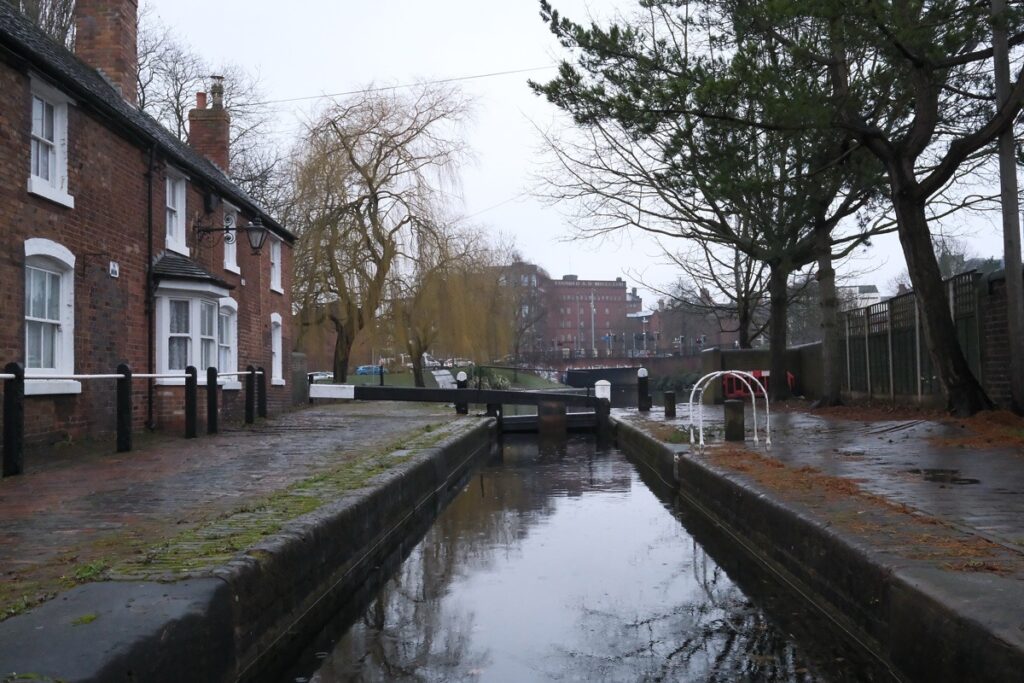
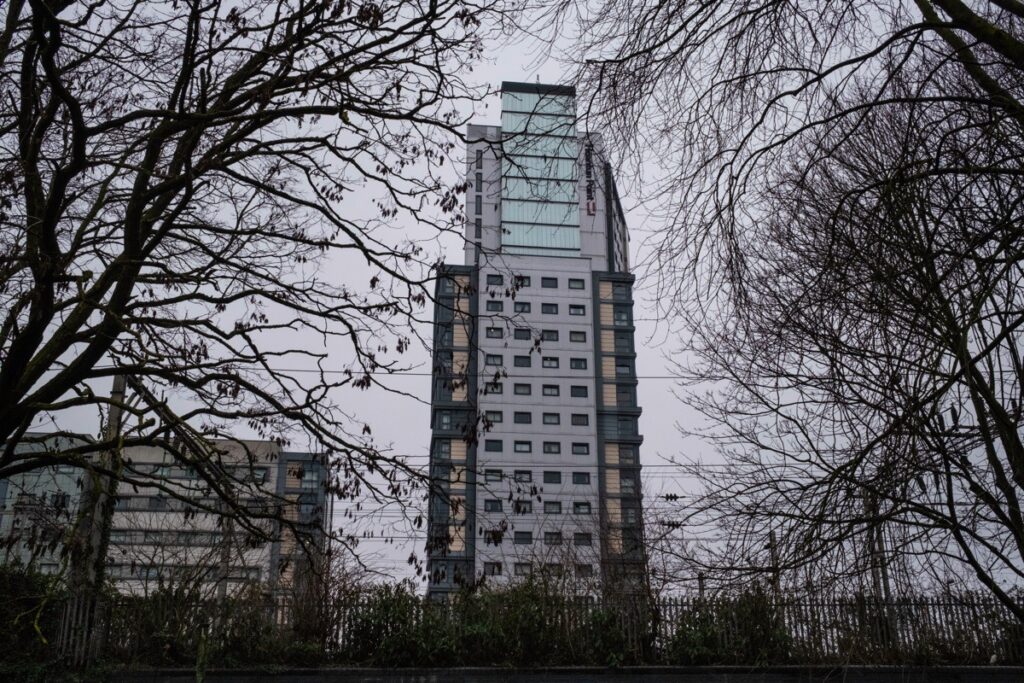
I arrived early so that I could photograph the city. The weather was grisly, with intermittent rain and drizzle. I wanted to explore the canals that I often saw from the train windows as I passed through the station. You can pick up the canal towpath from the station. Abandoned boats sit alongside those still in use by present-day canal boaters. The lock keeper’s cottage contrasts with the newer, box-like architecture nearby which is Victoria Hall student accommodation. Leaving Wolverhampton train station and the canals, one of the first imposing buildings you encounter is the triangular Chubb Building, which towers over the road and canal network.
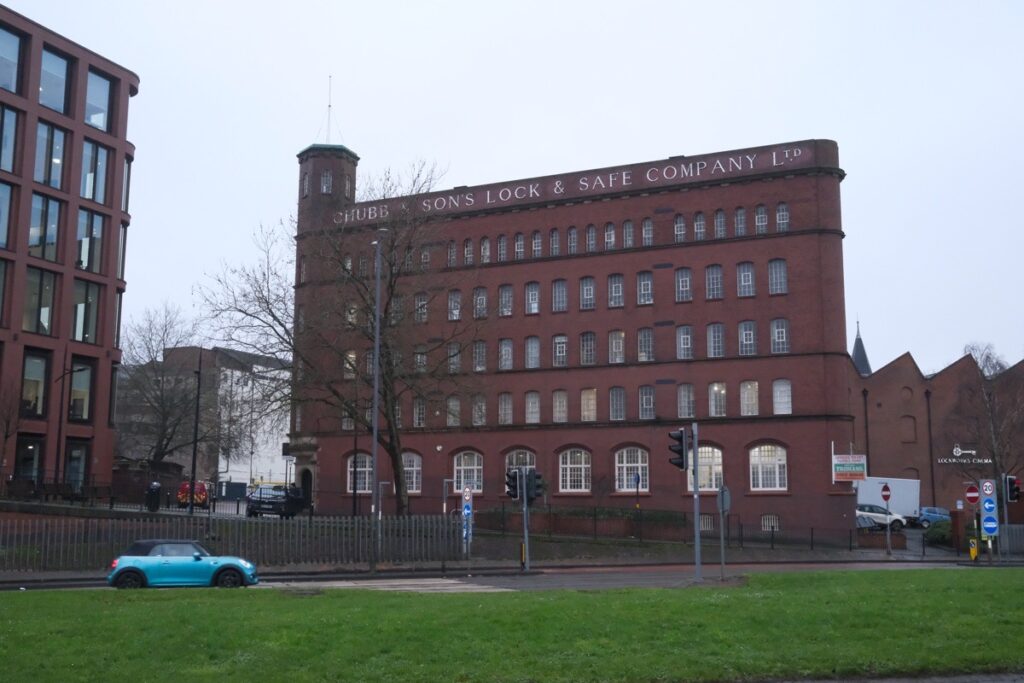
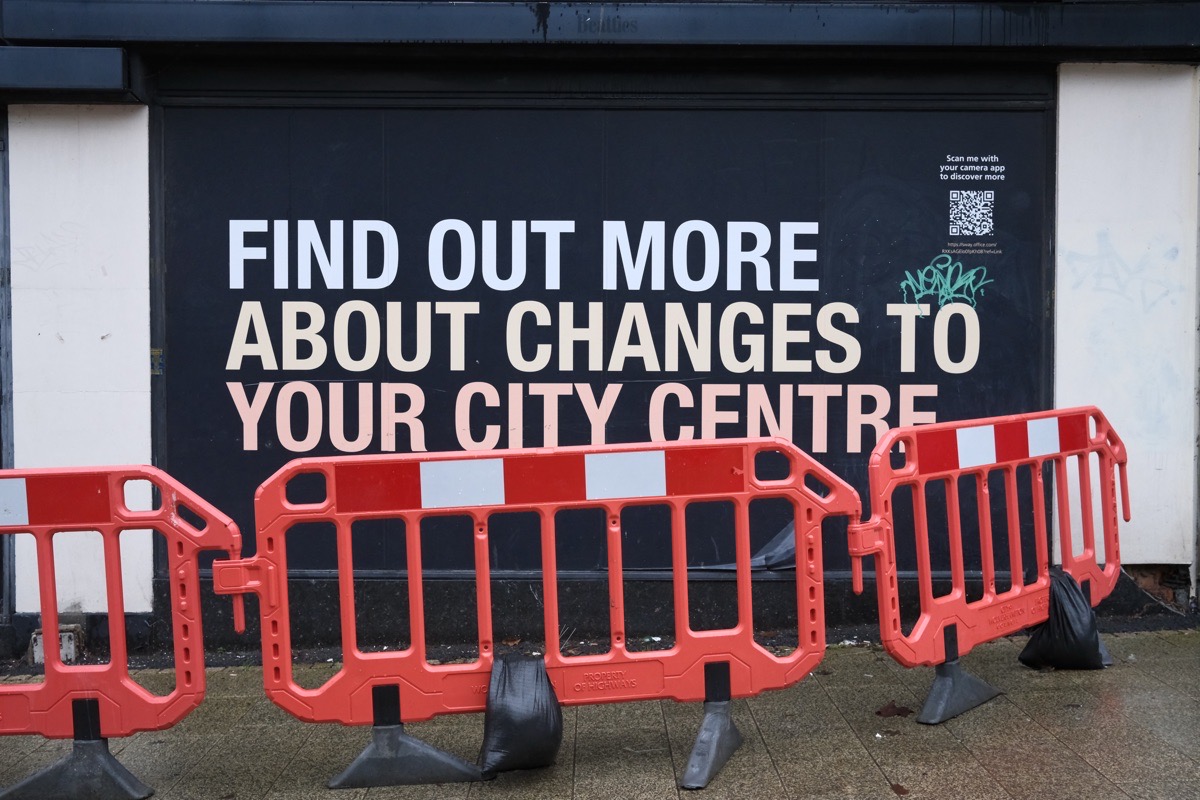
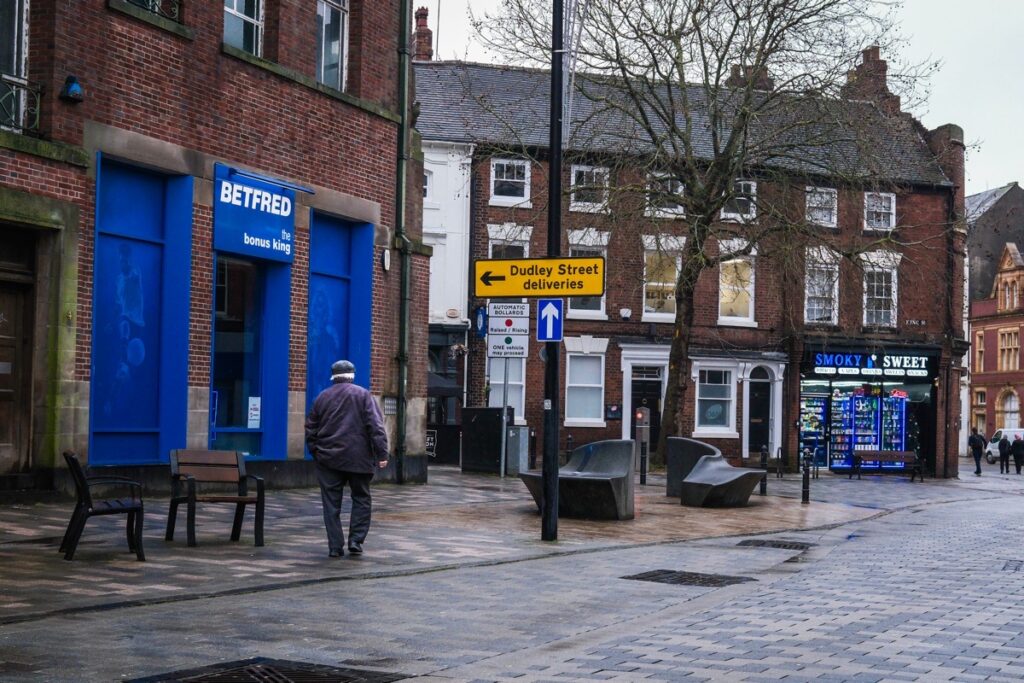
Moving through the city, there is more than a sprinkling of betting shops and hairdressers; in fact, they seem to be the main attraction, along with a few pubs and coffee houses. The grand shopping building Beatties looks sad and dejected. Its Art Deco architectural style makes it stand out, but the billboarding and red fencing detract from its appearance. I stood outside the boarded-up building, imagining what it must have been like in its heyday, bustling with shoppers.
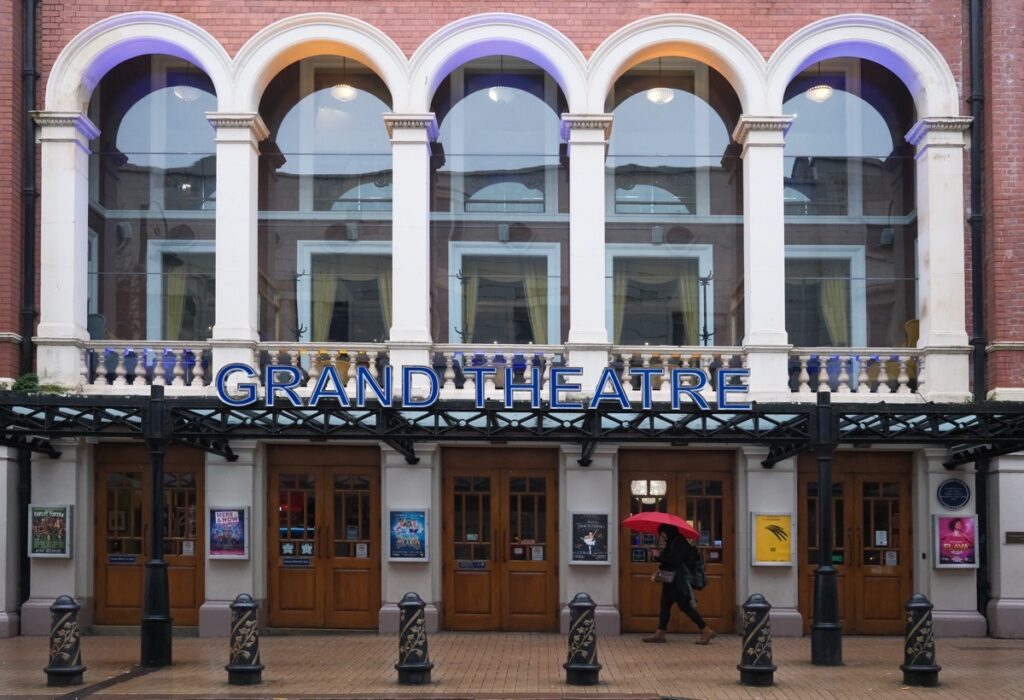
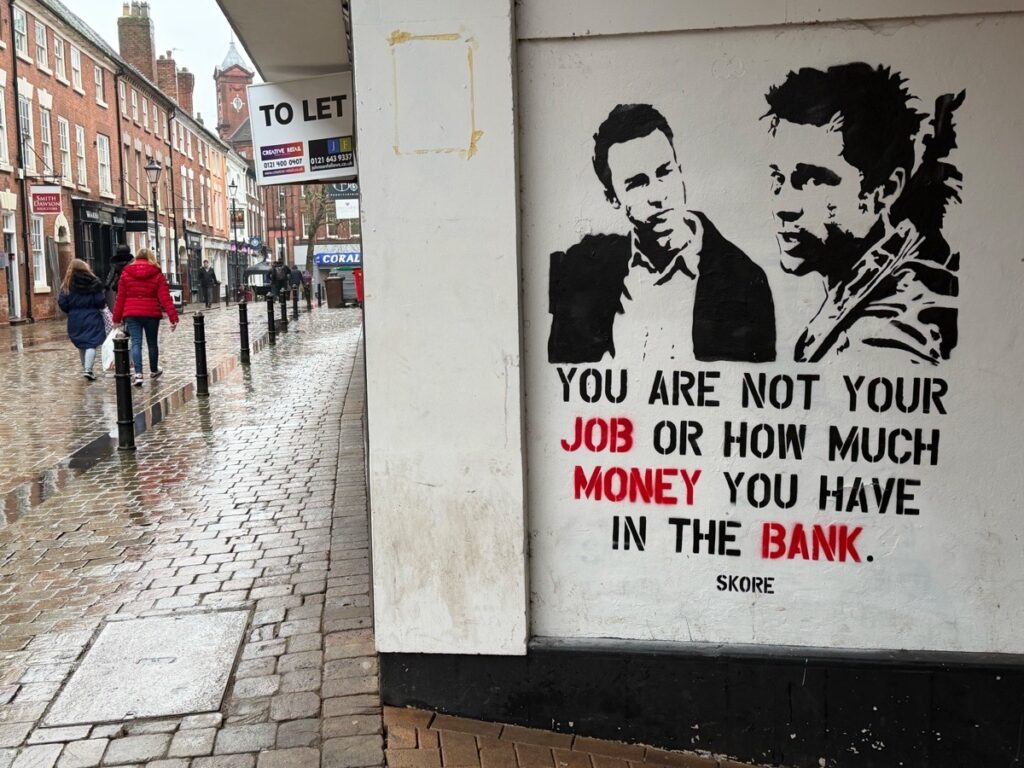
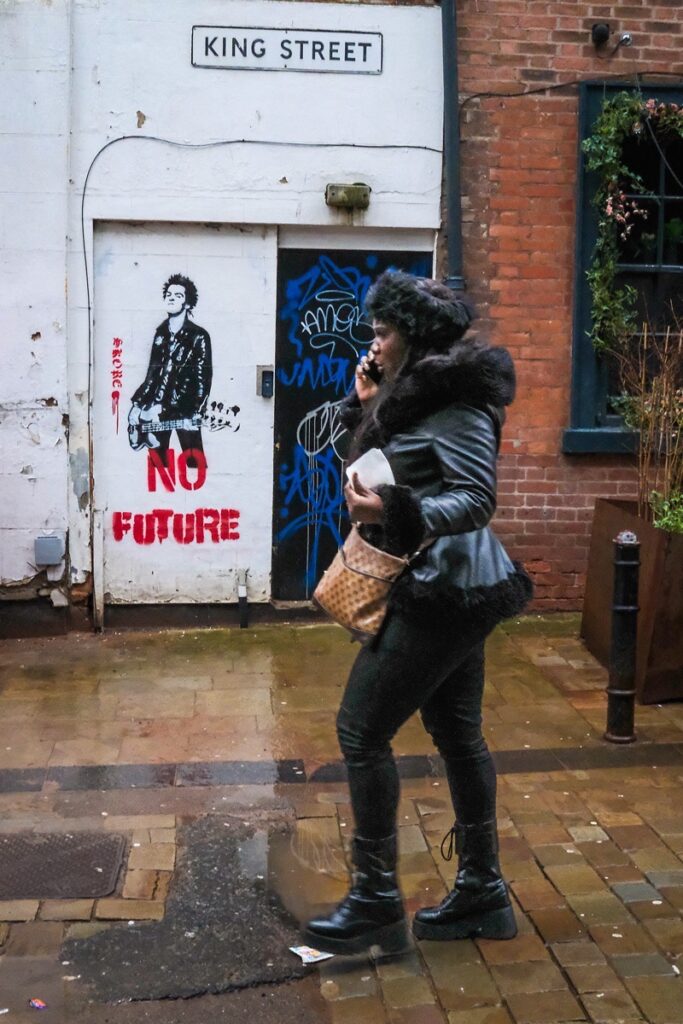
Now the streets are empty, apart from a few art murals. “Empty” is a word that describes the city well. The covered shopping centre does attract shoppers, but once again, looking at what is available makes me think that a quick look on Amazon would reveal far more choice.
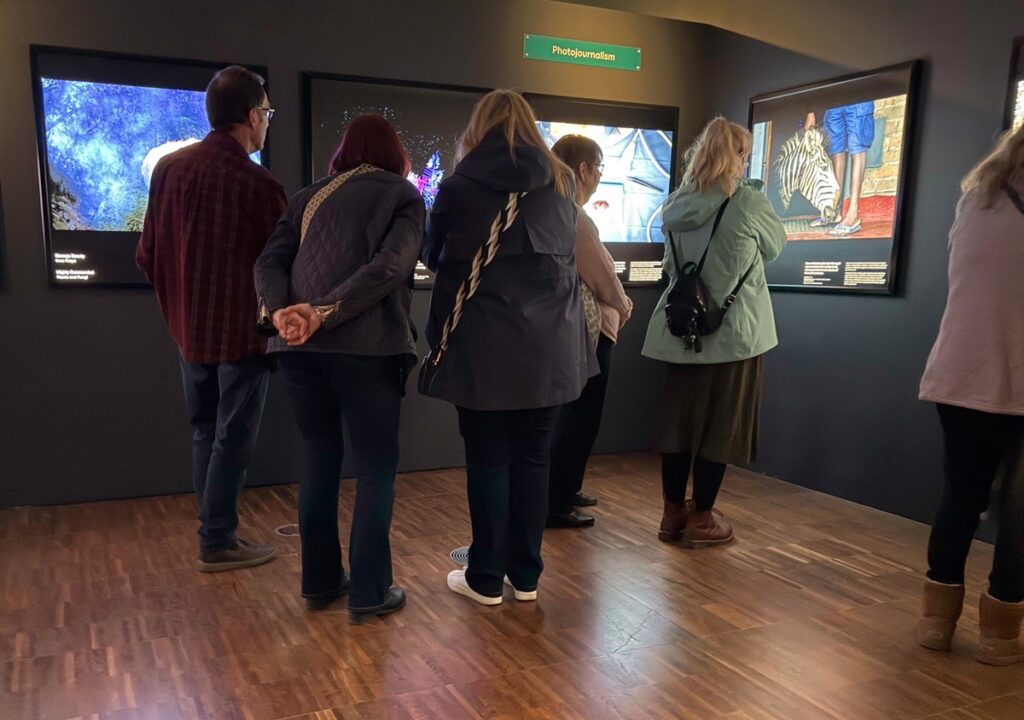
My spirits were lifted by the Wolverhampton Art Gallery. Inside, the white walls were covered with pictures and artwork. The atmosphere inside is cheerful, and the staff were genuinely interested in what you were going to view. Wildlife Photographer of the Year is a big draw, and I had an early ticket. By late morning, there were many people around looking at the pictures. The exhibition was absorbing. The photographs were incredible, and there were so many highlights. I was taken aback by the quality. The 10-and-under category blew me away. I definitely have a lot more learning to do about photographing wildlife.
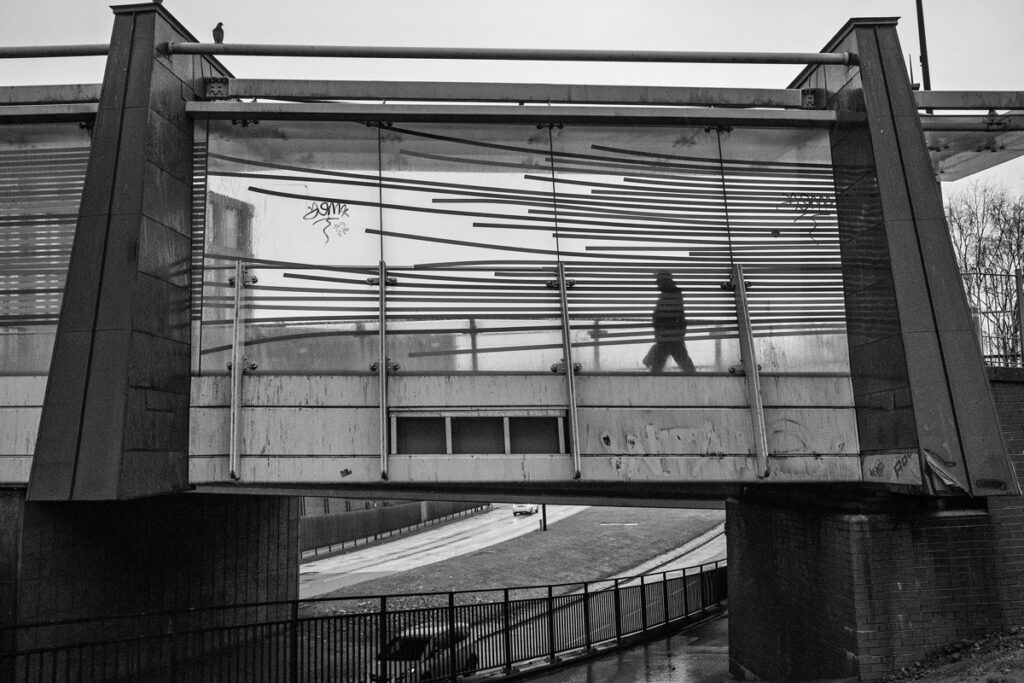
The restaurant, like the rest of the gallery, was very good. After lunch, I went to Molineux Stadium and, on the way, passed buildings belonging to the University of Wolverhampton. These were a magnet for young people who were milling around, undeterred by the miserable conditions. The underpass between the city and the football stadium is a good place to pause for photographing street scenes. There is a constant stream of people with umbrellas, and the central section is busy with bikes passing through. The stadium is bright and yellow, and I enjoyed walking around the perimeter, taking pictures of the architecture and sculptures.
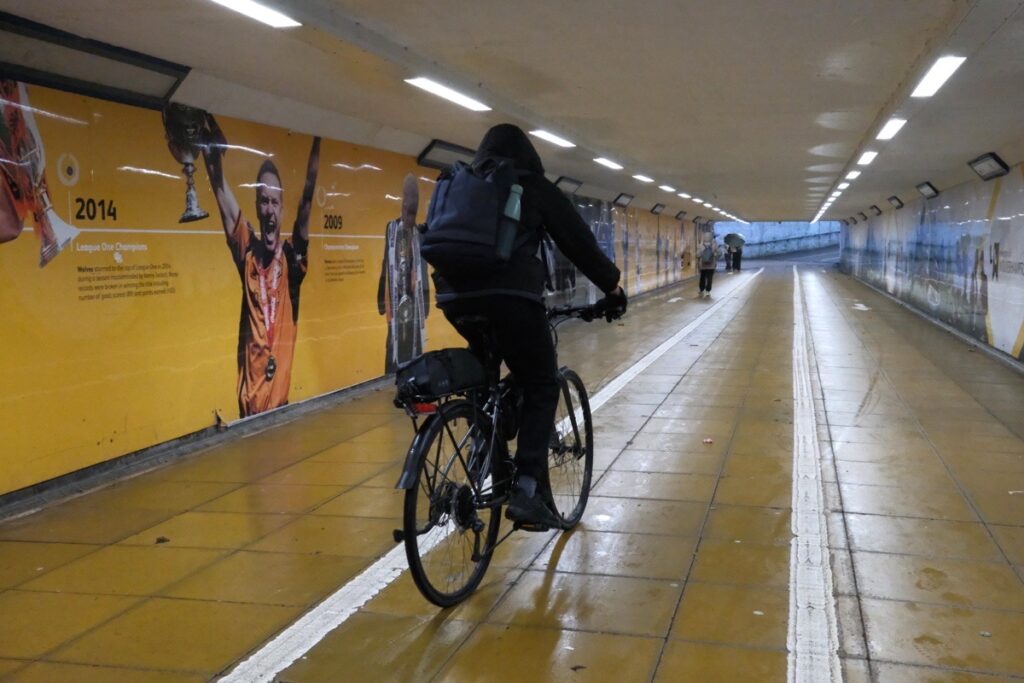
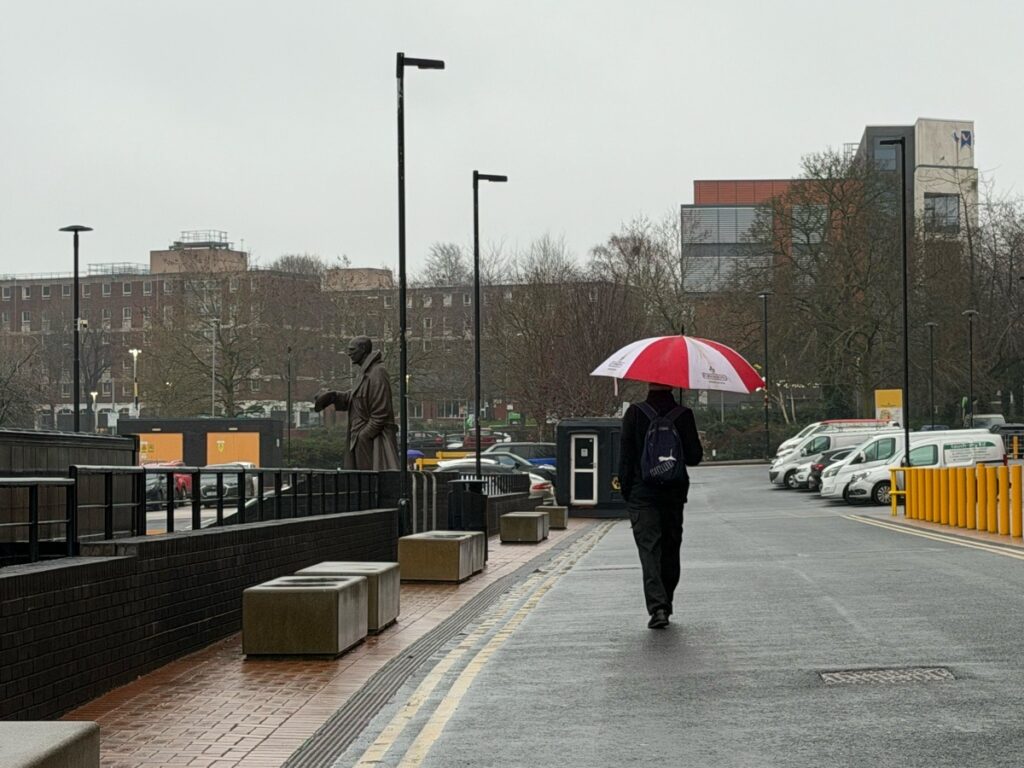
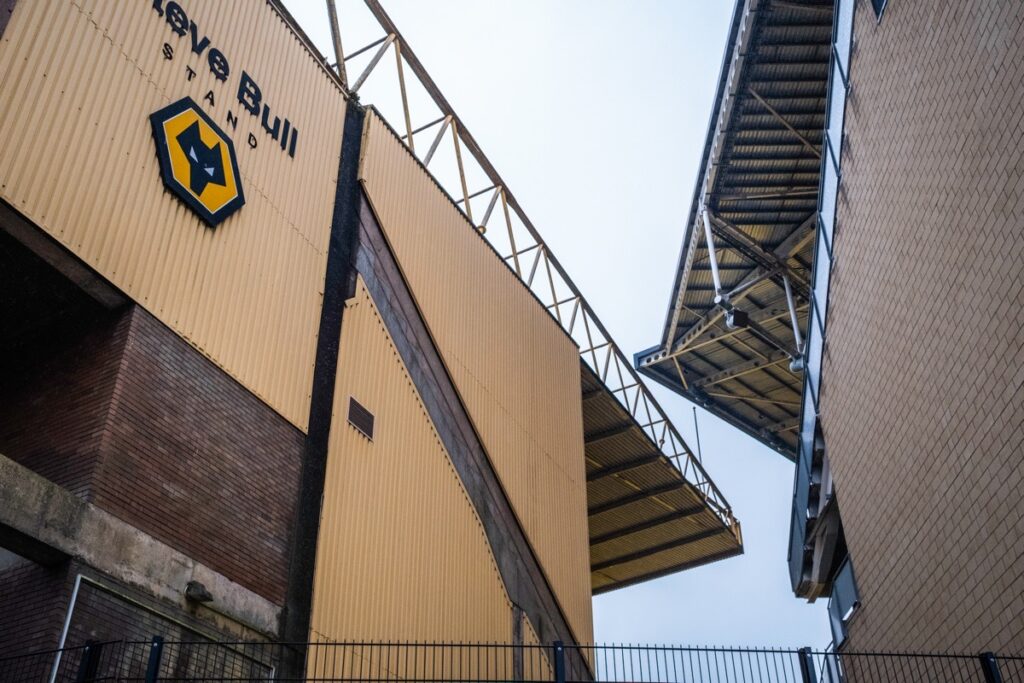
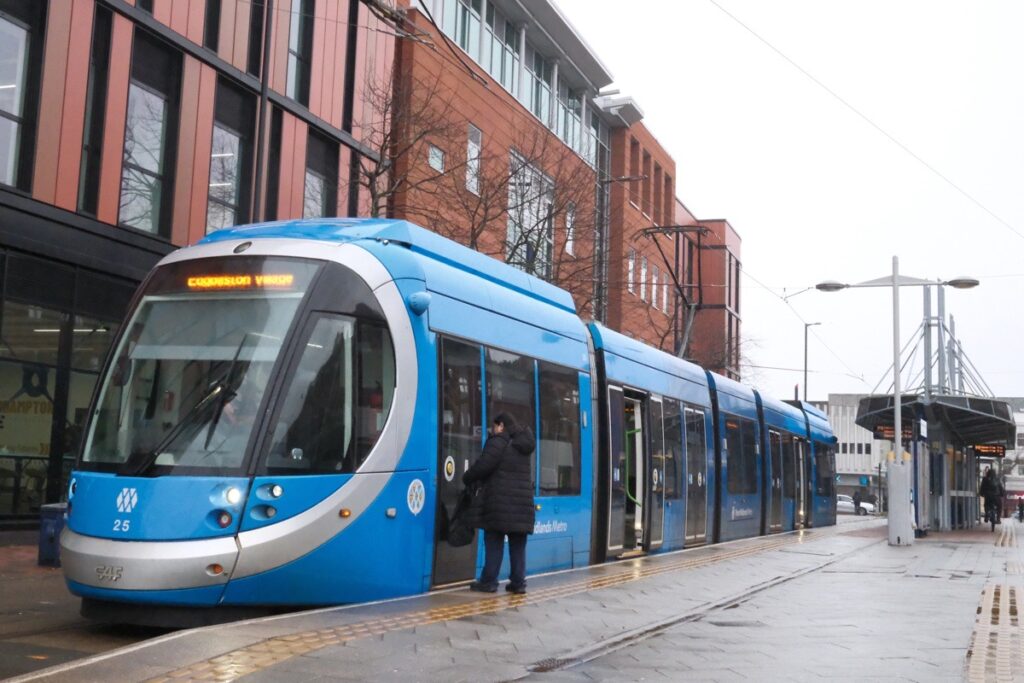
I walked back, this time to the tram terminus, and on the way found more street art. It was lunchtime, so there were a few more people around. I was relieved to find that the city does have a lifeblood of people.
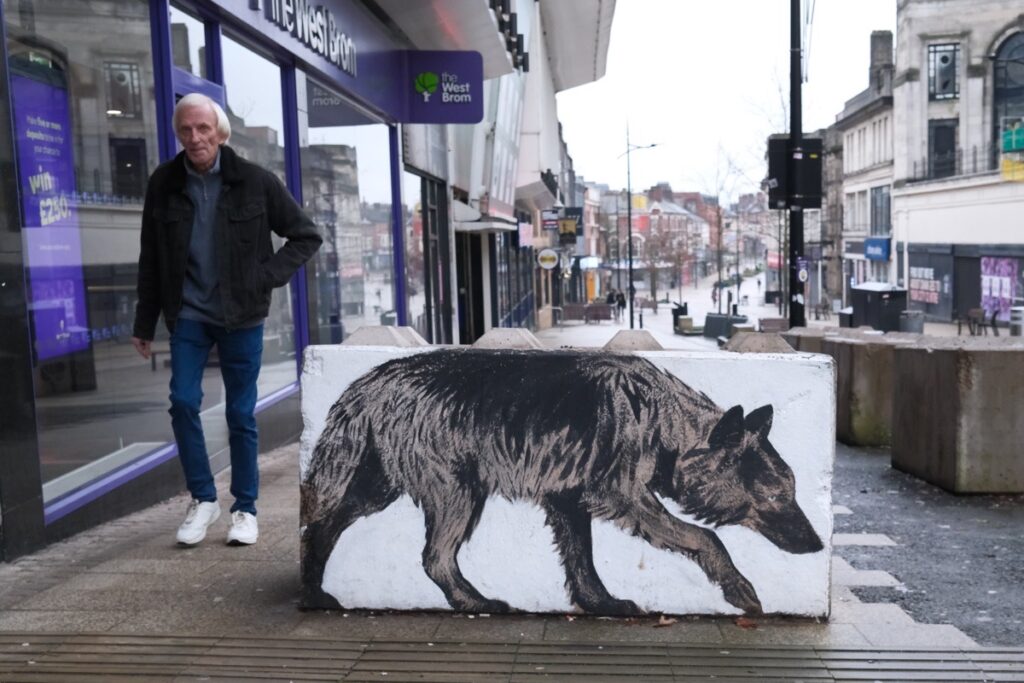
Photographing Wolverhampton, a summary.
As the BBC has reported, there is both good and bad things happening in Wolverhampton. The Victorian and Georgian buildings are beautiful but I guess they are a challenge to regenerate. Meanwhile the town centre looks vacant. Yet at lunchtime, the city is alive with office staff and casual shoppers. The area around the university is vibrant, with many students moving around. The football stadium is a colourful focal point, and I hope the team remains in the Premier League for the good of the city. Photographing Wolverhampton does provide a rich source of subject matter for the camera.
Birmingham is also going through change and photographing Digbeth shows the transition.